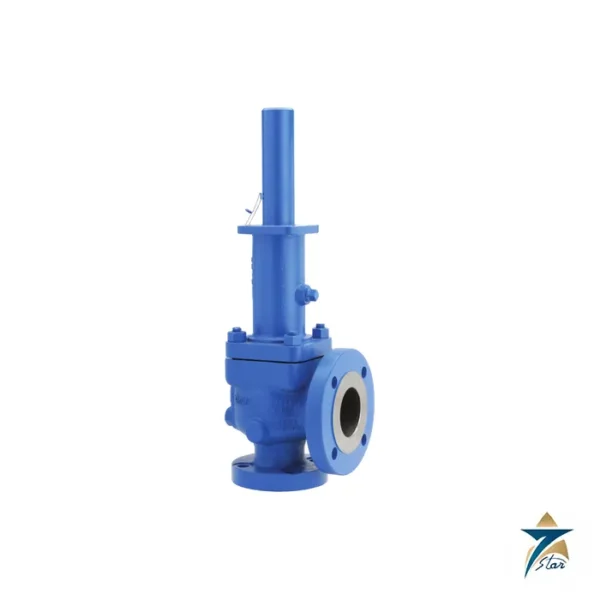
LESER Type 481 small-capacity clean service safety valve
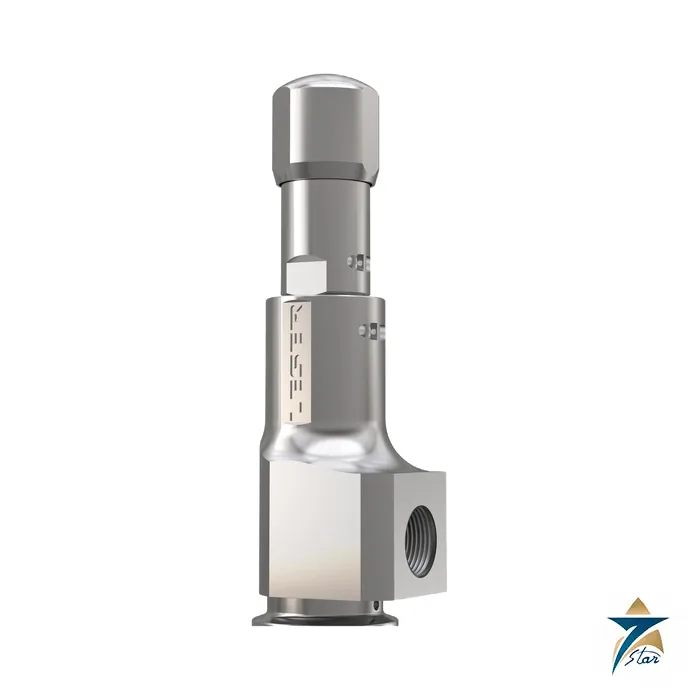
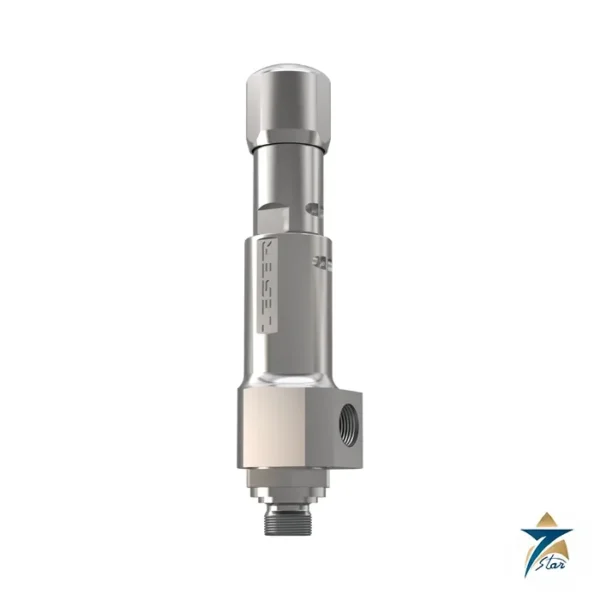
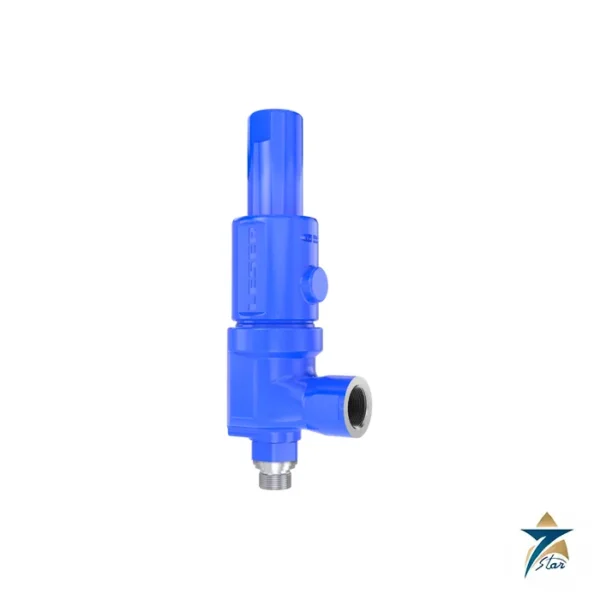
The LESER Type 481 is a stainless-steel spring-loaded safety valve for hygienic and sanitary processes where only a small relief capacity is needed. It belongs to LESER’s Clean Service family, which is designed around the cleanability of the valve inlet and outlet rather than around raw flow. In LESER’s own selection table the Type 481 is positioned as the small-capacity valve for installations in which clean-service properties are needed at the valve inlet, for example the protection of gas systems used for bottling beverages. Seven Star LLC supplies the Type 481 in Oman and the GCC as an independent supplier in Muscat.
The valve has a 10 mm actual orifice (78.5 mm²), a 316L body, aseptic clamp or screwed connections on the inlet, and a threaded or clamp outlet. Two set-pressure bands exist: a vulcanized soft-seal disc from 0.1 to 16 bar for low pressures, and an O-ring disc from 16 to 68 bar for higher ones.
| Parameter |
Specification |
| Manufacturer / part number |
LESER Type 481 (article series 4814) |
| Product line |
Clean Service, spring-loaded, small capacity |
| Actual orifice |
d0 = 10 mm; A0 = 78.5 mm² (0.394 in.; 0.122 in²) |
| Set pressure, vulcanized soft seal |
0.1 to 16 bar (1.5 to 232 psig) |
| Set pressure, O-ring disc |
16 to 68 bar (233 to 986 psig) |
| Body material |
1.4404 / SA 479 316L |
| Soft-seal options |
EPDM (D), CR (K), FKM (L), NBR (N), FFKM (C) |
| Dead-space ratio |
L/D below 1.5 |
| Maximum weight |
1.4 kg |
| Lifting devices |
Cap H2, packed knob H4, pneumatic lifting device H8 (single or double piston) |
Hygienic design of the Type 481: connections, surfaces and standards
Hygiene in a safety valve is decided by dead space. LESER defines the dead-space ratio as the length of the inlet divided by its diameter (L/D) and keeps it below 1.5 for the Type 481, which satisfies the 1.5 limit that LESER quotes from FDA 21 CFR 177.2600 and the 2.0 limit it quotes from ASME BPE. The valves in this family are designed for DIN 11866, ASME BPE, EN 1672-2 and DIN ISO 14159, and the catalogue lists USP Class VI and FDA 21 CFR among the requirements the range is built to serve in the food and pharmaceutical industries.
Inlet connections offered include clamp connections in DN 15 and DN 25 (NPS 3/4 and 1 in.), with outlets as DN 25 / 1 in. clamp or threaded G1/2, G3/4, G1 and NPT 1/2, 3/4 and 1 in. Aseptic screwed connections to DIN 11850 and DIN EN ISO 1127 pipe standards, and to BS 4825-1 ranges, are available on DN 25 / 1 in. sizes, and the center-to-face dimension on the inlet is 30 to 46 mm depending on the connection.
Surface packages
Product-contact surfaces are specified by a LESER surface package. Clean finish (option B50) and HyClean finish (B51) give a maximum roughness of 0.750 µm (30 µinch) on the inlet and the underside of the disc, and the Sterile finish (B52) tightens this to 0.500 µm (20 µinch). The blow-off side and outside surfaces are held to 3.0 µm (120 µinch). Choose the package from the cleaning and validation regime of the plant.
Operation, soft seals and temperature limits of the Type 481
The valve is a conventional spring-loaded design: the spring presses the disc onto the nozzle, and when the inlet pressure reaches the set point the disc lifts and discharges through the outlet. Below 16 bar a disc with a vulcanized soft seal is used, and above that the soft seal is an O-ring in the disc. In both versions the sealing element is chosen to match the medium and the cleaning chemistry.
Temperature limits are set by the elastomer rather than the steel. The catalogue gives the following minimum and maximum temperatures.
| Soft-seal material |
Temperature range |
| EPDM (D) |
−45 to +150 °C |
| Chloroprene CR (K) |
−40 to +100 °C |
| FKM (L) |
−18 to +180 °C |
| NBR (N) |
−25 to +110 °C |
| FFKM (C) |
0 to +250 °C |
Clean-in-place and steam-in-place regimes can push seat temperatures beyond the process maximum, so give the cleaning temperature as well as the operating temperature when you enquire.
Capacity certification and approvals
Certified discharge coefficients for the Type 481 are 0.45 for steam and gas with set pressures up to 16 bar and 0.40 above 16 bar, and 0.37 and 0.33 for liquids respectively. Under ASME Section VIII Division 1 the rated slopes are 2.55 lb/hr/psia (steam), 0.904 SCFM/psia (gas) and 1.49 GPM√psid (liquid), giving K of about 0.406 for steam and gas and about 0.322 for liquid. The Clean Service catalogue lists approvals to EN ISO 4126-1 under the PED, AD 2000-Merkblatt A2, ASME Section VIII Division 1 (UV stamp, National Board capacities), Canadian CRN, Chinese AQSIQ and EAC, with classification society approval on request.
These values are cited for orientation only. The certificate supplied with your valve is the document of record.
Lifting devices and the H8 selection chart for the Type 481
Hygienic plants often need to prove that a safety valve can lift on demand, so the Type 481 can be fitted with different lifting devices: the plain cap H2, the packed lifting knob H4, or the pneumatic lifting device H8. The H8 device uses plant air to lift the disc remotely and is useful for periodic functional testing without removing the valve. For higher set pressures a double-piston device is needed, and the catalogue includes a selection chart that relates the valve set pressure (up to 986 psig) to the lifting pressure required, with a note to consult the factory in the upper corner of the chart.
Height rises with the device: the maximum height with H4 is 193 to 203 mm depending on the inlet clamp size, and 221 to 231 mm with the double-piston H8 design.
Selecting a Type 481 and preparing the order
- Set pressure, which fixes the soft-seal design: below or above 16 bar.
- Inlet and outlet connection type, nominal size and pipe standard (DIN 11850, EN ISO 1127 or BS 4825-1).
- Soft-seal elastomer, based on the medium, CIP chemistry and SIP temperature.
- Surface package: Clean (B50), HyClean (B51) or Sterile (B52).
- Lifting device: H2, H4 or H8.
- Capacity required and the medium state.
- Documentation: material certificates, surface finish records and the approval needed for the market.
Typical uses of the Type 481 in Oman and the GCC
Hygienic safety valves are needed in the region’s growing food, beverage and pharmaceutical sector: dairy and juice processing, soft-drink bottling and carbonation, bakery and edible-oil plants, water bottling, and pharmaceutical or nutraceutical production. A small valve such as the Type 481 protects secondary systems such as CO2 and nitrogen lines, steam-to-process jackets, clean steam and sterile-air headers, and small pressurized tanks. High ambient temperature and humidity increase corrosion and microbial risk, which is one reason to specify the 316L body and the finer surface packages for valves installed outdoors or in washdown areas.
Related Clean Service types
| Type |
Key feature |
| Type 481 |
Small capacity; clean service at inlet; clamp or aseptic inlet |
| Type 483 |
Small to medium capacity; standardized aseptic connections; L/D below 1.5 |
| Type 484 |
Small to medium capacity; welded into the vessel wall; L/D below 0.33 |
| Type 485 |
Pipe-integrated; L/D below 0.95 |
| Type 488 |
Large capacity; DN 25 to DN 100 |
The 481 is the economical choice for modest capacities, while the 484 and 485 are intended for the highest-purity vessels and piping where dead space must almost disappear.
Information to include in a Type 481 enquiry
- Medium, concentration and operating temperature, plus cleaning and sterilizing conditions.
- Set pressure, required capacity and back pressure at the outlet.
- Preferred inlet and outlet connection, plus seal material and lifting device.
- Surface finish and certificate level.
- Quantity and delivery location.
Documents and quotation
A LESER Clean Service catalogue that includes the Type 481 is attached to this page. Please send the details above and we will confirm the correct article, lead time and the documents available for your order.
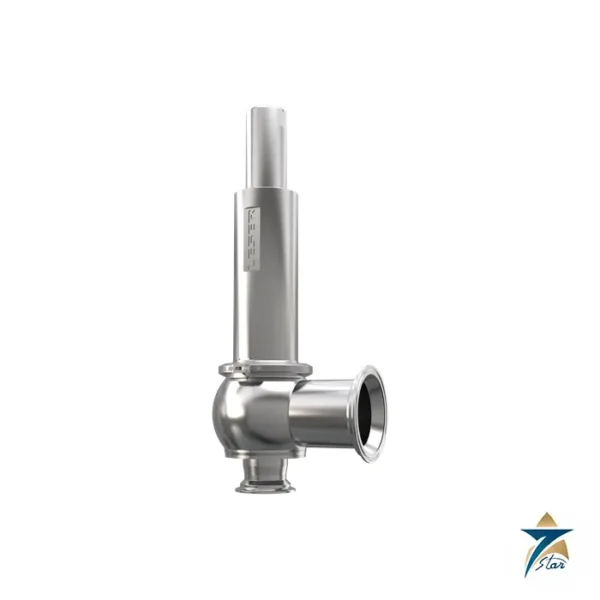
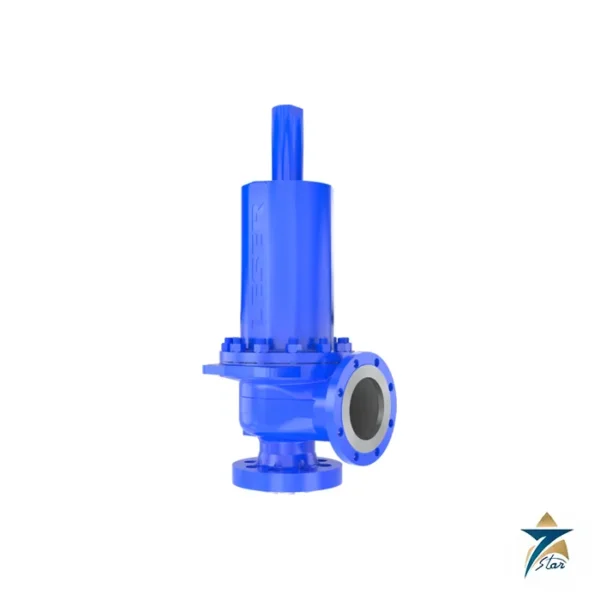
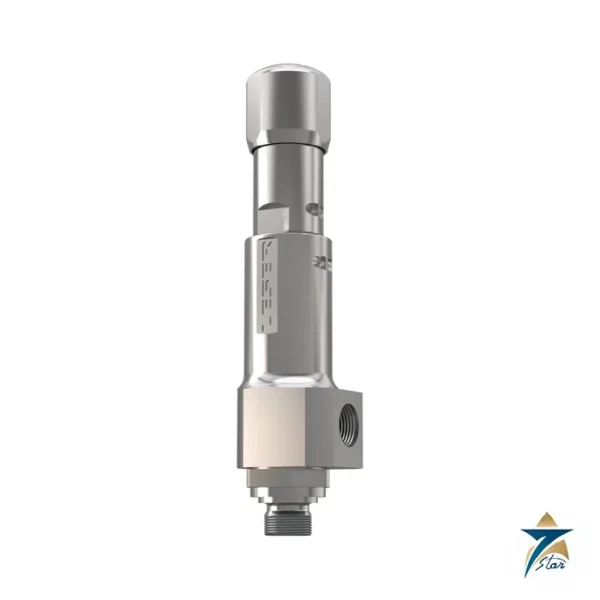
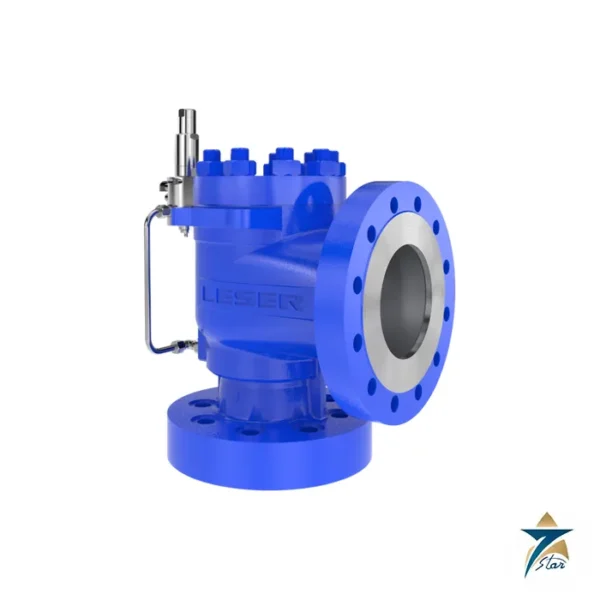
Other Models in the Leser Clean Service Range
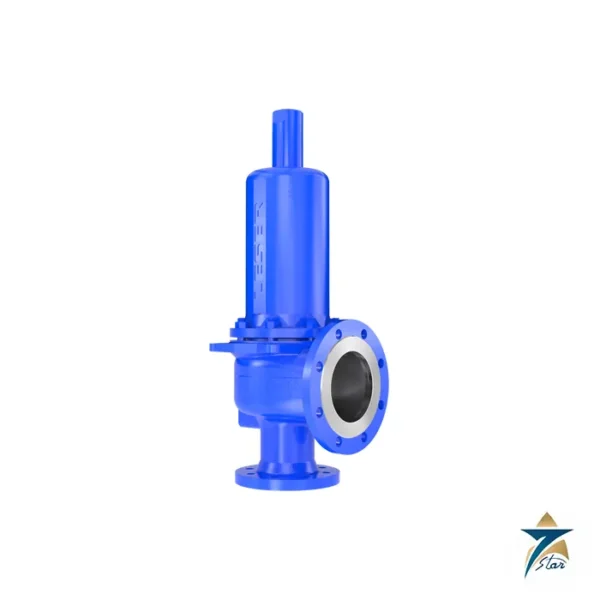
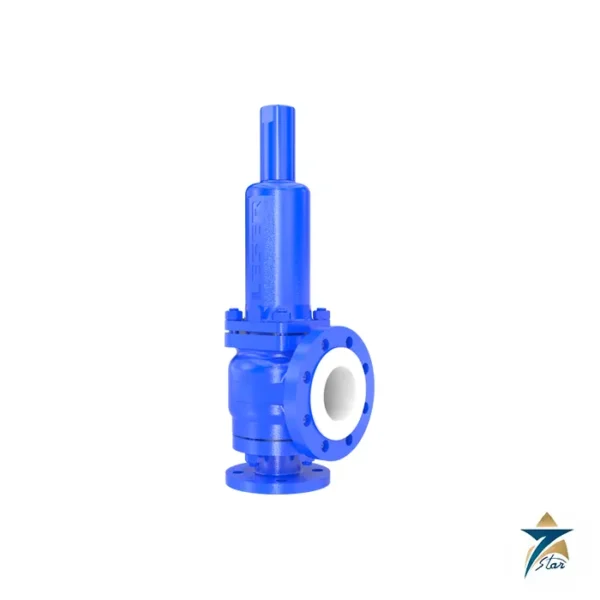
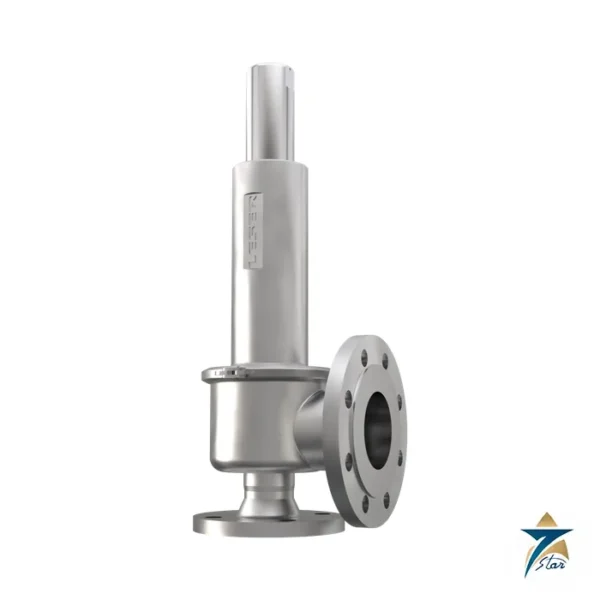
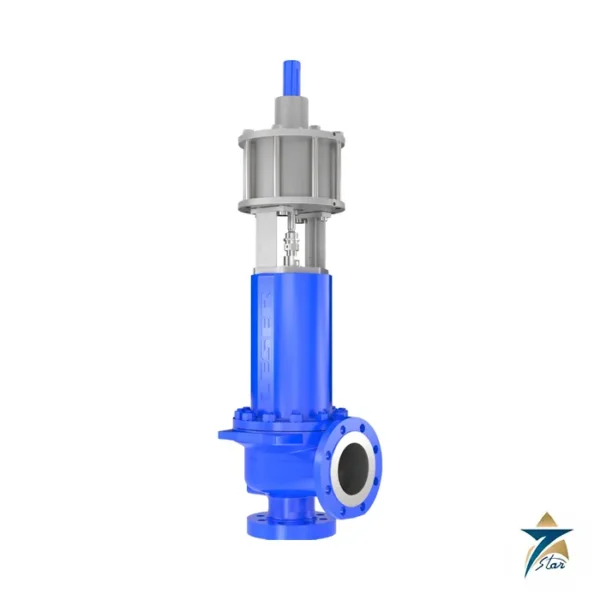
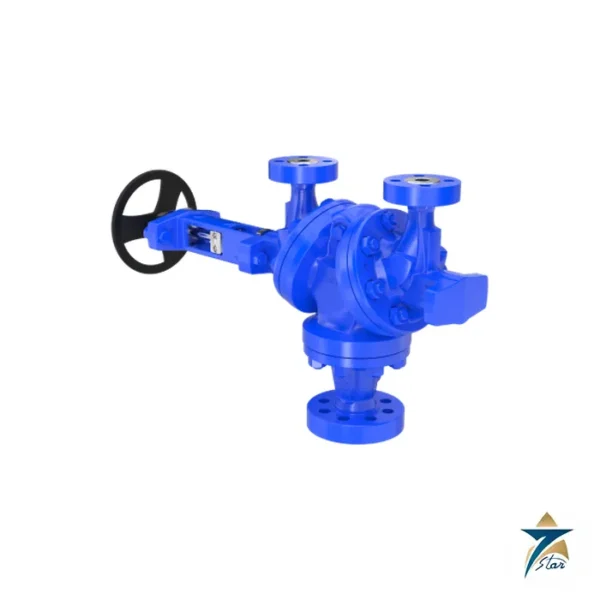
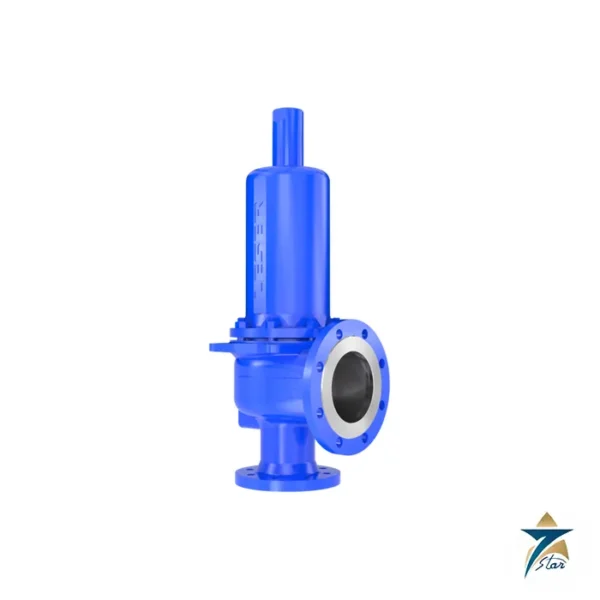
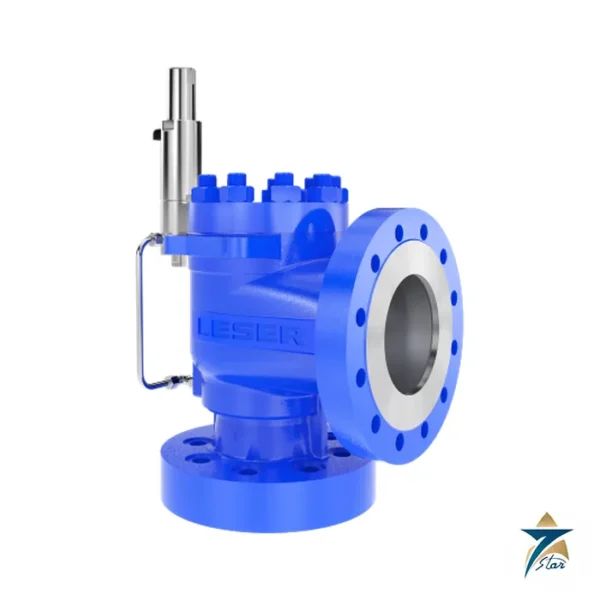
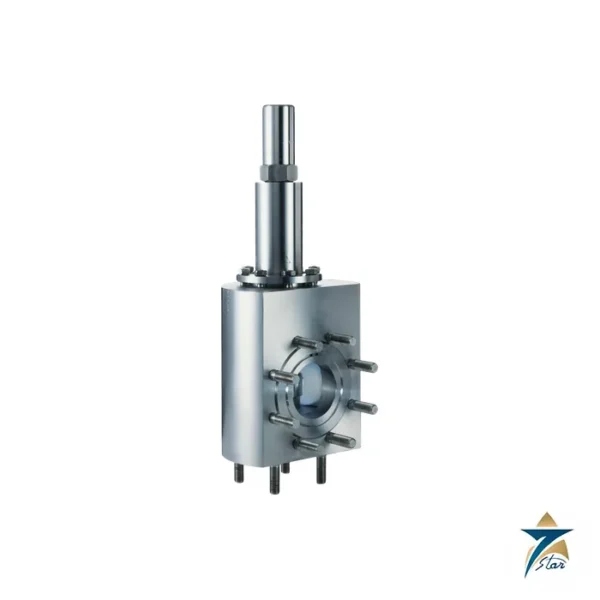
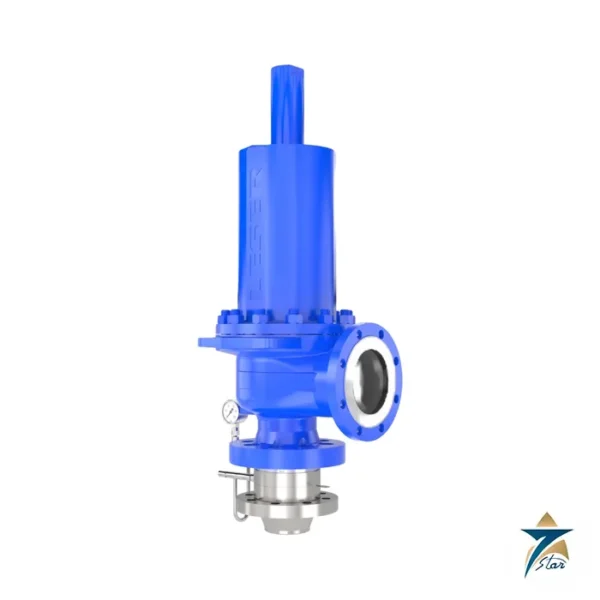
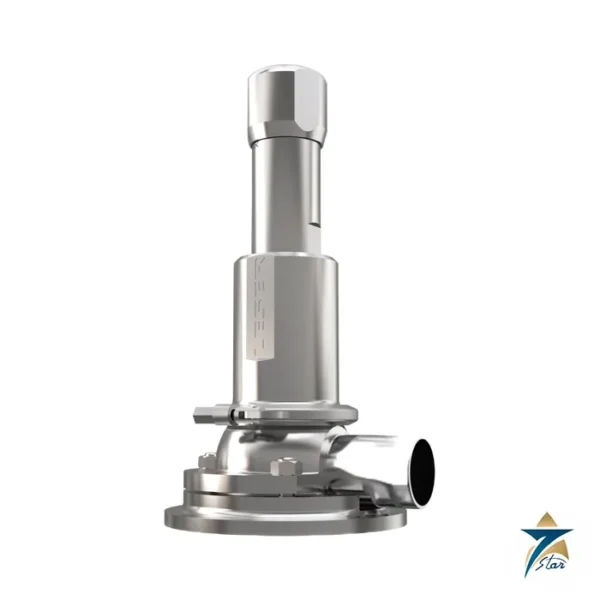
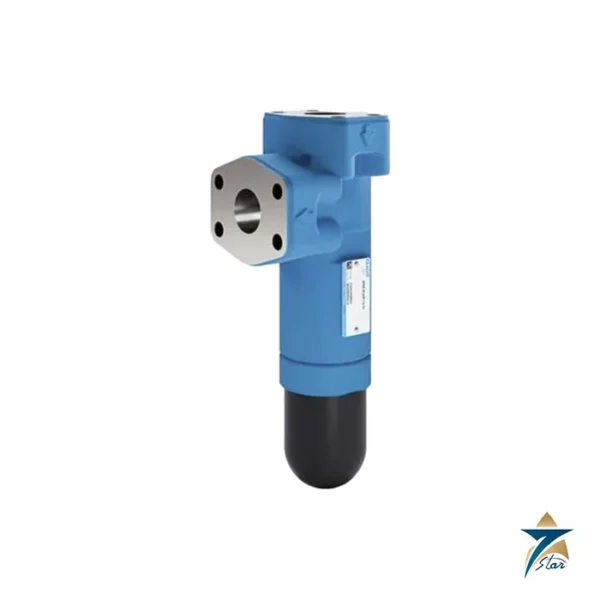
Seven Star LLC supplies models from the Leser Clean Service range in Oman and the GCC. Compare the related models below and request a quote for the one that matches your application.
























Reviews
There are no reviews yet.