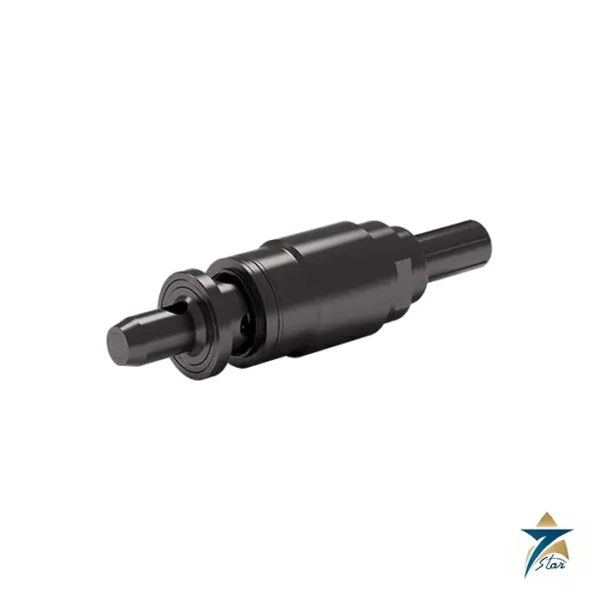
LESER Type 439 vulcanized soft-seal safety valve for low set pressures
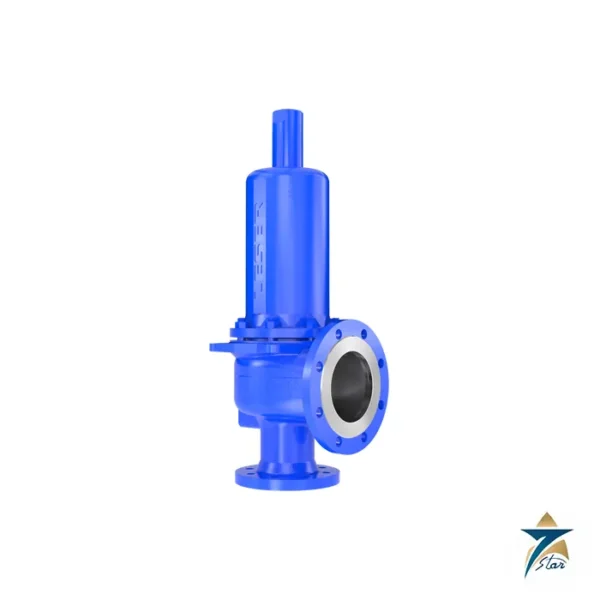
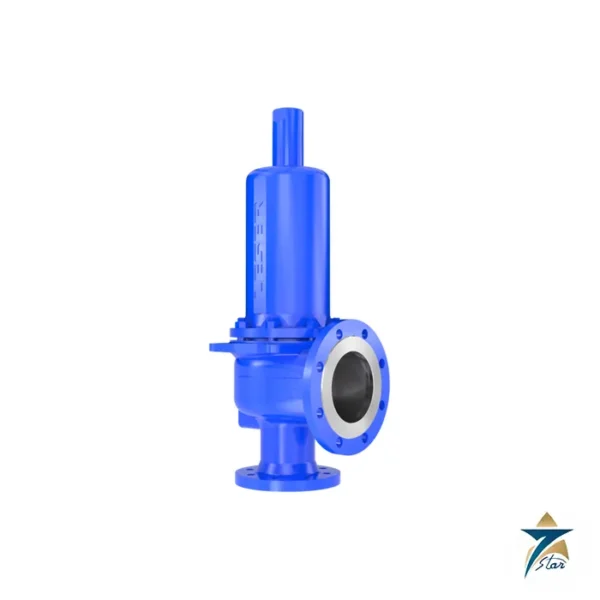
The LESER Type 439 is a small-capacity spring-loaded safety valve whose disc carries a vulcanized soft seal. It belongs to the Compact Performance line next to the Type 437 and Type 438, but it is aimed at one specific problem: keeping a valve tight when the set pressure is low, from 0.1 up to 16 barg, where a metal seat or even an O-ring disc can start to weep because the spring force is small. Seven Star LLC supplies the Type 439 in Oman and the GCC as an independent supplier in Muscat.
Unlike the Type 438, where a loose O-ring sits in a groove of the disc, the Type 439 has the elastomer bonded (vulcanized) to the stainless-steel disc. The seal cannot roll out of a groove and it gives a very uniform contact line, which is why LESER recommends it for gentle, low-pressure protection of expensive or hazardous media.
| Parameter |
Specification |
| Manufacturer / part number |
LESER Type 439 (article series 4393 and 4394) |
| Product line |
Compact Performance, spring-loaded, small capacity |
| Seat design |
Disc with vulcanized soft seal (NBR, CR, EPDM, FKM or FFKM) |
| Actual orifice |
d0 = 10 mm; A0 = 78.5 mm² (0.394 in.; 0.122 in²) |
| Set pressure |
0.1 to 16 barg (1.5 to 232 psig) |
| Pressure rating |
Inlet body PN 250; outlet body PN 160 |
| Temperature, 1.4104 (430) body |
−10 to +150 °C to DIN EN; −29 to +150 °C to ASME |
| Temperature, 1.4404 (316L) body |
−45 to +150 °C (−49 to +302 °F) |
| Net weight, flanged |
2.4 kg without the inlet and outlet flange |
| Cap and lifting options |
Cap H2, pull button H3 (limited to 10 barg on 4393), gastight lifting device H4 |
Type 4393 and Type 4394 explained
Type 4393 has a base and inlet body in 1.4104 chrome steel (grade 430), while Type 4394 uses 1.4404 (316L) for the body and for the spindle, spring plate, adjusting screw, lock nut and cap. As in the rest of the series, LESER advises against Type 4393 where the process medium requires a stainless valve. For ASME applications the 1.4104 body can be substituted by 316L with an option code, which also changes the permitted temperature window.
Soft-seal material is chosen by letter: N for NBR, K for chloroprene, D for EPDM, L for FKM and C for FFKM, corresponding to option numbers J30, J21, J22, J23 and J20. Because the soft seal is vulcanized to the disc, changing it is a workshop job on a complete disc rather than a simple O-ring swap, which is worth remembering when you plan spare parts.
Why a vulcanized soft seal suits low set pressures
At low set pressure the opening force is small, and leakage past a seat is governed by how well the sealing surfaces conform to each other. A vulcanized elastomer seat conforms to the nozzle edge almost perfectly even under a spring load of only a few newtons, so the valve stays closed up to a high fraction of the set pressure. That reduces product loss, avoids nuisance emissions in a closed vent system and prevents product from leaking onto the outside of equipment.
In practice this is the relevant choice for blanketing gas headers, low-pressure vessels, heat-exchange jackets, and compressed air or inert gas buffers where the process runs close to its limit. It is less suited to steam above the elastomer limit or to fluids that attack the chosen rubber.
- Gentle opening and reseating at low spring load.
- Seal bonded to the disc, so there is no loose seal that can be displaced.
- Same compact 10 mm orifice body as the 437 and 438, which keeps spares and mounting familiar.
- Temperature limited by the elastomer; the catalogue values are for EPDM.
Capacity data and approvals for the Type 439
The certified capacity of this valve rests on the same 10 mm orifice as the Type 438. The catalogue gives rated slopes for ASME Section VIII Division 1 of 2.55 lb/hr/psia for steam, 0.904 SCFM/psia for gas and 1.49 GPM√psid for liquid. Approvals listed alongside the type are PED and EN ISO 4126-1, AD 2000-Merkblatt A2, ASME Section VIII Division 1, Canadian CRN, Chinese AQSIQ and Eurasian EAC, with marine classification by BV, DNV GL, Lloyd’s Register EMEA, RINA and the U.S. Coast Guard.
Always size the valve with the coefficient shown on the certificate that will accompany your delivery. The set-pressure range is only 0.1 to 16 barg, so check that your allowable accumulation and the overpressure allowed by your design code are compatible with the lift characteristic of a soft-seat valve.
Dimensions and connections for Type 439 flanged valves
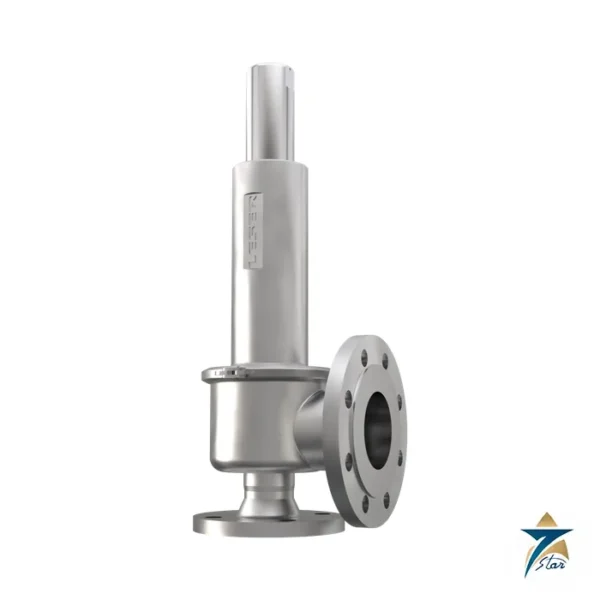
The flanged valve has a center-to-face distance of 103 mm on the inlet and 100 mm on the outlet. Height to the top of the cap is 263 mm for PN 40 and class 150 flanges, and 266 mm for flange ratings PN 160 and above and class 300 and above. The net weight of the valve without flanges is 2.4 kg, to which the weight of the inlet and outlet slip-on flanges must be added; for example a DN 15 PN 40 flange adds 0.8 kg and a DN 25 PN 40 flange 1.3 kg.
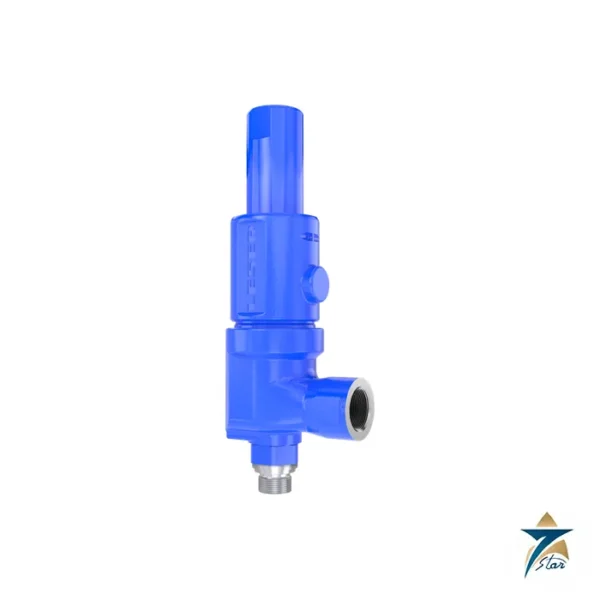
Threaded variants are available with the same set-pressure window, and the outlet body can be selected independently. If the discharge goes into a closed header, give the back pressure so that the conventional design can be confirmed as suitable.
Selecting a Type 439: practical checklist
- Set pressure between 0.1 and 16 barg; if your set pressure is higher, look at the Type 438.
- Medium and temperature, to choose between NBR, CR, EPDM, FKM and FFKM.
- Body material 1.4104 or 1.4404 / 316L.
- Connection: DIN or ASME flange rating on inlet and outlet, or thread size.
- Lifting device: cap H2, pull button H3 or gastight lifting lever H4.
- Required capacity, gas or liquid, and back pressure.
- Whether a test certificate or marine approval is needed.
If the set pressure sits exactly at the 16 barg edge of the window, confirm with the supplier which type is preferred, because the O-ring valve of the 438 begins its range at 5 barg and overlaps this area.
Typical duty in Oman and the GCC
Low-pressure protection is everywhere in a process plant: nitrogen blanketing of storage tanks and chemical day tanks, seal-gas and purge-gas headers on compressors, atmospheric-pressure vessels in water treatment and desalination chemical dosing, and compressed air or instrument gas buffers in power stations. In these services the cost of a leaking valve is not only lost gas; it can also be a regulatory emission or a corrosion problem on the discharge pipe.
The 316L version is the usual choice for coastal sites with salt-laden humidity, and the choice of elastomer should reflect the chemical in the pipe rather than the ambient conditions. A good example is that EPDM resists water, steam and many alkaline dosing chemicals but not hydrocarbons, where FKM is the standard answer.
Type 439 compared with Type 437 and Type 438
| Type |
Role |
| Type 437 |
Metal seat; set pressure up to 365 bar; higher temperature capability |
| Type 438 |
O-ring soft-seal disc; set pressure 5 to 180 bar |
| Type 439 |
Vulcanized soft seal; set pressure 0.1 to 16 bar; lowest set pressures |
Choosing between them comes down to the set pressure first, then temperature and the tightness required. The 439 is the specialist for the bottom of the pressure scale.
Information to send with a Type 439 RFQ
- Medium and its concentration, with normal and maximum temperature.
- Set pressure, back pressure and required capacity or the flow data to size it.
- Body material, soft-seal code and cap option.
- Connection standard and rating.
- Quantity, destination and certificate requirements.
Documents and quotation
The LESER Compact Performance catalogue that covers this valve is attached to this page. Send your set pressure, medium and connection and we will confirm the article and available documents for a quotation.
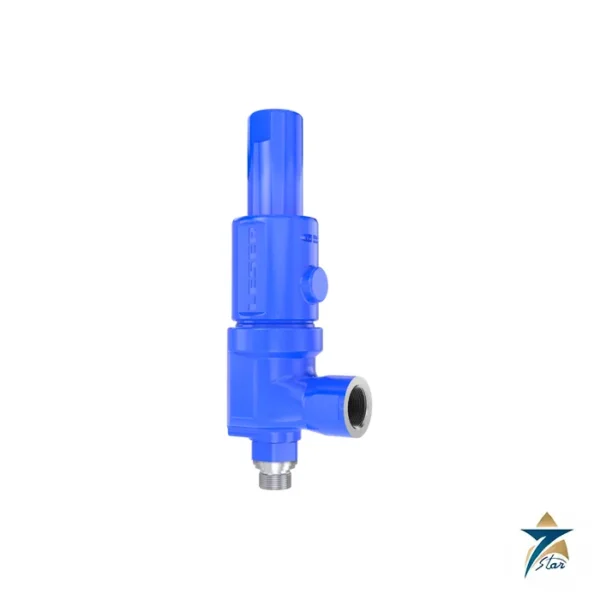
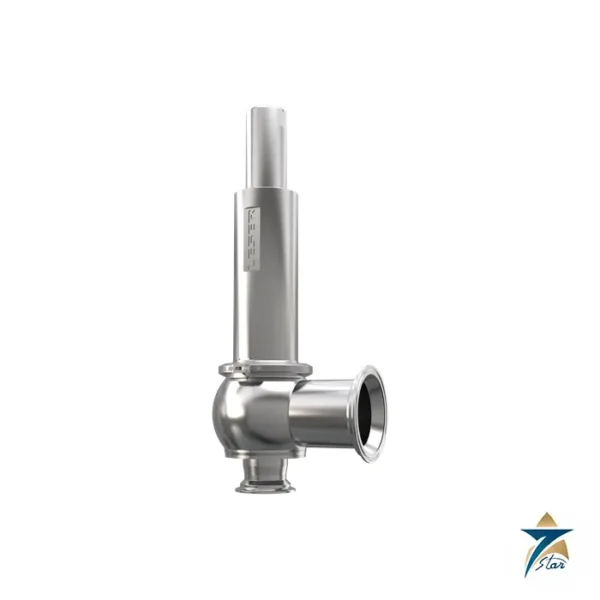
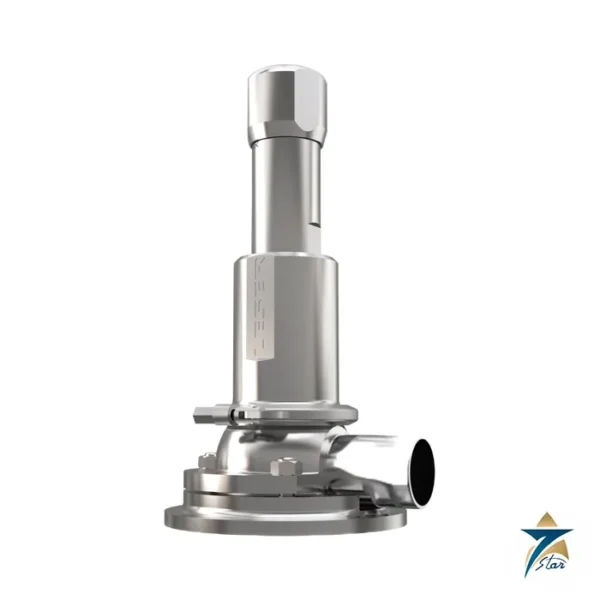
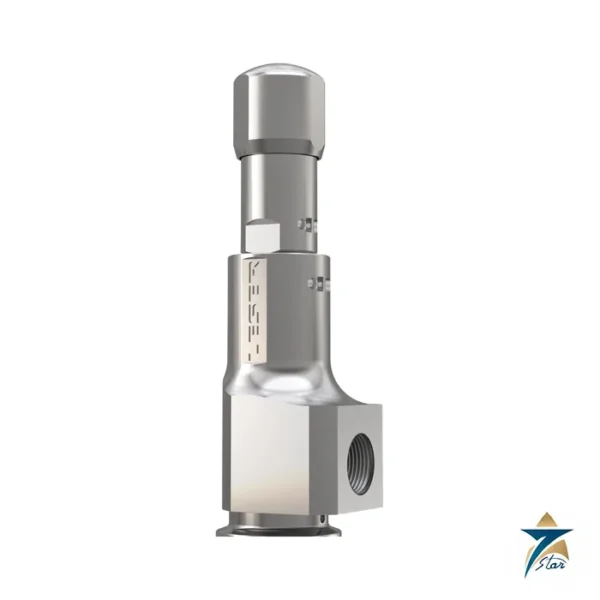
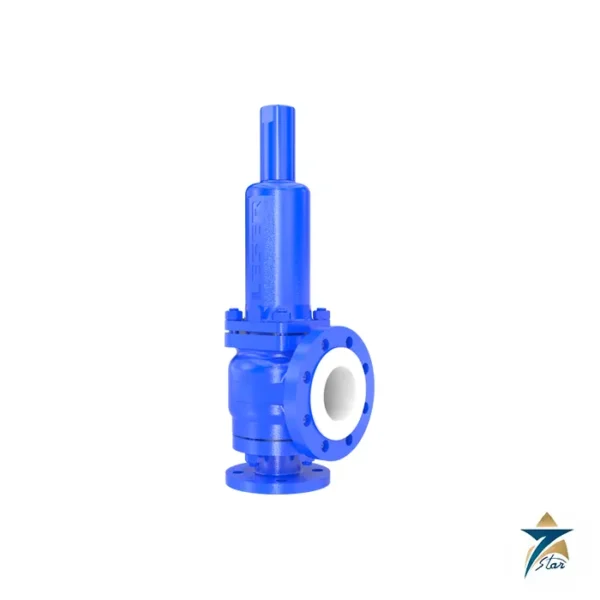
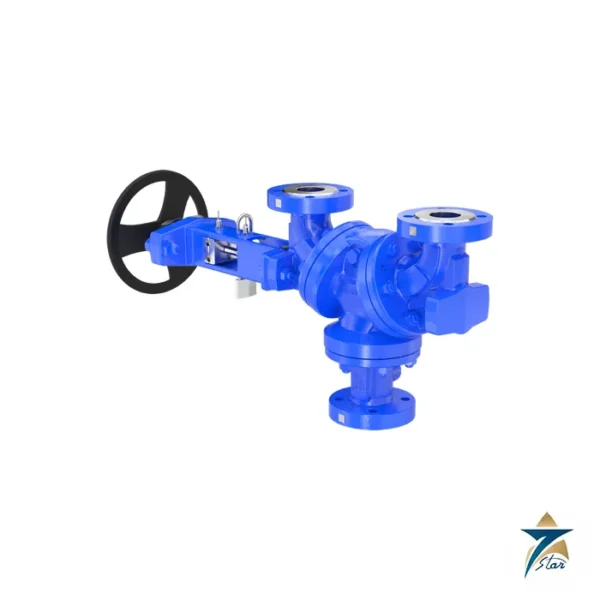
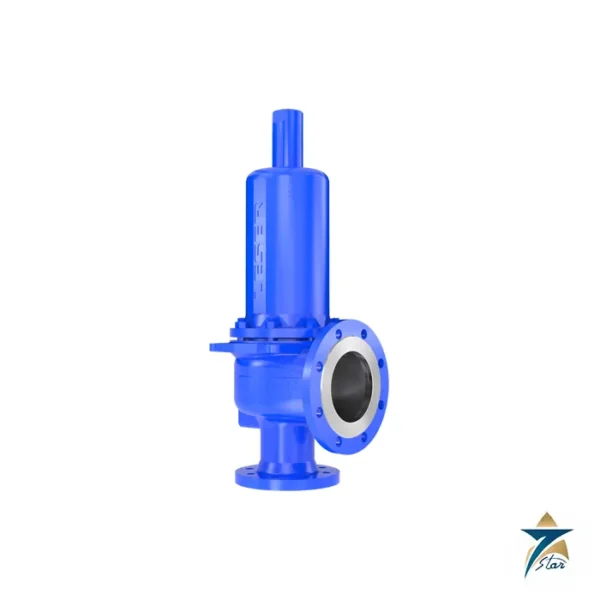
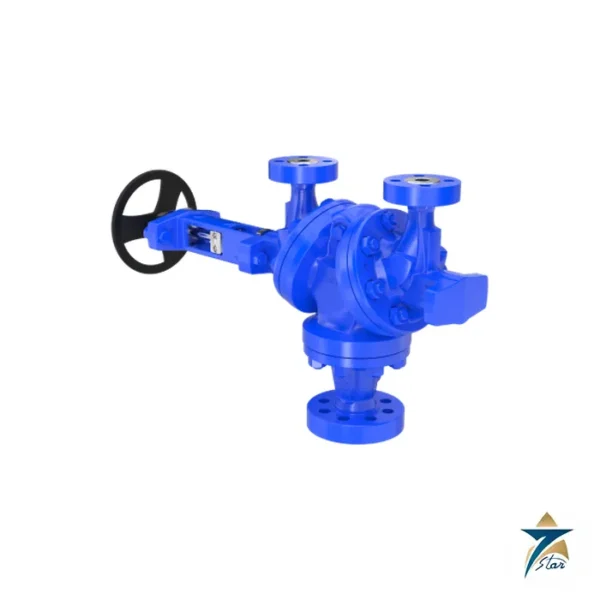
Other Models in the Leser Compact Performance Range
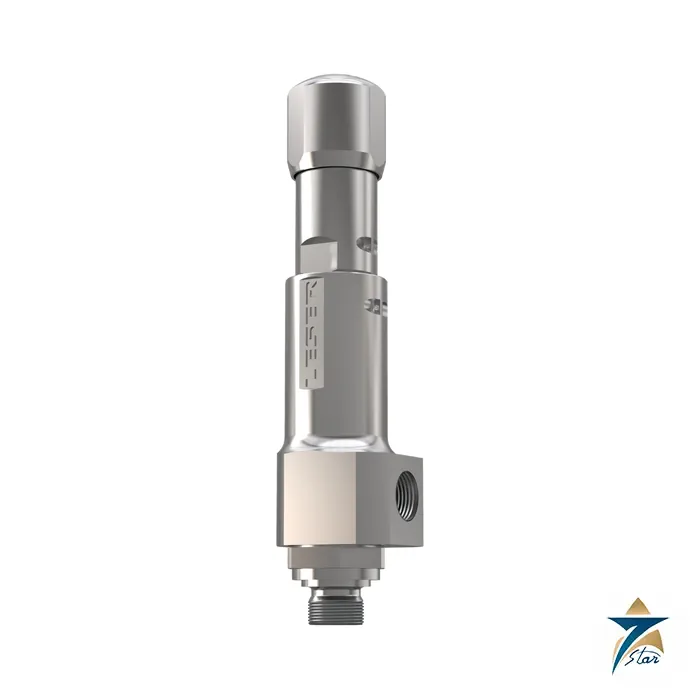
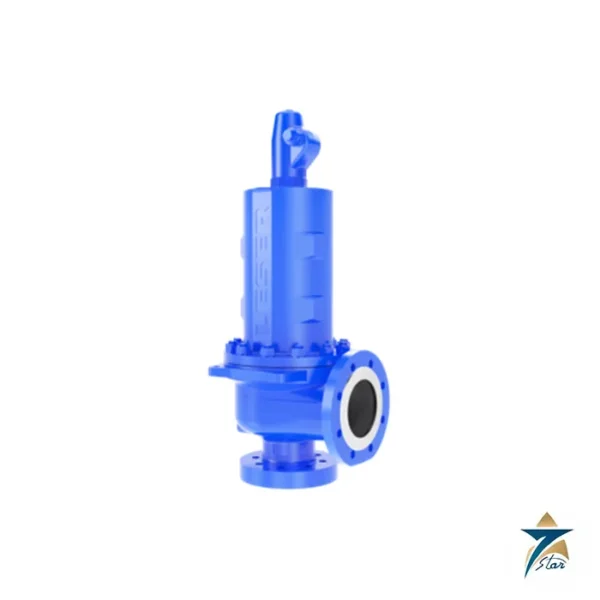
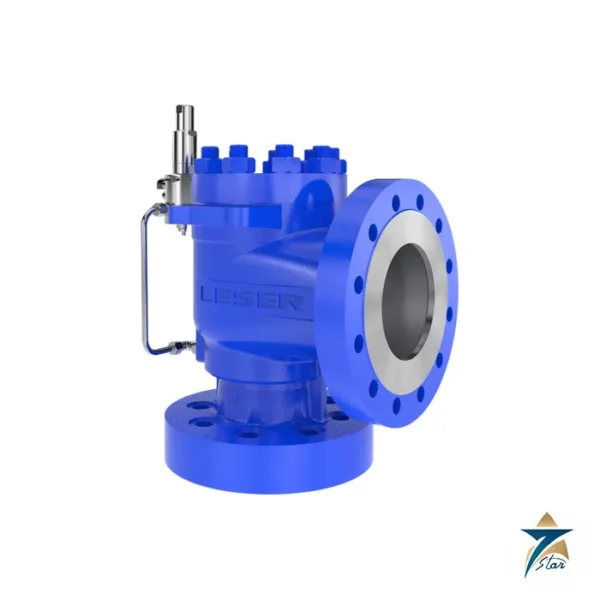
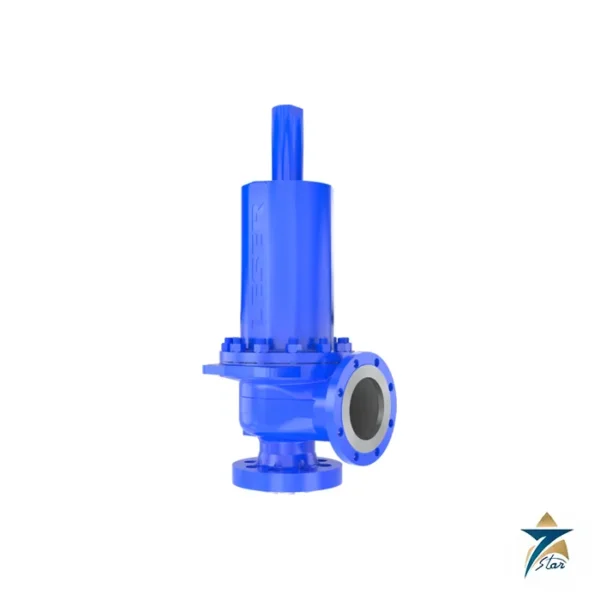
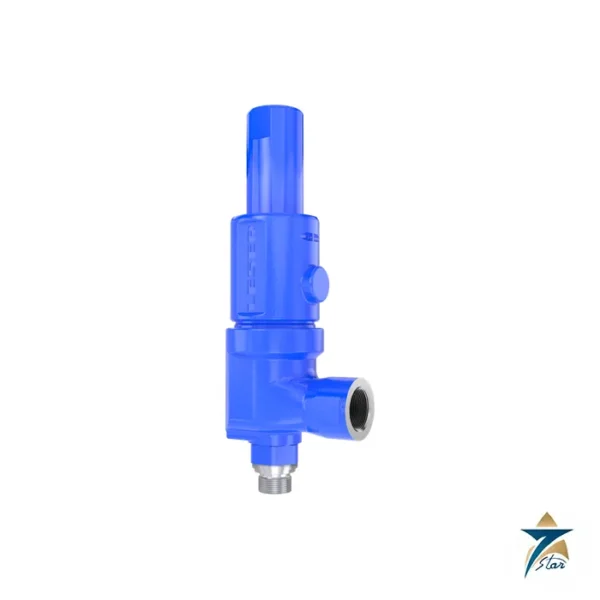
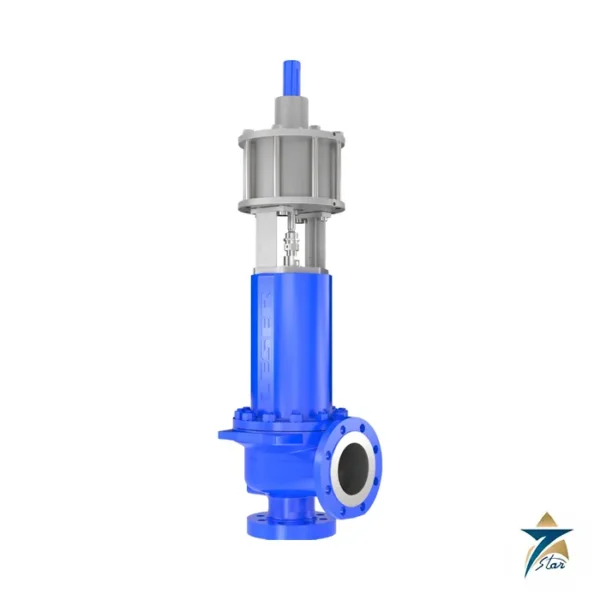
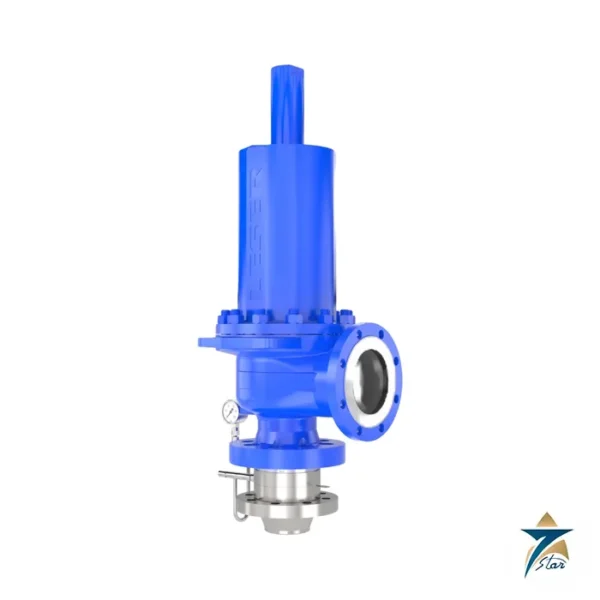
Seven Star LLC supplies models from the Leser Compact Performance range in Oman and the GCC. Compare the related models below and request a quote for the one that matches your application.


























Reviews
There are no reviews yet.