LESER Best Availability KUB: safety valve and bursting disc combination
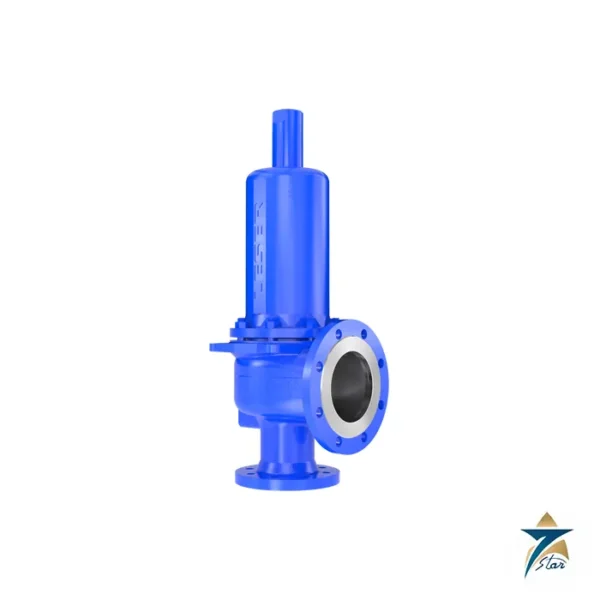
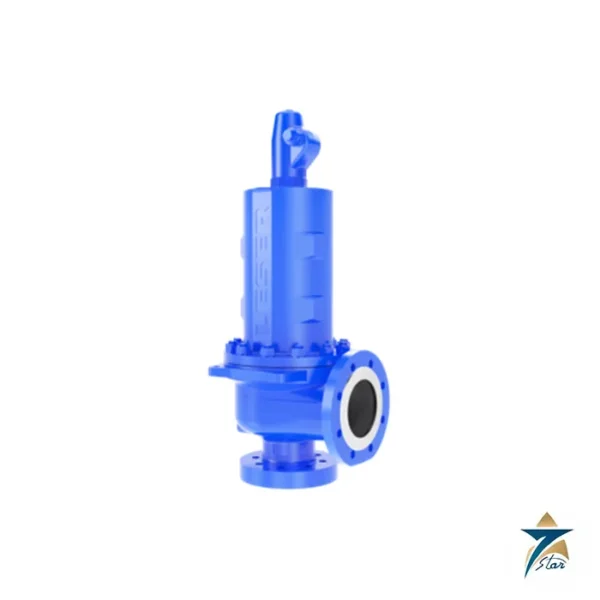
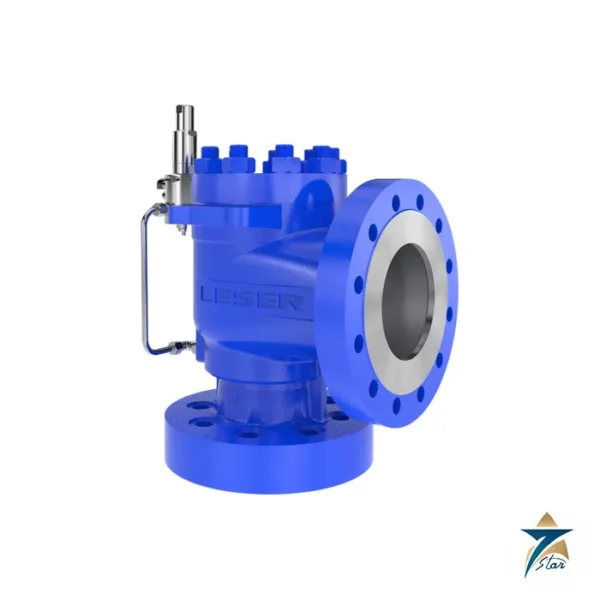
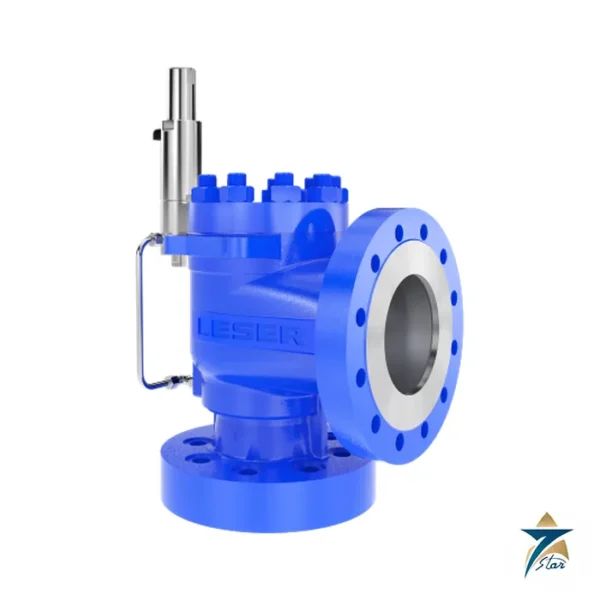
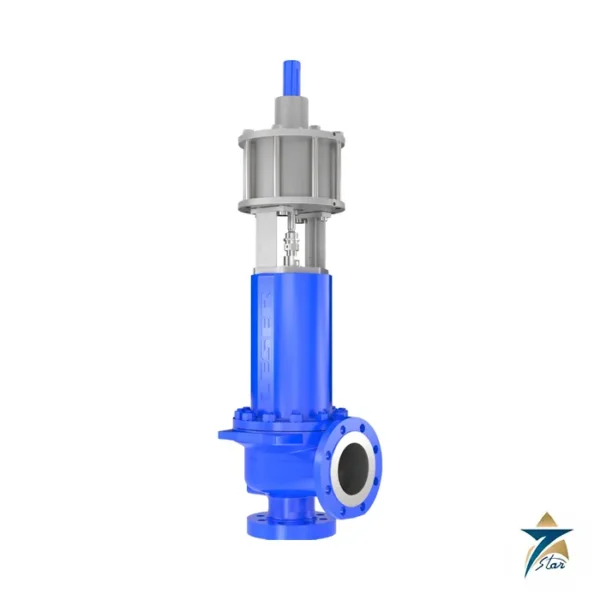
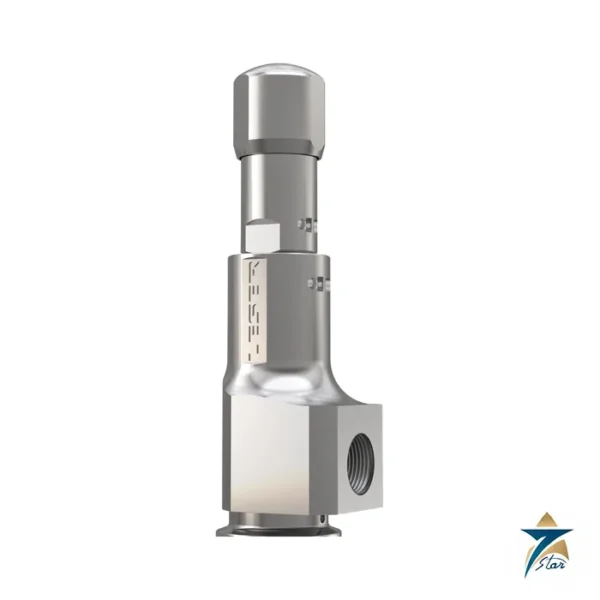
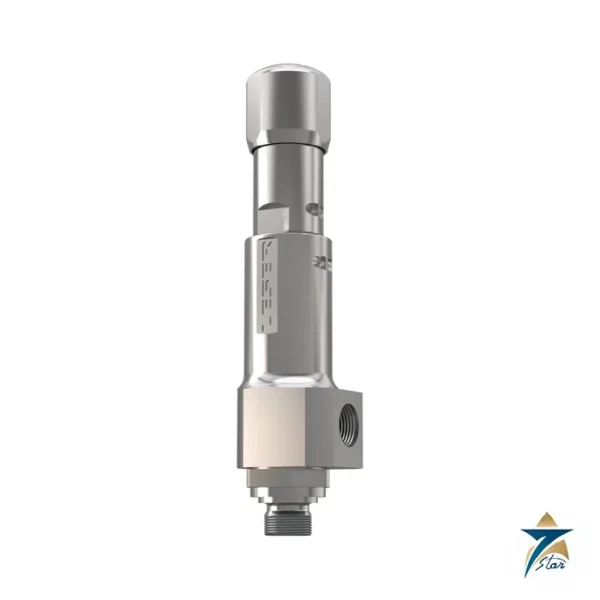
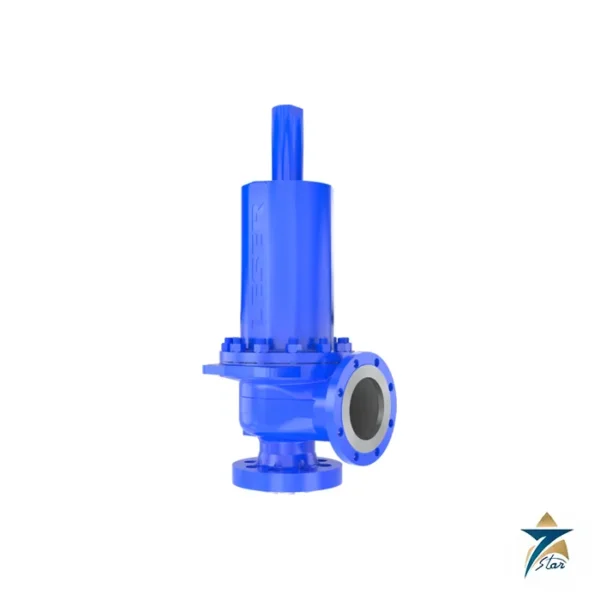
The LESER Best Availability KUB combination places a bursting disc upstream of a LESER spring-loaded or pilot-operated safety valve and supplies the two as a matched, tested set. The disc isolates the valve from the process, so the valve sees no corrosive, sticky or fouling medium in normal operation, and the combined assembly is tight to a degree that a valve on its own cannot match. Seven Star LLC supplies LESER Best Availability combinations in Oman and the GCC as an independent supplier in Muscat.
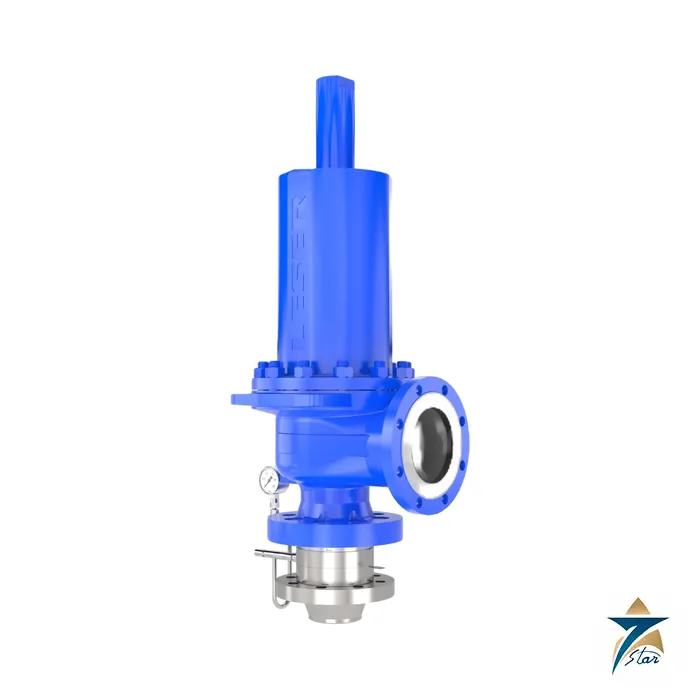
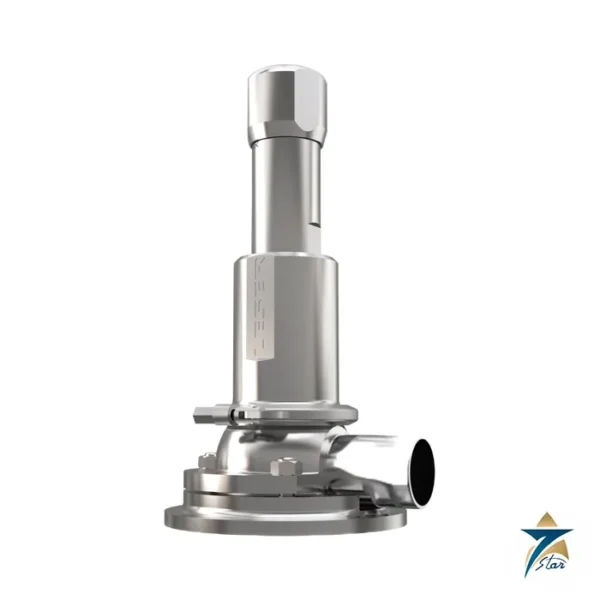
The combination is built from a reverse buckling-pin bursting disc of type BT-KUB, an IG-KUB two-piece holder and a space monitoring device with a pressure gauge, all combined with a LESER safety valve from DN 25 to DN 400. LESER states the combinations are tested and approved in accordance with VdTÜV.
| Parameter |
Specification |
| Manufacturer / part number |
LESER Best Availability: safety valve and KUB bursting disc combination |
| Valve sizes |
DN 25 to DN 400 (NPS 1 to NPS 16) |
| Nominal pressure ratings |
PN 16 to PN 160; Class 150 to Class 900 |
| Opening (set) pressure |
0.6 to 200 bar (8.7 to 2,900 psig); website range 0.2 to 200 barg |
| Disc design |
BT-KUB reverse buckling-pin disc; standard tolerance −0 / +10 % of set pressure |
| Holder |
IG-KUB two-piece holder, design S (semi nozzle) or HS (full nozzle) |
| Operating pressure |
Up to 98 % of the minimum set pressure of the bursting disc |
| Disc materials |
1.4404, Hastelloy, Inconel, tantalum, titanium, Monel |
| Temperature range |
−30 to +550 °C on the website; each disc material has its own limit |
| Tightness |
TA Luft conformal process validation |
Why combine a bursting disc with a safety valve
A bursting disc is a one-shot, fully tight barrier, while a safety valve is a re-closing device. Each has weaknesses. A valve alone can leak slowly through its seat or become clogged and corroded by a harsh medium, and a bursting disc alone leaves the plant open after rupture. In combination, the disc protects the valve in normal service and, after rupture, the valve closes again and prevents total loss of the process medium or an uncontrolled shutdown.
LESER lists the following reasons for using the combination:
- to protect the valve against corrosion or coating build-up;
- to protect it against operating conditions that could impair its function;
- to give the best possible tightness for toxic, corrosive or expensive media and for vacuum;
- to prevent a complete loss of medium after the disc ruptures;
- to avoid an uncontrolled shutdown after rupture;
- to benefit from cost and lead-time advantages, because a stainless-steel valve can be protected by a Hastelloy disc rather than needing the valve in an exotic alloy.
Typical media with a tendency to stick, such as bitumen or marzipan, and contaminated media such as waste water and coal slurry, are cited by the manufacturer.
The Best Availability KUB: bursting disc, holder and monitoring
BT-KUB bursting disc
The disc is a reverse-acting design that works by Euler buckling: a convex two-layer element whose rupture does not depend on the tightening torque of the flange bolts. The bursting element is partly perforated by laser, and the remaining bars are the buckling pins that give way at the set pressure. The disc opens without fragmenting, which is essential because fragments would damage a valve downstream. A sealing membrane, in a material adapted to the medium, covers the element and protects it from corrosion. A flag marked with manufacturer, type, production batch, free flow area, material, burst pressures and flow direction is permanently attached.
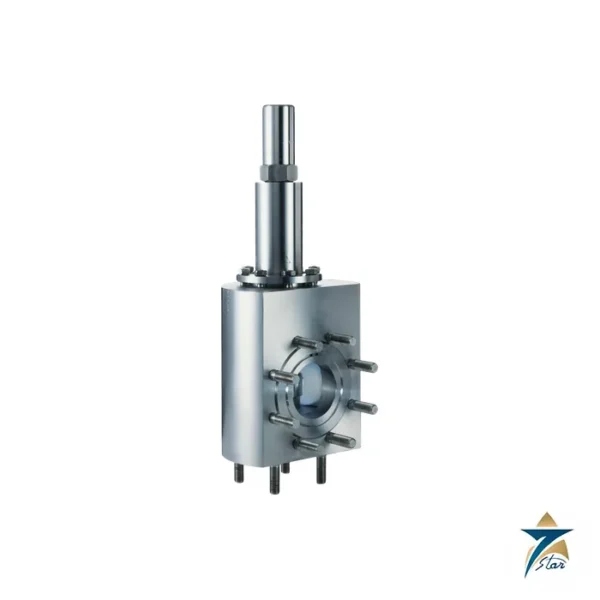
IG-KUB two-piece holder
The holder is clamped between the inlet pipe flange and the valve flange and seals the disc metallically. The outlet part of the holder has a threaded side port for the space monitoring device. Design S is for valves with a semi nozzle, and design HS for full-nozzle valves, so that the whole orifice area is always released.
Space monitoring device
The space between the disc and the valve seat must be monitored and vented, because back pressure in that space would shift the burst pressure. The device is a siphon with an excess-overflow valve and a pressure gauge, and it shows whether the disc has ruptured. Gauges offered are a standard gauge (Ø 63, G1/4, class 1, IP 65), a trailing-pointer gauge (Ø 100, G1/2, class 1, IP 65) and a contact gauge (Ø 100, G1/2, class 1, IP 65). The excess-overflow valve must never be closed on the outlet.
Materials and temperature of the KUB combination
| Disc material |
Temperature range |
| 1.4404 (316L) |
−30 to +320 °C |
| Hastelloy |
−30 to +420 °C |
| Inconel |
−30 to +550 °C |
| Tantalum |
−30 to +230 °C |
| Titanium |
−30 to +150 °C |
| Monel |
−30 to +400 °C |
The bursting disc is custom-made for each set pressure and temperature, which is why the manufacturer recommends ordering spare discs together with the first delivery. The disc material is selected for the medium and its temperature, while the safety valve can usually remain in a more economical material.
Codes and standards behind the Best Availability combination
The catalogue refers to EN ISO 4126-3, AD 2000-Merkblatt A1 and ASME Section VIII Division 1 (UG-127 3b), as well as API 520 Part 2, paragraph 4.6, which allow a rupture disc device between a vessel and a pressure relief valve. Under EN ISO 4126-3 the disc must be separated from the valve inlet by no more than five times the nominal size of the inlet piping. The requirements listed include use of non-fragmenting elements, a vented space between the two devices, a drain for condensate, a device that detects leakage or rupture, and an inlet line pressure loss at maximum flow not exceeding 3 percent of the pressure difference between the maximum allowable pressure and the external back pressure.
For sizing, LESER states that the tested combinations lose no flow because of the ruptured disc, so the combination can be treated as an individual valve. For ASME Section VIII Division 1 a combination correction factor of 0.9 must be applied to the valve capacity, and LESER recommends setting the bursting pressure equal to the set pressure of the valve.
Installation, inspection and maintenance
The installer must make sure the arrow on the excess-overflow valve points toward the free outlet, because the ball inside it determines function. The disc must be installed in the correct flow direction, and the holder is generally reusable after a rupture, while the disc is replaced. KUB discs are basically maintenance-free, but LESER recommends a visual inspection at least once a year, and the manufacturer notes that the valve can be tested for set pressure without being dismantled because of the combination. Upstream bursting discs can extend the maintenance interval of a safety valve and its lifetime.
Typical uses of a Best Availability KUB combination in Oman and the GCC
The combination suits sour or acidic services in gas processing, amine and glycol units, chlorine and caustic systems in water treatment and desalination chemical plants, ammonia and fertilizer services, and polymer or bitumen lines that tend to foul a seat. It is also used for expensive pharmaceutical or specialty chemical products where even a tiny weep is unacceptable, and for vacuum duty where the disc provides the vacuum barrier. In a hot climate the high temperature disc materials allow a combination to be used on hot lines without forcing the valve into an exotic material.
Selecting a Best Availability KUB combination
- Safety valve type, size, orifice and set pressure.
- Bursting pressure, which LESER recommends equal to the valve set pressure, and the tolerance required.
- Disc material and sealing membrane suited to the medium and temperature.
- Holder design S or HS, according to the valve nozzle.
- Gauge type for the space monitoring device: standard, trailing pointer or contact.
- Connection standard: DIN EN 1092 or ASME B16.5, with PN or class rating.
- Spare discs to be delivered with the first order.
Information to send with a KUB RFQ
- Medium, concentration and temperature, including any condensing or sticky components.
- Set pressure and the existing or planned safety valve.
- Preferred disc and gauge materials, plus connection details.
- Required approvals and the code that applies to the vessel.
- Quantity and delivery site.
Documents and quotation
The LESER Best Availability catalogue for safety valves with bursting discs is attached to this page and includes the ordering tables and installation notes. Send your valve and process data and we will confirm the combination and the documents that can be supplied.


























Reviews
There are no reviews yet.