Overview
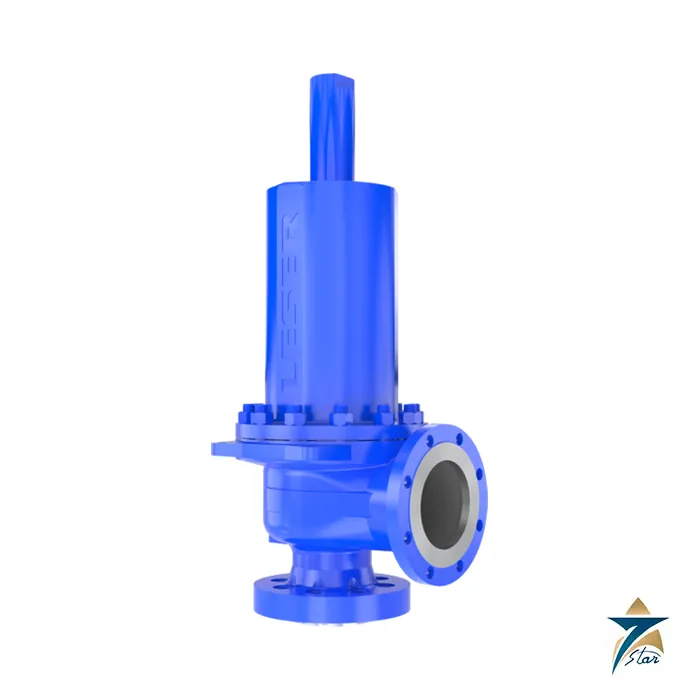
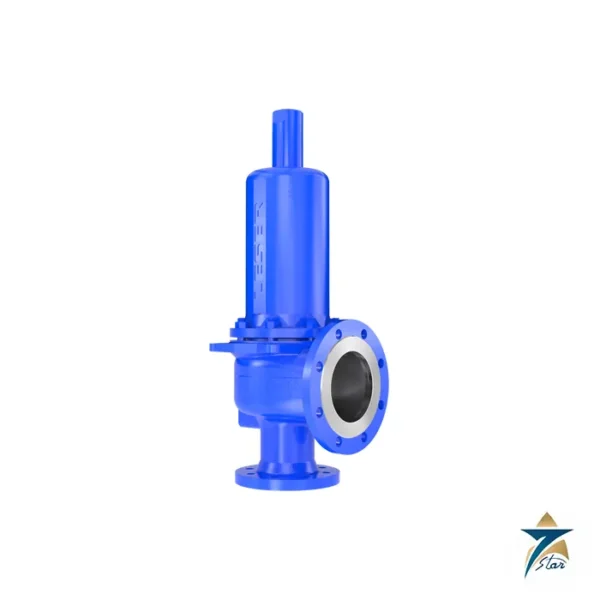
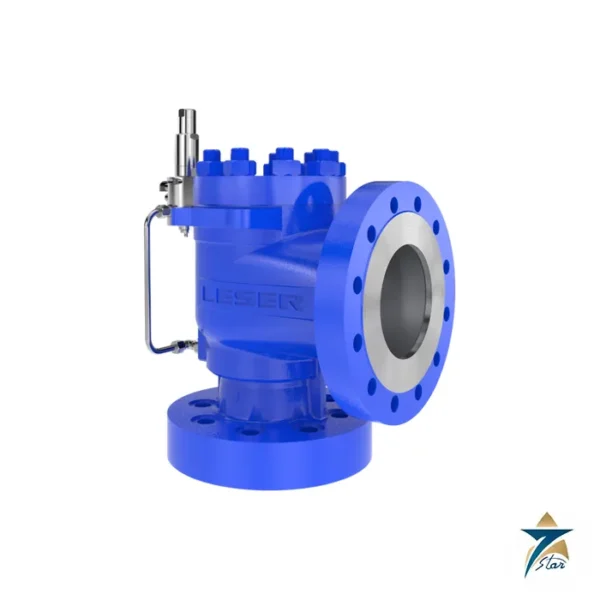
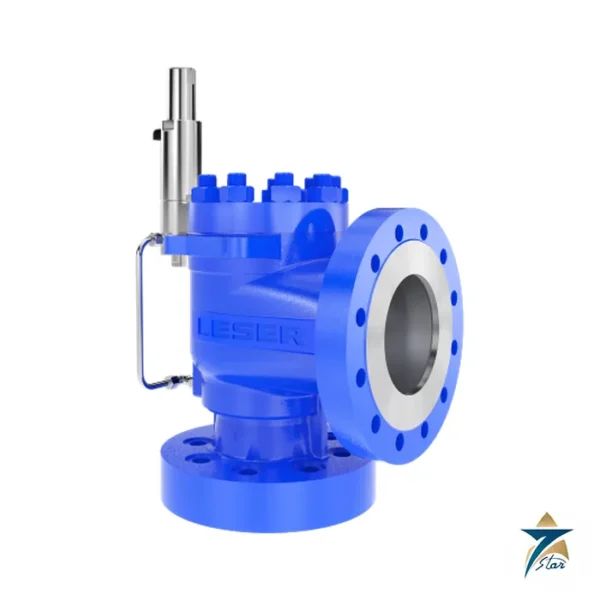
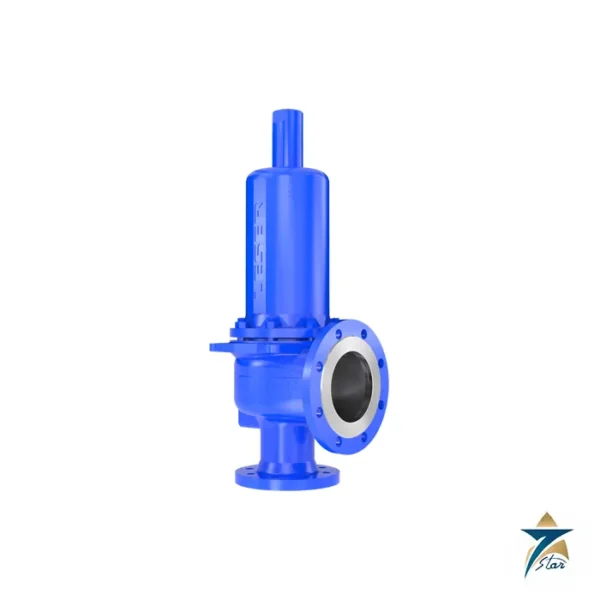
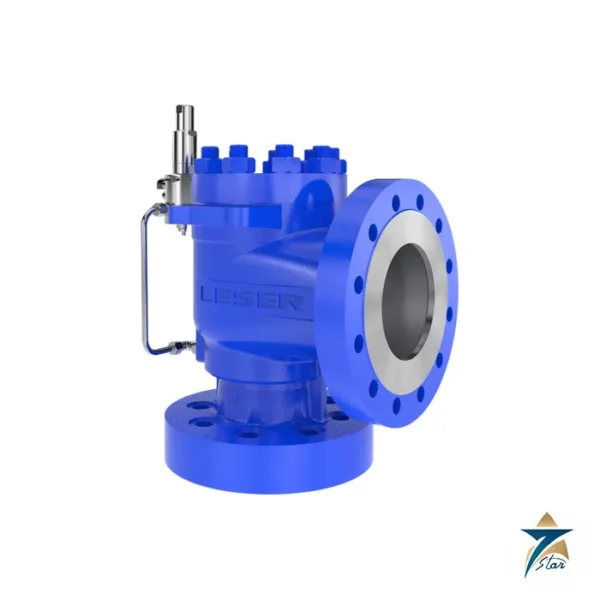
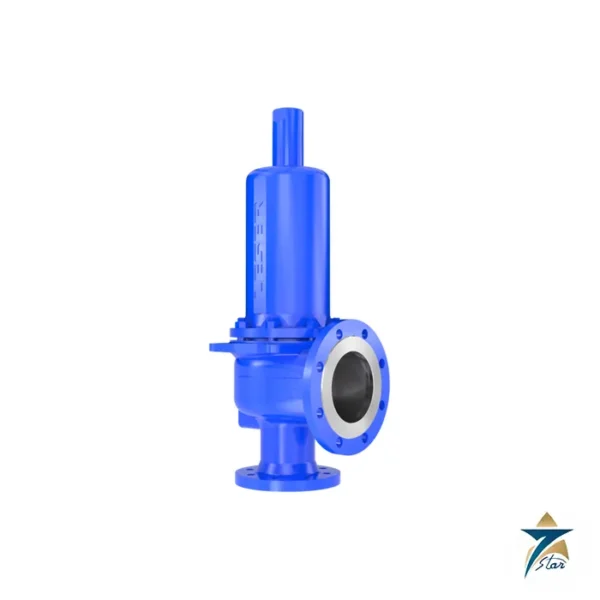
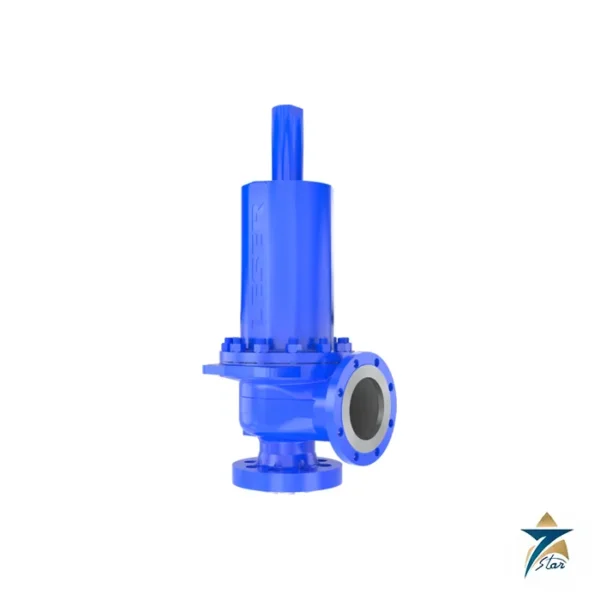
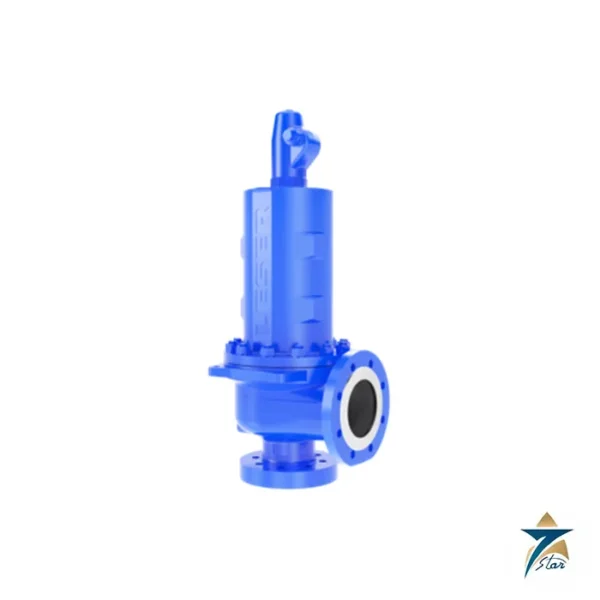
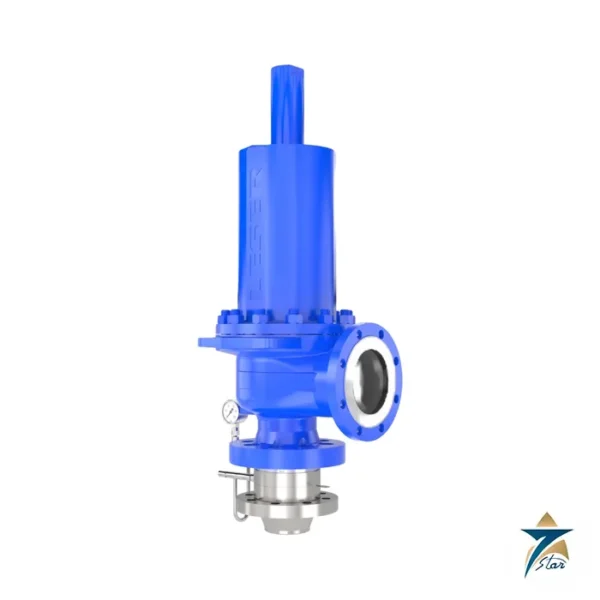
LESER Type 526 CC is a spring-loaded, flanged safety relief valve designed and certified in full accordance with API 526, as a flanged safety relief valve covering standardized orifice sizes, nominal diameters, and center-to-face dimensions for guaranteed interchangeability across process plant designs. Built for the most demanding services in the hydrocarbon and process industries, the Type 526 CC extends conventional API 526 performance with hardened discs, stellited seats, and an optional shielded bellows construction that give it longer service life and tightness that exceeds the requirements of API 527, even under back pressures up to 50 percent of set pressure.
Backed by manufacturer datasheet documentation, Seven Star LLC proudly supplies the Type 526 CC and the full LESER API safety valve range to refineries, gas plants, and petrochemical complexes across Oman and the wider GCC. Engineers and procurement teams in Muscat, Sohar, and Salalah rely on Seven Star LLC for genuine LESER valves backed by full material traceability, API and PED certification, and local technical support for sizing and selection.
Operating Principle
The LESER Type 526 CC operates on the direct spring-loaded principle common to all conventional safety relief valves: system pressure acts on the underside of the valve disc through the nozzle, and when the force generated by that pressure exceeds the opposing force of the calibrated spring, the disc lifts and vents the overpressure through the flanged outlet. Once the process pressure falls back below the reseating pressure, the spring force closes the disc against the seat, restoring the system to a sealed state. The stellited seat and hardened disc pairing resists erosion and galling across repeated lift cycles, which is critical in the high-cycling, high-differential-pressure services typical of gas processing and hydrocarbon separation.
For services handling corrosive or fouling media, LESER’s optional shielded bellows isolates the spring and upper works from the process fluid and balances the valve against variable back pressure, so the set pressure remains accurate even when the valve discharges into a closed header system. The practical result is a valve that maintains repeatable set-pressure accuracy across a set pressure range of 0.12 to 414 bar and a temperature range of -196°C to 538°C, without the drift or sticking that unprotected trims experience in dirty or corrosive service.
Engineering Design of the LESER Type 526 CC
The LESER Type 526 CC body is available in a wide selection of cast and forged materials, including SA 216 WCB carbon steel, SA 351 CF8M and CF3M stainless steel, SA 217 WC6 alloy steel, SA 352 LCB low-temperature carbon steel, SA 995 Gr 4A CD3MN duplex stainless steel, and SA 494 M35-1 Monel, allowing the valve body to be matched to the corrosivity, temperature, and pressure class of the specific process line. Inlet connections are available from DN 25 to DN 200 (NPS 1 to NPS 8) with flange ratings from PN 16 to PN 400 under DIN EN 1092, or Class 150 through Class 2500 under ASME B16.5, covering orifice designations D through T with narrowest flow diameters from 14 to 161.5 mm.
Internally, the valve uses a guided disc and stellited seat arrangement for consistent blowdown and reseat performance, with an optional Inconel 625 LCF bellows for cryogenic and corrosive applications down to -165°C. Seat sealing is available in metallic, sealing-plate, or soft-seal configurations depending on the required leak tightness class, and every flanged body is supplied with full 3.1 material certification per EN 10204. The compact spring housing and cap arrangement keep the overall valve height low relative to comparable API 526 designs, simplifying installation in congested piperack and skid layouts.
Key Features
Selecting the LESER Type 526 CC for a project means specifying a valve built around a set of design choices that directly extend service life and sizing flexibility in demanding API 526 applications:
- The LESER Type 526 CC provides full compliance with API 526 standardized orifice sizes, nominal diameters, and center-to-face dimensions for guaranteed interchangeability with existing plant valve populations.
- Hardened discs and stellited seats that resist erosion and galling through repeated relief cycles in high-differential-pressure gas and liquid service.
- Optional shielded Inconel 625 LCF bellows that isolates the spring from the process fluid and balances the valve against back pressure up to 50 percent of set pressure.
- Tightness performance that exceeds API 527 requirements, reducing simmer and product loss across the operating pressure range.
- Wide set pressure range of 0.12 to 414 bar covering low-pressure vent protection through high-pressure separator and compressor discharge duty.
- Broad temperature range from -196°C to 538°C, supporting both cryogenic LNG service and high-temperature steam and thermal process lines.
- Extensive body material selection, including duplex stainless steel and Monel, for sour gas, seawater, and highly corrosive chemical service.
- Flange connections available to both DIN EN 1092 and ASME B16.5 standards, simplifying specification across mixed European and American engineering packages.
Industrial Applications
The LESER Type 526 CC is specified across oil and gas production, refining, petrochemical processing and LNG facilities where API 526 compliance and long service intervals between maintenance are operational requirements, not just technical preferences. Typical installations include separator and compressor discharge overpressure protection, pipeline pig launcher and receiver safety, storage tank and vessel protection, and cryogenic LNG and LPG process lines where the -165°C rated configuration is required. The valve’s resistance to corrosive and sour media also makes it a common choice for gas sweetening units and offshore platforms exposed to saline atmospheres.
Working closely with plant engineers in the region, Seven Star LLC distributes the Type 526 CC to EPC contractors, refineries, and gas processing plants throughout the Sultanate of Oman and the broader GCC, including the industrial zones of Sohar and Salalah where petrochemical and LNG infrastructure continues to expand. Sizing support through LESER’s VALVESTAR software and manufacturer documentation for regulatory compliance make Seven Star LLC a practical source for plant engineers who need LESER valves, with lead time confirmed at quotation.
Technical Specifications
Buyers evaluating the LESER Type 526 CC against competing API 526 safety valves can use the table below, which summarizes the key technical parameters of the LESER Type 526 CC API safety relief valve:
| Parameter |
Specification |
| Model |
LESER Type 526 CC |
| Standard |
API 526 (5th edition) |
| Set pressure |
0.12 – 414 bar | 2 – 6,000 psig |
| Temperature range |
-196°C to 538°C | -321°F to 1000°F |
| Orifice designation |
D to T |
| Narrowest flow diameter d₀ |
14 – 161.5 mm | 0.55 – 6.36 in |
| Narrowest flow area A₀ |
154 – 20,485 mm² | 0.239 – 31.75 in² |
| Connections (DIN EN 1092) |
DN 25 to DN 200 |
| Connections (ASME B16.5) |
NPS 1 to NPS 8 |
| Flange pressure rating (DIN EN 1092) |
PN 16 to PN 400 |
| Flange class (ASME B16.5) |
Class 150 to Class 2500 |
| Body material |
SA 216 WCB, SA 351 CF8M, SA 217 WC6, SA 352 LCB, SA 351 CF3M, SA 995 Gr 4A CD3MN (Duplex), SA 494 M35-1 (Monel) |
| Bellows material (optional) |
Inconel® 625 LCF |
| Seat gasket |
Metallic, sealing plate, or soft sealing |
| Typical applications |
Petrochemical, chemical, oil & gas, cryogenic service below -165°C |
Request a Quote for LESER Type 526 CC API 526 Flanged Safety Relief Valve
Facility engineers and procurement teams across Oman and the GCC evaluating the LESER Type 526 CC can request a formal quotation directly from Seven Star LLC, with sizing support, technical datasheets, and material certification provided alongside every order. With fast quotation turnaround and technical support, Seven Star LLC supplies on request and supports custom orifice, material, and bellows configurations for critical overpressure protection projects. Contact the Seven Star LLC instrumentation and valves division today to discuss your API 526 safety valve requirements and receive a competitive, locally supported quotation.
Related Products
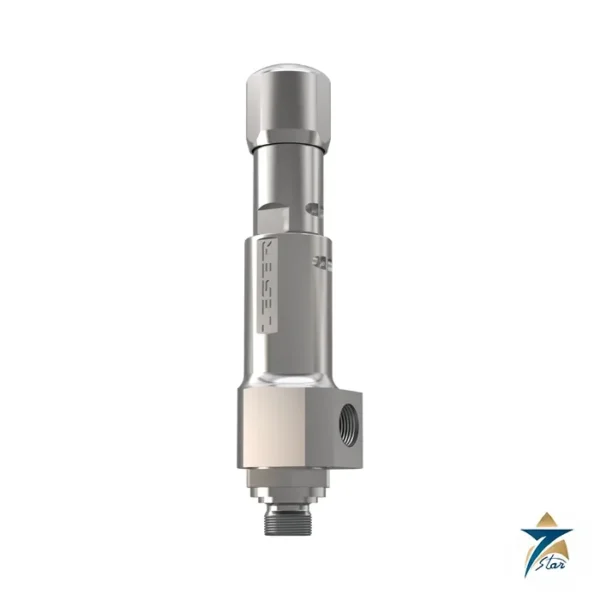
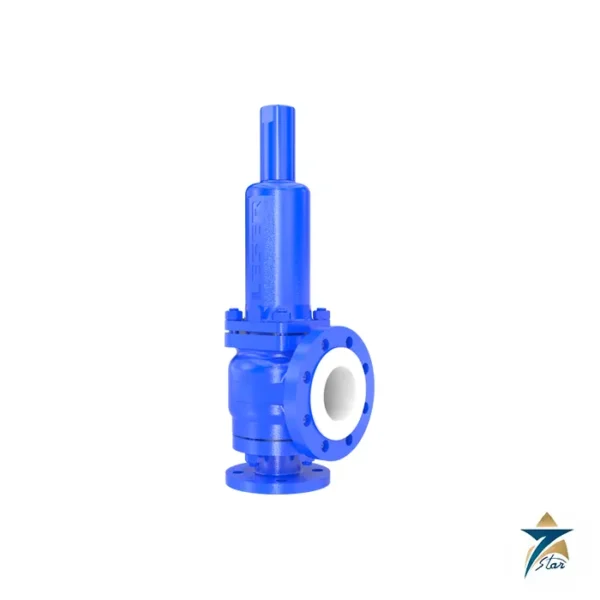
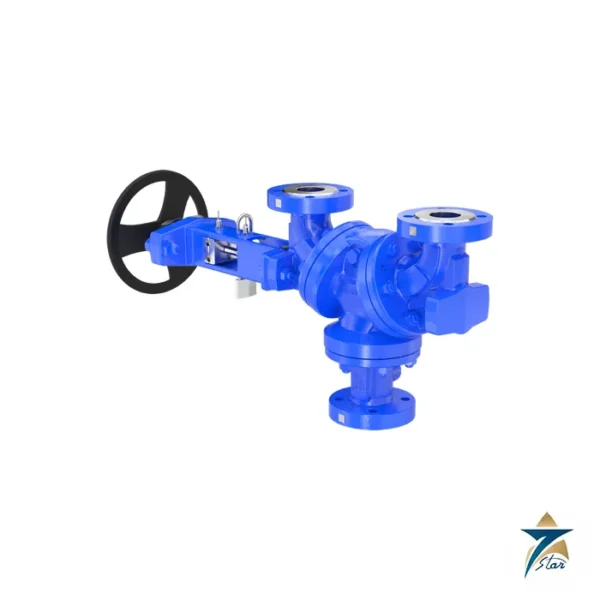
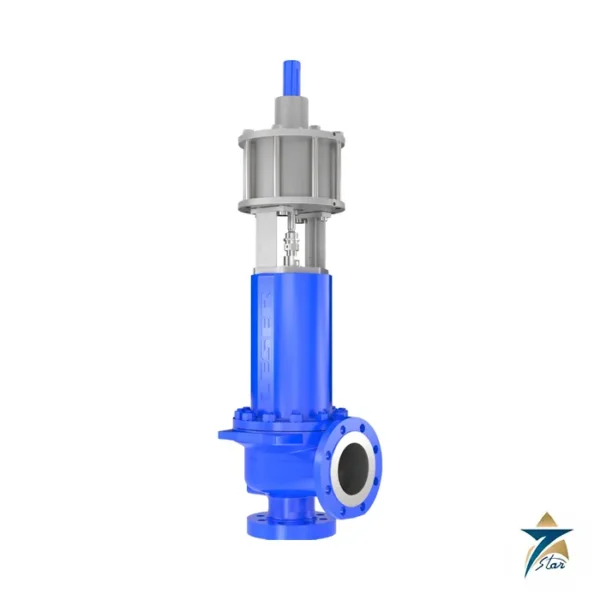
Also available: LESER Type 437 Small-Capacity Threaded Safety Valve · LESER Type 441/442 DIN High Performance Safety Valve · LESER Change-Over Valve Series (Type 320/330) · LESER Clean Service Series – Hygienic Safety Valves for Food and Pharma · LESER Critical Service Series Safety Valves · LESER Modulate Action Series Safety Valves · LESER High Pressure Series – Type 455/456 and 457/458 Safety Valves · LESER Type 483 Clean Service Safety Valve · LESER Type 526 API 526 Flanged Safety Relief Valve · LESER Type 462 Soft-Seal Threaded Safety Valve · LESER Compact Performance Series – Type 437/459/462 Safety Valves · LESER Type 449 Critical Service Block-Form Safety Valve

 Automation & Control
 Electrical & Power
 Fittings & Valves
 Sensors & Transmitters
 Emergency Power
 Analyzer Systems
 Metering Systems
 Welding
 Fire & Gas Systems
 Motors, Pumps & Turbines
 Portable Test & Measurement
 Compressor & Cooling
 Bearings & Power Transmission
 Filtration
 Safety & PPE
 Material Handling & Lifting Equipment
 Non-Destructive Testing (NDT)







Reviews
There are no reviews yet.