
LESER Type 449 Critical Service Block-Form Safety Valve
Overview
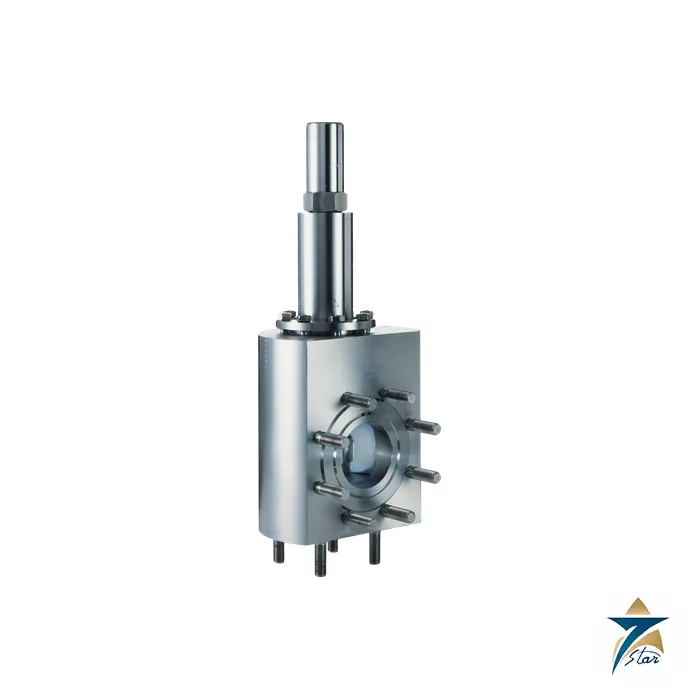
LESER Type 449 is a Critical Service safety valve built on a solid block-form body rather than a conventional bolted bonnet-and-nozzle assembly, purpose-designed for the most demanding highly toxic media applications. Covering DN 25–80 (NPS 1–3) at PN 16–40 / PR #150–#300 and set pressures up to 16 bar / 232 psig, the Type 449 adds a distinctive safety layer beyond the corrosion-resistant lining approach used elsewhere in LESER’s Critical Service range: an inert gas shrouding system that purges the spring bonnet cavity with nitrogen or another inert gas, so that even a minute leakage path past the seat or bellows cannot allow toxic process gas to migrate into the spring housing or escape to atmosphere undetected.
With fast quotation turnaround and technical support, Seven Star LLC proudly supplies the Type 449 to chemical, petrochemical, and specialty gas handling facilities across Oman and the wider GCC where highly toxic media — chlorine, ammonia, hydrogen sulfide, and comparable substances — make secondary containment a regulatory and safety necessity, not an optional extra. Seven Star LLC’s regional stock and technical application support give plant safety engineers direct access to a genuine, correctly configured LESER Type 449 rather than a lengthy special-order process through a distant distributor.
Operating Principle
The LESER Type 449 lifts and reseats on the same calibrated spring-loaded principle as every LESER safety valve: inlet pressure acting on the disc overcomes the spring preload at the set point, the disc lifts off the seat, and the valve discharges until pressure falls back to the reseating level. The LESER Type 449’s block-form body construction changes how that mechanism is packaged rather than how it operates — instead of a separate nozzle, body, and bonnet bolted together with multiple gasketed joints, the Type 449 is machined from a solid block, which minimizes the number of static joints that could otherwise become a secondary leak path for a highly toxic process gas.
The inert gas shrouding system is what distinguishes the LESER Type 449’s safety architecture: a continuous or monitored purge of nitrogen or another inert gas is maintained around the spring bonnet and stem area, so that any trace leakage past the primary seat seal is diluted and safely vented through the shroud system rather than accumulating in the spring chamber or reaching atmosphere as a toxic release. This means the valve’s safety function extends beyond simple overpressure relief to encompass secondary containment of the toxic medium itself — a requirement increasingly specified on chlorine, ammonia, and other toxic gas handling systems where even a minor seat leak carries a serious safety and environmental consequence.
Engineering Design of the LESER Type 449
The LESER Type 449’s solid block body is manufactured in customer-specified structural materials selected for the specific toxic medium and pressure class, with flanged connections to PN 16–40 / PR #150–#300 across the DN 25–80 (NPS 1–3) size range. The reduced joint count inherent to the block-form design is a deliberate engineering choice: every bolted or gasketed interface on a safety valve handling a highly toxic medium is a potential leak path, and minimizing them reduces the plant’s overall containment risk independent of the shrouding system. The inert gas shroud connection is a dedicated port machined into the block body, allowing the plant’s nitrogen or inert gas purge supply to be connected directly without external piping modifications to the valve itself.
Installation of the LESER Type 449 requires coordination between the process piping connection and the plant’s inert gas purge system, since the shroud function depends on a reliable, continuously monitored gas supply for the life of the installation — Seven Star LLC’s application engineers assist with this integration during the quotation and installation planning stage. The spring housing and adjustment mechanism follow LESER’s standard tamper-evident, factory-set procedure, and because the Type 449 shares its core spring and lifting architecture with the rest of the Critical Service line, maintenance technicians familiar with LESER’s Type 447 can extend that competency to the Type 449 with additional training on the shroud purge system specifically.
Key Features
The LESER Type 449 safety valve is built around eight features that matter directly to highly toxic media containment:
- Solid block-form body construction minimizing bolted and gasketed joints that could otherwise form secondary leak paths for a toxic process medium.
- Inert gas shrouding system purging the spring bonnet cavity, providing secondary containment beyond the primary seat seal.
- DN 25–80 / NPS 1–3 size range at PN 16–40 / PR #150–#300 covers the flange ratings typical of toxic gas process piping.
- Set pressure capability up to 16 bar / 232 psig for highly toxic media relief applications.
- Customer-specified structural body materials, selected to match the exact toxic medium and process conditions of the installation.
- Dedicated shroud purge port machined directly into the block body, avoiding external piping modifications for the inert gas connection.
- Tamper-evident, factory-set spring housing following LESER’s standard Critical Service calibration and adjustment procedure.
- Shared spring and lifting architecture with the LESER Type 447, easing technician training and spares standardization across a plant’s Critical Service safety valve population.
Industrial Applications
The LESER Type 449 is specified wherever a process handles a highly toxic medium and plant safety policy or regulation requires secondary containment beyond a conventional safety valve’s primary seat seal — chlorine handling and dosing systems, ammonia refrigeration and fertilizer plants, and hydrogen sulfide-bearing gas processing streams are typical applications. Chemical and petrochemical facilities across Oman’s industrial zones specify it wherever a toxic gas release scenario carries serious personnel safety or environmental consequences, and specialty gas handling operations across the GCC use the inert gas shroud specifically to satisfy internal or regulatory secondary-containment requirements that a standard safety valve cannot meet.
With regional stock and engineering support in Muscat, Seven Star LLC distributes the Type 449 to chemical processors and industrial gas handling facilities throughout the Sultanate of Oman and the GCC, including plants in the Sohar and Salalah industrial zones handling ammonia, chlorine, and other toxic process gases as part of fertilizer, water treatment, and petrochemical operations. Regional safety engineers benefit from Seven Star LLC’s technical support in specifying the correct block material and shroud purge integration for a specific toxic medium, and from the confidence that a genuine LESER Type 449 is providing the containment performance the application demands.
Technical Specifications
Key technical parameters for the LESER Type 449 Critical Service block-form safety valve:
| Parameter | Specification |
|---|---|
| Model | LESER Type 449 |
| Product Line | Critical Service |
| Nominal Size Range | DN 25–80 / NPS 1–3 |
| Flange Rating | PN 16–40 / PR #150–#300 |
| Maximum Set Pressure | 16 bar / 232 psig |
| Design Type | Spring-loaded, block-form body with inert gas shrouding |
| Secondary Containment | Inert gas (nitrogen) purge shroud around spring bonnet |
| Body Material | Customer-specified, matched to the toxic process medium |
| Connections | Flanged, DN/PN or NPS/PR per process piping standard, plus dedicated shroud purge port |
| Typical Applications | Highly toxic media requiring secondary containment (chlorine, ammonia, H2S) |
Call To Action
Seven Star LLC supports the full procurement cycle for the LESER Type 449, from formal RFQ and technical datasheet download through to warranted, certified delivery for toxic-service applications. Backed by genuine manufacturer documentation, Seven Star LLC maintains regional application engineering support so plant safety upgrades involving highly toxic process media are not delayed by long European lead times. Contact Seven Star LLC’s instrumentation and process safety division to request a formal quotation, confirm block material and inert gas shroud integration for your specific toxic medium, or discuss plant-wide secondary-containment safety valve programs.
- BrochureLESER Critical Service Series 447 / 546 Catalog Download



Reviews
There are no reviews yet.