IMI STI SM stepper motor actuator for threaded-stem valves
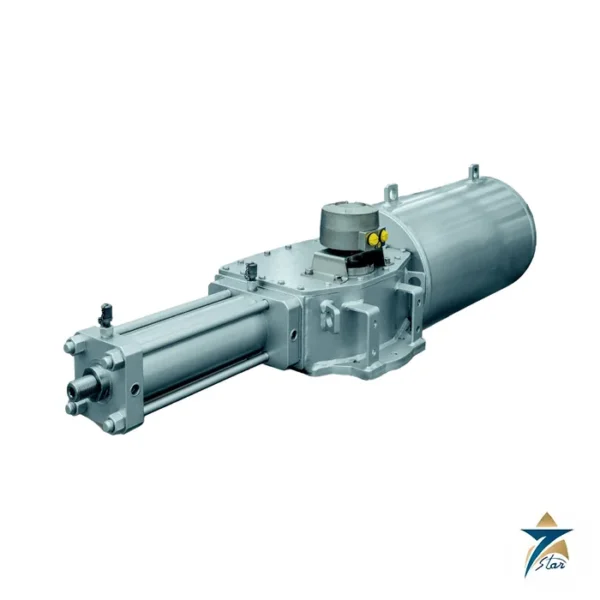
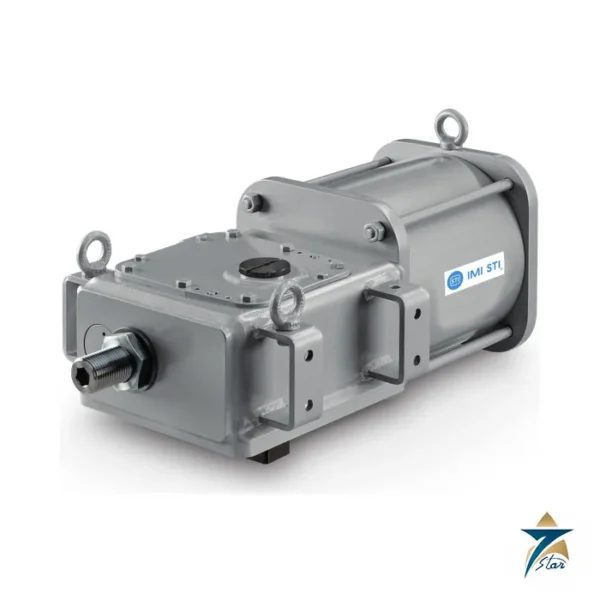
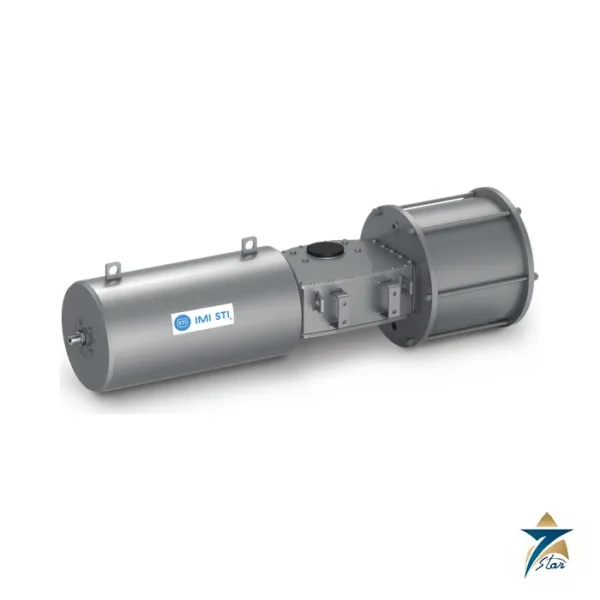
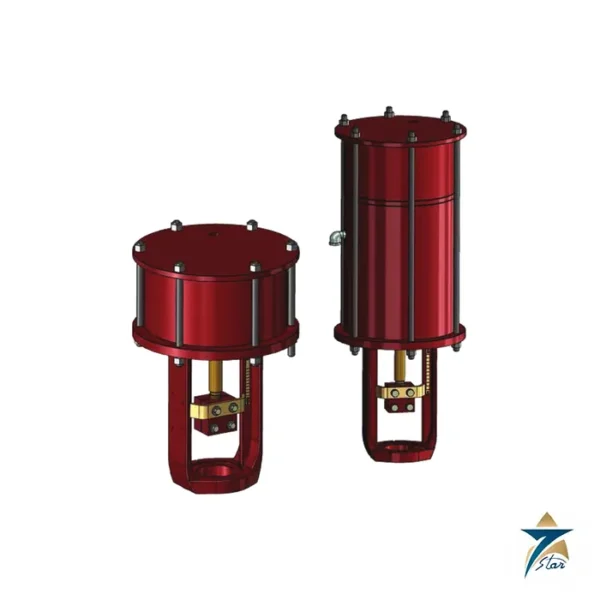
The IMI STI SM is a stepper motor actuator that moves a valve stem in defined increments. Despite the name, it is not an electric motor: it is a ratchet mechanism driven by two hydraulic or pneumatic cylinders. Seven Star LLC supplies the SM in Oman and the GCC as an independent supplier in Muscat, and this page sets out the verified data to help you prepare an enquiry.
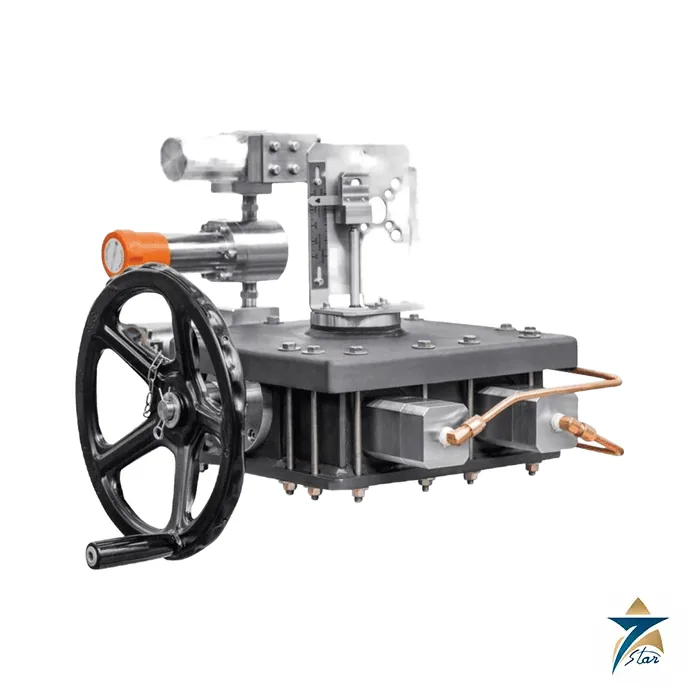
The SM has an internal mechanism that engages the female thread of a threaded valve stem. One cylinder turns that mechanism clockwise and the other anticlockwise, so the mechanism rotates in steps and the threaded rod moves linearly. Because the mechanism sits directly on the stem, no intermediate linkage is needed between the actuator and the valve.
SM versions and supply media
| Version |
Supply medium |
Operating pressure |
| Hydraulic |
Oil |
70 bar to 250 bar |
| Pneumatic |
Instrument air |
4 bar to 10 bar |
The brochure describes the two versions and states that the actuators are available in different sizes to meet different torque requirements. It does not publish a coded ordering string, so the size and version should be confirmed from the valve stem data when you request a quotation.
SM technical specifications
| Parameter |
Specification |
| Manufacturer / part number |
IMI STI / SM (stepper motor actuator) |
| Versions |
Hydraulic; pneumatic |
| Output torque |
Up to 400 Nm (higher values on request) |
| Stroke |
Up to 4 in. (100 mm); higher values on request |
| Operating pressure |
70 bar to 250 bar (oil); 4 bar to 10 bar (air) |
| Supply medium |
Oil; instrument air |
| Standard operating temperature |
-20°C to 70°C (lower or higher on request) |
| Internal mechanism |
15 steps per run |
| Manual override |
Declatchable, on the side, detachable and attachable |
| Position feedback |
Position transmitter directly connected to the valve stem |
| Stroke indication |
Linear, visible stroke indicator |
| Options |
Two 3-way solenoid valves and other accessories |
How the SM stepper mechanism works
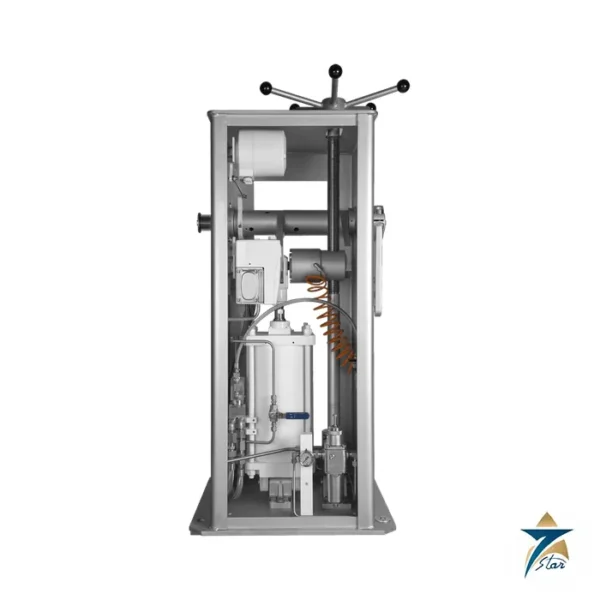
The two cylinders act on a ratchet wheel through connecting rods and ratchets. Each stroke of a cylinder advances the wheel by one step in its direction, and a run of 15 steps makes up one cycle of the internal mechanism. Alternating the cylinders clockwise and anticlockwise drives the stem in and out. Control comes from driving the hydraulic or pneumatic cylinders in both directions, and the brochure notes that the cylinders have no internal springs of their own, with one spring allowing the return of both.
The ratchet principle makes the movement incremental. In hydraulic form, the high pressure range of 70 to 250 bar gives strong thrust in a compact body. The pneumatic form suits sites where instrument air is the preferred utility.
Construction and parts of the SM
The brochure includes a numbered product breakdown with materials, which is useful for corrosion and spare-parts planning.
| Component |
Material |
| Cover; operating wheel; box; spring |
Carbon steel |
| Position transmitter; solenoid valves; transducer support; extension spring; transducer connecting rod; link box transducer; stroke indicator; tool plate; head cylinder; cylinder body; piston rod |
Stainless steel |
| Piston bushing |
Bronze |
| Ratchet wheel; ratchet; connecting rod |
Alloy steel |
Manual override, feedback and accessories of the SM
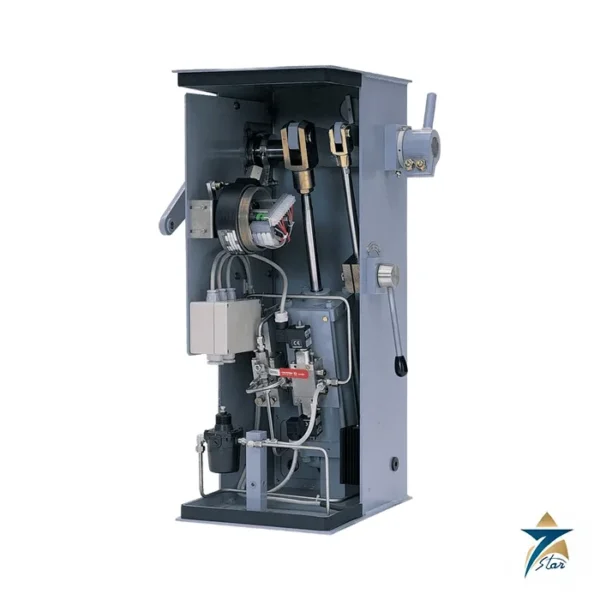
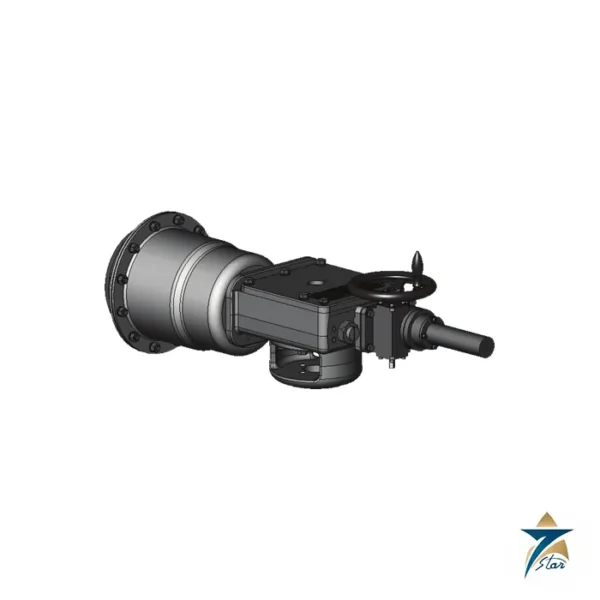
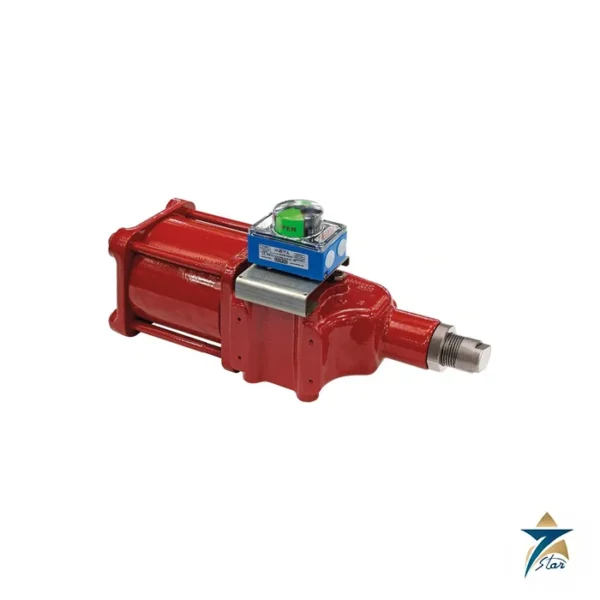
The manual override is a declatchable device on the side with an operating wheel. It can be attached or detached as the user decides, and it is intended for use if the mechanism loses its driving forces. A visible linear stroke indicator shows the valve position at a glance. A position transmitter is connected directly to the valve stem, which removes the lost motion that an intermediate mechanism would add.
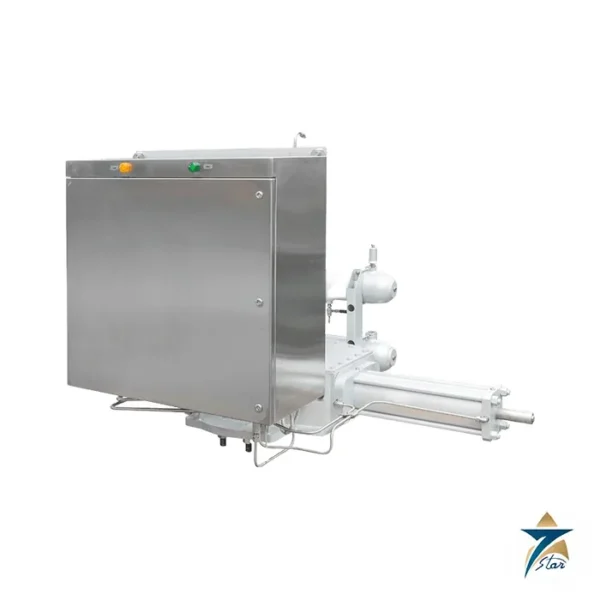
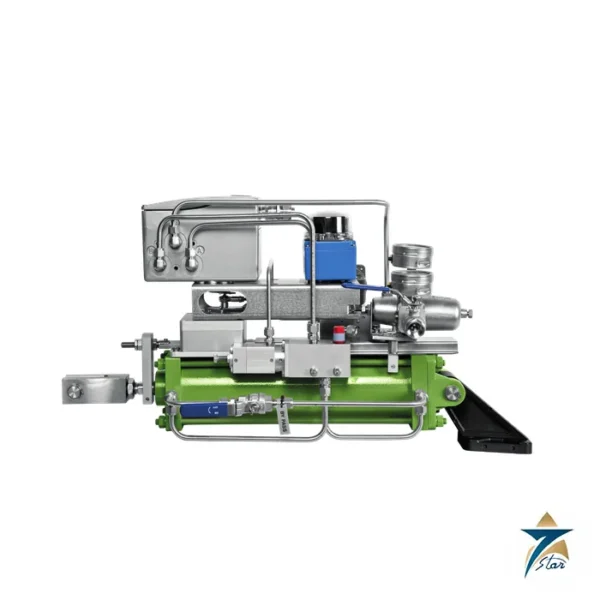
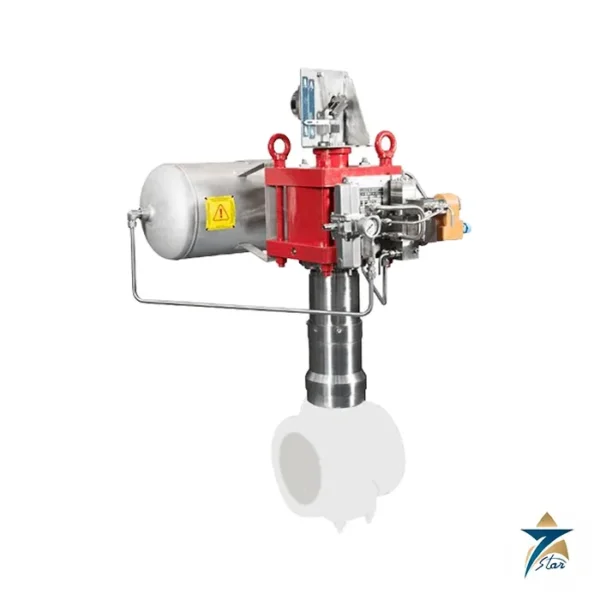
The actuator can be supplied with two 3-way solenoid valves and other accessories. Within the IMI STI range, accessories such as the CO 3-way operating valve and CS quick exhaust valve address other actuation duties, and the SmarTrak ST controller is the hydraulic positioning electronics for proportionally driven hydraulic systems. Ask whether the SM you need is paired with a controller or solenoids.
Selection and ordering checklist for the SM
- Version: hydraulic or pneumatic, based on the utility available.
- Stem type: thread form and diameter of the threaded valve stem.
- Required torque, up to 400 Nm as standard, higher on request.
- Stroke needed, up to 100 mm as standard.
- Supply pressure of the oil or air.
- Ambient temperature, with -20°C to 70°C as standard.
- Solenoid valves and position transmitter requirements.
- Manual override arrangement and any special customisation.
Installation, commissioning and maintenance of the SM
Install the actuator so that its internal mechanism lines up with the stem thread, and check that the stem is free of damage before engagement. Connect the supply with clean oil or filtered instrument air, and bleed hydraulic lines carefully. Check that the manual override is latched or declatched as intended before handing over.
At commissioning, stroke the valve in both directions and compare the position transmitter reading with the stroke indicator. Check each solenoid valve for correct direction. For maintenance, inspect seals, the bronze piston bushing and the ratchet parts at planned shutdowns, and keep spare seals and a spare transmitter. The manufacturer issues an instruction manual for the SM, which should guide service work.
Typical SM applications in Oman and the GCC
The brochure refers to power and process automation. Stepper actuators of this type fit throttling or positioning duties on valves with threaded stems, where precise incremental movement and a manual fall-back are valued. In Oman and the Gulf, candidate services are power generation and process plants where ambient heat, dust and humidity must be considered, and the stainless steel construction of the cylinders and feedback parts helps with corrosion resistance. Confirm the suitability for your valve and duty before ordering.
Information to send with an SM RFQ
- Part number SM and quantity.
- Hydraulic or pneumatic version.
- Valve make, model and stem thread data.
- Required torque and stroke.
- Supply medium and pressure.
- Solenoid valve and transmitter requirements.
- Delivery location in Oman or the GCC.
Documents and quotation
The manufacturer brochure for the IMI STI SM is attached on this page. It includes the specification table and the numbered parts breakdown.
To request a quotation, send the part number, version and valve stem details, and we will confirm availability and lead time.
























Reviews
There are no reviews yet.