Flowserve BXRH and BXHHS high-temperature metal bellows mechanical seals
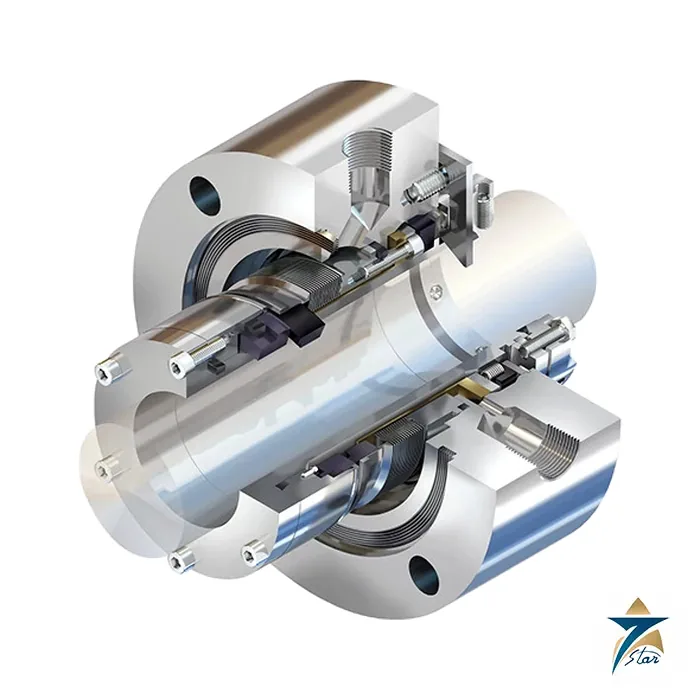
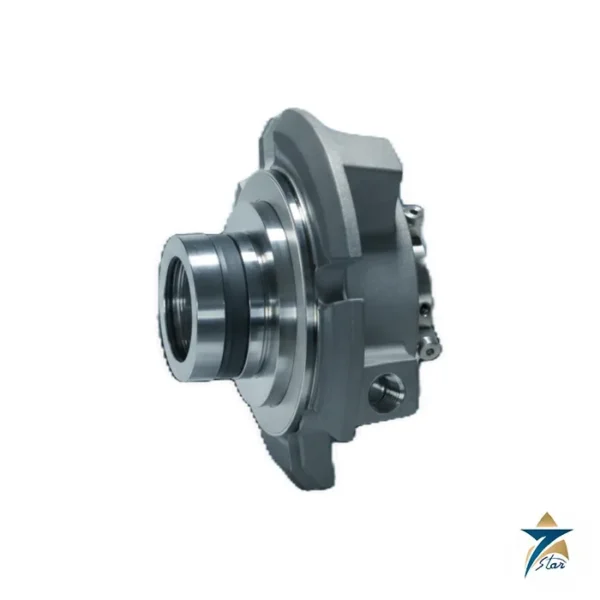
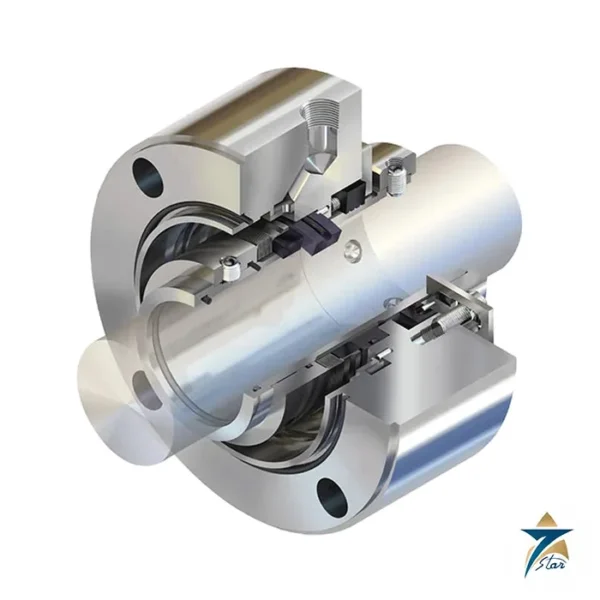
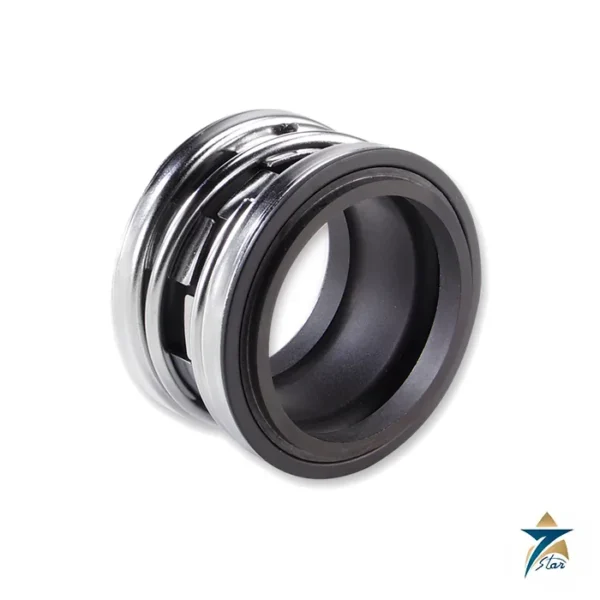
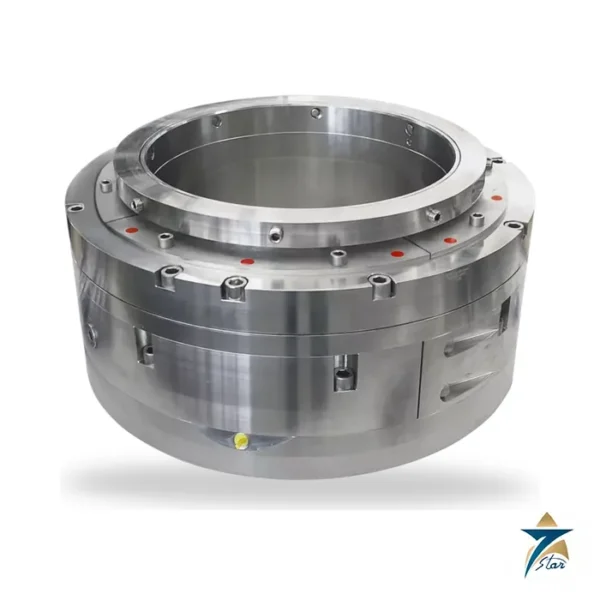
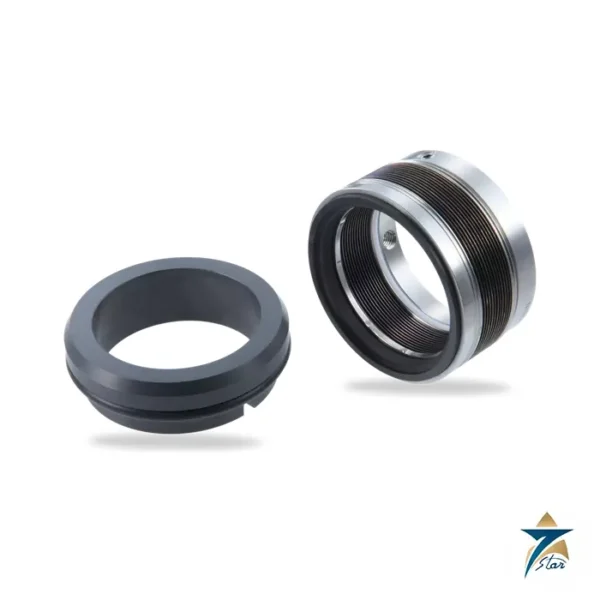
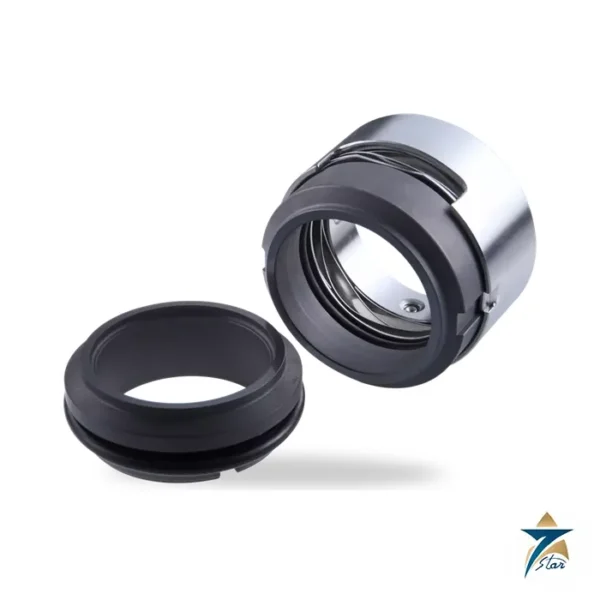
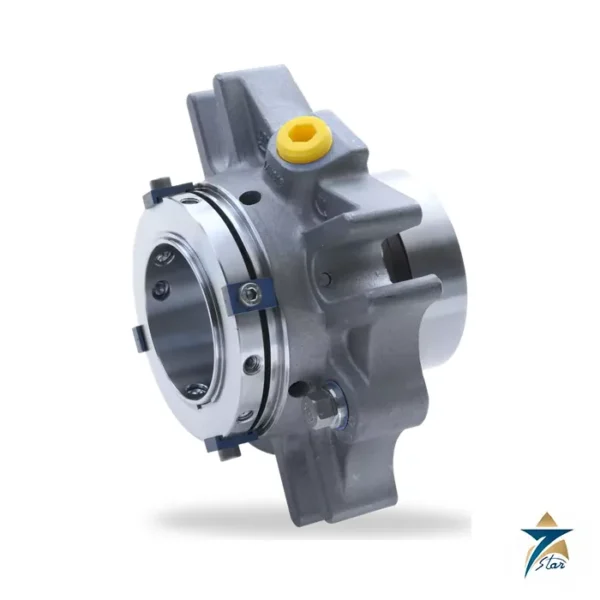
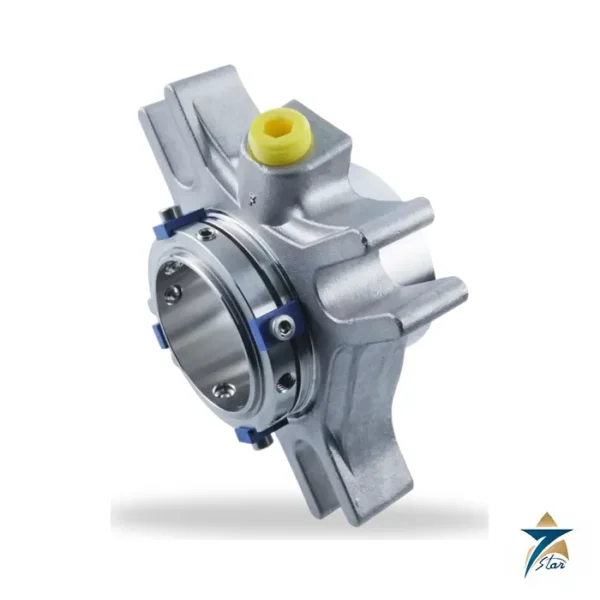
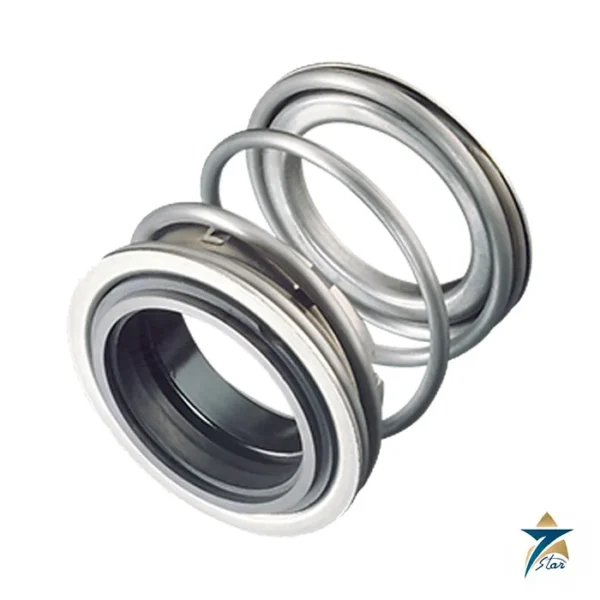
The Flowserve BXRH and BXHHS are metal bellows mechanical seals designed for pumps that run hotter, or colder, than elastomer O-rings can tolerate. Instead of a rubber secondary seal, they use a welded metal bellows and flexible graphite gaskets, which remain effective across the range from -73 to 427 °C (-100 to 800 °F). The two names describe the same family: BXHHS has a rotating bellows, and BXRH has a stationary bellows. Seven Star LLC, an independent supplier in Muscat, supplies these seals for refinery, petrochemical and process pump users in Oman and the GCC.
This is a seal series, not a single stocked code. Each seal is built for a shaft size, arrangement and duty, so this page lists the choices that go into an accurate enquiry.
BXRH and BXHHS technical specifications
| Parameter |
Specification |
| Manufacturer / part number |
Flowserve / BXRH and BXHHS series |
| Seal type |
Metal bellows mechanical seal; BXHHS rotating bellows, BXRH stationary bellows |
| Pressure |
Up to 20.7 bar (300 psi) |
| Temperature |
-73 to 427 °C (-100 to 800 °F) |
| Speed |
Up to 23 m/s (75 fps) for BXHHS; up to 46 m/s (150 fps) for BXRH |
| Shaft sizes |
21.8 to 128.9 mm (0.857 to 5.073 in) |
| Metal components |
316 stainless steel |
| Bellows |
Alloy 718 |
| Seal faces |
Carbon, silicon carbide |
| Gaskets |
Flexible graphite |
| Diaphragm thickness |
0.2 mm (0.008 in) |
| Arrangements |
1 single; 2 unpressurized dual (wet or with GSDH dry running backup); 3 pressurized dual |
Values are taken from the Flowserve brochure; confirm the face and material combination for each shaft size and service on the quotation.
How the BXRH metal bellows seal works
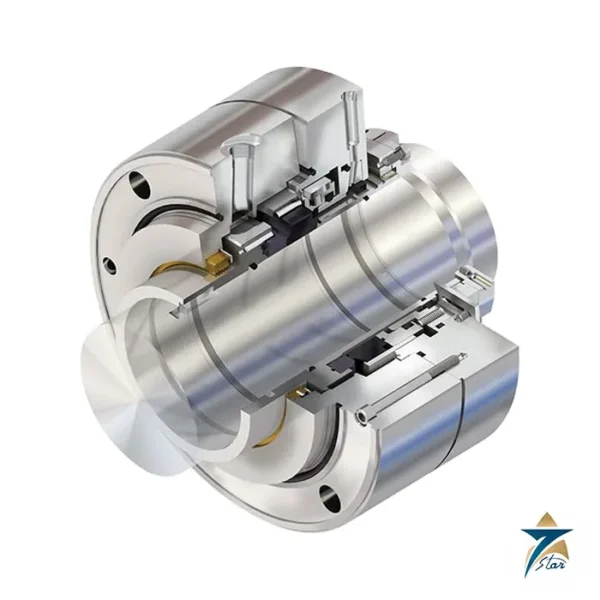
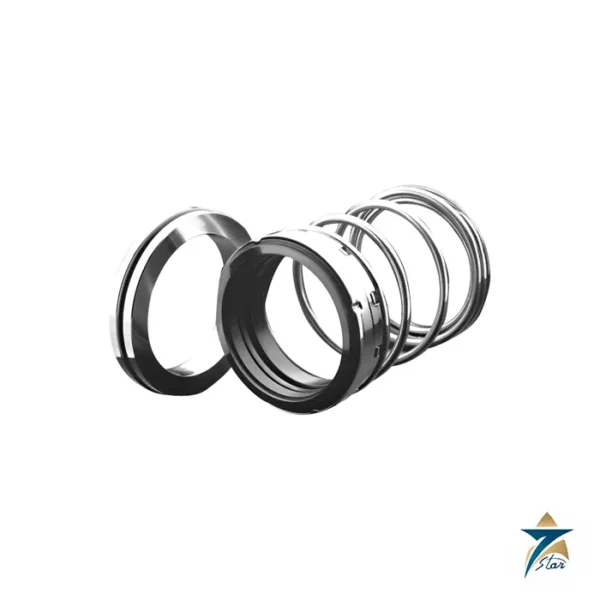
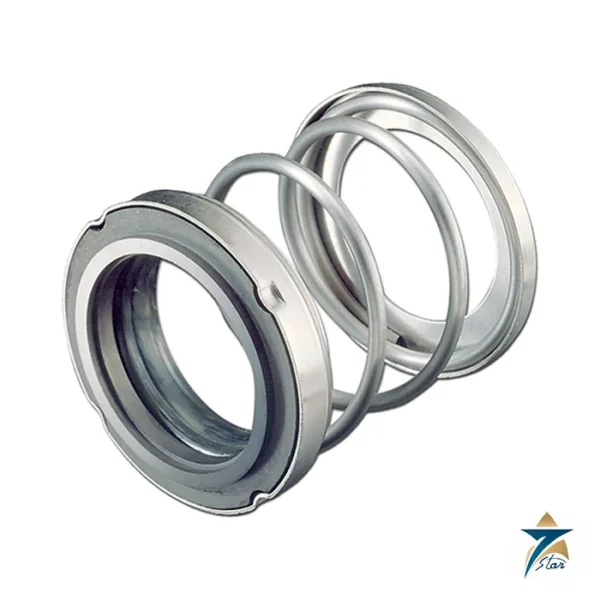
A mechanical seal needs a flexible element to keep the faces in contact despite shaft movement and wear. In a standard seal this is a spring and an O-ring. Here the flexible element is the bellows itself: a stack of thin welded metal diaphragms. Its fully nesting ripple geometry with wide convolutions keeps motion stress low and spring rate lower even with thick 0.2 mm diaphragms. The bellows also acts as the secondary seal, so no dynamic elastomer is exposed to heat.
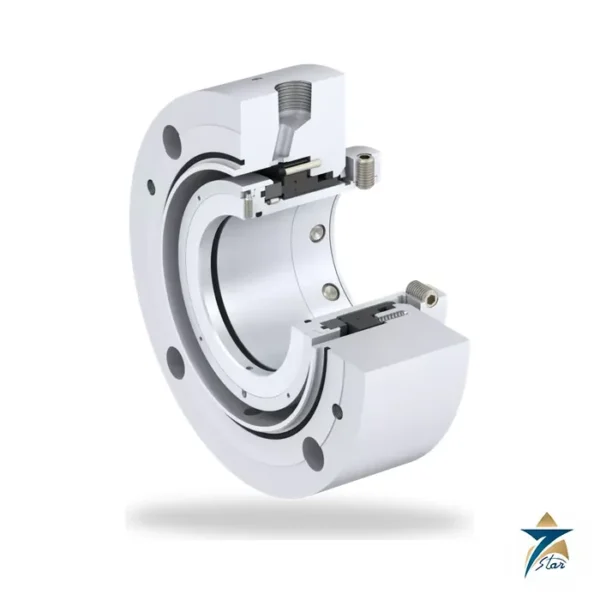
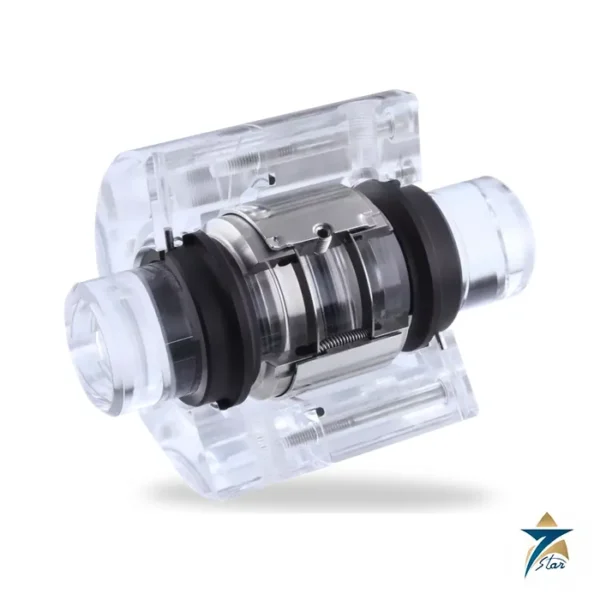
In a BXRH, the bellows is stationary. The brochure says this gives high speed capability and tolerance of out-of-square misalignment between the shaft and the seal chamber face, which happens as a pump grows thermally. In a BXHHS the bellows rotates and clears debris from the convolutions, preventing accumulation. Both designs use a hinged seal face flange and a full length shrink fit, so thermal expansion has little effect on face flatness. The mating face sits on a graphite gasket that helps carry heat away from the running surface.
Where the BXRH fits: arrangements, piping plans and related seals
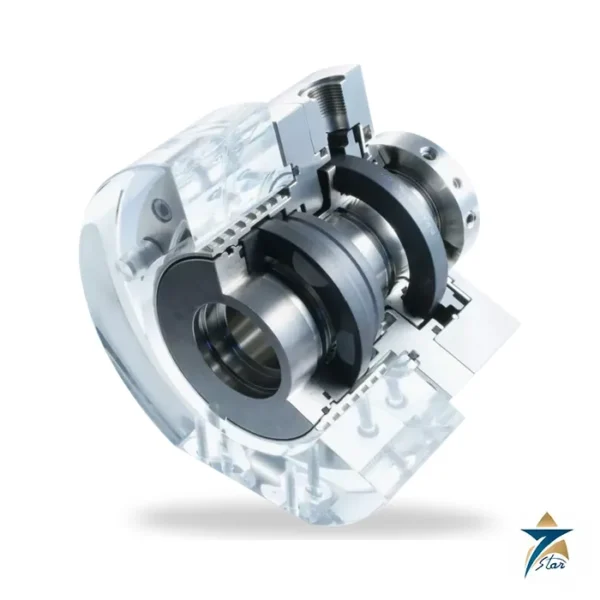
The BXRH and BXHHS cover single and dual configurations. In Arrangement 1, the single BXHHS or BXRH works with API plans 11, 13, 23, 32 and 62. Arrangement 2 unpressurized dual seals (BXHHS/BXHHS or BXRH/BXRH) are used with plans 52 and 55, and combinations with the GSDH dry running backup (BXHHS/GSDH or BXRH/GSDH) with plans 72, 75 and 76. Arrangement 3 pressurized dual seals (BXHHSB/BXHHS or BXRH/BXRH) pair with plans 53A, 53B, 53C and 54.
The brochure notes that the stationary bellows type with anti-coke device in Arrangement 1 is an industry standard single seal, that BXHHS/GSDH gives the best leakage containment without liquid buffer or barrier fluid, and that BXHHSB/BXHHS gives zero emissions sealing. Related Flowserve seals for lower temperature duty use elastomer secondary seals, so a metal bellows design is chosen when temperature or chemical compatibility rules these out.
BXRH selection and ordering checklist
Prepare these details when requesting either seal type:
- Pump make, model and seal chamber drawing, with the shaft diameter and shaft end float.
- Fluid name, composition, specific gravity, vapour pressure and presence of solids or coke formers.
- Seal chamber pressure, normal and maximum, and temperature at the seal.
- Shaft speed and surface speed to decide between BXHHS and BXRH.
- Required arrangement (1, 2 or 3) and the API 682 piping plan.
- Face materials, with carbon and silicon carbide available.
- Options: multi-port flush, circulating device, anti-coke device, throttle bushing type (fixed, floating, segmented).
- Environmental or emission requirements and documentation needed.
If you are replacing a seal, send the old seal part or the nameplate data and a photo of the installed arrangement.
BXRH installation, commissioning and maintenance
Fit metal bellows seals with attention to cleanliness and alignment: check the shaft run-out and the seal chamber face squareness before assembly, set the cartridge as instructed, and remove the set clips only once the gland is fully tightened and before the shaft is turned. Establish flush or quench flow before the first start, and warm up the pump gradually so that the seal sees a controlled temperature rise.
Monitor the barrier or buffer system, checking pressure and level trends on the dual seal arrangements, and the steam quench where an anti-coke device is installed. The brochure mentions optional multi-port flush for uniform cooling and a circulating device integrated into the dual seal cartridge. Keep a spare cartridge for critical pumps, since hot hydrocarbon units are not easily stopped, and keep a record of seal leakage and face condition from each overhaul.
Typical BXRH applications in Oman and the GCC
The brochure lists distillation tower bottoms, heat transfer fluids, fluid cat cracker slurry, hot hydrocarbons, cryogenics, asphalt, bitumen and gas oil. These match refinery, petrochemical and bitumen-handling operations in the Gulf, where pump seals meet high process temperatures plus high ambient heat and dust. For cold and cryogenic services the low end of the range, -73 °C, is relevant.
Because many plants in the region run continuously for years between turnarounds, and a pump seal is one of the most common causes of unplanned stops, seal reliability is closely tied to piping plan quality and operator discipline. A seal with the right arrangement and plan should be selected together with the cooler, reservoir and instrumentation that support it.
BXRH and BXHHS variant summary
| Model |
Design |
Key point |
| BXHHS |
Rotating bellows |
Up to 23 m/s; clears debris from convolutions |
| BXRH |
Stationary bellows |
Up to 46 m/s; tolerates out-of-square misalignment |
| BXHHS/GSDH, BXRH/GSDH |
Dual with dry running backup |
Leakage containment without buffer or barrier fluid |
| BXHHSB/BXHHS, BXRH/BXRH |
Pressurized dual wet seal |
Zero emissions sealing |
Option parts such as the anti-coke device, multi-port flush and throttle bushings complete the range.
Information to send with a BXRH RFQ
Send the pump data, shaft size, arrangement, piping plan, fluid and temperature data, quantity, and the delivery site. For existing installations add photos of the nameplate and the seal, and the date of the last overhaul. Tell us whether you want a full cartridge, a repair kit or individual components such as faces and gaskets.
Documents and quotation
The BXHHS and BXRH brochure is attached on this page and gives the operating limits, materials and arrangement options summarised above.
Seven Star LLC is an independent supplier in Muscat serving Oman and the GCC. Send your BXRH requirement and we will reply with a quotation.
























Reviews
There are no reviews yet.