Stable reference pressure for draft and low differential ranges
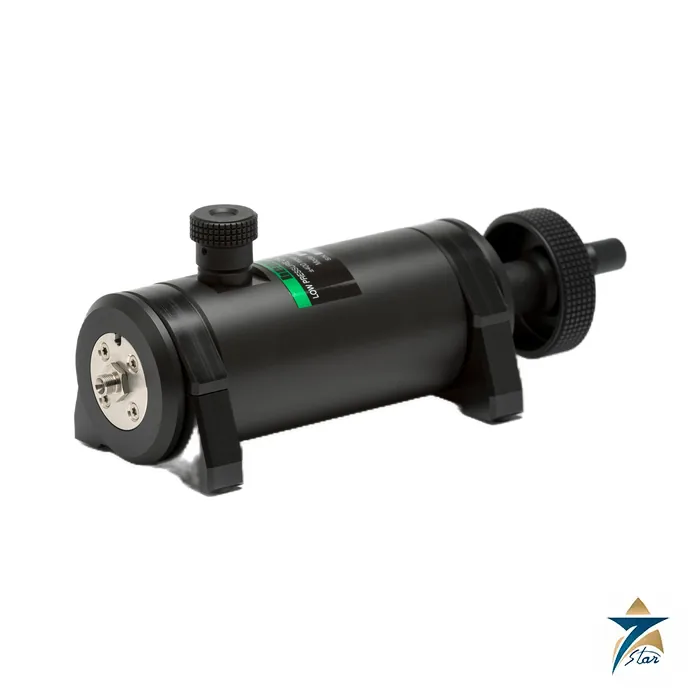
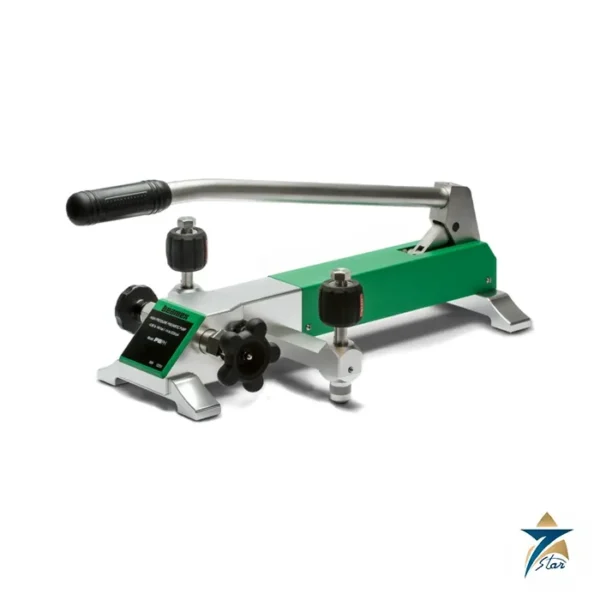
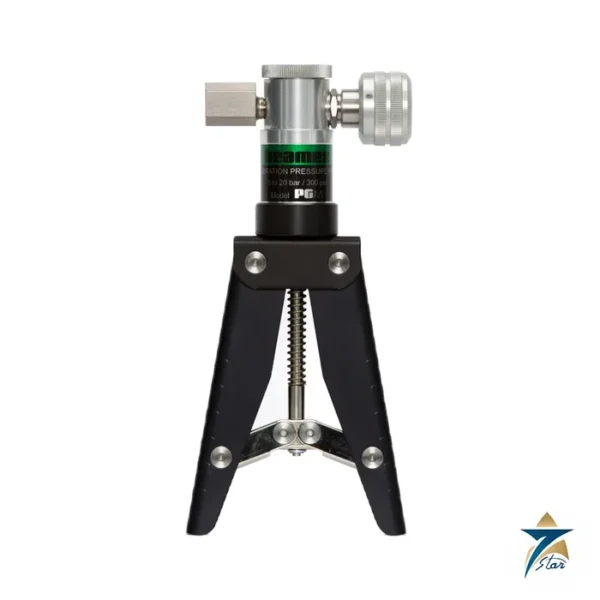
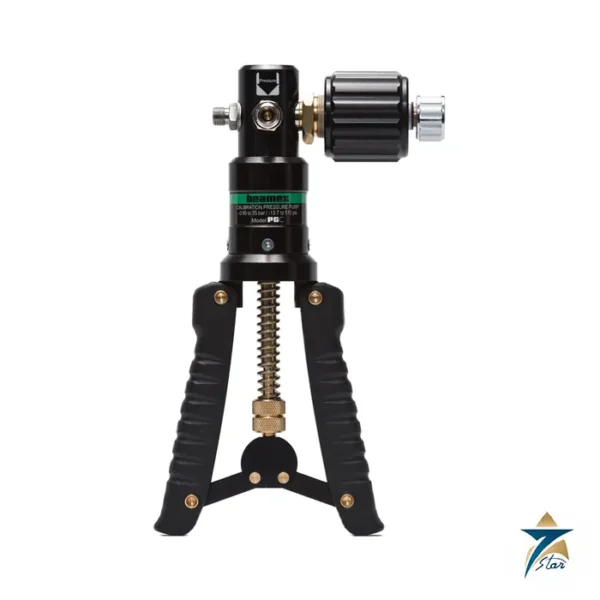
The Beamex PGL is a screw-operated calibration pump for low pressure work, generating -400 to +400 mbar (-160 to 160 iwc) with air. It is aimed at instruments where a few millibar matter: draft gauges, low-range differential pressure transmitters for flow and filter monitoring, HVAC and clean-room sensors. Coarse adjustment is made with a handwheel that drives the piston in the cylinder, and a combined fine-adjust knob and release valve sets the final point.
Beamex chose the design and materials of the PGL to reduce the effect of ambient temperature changes during calibration, which is otherwise the main source of drift at low pressure.
Technical specifications
Values from the Beamex PG calibration pumps brochure (2025).
| Parameter |
Specification |
| Model |
Beamex PGL |
| Output pressure |
-400 to +400 mbar / -160 to 160 iwc; -0.7 to 3.0 bar with test volumes up to 20 ml |
| Adjusting sensitivity |
below ±0.05 mbar / 0.02 iwc (max. 20 ml volume) |
| Pressure change after 1 min and readjustment |
below 0.3 mbar/min (0.12 iwc/min), stable conditions, max. 20 ml |
| Pressure medium |
Air |
| Wetted parts |
Stainless steel, nitrile rubber, polyacetal |
| Output connector |
G1/8 in. female; pre-installed Bx G1/8 in. male fitting for Beamex 40 bar (600 psi) hoses |
| Operating temperature |
0 to 50 °C (32 to 122 °F) |
| Storage temperature |
-20 to 60 °C (-4 to 140 °F) |
| Humidity |
below 95% RH |
| Dimensions / weight |
283 x 114 x 110 mm; approx. 1.8 kg (4.0 lb) |
| Standard delivery |
40 bar T-hose set, basic maintenance tools, hard carrying case |
Getting good results at low pressure
At a few millibar, the test setup affects the result as much as the pump. Keep the connected volume small, since the stated sensitivity and stability apply to 20 ml or less. Shield the hoses from drafts and direct sun, because warming a hose by a degree changes the pressure noticeably. Zero the reference calibrator with both sides vented before starting, and wait for readings to settle before recording each point. The support legs keep the pump steady on a bench or floor while the handwheel is turned.
Typical PGL applications
Common jobs for the PGL include draft and furnace pressure transmitters, filter differential pressure gauges, low-range flow DP cells, and room pressure sensors in pharmaceutical and hospital HVAC. For pressures above a few bar, the Beamex PGC or PGM hand pumps are the better choice.
Requesting a quote for the PGL
Beamex specifications are in the attached PG pump brochure from April 2025. With your enquiry, mention the instruments to be checked and the connection type, and whether additional 40 bar hoses or fittings are needed. Browse more calibrators in Portable Test and Measurement.
How the Beamex PGL low-pressure pump works
The PGL is a calibration pump for accurate low pressures. The Beamex brochure gives an output range of −400 to +400 mbar (−160 to 160 iwc), an adjusting sensitivity better than 0.05 mbar (0.02 iwc), a pressure change of less than 0.3 mbar per minute and a weight of about 1.8 kg. Its design and materials are chosen to minimise the effect of ambient temperature on the generated pressure, which is essential at low ranges. It has a preinstalled Beamex G1/8 in. male fitting for Beamex 40 bar hoses, and the standard delivery includes a 40 bar T-hose set and basic maintenance tools.
Using the Beamex PGL in the field
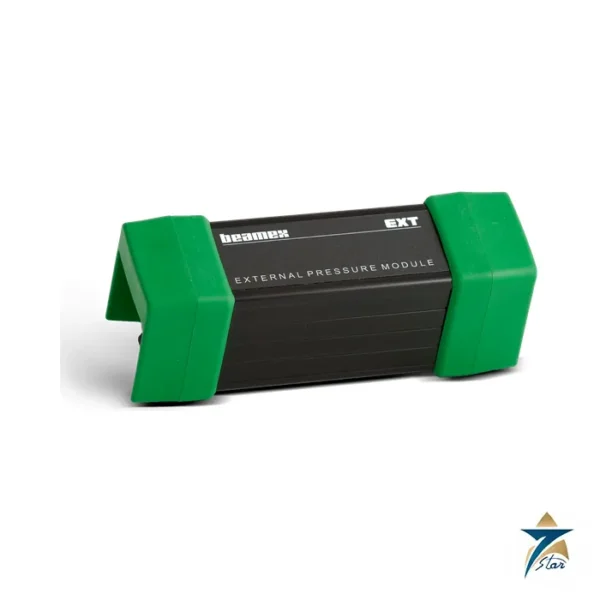
- Connect the reference pressure module and device under test with the T-hose set and keep hose volume small.
- Generate the approximate pressure or vacuum and allow the temperature to stabilise.
- Fine-tune to the test point and record readings once stable.
- Step through the test points upward and downward to check hysteresis.
Low-pressure calibration tips
- Keep the pump and hoses out of direct sunlight; small temperature changes create noticeable pressure drift at mbar levels.
- Check for leaks before calibration by holding a pressure and watching for decay.
- Zero the reference at atmospheric pressure before starting.
Selection guide within the PG range
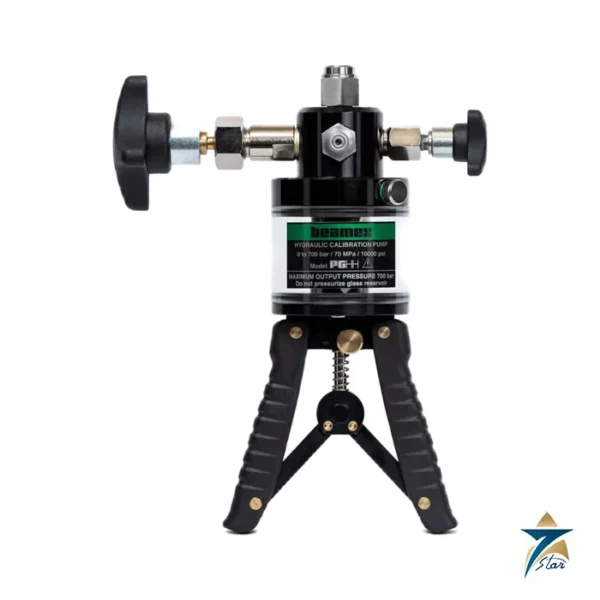
Choose the PGL for draft gauges, differential pressure transmitters on filters and flow elements, and HVAC instruments. For higher pressures, the PGC covers vacuum up to 35 bar and the PGHH hydraulic pump reaches 700 bar.
Typical applications in Oman and the GCC
Low-pressure calibration is needed for furnace and boiler draft instruments, cleanroom and hospital pressure monitoring, HVAC systems and gas metering stations.
Why source from Seven Star LLC
Seven Star LLC supplies Beamex calibration equipment across Oman and the GCC. Request a quote with the pump model, hoses and adapters you need, and our team can help confirm the correct ordering code.
Building a complete calibration kit
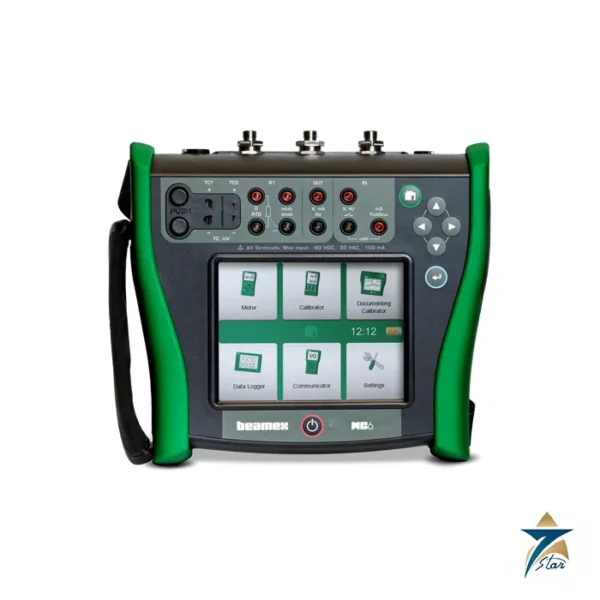
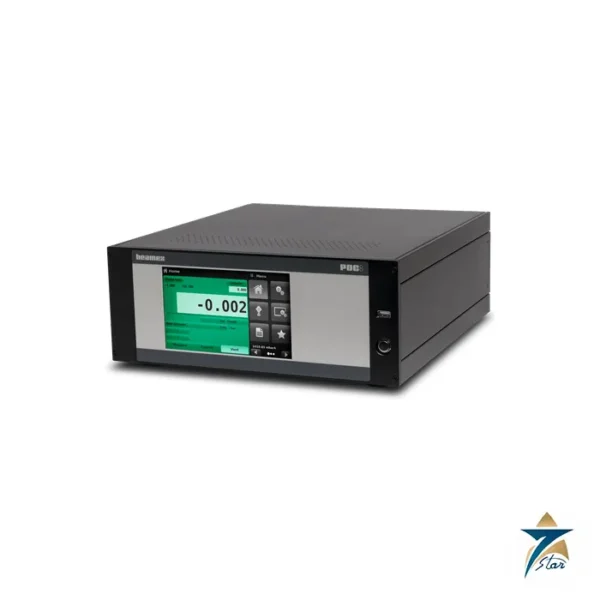
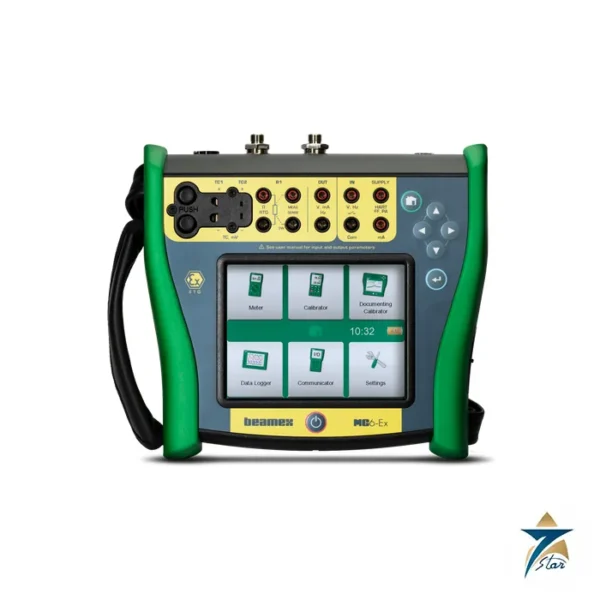
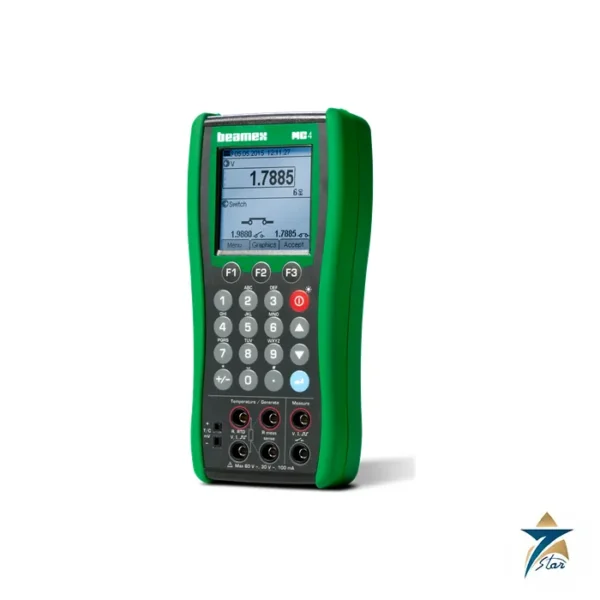
A calibration pump only generates pressure; the accuracy of the calibration comes from the reference instrument. In a typical field kit, the pump is combined with a documenting calibrator or a reference pressure module whose range matches the instruments being tested. The reference should be several times more accurate than the device under test, and its calibration certificate should be valid. Hoses and adapters must suit both the pressure rating and the process connections found on site, such as NPT, BSP or metric threads. Keeping a written procedure for each instrument type helps technicians repeat calibrations consistently, record as-found and as-left results, and decide whether an instrument needs adjustment or replacement.
Calibration records and audits
Pressure instrument calibration results are often reviewed during quality, safety and environmental audits. Recording the reference used, the test points, ambient conditions and the technician name supports traceability. Electronic calibration management software can schedule recalibration intervals and store certificates, reducing paperwork for maintenance teams.
For low pressure work, also allow the reference module to warm up and reach the ambient temperature of the work area before taking readings.











Reviews
There are no reviews yet.