- Automation & ControlView all 3,053 products
- Automation Accessories
- AC Drives
- PLC & I/O Cards
- Industrial Communications
- Vibration Monitoring
- Isolator & Barrier
- Controllers & Data Acquisition
- Safety Switches & Guard Locking
- Motor Soft Starters
- Encoders
- CCTV & Security
- Pneumatic Cylinders
- HMI Displays
- Servo Drives
- Industrial Computers
- Machine Vision
- Automation Software
- Robotics
















Sensors & Transmitters
Inductive Proximity Sensors
Inductive proximity sensors detect metal targets without contact, so they count parts, confirm the end position of a cylinder or slide, and measure shaft speed without wear. Seven Star LLC, an independent supplier in Muscat, supplies inductive sensors from Turck, SICK, Contrinex, Balluff and Carlo Gavazzi to machine builders, maintenance teams and panel shops in Oman and the GCC.
Read the full category guide- 120 products
- 12 brands


Category guide
About Inductive Proximity Sensors
Inductive proximity sensors detect metal targets without contact, so they count parts, confirm the end position of a cylinder or slide, and measure shaft speed without wear. Seven Star LLC, an independent supplier in Muscat, supplies inductive sensors from Turck, SICK, Contrinex, Balluff and Carlo Gavazzi to machine builders, maintenance teams and panel shops in Oman and the GCC.
Types of inductive sensor in this category
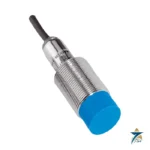
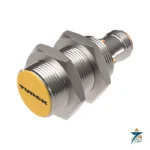
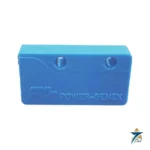
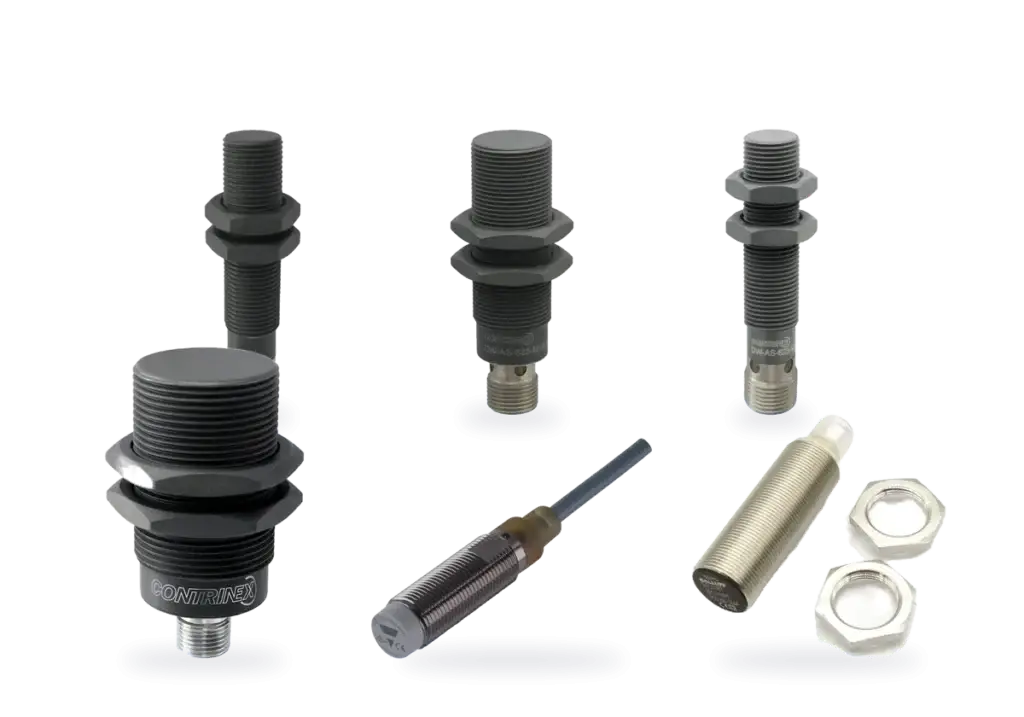
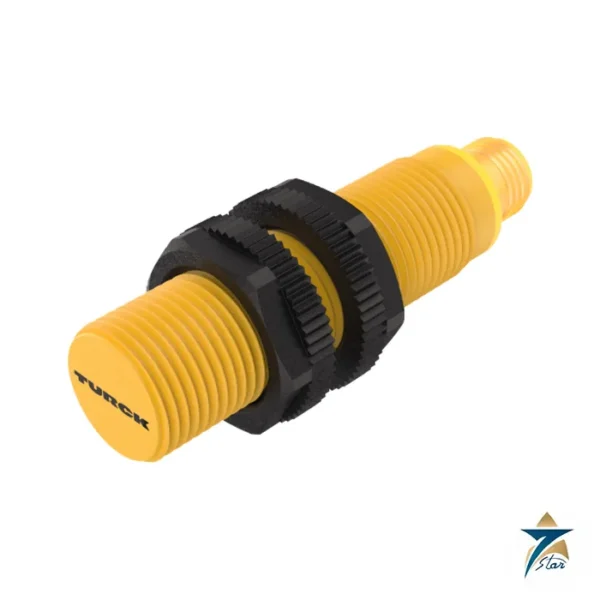
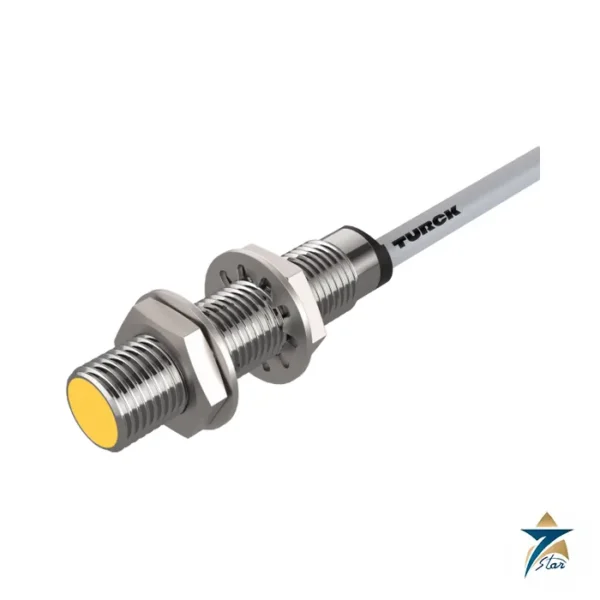
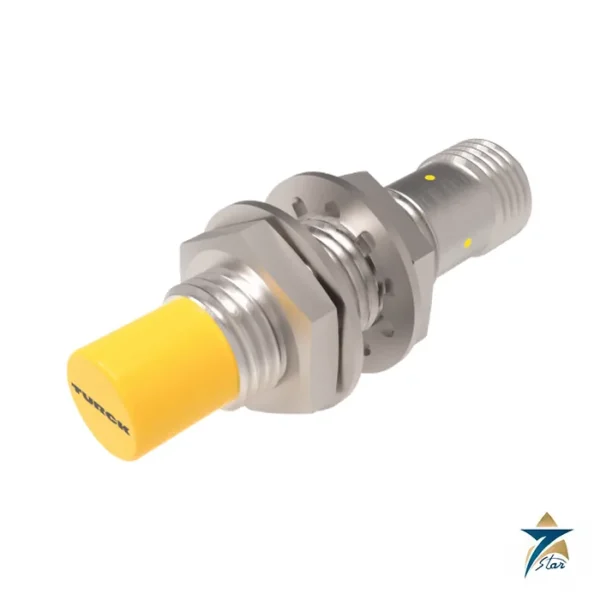
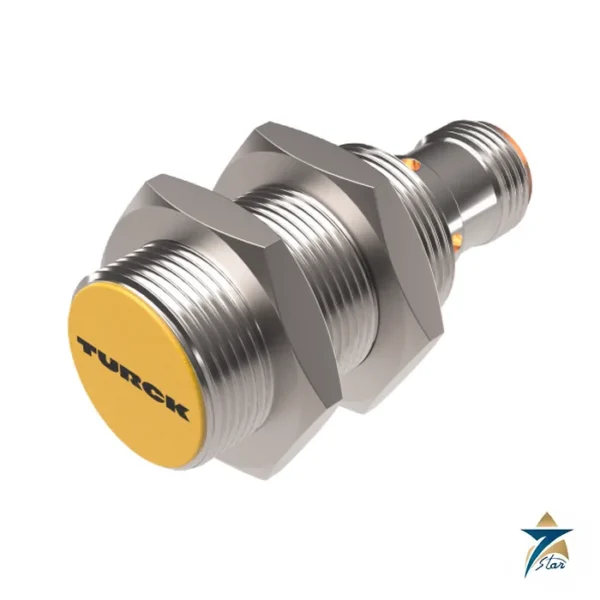
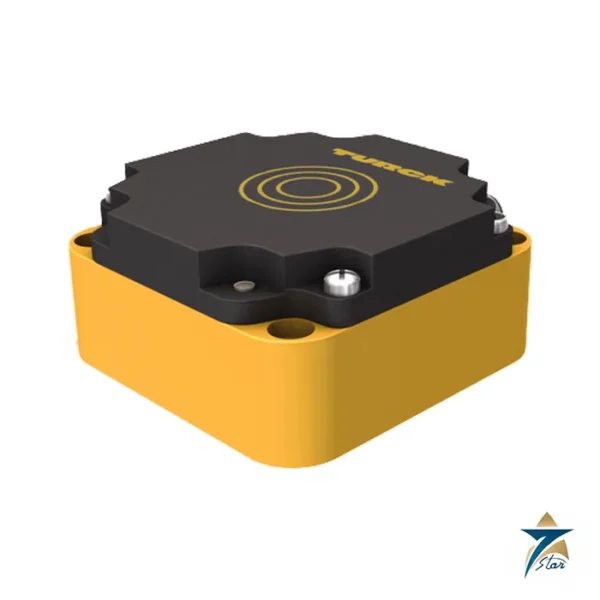
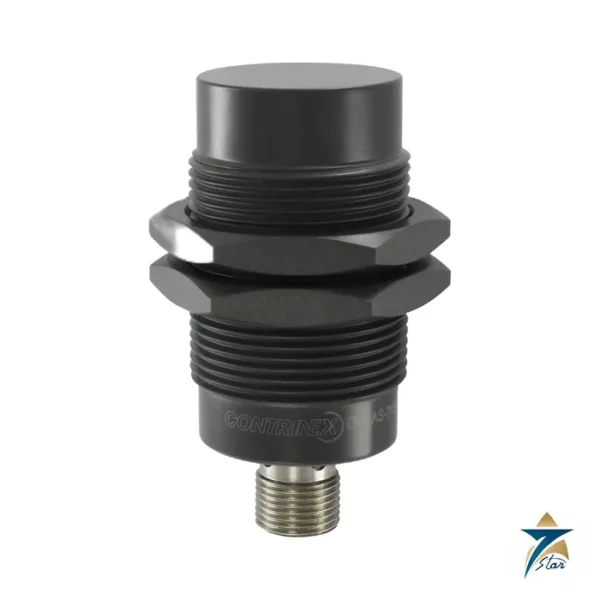
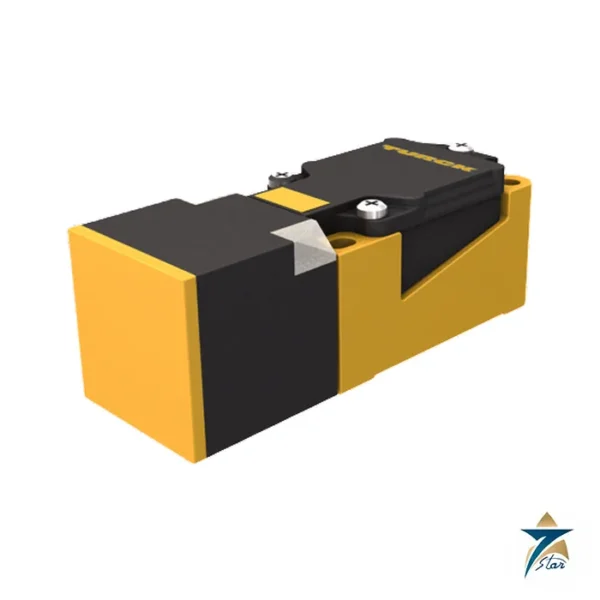
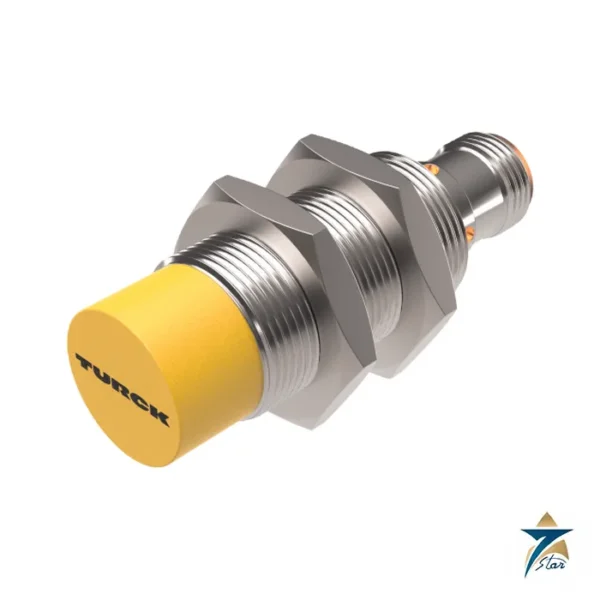
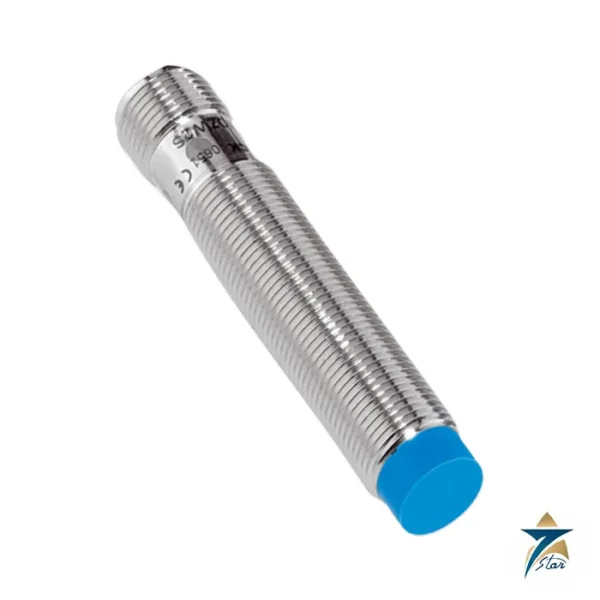
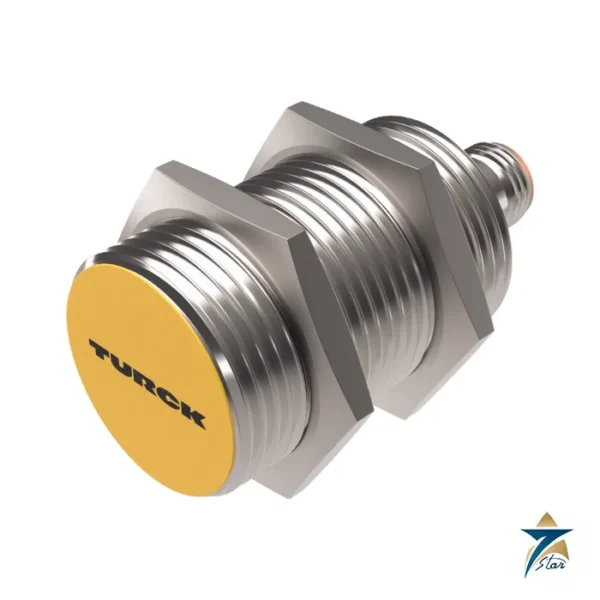
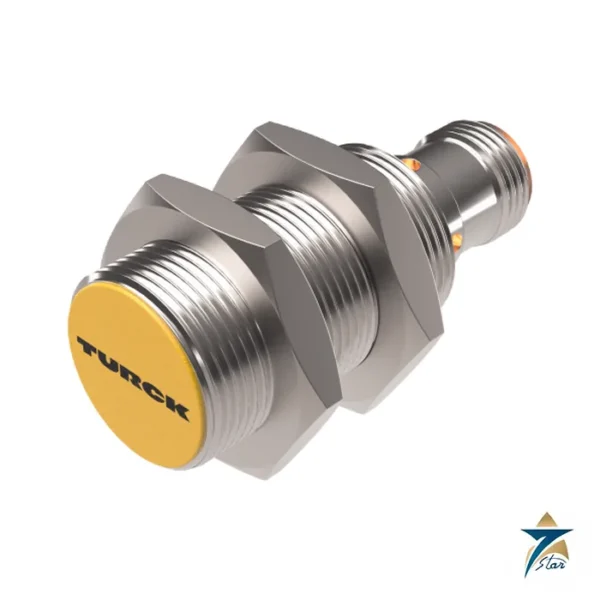
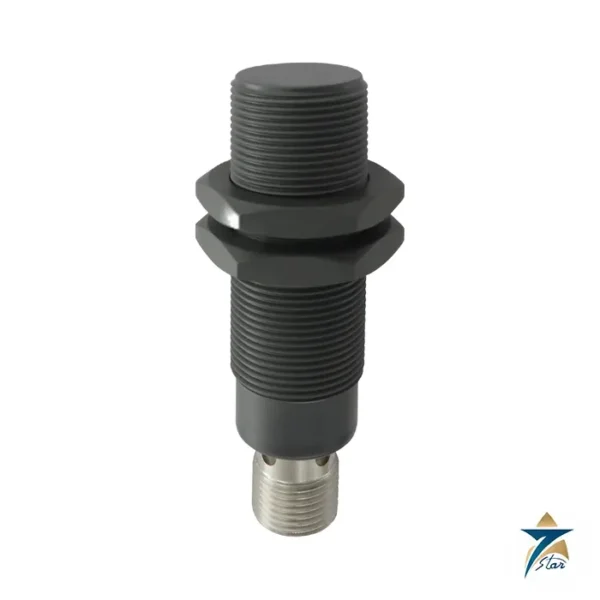
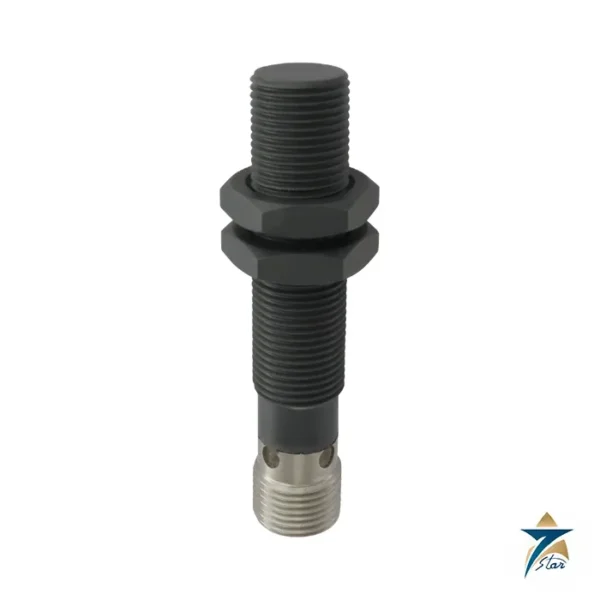
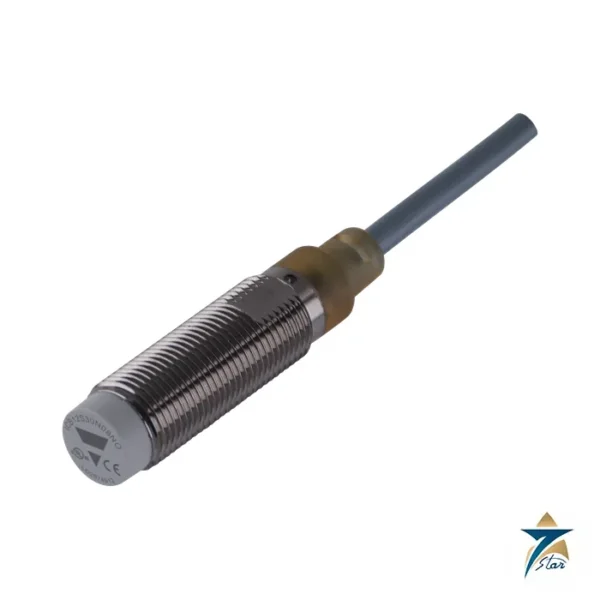
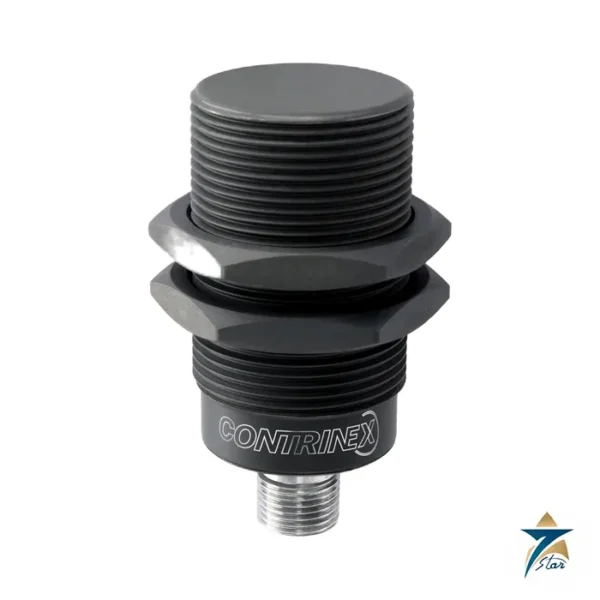
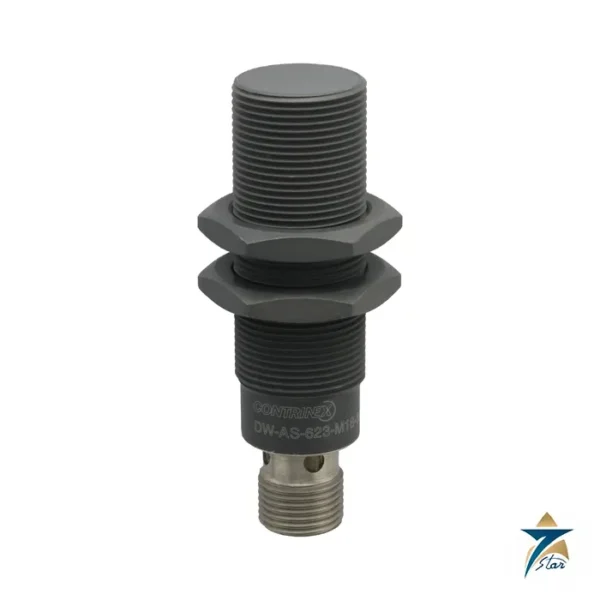
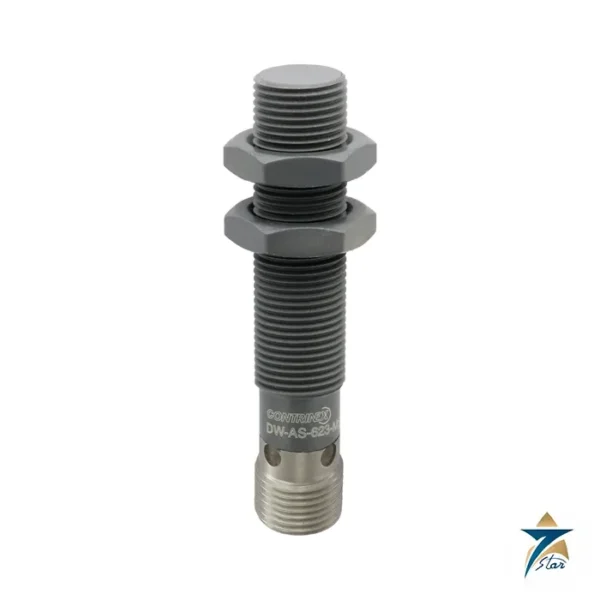
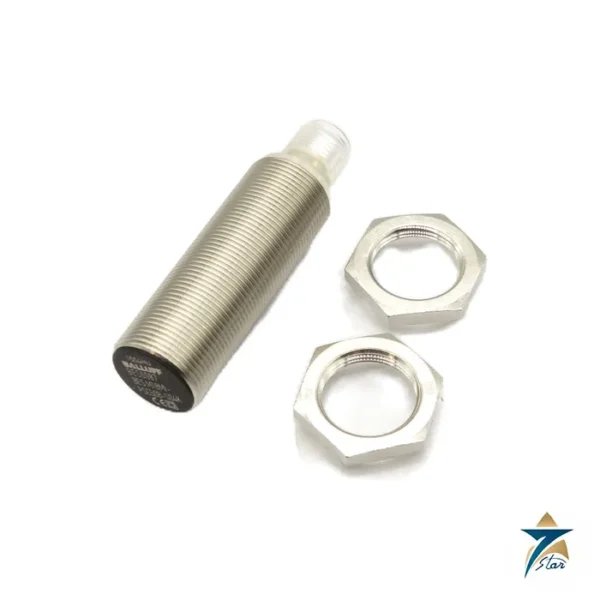
Most listed sensors are cylindrical threaded housings in M8, M12, M18 and M30, such as the Turck BI8U-M18 and SICK IME12 series, in flush and non-flush versions. Rectangular sensors like the Turck CP40 give a larger sensing face and longer range for conveyors and gates. Contrinex weld-immune DW-AS sensors have a stainless steel one-piece housing that survives weld spatter and magnetic fields near resistance welding guns, and some versions add IO-Link for diagnostics and parameter setting.
How to select an inductive proximity sensor
Start with the sensing distance and the mounting. A flush sensor can sit level with the surrounding metal; a non-flush sensor needs a free zone around its face but reaches further. Use the assured sensing distance for the design, then apply the correction factor for the target material, because stainless steel, aluminium and brass are detected at shorter range than mild steel. Check the supply voltage, the output type (PNP or NPN, normally open or normally closed, or IO-Link), the switching frequency for fast counting, and the connection: integral cable or M8 or M12 connector. For outdoor or wash-down areas check the IP rating and housing material, and in hot plant rooms confirm the operating temperature range.
Data needed for a quotation
For a replacement send the full order code or part number from the sensor body. For a new application send housing size, flush or non-flush, required sensing distance, target material, output type, supply voltage, connection type and quantity. We check the item against the manufacturer data before quoting.
What to include in your inquiry
These details let us quote the right item the first time.
- Measured variable and range
- Medium, pressure and temperature
- Process connection and material
- Output signal or protocol
- Model code or nameplate photo of the existing device
- Hazardous-area approval, if required
Missing some of them? Send what you have. A nameplate photo or an old part number is enough to start.