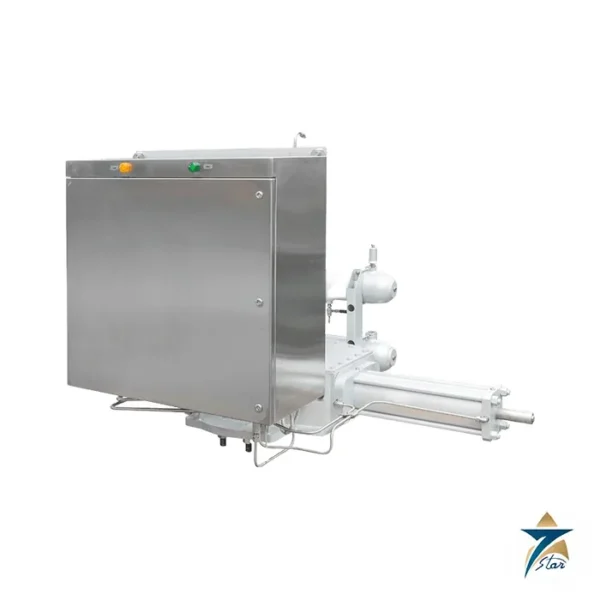
Rotork HPG direct high-pressure gas valve actuator, powered by the pipeline itself
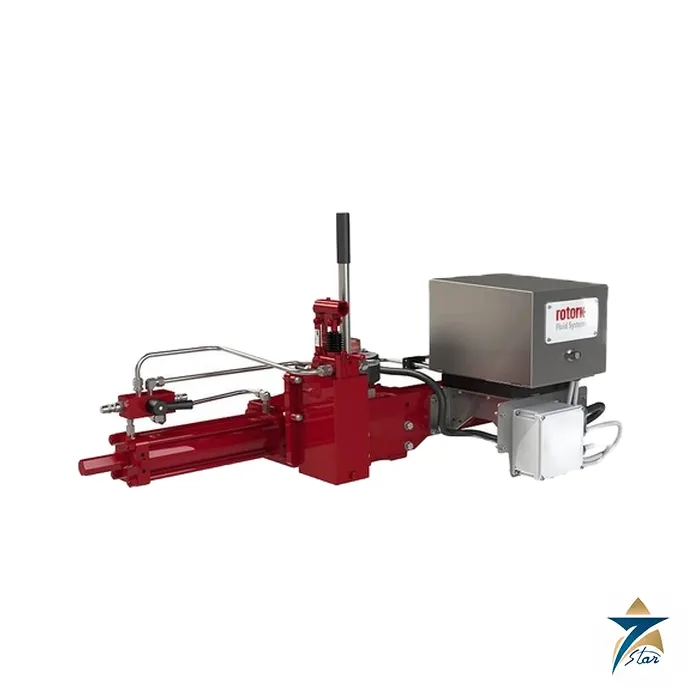
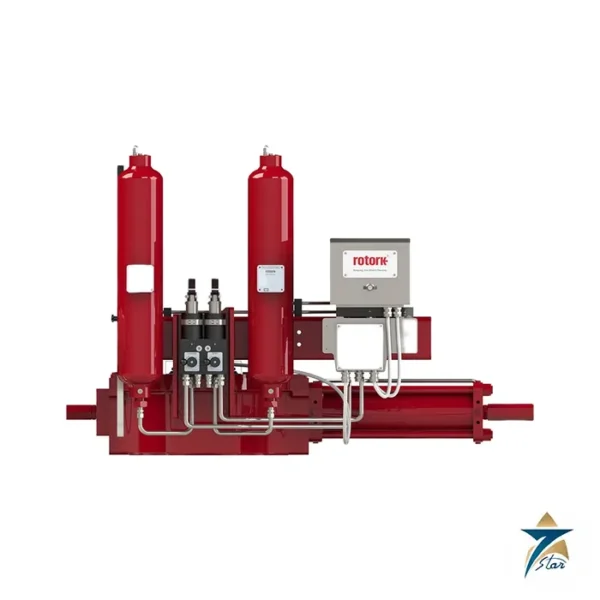
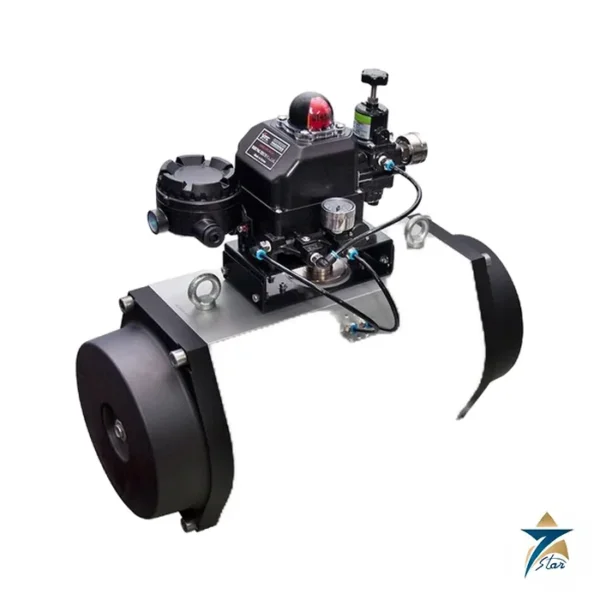
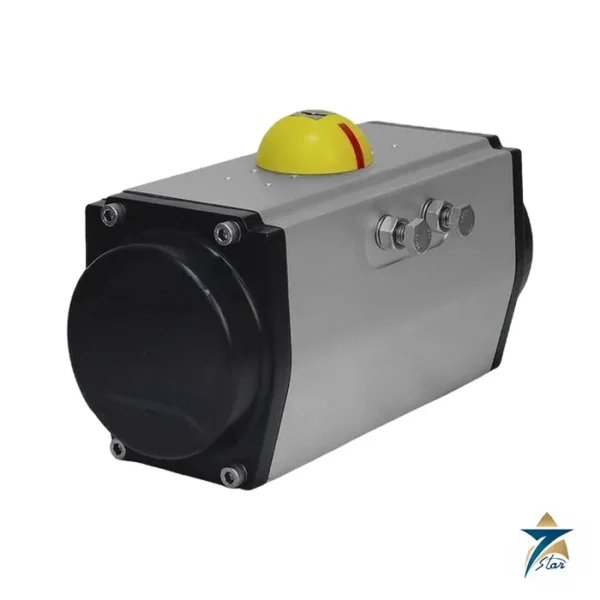
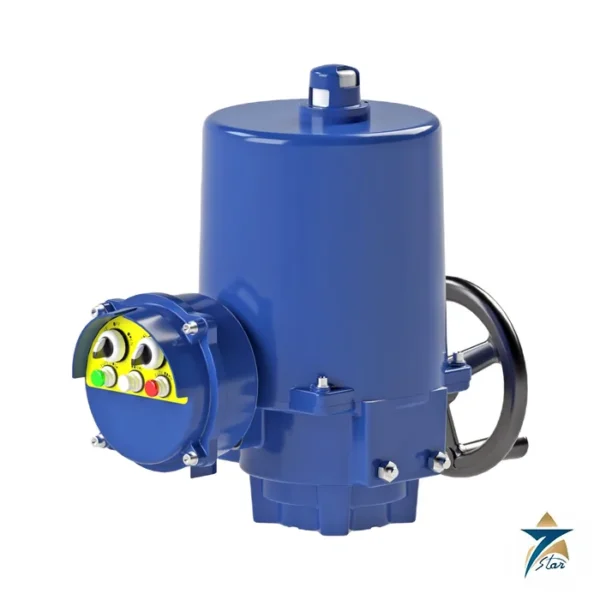
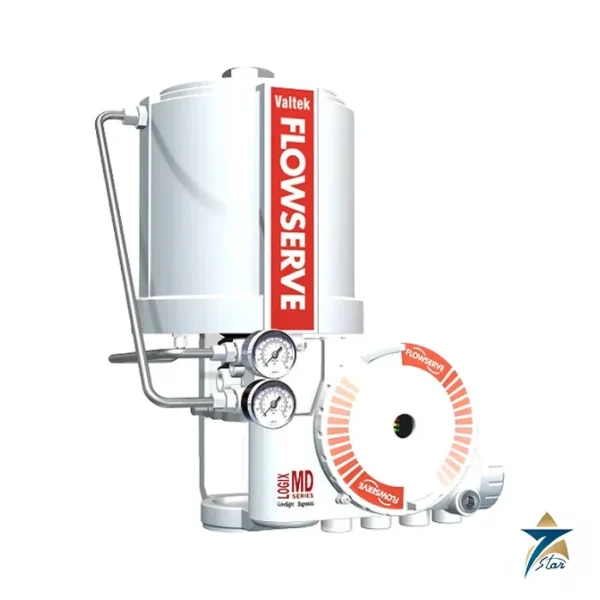
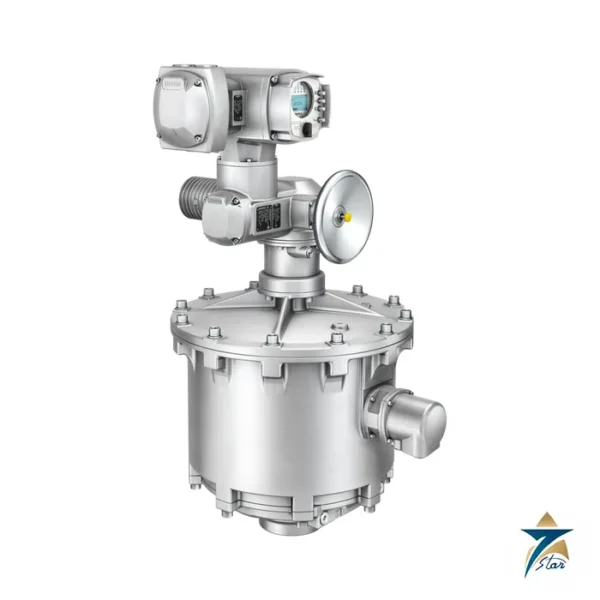
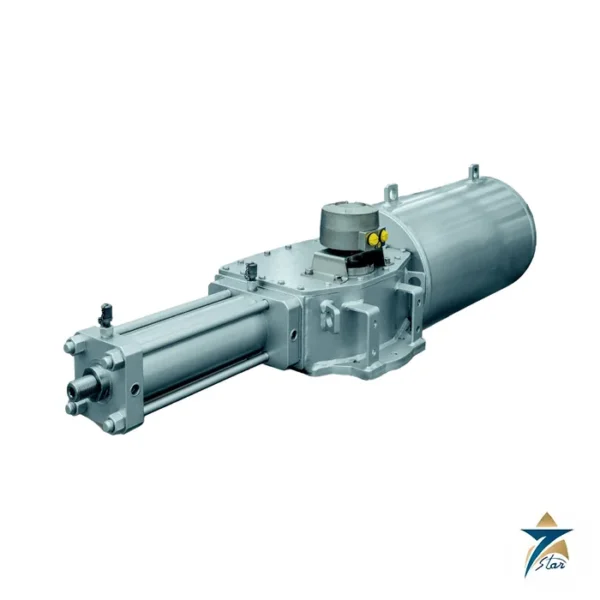
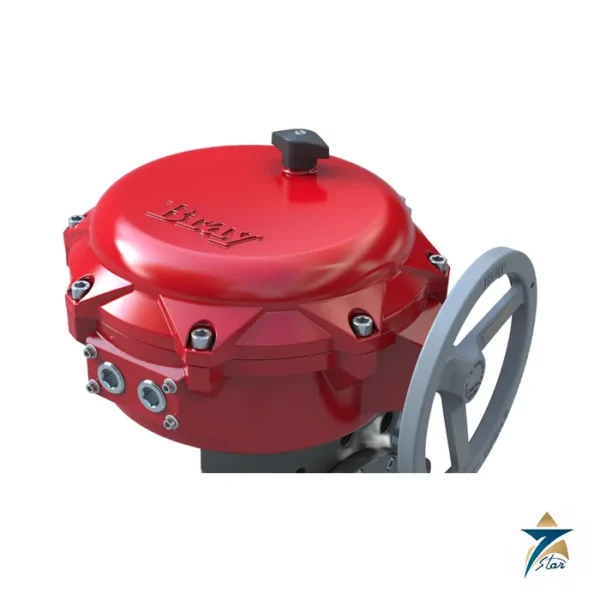
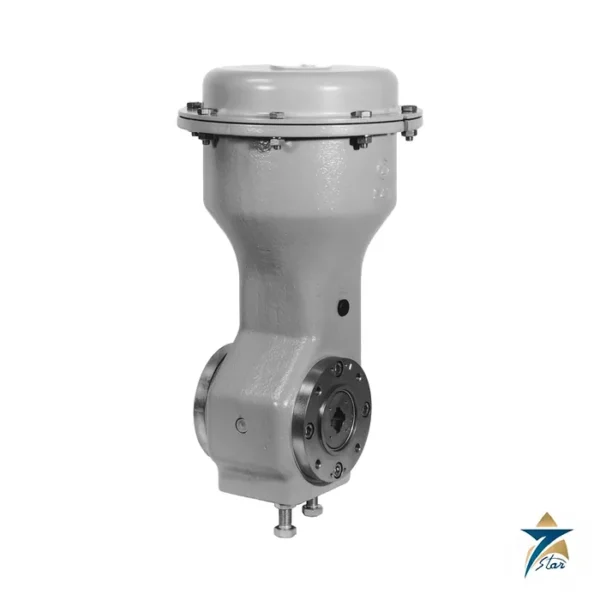
The Rotork HPG is a quarter-turn valve actuator that takes its power from the gas flowing in the pipeline. Instead of requiring a separate instrument air system, hydraulic power unit or electrical supply at a remote block valve, the HPG uses high-pressure pipeline gas to drive a hydraulic scotch yoke actuator, which makes it a practical answer for isolation valves on gas transmission and distribution lines, compressor station valves and other sites where utilities are scarce. Rotork builds it as a double-acting scotch yoke unit with a symmetric or canted yoke, so the torque curve can be matched to the valve, and supplies it with its own high-pressure gas controls.
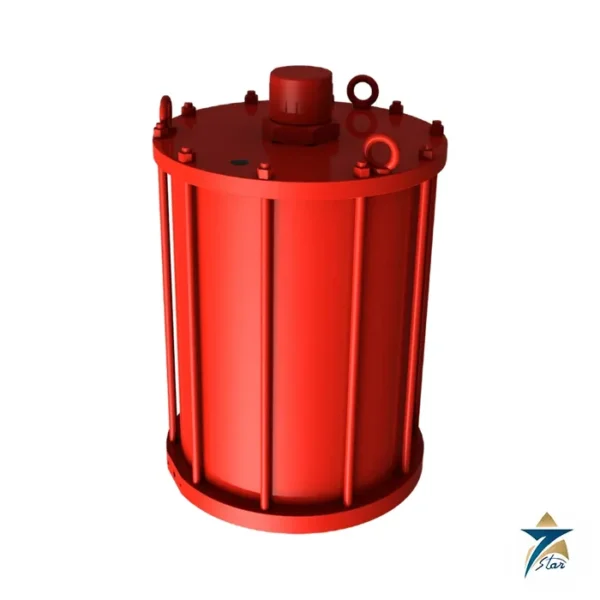
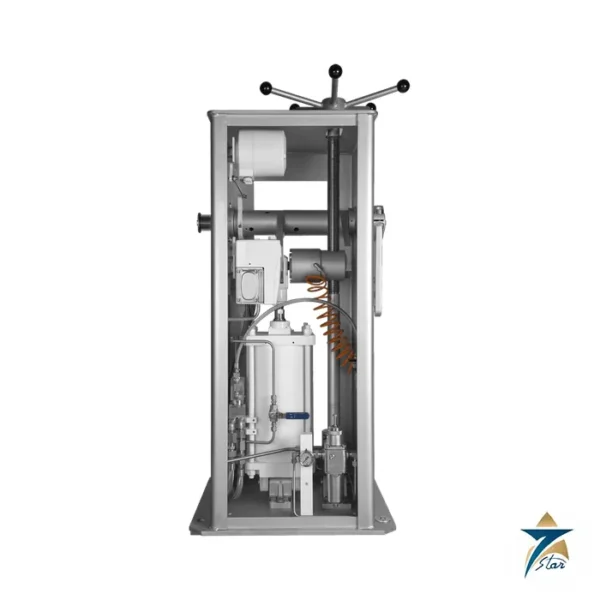
A defining design choice is the separate hydraulic override cylinder. The manual override uses a hand pump and a cylinder independent of the power cylinder, so high-pressure gas never mixes with hydraulic fluid. It also means that seals in the power cylinder can be changed without removing the actuator from the valve, and the valve can still be operated by hand while the power cylinder is open.
Technical specifications of the HPG
| Parameter |
Specification |
| Manufacturer / part number |
Rotork / HPG range (direct high-pressure gas actuator) |
| Type |
Double-acting scotch yoke quarter-turn actuator; symmetric or canted yoke |
| Power source |
Pipeline gas, working pressure 10 to 105 barg (145 to 1,500 psig); higher on application |
| Maximum torque |
Up to 600,000 Nm (5,300,000 lbf.in); higher on request |
| Manual override |
Hydraulic hand pump with separate override cylinder, standard |
| Speed control |
Two hydraulic flow control valves, adjustable in both directions |
| Temperature, standard |
-29 to +60 °C (-20 to +140 °F) |
| Temperature, low and super low |
-40 to +60 °C; -46 to +40 °C |
| Hazardous-area approval |
Standard ATEX II 2G EEx de IIB T4; options IEC Ex de IIB T4 and Class 1 Division 1 Groups C and D |
| Environmental protection |
IP66M/67M, third-party certified |
| Pressure equipment |
CE; PED 2014/68/EU; gas and oil and power-gas storage tanks PED or ASME approved |
Rotork notes that control and storage options are tailored to the end user specification, so confirm the configuration against the order.
How the HPG operates
Pipeline gas flows through a multi-function manifold block that contains an integral filter and leak-free poppet valves. Pilot-operated poppet valves direct the gas to the actuator, which rotates the valve through 90 degrees, and Rotork notes that the gas control manifold is simple and intuitive to operate. The controls are designed to operate at full pipeline pressure, which Rotork points out removes the risk of a pressure regulator failure affecting valve operation. A stainless steel particulate filter with a removable, cleanable element is standard, and a stainless steel gauge shows supply pressure.
Control logic is selected from a library of schematics. The brochure lists the HPG7000, 7010, 7020, 8000, 8010 and 8020 schematics, which combine features such as hydraulic manual override, local manual control, low-pressure close, line-break detection and two-way electric remote close. For example, HPG8020 gives two-way electric remote operation with line break and local manual control, using a differential pressure switch that detects a pressure fall in the main line and drives the actuator to the closed position.
Safety functions, options and related Rotork actuators
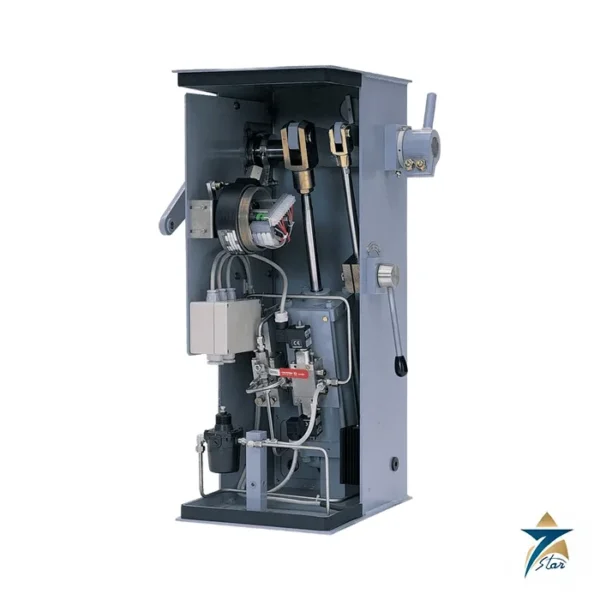
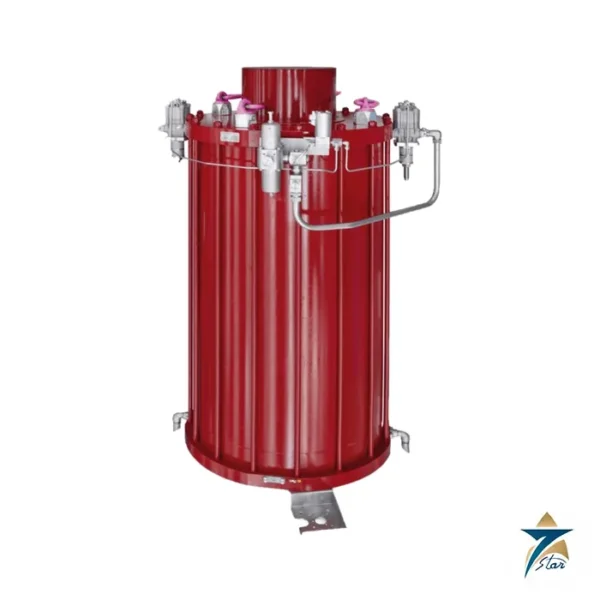
Optional features include pressure-sensing valves with manual reset, pressure differential valves, line break detection systems that watch the rate of pressure drop, ESD control configurations tailored to the customer’s shutdown logic, torque limiting to protect the valve drive train, custom gas filtration, a lockable stainless steel control cabinet, and power gas storage tanks that allow operation after loss of pipeline pressure. Pressure vessels can be supplied with ASME U-Stamp or PED certification.
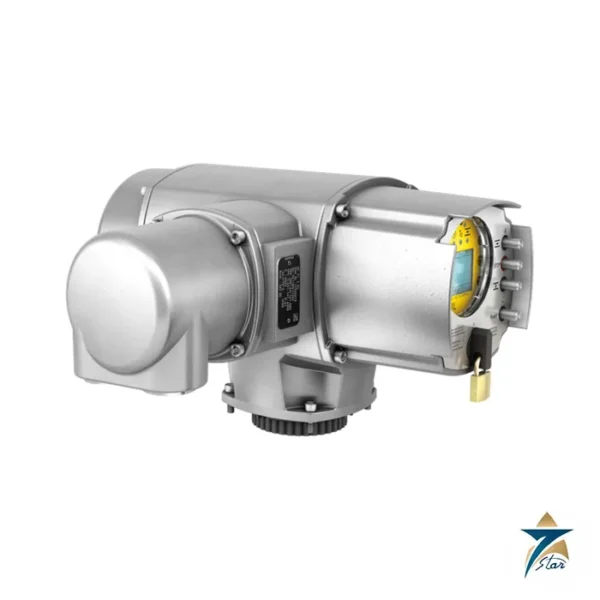
The HPG is related to the Rotork GP/GH scotch yoke pneumatic and hydraulic actuators on our site, and to the RH hydraulic rack and pinion range and the LP/LH linear actuators, which are separate pages here. Where electric power and a communication link are available at site, the IQ3 and IQT3 electric actuators already on our site are the alternative to gas power.
Selection and ordering checklist for the HPG
- Valve type, bore, class and the torque required at break, run and seat.
- Pipeline gas composition, minimum and maximum pressure, and gas quality (sour, wet or dry).
- Required fail action on loss of pressure, including the need for power gas storage.
- Stroke time in both directions.
- Control logic: local manual, remote electric, line break detection, ESD, or combined.
- Ambient temperature range and area classification.
- Pressure vessel code: PED or ASME.
- Cabinet material, lockable enclosure and venting arrangements.
Installation, commissioning and maintenance
The HPG installation and maintenance manual covers handling and lifting, storage, mounting on the valve, earthing, angular stroke setting, hand pump override, limit switch setting, flow regulator setting and connection to the pipeline. Gas supply connections are rated up to 105 barg, so use fittings and tubing rated for the line and follow site procedures for work on gas systems. Set the open and closed stroke, adjust speed with the flow regulators, set limit switches, then perform a start-up with circuit gas venting as described in the manual.
Because the actuator vents gas as it moves, the exhaust must be routed to a safe location per the site rules and applicable standards. Schedule periodic maintenance, grease and hydraulic oil changes, and seal inspection, and test the line-break function by simulated pressure decay where the system includes it, with a documented procedure to reset the circuit.
Typical applications in Oman and the GCC
The Gulf has a substantial gas transmission and distribution network, with remote block valves, metering and pressure reduction stations, compressor stations and gathering lines where electrical power and instrument air may be limited. The HPG fits isolation and emergency shutdown duties in these places, particularly where the pipeline gas is the only available energy source. Hot daytime temperatures, dust and long maintenance intervals favour a rugged design with a lockable cabinet, and sour gas or wet gas conditions should be declared in the order so that materials and filtration can be selected accordingly.
Control schematic families
| Schematic |
Typical features |
| HPG7000, 7010, 7020, 8010 |
Other listed schematics; feature combinations are given in the brochure matrix |
| HPG8000-001 |
Two-way electric remote operation with local manual control |
| HPG8020-001 |
Two-way electric remote operation with line break detection and local manual control |
Exact schematic selection is made during quotation based on the shutdown philosophy of the site.
Information to send with an RFQ for the HPG
- Valve data: type, size, class, torque curve and mounting.
- Pipeline pressure range and gas analysis.
- Control scheme and signals available at site.
- Temperature and hazardous-area requirements.
- Applicable code and documentation.
- Quantity and delivery timing.
Documents and quotation
The Rotork HPG range brochure is attached on this page. Send the details above and we will confirm availability and prepare a quotation for the HPG in Oman and the GCC as an independent supplier in Muscat.


















Reviews
There are no reviews yet.