Alfa Laval Cryogenic Reciprocating pumps overview
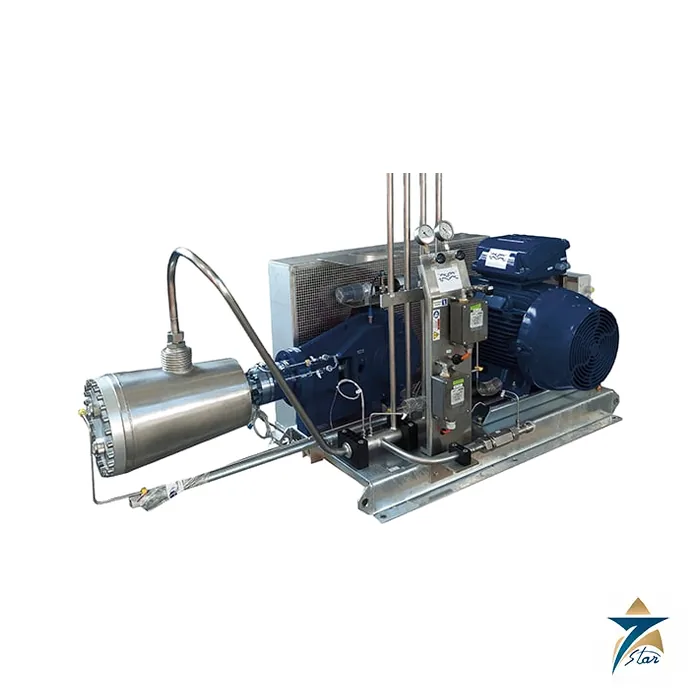
Alfa Laval Cryogenic Reciprocating pumps, sold under the Cryomec name, transfer liquefied gases at high, medium and low pressure with medium and low flow rates. The piston principle suits applications where discharge pressure is the main requirement: cylinder filling, air separation units, LNG, liquid hydrogen and marine use. Seven Star LLC supplies Alfa Laval Cryogenic Reciprocating pumps in Oman and the GCC as an independent supplier based in Muscat.
The range is available in simplex, duplex and triplex configurations and is stated as suitable for LNG, LOX, LIN, LAR, LCO2, LN2O and LH2. This page covers the named models, what to compare and what we need to quote.
Cryogenic Reciprocating models: DeltaN, KPS, THOR and LPRP
| Model |
Key points |
| Cryomec DeltaN |
Cost-compressor pump for cylinder filling and air separation projects; flow 2 to 85 L/min (0.42 to 22.5 gal/min); available for all cryogenic liquids; patented Supercharger gives very low NPSHR |
| Cryomec KPS |
High pressure pump with a 40-year track record, designed especially for CO2; flow 1 to 30 L/min (0.21 to 6.6 gal/min); pressure 15 to 110 barG |
| Cryomec THOR |
Developed for LNG and also used for air gases; aimed at high flow, efficiency and reliability in heavy-duty industry |
| Cryomec LPRP |
Low to medium pressure with low to medium flow, widely used in the gas supply chain from processing to distribution |
Cryogenic Reciprocating technical specifications
| Parameter |
Specification |
| Manufacturer / part number |
Alfa Laval / Cryogenic Reciprocating (Cryomec range) |
| Pump type |
Cryogenic reciprocating (piston) pump |
| Configurations |
Simplex, duplex and triplex |
| Liquids |
LNG, LOX, LIN, LAR, LCO2, LN2O and LH2 |
| DeltaN flow |
2 to 85 L/min |
| KPS flow and pressure |
1 to 30 L/min, 15 to 110 barG |
| Cold end |
Vacuum-insulated cold end to minimise product loss |
| NPSHR measure |
Supercharger technology |
| Approvals |
Marine class certification available |
Values apply to the models named in the table; they are not a single set of limits for the whole family.
How reciprocating cryogenic pumps work
A piston moves inside a cylinder in the cold end. On the suction stroke the liquid fills the cylinder, and on the discharge stroke it is forced into the outlet at high pressure. The flow is set mostly by stroke and speed, which makes the pump naturally suited to precise filling and high-pressure duties that a centrifugal pump cannot reach economically.
The cold end is vacuum insulated to reduce heat in-leak and product loss, and the Supercharger improves filling of the cylinder so that the pump can work with very low NPSHR. The design is stated to give minimal wear and high efficiency in both intermittent and continuous operation.
Cryogenic Reciprocating in the system and related pumps
A reciprocating cryogenic pump works with a source tank, an insulated suction line, a vaporiser or filling manifold at the discharge, pulsation control, and a drive and control system. Control systems that automate operation and cut manual intervention are available, as mentioned for the KPS.
For large flows at moderate pressure the Alfa Laval Cryogenic Centrifugal pumps are usually the better match, and the two ranges are often combined: centrifugal for tank transfer, reciprocating for high-pressure delivery.
Selection and ordering checklist for Cryogenic Reciprocating
- Liquid and purity, with the discharge pressure required in barG.
- Flow in L/min or m³/h, and whether the duty is continuous or intermittent.
- Number of cylinders: simplex, duplex or triplex.
- Model preference: DeltaN, KPS, THOR or LPRP, or a duty-based recommendation.
- Available suction pressure and NPSH.
- Drive details: motor power, voltage, frequency and hazardous area rating.
- Control system and skid requirements.
- Marine class or other certification needs.
Installation, commissioning and maintenance of Cryogenic Reciprocating pumps
Install the pump on a rigid skid with vibration isolation where pulsation is significant, and fit a suction line that avoids heat pickup. Cool the cold end gradually before starting and vent any gas that forms. Verify drive rotation, lubrication level and safety devices such as relief valves before introducing liquid.
The maker emphasises long mean time between failures, so planned maintenance centres on seals, piston rings and valves. Keep a recommended spare parts kit, record running hours and discharge pressure trend, and use remote diagnostics support where available.
Cryogenic Reciprocating applications in Oman and the GCC
Reciprocating cryogenic pumps support air separation plants, industrial gas cylinder filling, LNG small-scale distribution and hydrogen projects. In the GCC, the large gas processing and petrochemical industry creates steady demand for oxygen, nitrogen and argon, while hydrogen and carbon capture projects raise interest in high-pressure liquid pumping.
Hot weather shortens cold hold times, so tank insulation, vent routing and cool-down procedures should be part of the site design.
Cryogenic Reciprocating model comparison
| Model |
Typical duty |
| DeltaN |
Cylinder filling and ASU projects, 2 to 85 L/min |
| KPS |
CO2 high pressure, 1 to 30 L/min, 15 to 110 barG |
| THOR |
LNG and air gas heavy duty |
| LPRP |
Low and medium pressure gas supply chain |
Information to send with an RFQ for Cryogenic Reciprocating
- Liquid, flow and discharge pressure.
- Number of cylinders and preferred model.
- Suction conditions and tank arrangement.
- Drive and power supply data.
- Control and instrumentation needs.
- Quantity, delivery location and date.
Site conditions in Oman for the Cryogenic Reciprocating
Pump selection in Oman has to account for the site, not only the duty point. Process liquids and cooling water can arrive warm in summer, which raises vapour pressure and reduces the available NPSH, so check the NPSH margin of the Cryogenic Reciprocating at the highest expected liquid temperature. Motors on outdoor skids also work in high ambient air, and their rating, enclosure and cooling should match that environment.
For hygienic and process plants in the Gulf, plan the spare parts that wear first, such as seals, O-rings and bearings, and keep the material certificates with the plant records. Sharing the fluid, temperature, flow, head and cleaning regime with the supplier at RFQ stage makes it easier to confirm that the Cryogenic Reciprocating is the right configuration before the order is placed.
Documents and quotation
Send the liquid, flow and pressure and we will confirm which documents are available for the Cryogenic Reciprocating pump you need.
Seven Star LLC quotes Alfa Laval cryogenic reciprocating pumps from Muscat for Oman and the GCC. Each pump is configured to duty, so our reply will cover availability and lead time after confirmation.
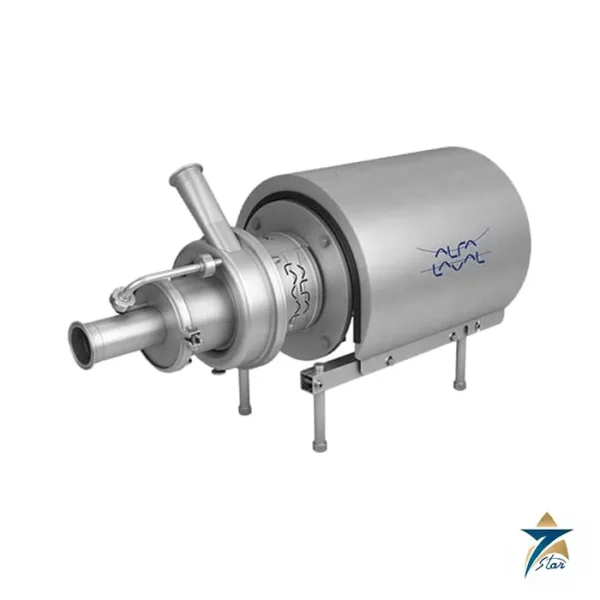
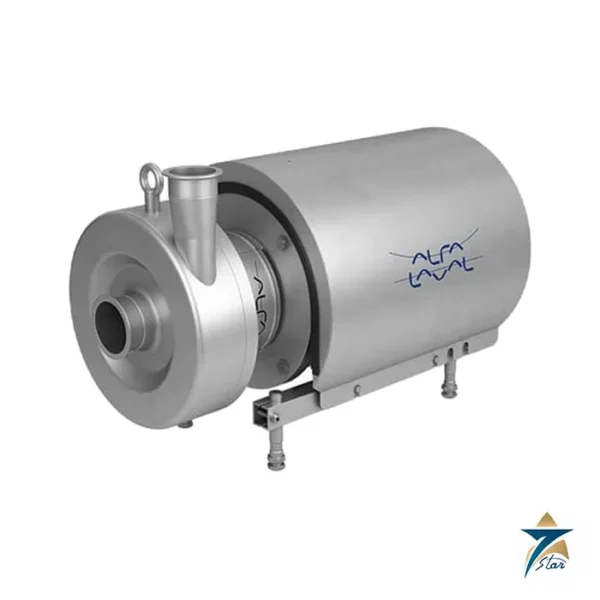
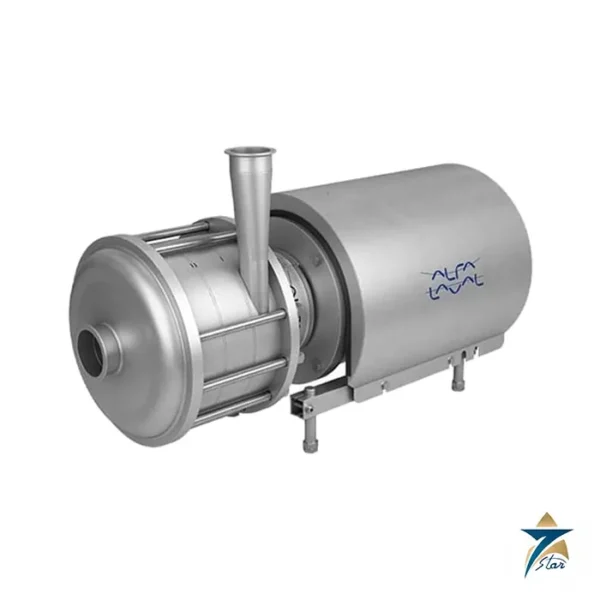
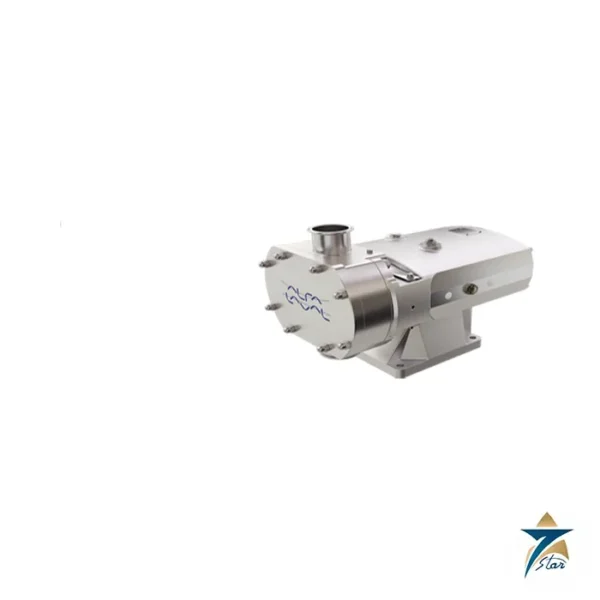
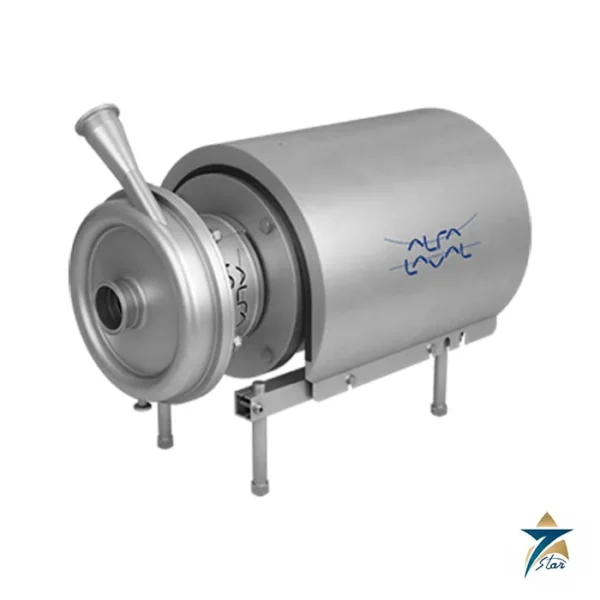
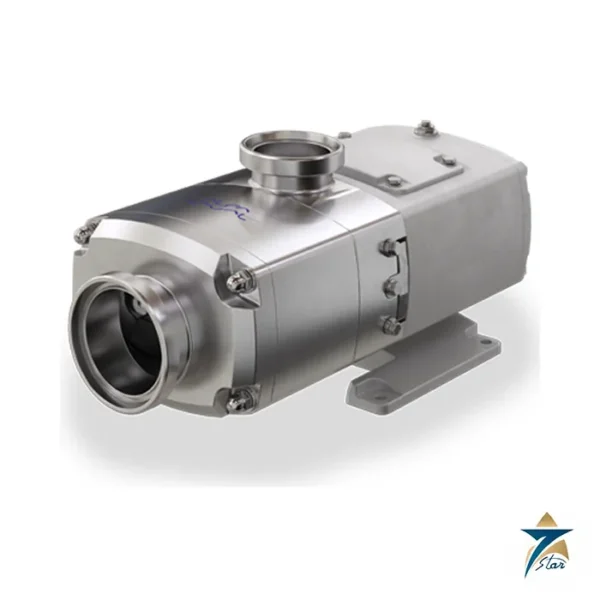
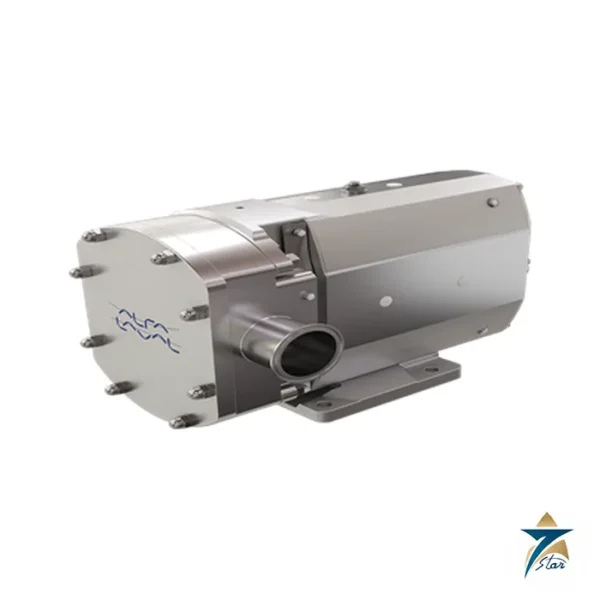
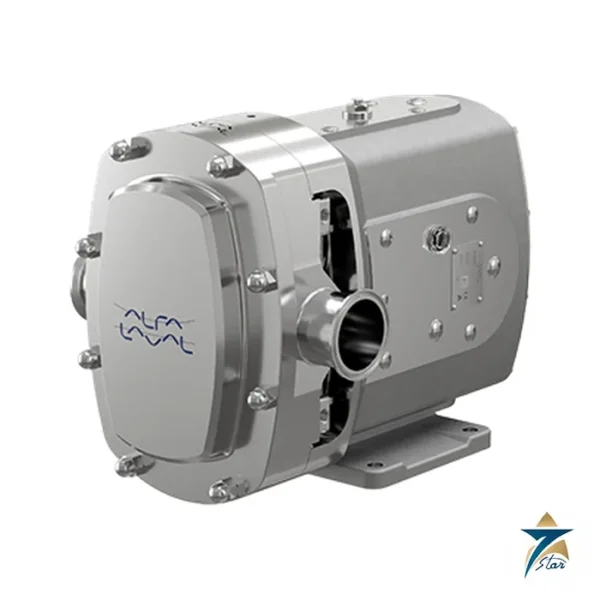
Other Models in the Al Cryogenic Range
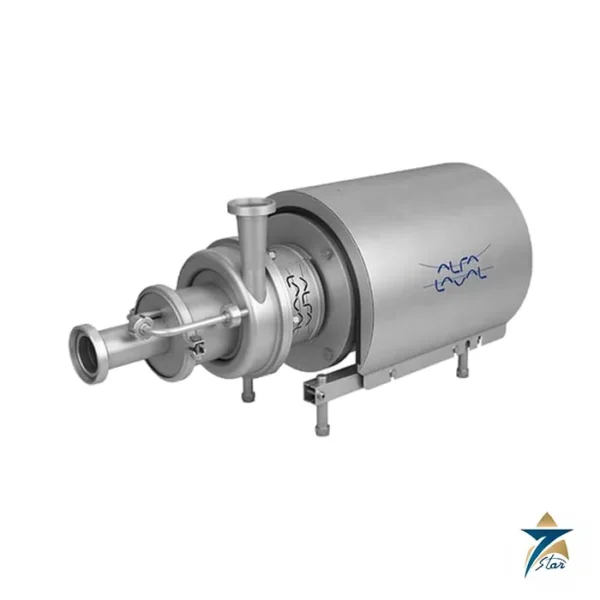
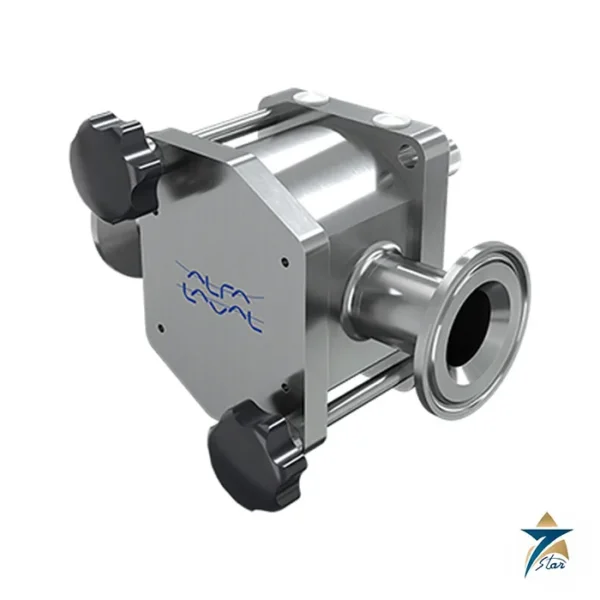
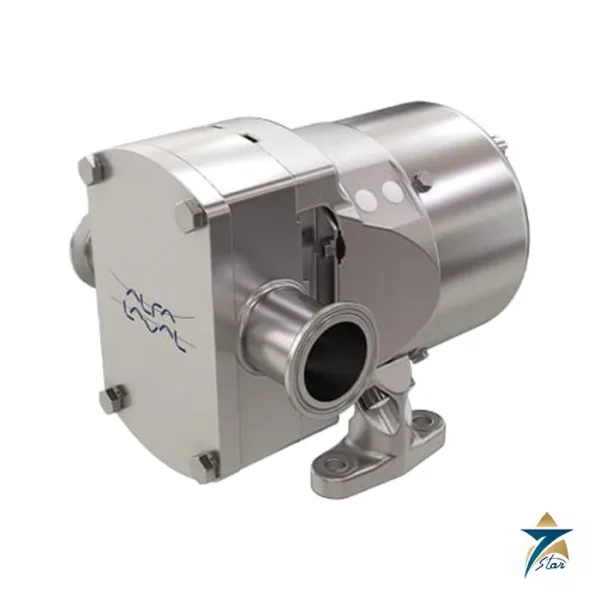
Seven Star LLC supplies models from the Al Cryogenic range in Oman and the GCC. Compare the related models below and request a quote for the one that matches your application.


















Reviews
There are no reviews yet.