Alfa Laval OptiLobe rotary lobe pump: a cost-effective hygienic option
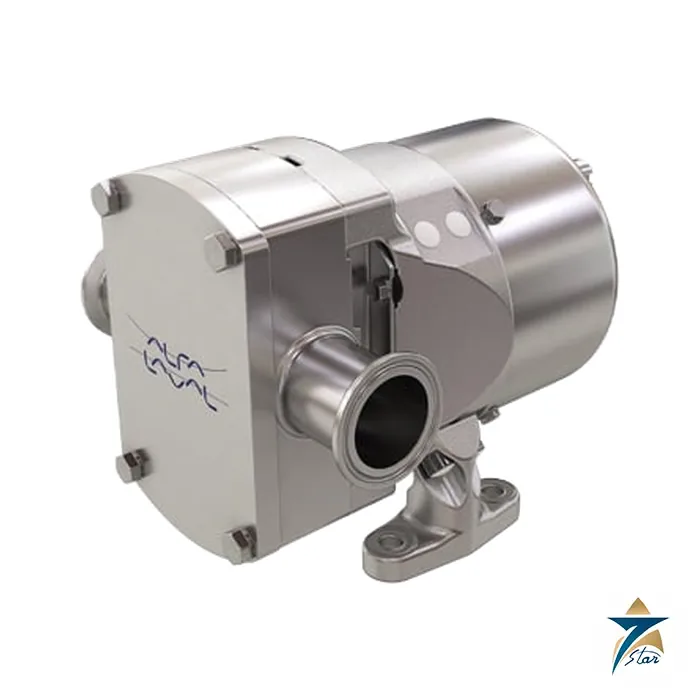
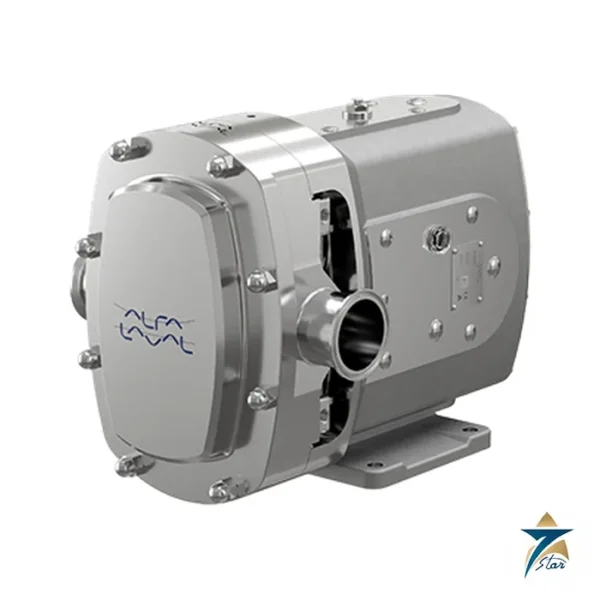
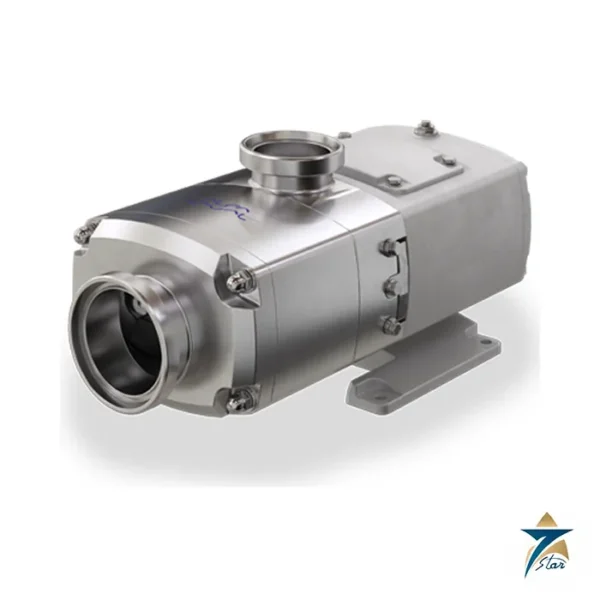
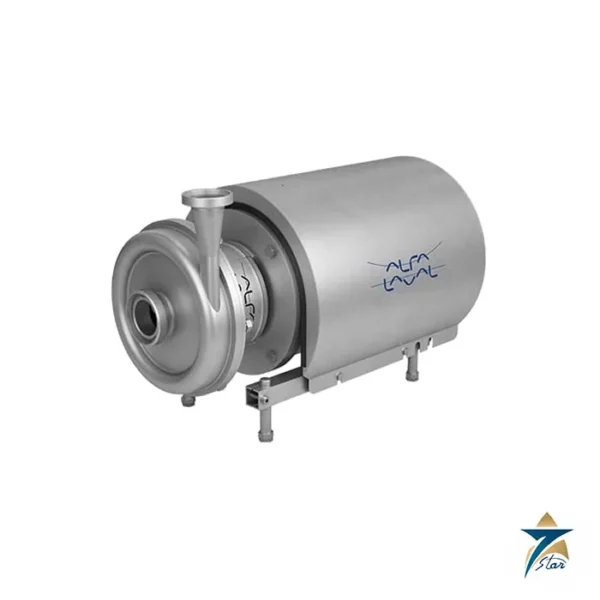
The Alfa Laval OptiLobe is a hygienic rotary lobe pump for general applications that need gentle product handling and easy maintenance without the cost of a premium pump. It is a positive displacement pump with tri-lobe rotors, made entirely of stainless steel for the food, dairy, beverage, and home and personal care industries. Seven Star LLC supplies OptiLobe pumps in Oman and the GCC as an independent supplier in Muscat. As a range page, there is no single ordering code; the pump is specified by head displacement, gearbox module, seal and options.
OptiLobe technical specifications
| Parameter |
Specification |
| Manufacturer / part number |
Alfa Laval / {pn} (range page) |
| Pump type |
Rotary lobe, positive displacement, tri-lobe rotors |
| Pump head displacements |
10, built on five gearbox modules |
| Maximum flow rate |
Up to 77 m³/h |
| Maximum differential pressure |
Up to 8 bar |
| Maximum media temperature |
Up to 130 °C |
| Port size |
25 to 100 mm diameter |
| Wetted materials |
316L stainless steel |
| Product-wetted elastomers |
EPDM as standard |
| Shaft seals |
EasyFit, fully front-loading |
| Bearings |
Heavy-duty L10 tapered roller bearings, minimum life 20,000 hours |
| Hygienic standards |
CE directives; EHEDG, 3-A and FDA |
| Delivery form |
Bare shaft, or on a base plate with coupling, guard, gear motor and shroud |
All values are range limits and apply to the pump family, not to every model together.
How the OptiLobe lobe pump works
A gear train in the gearbox drives the rotors and keeps the tri-lobe rotors accurately synchronised, so the rotors do not contact each other or the rotor case. Two rotors counter-rotate. As they turn, the cavity at the inlet expands and a partial vacuum draws the product in, with atmospheric or other external pressure helping to fill it. When the blades disengage, each space between lobes becomes a cavity that carries product around the casing. When the blades engage again at the outlet, the cavity shrinks and the product is displaced into the discharge port.
Because the pumping elements do not touch, shear is low and the product is treated gently. Flow is proportional to speed, which makes speed control with a frequency inverter a natural way to adjust the flow rate.
Design details of the OptiLobe
The shaft support is a rigid one-piece bearing housing with L10 tapered roller bearings rated to at least 20,000 hours, which keeps the shafts stable, balances the loads and lowers the risk of rotor-to-head contact. The shaft seals are of the front-loading, self-setting EasyFit type, with the seal faces in direct contact with the product. This gives better cleanability and lubrication of the faces, which extends seal life.
Alfa Laval makes the rotor case and high-precision rotors itself, and parts are interchangeable between pumps of the same size. Shimming is set at the factory, so replacing a rotor does not require adjustment or retiming.
Heating and cooling covers for the OptiLobe
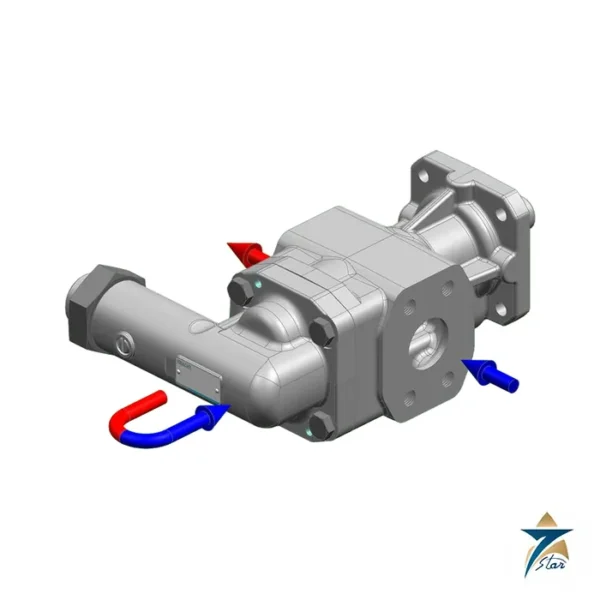
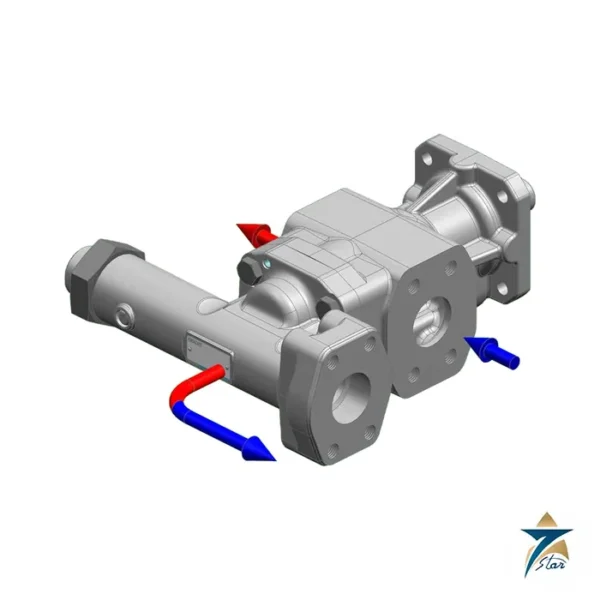
For products that harden at low temperatures, heating or cooling front covers are optional. The manufacturer names sugar solutions, butter and margarine, marmalades, body butter, gels and lotions as typical examples. A heated cover keeps the product in the front-cover area fluid, which prevents a plug of cold product from stalling the rotors at start-up. Specify the heating or cooling medium and its temperature when you ask for this option.
Where the OptiLobe fits and related pumps
Within the Alfa Laval hygienic range, the OptiLobe is the entry-level lobe pump: 8 bar and 130 °C at most. For higher differential pressure and temperature, the SRU goes up to 20 bar and 200 °C, and the SX is the premium model for ultra-clean and pharmaceutical duty. The DuraCirc circumferential piston pump and the Twin Screw pump cover other viscosity and pressure needs. If your duty is close to the upper limits of the OptiLobe, it is worth comparing with the SRU before ordering.
Selecting an OptiLobe pump: ordering checklist
- Product, viscosity range, and whether it contains particles, with the largest size.
- Flow rate and differential pressure, remembering the 8 bar limit.
- Operating and cleaning temperatures, within the 130 °C limit.
- Port size between 25 and 100 mm and the connection standard.
- Elastomer, if EPDM is not suitable for the product or the cleaning chemicals.
- Whether heating or cooling front covers are needed.
- Supply form: bare shaft pump or complete skid with gear motor.
- Speed control and motor data.
Installation, commissioning and maintenance
Install the pump on a rigid base with the ports in the planned orientation, and align the coupling when the motor is fitted separately. Fit a relief device for the discharge line, because a positive displacement pump builds pressure until something gives. Before filling with product, confirm the rotation direction, since it decides which port is suction.
The design is meant to keep maintenance simple. The front-loading seals are replaced from the front of the pump, the factory-set shimming removes the need for retiming when a rotor is changed, and interchangeable parts reduce spares stock. Suggested spares for a plant are a seal kit, a set of elastomers (O-rings and rotor case cover seal) and one set of rotors for critical lines. Inspect bearings and gearbox oil at the intervals given in the pump manual.
Typical applications in Oman and the GCC
In the Gulf, the OptiLobe suits dairies and juice plants, jam, sauce and confectionery producers, and manufacturers of creams, gels, shampoos and lotions. These are plants with high ambient temperature and routine washdown, where a stainless exterior and straightforward seal service are valued. The pump also suits smaller sites that need hygienic transfer at modest pressure and want to keep the investment low.
Information to send with an RFQ
- {pn} pump head size or nameplate data of the existing pump.
- Product, viscosity and temperature data.
- Flow and differential pressure.
- Port connections, seal and elastomer preference.
- Heating or cooling cover requirement.
- Bare shaft or complete unit, and the destination site.
Documents and quotation
We do not host a datasheet for the OptiLobe on this page. Send us the pump size or nameplate data and we will confirm which official documents are available for it.
Seven Star LLC is an independent supplier in Muscat, and we reply with availability and lead time once we have your data.
Other Models in the Al Lobe Range
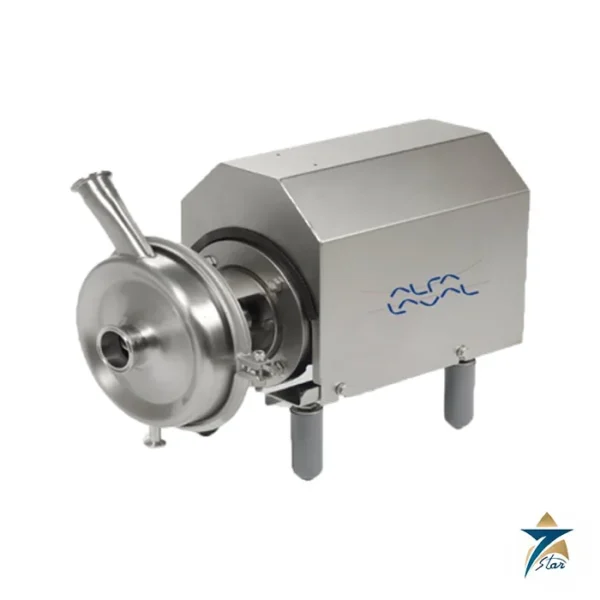
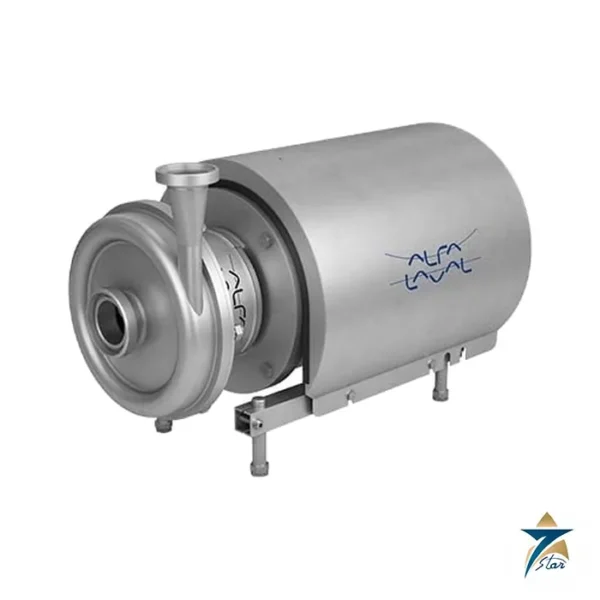
Seven Star LLC supplies models from the Al Lobe range in Oman and the GCC. Compare the related models below and request a quote for the one that matches your application.






















Reviews
There are no reviews yet.