Brand:

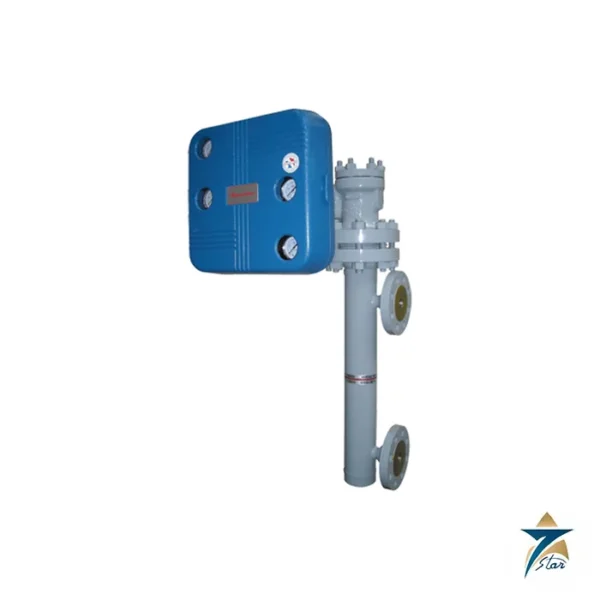
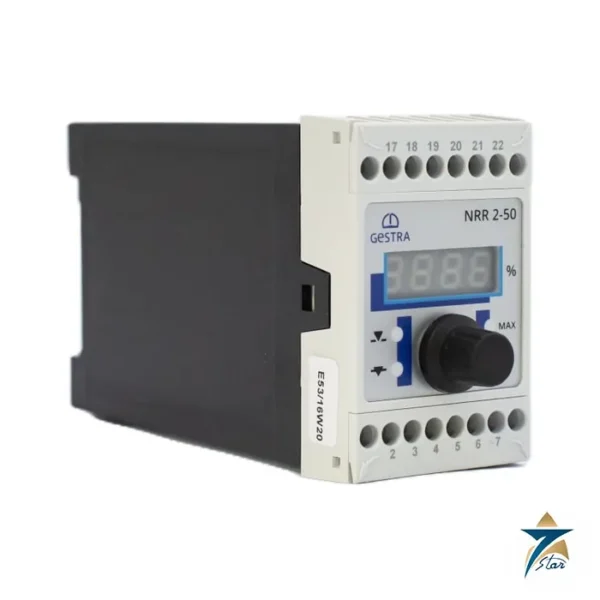
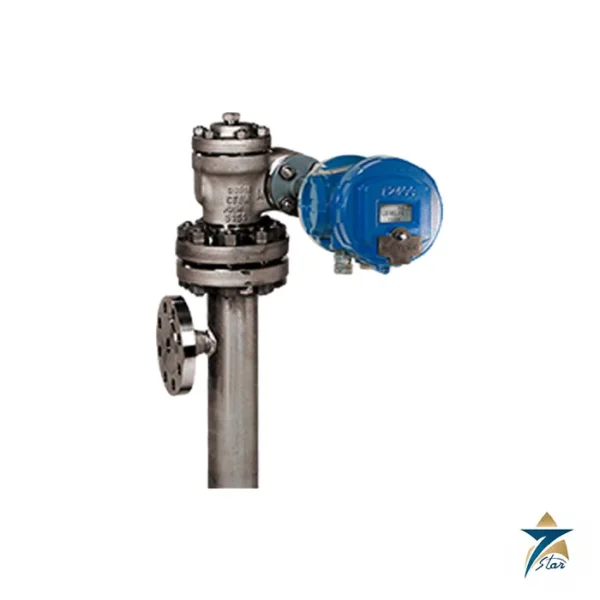
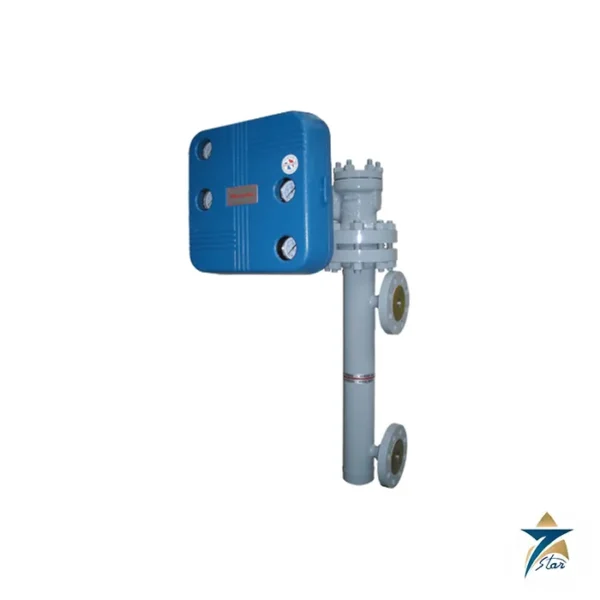
Fisher 2500 Pneumatic Level Controller

Description

Overview

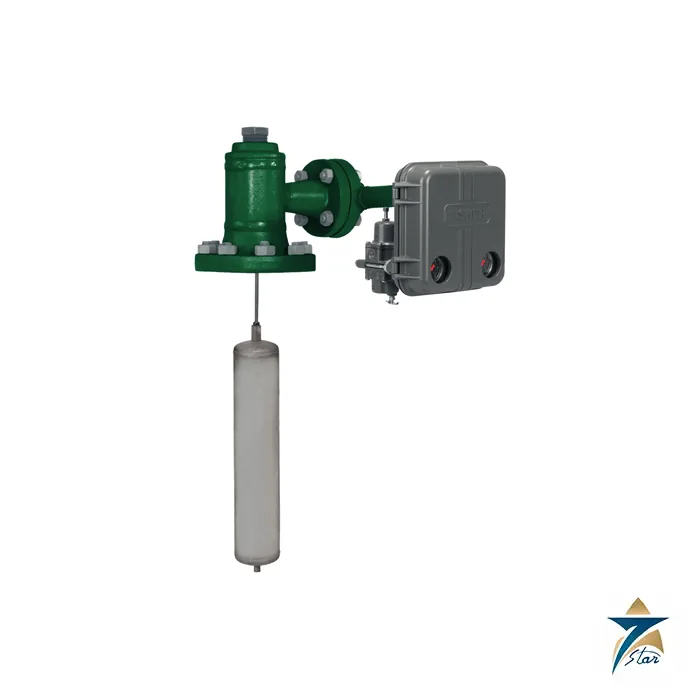
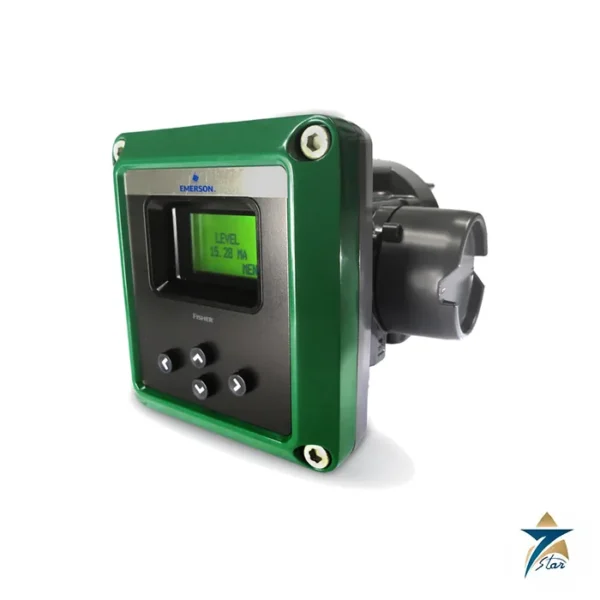
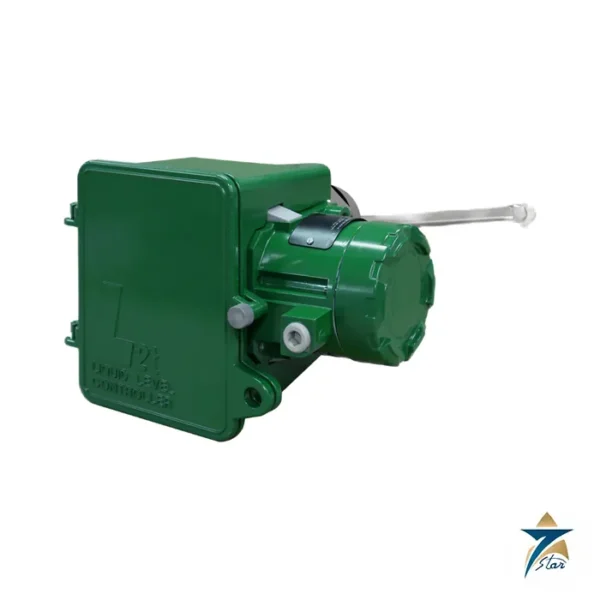
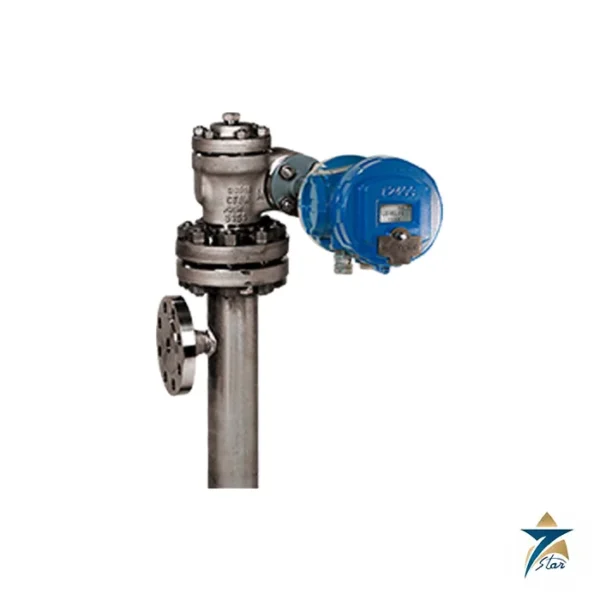
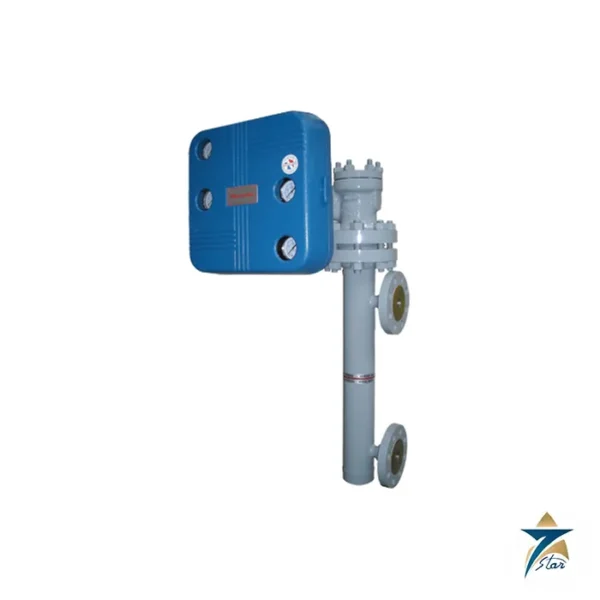
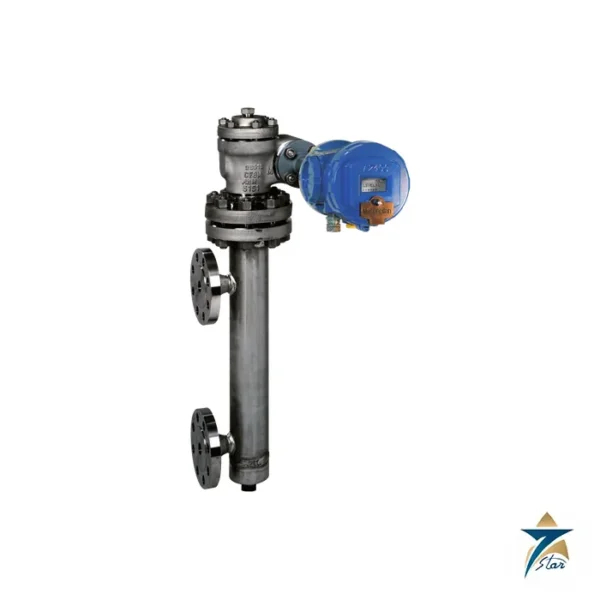
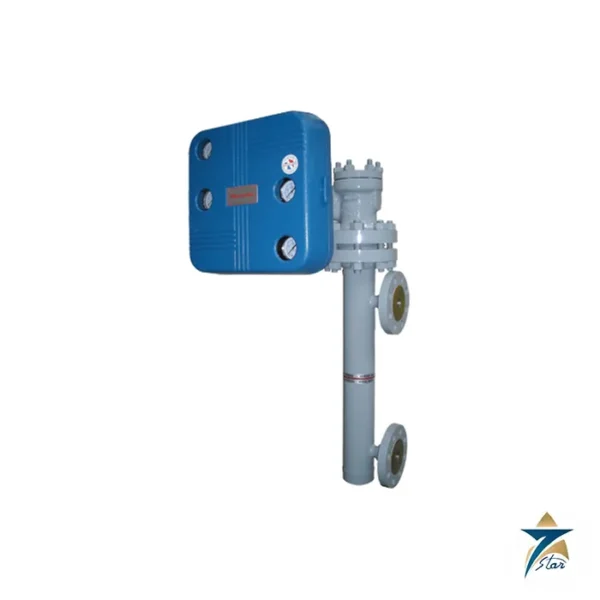
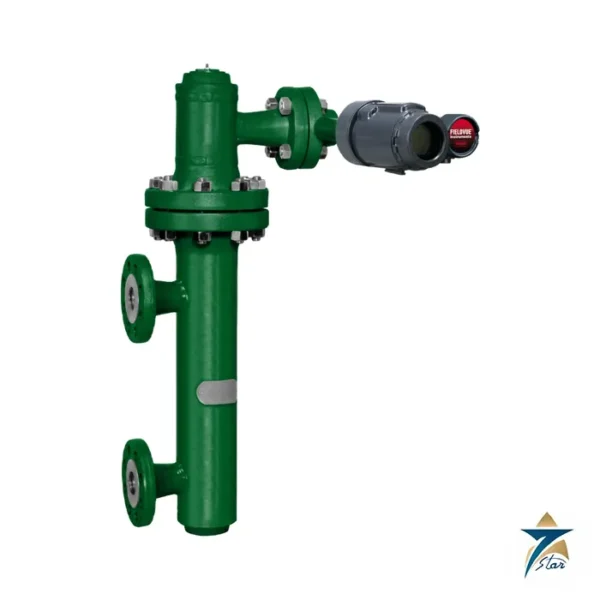
The Fisher 2500 is a pneumatic level controller and transmitter series used with Fisher 249 displacer sensors to control or transmit liquid level, liquid-to-liquid interface level and liquid density. The family includes the 2500, 2500R, 2500S, 2500T, 2502, 2502F and 2503 instruments, covering proportional, proportional-plus-reset, on-off and transmitter duties. Emerson describes them as rugged, dependable and simply constructed displacer-style pneumatic instruments that are proven in power, chemical process, oil and gas production and petrochemical service, with sensors rated up to CL2500.

Seven Star LLC supplies the Fisher 2500 to oil and gas producers, gas plants and utilities in Oman and across the GCC. Pneumatic level control is still widely used on separators, scrubbers and remote production facilities in the region, and our engineers in Muscat help select the correct Fisher 2500 type, action and 249 sensor from the official Fisher 2500 datasheet for new and replacement installations.

Operating Principle

A change in liquid level, interface or density changes the buoyant force on the displacer hanging in the cage or vessel. The displacer rod transfers this force through a knife-edge driver bearing to the torque tube, which twists by an amount proportional to the change. The torque tube rotary shaft turns inside the controller, where a pneumatic relay with a 3:1 diaphragm area ratio converts the motion into an output pressure. This output either drives a control valve actuator directly or is transmitted to a remote controller or indicator.

In the Fisher 2500 proportional controller, the output changes in proportion to the level deviation over a proportional band of 0 to 100 percent of displacer length. The 2502 adds reset that is adjustable from 0.005 to over 0.9 minutes per repeat to remove steady-state offset, and the 2502F adds anti-reset differential relief of 0.14 to 0.48 bar to prevent reset windup. On-off 2500S and 2503 versions switch the output between two values over an adjustable differential gap, while the 2500T transmitter produces a proportional 0.2 to 1.0 or 0.4 to 2.0 bar signal over an adjustable span.

Engineering Design of the Fisher 2500

The design uses few moving parts, with a knife-edged driver bearing in the sensor and a plated brass ball bearing in the instrument case for the torque tube shaft, which keeps friction low. Set point, proportional valve opening and reset are adjusted with simple dial knobs, and the action can be reversed in the field from direct to reverse without extra parts. A spring-out cleaning wire allows the relay orifice to be cleaned in service, the torque tube can be replaced without removing the torque tube arm, and the relay exhaust opens only when output pressure is being reduced, conserving supply air or gas.

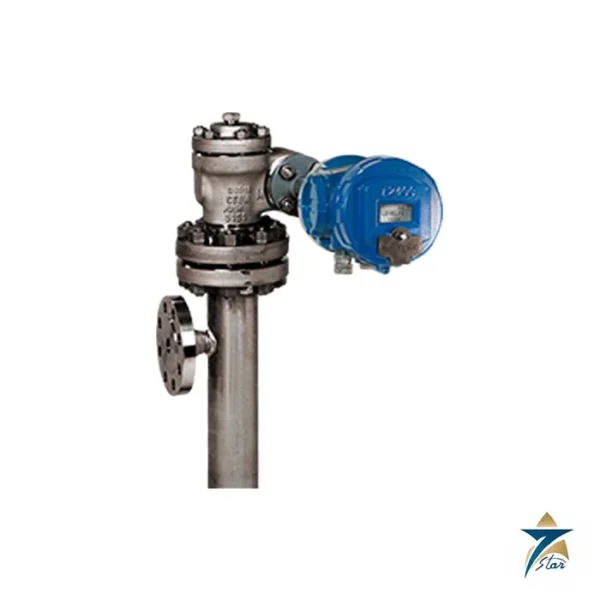
The Fisher 2500 mounts on 249 caged sensors with rotatable heads, which provide stable operation in vessels with internal obstructions or turbulence, and on cageless sensors that mount on the side or top of the vessel with flange connections up to NPS 8. Caged sensors include a liquid damping orifice in the lower equalizing connection to aid stability on small vessels. Standard displacers are 304 stainless steel with lengths of 356 mm or 813 mm, the standard torque tube is N05500, and sensor bodies in steel or stainless steel are rated for process temperatures up to 427 °C with appropriate materials.

Key Features

The Fisher 2500 product bulletin lists the following benefits.

  • Set point, proportional band and reset changes are made with simple dial-knob controls.
  • Few moving parts and low-friction bearings give simple, durable construction.
  • Caged sensors are available in many orientations and connection styles, with right- or left-hand mounting.
  • Displacer response to small specific gravity changes allows density applications.
  • Action is field reversible from direct to reverse without additional parts.
  • A spring-out wire cleans the relay orifice in service, reducing maintenance cost.
  • Relay exhaust opens only when output pressure is being reduced, saving supply pressure.
  • A damping orifice on caged sensors permits stable control on smaller vessels with narrower proportional settings.

Industrial Applications

The Fisher 2500 is a common choice for self-contained pneumatic level loops. Typical applications include level and oil-water interface control on two-phase and three-phase production separators, dump control on scrubbers and knock-out drums with on-off 2503 controllers, level control in condensate and produced water tanks, and density monitoring where fluid composition changes. Because it needs no electrical supply, it suits remote wellsites, gathering stations and skid packages that run on instrument gas. In the Sultanate of Oman these duties are found across onshore oil and gas fields, gas processing plants, and refining and petrochemical units in Sohar and Duqm.

Seven Star LLC supports pneumatic level control projects across Oman and the GCC with selection review and regional delivery. The Fisher 2500 is supplied with a Fisher 67C series supply regulator as standard, often drives a Fisher 667 diaphragm actuator on the level control valve, and can be compared with the Rosemount 5300 guided wave radar level transmitter where electronic measurement is preferred.

For a HART digital upgrade on the same 249 sensor, see the Fisher DLC3100 digital level controller.

Technical Specifications

The values below summarize Fisher 2500 specifications from Emerson bulletin D200037X012.

Parameter Specification
Model Fisher 2500 series (2500, 2500R, 2500S, 2500T, 2502, 2502F, 2503) with 249 sensors
Measurement Liquid level, interface level or density
Output (proportional, transmitter) 0.2 to 1.0 bar (3 to 15 psig) or 0.4 to 2.0 bar (6 to 30 psig)
Output (on-off) 0 and 1.4 bar or 0 and 2.4 bar (2500S); 0 and full supply (2503)
Normal supply pressure 1.4 bar (20 psig) or 2.4 bar (35 psig); maximum 3 bar (45 psig)
Specific gravity range 0.20 to 1.10 (2500); 0.25 to 1.10 (2503)
Hysteresis 0.6% of output pressure change
Repeatability 0.2% of displacer length or displacement force change
Independent linearity (transmitter) 1% of output pressure change
Reset (2502) 0.005 to over 0.9 minutes per repeat
Ambient temperature (controller) –40 to 71 °C standard; –18 to 104 °C high temperature
Displacer 304 SST standard; 356 mm or 813 mm length
Torque tube N05500 standard; 316 SST, N06600, N10276 optional
Tubing connections 1/4 NPT internal
Hazardous area ATEX Group II Category 2 gas and dust (Ex h IIC / IIIC)

How to Order

For a formal RFQ on the Fisher 2500, send Seven Star LLC the controller type and action, output range, supply medium and pressure, existing or required 249 sensor model, connection style and rating, displacer length, process specific gravity, pressure and temperature. Our instrumentation division will confirm the selection against the manufacturer’s Fisher 2500 datasheet, check availability and lead time, provide the bulletin for download and give engineering support from Muscat for level control projects across Oman and the GCC.

Datasheets & Documents
  • PDF Datasheet Fisher 2500-249 Pneumatic Controllers and Transmitters Product Bulletin (D200037X012), March 2026 Download
Reviews (0)

Reviews

There are no reviews yet.

How would you rate this product?

It takes about 10 seconds — just tap a star. Your email is never published.

About brand

Fisher is the control valve brand of Emerson. Its history starts in 1880 in Marshalltown, Iowa, where William Fisher, working at the town waterworks, invented a constant-pressure pump governor and founded a company to make it. Emerson bought Fisher Controls in 1992, and Marshalltown remains a main engineering and manufacturing site for Fisher valves. The brand covers control valves, actuators, FIELDVUE digital valve controllers, regulators and level controllers.

Seven Star LLC is an independent supplier listing Fisher control valves, actuators, positioners, regulators and spare parts for buyers in Oman and the GCC. Replacement valves and trim are matched from the serial number on the valve nameplate.

Fisher company profile

Origin William Fisher's constant-pressure pump governor, Marshalltown, Iowa, USA (1880)
Ownership Owned by Monsanto from 1969; sold to Emerson in 1992 and combined with Rosemount as Fisher-Rosemount, later Emerson Process Management. Today a brand of Emerson.
Main site Marshalltown, Iowa, USA
Product families Sliding-stem and rotary control valves, spring-diaphragm and piston actuators, FIELDVUE digital valve controllers, pressure regulators, displacer and digital level controllers
Typical duty Throttling control of liquids, gas and steam, high-pressure and severe service, instrument supply and gas pressure reduction

Milestones

  • 1880: William Fisher builds a constant-pressure pump governor in Marshalltown, Iowa.
  • 1969: Monsanto acquires Fisher Controls.
  • 1992: Emerson buys Fisher and combines it with Rosemount as Fisher-Rosemount, later Emerson Process Management.

Fisher valves, actuators and instruments

Series Type Typical use
easy-e ES, ET, EZ Sliding-stem globe and angle valves Cage-guided globe valves: ES with unbalanced plug, ET with balanced trim for higher pressure drop; EZ unbalanced with a seat ring retainer for viscous or dirty fluids
GX Compact globe valve with integral actuator Standard chemical and process duty where a compact valve package is preferred
HPT, HPAT High-pressure globe and angle valves Pressure classes up to ASME CL2500, compressor recycle and high-pressure letdown
V150, V200, V300, V250 Vee-Ball segmented ball and full-bore ball control valves High-capacity control of liquids, gas and fibrous or slurry service
CV500 Eccentric rotating plug valve Erosive, coking and dirty service
8560, 8580 High-performance butterfly valves Large-line throttling and on-off control
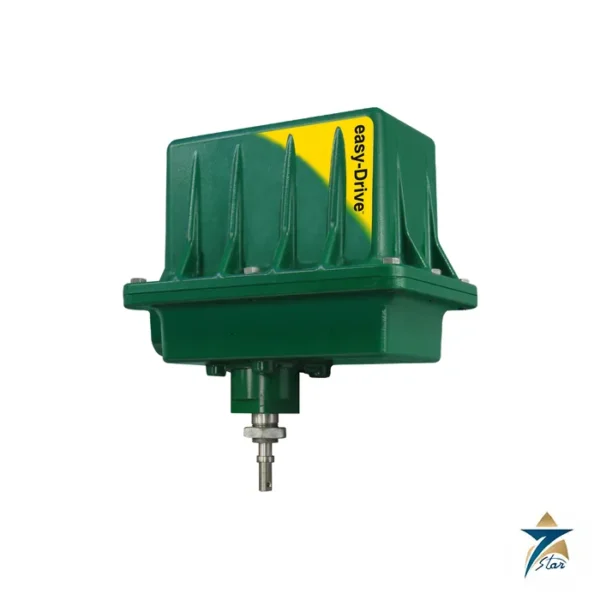
657, 667, 1052, 1061, easy-Drive Spring-diaphragm, piston and electric actuators 657 and 667 for sliding-stem valves; 1052 and 1061 for rotary valves; easy-Drive where no air is available
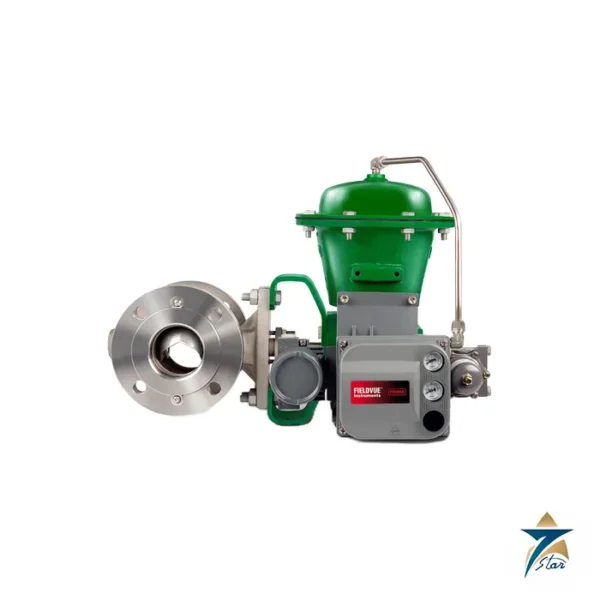
FIELDVUE DVC6200, DVC2000, 3610J Digital valve controllers and positioners HART positioning with valve diagnostics; 3610J pneumatic positioner for rotary actuators
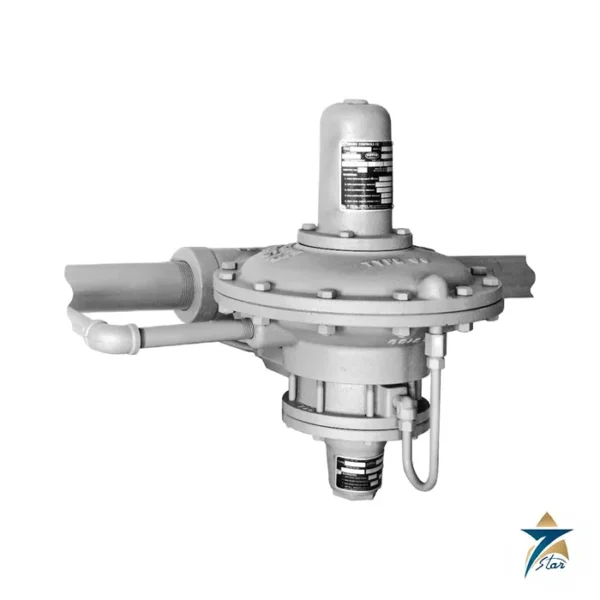
627, 1098-EGR, 67C Pressure regulators Gas pressure reduction, pilot-operated regulation and instrument air supply
DLC3100, 2500 Digital and pneumatic level controllers Displacer level and interface on separators and scrubbers

Where Fisher valves are used

Fisher control valves and regulators are standard equipment in oil and gas production, refineries, gas processing and LNG, petrochemicals, power plants and water systems. Typical loops are separator level and pressure, compressor anti-surge and recycle, fuel gas pressure reduction, feedwater and steam control, and chemical dosing. FIELDVUE controllers add diagnostics that help plan valve maintenance before a turnaround.

Ordering Fisher valves and spare parts: what we need

For spares, send the serial number from the valve nameplate together with the valve type, size, pressure class, trim and actuator type and size. Emerson keeps the build record behind the serial number, so plug, seat ring, cage, packing and diaphragm kits can be matched without guesswork. For a FIELDVUE or regulator, send the full model and type number and the mounting details. For a new valve add the process data: fluid, flow range, inlet and outlet pressure, temperature, leakage class, fail position, air supply and signal.

Facts checked against Emerson Fisher product information and published company histories, October 2026.

FAQ

Questions about the Fisher 2500 Pneumatic Level Controller

Answers from our engineering team on installation, compatibility and integration.

01Which control modes does the Fisher 2500 series offer?
The series covers proportional control (2500), proportional-plus-reset control (2502), proportional-plus-reset with anti-reset windup (2502F), on-off differential gap control with a proportional valve (2500S) or without one (2503), and proportional transmission (2500T). Adding the suffix R gives reverse action, and all types come with a 67CFR supply regulator as standard.
02What output signal does the Fisher 2500 produce?
Proportional controllers and the 2500T transmitter give 0.2 to 1.0 bar (3 to 15 psig) or 0.4 to 2.0 bar (6 to 30 psig). On-off controllers switch between 0 and 1.4 bar or 0 and 2.4 bar on the 2500S, and between 0 and full supply pressure on the 2503. Normal supply is 1.4 or 2.4 bar depending on the output range.
03Which specific gravities can the Fisher 2500 handle?
With standard volume displacers and standard wall torque tubes, 2500 controllers handle liquid level and interface service at specific gravities from 0.20 to 1.10, and 2503 controllers from 0.25 to 1.10. For density service, the minimum change in specific gravity is 0.20 for 2500 controllers and 0.25 for the 2503.
04Does the Fisher 2500 need electrical power?
No. The controller is fully pneumatic, operating from instrument air or gas through its supply regulator, which makes it practical at remote wellsites and in areas without power. It complies with ATEX Group II Category 2 requirements for gas and dust as non-electrical equipment.
05Does Seven Star LLC supply the Fisher 2500 in Oman?
Yes. Seven Star LLC supplies Fisher 2500 controllers and transmitters, with or without new 249 sensors, to customers in Oman and the GCC. Send the controller type, action, output range, sensor model, connection and process data and our Muscat team will prepare a quotation.