
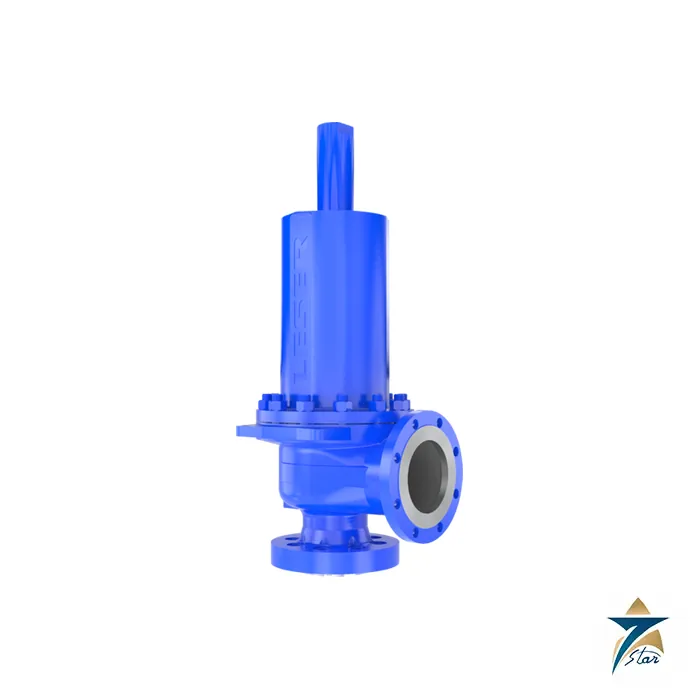
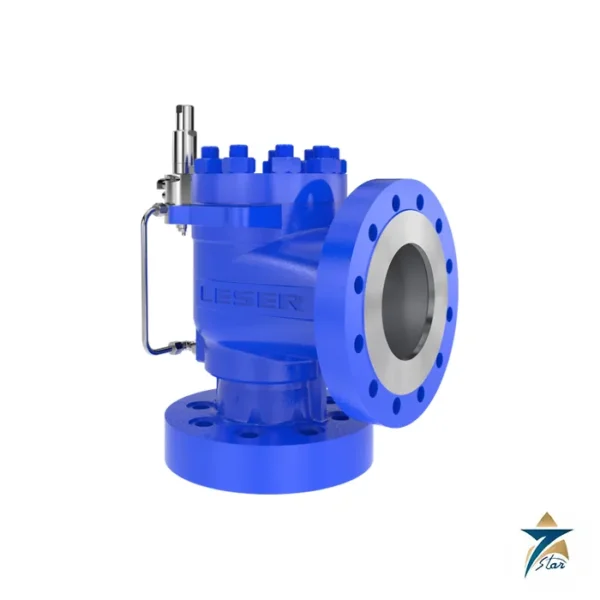
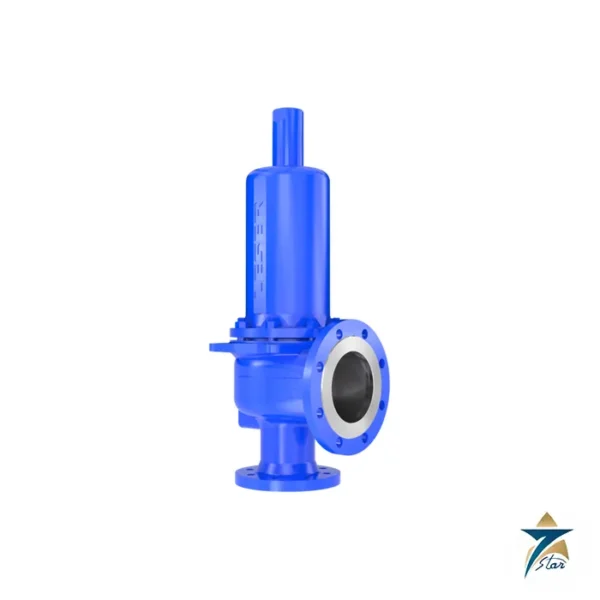
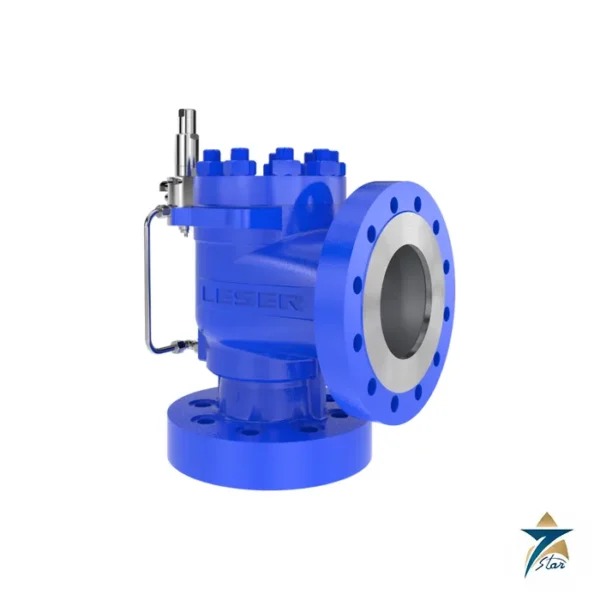
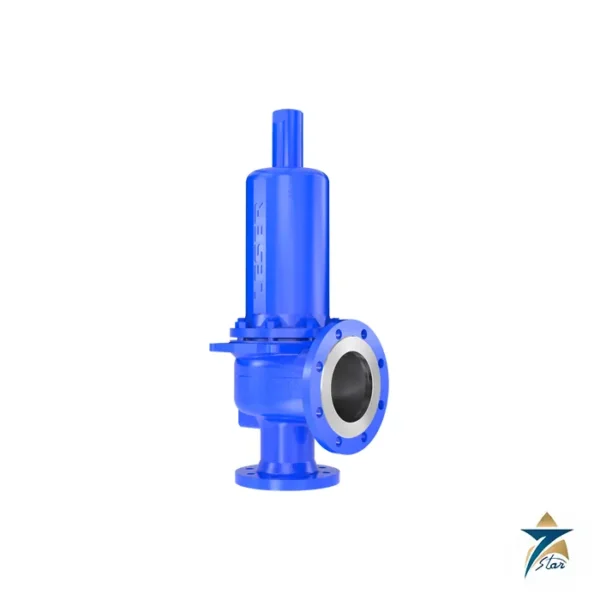
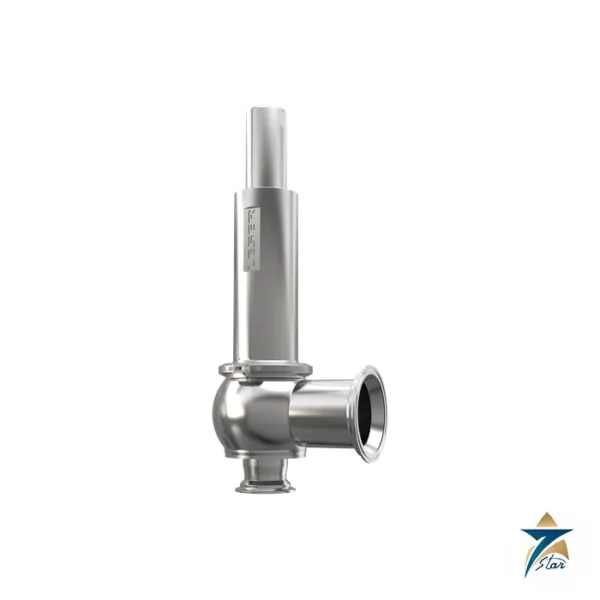
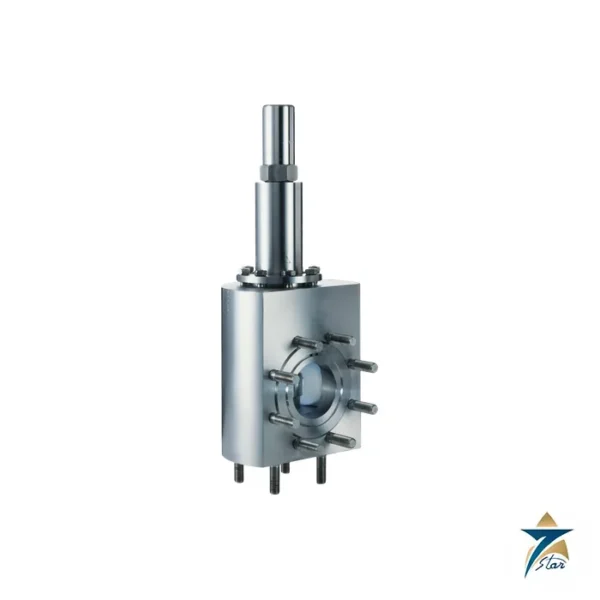
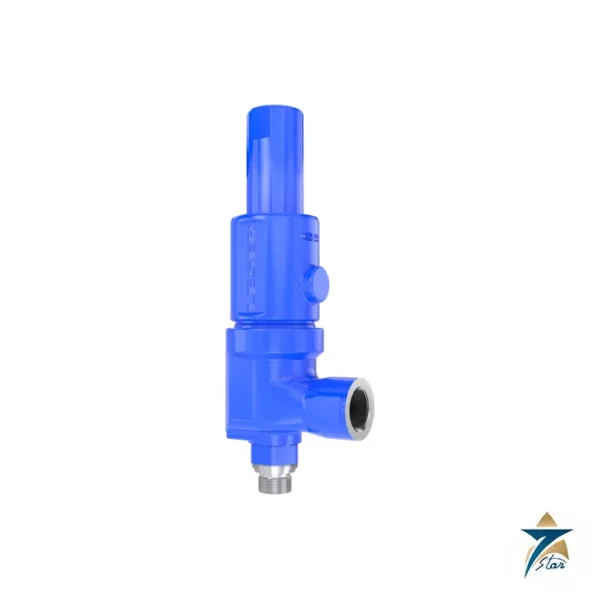
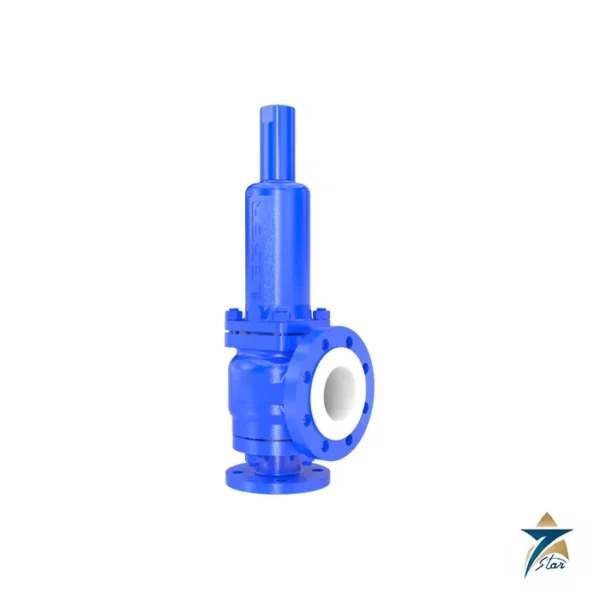
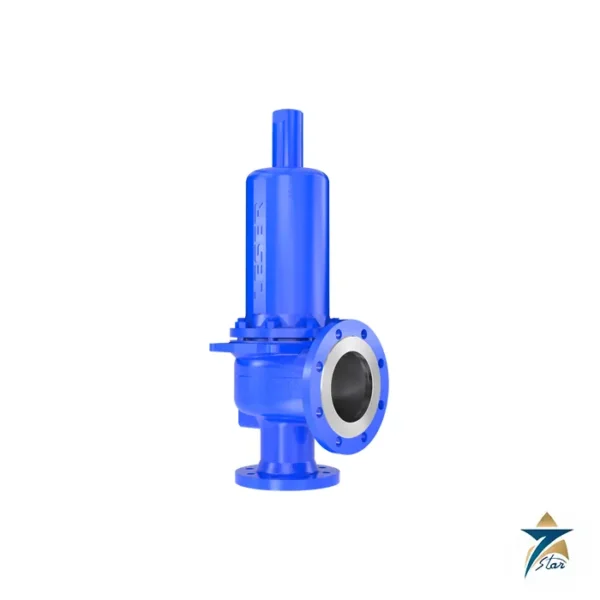
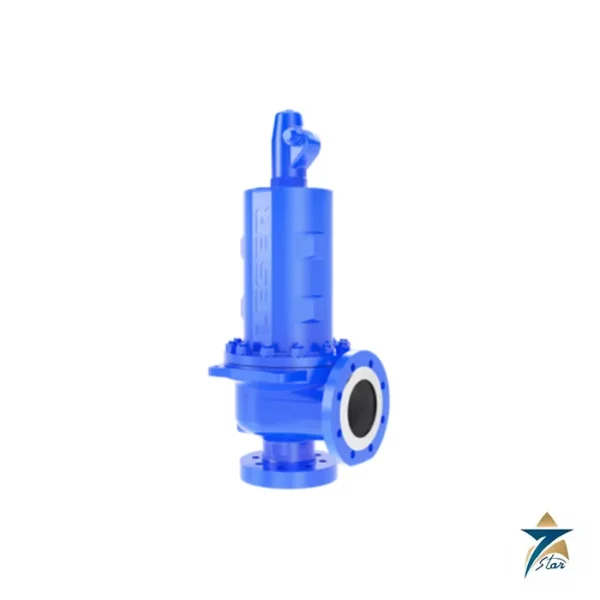
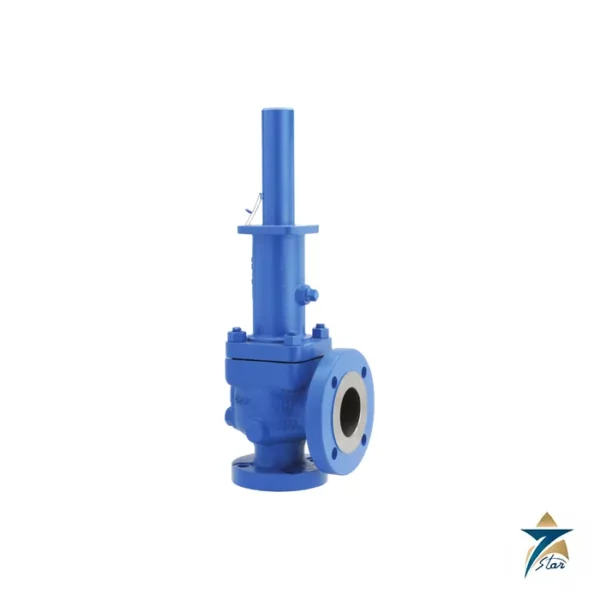
The LESER API Safety Valves Series is LESER’s complete Type 526 product line, engineered from the ground up to API 526 — the American Petroleum Institute standard that fixes orifice designations, inlet and outlet flange sizes, and center-to-face dimensions so that safety valves from different manufacturers are dimensionally and functionally interchangeable. Rather than describing a single valve, this page covers the full range of orifice sizes, from the smallest standardized orifice D through the largest T, that together make up the Type 526 line and let a plant select exactly the relief capacity a given vessel or line requires without stepping outside a recognized international standard.
Backed by genuine manufacturer documentation, Seven Star LLC proudly supplies the full API 526 Type 526 line to refineries, petrochemical plants, and gas processing facilities throughout Oman and the wider GCC, backed by genuine manufacturer documentation, warranty support, and local technical guidance. Seven Star LLC also carries the LESER Type 526 CC as an individually listed product for buyers who already know their exact configuration; this series page exists to help engineers who are still selecting the right orifice size and pressure rating across the entire API 526 range.
The Type 526 is a direct-acting, spring-loaded safety valve in which the disc is held against the seat by a calibrated spring and lifts once system pressure exceeds that set force, discharging through the standardized API orifice until pressure falls back to the reseating point. What API 526 standardizes is not the internal lift mechanism — which follows conventional spring-loaded safety valve physics common across the industry — but the orifice area, the inlet and outlet flange sizes, and the center-to-face dimension for each named orifice letter (D through T), so that the certified relieving capacity of a “J orifice” or an “N orifice” valve is consistent and comparable across API-526-compliant manufacturers.
LESER’s Type 526 uses hardened discs, stellited seats, and shielded bellows to protect the sealing surfaces and lift mechanism from erosive or corrosive media over repeated relief events, and LESER states that its Nanotightness sealing technology exceeds the API 527 seat-tightness requirement by 50%, giving plant engineers additional margin against fugitive emissions and product loss around the set point, on top of simply meeting the underlying API standard.
The Type 526 line covers connection sizes from DN 25 to DN 200 (NPS 1 to NPS 8) and a set-pressure range of 0.2 to 400 bar, with a temperature capability spanning –273°C to 550°C, giving the line coverage across cryogenic, ambient, and high-temperature petrochemical process duty within a single API-526-compliant body family. Materials available include carbon steel, heat-resistant carbon steel, and stainless steel, selected to match the corrosivity and temperature of the protected system while keeping the external dimensions fixed by the API 526 standard.
Because API 526 fixes the orifice-to-flange relationship, sizing a Type 526 valve is fundamentally a capacity-selection exercise: an engineer calculates the required relieving area for the vessel or line in question using API 520 methodology, then selects the orifice letter (D through T) whose certified area meets or exceeds that requirement, with the inlet/outlet flange size and valve envelope following automatically from the standard. This is what makes the Type 526 line functionally interchangeable in a plant’s spares and engineering documentation with other API-526-compliant valves, while retaining LESER’s own hardened trim and Nanotightness sealing advantages.
The LESER API Safety Valves (Type 526) series brings the following strengths to petrochemical and refinery safety systems:
The LESER API Safety Valves Series (Type 526) is the standard choice for refinery process units, petrochemical plants, and gas processing facilities that specify safety relief to API 526 and API 520 as a matter of project standard, ensuring that valves from LESER are dimensionally and functionally interchangeable with the rest of a plant’s certified relief valve population. This standardization is particularly valuable across large EPC-executed refinery and petrochemical projects in Oman and the wider GCC, where multiple vendors may supply relief valves across different process units under one unified engineering specification.
Working closely with plant engineers in the region, Seven Star LLC supplies the API Safety Valves Series to refineries, petrochemical complexes, and EPC contractors across Muscat, the Sohar Freezone and industrial port, the Salalah Free Zone, and the wider Sultanate of Oman and GCC, ensuring every valve supplied carries full manufacturer traceability, certification, and after-sales technical support from a locally based team.
API 526 fixes dimensions by orifice letter rather than by a single model number, so the table below summarizes the Type 526 line’s overall standardized range rather than per-orifice dimensions, which are selected per API 520 capacity calculation:
| Parameter | Specification |
|---|---|
| Standard | API 526 (orifice, flange, and dimensional standardization); API 520 (sizing methodology) |
| Orifice Designations | D through T (standardized areas per API 526) |
| Connection Sizes | DN 25 – DN 200 / NPS 1 – NPS 8 |
| Set Pressure Range | 0.2 – 400 bar (2 – 5,802 psig) |
| Temperature Range | –273°C to 550°C (–450°F to 1,000°F) |
| Body Materials | Carbon steel, heat-resistant carbon steel, stainless steel |
| Seat Technology | Hardened disc, stellited seat, shielded bellows, LESER Nanotightness |
| Certifications | CE, VdTUV, ASME, UKCA, CRN, and major marine classification societies |
Seven Star LLC invites refinery and petrochemical process engineers, EPC contractors, and procurement teams across Oman and the GCC to submit a formal RFQ for the LESER API Safety Valves Series (Type 526), specifying the required orifice designation per your API 520 capacity calculation. Full technical datasheets and direct access to the Seven Star LLC instrumentation and valve division are available on request. With fast quotation turnaround and technical support, Seven Star LLC guarantees genuine product, complete documentation, and factory-backed warranty on every unit supplied.
Browse the full LESER range or see more Safety Relief Valves products supplied by Seven Star LLC in Oman and the GCC.
Browse LESER products by category: Safety Relief Valves.
Choose the option that best fits your needs to get the fastest response from our team.
Automatically fill the RFQ form with this product's details for a faster process.
Manually enter multiple part numbers, specific brands, or custom requirements.











Reviews
There are no reviews yet.