- Automation & ControlView all 2,897 products
- Automation Accessories
- AC Drives
- PLC & I/O Cards
- Industrial Communications
- Vibration Monitoring
- Controllers & Data Acquisition
- Isolator & Barrier
- Safety Switches & Guard Locking
- Motor Soft Starters
- CCTV & Security
- Encoders
- Pneumatic Cylinders
- HMI Displays
- Servo Drives
- Industrial Computers
- Machine Vision
- Automation Software
- Robotics
Brand: LESER
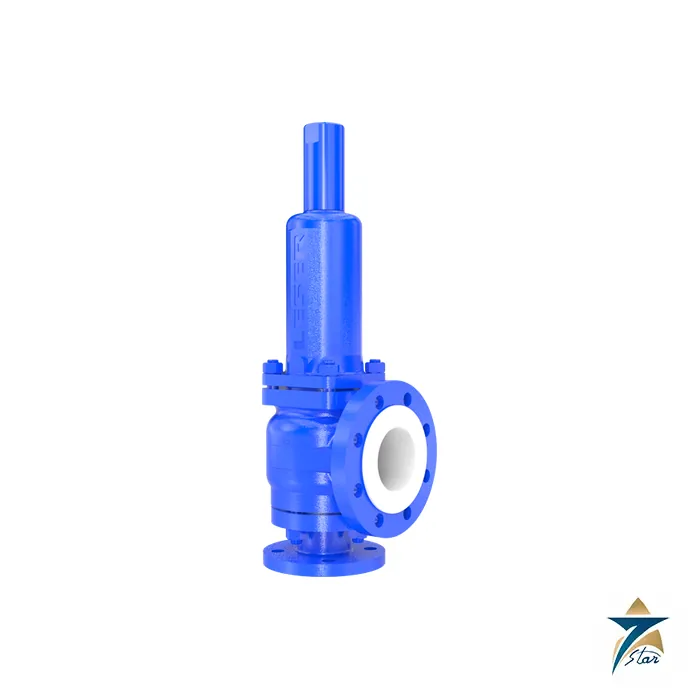
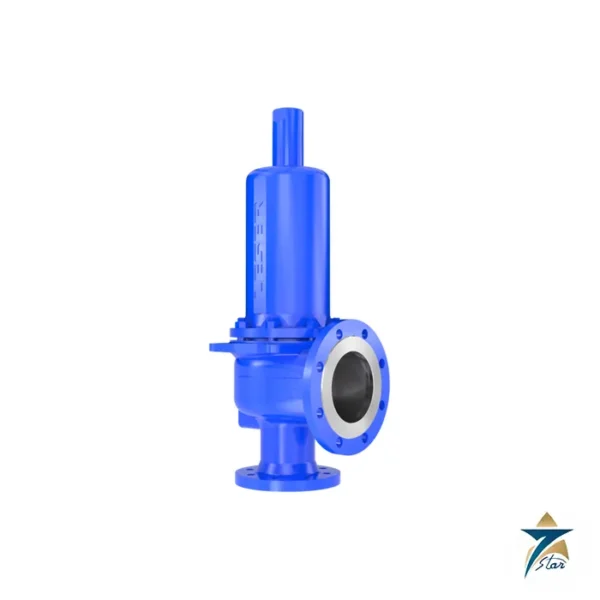
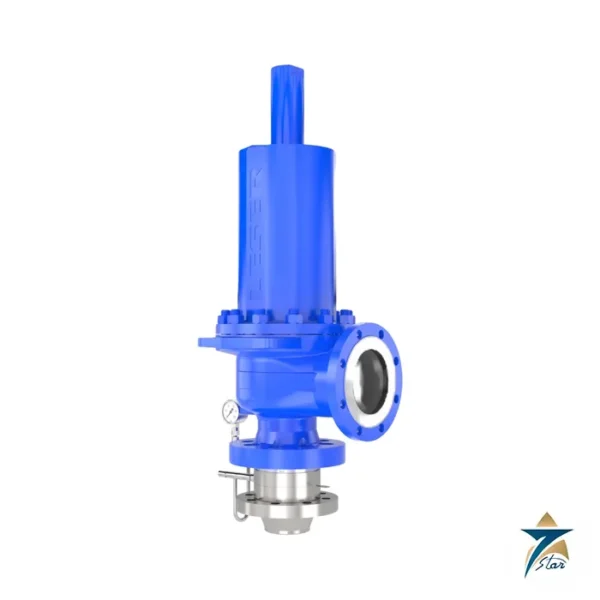
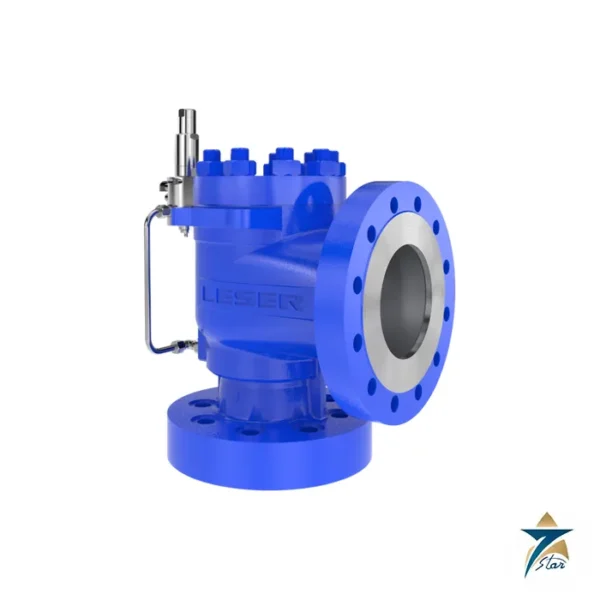
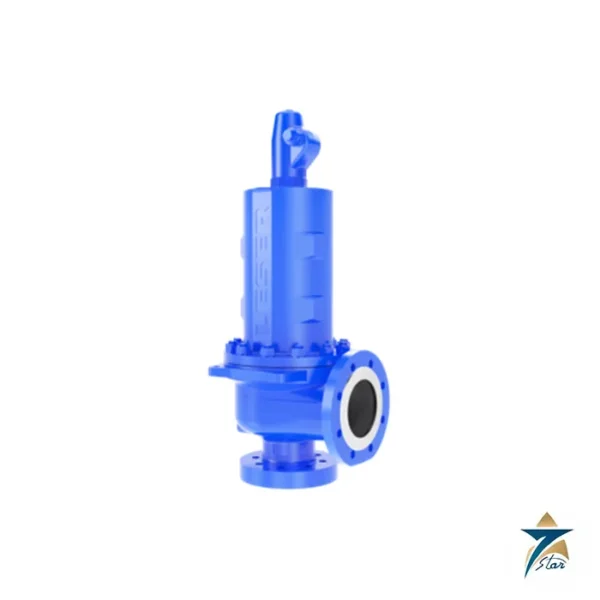
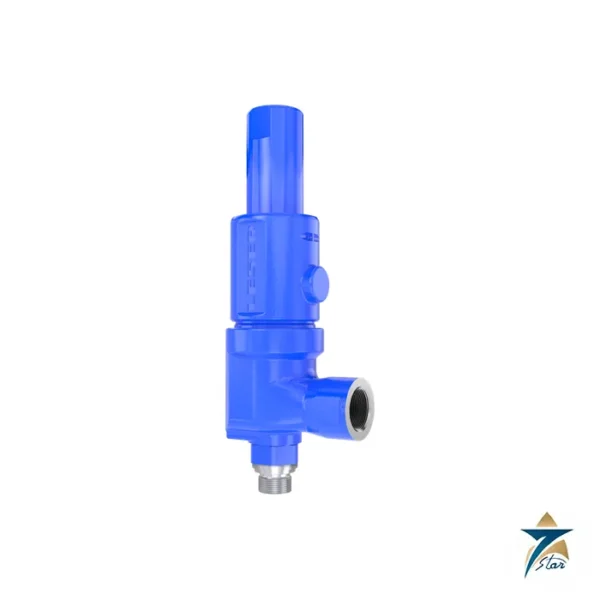
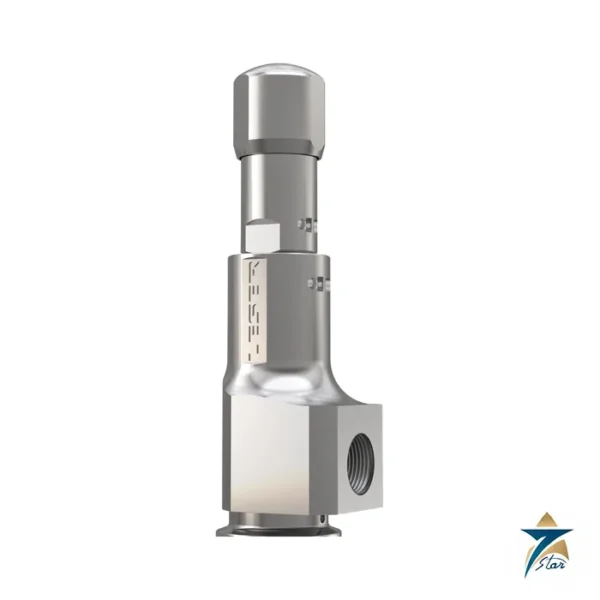
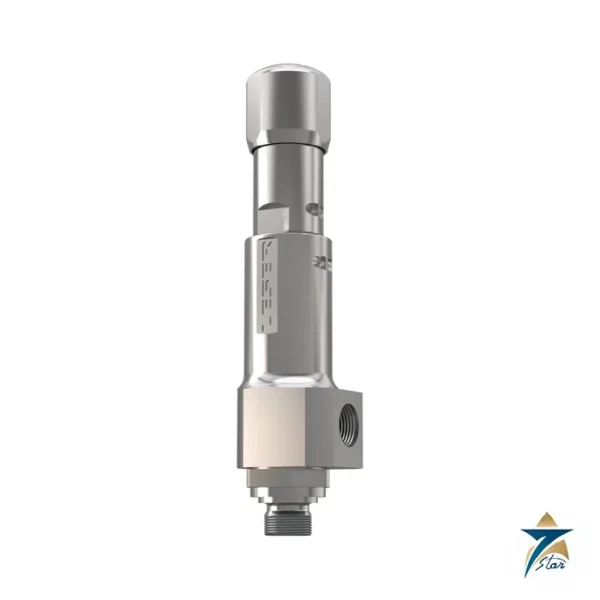
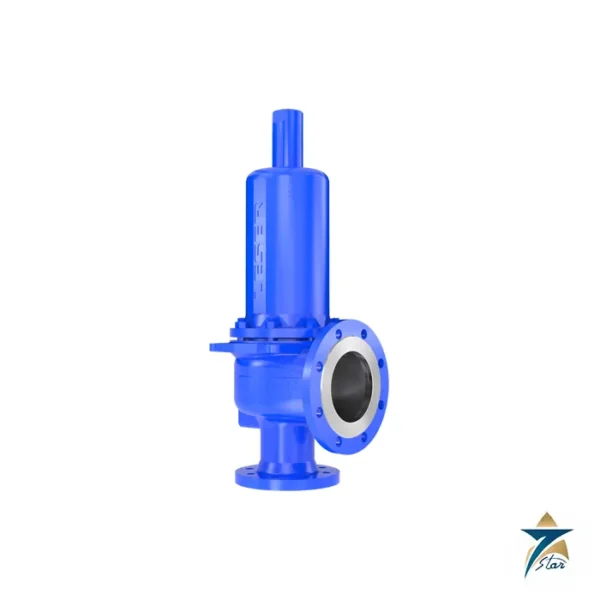
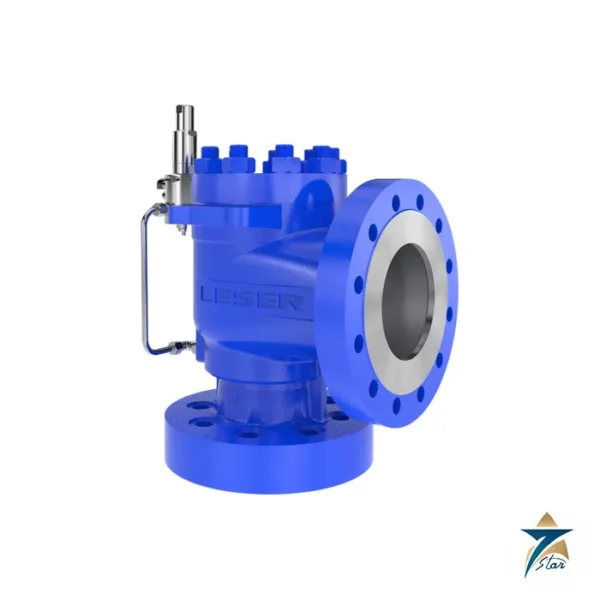
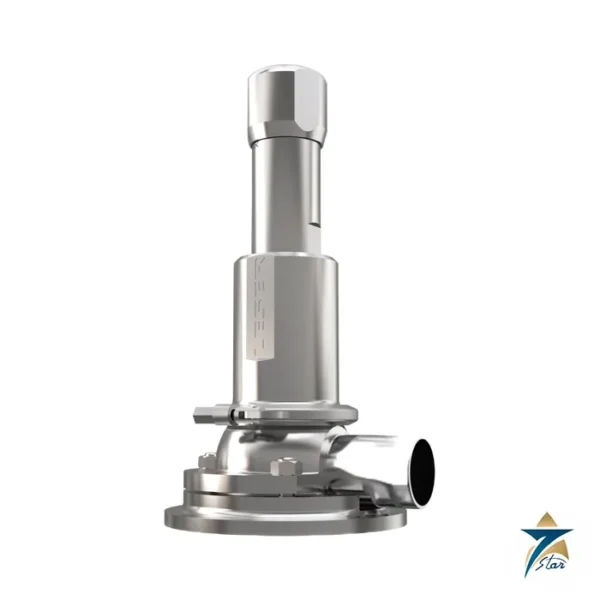
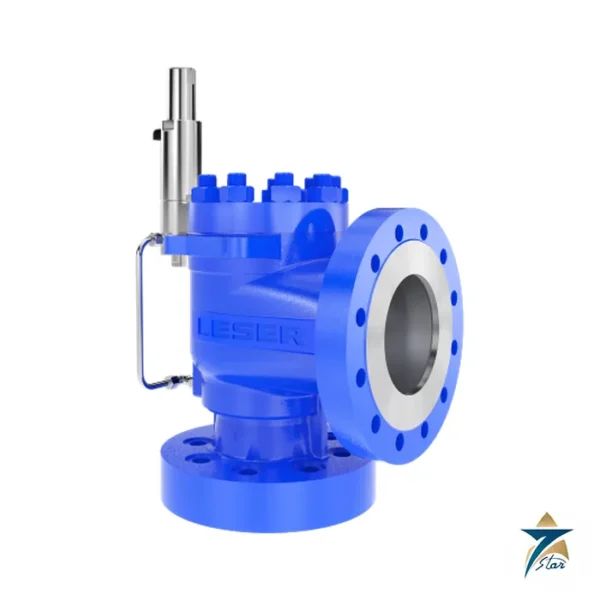
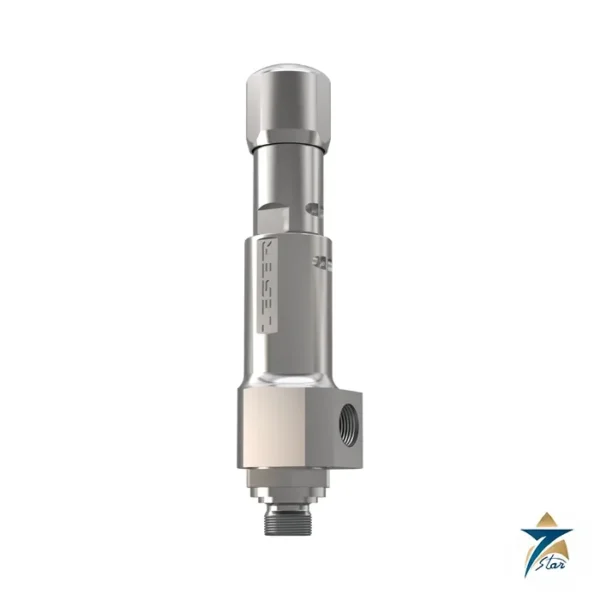
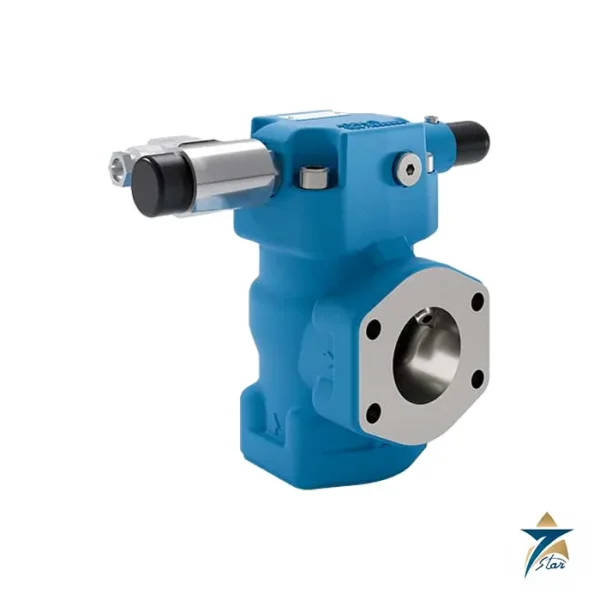
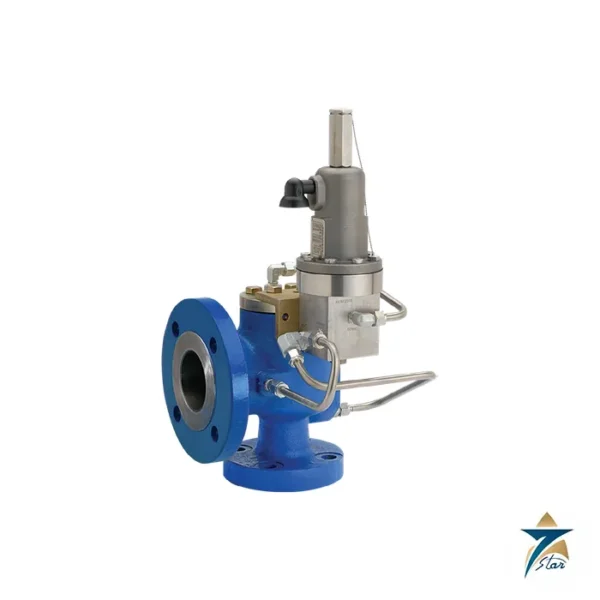
LESER Type 447 Critical Service Safety Valve
Description
Overview
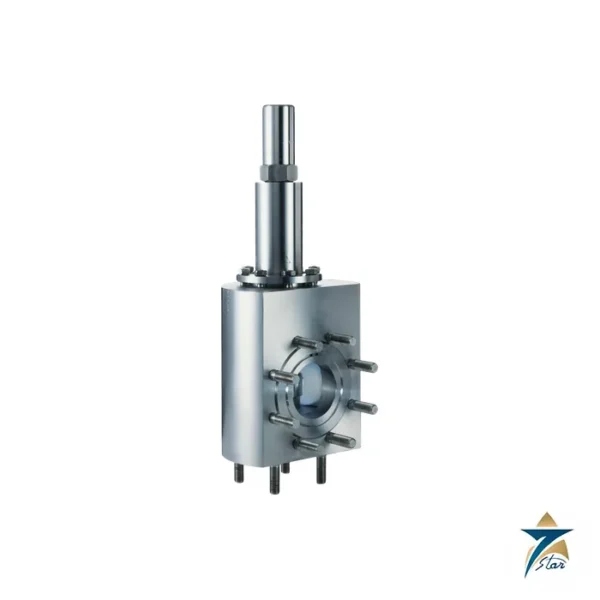
LESER Type 447 is a Critical Service safety valve engineered for process media so aggressive that standard alloy wetted parts cannot survive sustained contact. Covering DN 25–100 (NPS 1–4) at PN 16 / PR #150 flange ratings and set pressures up to 16 bar / 232 psig, the Type 447 achieves its corrosion resistance through a fully PTFE-lined inlet and outlet flow path — every wetted metallic surface that would otherwise contact the process medium is isolated behind a chemically inert PTFE barrier, allowing the valve’s body to be selected on structural and pressure-containment grounds while the lining alone manages chemical compatibility.
Working closely with plant engineers in the region, Seven Star LLC proudly supplies the Type 447 to chemical processors, petrochemical facilities, and specialty manufacturers across Oman and the wider GCC. Highly corrosive service — concentrated acids, caustic solutions, aggressive solvents — is exactly where a generic safety valve fails first, often silently through gradual wall thinning that is not visible until a leak or failure occurs; the Type 447’s full PTFE lining exists specifically to remove that failure mode, and Seven Star LLC’s technical support with selection helps plants across the region specify it with confidence rather than accepting a compromise material.
Operating Principle
The LESER Type 447 operates on the same direct spring-loaded principle as every LESER safety valve: a calibrated spring holds the disc against the seat until inlet pressure reaches the set point, at which the disc lifts and process fluid discharges until pressure falls back to the reseating level. What makes the LESER Type 447 fit for critical corrosive service is not a different lifting mechanism but a completely different approach to the wetted flow path — the inlet nozzle, seat area, and outlet passage are fully lined in PTFE, so the corrosive medium never contacts the underlying metallic body or trim during normal operation, even though those structural components carry the full pressure load and mechanical spring force.
This lining-based design means the LESER Type 447’s chemical resistance is governed by PTFE’s exceptionally broad compatibility rather than by selecting an expensive exotic alloy for the entire body, seat, and disc. PTFE resists essentially all common industrial acids, bases, and solvents at the temperatures typical of chemical processing, and because the lining is bonded and inspected as a continuous barrier rather than a coating, the Type 447 avoids the pinhole and coating-breakdown failure modes that plague simpler corrosion-resistant coatings. The practical consequence is a safety valve that can be installed directly in a highly corrosive line and trusted to open reliably at its set pressure without being degraded by the very medium it is protecting against.
Engineering Design of the LESER Type 447
The LESER Type 447 body is manufactured in a structural material selected for mechanical strength and pressure rating — carbon steel or stainless steel depending on the application — with the full PTFE lining applied to every internal surface that would otherwise be wetted by the process medium. DN 25–100 / NPS 1–4 flanged connections to PN 16 / PR #150 match standard chemical process piping, allowing the valve to be installed as a direct in-line component without special adapter spools. The lining extends through the seat and disc contact area, so the sealing surfaces themselves benefit from the same chemical isolation as the flow passages.
Installation follows standard flanged safety valve practice, with the LESER Type 447 mounted vertically on the vessel or pipeline nozzle it protects and oriented so that discharge is directed to a safe location or closed relief header appropriate for the corrosive medium being handled. The spring housing sits above the lined wetted section and is mechanically isolated from the process fluid, so spring calibration and adjustment follow LESER’s standard factory-set, tamper-evident procedure common across the Critical Service range. Because PTFE lining integrity is central to the valve’s corrosion resistance, LESER’s maintenance guidance calls for periodic inspection of the lining condition as part of routine safety valve testing, which Seven Star LLC’s technical team can support locally.
Key Features
The LESER Type 447 safety valve is built around eight features that matter directly to highly corrosive process service:
- Fully PTFE-lined inlet and outlet flow path isolating all wetted metallic surfaces from direct contact with corrosive process media.
- DN 25–100 / NPS 1–4 size range at PN 16 / PR #150 matches standard chemical and petrochemical process piping without special adapters.
- Set pressure capability up to 16 bar / 232 psig, covering the majority of chemical process relief applications at this size range.
- PTFE-lined seat and disc contact area, extending chemical resistance through the sealing surfaces, not just the flow passages.
- Structural body material selected independently for pressure and mechanical performance, since the lining — not the body alloy — manages chemical compatibility.
- Resistance to a broad range of aggressive acids, caustic solutions, and solvents typical of chemical and petrochemical processing.
- Tamper-evident, factory-set spring housing mechanically isolated from the lined wetted section for reliable, repeatable set-pressure performance.
- Shared LESER Critical Service maintenance and inspection procedures, allowing plants to standardize spares and technician training across corrosive-service safety valves.
Industrial Applications
The LESER Type 447 is specified wherever a process line carries a medium aggressive enough to threaten conventional alloy wetted parts — concentrated acid transfer lines, caustic scrubbing systems, chlor-alkali processes, and specialty chemical reactors are all classic Type 447 applications. Chemical and petrochemical processing facilities in Oman’s industrial zones rely on it to protect reactors and storage vessels handling corrosive feedstocks, and specialty manufacturers across the GCC use it wherever a standard alloy safety valve would face an unacceptable corrosion-driven replacement interval. Because the LESER Type 447’s PTFE lining removes the usual trade-off between pressure rating and chemical resistance, the Type 447 lets process engineers specify the correct pressure class without separately re-solving the corrosion problem.
With fast quotation turnaround and technical support, Seven Star LLC supplies the Type 447 to chemical processors and industrial manufacturers throughout the Sultanate of Oman and the GCC, including facilities in the Sohar and Salalah industrial and free zones where petrochemical and specialty chemical capacity continues to grow.
Technical Specifications
Key technical parameters for the LESER Type 447 Critical Service safety valve:
| Parameter | Specification |
|---|---|
| Model | LESER Type 447 |
| Product Line | Critical Service |
| Nominal Size Range | DN 25–100 / NPS 1–4 |
| Flange Rating | PN 16 / PR #150 |
| Maximum Set Pressure | 16 bar / 232 psig |
| Design Type | Spring-loaded, fully PTFE-lined wetted path |
| Lining Material | PTFE, full lining of inlet, outlet, seat, and disc contact area |
| Body Material | Carbon steel or stainless steel structural body (application-dependent) |
| Connections | Flanged, DN/PN or NPS/PR per process piping standard |
| Typical Applications | Highly corrosive chemical and petrochemical process media |
Request a Quote for LESER Type 447
With engineering support in Muscat, Seven Star LLC supplies on request and provides application engineering support for chemical and petrochemical process safety upgrades, with lead time confirmed at quotation. Contact Seven Star LLC’s instrumentation and process safety division to request a formal quotation, confirm body material and lining suitability for your specific corrosive medium, or discuss volume pricing for plant-wide safety valve replacement programs.
Browse the full LESER range or see more Safety Relief Valves products supplied by Seven Star LLC in Oman and the GCC.
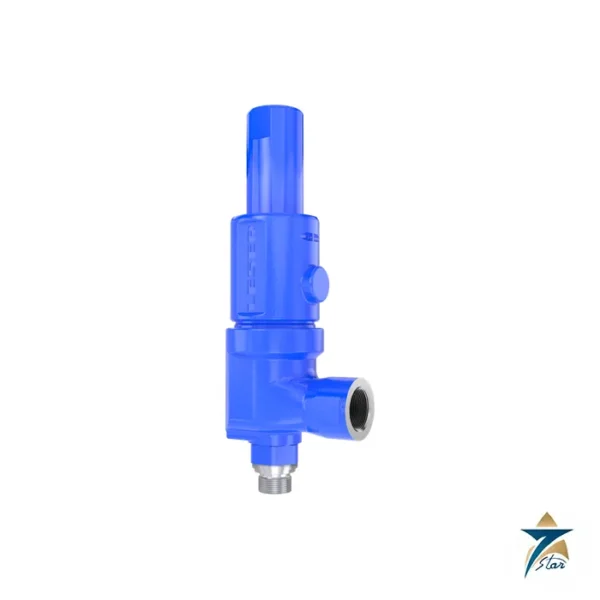
See also: LESER Type 437 Small-Capacity Threaded Safety Valve.
Datasheets & Documents
- Brochure LESER Critical Service Series 447 / 546 Catalog Download
Reviews (0)
How would you rate this product? Cancel reply
About brand
LESER is the German safety valve manufacturer whose history goes back to 16 March 1818, when Georg Wittmann started a brass foundry in Hamburg. The company built its first safety valve for steam boilers in 1885 and has focused only on safety valves since the 1970s. Its production sites are in Hohenwestedt (Germany), Paithan (India) and Tianjin (China).
Seven Star LLC is an independent supplier in Muscat. We list LESER spring-loaded and pilot-operated safety valves and change-over valves, and supply them and their spare parts to refineries, gas plants, boiler houses and process plants in Oman and the GCC.
LESER company profile
| Origins | 16 March 1818, Hamburg: brass foundry founded by Georg Wittmann |
|---|---|
| Safety valves | First safety valve for steam boilers in 1885; safety valves only since the 1970s |
| Production | Hohenwestedt (Germany), Paithan (India), Tianjin (China) |
| Product families | API, High Performance, Compact Performance, Critical Service, Clean Service, High Pressure, Modulate Action and pilot-operated safety valves, plus change-over valves |
Milestones
- 1818: Georg Wittmann founds a brass foundry in Hamburg on 16 March.
- 1885: LESER makes its first safety valve for steam boilers.
- 1970s: The company concentrates on safety valves only.
- Today: Production in Hohenwestedt (Germany), Paithan (India) and Tianjin (China).
LESER products we list
| Series | Types | Typical use |
|---|---|---|
| API series | Type 526, 526 CC | Refinery and petrochemical relief to API 526 |
| High Performance | 441/442 DIN, 441/442 ANSI, 444 | Steam, gases and liquids in general process and boiler service |
| Compact Performance | 437, 459, 462 | Small threaded valves for compressors, vessels and utilities |
| Critical Service | 447, 449 | Toxic, corrosive or high-pressure media, and block-body designs |
| High Pressure | 457/458 | High-pressure gas and liquid systems |
| Clean Service | 483, 488 | Food, pharmaceutical and clean steam |
| Pilot-operated, Modulate Action | 811, 821 | Large capacities and operation close to set pressure |
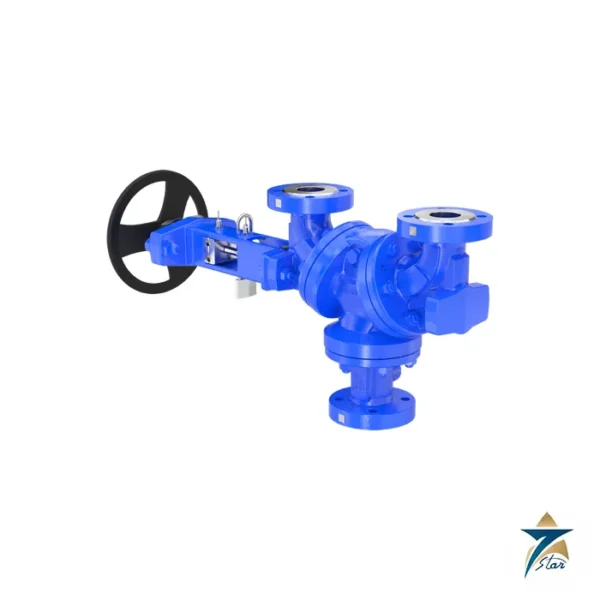
| Change-over valves | 310 | Two safety valves in parallel, so one can be serviced while the other protects the system |
A spring-loaded safety valve opens when the system pressure overcomes the spring force at the set pressure. A pilot-operated valve uses the system pressure itself to hold the main valve shut, so it stays tight much closer to the set pressure and suits large flows. Sizing follows the required relief capacity from the worst-case scenario. API 526 fixes the flange sizes and orifice letters (D to T), so an API valve with the same orifice can replace one from another maker.
Where LESER safety valves are used
In Oman and the GCC, LESER safety valves protect vessels, heat exchangers, compressors, pumps, steam boilers and pipelines in oil and gas, refining, LNG, petrochemical, power and desalination plants.
Ordering LESER safety valves: what we need
Send the LESER type and article number from the nameplate, or the data sheet with the medium, set pressure, relieving temperature, required capacity, back pressure, inlet and outlet sizes and pressure classes, and the materials. For spare parts, send the serial number of the valve.
Facts checked against LESER company history (200th anniversary, 2018), October 2026.
Browse LESER products by category: Safety Relief Valves.
FAQ
Questions about the LESER Type 447 Critical Service Safety Valve
Answers from our engineering team on installation, compatibility and integration.
01What makes the LESER Type 447 suitable for highly corrosive media?
The Type 447 uses a fully PTFE-lined inlet, outlet, seat, and disc contact area, isolating all wetted metallic surfaces from direct contact with the corrosive process medium, so chemical compatibility is managed by the lining rather than by selecting an exotic body alloy.
02What sizes and pressures does the LESER Type 447 cover?
The Type 447 is available in DN 25 to DN 100 (NPS 1 to 4) at PN 16 / PR #150 flange ratings, with set pressures up to 16 bar / 232 psig.
03What body materials are available for the LESER Type 447?
The structural body is available in carbon steel or stainless steel depending on the application, since the PTFE lining rather than the body alloy provides the primary chemical resistance to the process medium.
04How is PTFE lining integrity maintained over the valve service life?
LESER's maintenance guidance calls for periodic inspection of the PTFE lining condition as part of routine safety valve testing intervals, which Seven Star LLC's technical team can support locally in Oman and the GCC.
05Is Seven Star LLC an experienced supply partner for LESER products?
Yes, Seven Star LLC is an experienced supplier of LESER safety valves in Oman and the GCC, supplying genuine LESER products with certified documentation and local application support.


Reviews
There are no reviews yet.