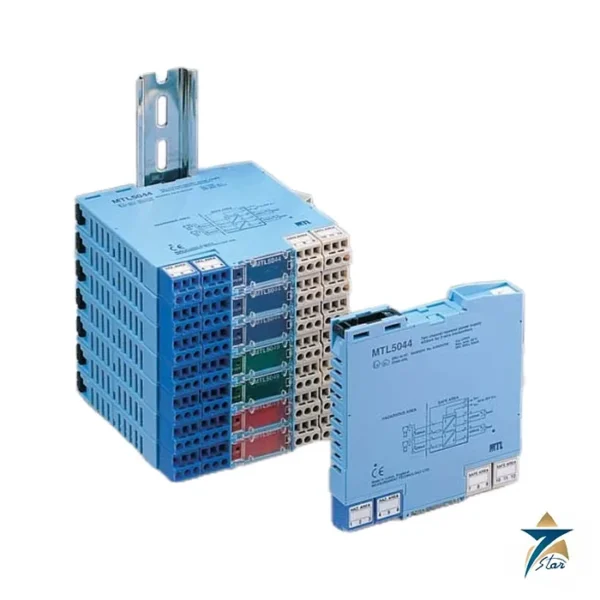
Brand:

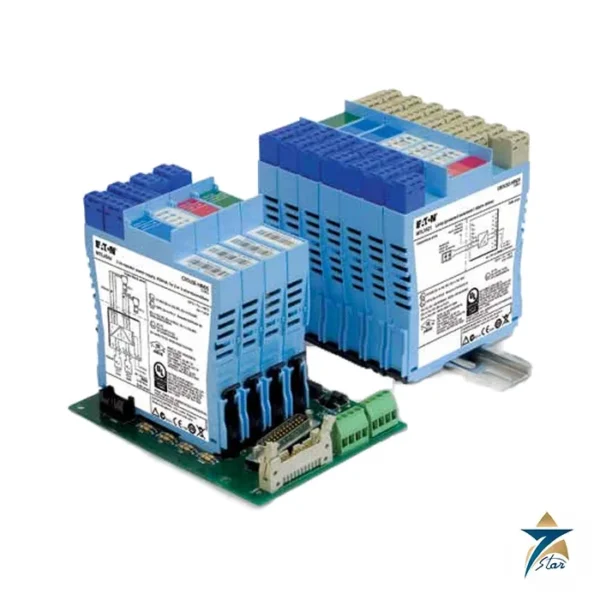
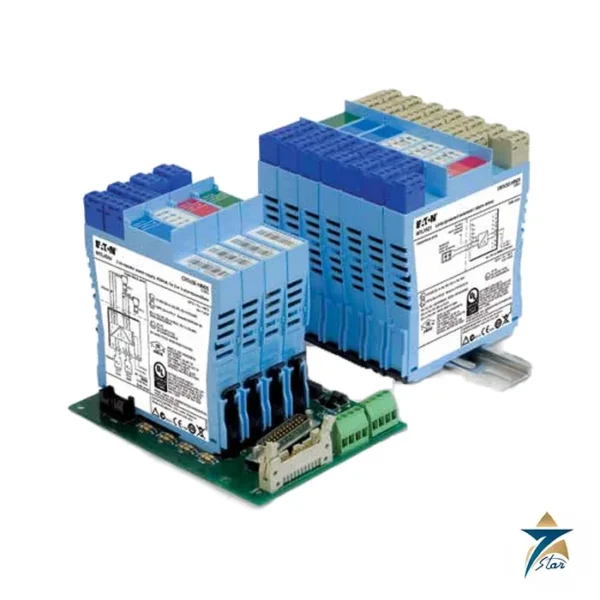
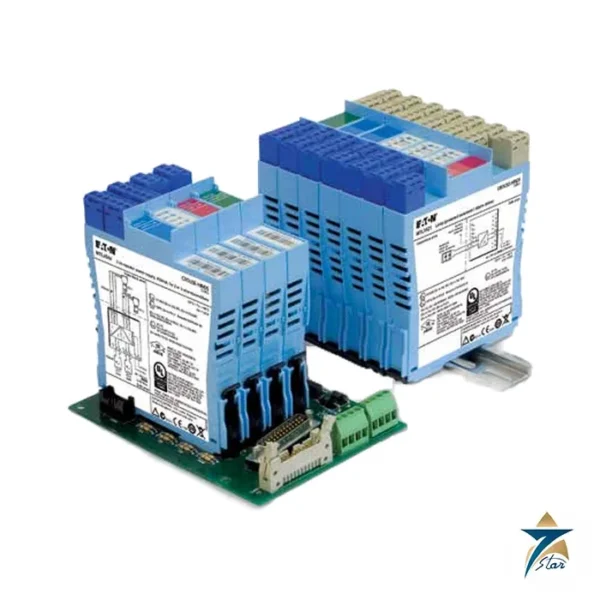
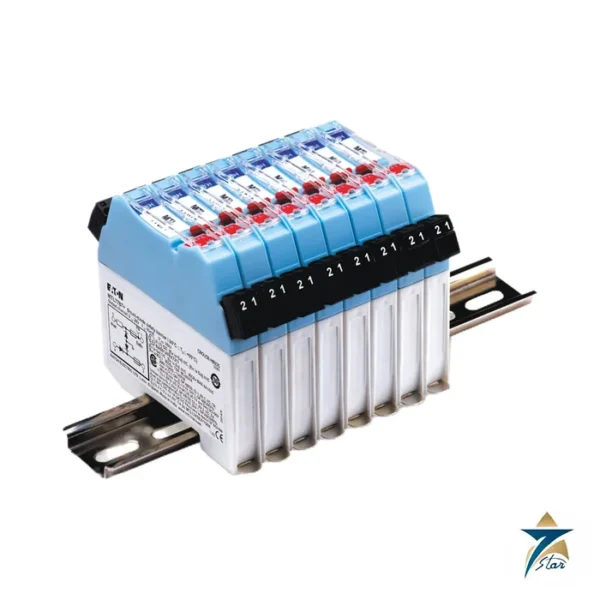
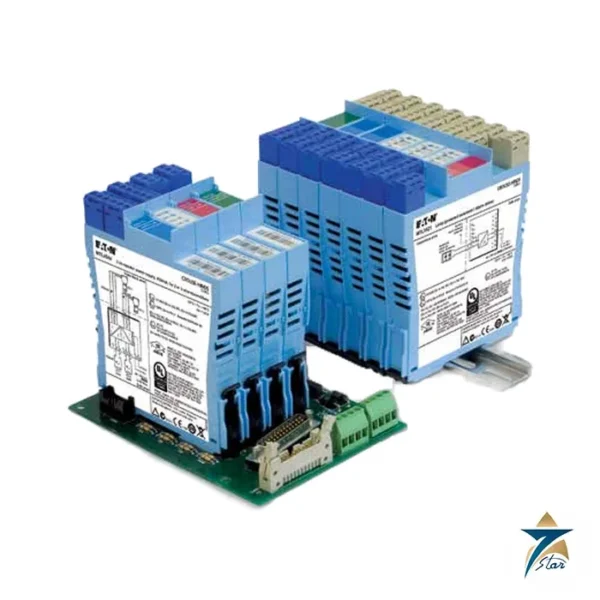
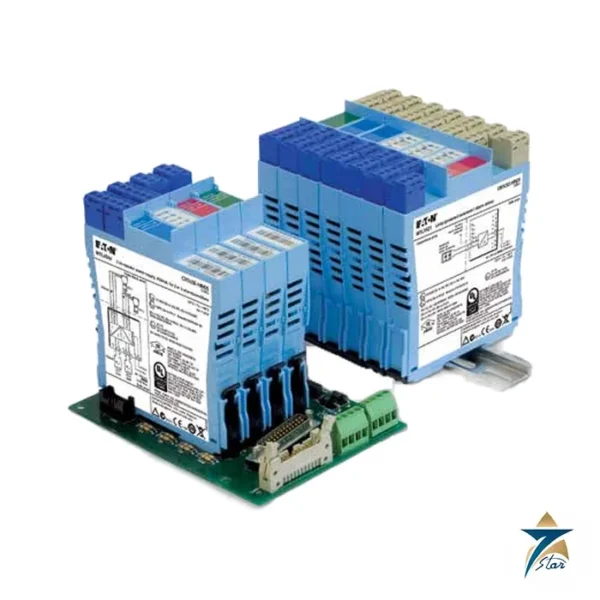
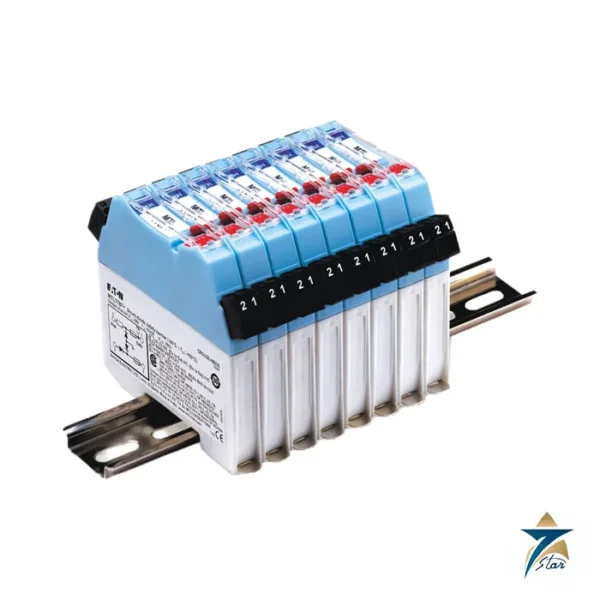
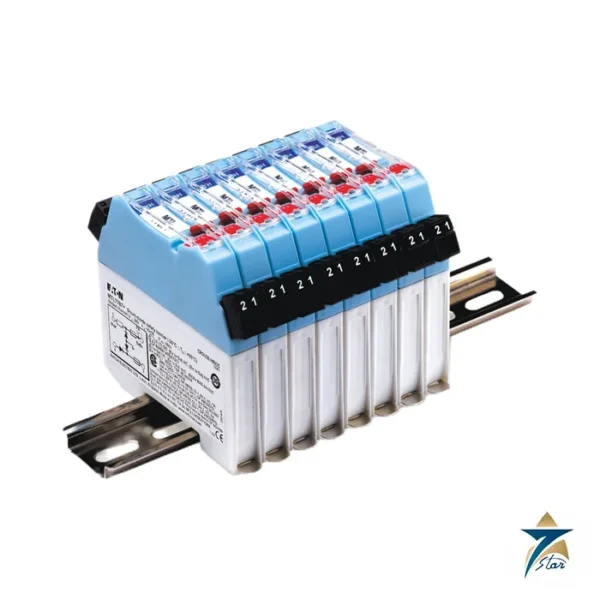
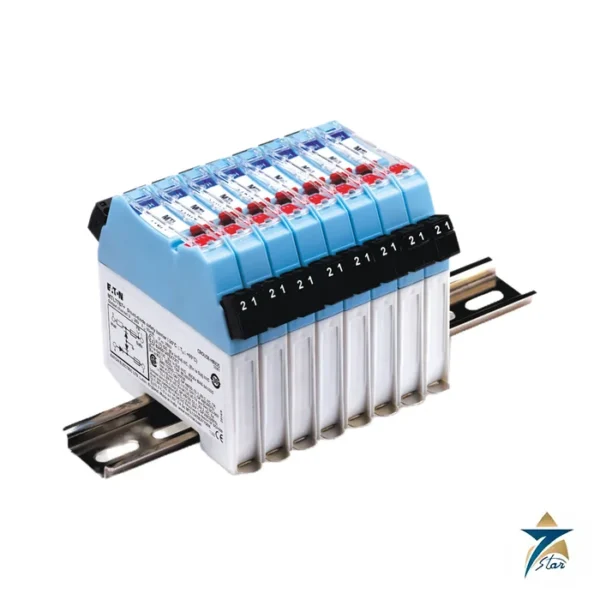
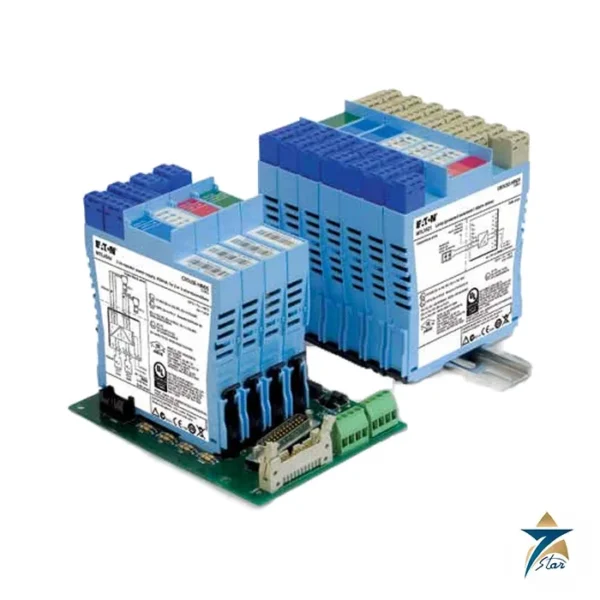
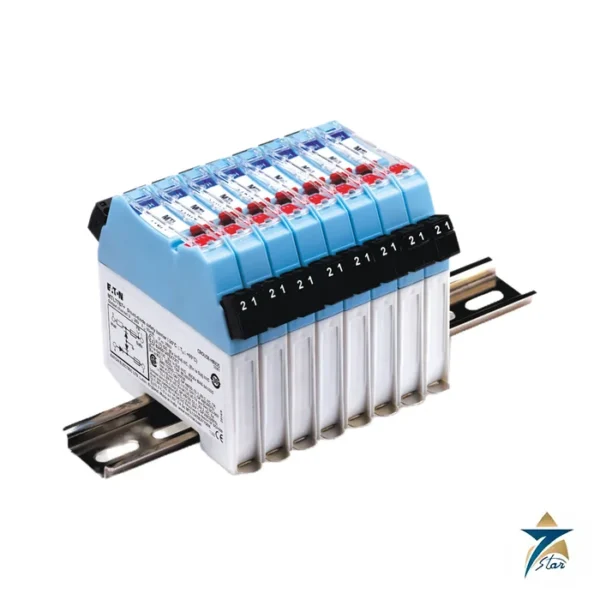
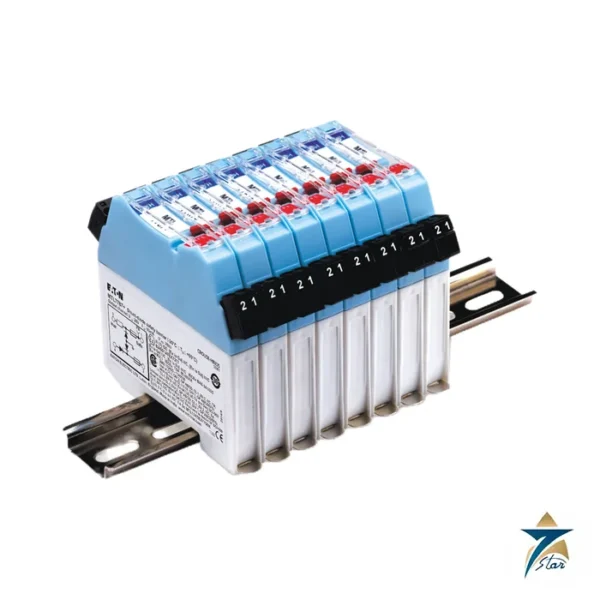
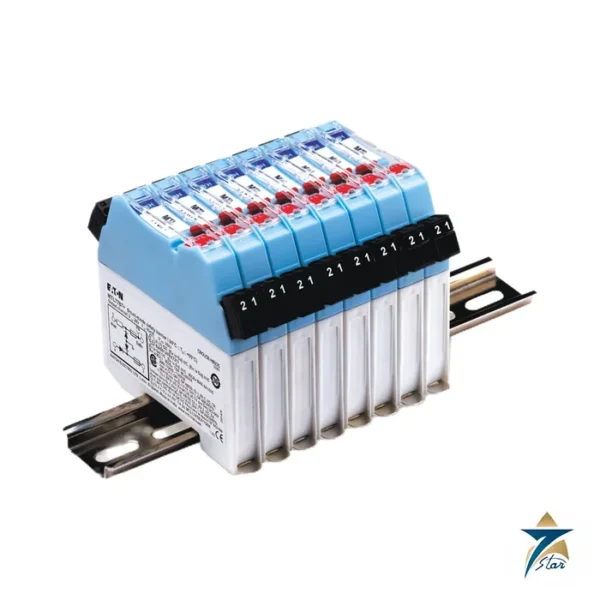
MTL MTL4544D Dual-Output Repeater Power Supply

Description

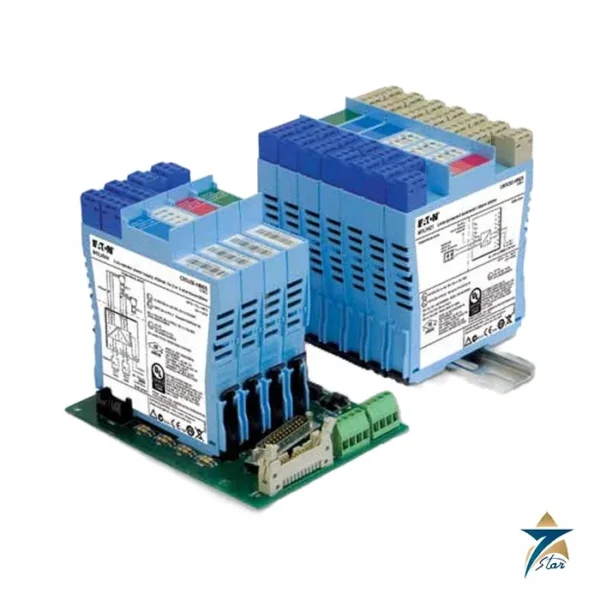
MTL4544D feeds a transmitter and serves two receivers

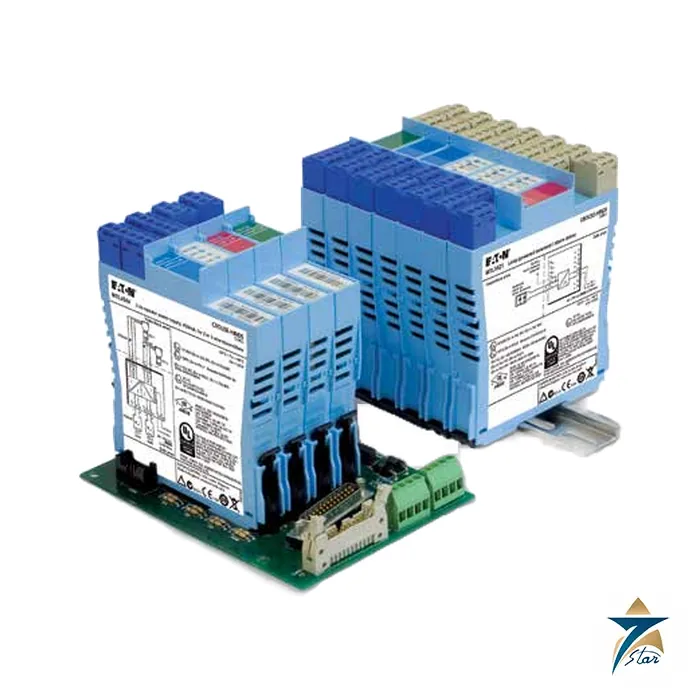
A common instrument-loop problem is that a field transmitter must report to two systems, for example a DCS and an emergency shutdown logic solver. The MTL MTL4544D handles this with a single channel and two safe-area outputs. It powers a 2- or 3-wire transmitter from a floating supply, then repeats the loop current into both outputs. For 2-wire HART transmitters it permits bi-directional communication superimposed on the 4-20 mA current.

MTL4544D data table

Model MTL4544D
Type repeater power supply, 4-20 mA, HART, two outputs
Channels one input, two outputs
Transmitter 2- or 3-wire, Zone 0 IIC T4-T6 if certified; Div. 1 Group A
Transmitter voltage 16.5 V at 20 mA
Hazardous-area input range 0 to 24 mA
Safe-area output range 4 to 20 mA; 0 to 24 mA under/over-range
Load at 20 mA 0 to 450 ohm
Load at 24 mA 0 to 360 ohm
Output resistance above 1 megohm
Output ripple below 50 microamps peak to peak
Transfer accuracy better than 15 microamps
Temperature drift below 0.8 microamp per degree C
Current consumption 96 mA at 24 V (20 mA signals)
Dissipation 1.4 W at 24 V
Safety (terminals 2 to 1 and 3) Uo 28 V, Io 93 mA, Po 651 mW, Um 253 V

Why the MTL4544D uses more supply current than a plain repeater

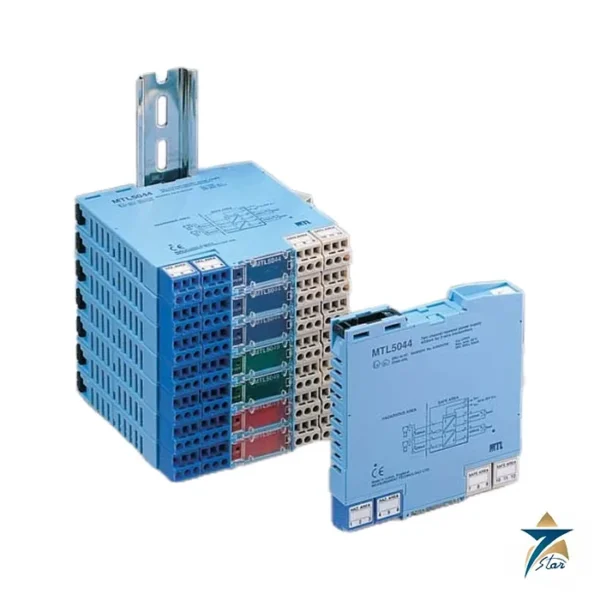
At 96 mA from 24 V, the MTL4544D draws roughly double the 45 mA of the MTL4541A, because it energises the transmitter as well as repeating the signal. That is where the 1.4 W dissipation comes from, compared with 0.8 W for the passive repeater. Cabinet designers placing many modules on adjacent backplane slots should use these figures when working out the heat budget; ten modules dissipate about 14 W and take about 0.96 A.

The terminals 1 to 3 are classed as simple apparatus, at 1.5 V, 0.1 A and 25 mW, and can be connected without extra certification into any intrinsically safe loop below 28 V.

Choosing MTL4544D versus MTL4541A and MTL4541T

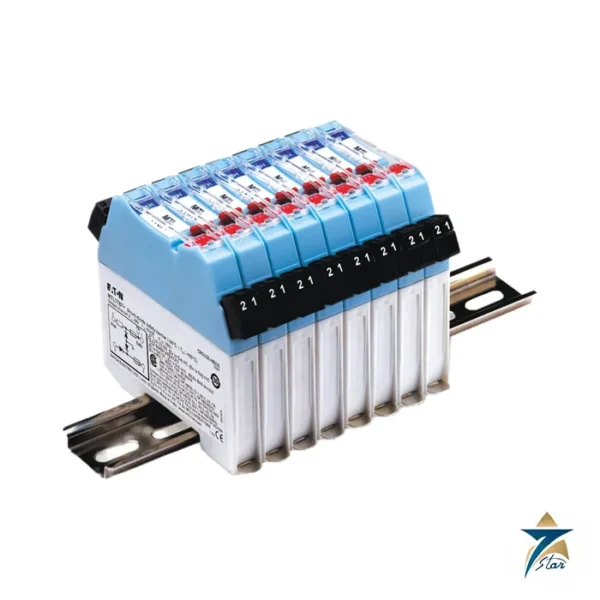
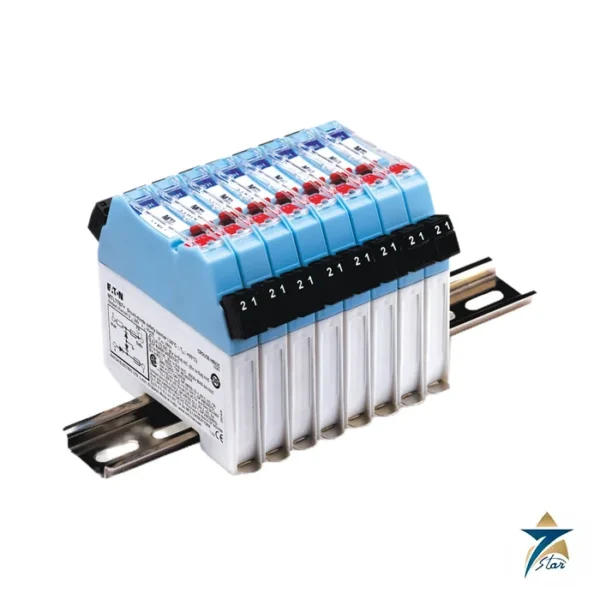
Use the MTL4541A for self-powered transmitters, the MTL4541T for 2- or 3-wire transmitters on long field lines, and the MTL4544D when a second safe-area output is required. The MTL4544D also exists as the DIN-rail MTL5544D,.

For HART, remember only output Ch 1 supports bi-directional communication, so connect the HART-capable receiver there.

Where the MTL4544D is applied in the Gulf

Dual reporting of one measurement is routine in oil, gas and petrochemical plants: a pressure transmitter on a separator reports to the basic process control system and to a shutdown system, or a level transmitter is repeated to a local indicator. Power and water utilities use the same arrangement where a vendor package needs a copy of a plant signal.

Because the datasheet lists the unit for system-vendor style projects, expect it in DCS, ESD and F and G marshalling racks.

Fitting, wiring and checks for MTL4544D

Slot the module into its backplane position and plug in the hazardous-area connector. Wire the transmitter between the terminals indicated in the manufacturer diagram, with the 4-wire option permitted when the current source is separately powered. Verify the loop by injecting a simulated 4-20 mA and measuring both outputs; they should agree to better than 15 microamps. Check the voltage at the transmitter and confirm it is above the minimum operating voltage at 20 mA.

Because the module is SIL3 capable as a single device, the proof-test procedure from the safety manual should be applied if it is used in a safety function.

Care and spares for the MTL4544D

Mark both safe-area destinations at the connector so that a replaced module is not wired to the wrong loop. Seven Star LLC is an independent supplier serving Oman and the GCC and is not affiliated with the manufacturer.

Working through a two-receiver loop with MTL4544D

Consider a transmitter that must report to a DCS card of 250 ohm and an ESD card of 250 ohm. Each output sees 5 V at 20 mA, well inside the 450 ohm capability at 20 mA, and still inside the 360 ohm limit at 24 mA. Add 50 ohm of cable to each receiver and the load is 300 ohm, 7.2 V at 24 mA, still comfortably supported. The transmitter itself sees 16.5 V at 20 mA from the module, so with a transmitter minimum operating voltage of about 12 V there is headroom for cable resistance.

The two outputs are repeats of the same current, so they track within the 15 microamp transfer accuracy of the input. A sensible practice is to tag the second output on the loop drawing as a repeat, so that technicians do not mistake it for a second transmitter.

Because the over-range extends to 24 mA at both the input and the outputs, failure currents reported by smart transmitters, such as 3.6 mA or 21 mA, pass through. The output ripple under 50 microamps and drift under 0.8 microamp per degree C keep the repeated signals clean over a wide cabinet temperature range, up to the rated plus 60 degrees C operating limit.

Allow for installation order too. Because the module supplies the transmitter, an unconnected input behaves as an open circuit and both outputs fall to zero, which a control system reads as a failure. During commissioning of a new loop it is therefore wise to connect the transmitter before enabling the alarm on the receiving cards, otherwise a flood of failure alarms is generated while the field work is still in progress.

Documents and quotation

The dataset covers approvals and safety manual references. Send an RFQ naming MTL4544D, quantity and delivery location in Oman or the GCC.

Documentation and Compliance

Industrial buyers often need more than the hardware. When you order the MTL MTL4544D, tell us which documents your project or quality team requires, such as certificates of origin, conformity declarations, calibration or test records, or hazardous-area certificates where the variant carries them. Mentioning these at the enquiry stage avoids delays at customs and at goods receipt on site. For tenders and project packages, we can also align the quotation with your line-item format so that MTL (Eaton) isolator & barrier items can be checked against the bill of materials quickly.

Datasheets & Documents
  • PDF Datasheet MTL MTL4544D Dual-Output Repeater Power Supply Datasheet Download
Reviews (0)

Reviews

There are no reviews yet.

How would you rate this product?

It takes about 10 seconds — just tap a star. Your email is never published.

About brand

MTL is a British maker of intrinsic safety interfaces, surge protection and hazardous-area equipment, founded in 1971 in Luton as Measurement Technology Ltd, a spin-off from Kent Instrumentation. In 2008 Cooper Industries bought MTL Instruments for £144 million and placed it in its Crouse-Hinds division; Eaton acquired Cooper in 2012. MTL is now part of Eaton's Crouse-Hinds business, alongside the MEDC signalling range.

Seven Star LLC lists MTL isolators, a fieldbus barrier and the configuration tools for them, and supplies MTL (Eaton) barriers and spare modules to sites in Oman as an independent supplier.

MTL (Eaton) company profile

Founded 1971, Luton, England, as Measurement Technology Ltd
Origin Spin-off from Kent Instrumentation
Headquarters Luton, England
Ownership Eaton (Crouse-Hinds), via Cooper Industries from 2008
Product families MTL5500 and MTL4500 isolators, MTL7700 zener barriers, 9300 fieldbus barriers, surge protection devices, process junction boxes, PCS45 configuration software; MEDC beacons, sounders and call points

Milestones

  • 1971: Measurement Technology Ltd is founded in Luton.
  • 2007: MTL acquires ELPRO Technologies, RTK Instruments and Ocean Technical Systems.
  • 2008: Cooper Industries acquires MTL Instruments for £144 million.
  • 2012: Eaton acquires Cooper Industries.

MTL product families listed here

Most of the listed items are DIN-rail galvanic isolators. The MTL5541 repeater power supply and the MTL5576-THC temperature converter belong to the MTL5500 range, and the MTL 5043 repeater power supply comes from the earlier MTL5000 range that many plants still run. The MTL 9370-FB2 is a fieldbus barrier for intrinsically safe FOUNDATION fieldbus spurs. PCS45 software with the PCL45USB link is the configurator for MTL converter modules. For the listed part CPM08-BN, please send a label photo so the number can be matched to the manufacturer's records. Newer labels show Eaton MTL, older ones Measurement Technology Ltd, and the module numbers are the same. The MTL 9608 is a fieldbus junction box with eight spur outlets plus a trunk-in connection, listed under the Crouse-Hinds series part number FCS-9608.

Where MTL barriers and isolators are used

These interfaces sit in marshalling cabinets wherever instruments are located in Zone 0, 1 or 2 areas: gas plants, refineries, offshore platforms, tank farms and chemical units across the GCC. They power 2-wire transmitters, pass HART, convert thermocouple signals and drive solenoids or alarms while limiting energy to the field circuit.

MTL (Eaton) products we list

Family Examples
Isolator & Barrier Eaton MTL5541 Repeater Power Supply, MTL 5043, MTL 9370-FB2 Intrinsically Safe Fieldbus…, MTL CPM08-BN, MTL5576-THC Temperature Isolator Module
Automation Accessories MTL 9608 Process Junction Box
Automation Software MTL PCS45 Configuration Software and PCL…

Ordering MTL modules: what we need

Send the full module number including every suffix, for example MTL5576-THC and not just MTL5576, and the quantity. Tell us if the module mounts on DIN rail or on a backplane, because MTL5500 and MTL4500 parts are not interchangeable. For a fieldbus barrier give the number of spurs and the enclosure reference. A photo of the side label, which shows the certificate numbers, helps when the certificate for your project file must match.

Facts checked against the Eaton MTL company history and Drives & Controls coverage of the 2008 Cooper offer, October 2026.

FAQ

Questions about the MTL MTL4544D Dual-Output Repeater Power Supply

Answers from our engineering team on installation, compatibility and integration.

01What does the MTL4544D supply to the transmitter?
A fully floating dc supply that gives 16.5 V at 20 mA to a conventional 2- or 3-wire 4-20 mA transmitter in the hazardous area.
02How many safe-area outputs does it have?
Two. The current is repeated into two separate safe-area loads, so one transmitter can serve a control system and a second device such as a recorder.
03Which output carries HART?
HART communication is supported on terminals 1 and 2 with output Ch 1 only. Separately powered 4-wire sources can be connected but do not support HART.
04What loads can each output drive?
0 to 450 ohm at 20 mA and 0 to 360 ohm at 24 mA, with an output resistance above 1 megohm.
05What is its SIL capability?
The datasheet states SIL3 capable for a single device with hardware fault tolerance of zero, assessed under IEC 61508:2010.