Brand:

MTL MTL7766Pac Strain Gauge Supply Barrier

Description

MTL7766Pac at a glance

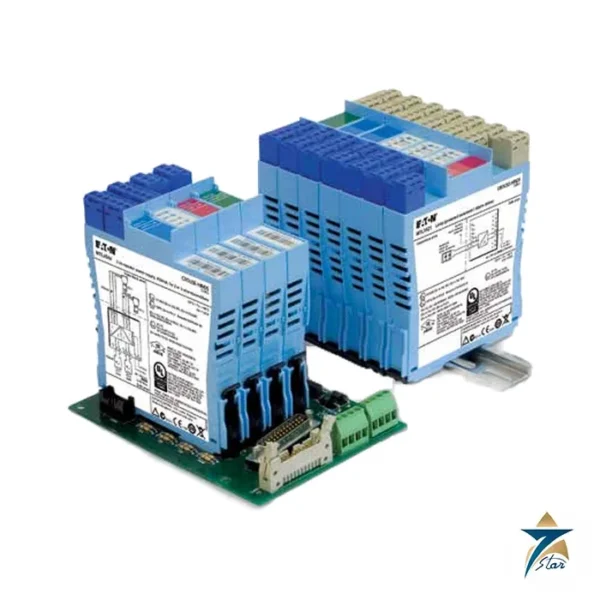
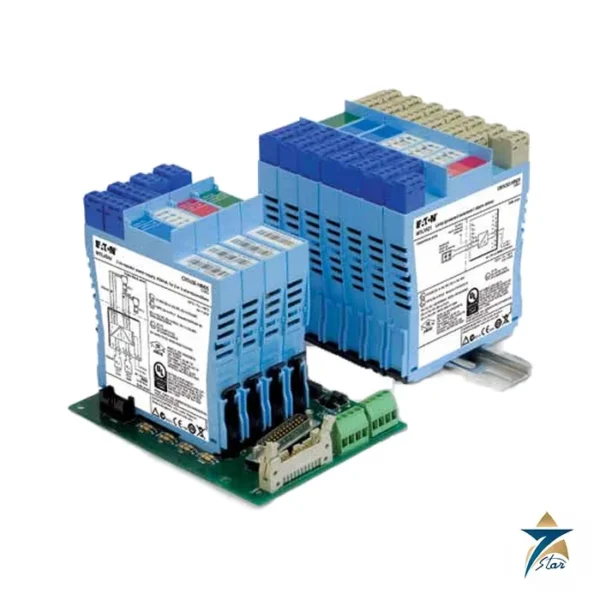
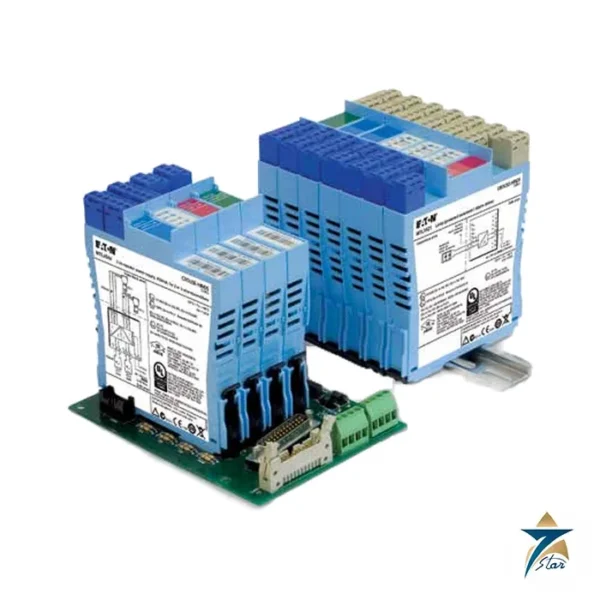
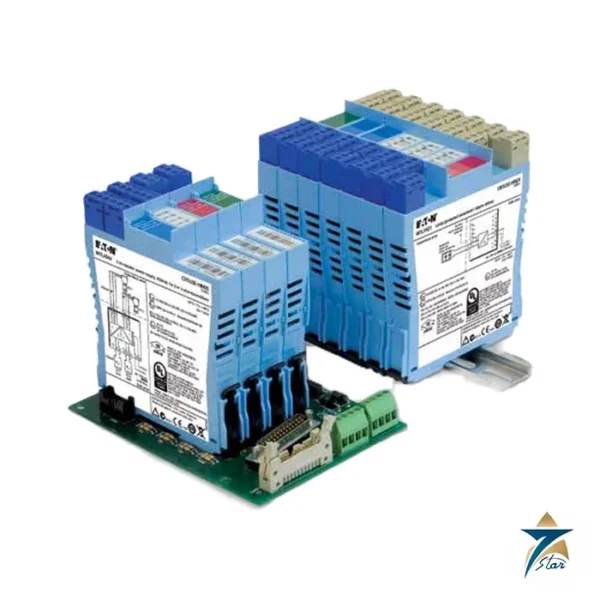
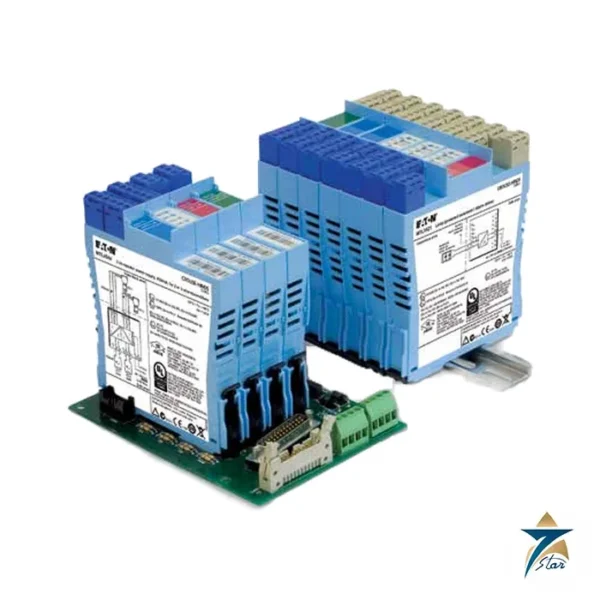
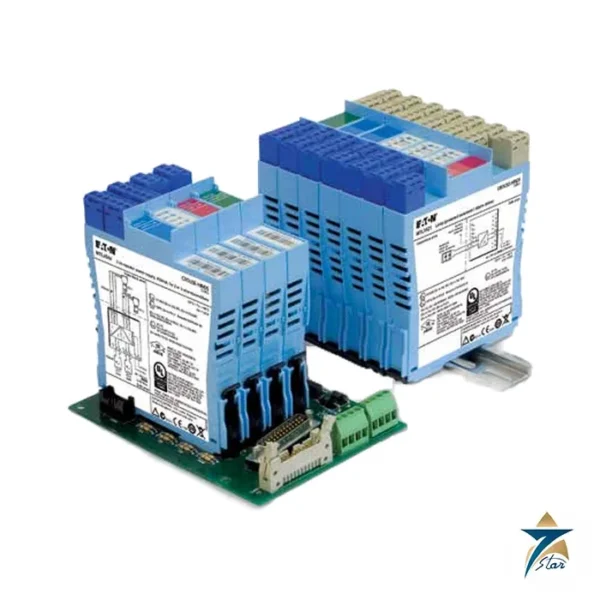
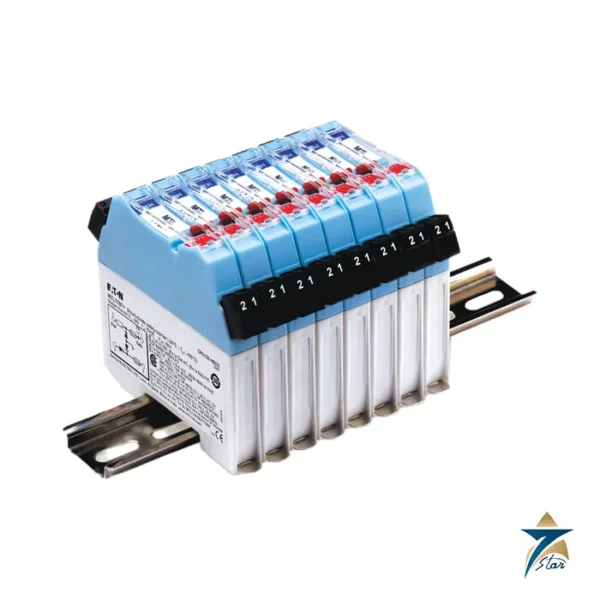
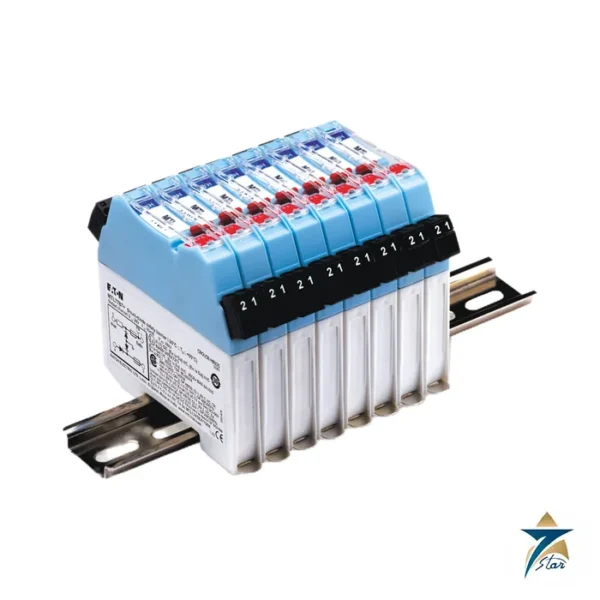
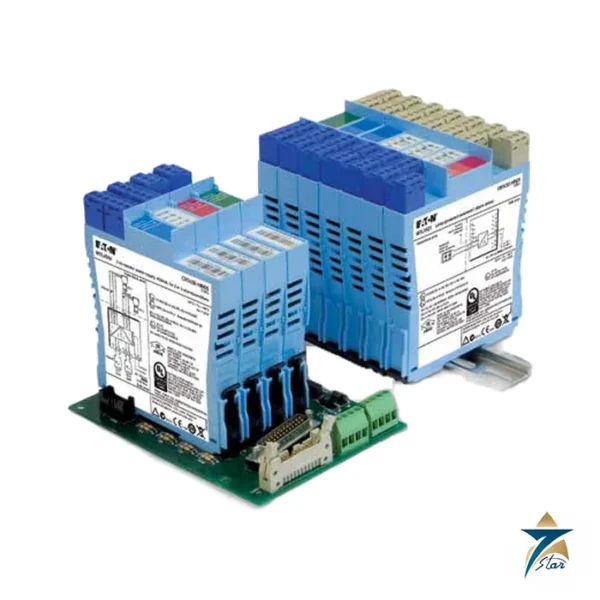
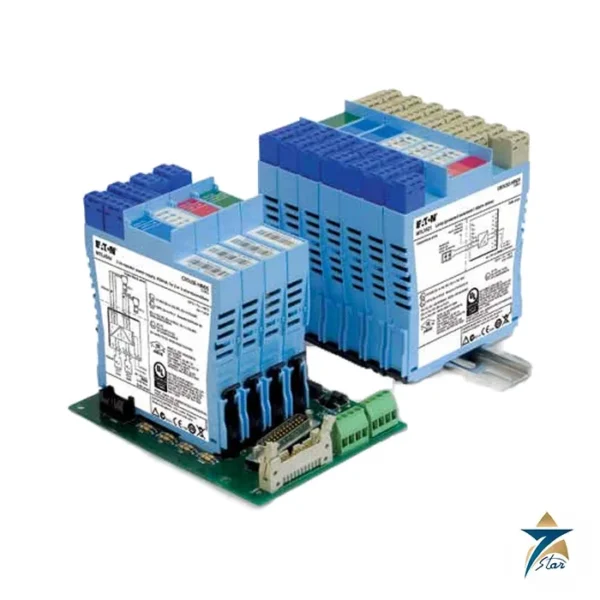
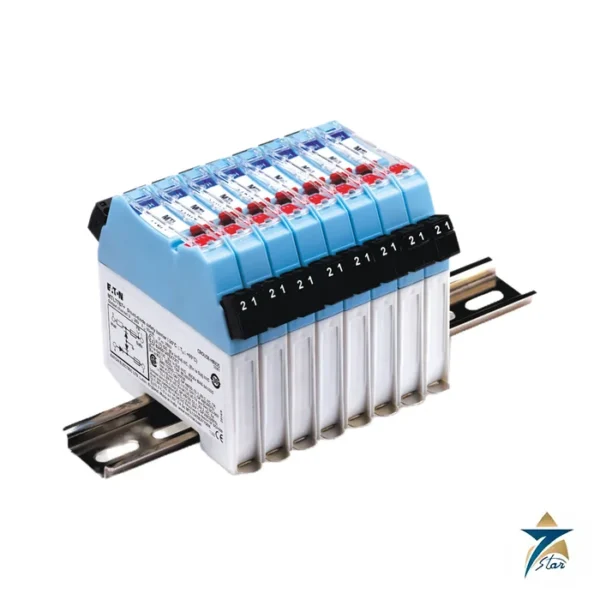
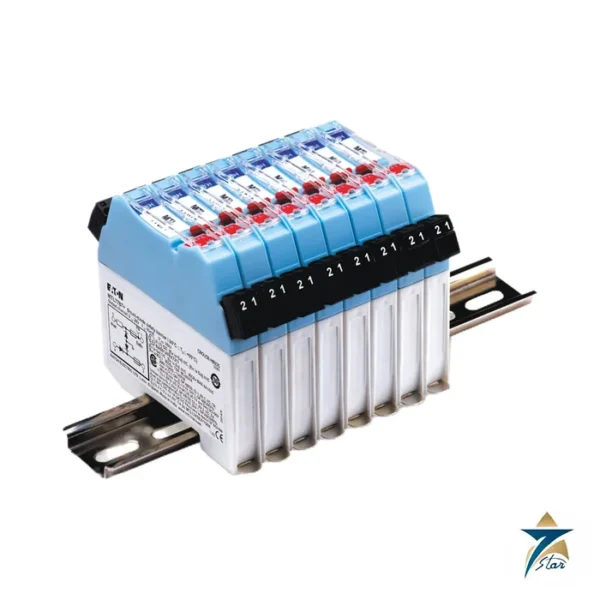
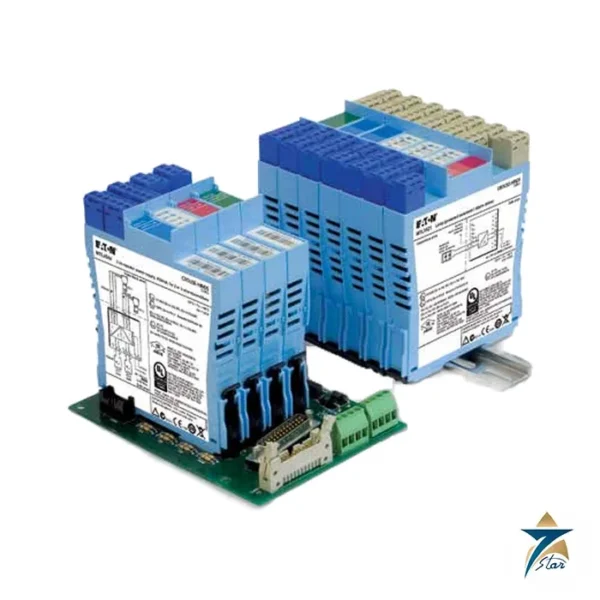
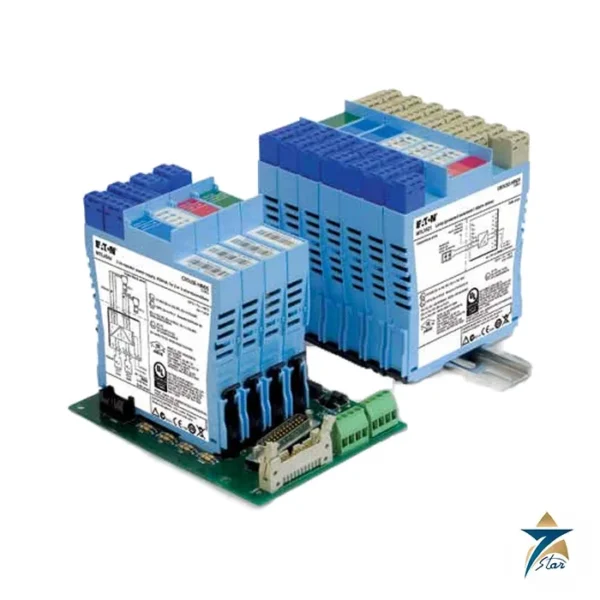
MTL7766Pac is the powering barrier for load cells in the MTL7700 range. Where the MTL7761 types listen to a bridge, this module drives it, using a 12 V, 75 ohm, 157 mA safety description per channel. The end-to-end resistance is only 92 ohm, the working voltage is 9.6 V and the maximum is 10.5 V, behind a 100 mA fuse.

Numbers that matter: MTL7766Pac versus MTL7766ac

Both parts share the 12 V voltage limit, so the difference is entirely in the resistor and fuse. The MTL7766ac uses 150 ohm, 80 mA and 174 ohm end to end with a 50 mA fuse. The MTL7766Pac halves the resistor to 75 ohm, raising the permitted short-circuit figure to 157 mA and bringing end-to-end resistance down to 92 ohm. Lower resistance means a smaller voltage drop for the same bridge current, so more excitation reaches a 350 ohm gauge.

Parameter MTL7766Pac
Safety description per channel 12 V, 75 ohm, 157 mA
End-to-end resistance 92 ohm
Working voltage 9.6 V
Maximum voltage 10.5 V
Fuse 100 mA
Polarity non-polarised (ac)
Application strain-gauge bridges
MTL7000 equivalents MTL7066Pac, MTL7166Pac
MTL700 equivalent MTL766Pac
Gas group IIC
Working temperature -20 to +60 degrees C
Humidity 5 to 95 percent RH
Terminals plug-in, up to 2.5 mm2
Weight about 140 g

The two-bridge circuit built around MTL7766Pac

In the manufacturer example, an MTL7766Pac with a supply of plus and minus 10 V energises the bridges while two MTL7761Pac barriers pick off the sense and mV signals. With 350 ohm bridge elements the available voltage is 13.11 V for one bridge and 9.75 V for two. Those figures help a system designer decide whether the load cell amplifier gets enough headroom, and they are the reason the Pac version is preferred when several cells share one feed.

Where buyers in Oman and the GCC use the MTL7766Pac

Platform scales at gas processing sites, weigh bridges for tankers loading fuel, batching hoppers in cement and chemicals plants, and dosing tanks in water treatment can all place load cells in a classified area. The barrier sits in the safe-area cabinet and the cell remains in the field.

Typical purchasers are control-system integrators and maintenance planners who hold a bill of materials with the exact part number and need a like-for-like barrier.

Practical checks before ordering MTL7766Pac

  • Confirm the load cell bridge resistance, since 350 ohm is the figure used in the datasheet example
  • Confirm the excitation supply is within the 9.6 V working limit at the barrier
  • Check cable parameters against the certification
  • Check that the instrument earth is a high-integrity connection
  • Decide how many bridges share the supply, since voltage falls from 13.11 V to 9.75 V when a second bridge is added

Fitting and testing the MTL7766Pac

Clip the module onto 35 mm rail and wire the removable plugs. Verify with a multimeter that the end-to-end resistance of each channel is close to the datasheet 92 ohm at 20 degrees C before connecting the field cell. A reading far above that suggests an open fuse.

Finish by applying a known mass to the load cell and checking the amplifier reading. Because the module is non-polarised, polarity mistakes at the safe-area side will not damage it.

Maintenance outlook

Zener barriers age slowly. Include the MTL7766Pac in routine loop checks, confirming resistance and earth continuity, and photograph the terminal tagging before any shutdown. Seven Star LLC is an independent supplier serving Oman and the GCC and is not affiliated with the manufacturer.

Sizing the excitation: a worked reading of the datasheet figures

The two-bridge example makes clear how the barrier resistance limits excitation. With a plus and minus 10 V supply the loop sees a total of 20 V across the bridge and the two channels. Each 75 ohm channel with its fuse behaves as roughly 92 ohm in the path, so the voltage left for one 350 ohm bridge is 13.11 V, and when a second bridge is added in parallel the bridge resistance halves and the voltage across the pair falls to 9.75 V. A different barrier with 174 ohm per channel would leave noticeably less for the same arrangement.

This is the practical benefit of the Pac type. It lets a load cell amplifier receive a higher excitation voltage and therefore produce a larger millivolt signal for the same load, improving signal-to-noise ratio in noisy plant cabinets.

Check that the amplifier excitation range accepts the resulting figure. Many weighing indicators regulate excitation themselves, so the barrier drop must stay inside the headroom they require.

Hold one spare for each weighing loop group. Mark the DIN rail position in the as-built drawing so that a replacement is installed in the same slot and the tag strip still matches. Do not mix Pac and non-Pac types within a loop, since the differing resistors change the bridge excitation.

When planning panel layout, reserve space for the tag strip. The TH7700 tag holder clips onto the top of each module so that the loop tag can be read from the front without disturbing wiring. A bridge supply fault is easier to trace when the barrier is labelled with both the load cell tag and the junction box number.

The bridge supply is also the part of a weighing loop that most affects zero stability. Because a Zener barrier does not regulate, the excitation seen by the cell follows the supply at the barrier, so use a stable plus and minus 10 V source and confirm it under load. The datasheet working voltage of 9.6 V and maximum of 10.5 V for this module define the limits within which the barrier will not conduct, and staying within them avoids leakage that would creep into the bridge reading.

Documents and quotation

Request the datasheet for the MTL7700 range together with your quotation. State MTL7766Pac, your quantity and the delivery location in the RFQ, and any matching MTL7761Pac units needed for the same weighing loop.

Datasheets & Documents
  • PDF Datasheet MTL MTL7766Pac Strain Gauge Supply Barrier Datasheet Download
Reviews (0)

Reviews

There are no reviews yet.

How would you rate this product?

It takes about 10 seconds — just tap a star. Your email is never published.

About brand

MTL is a British maker of intrinsic safety interfaces, surge protection and hazardous-area equipment, founded in 1971 in Luton as Measurement Technology Ltd, a spin-off from Kent Instrumentation. In 2008 Cooper Industries bought MTL Instruments for £144 million and placed it in its Crouse-Hinds division; Eaton acquired Cooper in 2012. MTL is now part of Eaton's Crouse-Hinds business, alongside the MEDC signalling range.

Seven Star LLC lists MTL isolators, a fieldbus barrier and the configuration tools for them, and supplies MTL (Eaton) barriers and spare modules to sites in Oman as an independent supplier.

MTL (Eaton) company profile

Founded 1971, Luton, England, as Measurement Technology Ltd
Origin Spin-off from Kent Instrumentation
Headquarters Luton, England
Ownership Eaton (Crouse-Hinds), via Cooper Industries from 2008
Product families MTL5500 and MTL4500 isolators, MTL7700 zener barriers, 9300 fieldbus barriers, surge protection devices, process junction boxes, PCS45 configuration software; MEDC beacons, sounders and call points

Milestones

  • 1971: Measurement Technology Ltd is founded in Luton.
  • 2007: MTL acquires ELPRO Technologies, RTK Instruments and Ocean Technical Systems.
  • 2008: Cooper Industries acquires MTL Instruments for £144 million.
  • 2012: Eaton acquires Cooper Industries.

MTL product families listed here

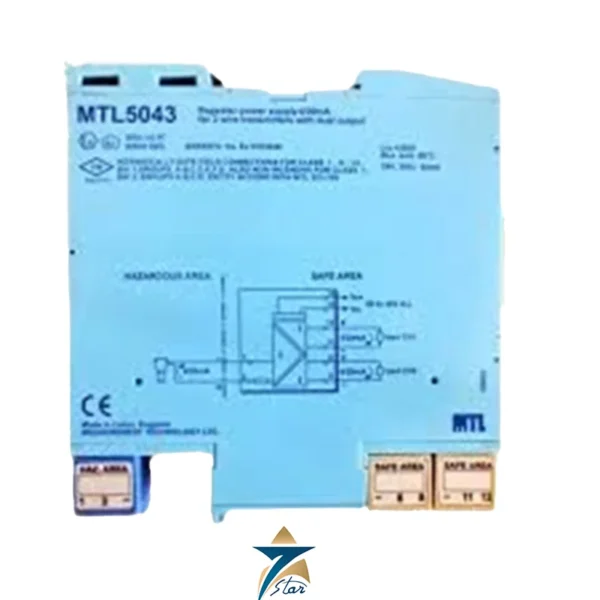
Most of the listed items are DIN-rail galvanic isolators. The MTL5541 repeater power supply and the MTL5576-THC temperature converter belong to the MTL5500 range, and the MTL 5043 repeater power supply comes from the earlier MTL5000 range that many plants still run. The MTL 9370-FB2 is a fieldbus barrier for intrinsically safe FOUNDATION fieldbus spurs. PCS45 software with the PCL45USB link is the configurator for MTL converter modules. For the listed part CPM08-BN, please send a label photo so the number can be matched to the manufacturer's records. Newer labels show Eaton MTL, older ones Measurement Technology Ltd, and the module numbers are the same. The MTL 9608 is a fieldbus junction box with eight spur outlets plus a trunk-in connection, listed under the Crouse-Hinds series part number FCS-9608.

Where MTL barriers and isolators are used

These interfaces sit in marshalling cabinets wherever instruments are located in Zone 0, 1 or 2 areas: gas plants, refineries, offshore platforms, tank farms and chemical units across the GCC. They power 2-wire transmitters, pass HART, convert thermocouple signals and drive solenoids or alarms while limiting energy to the field circuit.

MTL (Eaton) products we list

Family Examples
Isolator & Barrier Eaton MTL5541 Repeater Power Supply, MTL 5043, MTL 9370-FB2 Intrinsically Safe Fieldbus…, MTL CPM08-BN, MTL5576-THC Temperature Isolator Module
Automation Accessories MTL 9608 Process Junction Box
Automation Software MTL PCS45 Configuration Software and PCL…

Ordering MTL modules: what we need

Send the full module number including every suffix, for example MTL5576-THC and not just MTL5576, and the quantity. Tell us if the module mounts on DIN rail or on a backplane, because MTL5500 and MTL4500 parts are not interchangeable. For a fieldbus barrier give the number of spurs and the enclosure reference. A photo of the side label, which shows the certificate numbers, helps when the certificate for your project file must match.

Facts checked against the Eaton MTL company history and Drives & Controls coverage of the 2008 Cooper offer, October 2026.

FAQ

Questions about the MTL MTL7766Pac Strain Gauge Supply Barrier

Answers from our engineering team on installation, compatibility and integration.

01Why does the MTL7766Pac suit bridge supply lines?
Its 75 ohm channel and 92 ohm end-to-end resistance leave more voltage for the bridge than higher-resistance barriers, which the datasheet calls out as an advantage when two load cells share a supply.
02What bridge voltages does the datasheet quote with the MTL7766Pac?
Using 350 ohm bridges and a 10 V supply on each polarity, one bridge receives 13.11 V and two bridges receive 9.75 V.
03What is the fuse rating of the MTL7766Pac?
The specification table gives 100 mA, double the 50 mA of the MTL7766ac sibling, which suits the higher 157 mA short-circuit description.
04Which older parts does it replace in the correlation table?
It corresponds to the MTL7066Pac and MTL7166Pac in the MTL7000 range and the MTL766Pac in the MTL700 range.
05Is the MTL7766Pac certified for IIC?
Yes. All MTL7700 barriers are certified for IIC apart from the MTL7707P+ and MTL7729P+, so the 12 V, 75 ohm, 157 mA description applies to all hazardous gas groups.