Brand:

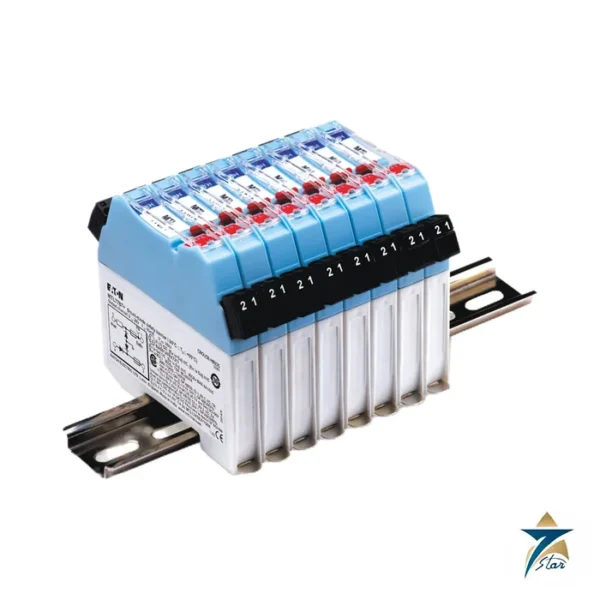
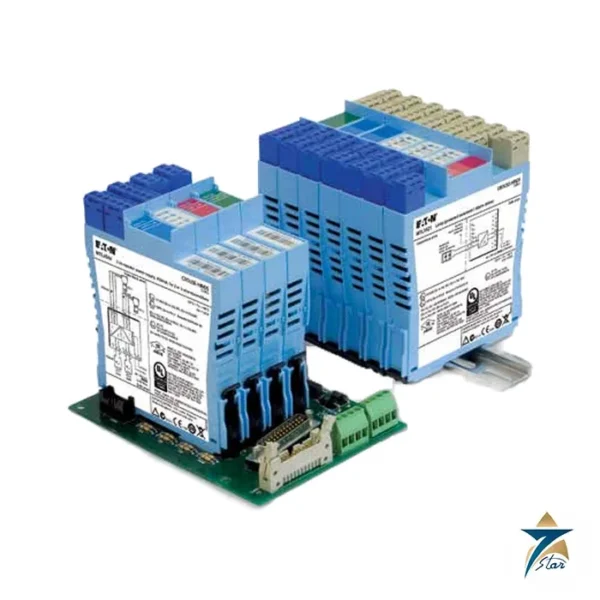
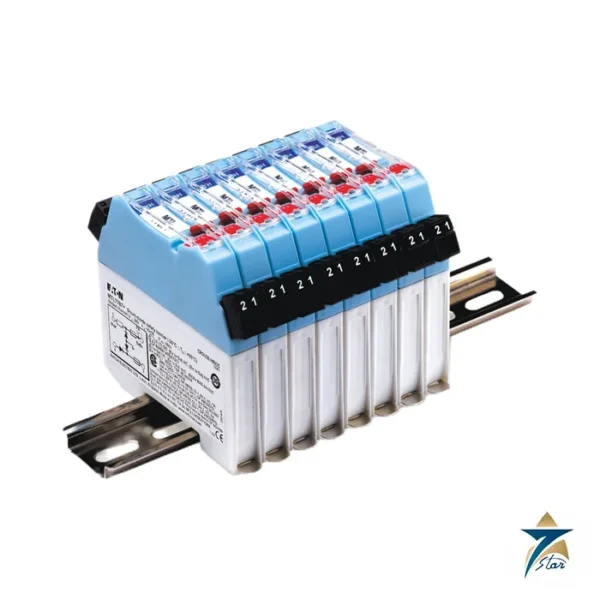
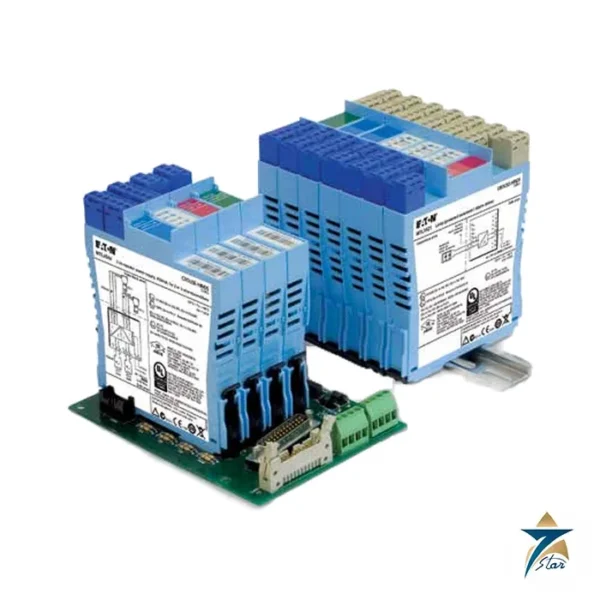
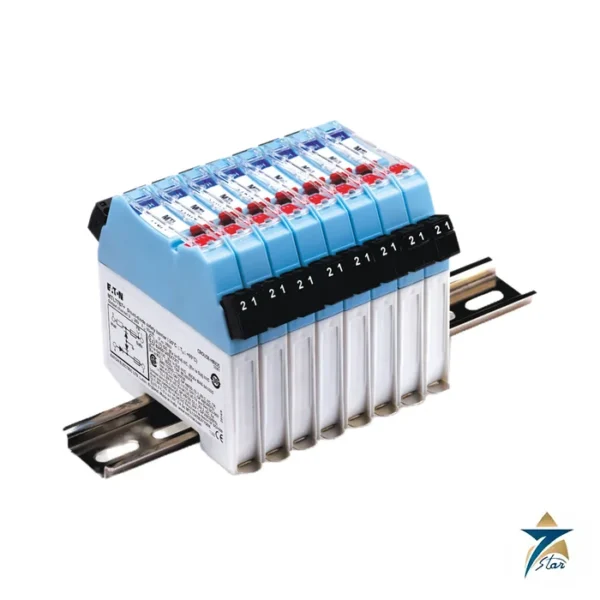
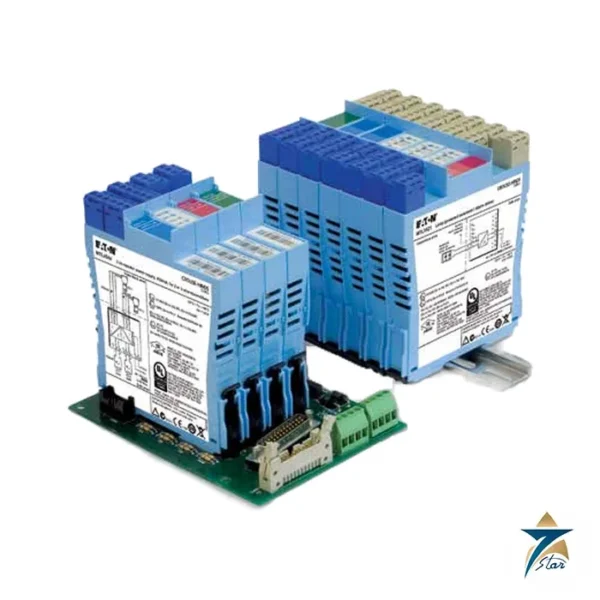
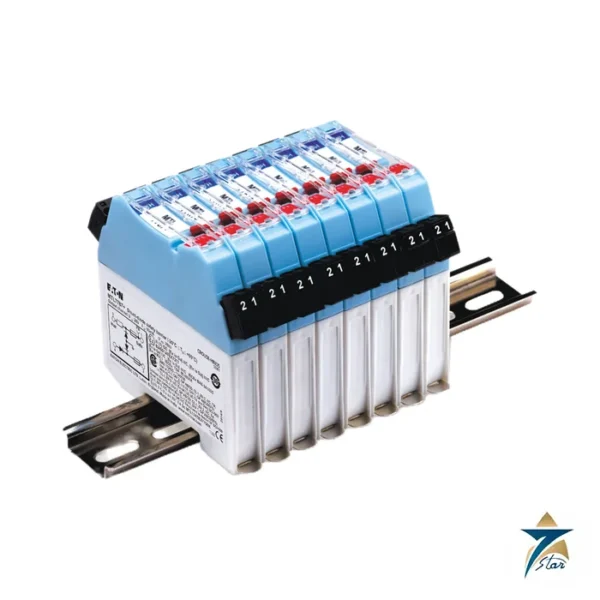
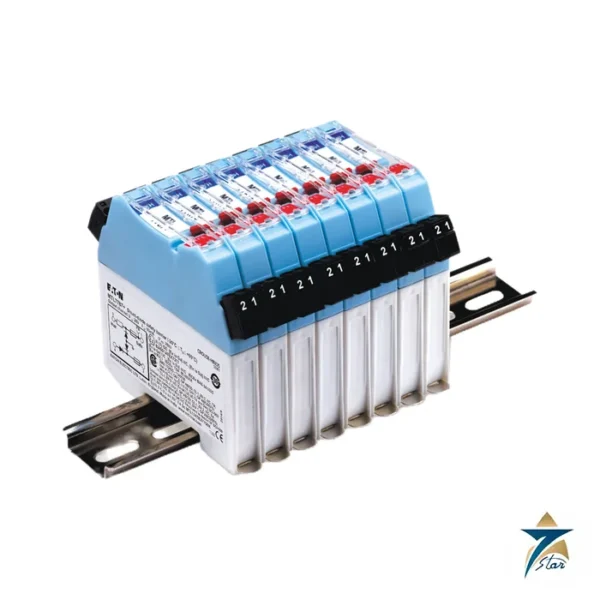
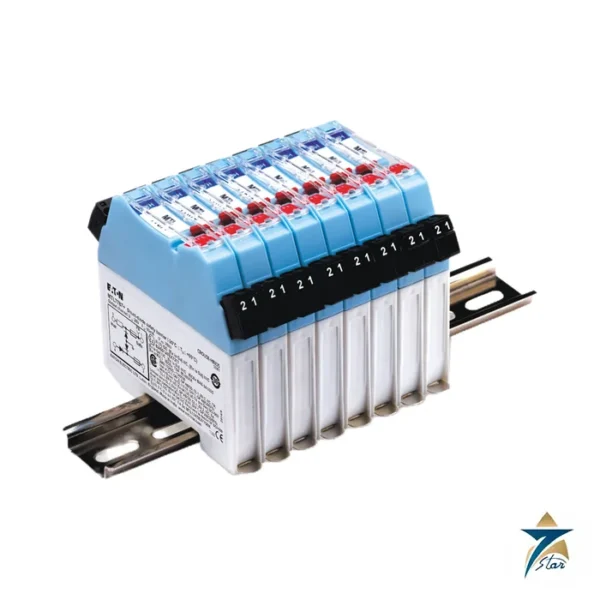
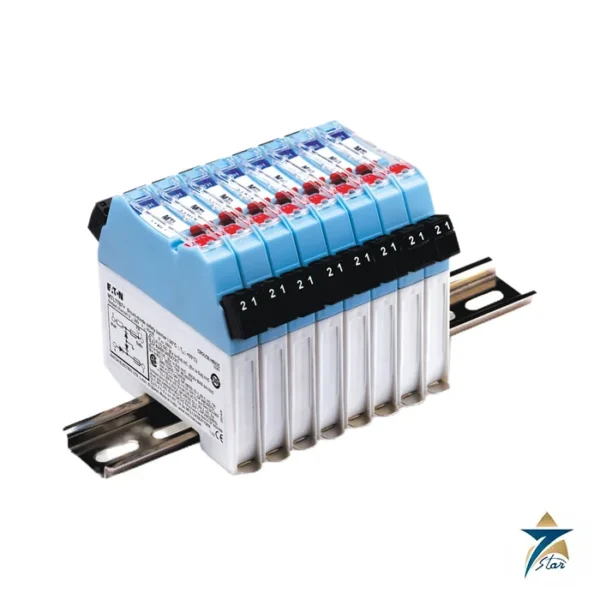
MTL MTL5582B RTD Resistance Isolator

Description

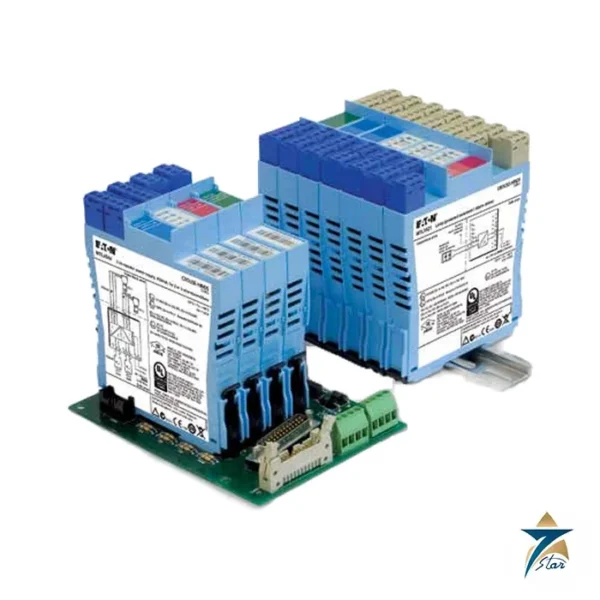
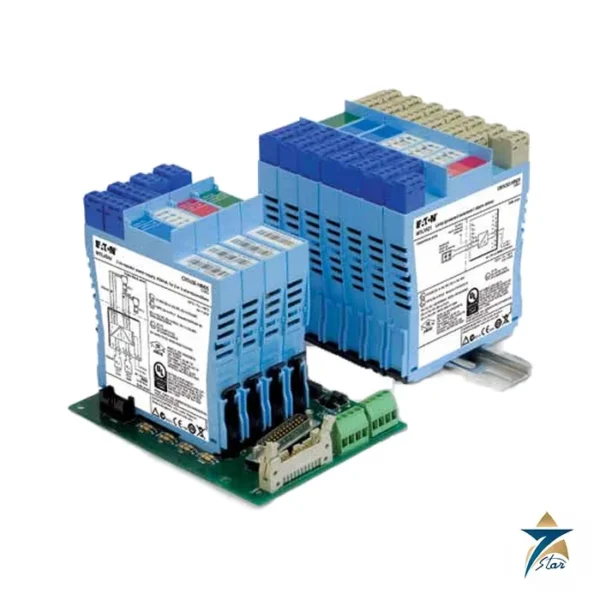
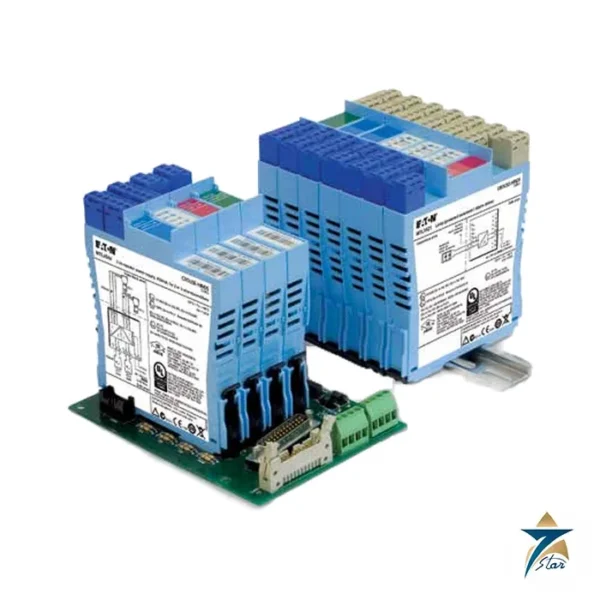
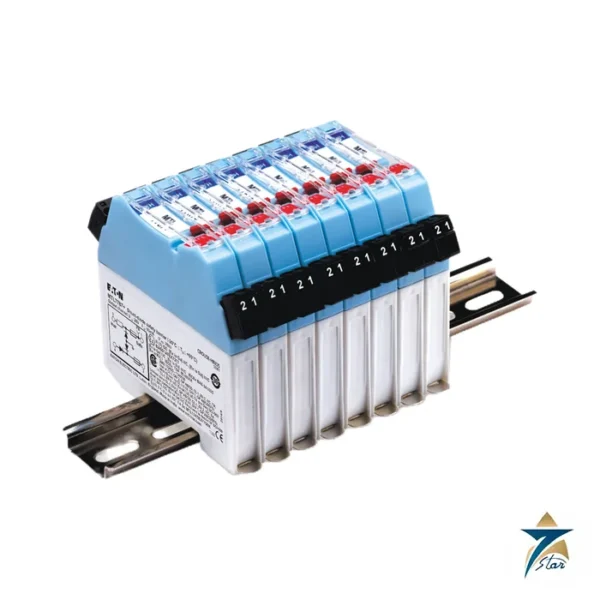
MTL5582B repeats resistance rather than converting it

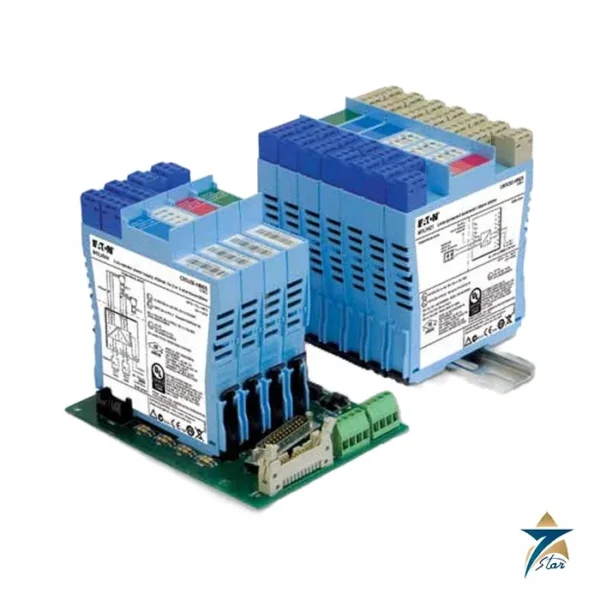
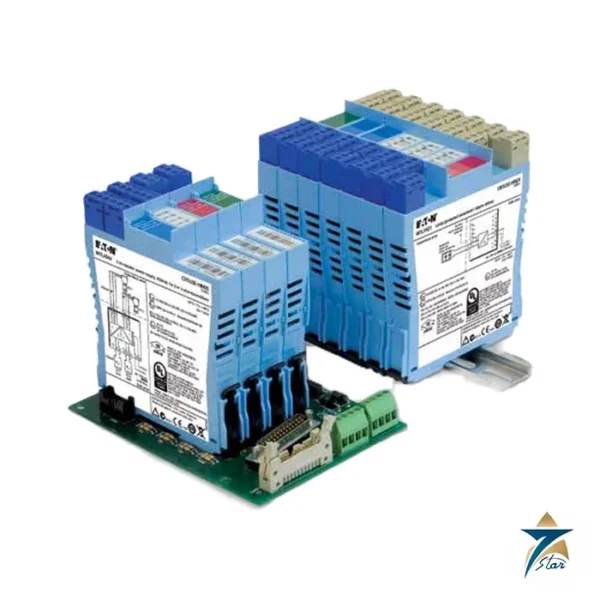
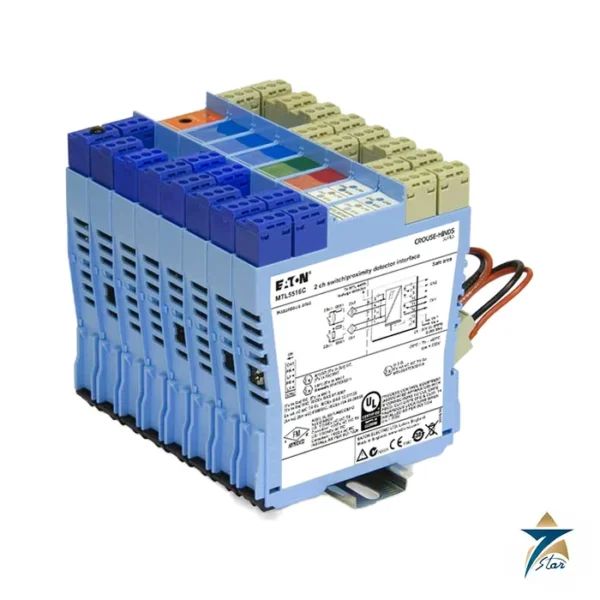
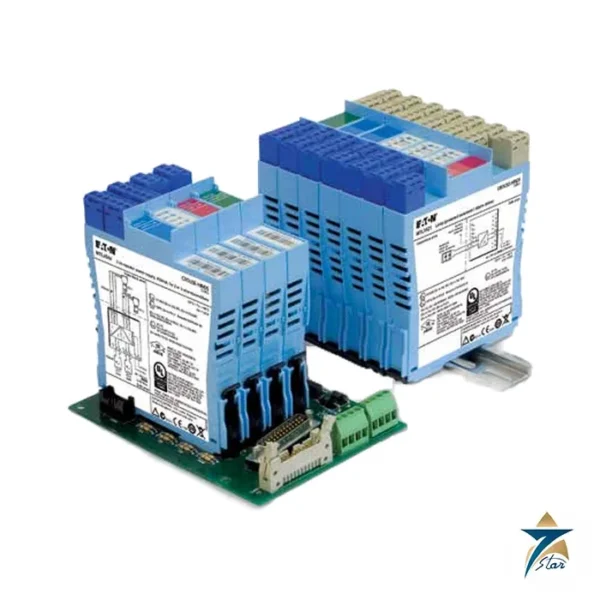
Not every control system wants a 4-20 mA signal from a temperature sensor. Some wish to wire an RTD directly to an input card that measures resistance. The MTL MTL5582B solves this: it connects to a 2-, 3- or 4-wire RTD in a hazardous area, isolates it, and presents the same resistance to the safe-area equipment. The manufacturer positions it as a non-configurable alternative to the MTLx575 for applications where a resistance input is preferred.

MTL5582B specification

Model MTL5582B
Function resistance isolator, repeats RTD signals
Channels one
Sensor 2-, 3- or 4-wire RTD, 100 ohm at 0 degrees C (BS 1904 / DIN 43760)
Resistance range 10 to 400 ohm
Excitation current 200 microamps nominal
Output range 10 to 400 ohm from a 100 microamp to 5 mA source
Open-circuit action upscale, nominal 420 ohm
Transfer accuracy better than 0.15 ohm at 1 to 5 mA; better than 0.25 ohm at 0.5 to 1 mA
Drift 10 milliohm per degree C typical
Response within 4 percent of final value in 1 s
Current draw 33 mA at 24 V; 35 mA at 20 V; 28 mA at 35 V
Dissipation 0.8 W at 24 V; 1.0 W at 35 V
Safety (terminals 1 and 3) Uo 1.2 V, Io 4 mA, Po 1.2 mW
Safety (terminals 1, 3, 4, 5) Uo 6.51 V, Io 10 mA, Po 17 mW
LED green, power

Wire count flexibility: a feature of the MTL5582B

The datasheet stresses that the number of wires on the safe-area side does not have to match the hazardous-area side. A 3-wire RTD can be repeated as a 4-wire output if the receiving system needs it, or the other way around. The switches select the mode and the module ships set for 3-wire, which suits the Pt100 three-wire sensors that make up most installations.

This is handy during a control-system upgrade where the sensors stay but the input cards change.

Comparison with MTL5576-RTD and MTL5573

MTL5576-RTD and MTL5573 both produce 4-20 mA and are configured from a PC. The MTL5582B needs no software, has a single green power LED and no configuration, and is simple enough that a technician can replace it without a laptop. The datasheet describes it as intended typically for Pt100 3-wire RTDs, 100 ohm at 0 degrees C.

If the sensor is not Pt100, or ranging and linearisation are required in the field, one of the converter types is the right choice.

Uses of MTL5582B in Oman and GCC facilities

Plants that run RTD input cards on older DCS or PLC platforms, motor winding and bearing monitoring in power stations, and temperature monitoring in utilities are the natural fit. Retrofit projects that want to keep the control-system resistance cards but move the sensor into a classified area also use it.

Because the output looks like a resistance, the receiving system’s own linearisation and alarm setpoints stay unchanged.

Installation and checks for MTL5582B

Set the wire switches before energising. Connect the RTD to the hazardous-area plug and the system input to the safe-area plug, supplying 20 to 35 V dc to the power terminals. Verify with a decade resistance box: a 100 ohm input should read 100 ohm at the output within the quoted accuracy. Check the open-circuit action by removing the sensor and confirming a reading near 420 ohm.

Because intrinsically safe parameters are given for different terminal combinations, consult the certificate when connecting non-standard sensors.

Maintenance of MTL5582B

Check the green LED during routine rounds and confirm the switch settings have not been changed. Seven Star LLC is an independent supplier serving Oman and the GCC and is not affiliated with the manufacturer.

Choosing wire mode and testing the MTL5582B

The datasheet quotes a transfer accuracy of better than 0.15 ohm for excitation current between 1 and 5 mA and better than 0.25 ohm between 0.5 and 1 mA. On a Pt100 that is roughly 0.4 and 0.65 degrees C, so a receiving card that applies at least 1 mA gives the better result. The unit draws 33 mA at 24 V, but at 20 V it takes 35 mA and at 35 V only 28 mA, a small swing that eases power-supply sizing for racks of many modules.

When testing, switch to the right wire mode first and then apply resistance values at 10 ohm, 100 ohm and 400 ohm. The output at 10 ohm should read 10 ohm within 0.15 ohm. Remove the sensor leg to prove the upscale response toward 420 ohm.

Safety documentation deserves attention here because the module has low-energy outputs: terminals 1 and 3 are given as 1.2 V, 4 mA and 1.2 mW, so the RTD is treated as simple apparatus, and the wider terminal group 1, 3, 4 and 5 is 6.51 V, 10 mA and 17 mW. Keep these values in the loop certificate.

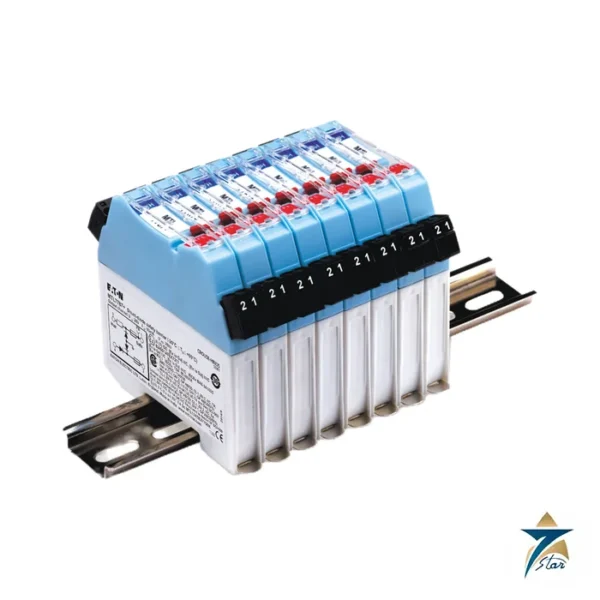
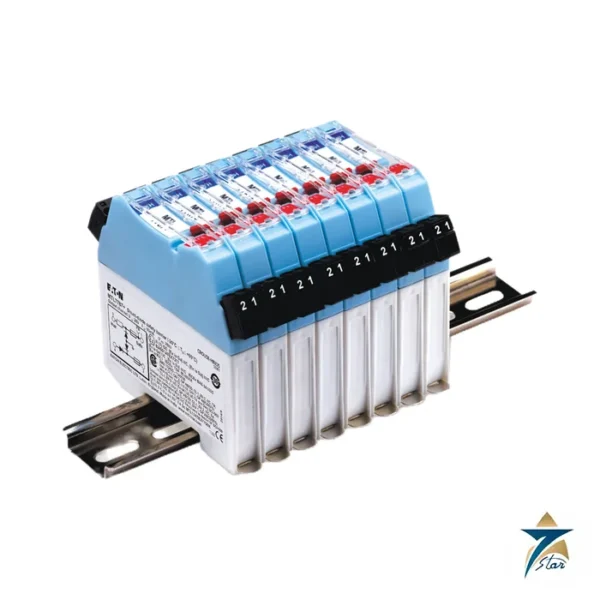
As a final check on suitability, remember the isolator is a single-channel, 16 mm wide DIN-rail module. A row of sixteen modules therefore needs about 256 mm of rail plus the plug-in power bus, and draws between 0.45 A and 0.56 A in total depending on the supply voltage, using the figures 28 mA at 35 V and 35 mA at 20 V. Those small currents allow a modest supply, and the low dissipation of 0.8 W at 24 V keeps cabinet temperature rise low.

Document the switch position on the loop sheet at handover. Because the three modes look identical from the front, a recorded setting saves a site visit later when a technician wonders whether a reading is correct.

Documents and quotation

The 4500/5500 range dataset covers the MTL5582B in full. For a quotation, send an RFQ with MTL5582B, quantity and delivery location in Oman or the GCC.

Typical Questions From Maintenance Teams

Maintenance engineers replacing a MTL MTL5582B usually ask whether the new unit is a direct fit, whether settings can be copied from the old one, and whether any accessories must be ordered separately. The answer depends on the exact order code and the generation of the installed isolator & barrier, so the nameplate details are the best starting point. Send them with your request and we will check the match, point out any differences in connections or options, and list the parts needed so that the job can be finished in one visit.

Datasheets & Documents
  • PDF Datasheet MTL MTL5582B RTD Resistance Isolator Datasheet Download
Reviews (0)

Reviews

There are no reviews yet.

How would you rate this product?

It takes about 10 seconds — just tap a star. Your email is never published.

About brand

MTL is a British maker of intrinsic safety interfaces, surge protection and hazardous-area equipment, founded in 1971 in Luton as Measurement Technology Ltd, a spin-off from Kent Instrumentation. In 2008 Cooper Industries bought MTL Instruments for £144 million and placed it in its Crouse-Hinds division; Eaton acquired Cooper in 2012. MTL is now part of Eaton's Crouse-Hinds business, alongside the MEDC signalling range.

Seven Star LLC lists MTL isolators, a fieldbus barrier and the configuration tools for them, and supplies MTL (Eaton) barriers and spare modules to sites in Oman as an independent supplier.

MTL (Eaton) company profile

Founded 1971, Luton, England, as Measurement Technology Ltd
Origin Spin-off from Kent Instrumentation
Headquarters Luton, England
Ownership Eaton (Crouse-Hinds), via Cooper Industries from 2008
Product families MTL5500 and MTL4500 isolators, MTL7700 zener barriers, 9300 fieldbus barriers, surge protection devices, process junction boxes, PCS45 configuration software; MEDC beacons, sounders and call points

Milestones

  • 1971: Measurement Technology Ltd is founded in Luton.
  • 2007: MTL acquires ELPRO Technologies, RTK Instruments and Ocean Technical Systems.
  • 2008: Cooper Industries acquires MTL Instruments for £144 million.
  • 2012: Eaton acquires Cooper Industries.

MTL product families listed here

Most of the listed items are DIN-rail galvanic isolators. The MTL5541 repeater power supply and the MTL5576-THC temperature converter belong to the MTL5500 range, and the MTL 5043 repeater power supply comes from the earlier MTL5000 range that many plants still run. The MTL 9370-FB2 is a fieldbus barrier for intrinsically safe FOUNDATION fieldbus spurs. PCS45 software with the PCL45USB link is the configurator for MTL converter modules. For the listed part CPM08-BN, please send a label photo so the number can be matched to the manufacturer's records. Newer labels show Eaton MTL, older ones Measurement Technology Ltd, and the module numbers are the same. The MTL 9608 is a fieldbus junction box with eight spur outlets plus a trunk-in connection, listed under the Crouse-Hinds series part number FCS-9608.

Where MTL barriers and isolators are used

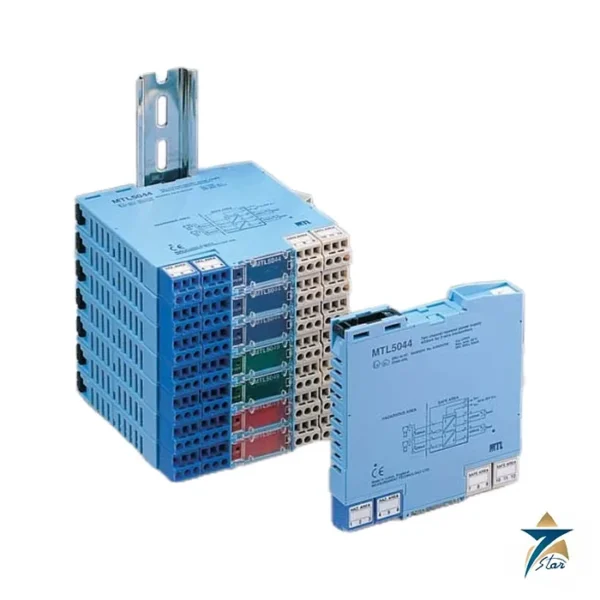
These interfaces sit in marshalling cabinets wherever instruments are located in Zone 0, 1 or 2 areas: gas plants, refineries, offshore platforms, tank farms and chemical units across the GCC. They power 2-wire transmitters, pass HART, convert thermocouple signals and drive solenoids or alarms while limiting energy to the field circuit.

MTL (Eaton) products we list

Family Examples
Isolator & Barrier Eaton MTL5541 Repeater Power Supply, MTL 5043, MTL 9370-FB2 Intrinsically Safe Fieldbus…, MTL CPM08-BN, MTL5576-THC Temperature Isolator Module
Automation Accessories MTL 9608 Process Junction Box
Automation Software MTL PCS45 Configuration Software and PCL…

Ordering MTL modules: what we need

Send the full module number including every suffix, for example MTL5576-THC and not just MTL5576, and the quantity. Tell us if the module mounts on DIN rail or on a backplane, because MTL5500 and MTL4500 parts are not interchangeable. For a fieldbus barrier give the number of spurs and the enclosure reference. A photo of the side label, which shows the certificate numbers, helps when the certificate for your project file must match.

Facts checked against the Eaton MTL company history and Drives & Controls coverage of the 2008 Cooper offer, October 2026.

FAQ

Questions about the MTL MTL5582B RTD Resistance Isolator

Answers from our engineering team on installation, compatibility and integration.

01What does the MTL5582B output?
It repeats the RTD resistance, 10 to 400 ohm, to the safe-area monitoring system from a 100 microamp to 5 mA source, rather than converting it to 4-20 mA.
02How are 2-, 3- and 4-wire sensors selected?
By switches on the module. It is factory set for 3-wire, and the number of wires used on the safe-area side is independent of the hazardous-area wiring.
03What happens when the RTD circuit opens?
The module drives upscale to a nominal 420 ohm on open-circuit detection.
04What is the response time?
The output reaches within 4 percent of its final value within 1 second, and the temperature drift is typically 10 milliohm per degree C.
05How does MTL5582B differ from MTL5576-RTD?
The MTL5582B is a non-configurable resistance repeater with one channel, while the MTL5576-RTD is a PC-configured two-channel converter with a 4-20 mA output.