IMI STI CSQ integral quick exhaust valve and how its model code reads
The IMI STI CSQ is an integral quick exhaust valve for pneumatic actuators. It is used with solenoid valves or positioners whenever a fast opening or closing stroke is required. Seven Star LLC supplies the IMI STI CSQ in Oman and the GCC as an independent supplier in Muscat. The CSQ is a configurable range rather than a single catalogue item, so the exact part is defined by a model code that must be confirmed before ordering.
The instruction manual (rev. 03) gives the structure CSQ-S-M-P-T-C-O. An example from the manual’s model list is CSQ-040-A0-00-H-2TT-LA, which reads as follows: size 040 (40 mm), material A0 (aluminum), painting 00 (not painted), temperature range H (-20°C to +85°C), connection code 2TT, and option LA (low flow bypass with free exhaust). The manual states that not every combination is available, so the supplier should check the configuration you need.
CSQ model code decoding table
| Position |
Meaning per the manual |
| S, size |
040 = 40 mm; 060 = 60 mm; 100 = 100 mm; 160 = 160 mm |
| M, material |
S0 stainless steel SS316; S1 SS316 copper-free execution; A0 aluminum; A1 aluminum copper-free execution |
| P, painting |
00 not painted; 01 standard painting cycle (CVA.01); 99 customized painting |
| T, temperature range |
H -20°C to +85°C; S -20°C to +70°C; L -40°C to +70°C; E -55°C to +70°C; U -60°C to +100°C |
| C, connections |
Three characters for pilot, actuator and exhaust. Codes in the manual include 2TT, 2TW, 2XX, 2XW, 4YY and 6ZZ. The digit gives the NPT or gas thread size (for example 2 = 1/4″, 4 = 1/2″, 6 = 1″); the letters give the port bore range in millimetres (T = 40-45 mm, W = 54-56 mm, X = 56.1-62 mm, Y = 69-100 mm, Z = 160-270 mm) |
| O, options |
SC standard flow bypass, collected exhaust; SA standard flow bypass, free exhaust; LC low flow bypass, collected exhaust; LA low flow bypass, free exhaust |
IMI STI CSQ technical specifications
| Parameter |
Specification |
| Manufacturer / part number |
IMI STI / CSQ (Integral Quick Exhaust Valve) |
| Sizes |
40 mm, 60 mm, 100 mm, 160 mm |
| Body material |
Stainless steel 316 or aluminum; anodized external surface treatment |
| Gasket material |
NBR, Viton or fluorosilicone |
| Working pressure |
2.5 bar minimum, 10.5 bar maximum; design pressure 12 bar |
| Working temperature |
-20°C to +85°C; extended -60°C to +100°C |
| Storage temperature |
-40°C to +95°C |
| Pilot connections |
1/4″, 1/2″ or 1″ |
| Cv out max |
50, 113, 314 and above 314 across the four sizes in ascending order |
| Fluid |
Air |
| Lifetime stated in the manual |
30 years |
| Explosive atmosphere marking in the manual |
ATEX Ex h IIB/IIC T6/T5/T4 and Ex h IIIC T85°C/T100°C/T135°C Db; IECEx and UKEX equivalents |
How the CSQ quick exhaust works
On a standard pneumatic circuit, the air leaving the actuator must travel back through the positioner or solenoid valve, whose small passages limit exhaust speed. The CSQ is pilot-operated. The control device only sends a small pilot signal, and the large internal outlet of the CSQ dumps the actuator air directly to atmosphere. Because the exhaust no longer passes through the positioner, the actuator moves faster and, according to the manual, without hunting. For very fast strokes, two units can be installed in parallel on the same line.
The bypass option decides how the CSQ behaves at small signals. An integral bypass allows slow, controlled movement through a restricted path in normal modulation, while the quick exhaust path comes into play on larger changes. The choice between a standard and a low-flow bypass is part of the option code, so state which one your valve needs. The exhaust can also be left free or collected, which matters if you must pipe vented air away, for example from an enclosed area or when natural gas is the actuating medium.
Selecting the CSQ size and configuration
- Size: pick 40, 60, 100 or 160 mm from the actuator volume and the target stroke time. The manual gives Cv out maximum values of 50, 113, 314 and above 314 for the four sizes.
- Material: aluminum for general onshore service, stainless steel 316 for offshore, coastal and corrosive atmospheres. Copper-free versions exist for both materials.
- Gasket: NBR is the usual standard; Viton or fluorosilicone is chosen for chemical resistance or temperature extremes.
- Temperature: pick one of the five range letters, H, S, L, E or U, against the real ambient limits.
- Connections: match the pilot thread (1/4″, 1/2″ or 1″) and the actuator and exhaust port bores to your tubing and manifold.
- Tubing: the manual recommends 8 mm or 3/8″ pilot tubing, and supply and exhaust tubing larger than the product thread size so the CSQ flow capacity is not choked.
- Hazardous areas: if the CSQ will be installed in a classified zone, give the gas group, temperature class and dust requirements so the right marking can be checked.
Installation, operation and maintenance of the CSQ
Before installation, check that the outer surface is clean and that the supply pressure is lower than the design pressure of 12 bar. Use appropriate pipes and fittings, deburr rigid pipe ends, flush the lines with the supply air, and use pipe sealant on male threads only, preferably a non-hardening type. Make the connections according to the actuator pneumatic diagram and check for leaks once pressurized. Earthing is provided through the fixing screws or the metal fittings, and if neither guarantees it, the device or its machinery should be connected to earth.
At start-up, verify the air pressure and quality (filtration and dehydration), check for leakage, and set the bypass stem according to the schematic. The manual lists the typical causes of poor operation: loss of supply, low supply pressure, wrong bypass stem adjustment, a defective internal component, damaged gasket or fittings. It states that standard applications need no special maintenance, but dust and dirt on the body should be cleaned periodically because buildup can raise surface temperature. Disassembly and reassembly are reserved for the manufacturer’s qualified service personnel. For storage, keep plastic plugs in the ports, or metal plugs if outdoors, and keep the unit off the ground and covered.
Typical applications in Oman and the GCC
Quick exhaust valves are common on emergency shutdown valves, blowdown and vent valves, turbine and compressor protection valves, and fast-acting on-off actuators in oil and gas, power generation, desalination and petrochemical plants. In Gulf conditions, the stainless steel body and the high-temperature range letters are useful on sun-exposed skids, while the free or collected exhaust option allows the vent line to be routed to a safe location where required.
CSQ sizes at a glance
| Size code |
Diameter |
Cv out max |
Typical fit |
| 040 |
40 mm |
50 |
Small actuators, solenoid-driven on-off valves |
| 060 |
60 mm |
113 |
Medium actuators |
| 100 |
100 mm |
314 |
Large actuators, fast ESD duty |
| 160 |
160 mm |
above 314 |
Very large actuators; parallel units can further raise speed |
What to send with a CSQ request for quotation
- The full model code (CSQ-S-M-P-T-C-O) or, if unknown, the size, material, temperature range and exhaust arrangement you need.
- Actuator model and volume, and the stroke time target.
- Pilot source: solenoid valve or positioner model.
- Supply pressure and medium (air).
- Hazardous area classification, if any.
- Quantity, delivery location and required documents.
Documents and quotation
The manufacturer instruction manual for the IMI STI CSQ is attached on this page as a PDF, so your engineers can compare it with the data above before ordering. Seven Star LLC is an independent supplier in Muscat and does not act on behalf of the brand, and we do not publish prices online.
To receive a quotation for the IMI STI CSQ, send the details listed in the previous section by email or through the RFQ form. We reply with availability, lead time and commercial terms for delivery in Oman and across the GCC.
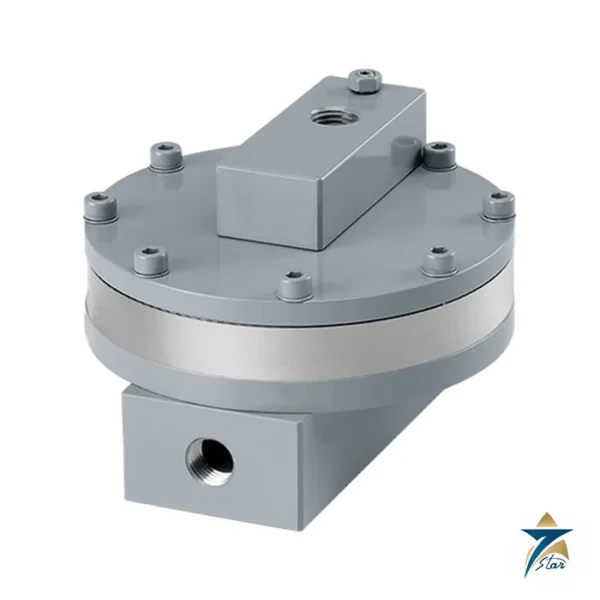
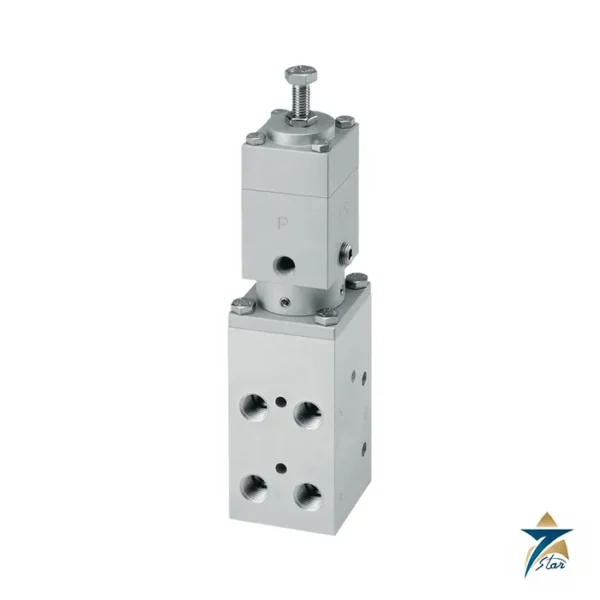
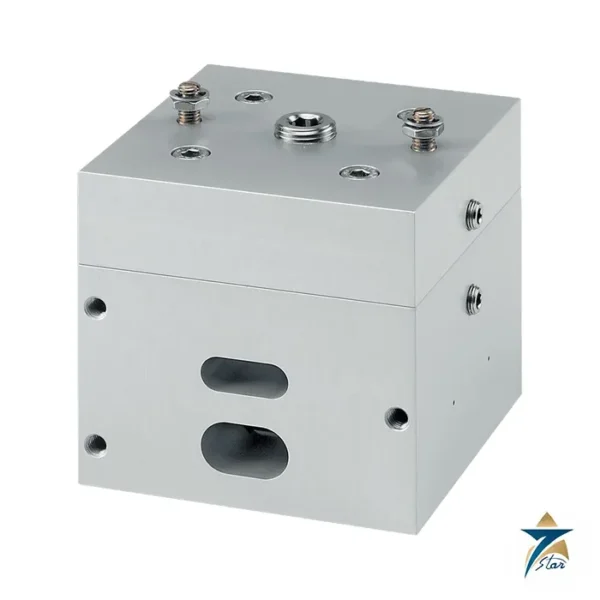
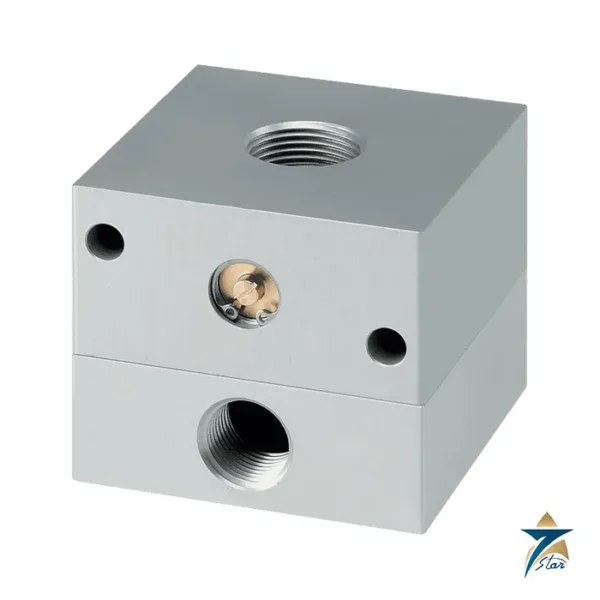
Other Models in the Sti Quick Exhaust Range
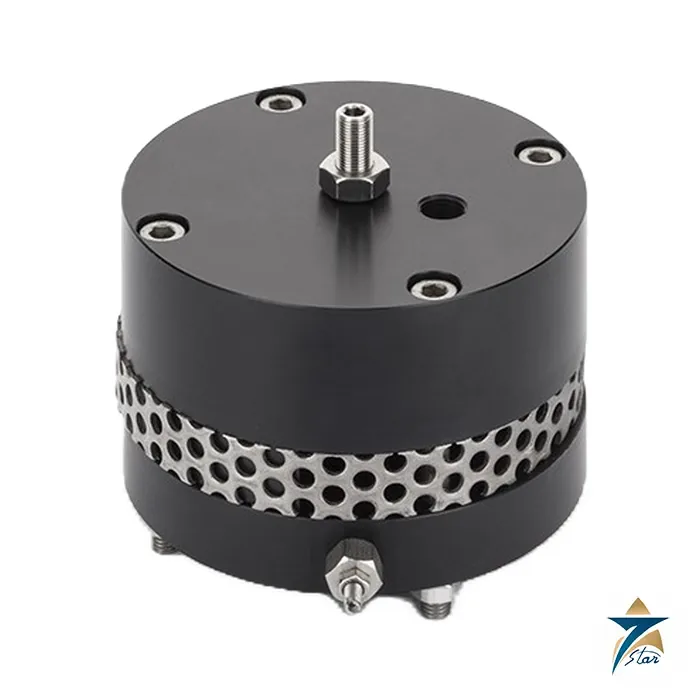
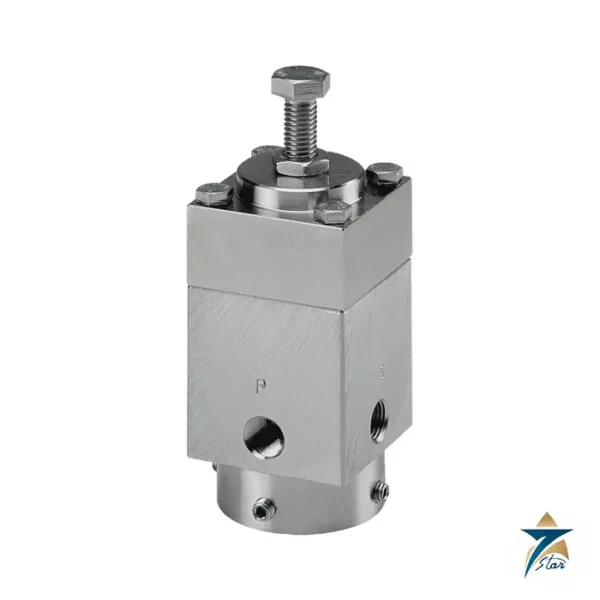
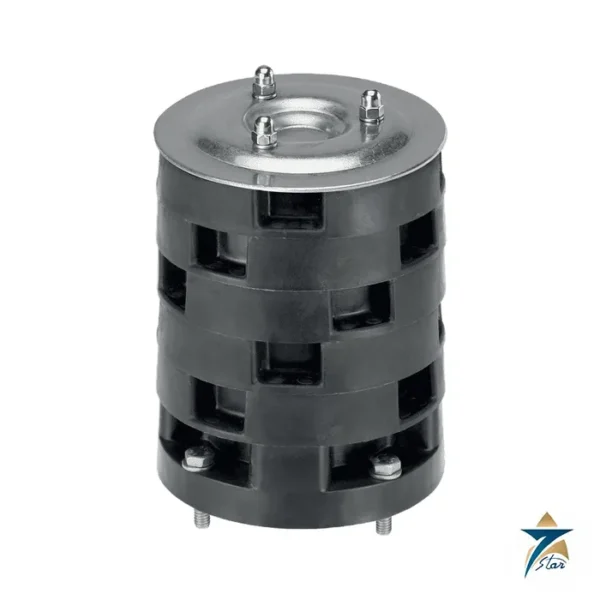
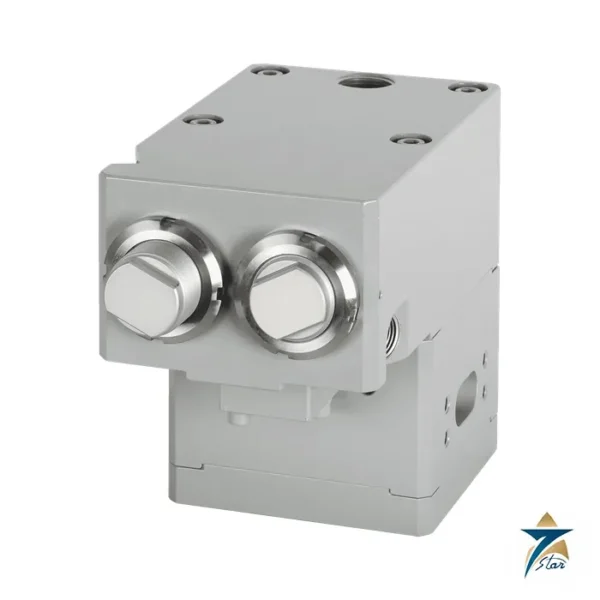
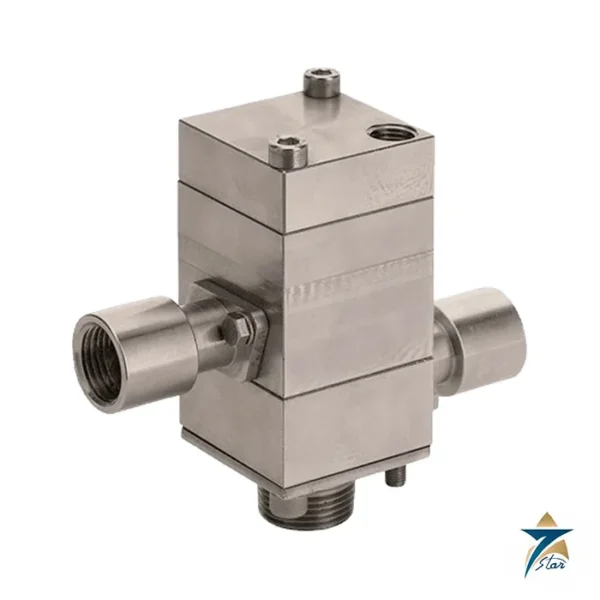
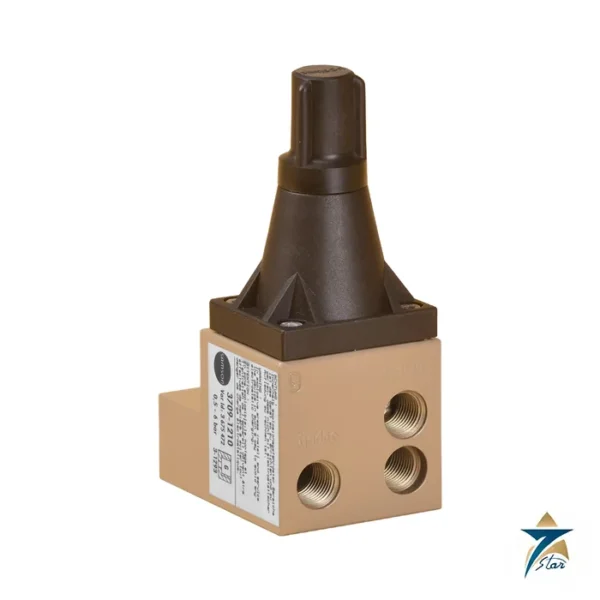
Seven Star LLC supplies models from the Sti Quick Exhaust range in Oman and the GCC. Compare the related models below and request a quote for the one that matches your application.




















Reviews
There are no reviews yet.