Rotork A Range electric valve actuators: 7A to 95AZ sizes
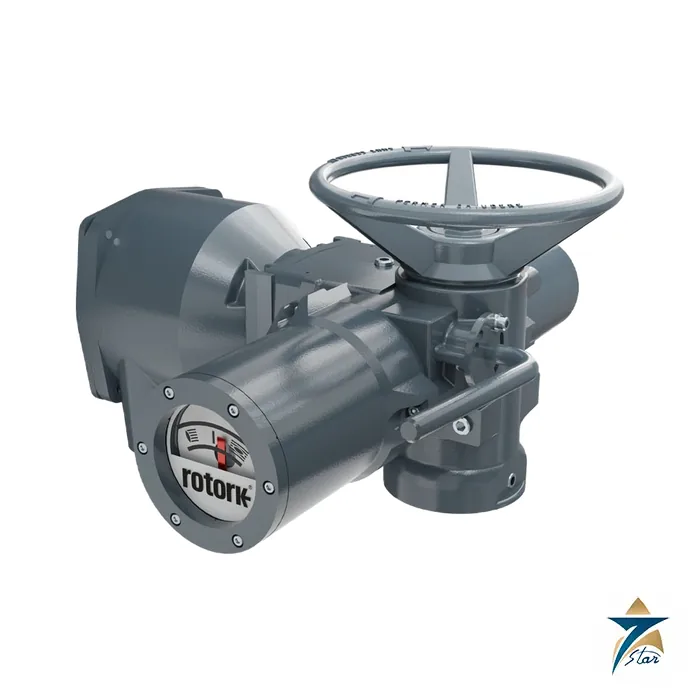
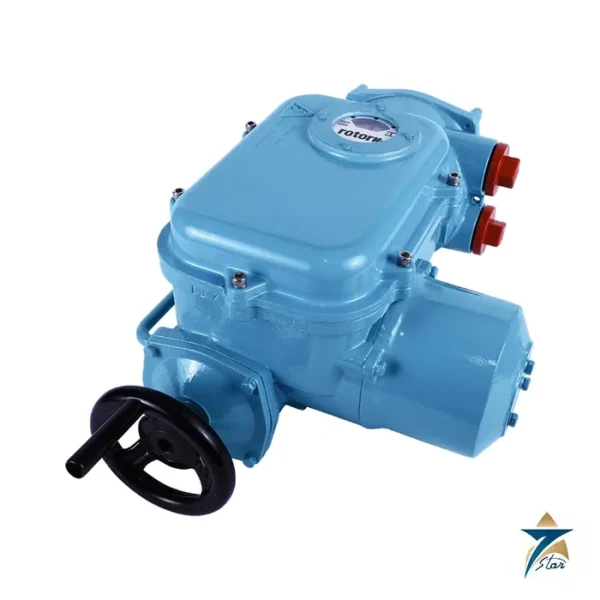
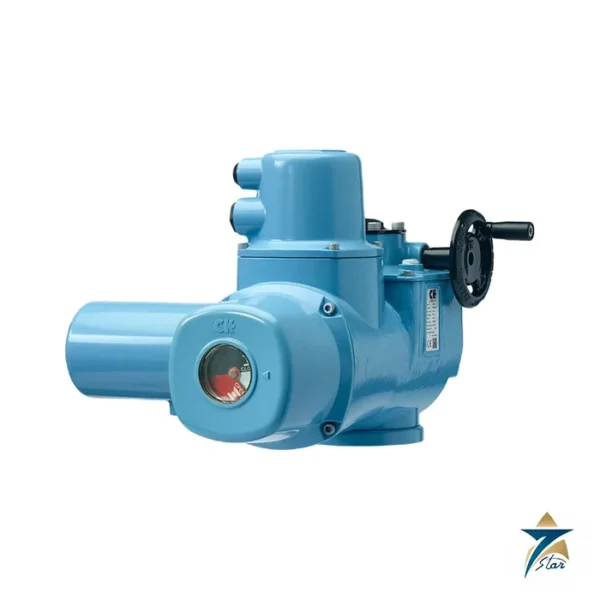
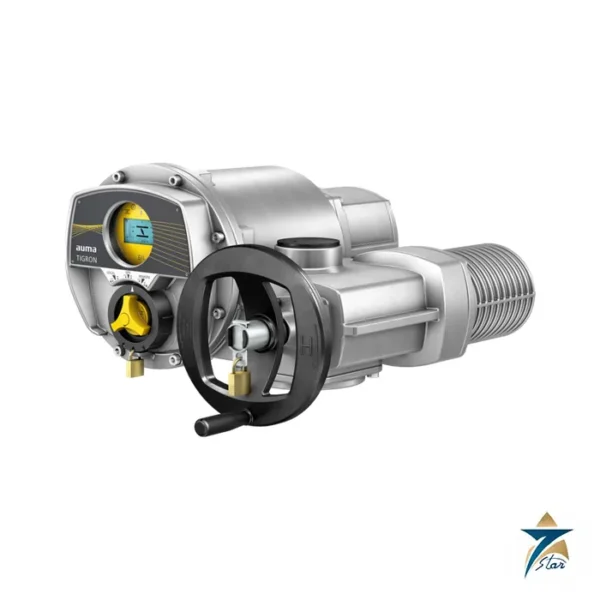
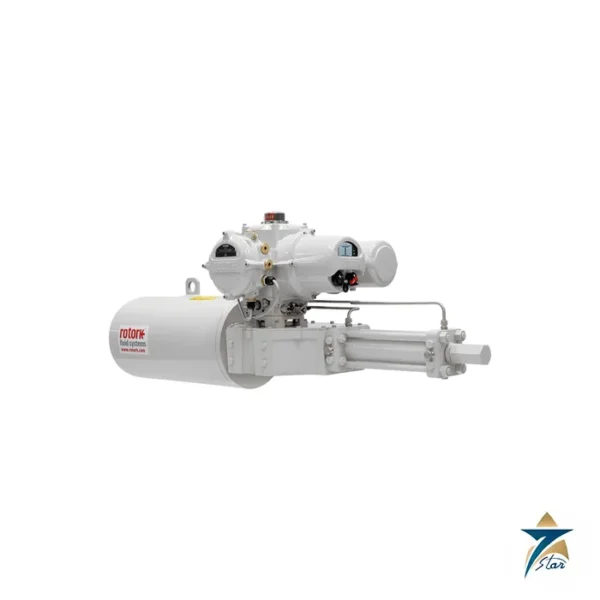
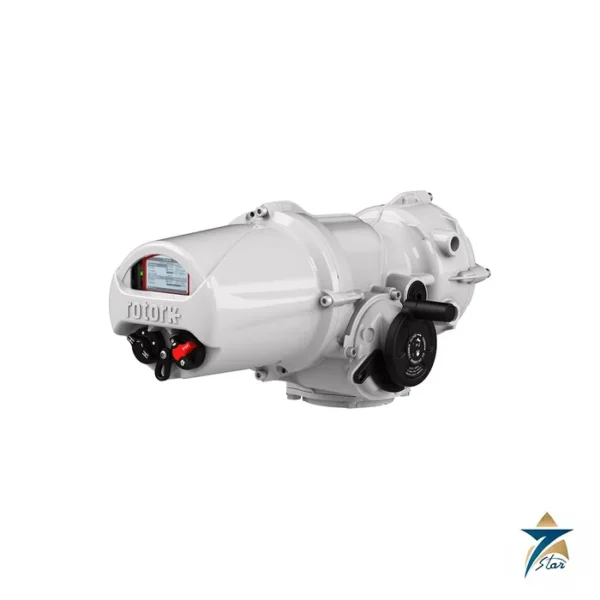
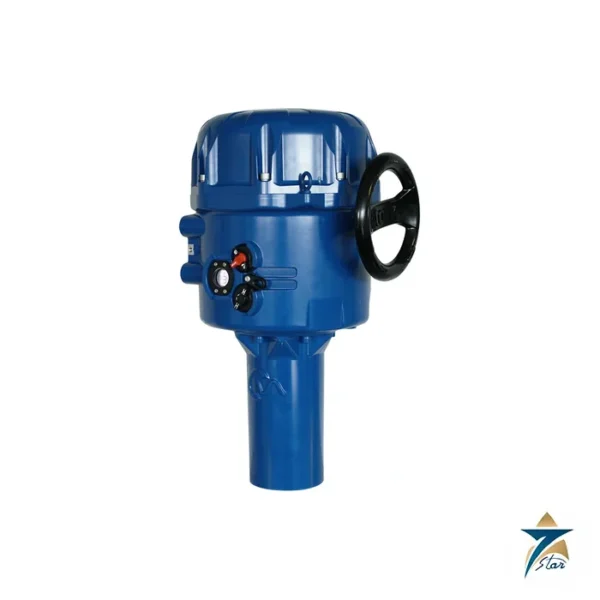
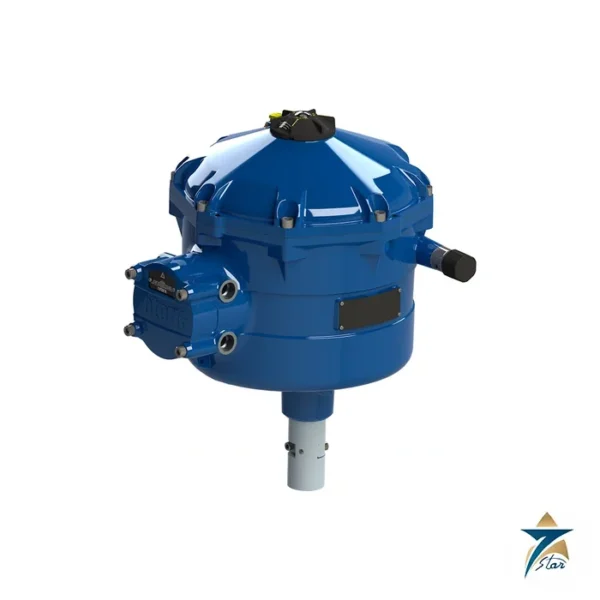
The Rotork A Range is a long-established series of multi-turn, three-phase electric valve actuators with a robust mechanical drive and a very simple layout. It is sold mainly in the Syncroset form: the actuator contains the motor, gearbox, combined torque and limit switch mechanism, position indicator and space heater, while the reversing contactors are supplied and installed separately. That makes it a natural choice for plants that want a conventional electro-mechanical actuator with starters in a central motor control centre. Seven Star LLC supplies A Range actuators in Oman and the GCC as an independent supplier in Muscat.
A Range specifications by actuator size
| Parameter |
Specification |
| Manufacturer / part number |
Rotork / A Range (Syncroset), sizes 7A, 11A, 13A, 14A, 16A, 30A, 40A, 70A, 90A, 91AR, 95AZ |
| Output speeds, 50 Hz |
18, 24, 36, 48, 72, 96 rpm, with 144 and 192 rpm on selected sizes (60 Hz: 21 to 230 rpm) |
| Torque examples (lowest speed) |
7A 34 Nm; 11A 68 Nm; 14A 163 Nm; 16A 305 Nm; 30A 542 Nm; 40A 1,017 Nm; 70A 1,491 Nm; 90A 2,034 Nm; 95AZ 2,983 Nm |
| Approximate weight |
Roughly 39 kg for the smallest frames up to about 213 kg for the largest (standard build) |
| Thrust rating, type A coupling |
From 44 kN on the smallest frame to 445 kN on the largest |
| Flange, ISO 5210 |
F10 to F30 depending on size |
| Handwheel |
Geared side handwheel standard on 70A and larger, optional on 14A and larger |
| Enclosure |
Double-sealed IP66/68, 3 m for 48 hours, separate sealed terminal compartment |
| Motor |
3-phase class F squirrel-cage, 15-minute rated, winding thermostat |
| Temperature |
-30 to +70 °C standard; -40 or -60 °C special builds on request |
| Finish |
RAL7011 dark grey; tested for 1,000 hours salt mist to ISO 9227:2017 |
How the A Range mechanism operates
A low-inertia, high-torque motor drives a worm gear set inside an oil-bath gearcase. Torque is measured through a disc-spring pack on the end of the motor shaft rather than electrically, so it does not vary with supply voltage fluctuations. A combined torque and travel limit switch mechanism lets one actuator serve either a torque-seating valve such as a wedge gate, or a position-seating valve such as a parallel slide. A latch prevents the torque switch from tripping during unseating. Two open and two close auxiliary switches are standard for lamp indication or interlocks, and a mechanical three-position pointer repeats the switch striker so a technician can check the setting without opening the cover.
Valve thrust is carried by a cast-iron thrust base with a permanently oil-lubricated bearing, so the gearcase takes no thrust. In practice this means the gearcase can be opened with the valve in service without losing the stem, and in a fire the base, bearing and drive bush hold the valve position, a feature the brochure relates to the API 600 temperature requirement.
Selecting an A Range actuator: ordering checklist
- Valve torque and thrust, including seating and unseating loads; compare against the speed-specific torque row, because higher speeds give lower torque.
- Stem acceptance: rising or non-rising, with maximum stem diameters listed per coupling type (type A1, AZ, and B1, B3, B4).
- Flange size and drilling to ISO 5210 or MSS SP-102.
- Output speed and the resulting valve stroke time; high speeds above 144 rpm are not recommended for direct-mounted gate valves because of inertia.
- Handwheel ratio: 1:1 standard on smaller sizes, 15:1 on larger ones, with optional ratios up to 45:1.
- Additional indication: potentiometer, Add-on-Pak with six extra limit switches, blinker switch, or a Current Position Transmitter for any range between 0 and 50 mA.
- Conduit entries: M40 plus 2 x M32, 1.5 inch plus 2 x 1.25 inch NPT, or PG29 and PG21.
Installing and servicing A Range actuators
Fit the drive bush, machine it to the stem, then mount the actuator on the valve. Because the Syncroset unit has no integral starter, check the wiring against the supplied diagram and use the correct reversing contactor with interlocking. Energise the heater continuously in humid or condensing locations. Set the torque and limit mechanism by driving the valve through its full stroke by hand; once set to a valve the mechanism does not need resetting if the actuator is removed and refitted on the same valve. Oil-bath lubrication means long maintenance-free service, but inspect the seals and breather arrangement at planned shutdowns and keep a spare drive bush and limit-switch assembly.
A Range applications in Oman and the GCC
Rotork recommends the A Range where equipment at the valve must be minimal and where heat, vibration or limited access make a simple actuator with remotely mounted starters attractive. That profile suits power-station auxiliary valves, boiler-feed and cooling-water isolation, desalination intake and brine valves, large water-transmission gate and butterfly valves with gearbox arrangements, and refinery utility lines outside classified zones. The A Range can also be combined with Rotork IB bevel, IS spur or IW worm gearboxes for large or quarter-turn valves. As with any actuator the area classification matters: the brochure data here does not state hazardous-area certification, so declare it in the RFQ.
A Range sizes compared
| Size group |
Torque at lowest speed |
Typical use |
| 7A to 13A |
34 to 108 Nm |
Small multi-turn valves, 39 kg class |
| 14A and 16A |
163 and 305 Nm |
Medium gate and globe valves |
| 30A and 40A |
542 and 1,017 Nm |
Large gate valves, gearbox drives |
| 70A and 90A |
1,491 and 2,034 Nm |
Heavy valves, handwheel standard |
| 91AR and 95AZ |
Up to 2,983 Nm |
Highest thrust ratings in the range, type AZ stem acceptance |
Information to send with an A Range RFQ
- Valve type, size, class, torque, thrust and stem dimensions.
- Number of turns for full stroke and target stroke time.
- Voltage, frequency and starter arrangement.
- Required indication options and conduit entries.
- Ambient temperature, area classification and coating needs.
- Quantity and delivery point in Oman or the GCC.
Documents and quotation
The Rotork A Range brochure is attached on this page with the performance and specification tables.
Send the valve and supply data and Seven Star LLC will confirm the A Range size and quote delivery to Oman and the GCC.






















Reviews
There are no reviews yet.