Alfa Laval SRU rotary lobe pump for demanding hygienic duty
The Alfa Laval SRU is a hygienic rotary lobe pump built for sensitive and viscous process fluids. High-precision rotors give a low-shear, low-pulsation action, and the contamination-proof construction is designed to meet strict hygienic standards and the requirements of cleaning-in-place (CIP) and sterilisation-in-place (SIP) validation. Seven Star LLC supplies the SRU range in Oman and the GCC as an independent supplier in Muscat. The SRU is a family, so the final configuration is fixed by pump head displacement, seals, materials and options rather than by one part number.
SRU technical specifications
| Parameter |
Specification |
| Manufacturer / part number |
Alfa Laval / {pn} (range page) |
| Pump type |
Rotary lobe, positive displacement |
| Pump head displacements |
12 |
| Maximum flow rate |
Up to 106 m³/h |
| Maximum differential pressure |
Up to 20 bar |
| Maximum temperature |
Up to 200 °C |
| Hygienic standards |
3-A Sanitary Standards and FDA |
| Hazardous areas |
Can meet ATEX requirements |
| Cleaning |
Designed for CIP and SIP, drainable pump head |
| Gearbox |
Heavy-duty shafts, torque locking assemblies, taper roller bearings |
| Documentation |
Q-doc traceability package available for UltraPure equipment |
These are family maxima. The highest pressure and the highest temperature are not necessarily available together on every pump head, so state the real duty when enquiring.
How the SRU lobe pump works
Like every rotary lobe pump, the SRU moves a fixed volume of liquid with each revolution. Two rotors turn in opposite directions inside the pump head, kept in perfect time by gears in the gearbox, so that they never touch each other or the housing. Liquid fills the space between a rotor and the casing at the inlet, is carried round the outside, and is pushed out as the lobes close at the outlet. Since there is no metal-to-metal contact in the wetted area, product shear is low and pulsation is small.
Design features of the SRU
- A front cover seal with defined compression, so there are no crevices where product can lodge.
- A rotor nut retention design that keeps the nut secure and cleanable.
- A drainable pump head so that no cleaning fluid or product is left behind.
- Ultra-clean surface finishes to lower the contamination risk.
- A modular design with a broad choice of models, capacities and options to fit the duty.
In the gearbox, heavy-duty shafts, torque locking assemblies and tapered roller bearings are used to keep the rotors in position under load and to cut the maintenance required.
What sets the SRU apart in the lobe pump family
The figures place the SRU at the high-pressure, high-temperature end of the Alfa Laval lobe pump family. Compare it with the sister models: the OptiLobe stops at 8 bar and 130 °C, the SX reaches 15 bar and 150 °C, while the SRU goes to 20 bar and 200 °C and has 12 head sizes. This makes the SRU the pump of choice for viscous media, hot transfer or pushing product over long lines or through downstream equipment such as heat exchangers and fillers. The SX is the better fit where biotech or pharmaceutical ultra-clean standards decide the choice.
Selecting an SRU pump: ordering checklist
- Product name, viscosity (including its change with temperature) and any particle content.
- Flow rate, differential pressure and the length and size of the discharge line.
- Operating temperature and the CIP and SIP temperatures, including steam if used for sterilisation.
- Seal arrangement and elastomer choice to match the product and chemicals.
- ATEX requirement and zone.
- Surface finish: standard hygienic or ultra-clean, and whether Q-doc traceability is needed.
- Delivery as a bare shaft pump or with base plate, coupling, guard and gear motor.
- Port connection standard and pump orientation.
Installation, commissioning and maintenance
Mount the SRU on a level, rigid frame, leave service space at the front for the cover and rotors, and orient the pump head so that it drains completely. Align the drive carefully, because the heavy-duty shafts and bearings depend on a straight, vibration-free drive line. A discharge pressure relief device is always needed with a positive displacement pump.
Perform the first CIP cycle before introducing the product and confirm that the rotor nuts are secure after thermal cycling. The manufacturer provides a service video on dismantling, seals and fittings for this pump, and good practice is to hold seal and elastomer kits in stock for each pump head size. When a pump runs hot or at high pressure, check seal condition and gearbox oil at shorter intervals than for a cold, low-pressure duty.
Typical applications in Oman and the GCC
The SRU is relevant for food and beverage producers, dairies, confectionery and sauce plants, and personal care and home care manufacturers in the Gulf. Heated products, thick pastes and creams are typical duties. The high temperature rating is useful where hot filling or SIP is used, and the 20 bar capability helps in long pipe runs on large sites. Where explosive atmospheres are present, for example in solvent-based formulations, the ATEX capability is a factor in selection.
Information to send with an RFQ
- {pn} pump head size or the nameplate data of an existing pump.
- Product, viscosity and temperature data.
- Flow and differential pressure.
- Seal, elastomer and finish requirements.
- ATEX and documentation needs, such as Q-doc.
- Bare shaft or complete unit, and destination site.
Documents and quotation
We do not host a datasheet for the SRU on this page. Send us the pump size or the nameplate data and we will confirm which official documents are available for it.
Seven Star LLC is an independent supplier in Muscat. Send us your requirement list and we will reply with availability and lead time.
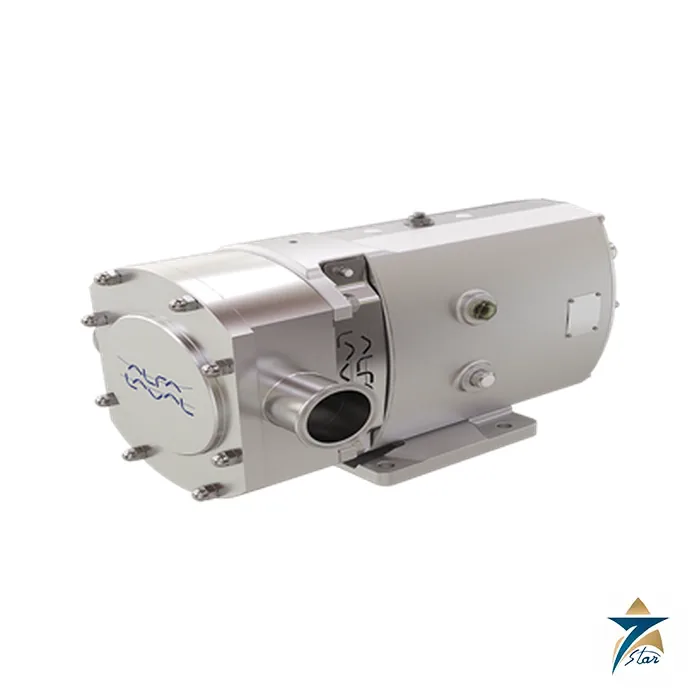
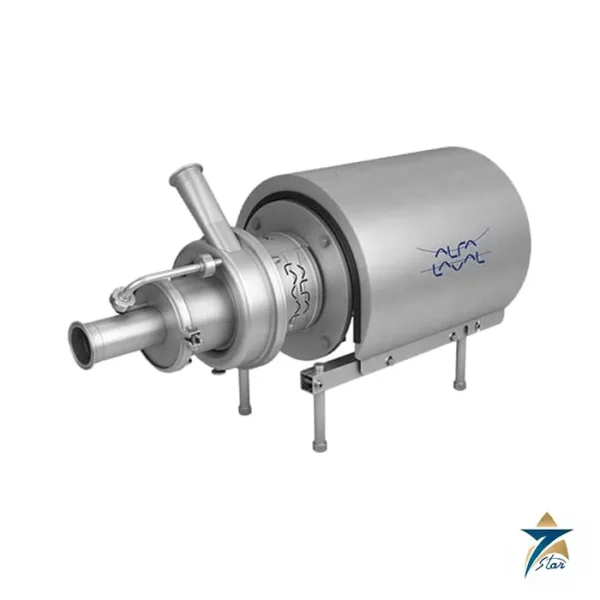
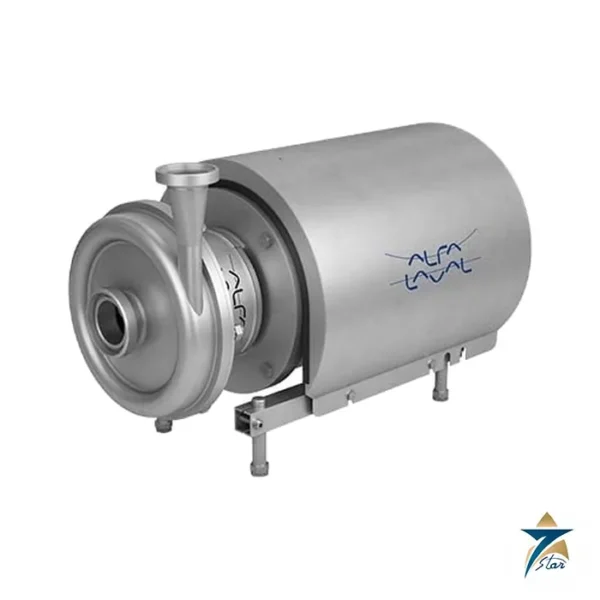
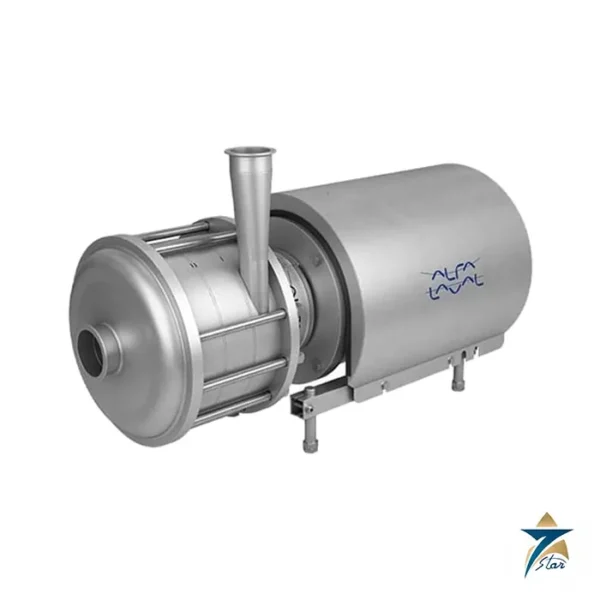
Other Models in the Al Lobe Range
Seven Star LLC supplies models from the Al Lobe range in Oman and the GCC. Compare the related models below and request a quote for the one that matches your application.





















Reviews
There are no reviews yet.