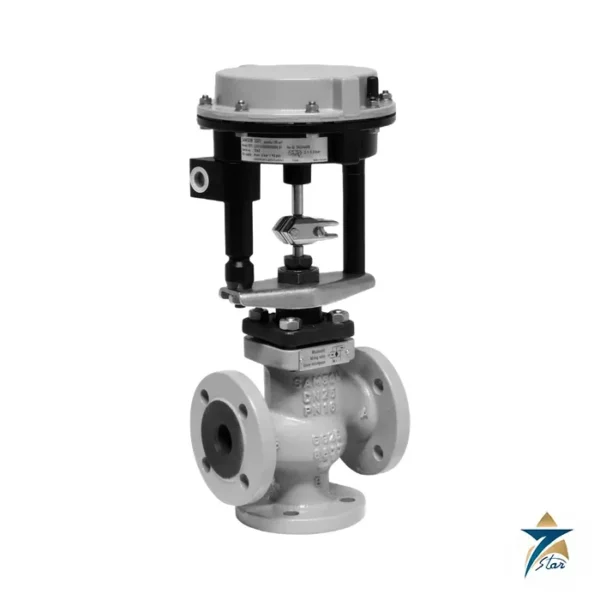
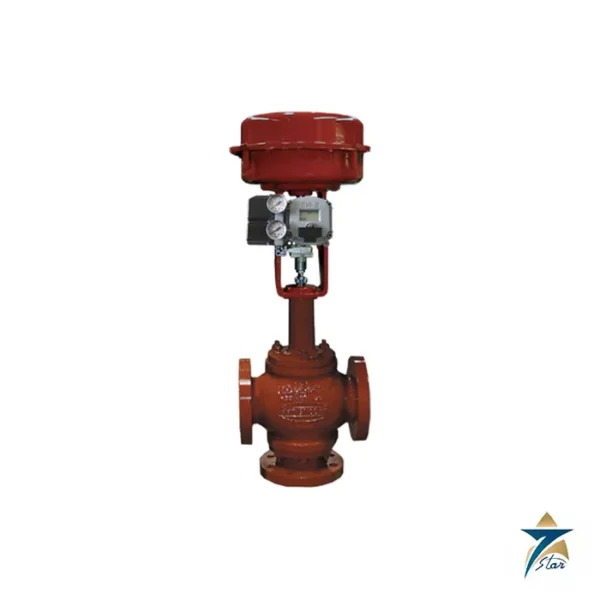
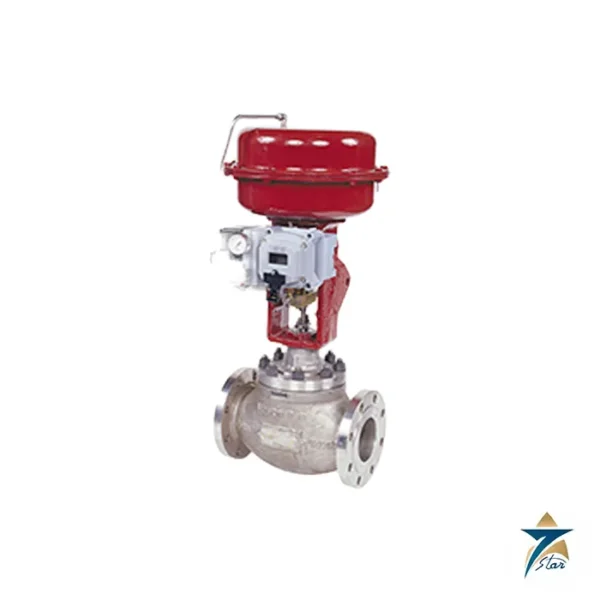
SAMSON Type 3253 three-way mixing and diverting control valve
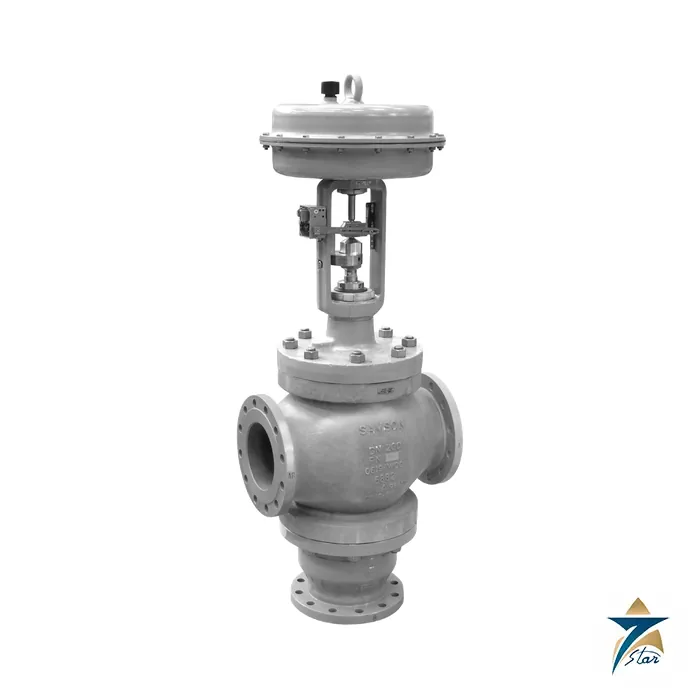
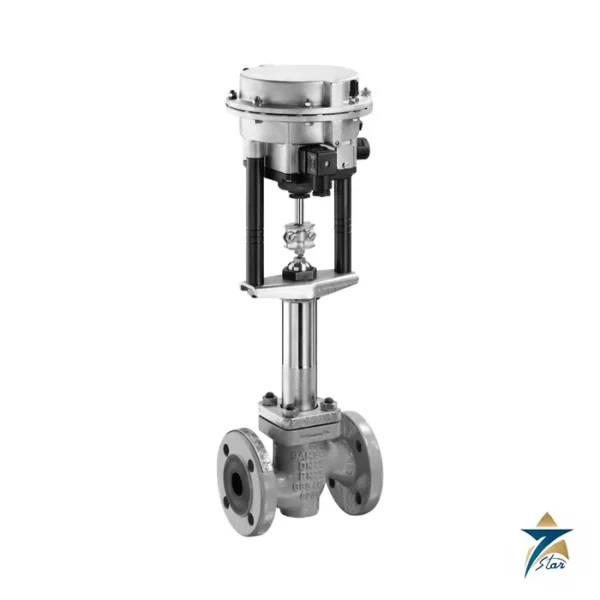
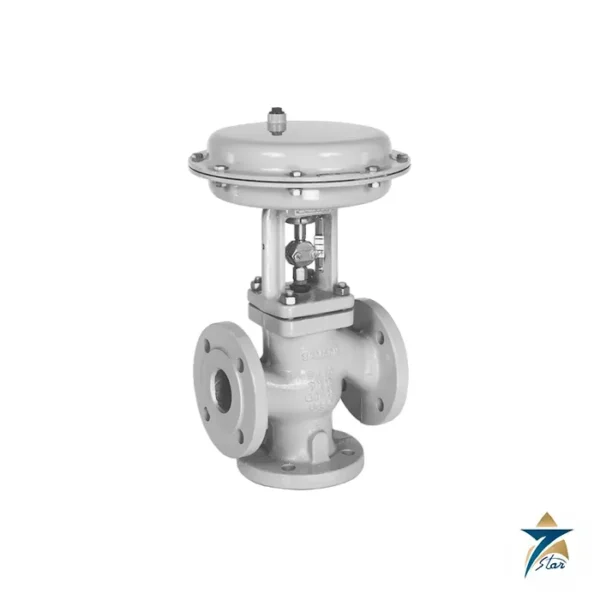
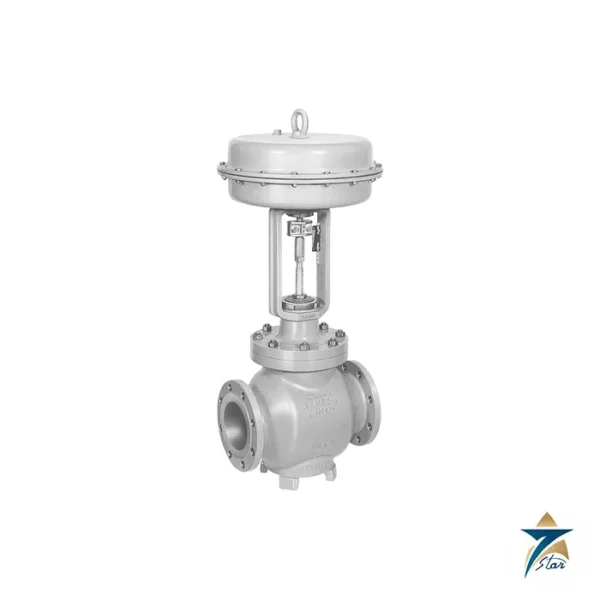
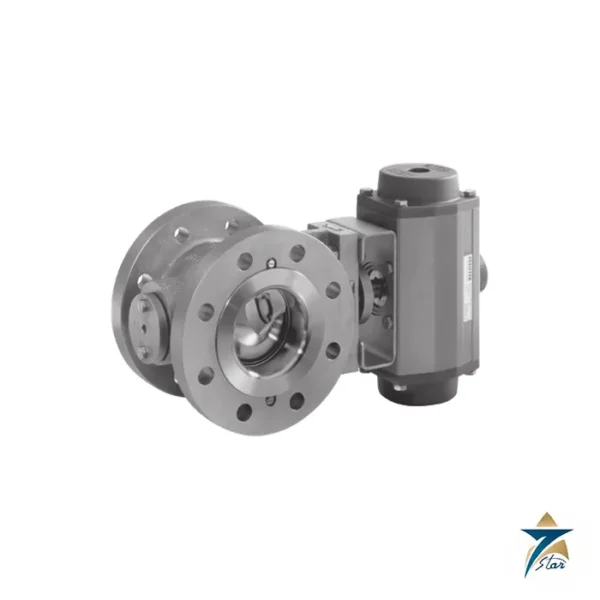
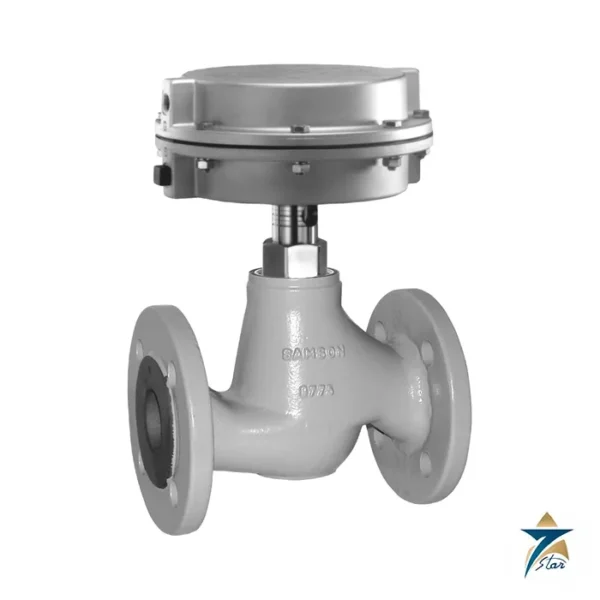
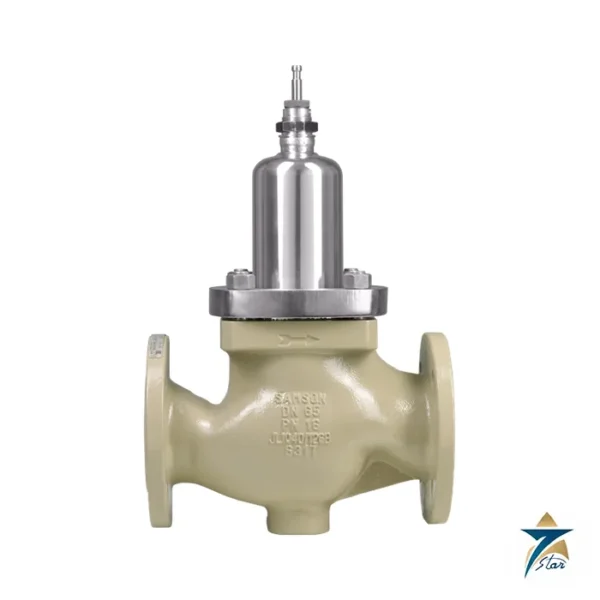
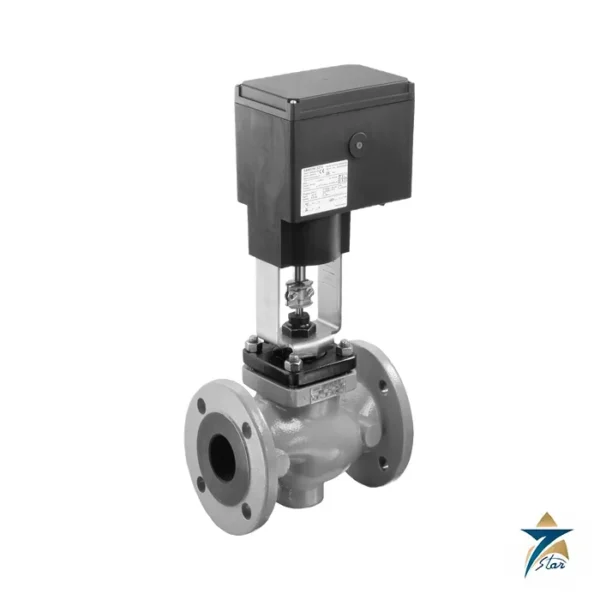
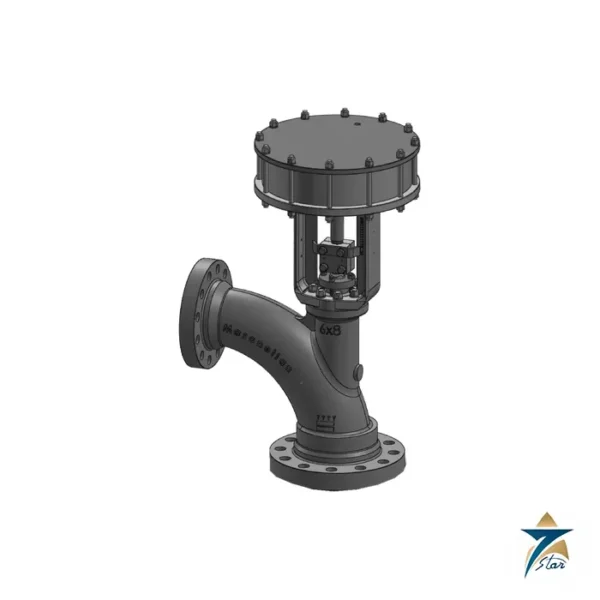
The SAMSON Type 3253 is a three-way valve from the SAMSON Series 250 for process engineering applications with high industrial requirements. Depending on how the plug is arranged, it works as a mixing valve or as a diverting valve. The DIN version covers DN 15 to DN 500, PN 16 to PN 160 and temperatures from -196 to +550 °C, with cast steel and cast stainless steel bodies. Seven Star LLC supplies SAMSON control valves in Oman and the GCC as an independent supplier in Muscat.
The suffix after the type number identifies the actuator: 3253-1 is the valve with a Type 3271 pneumatic actuator (350 to 2800 cm² effective area), and 3253-7 is the valve with a Type 3277 pneumatic actuator (350 to 750v2 cm²) designed for integral positioner attachment. A 3253-2 electric version is available on request, and a 3253-3 manually operated version uses the Type 3273 hand-operated actuator.
Type 3253 technical specifications (DIN version)
| Parameter |
Specification |
| Manufacturer / part number |
SAMSON / Type 3253 three-way valve, Series 250 (datasheet T 8055 EN, edition November 2025) |
| Function |
Mixing or diverting, set by plug arrangement |
| Nominal size |
DN 15 to 500 (DN 400 and 500: PN 16 to 40) |
| Pressure rating |
PN 16 to 160 (up to PN 400 on request) |
| End connections |
Flanges, all DIN EN versions |
| Body materials |
Cast steel 1.0619, cast steel 1.7357, cast stainless steel 1.4408 |
| Seat-plug seal |
Metal seal; seat and plug also with Stellite facing |
| Characteristic / rangeability |
Linear / 50:1 |
| Temperature, body without insulating section |
-10 to +220 °C; up to +350 °C with high-temperature packing |
| Temperature, with insulating section or bellows seal |
1.0619: -10 to +400 °C; 1.7357: -10 to +500 °C; 1.4408: -196 to +550 °C |
| Leakage |
0.05 % of KVS (DIN EN 60534-4) |
| Packing |
Two spring-loaded PTFE V-ring packings or two adjustable high-temperature packings; test connection between the packings on request |
| Body gasket |
Graphite seal on metal core |
| Optional |
RFID tag per DIN SPEC 91406 (tag temperature range -40 to +85 °C) |
| Sizing terms |
FL = 0.95, xT = 0.75 |
Mixing and diverting operation of the 3253
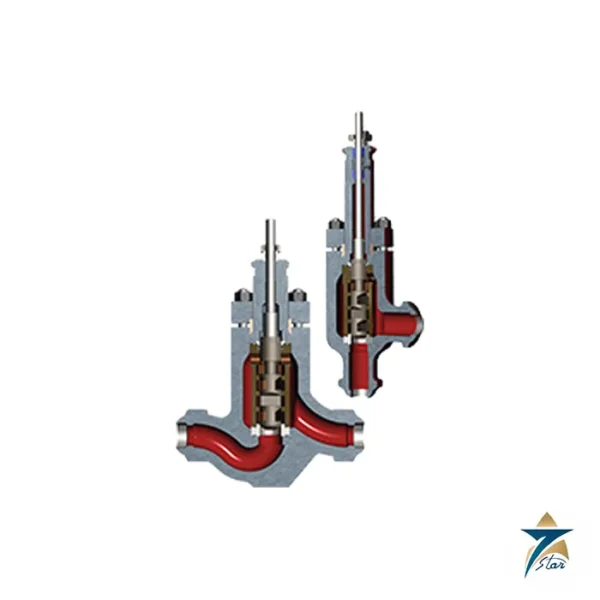
In a mixing valve, the two streams to be combined enter at ports A and B, and the mixed flow leaves at port AB. The flow from A or B to AB depends on the open area between each seat and plug. In a diverting valve the medium enters at AB and the partial flows leave at A and B. The conversion between mixing and diverting service is done by reversing the seat-guided valve plug, which is a useful feature when a duty changes during a plant modification.
The valve body comes in two layouts. DN 15 to 40 use one body version, and DN 50 to 500 use a larger one with an anti-rotation fixture. For DN 15 to 25, diverting valves have the same design as mixing valves, which affects which port closes on air failure.
Fail-safe positions of the Type 3253
The position of the springs in the Type 3271 or 3277 actuator decides what happens when the supply air fails:
- Actuator stem extends: port B closes in mixing valves and port A closes in diverting valves. In diverting valves from DN 15 to 25, port B closes because their design equals the mixing valve.
- Actuator stem retracts: port A closes in mixing valves and port B closes in diverting valves. In diverting valves from DN 15 to 25, port A closes.
Because one port always closes and the other remains open, check the process consequence of each case. A three-way valve in a bypass arrangement, for example, should fail to the path that keeps equipment protected.
KVS, seat size and travel for the 3253
| Size |
KVS |
Seat bore (mm) |
Rated travel (mm) |
| DN 15 |
4 |
24 |
15 |
| DN 25 |
8 |
24 |
15 |
| DN 40 |
25 |
38 |
15 |
| DN 50 |
40 |
50 |
30 |
| DN 80 |
100 |
80 |
30 |
| DN 100 |
160 |
100 |
30 |
| DN 150 |
360 |
150 |
60 |
| DN 200 |
630 |
200 |
60 |
| DN 250 |
800 (1000 special, mixing, 120 mm travel) |
250 |
60 |
| DN 300 |
1500 |
300 |
120 |
| DN 400 |
2500 |
400 |
120 |
| DN 500 |
3600 |
500 |
120 |
The permitted differential pressure depends on actuator area, bench range and fail-safe direction. Higher bench ranges and half-travel operation allow higher values, so use the full table in the datasheet for your duty.
Materials and options for Type 3253 valves
Body castings are 1.0619 for general carbon-steel duty, 1.7357 for high-temperature service and 1.4408 for stainless and cryogenic service. The seat and plug are 1.4006/1.4008 (or 1.4409/1.4404 in stainless), guide bushings are 1.4112 or 2.4610, and the metal bellows seal is 1.4571. Options include an insulating section, a bellows seal with test connection, an additional handwheel, positioners, limit switches and solenoid valves following DIN EN 60534-6-1 and NAMUR recommendations. An ANSI version covers NPS ½ to 20 in Class 150 to 900.
Choosing and ordering a 3253 three-way valve
- State whether the application is mixing or diverting and identify ports A, B and AB on the P&ID.
- Give DN, PN and body material, together with the temperature range and whether an insulating section or bellows is needed.
- Calculate KVS for both branches and check the differential pressure on each port.
- Select 3253-1 or 3253-7, actuator area, bench range and the fail-safe direction.
- List accessories: positioner, limit switch, solenoid valve, handwheel.
- Mention any special packing, Stellite facing or RFID tag.
Installation and maintenance of the 3253
Install the valve so that ports A, B and AB match the flow arrangement on the drawing; reversing A and B on a mixing valve changes which port the springs close. Use proper pipe supports because the body carries three flanges. After commissioning, stroke the valve and confirm that both seat positions are reached, then check the packing and gaskets after the first thermal cycle. Spares usually needed are packing sets, body gaskets and the plug and seat assemblies.
Where the 3253 is applied in Oman and the GCC
Mixing valves of this size are common in blending of hot and cold streams, temperature control of heat-transfer circuits, and recirculation or bypass control around heat exchangers. In refineries and petrochemical plants they appear on lube and seal oil systems and on heating circuits, in power stations on feedwater and condensate temperature control, and in desalination on brine and seawater heating loops, where the duplex or stainless options may be considered. High ambient heat and dust favour the robust cast bodies and the optional insulating section.
Information to include in a 3253 RFQ
- Mixing or diverting duty, with flow and pressure at ports A, B and AB.
- DN, PN, body material and temperature range.
- Actuator type 3253-1 or 3253-7, supply air and fail-safe direction.
- Accessories and special materials or certificates needed.
- Tag number or nameplate details when replacing an installed valve.
Documents and quotation
The SAMSON datasheet T 8055 EN for the Type 3253 is attached on this page and contains the dimension tables and complete differential-pressure data.
Send the duty data and tag information and we will confirm what can be offered for Oman and the GCC.

























Reviews
There are no reviews yet.