CO2 protection for industrial hazards
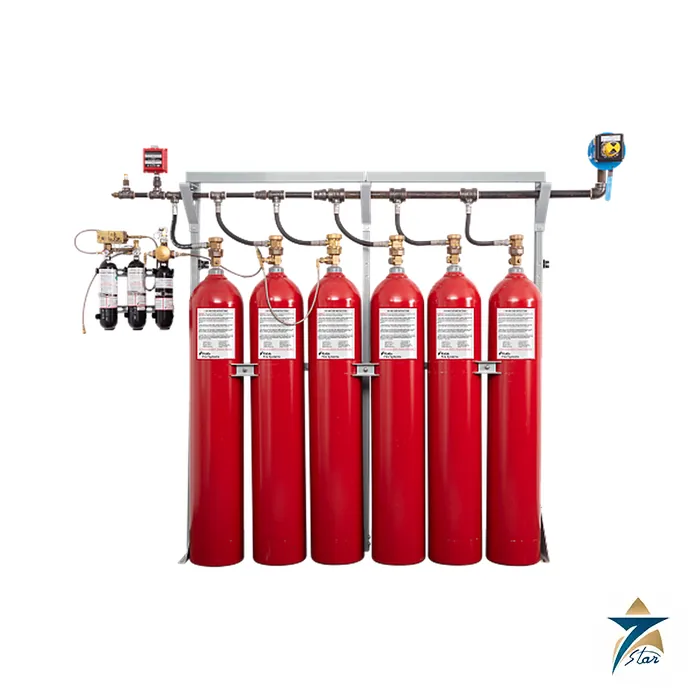
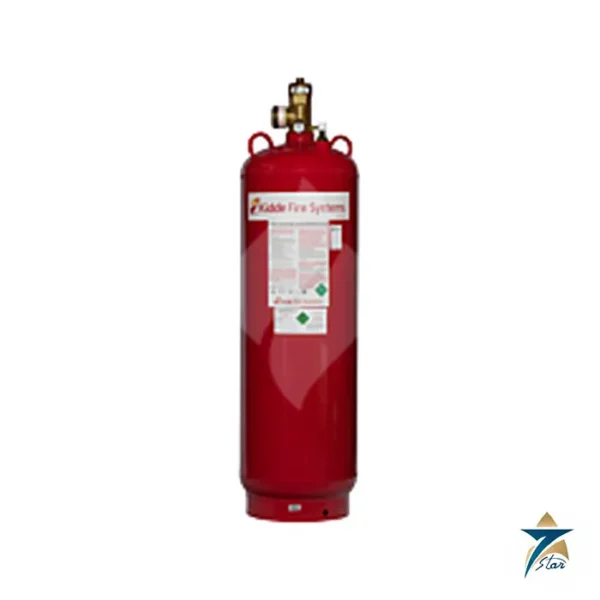
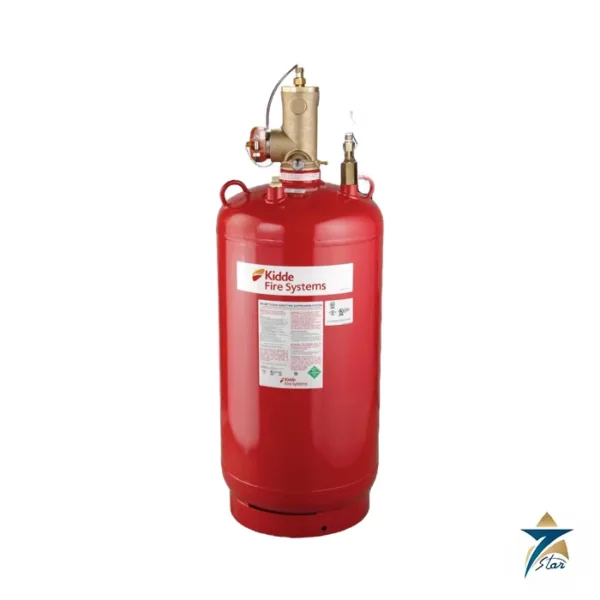
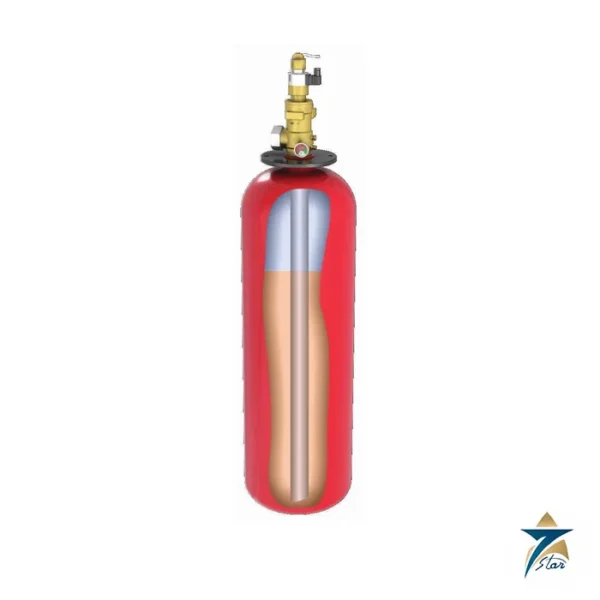
The Kidde High Pressure Carbon Dioxide (HPCO2) fire suppression system is described by Kidde Fire Systems as a solution for heavy and light industrial applications where unoccupied spaces or assets need protection, where CO2 is an acceptable agent, and where a local application system may be needed in addition to total flooding. CO2 is stored in seamless steel cylinders as a liquid under its own vapor pressure at ambient temperature. The datasheet lists a global warming potential of one and an ozone depletion potential of zero.
Technical specifications
| Parameter |
Specification |
| System |
High pressure CO2, total flooding, local application or both; hose line systems as a supplement |
| Datasheet |
K-81-1000 Rev AA, effective October 2024 |
| Cylinder sizes |
25 and 35 lb (small), 50 and 75 lb (medium), 100 and 123 lb (large); 123 lb availability to be announced |
| Cylinder orientation |
25, 35 and 50 lb: horizontal or vertical (bent siphon tube), 1/2 in. valve; 75, 100 and 123 lb: vertical, 5/8 in. valve |
| Actuation |
Primary by control heads; secondary by back-pressure without additional hardware |
| Valves |
Stop (directional) valves 1/2 to 4 in.; lockout valves 1/4 to 4 in.; check valves 1/4 to 3 in. |
| Nozzles |
Multijet types S (also flanged and coated), M, vent type V (also flanged) and fan type L |
| Discharge hose |
1/2 in. for 25, 35, 50 lb cylinders; 3/4 in. for 75, 100, 123 lb cylinders |
| Operating temperature |
-10 to 130 degrees F (-23 to 54 degrees C) |
| Safety accessories |
Mechanical discharge delay, pressure operated siren, signage, pressure operated switch |
| Listings as printed |
UL Listed; FM Approved; USCG Approved |
Components the datasheet describes
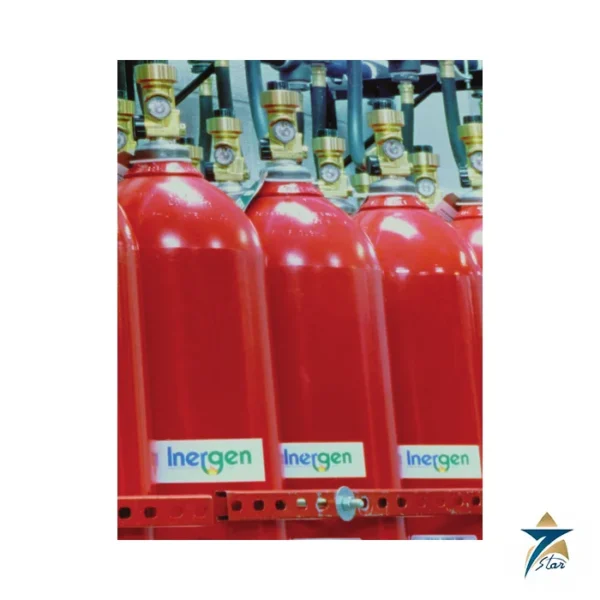
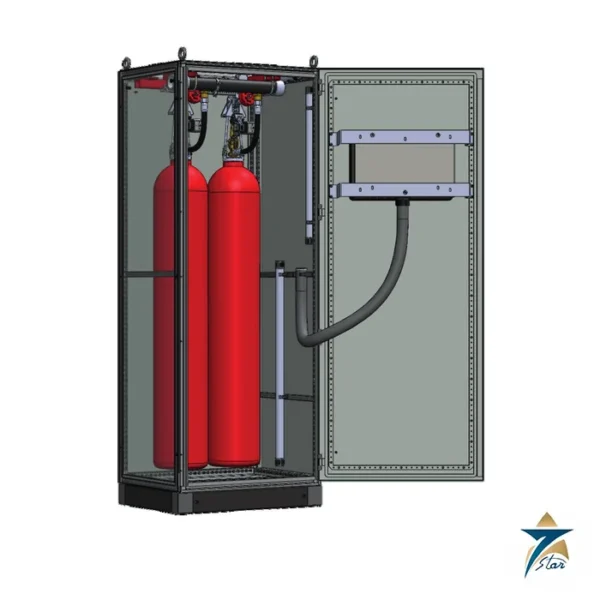
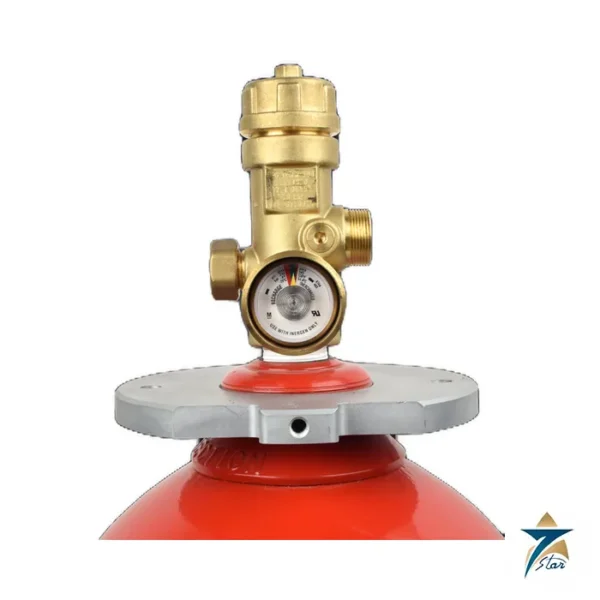
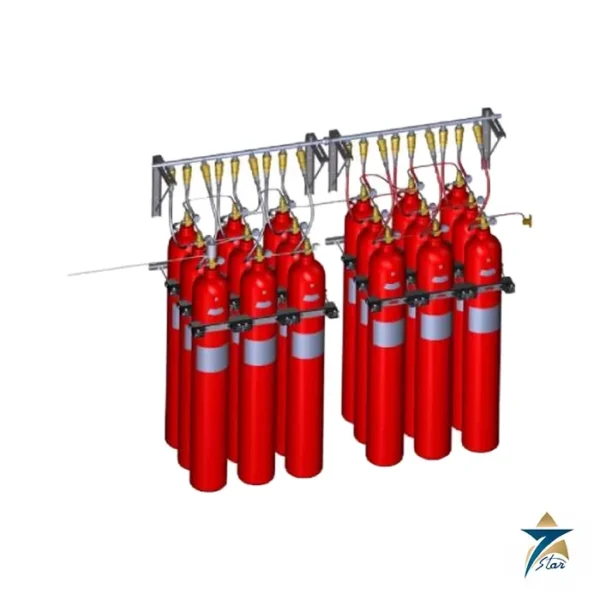
Cylinders carry a forged brass valve assembly with a safety disc against over-pressurization, and a side port that serves as the fill connection and as the control port for control heads. Discharge heads come in plain-nut and grooved-nut styles. Cylinder racks are available in three arrangements: a single row (A), a row on each side with two aisles (B) and a double row on one side (C). Manifolds are set up as end, center or H types, with main and reserve options.
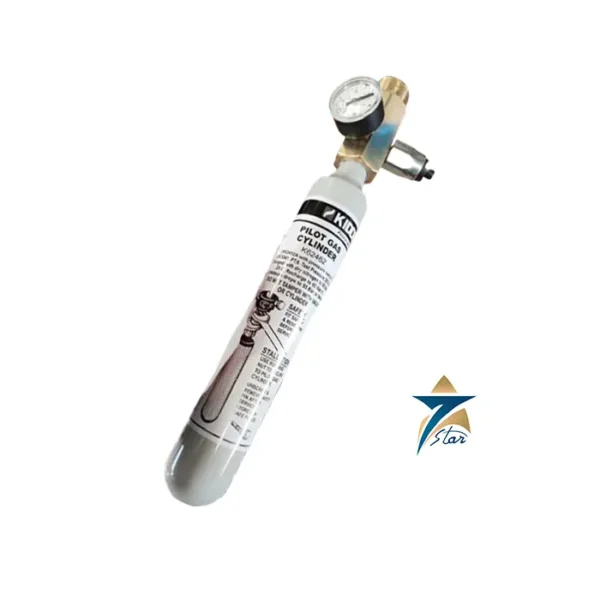
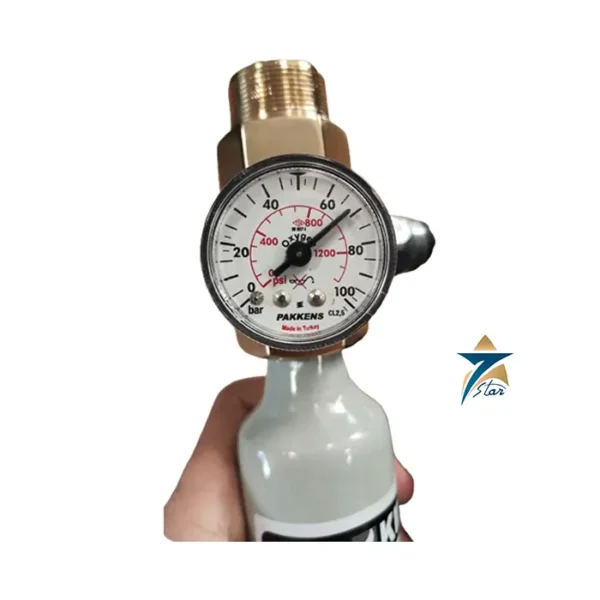
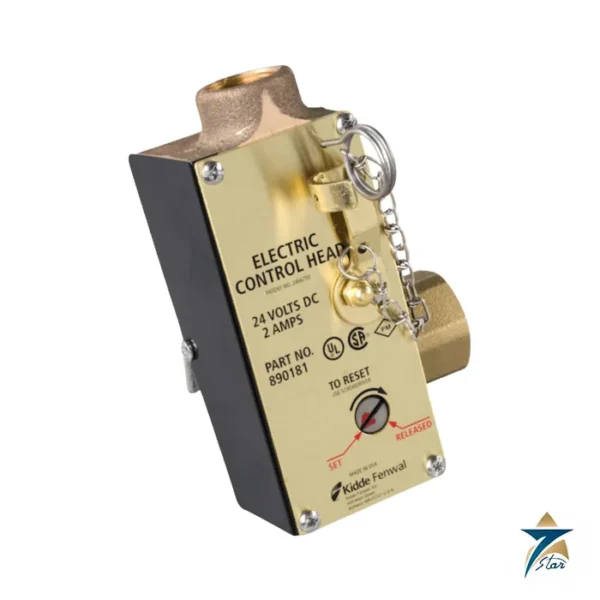
Control heads include lever, pressure, lever and pressure, electric, cable, and pneumatic versions, each with its own datasheet number listed in the document. Electric heads from the Kidde range, such as the WK-890181-000 electric control head, are the link between a release panel and the cylinder valve, and a pilot gas cylinder is used where the design calls for pilot actuation.
What to confirm before ordering
Provide the hazard type, protected volume or area, design method (total flooding or local application), required agent quantity, number and size of cylinders, whether a reserve supply is needed, control head type and the approval basis. Occupied areas call for safety accessories such as discharge delay, a siren, lockout valve and warning signs. CO2 can be lethal at certain concentrations, so post-discharge ventilation and personnel safety procedures belong to the project design. System design and installation are tasks for a qualified fire protection contractor.
Documents and quotation
The manufacturer’s datasheet K-81-1000. The complete 9-page file is 14.6 MB, so the document hosted here is an unaltered excerpt of pages 1-3, 5-7 and 9 (the control head, check valve and signage pages are left out) is attached to this page as a download. Requests are handled by Seven Star LLC, an independent supplier based in Muscat. Send the article number and number of units and we reply with price, lead time and availability. More items are listed in Fire Fighting.

Reviews
There are no reviews yet.