Brand:

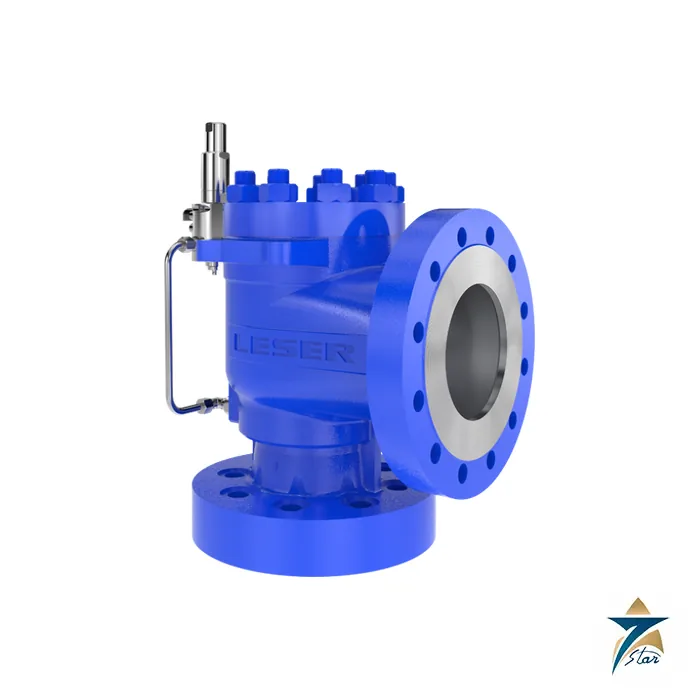
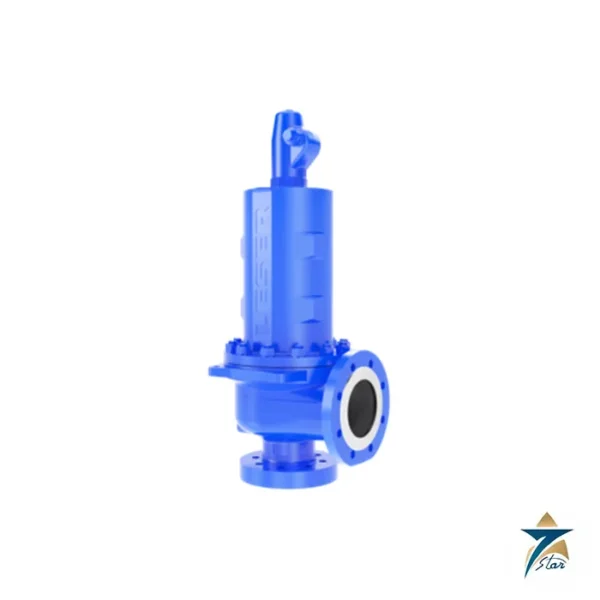
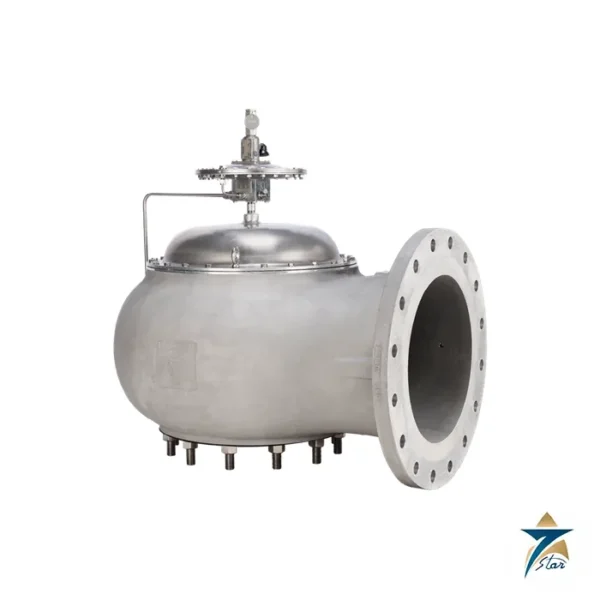
LESER Type 811 High Efficiency Pilot-Operated Safety Valve

Description

Overview

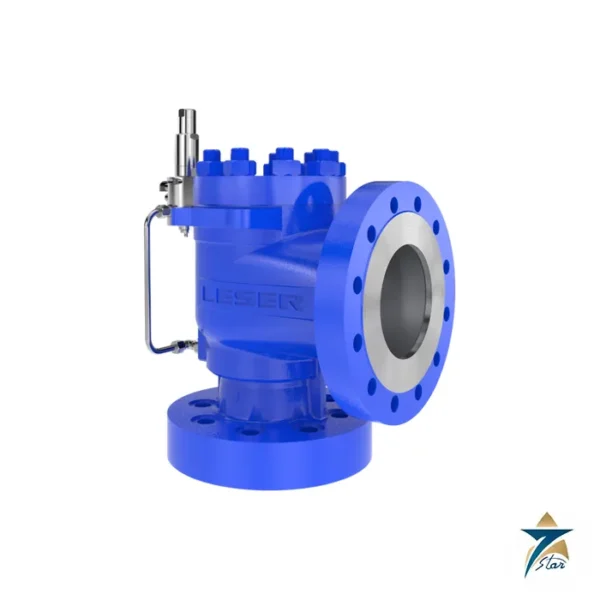
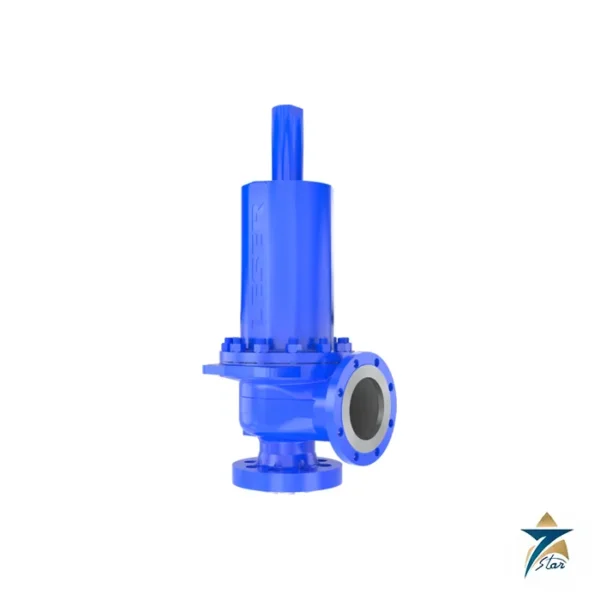
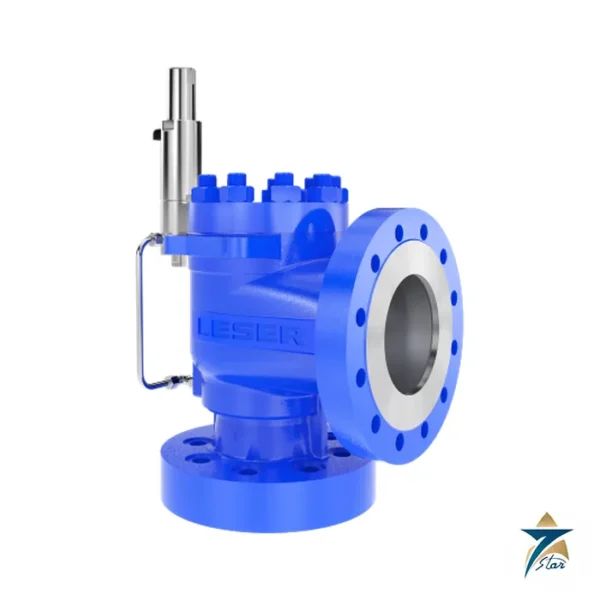
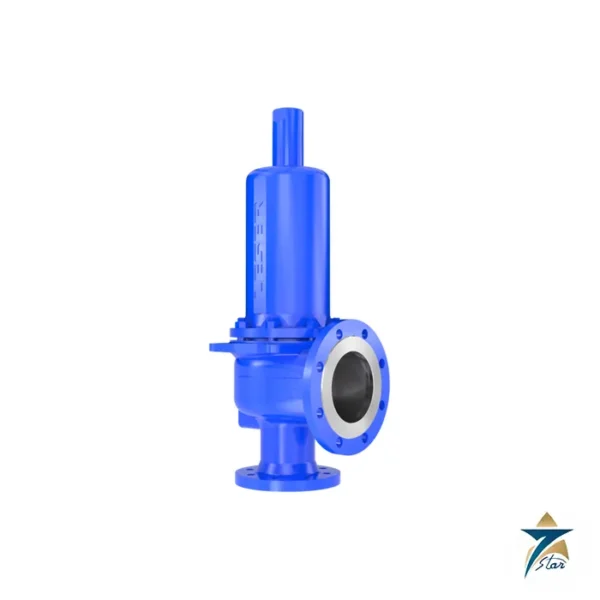
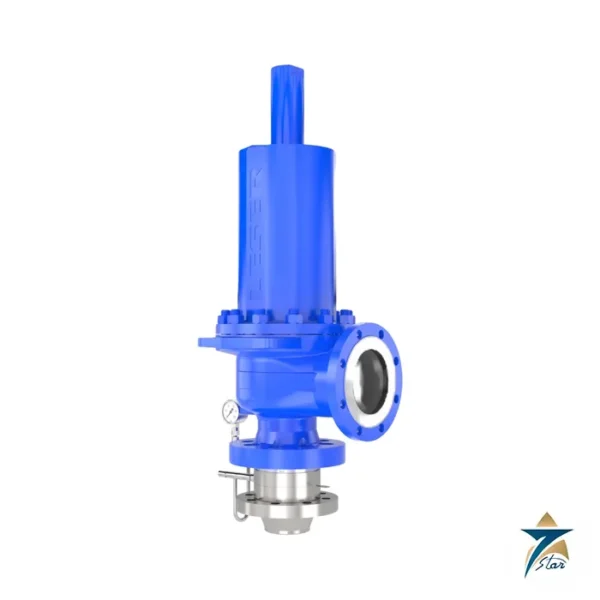
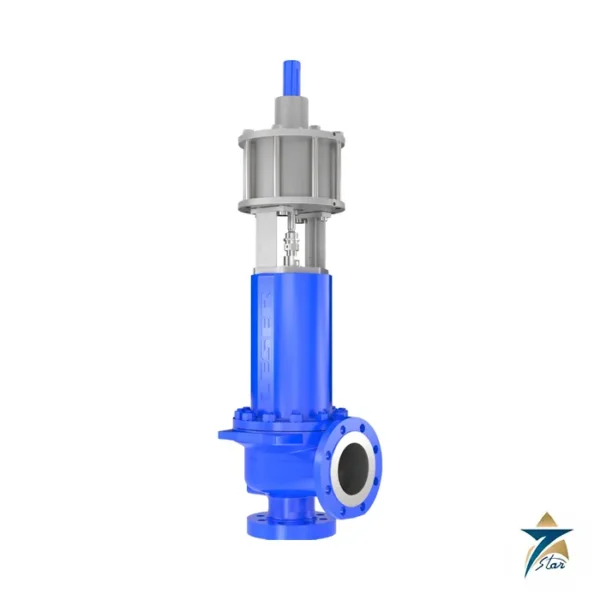
The LESER Type 811 is a High Efficiency pilot-operated safety valve (POSV) that departs from the direct spring-loaded architecture used across most of LESER’s range, instead using a small pilot valve to control a larger main valve for gas protection duty where operating margin and back-pressure tolerance matter as much as raw capacity. Sized from DN 25 to DN 200 (DIN EN 1092) or NPS 1 to NPS 8 (ASME B16.5), with set pressures from 2.5 to 255.5 bar (36.0 to 3,705.0 psig) and a temperature range of -162°C to 300°C, the Type 811 is engineered specifically for chemistry, oil and gas, petrochemical, energy, and LNG/LPG installations where systems must run close to their set pressure without nuisance relief.

Working closely with plant engineers in the region, Seven Star LLC proudly supplies the Type 811 to gas processing, LNG/LPG, and petrochemical projects across Oman and the wider GCC. Facilities in Muscat, Sohar, and Salalah handling high-value or safety-critical gas systems rely on Seven Star LLC for LESER pilot-operated hardware, correct pilot-configuration selection, and manufacturer documentation to support regulatory compliance.

Operating Principle

The Type 811 uses a pilot-operated “Pop Action” mechanism: a small pilot valve senses system pressure and, up to the set point, uses that same process pressure to hold the main valve’s larger piston or disc firmly closed against the seat – giving a tighter shutoff at pressures close to set point than a direct spring-loaded valve can achieve. When system pressure reaches the set point, the pilot vents the loading pressure from above the main valve piston, and the main valve snaps open abruptly to full capacity, discharging the excess gas until pressure falls and the pilot re-establishes the closing signal.

This pilot-controlled behaviour is what allows the Type 811 to operate efficiently up to 96% of set pressure without the risk of simmering or premature lift that a conventional spring valve can show as it approaches its set point, and to tolerate back pressure up to 70% of set pressure without adversely affecting the valve’s lift or reseating characteristics. Because the main valve is not held closed by a heavy spring but by process pressure itself acting through the pilot, larger orifice sizes are achievable in a more compact envelope than equivalent-capacity spring-loaded valve, while the pop-action opening still delivers the rapid, full-capacity discharge required for effective overpressure protection.

Engineering Design of the LESER Type 811

The LESER Type 811 main valve body is available in carbon steel (1.0619 / SA216 WCB) and stainless steel (1.4408 / SA351 CF8M), with Duplex, Monel, and Hastelloy variants available for sour, corrosive, or cryogenic services beyond standard carbon and stainless steel capability. Orifice designations run from D through T+, with the narrowest flow diameter at approximately 11 mm scaling up to 180 mm at the largest size, and connections are available to DIN EN 1092 or ASME B16.5 flange standards to suit the governing piping code.

The LESER Type 811 pilot assembly mounts external to the main valve body and is field-serviceable independent of the main valve, so pilot inspection, adjustment, or replacement does not require removing the main valve from the line in most configurations. Pilot configuration options support modulating or non-modulating (pop) behaviour, remote sensing where the pilot must respond to pressure at a point other than the main valve inlet, and back-flow preventer options for systems where reverse flow through the pilot sensing line would otherwise be a risk, giving engineers considerable flexibility to match the pilot system precisely to the protected process.

Key Features

The LESER Type 811 is the LESER platform of choice wherever plant efficiency and tight operating margins matter as much as relief capacity. Highlights include:

  • Pop-action pilot-operated design that opens abruptly to full capacity once set pressure is reached.
  • Operating efficiency up to 96% of set pressure, minimizing nuisance relief and lost process gas.
  • Back-pressure tolerance up to 70% of set pressure without compromising lift or reseating performance.
  • Size range from DN 25 to DN 200 (DIN EN 1092) or NPS 1 to NPS 8 (ASME B16.5).
  • Set pressure range of 2.5 to 255.5 bar and temperature range of -162°C to 300°C, covering cryogenic LNG through elevated-temperature gas service.
  • Body material options including carbon steel, stainless steel, Duplex, Monel, and Hastelloy for demanding or corrosive media.
  • Orifice designations D through T+, with flow diameters from roughly 11 mm to 180 mm.
  • Field-serviceable external pilot assembly, allowing pilot maintenance without removing the main valve in most installations.

Industrial Applications

The LESER Type 811 is specified for gas protection duty across chemistry, oil and gas, petrochemical, energy, and LNG/LPG facilities, including LNG storage and regasification systems, gas processing and compression trains, petrochemical reactor and separator protection, and high-value gas pipelines where minimizing product loss during near-set-pressure operation carries real commercial value. Its cryogenic-to-300°C temperature range and Duplex, Monel, and Hastelloy material options extend its reach into sour gas and corrosive process streams that would be beyond a standard carbon steel spring-loaded valve.

With fast quotation turnaround and technical support, Seven Star LLC supplies the Type 811 throughout Oman and the GCC, supporting LNG, LPG, and gas processing infrastructure in the Sohar and Salalah industrial and free zones as well as petrochemical and energy projects across Muscat and the wider Sultanate of Oman. Facilities specifying pilot-operated safety valves for high-value gas systems work directly with Seven Star LLC’s instrumentation division for pilot configuration, material selection, and supply.

Technical Specifications

Key parameters for the LESER Type 811 High Efficiency pilot-operated safety valve, the LESER Type 811, are summarized below for specifying engineers.

Parameter Specification
Model LESER Type 811
Design Type Pilot-operated, Pop Action
Size Range (DIN EN 1092) DN 25 to DN 200
Size Range (ASME B16.5) NPS 1 to NPS 8
Set Pressure 2.5 – 255.5 bar / 36.0 – 3,705.0 psig
Temperature Range -162°C to 300°C / -260°F to 572°F
Orifice Range D through T+
Flow Diameter 11 – 180 mm
Body Materials Carbon steel (1.0619/SA216 WCB), stainless steel (1.4408/SA351 CF8M), Duplex, Monel, Hastelloy
Operating Efficiency Up to 96% of set pressure
Back Pressure Tolerance Up to 70% of set pressure
Media Gas protection – chemistry, oil and gas, petrochemical, energy, LNG/LPG

Request a Quote for LESER Type 811

Seven Star LLC’s instrumentation division is ready to prepare a formal RFQ for the LESER Type 811, with lead time confirmed at quotation for LNG, petrochemical, and gas processing project schedules. Contact our team today to specify the correct LESER Type 811 configuration for your gas protection application.

Browse the full LESER range or see more Safety Relief Valves products supplied by Seven Star LLC in Oman and the GCC.

Datasheets & Documents
  • PDF Datasheet LESER Type 811 High Efficiency Pilot-Operated Safety Valve Datasheet Download
Reviews (0)

Reviews

There are no reviews yet.

How would you rate this product?

It takes about 10 seconds — just tap a star. Your email is never published.

About brand

LESER is the German safety valve manufacturer whose history goes back to 16 March 1818, when Georg Wittmann started a brass foundry in Hamburg. The company built its first safety valve for steam boilers in 1885 and has focused only on safety valves since the 1970s. Its production sites are in Hohenwestedt (Germany), Paithan (India) and Tianjin (China).

Seven Star LLC is an independent supplier in Muscat. We list LESER spring-loaded and pilot-operated safety valves and change-over valves, and supply them and their spare parts to refineries, gas plants, boiler houses and process plants in Oman and the GCC.

LESER company profile

Origins 16 March 1818, Hamburg: brass foundry founded by Georg Wittmann
Safety valves First safety valve for steam boilers in 1885; safety valves only since the 1970s
Production Hohenwestedt (Germany), Paithan (India), Tianjin (China)
Product families API, High Performance, Compact Performance, Critical Service, Clean Service, High Pressure, Modulate Action and pilot-operated safety valves, plus change-over valves

Milestones

  • 1818: Georg Wittmann founds a brass foundry in Hamburg on 16 March.
  • 1885: LESER makes its first safety valve for steam boilers.
  • 1970s: The company concentrates on safety valves only.
  • Today: Production in Hohenwestedt (Germany), Paithan (India) and Tianjin (China).

LESER products we list

Series Types Typical use
API series Type 526, 526 CC Refinery and petrochemical relief to API 526
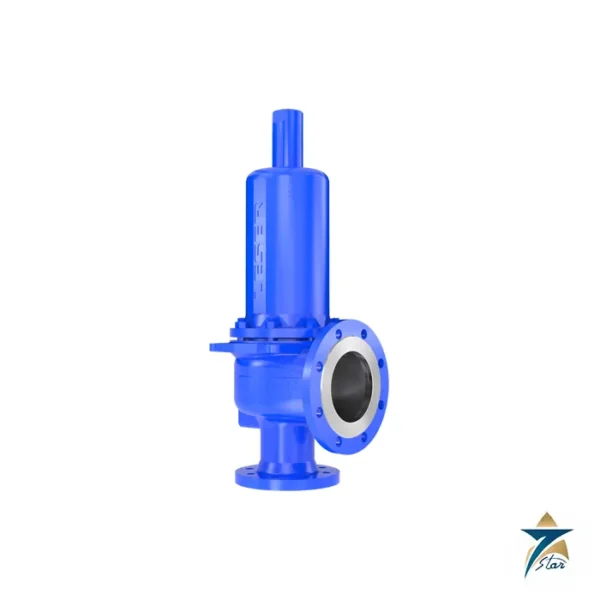
High Performance 441/442 DIN, 441/442 ANSI, 444 Steam, gases and liquids in general process and boiler service
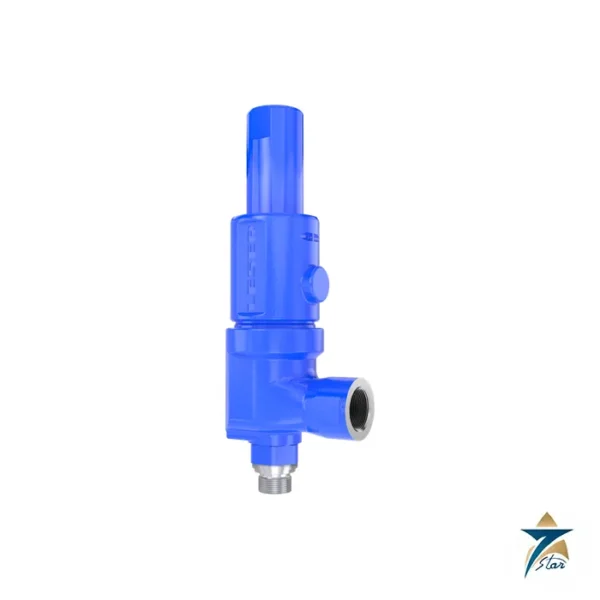
Compact Performance 437, 459, 462 Small threaded valves for compressors, vessels and utilities
Critical Service 447, 449 Toxic, corrosive or high-pressure media, and block-body designs
High Pressure 457/458 High-pressure gas and liquid systems
Clean Service 483, 488 Food, pharmaceutical and clean steam
Pilot-operated, Modulate Action 811, 821 Large capacities and operation close to set pressure
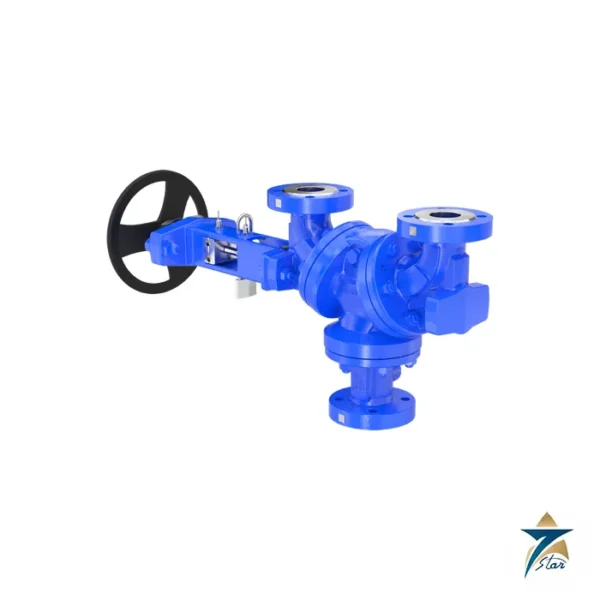
Change-over valves 310 Two safety valves in parallel, so one can be serviced while the other protects the system

A spring-loaded safety valve opens when the system pressure overcomes the spring force at the set pressure. A pilot-operated valve uses the system pressure itself to hold the main valve shut, so it stays tight much closer to the set pressure and suits large flows. Sizing follows the required relief capacity from the worst-case scenario. API 526 fixes the flange sizes and orifice letters (D to T), so an API valve with the same orifice can replace one from another maker.

Where LESER safety valves are used

In Oman and the GCC, LESER safety valves protect vessels, heat exchangers, compressors, pumps, steam boilers and pipelines in oil and gas, refining, LNG, petrochemical, power and desalination plants.

Ordering LESER safety valves: what we need

Send the LESER type and article number from the nameplate, or the data sheet with the medium, set pressure, relieving temperature, required capacity, back pressure, inlet and outlet sizes and pressure classes, and the materials. For spare parts, send the serial number of the valve.

Facts checked against LESER company history (200th anniversary, 2018), October 2026.

FAQ

Questions about the LESER Type 811 High Efficiency Pilot-Operated

Answers from our engineering team on installation, compatibility and integration.

01How does the LESER Type 811 pilot-operated safety valve differ from a spring-loaded safety valve?
The Type 811 uses a small pilot valve to hold the main valve closed using process pressure itself, allowing it to operate efficiently up to 96% of set pressure and open abruptly in a Pop Action once set pressure is reached, rather than relying solely on a spring force as in a direct-acting safety valve.
02What size and pressure range does the Type 811 cover?
The Type 811 is available from DN 25 to DN 200 (DIN EN 1092) or NPS 1 to NPS 8 (ASME B16.5), with set pressures from 2.5 to 255.5 bar (36.0 to 3,705.0 psig) and a temperature range of -162°C to 300°C.
03What materials are available for corrosive or cryogenic service?
Beyond standard carbon steel and stainless steel bodies, the Type 811 is available in Duplex, Monel, and Hastelloy variants for sour, corrosive, or cryogenic LNG/LPG service.
04How much back pressure can the Type 811 tolerate?
The Type 811 can handle counterpressure up to 70% of set pressure without adversely affecting lift or reseating performance, which is a key advantage of the pilot-operated design over conventional spring-loaded valves in high back-pressure systems.
05Is Seven Star LLC an experienced supply partner for LESER products?
Yes. Seven Star LLC supplies LESER products to customers in Oman and the GCC and can provide the manufacturer documentation and technical support on request.