A chemical-seal slave sensor for hot or corrosive electronic DP
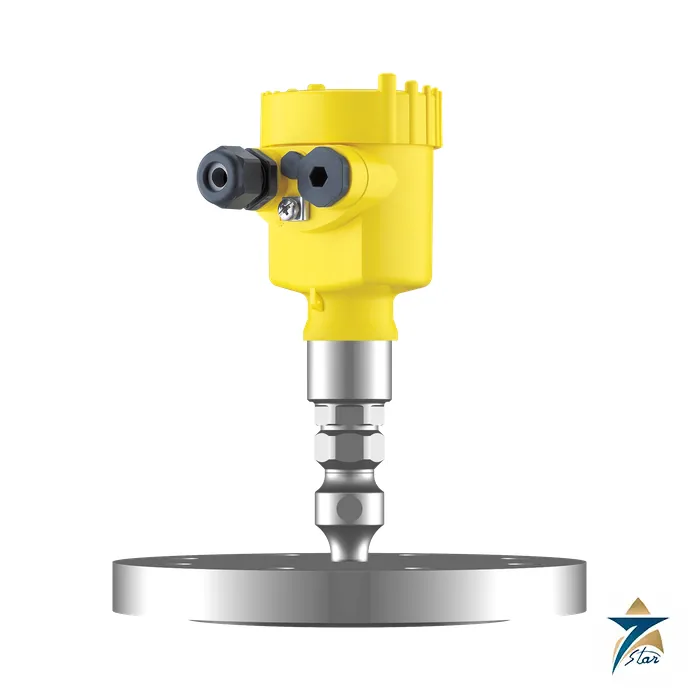
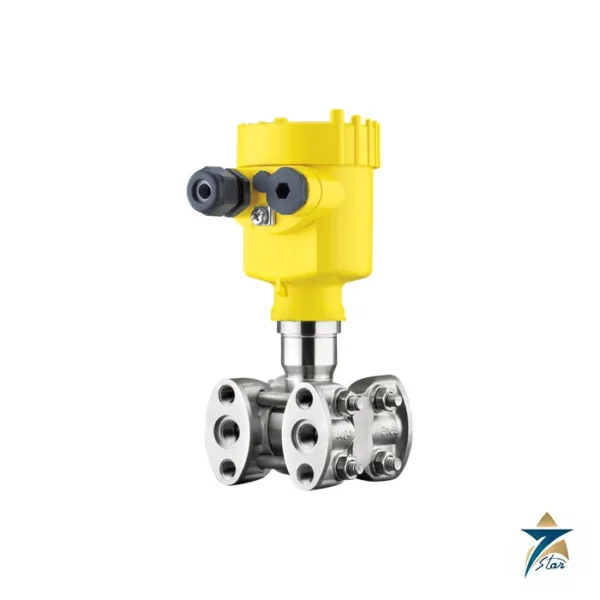
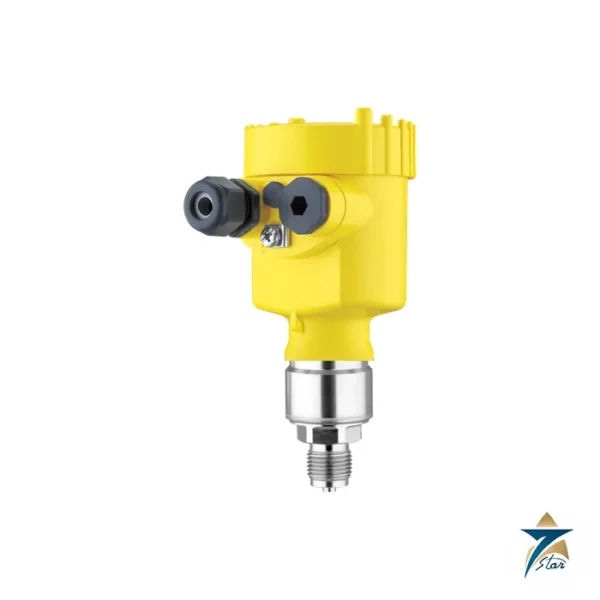
The VEGABAR 81 is a slave sensor with a chemical-seal diaphragm system, designed to be combined with a master sensor from the VEGABAR 80 series into an electronic differential-pressure measuring pair. VEGA describes the combination as suitable for differential pressure, level with superimposed pressure or vacuum, flow, density or interface, and says the chemical seal adapted to the process ensures measurement with highly corrosive and hot products. The slave sees the high or low tapping point; the master computes the difference digitally, which avoids capillary lines between two tapping points.
Technical specifications
| Parameter |
Specification |
| Type |
VEGABAR 81 slave sensor with chemical seal for electronic differential pressure |
| Measuring range |
-1…+1000 bar (-0.1…+100 MPa); smallest span 0.4 bar (5 psig) |
| Deviation |
< 0.2 %; complete measuring chain < 0.3 % |
| Process fitting |
Threads from G½, flanges from DN 15 / ½” |
| Process temperature |
-90…+400 °C (-130…+752 °F); flange to +150 °C, with cooling element to +400 °C |
| Ambient, storage, transport |
-40…+80 °C (-40…+176 °F) |
| Voltage supply |
Through the master sensor |
| Materials |
316L process fitting; diaphragm 316L, Alloy C276, tantalum or PTFE on 316Ti |
| Housing |
Single chamber, plastic, aluminium or stainless steel; up to IP68 (25 bar) with external electronics, IP69K |
| Master electronics |
4…20 mA/HART, Profibus PA, Foundation Fieldbus |
| Approvals |
ATEX and IEC hazardous-area; ship approvals (as printed) |
How an electronic DP pair works
In the VEGA connection example, the slave connects by cable to the master, which carries the 4…20 mA supply and signal circuit. In a pressurised vessel the master sits at the bottom tapping and the slave at the top tapping, and the unit computes level independently of the superimposed pressure. The chemical seal isolates the cell from the medium by a transfer fluid; the benefit given by VEGA is measurement reliable independent of foam generation and tank installations, up to temperatures of 400 °C.
Material choice and ordering
The diaphragm is offered in 316L and in the high-resistance materials Alloy C276, tantalum and PTFE on 316Ti, so the seal can be matched to acids, chlorides or sticky products. The cooling-element flange version is the route to the 400 °C figure, while the plain flange version is limited to 150 °C. Because the electronics supply and signal arrive through the master sensor, state the master variant (HART, Profibus PA or Foundation Fieldbus), the capillary or direct-mount arrangement, the fluid fill and the pressure ranges for both tapping points when you request a quote.
For hot or viscous media the data have practical consequences: the housing and electronics stay at the ambient limit of -40 to +80 °C even when the process runs hotter, so the cooling element or a longer neck is the thermal buffer, and the transfer fluid inside the seal system must be matched to the process temperature. The connection cable length between slave and master is part of the configuration, and the unit should be ordered as a matched pair with the master so that the calibration is consistent.
Where the VEGABAR 81 slave sensor is used
The VEGABAR 81 slave sensor is chosen when a differential-pressure measurement has to be made on a hot, corrosive or difficult product and the plant prefers an electronic pair over a conventional DP transmitter with long impulse lines. Typical examples are level measurement in pressurised or vacuum vessels, where the superimposed pressure must be cancelled out, as well as flow, density and interface measurement listed by VEGA for the combination. In chemical, petrochemical and refinery units the diaphragm system keeps the measuring cell away from aggressive or high-temperature media, while the electronic link to the master removes the need to run pressure lines between two tapping points that may be far apart on a tall column or tank.
Selection considerations for the pair
A slave sensor is never selected on its own. It always works with a master sensor from the VEGABAR 80 series, so the first step is to define the master: its output signal, its housing and its hazardous-area approval. The slave is then matched to the upper or lower tapping point, with a measuring range that covers the pressure at that point rather than the differential value. Diaphragm material should follow the chemistry of the product, using 316L for general service and the high-resistance options named on this page for acids, chlorides or sticky media. The process temperature decides whether the plain flange version is sufficient or whether the cooling-element version is required. Finally, the process fitting, thread or flange, must suit the existing nozzle on the vessel.
Integration with the control system
Because the slave receives its supply through the master, the control system only sees one instrument. The master provides the computed level, flow or differential value to the DCS or PLC through the output chosen when ordering, whether a 4…20 mA/HART loop or a Profibus PA or Foundation Fieldbus segment. This simplifies loop wiring and configuration, since the pair is parameterised and diagnosed through the master. Plan the cable route between the two sensors carefully, protect it from mechanical damage, and keep it separate from power cabling.
Installation in Oman and GCC process plants
Refineries, gas plants and chemical sites in Oman and the Gulf combine hot processes with high ambient temperatures and strong sun. Since the housing and electronics must stay within their ambient limit even when the product is far hotter, mount the slave so that heat from the vessel and from sunlight does not build up around the housing, and use shading where the location is exposed. On coastal sites, stainless steel housings are a sensible choice against salty air. Handle the diaphragm with care during installation, avoid impact or scratching, and check the pair together during commissioning so that both sensors report consistent readings before the loop is handed over.
Documents and quotation
The official VEGA VEGABAR 81 (slave sensor) specification sheet (46168-EN, version 180612) is attached to this page for download and covers the technical data, dimensions and wiring summarised above.
For a quotation, tell us the medium, tank or channel dimensions, output signal, hazardous-area requirement and quantity. Seven Star LLC, an independent supplier in Muscat, will respond with availability and a commercial offer; other level instrumentation is on our site. Always verify the complete order code against VEGA’s configurator before you place an order.














Reviews
There are no reviews yet.