A general-purpose ultrasonic couplant gel for flaw detection and thickness gauging
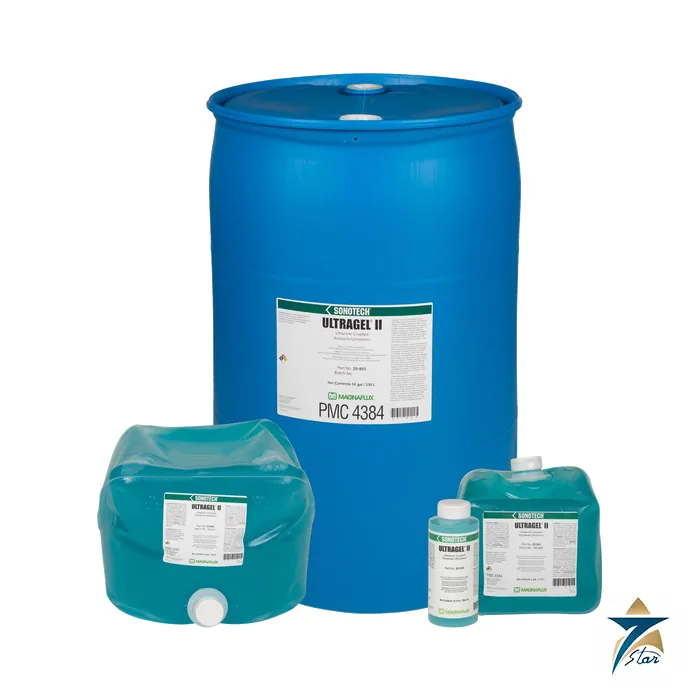
Magnaflux Ultragel II is a medium-viscosity ultrasonic couplant from the Sonotech range of Magnaflux. The manufacturer describes it as a high-performance couplant for flaw detection and sizing, thickness gauging, flow metering and acoustic emission testing. It is a bright blue, transparent, thixotropic gel. It stays where it is put on vertical and overhead surfaces, then thins under the movement of the probe so that the transducer slides easily during a scan.
Ultrasound at the frequencies used in NDT does not cross even a thin layer of air. A couplant fills the gap between the transducer face and the test surface so that sound can pass into the part and the echo can return. Ultragel II does this with an acoustic impedance higher than water. The data sheet says this reduces surface noise, and the gel also fills small depressions on rough or corroded surfaces.
According to the data sheet, Ultragel II is approved by Pratt & Whitney (PMC 4384) and meets nuclear-grade limits for halogen and sulfur content. Both are below 50 ppm.
Features listed by the manufacturer
- Thixotropic, medium-viscosity gel that clings to vertical and overhead surfaces
- Fills depressions in rough surfaces and gives good transducer lubrication
- Higher acoustic impedance to reduce surface noise
- Slow drying, for longer inspections or long-term coupling
- High corrosion protection for the inspected part
- Good surface wetting on most metals and composites
- Nuclear grade: halogens and sulfur each below 50 ppm
- Suitable for hydrogen embrittlement testing (ASTM F519)
- Silicone-free and water soluble, so it rinses off with water
Technical specification
| Parameter |
Specification |
| Product type |
Ultrasonic couplant, general purpose gel |
| NDT method |
Ultrasonic testing (UT) |
| Appearance |
Transparent gel, bright blue |
| Comparative viscosity |
5 on the manufacturer’s 0 to 10 scale (medium gel) |
| Viscosity (comparison guide) |
About 80,000 cps, Helipath spindle E at 1.5 rpm |
| Composition notes |
Contains glycerin and propylene glycol; no silicone |
| Halogens |
Below 50 ppm |
| Sulfur |
Below 50 ppm |
| Water soluble |
Yes |
| Usage temperature |
-10 to 210 °F / -23 to 99 °C |
| Storage temperature |
50 to 86 °F / 10 to 30 °C, do not freeze |
| Compatibility |
Most composites and metals; may darken or discolour magnesium |
| Specifications listed |
API, ASME, AWS, ASTM F519, ASTM F945 or PWA 36604, MCL E-205 Type II, Pratt & Whitney PMC 4384 |
| Data sheet revision |
February 2024 |
The data sheet notes that couplant integrity and acoustic performance may decline outside the usage temperature limits. The Magnaflux comparison guide gives the temperature range for thickness gauging and lower maximum temperatures for flaw inspection.
Pack sizes and part numbers
| Pack |
Part number |
Typical use |
| 12 fl oz / 354 mL bottle, case of 12 |
25-912 |
Field kits and thickness gauge cases |
| 1 gal / 3.78 L cubitainer |
25-901 |
Inspection crews and workshop benches |
| 5 gal / 18.9 L cubitainer |
25-905 |
Shutdown campaigns and refilling bottles |
| 55 gal / 208 L drum |
25-955 |
Automated scanning and large users |
The data sheet lists the 1 gal and 5 gal cubitainers for shipment to Europe, the Middle East and Africa. The bottles and the drum are listed for North America, Asia and Oceania, so these packs need a separate check of availability before a quotation for Oman.
Where Ultragel II is used
The manufacturer lists flaw detection, flaw sizing, thickness gauging, flow metering, acoustic emission testing, weld inspection, rough surfaces, vertical and overhead surfaces, aerospace and nuclear inspections, composites, turbine blades and aircraft wheel maintenance. In oil, gas, refining and power plants in Oman and the GCC, this means corrosion and wall-thickness surveys on piping and vessels, pulse-echo and phased array weld inspection, and the clamp-on transducers of ultrasonic flowmeters. Because the gel clings to the surface, it suits work on pipe racks and the shells of tanks, where a thin liquid would run off before the reading is taken.
For long-term coupling, such as a clamp-on flowmeter left in place for a survey, slow drying is the property that matters. The data sheet names slow drying as a benefit for extended inspection time.
Choosing a couplant: Ultragel II compared with other general-purpose gels
The Magnaflux comparison guide puts Ultragel II at the top of its general-purpose group for corrosion inhibition and acoustic performance. The table below uses the guide’s thickness-gauging temperature ranges.
| Couplant |
Temperature range |
Notes from the guide |
| Ultragel II |
-23 to 99 °C |
Highest corrosion inhibition and acoustic score in the group; ASTM F519, ASTM F945/PWA 36604, PWA 36700, BAC 5968, BAC 5980, BAC 5439 listed |
| Soundsafe |
-18 to 93 °C |
Similar viscosity, PWA 36700 |
| Sonotrace Gr 30 |
-4 to 79 °C |
BAC 5968 |
| Echogel Gr 20 |
-3 to 60 °C |
ASTM F519, BAC 5439 |
For hot surfaces above 99 °C, such as in-service piping, a high-temperature couplant is needed instead. Magnaflux lists separate products for that service. For normal-incidence shear wave probes, a very viscous shear-wave couplant is required, because ordinary gels do not carry shear waves.
Application and removal
The data sheet instruction is short: apply a small amount of couplant to the transducer or the inspection area before the measurement. Remove it afterwards with a water rinse (warm or hot water is recommended), isopropyl alcohol or 100% ethyl alcohol. General practice, not from the sheet: wipe the surface clean of loose scale before applying the gel, use the same couplant for calibration on the reference block as on the part, and clean the area before painting or welding, since residue can affect coating adhesion.
Storage and handling
Store the couplant in its original container, out of direct sunlight, with the container closed when not in use. Do not freeze it. The data sheet also says never to pour unused couplant back into the original container. Where pumps or valves dispense bulk couplant, wash them between drums so that new product is not contaminated. In the GCC summer, keep stock in an air-conditioned store, because the maximum storage temperature is 30 °C.
Material certification
For austenitic stainless steel, nickel alloys and titanium, inspection codes such as ASME Section V limit the halogen and sulfur content of couplants and ask for a record of the batch. Magnaflux publishes a batch certificate for Ultragel II, and the data sheet gives both contaminants as below 50 ppm. Ask for the batch certificate with the order when your procedure requires it, and keep it in the inspection file with the batch number printed on the container.
What to include in a quotation request
Send the part number from the pack table, the quantity, the delivery location in Oman or elsewhere in the GCC, and whether a batch certificate is required. If the couplant will be used on hot surfaces or with shear-wave probes, state the surface temperature and probe type so that we can confirm Ultragel II is the right product or propose another couplant.
Related products
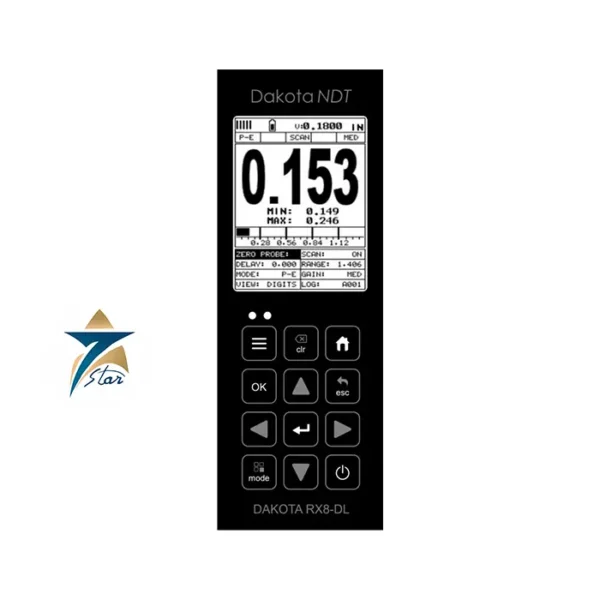
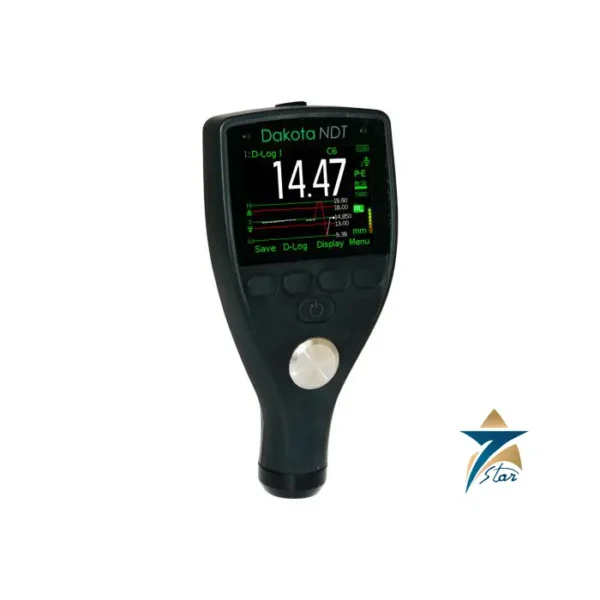
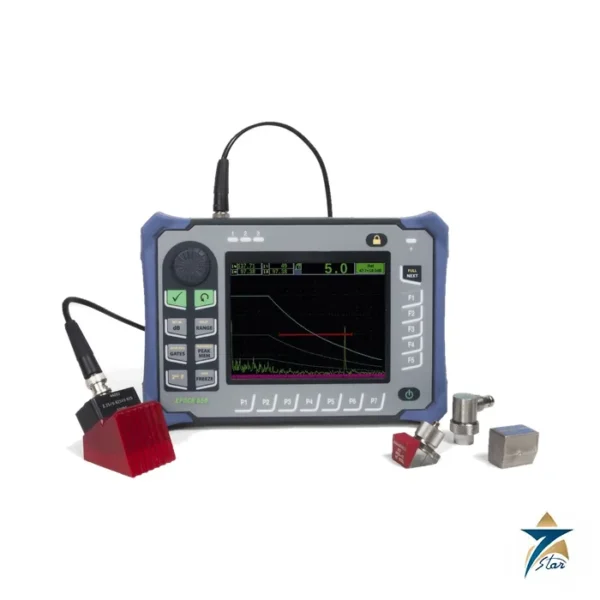
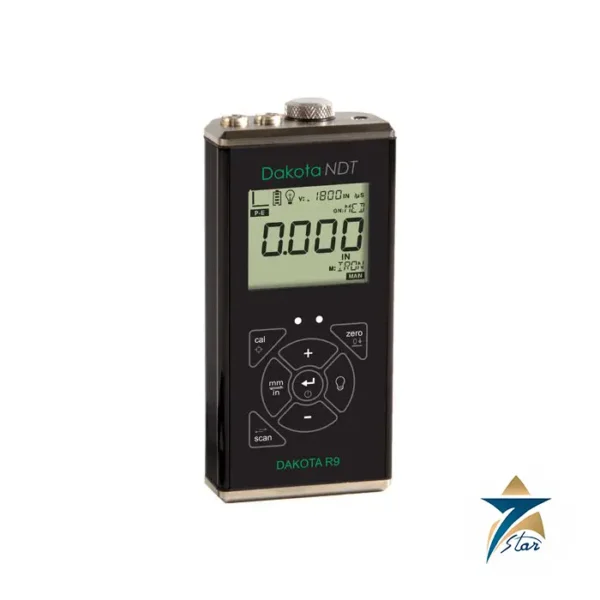
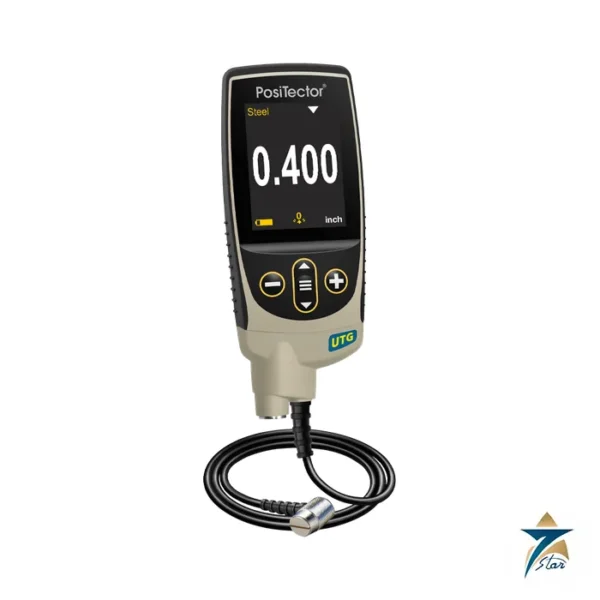
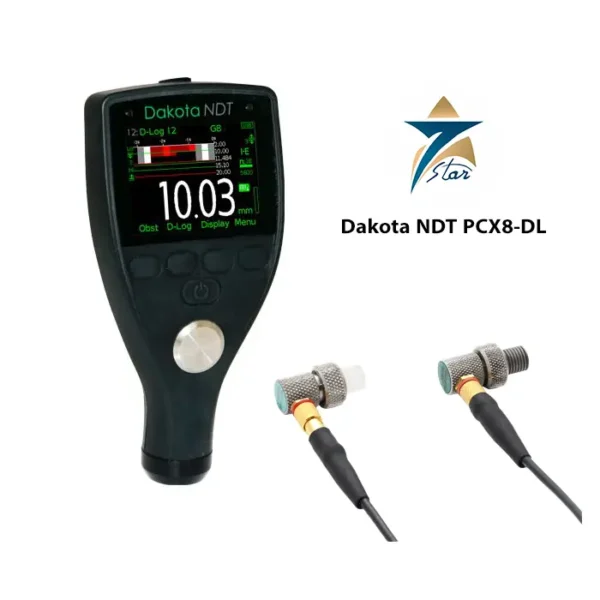
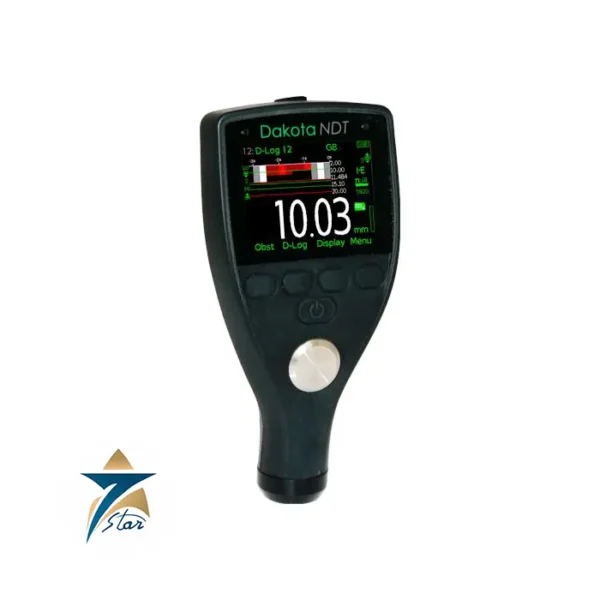
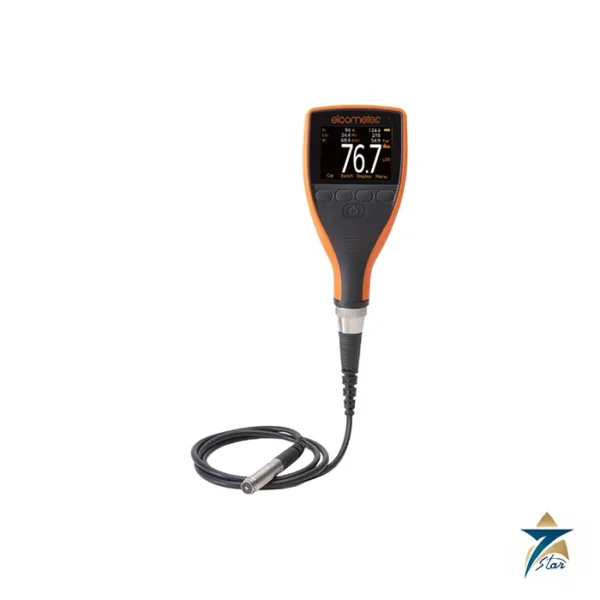
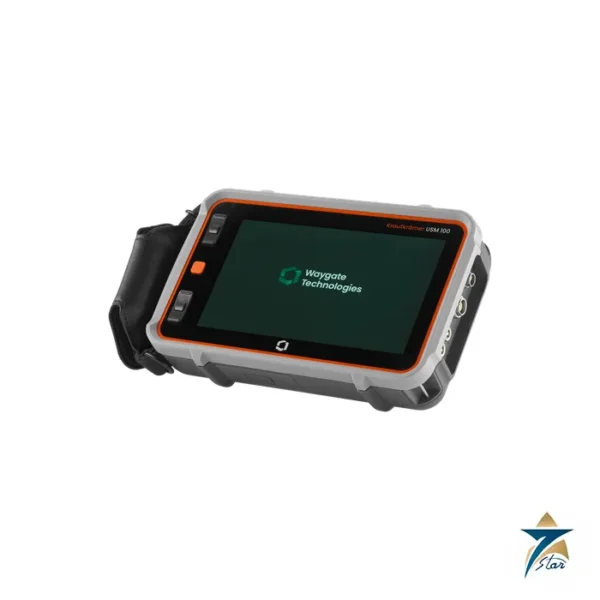
Ultragel II is used with ultrasonic thickness gauges, flaw detectors and calibration blocks. Browse the NDT Accessories range, or the wider Non-Destructive Testing (NDT) category, for related equipment.
Documents and quotation
The manufacturer data sheet (revised February 2024) is attached for download. The values on this page are taken from it and from the Magnaflux couplant comparison guide; confirm the pack size and any specification your project requires before ordering. Seven Star LLC is an independent supplier in Muscat; send the part number and quantity for a quotation.








Reviews
There are no reviews yet.