Allen-Bradley is the brand of Rockwell Automation for industrial control: ControlLogix and CompactLogix controllers, I/O systems, PanelView operator terminals, PowerFlex drives, motor control and industrial network equipment. The company began in Milwaukee in 1903, when Lynde Bradley and Dr. Stanton Allen formed the Compression Rheostat Company to make the motor speed controller Bradley had invented in 1901. It took the name Allen-Bradley in 1909 and was bought by Rockwell International in 1985. Since 2001 its owner has been Rockwell Automation, which is still headquartered in Milwaukee, Wisconsin.
Allen-Bradley company profile
| Founded |
1903, Milwaukee, Wisconsin, USA, as the Compression Rheostat Company |
| Founders |
Lynde Bradley (inventor of the compression rheostat, 1901) and Dr. Stanton Allen (investor); Harry Bradley joined in 1904 |
| Name |
Allen-Bradley Company from 1909 |
| Ownership |
Acquired by Rockwell International in 1985 for about USD 1.65 billion; a brand of Rockwell Automation (NYSE: ROK) since 2001 |
| Headquarters |
Milwaukee, Wisconsin, USA |
| Product families |
Logix programmable automation controllers (ControlLogix, CompactLogix), legacy SLC 500 and MicroLogix PLCs, Micro800 controllers, POINT, FLEX and Compact I/O, PanelView HMIs, PowerFlex AC drives, contactors, motor starters and soft starters, safety components, Stratix Ethernet switches |
Milestones
- 1901: Lynde Bradley invents the compression rheostat to control the speed of electric motors.
- 1903: The Compression Rheostat Company is formed in Milwaukee with an initial investment of USD 1,000.
- 1904: Harry Bradley joins; a crane controller is shown at the St. Louis World's Fair.
- 1909: The company is renamed Allen-Bradley.
- 1985: Rockwell International acquires Allen-Bradley.
- 2001: Rockwell Automation becomes the company's name; the Allen-Bradley brand marks 100 years in 2003.
Reading Allen-Bradley catalogue numbers
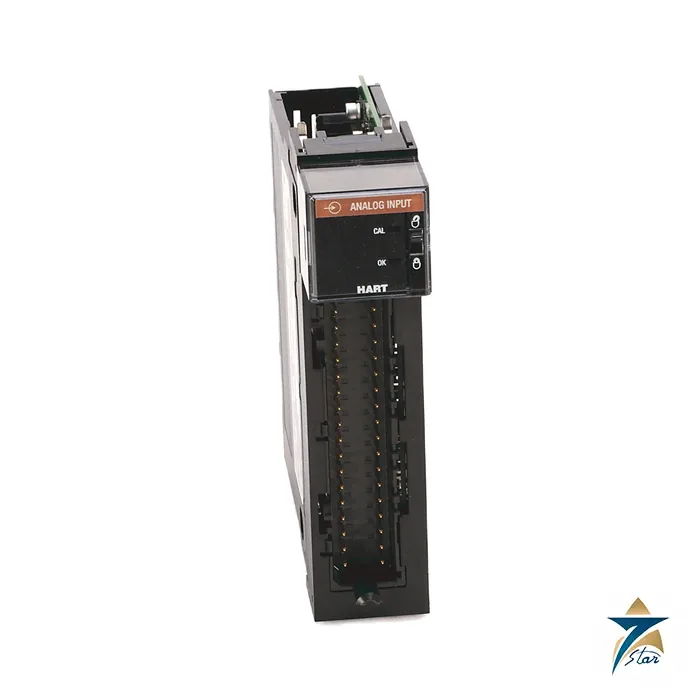
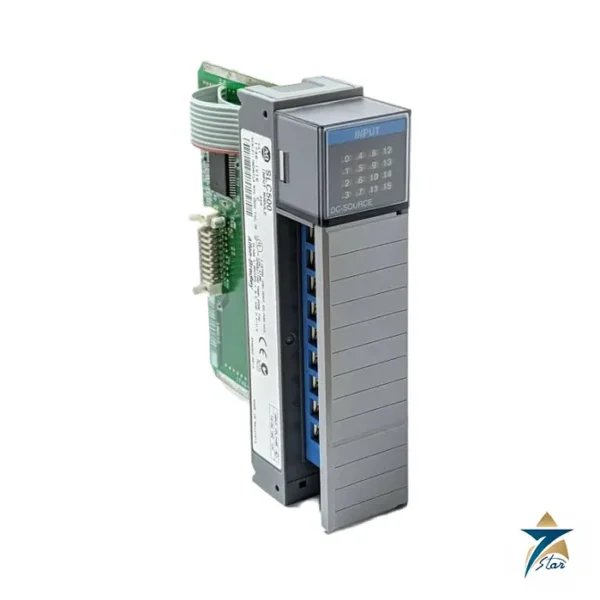
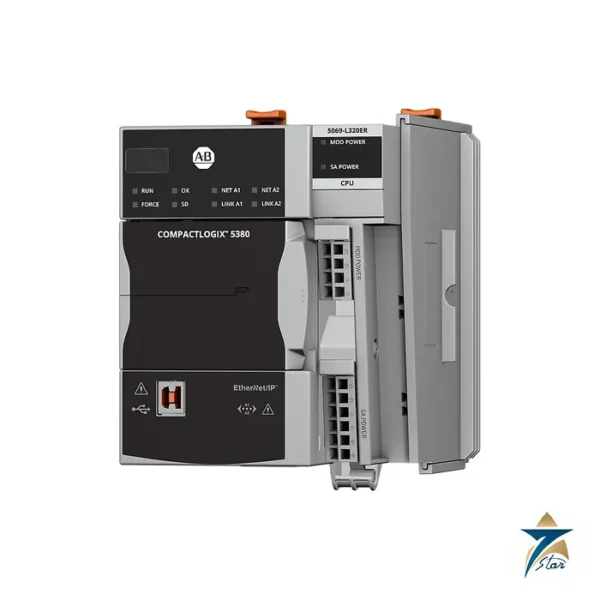
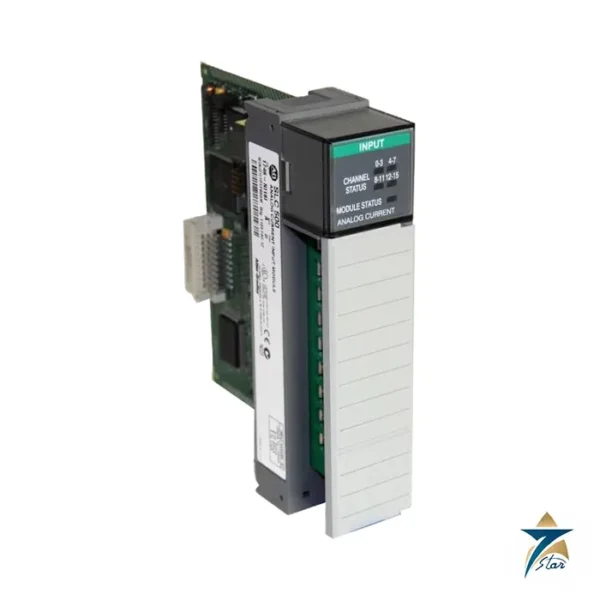
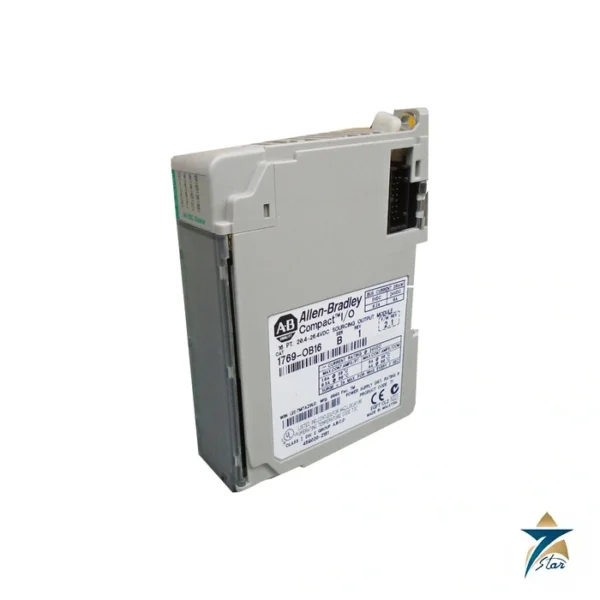
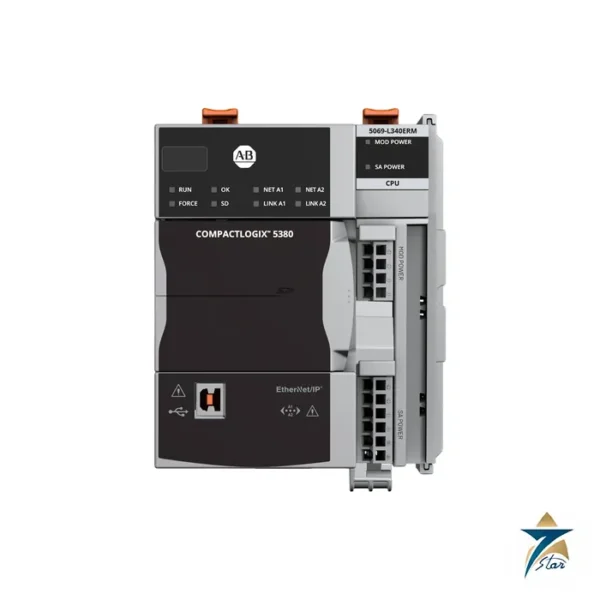
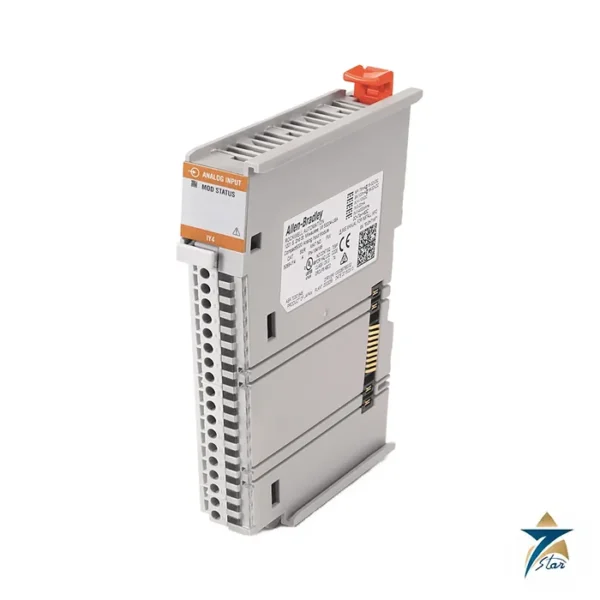
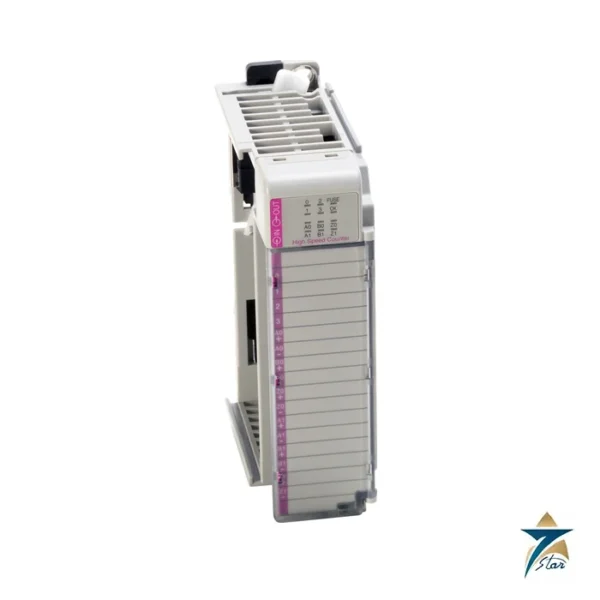
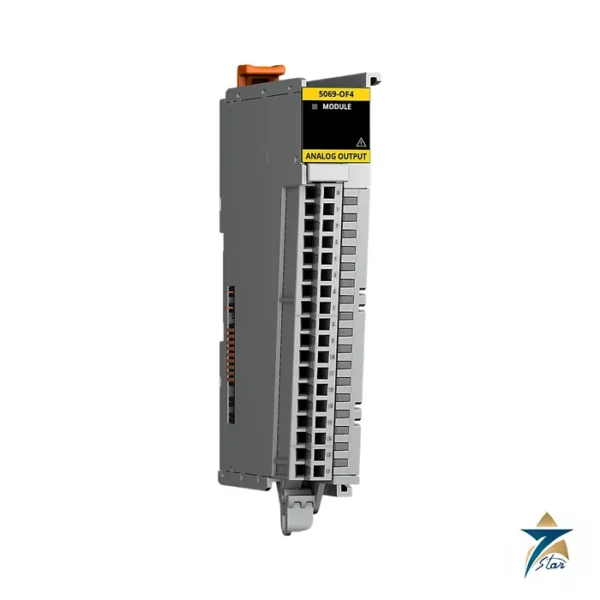
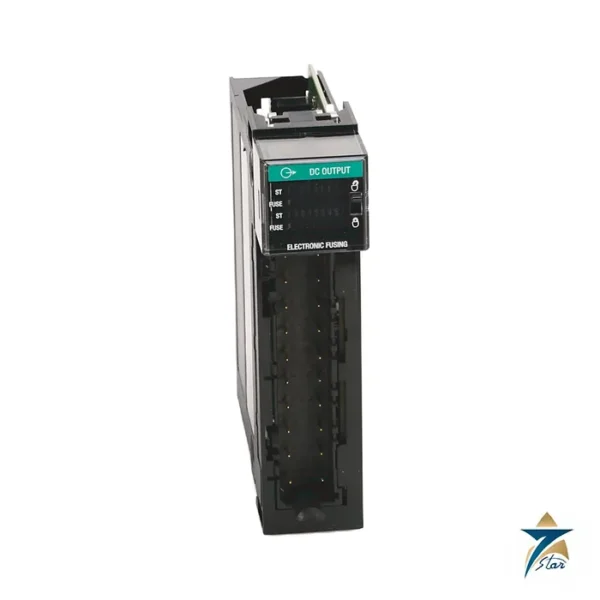
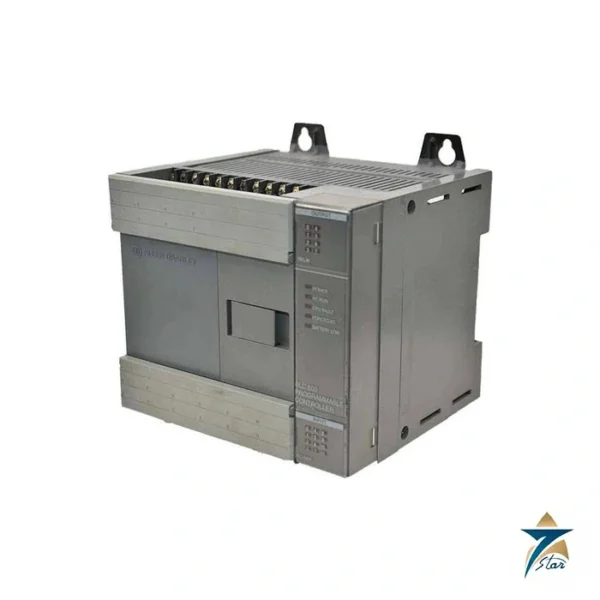
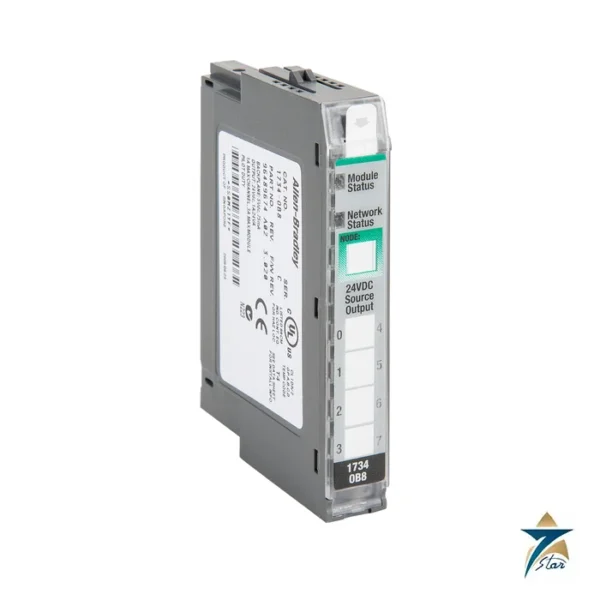
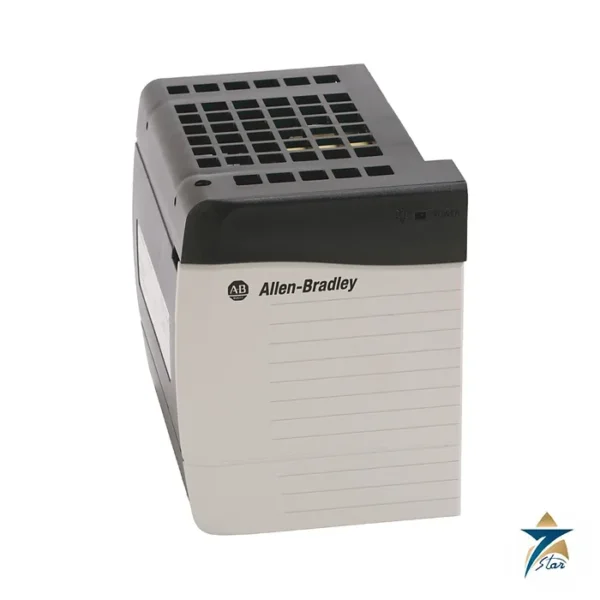
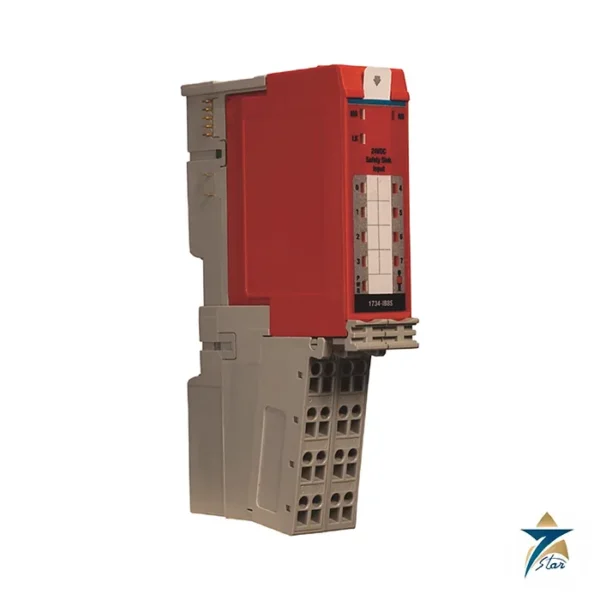
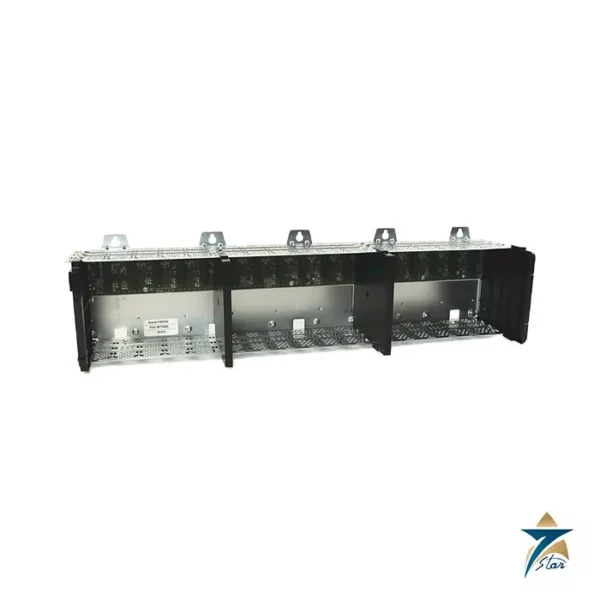
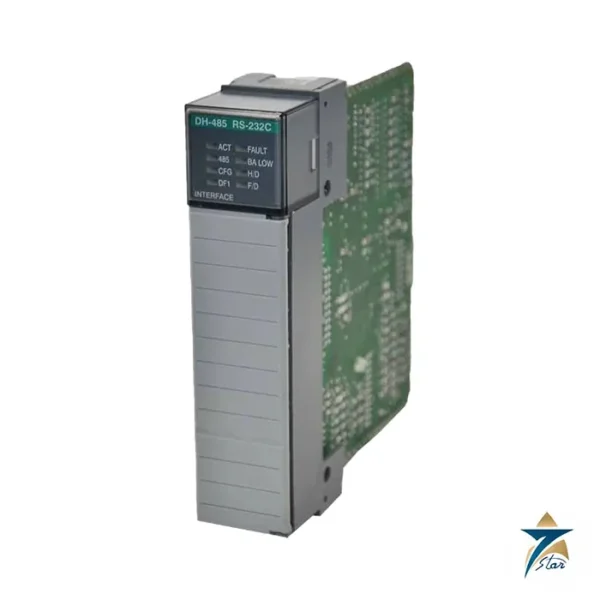
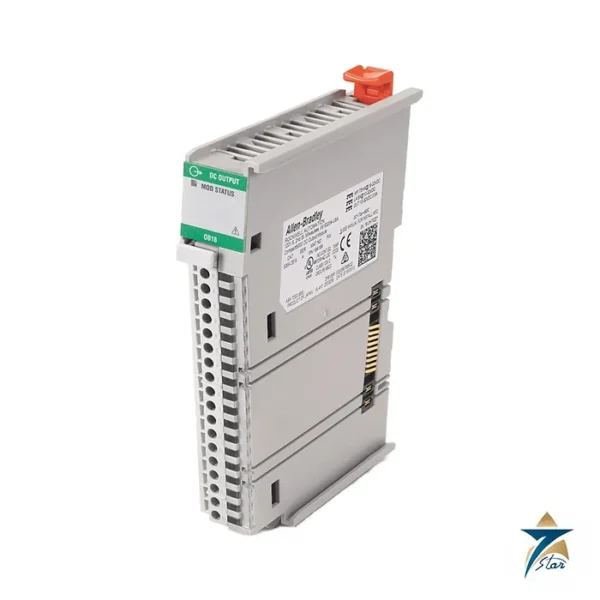
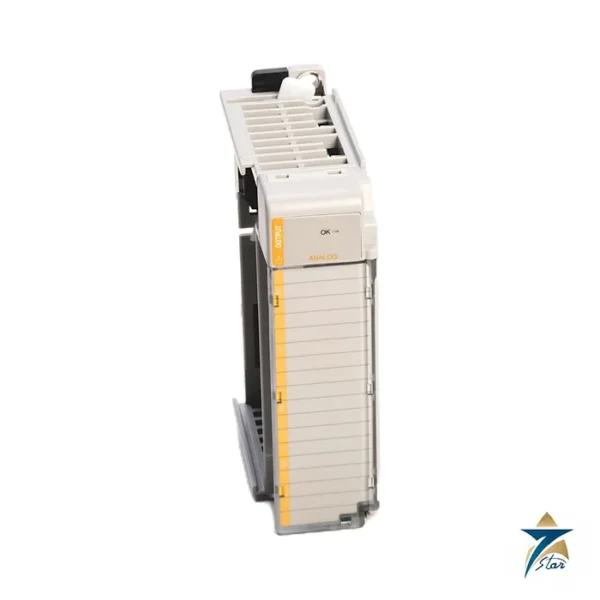
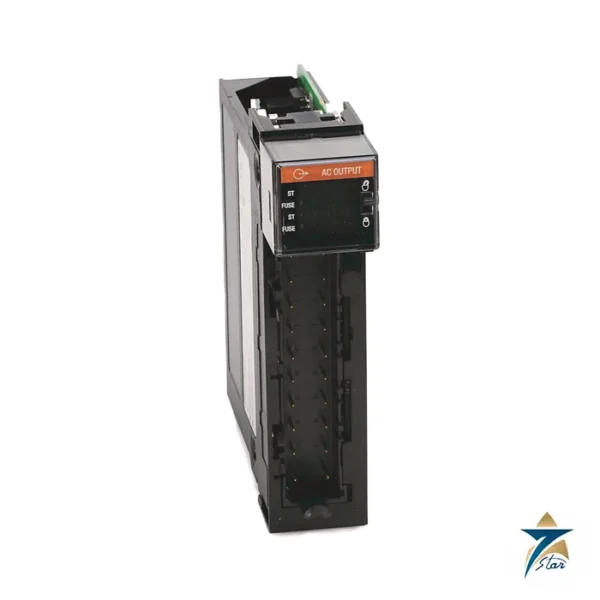
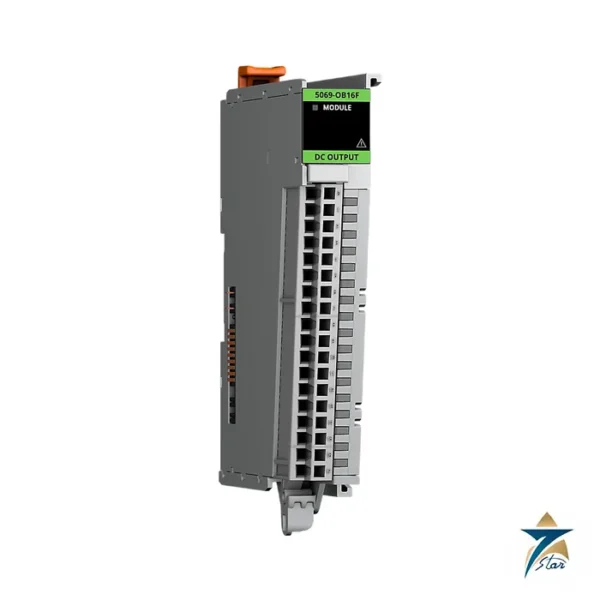
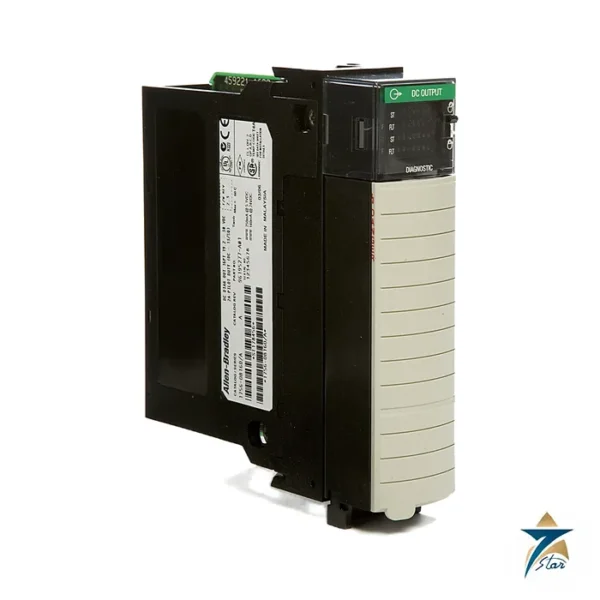
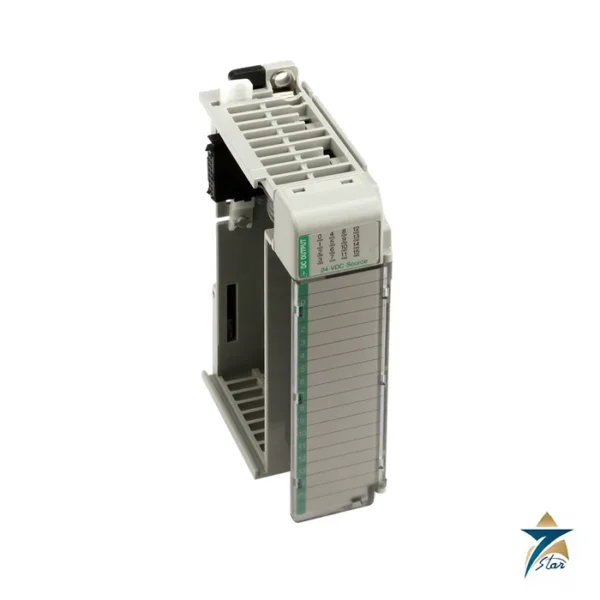
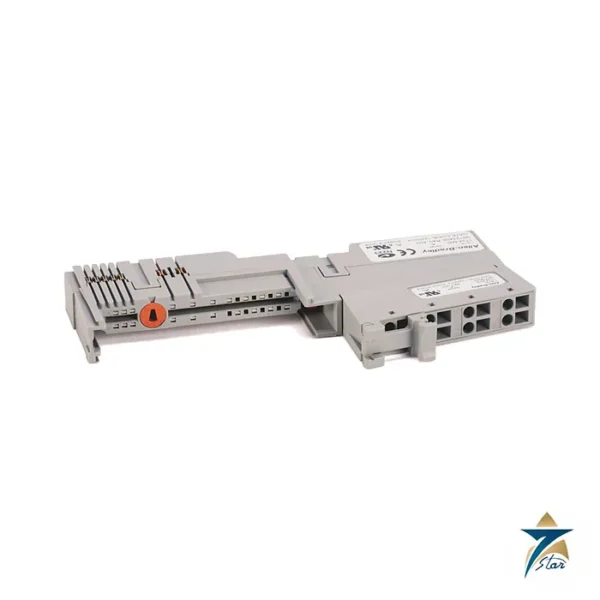
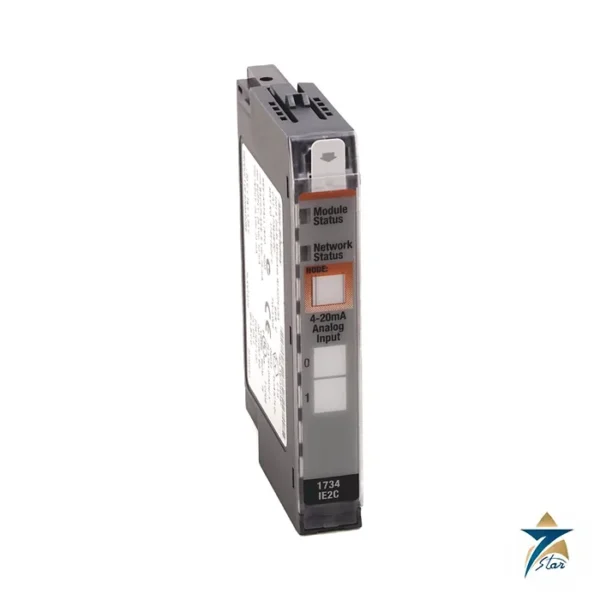
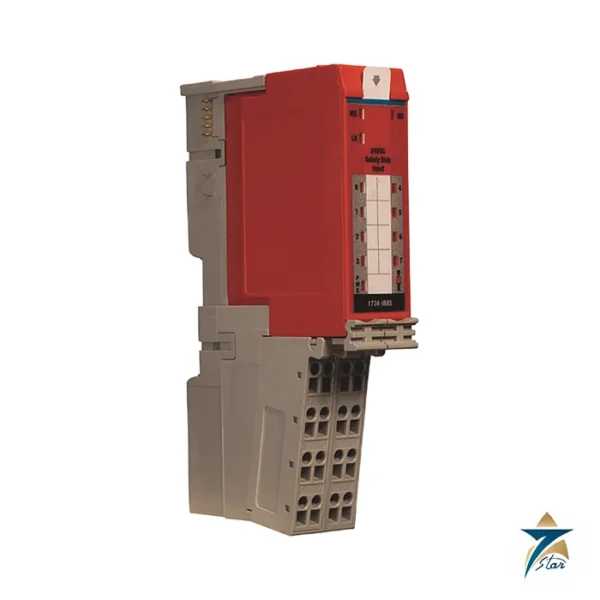
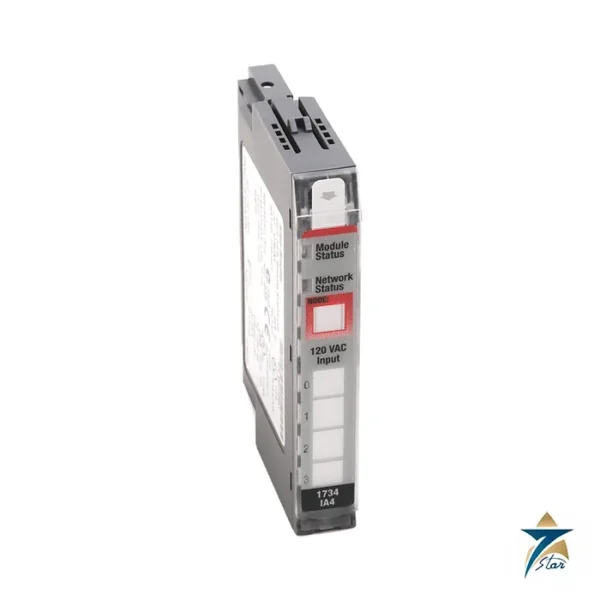
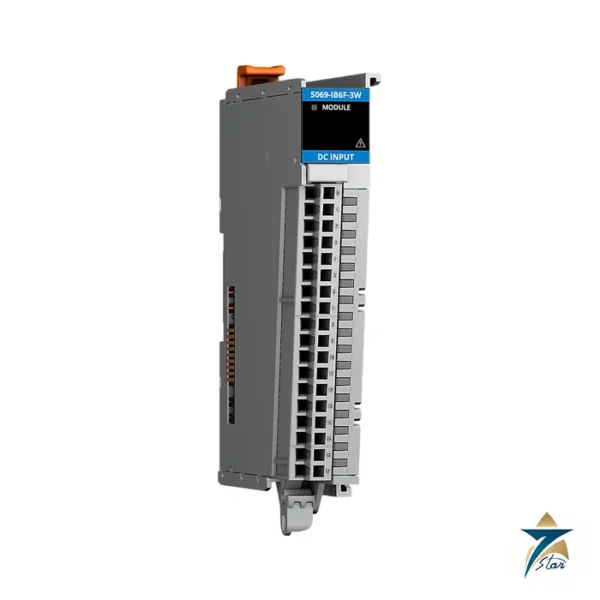
The first digits of an Allen-Bradley catalogue number identify the platform, which tells you what is compatible with what. 1756 is ControlLogix (chassis-based, used for large process and plant control), 1769 is CompactLogix 5370 with Compact I/O, 5069 is CompactLogix 5380 with Compact 5000 I/O, 1734 is POINT I/O, 1794 and 5094 are FLEX and FLEX 5000 distributed I/O, 1746 and 1747 belong to the older SLC 500 family, 1766 is MicroLogix 1400 and 2080 is Micro800. For drives, 25B is PowerFlex 525 and 22B is PowerFlex 40; in a code such as 25B-D010N114, "D" means 380–480 V, "010" is the output current rating, and N114 instead of N104 means the drive has an integrated EMC filter. Many plants in the region still run SLC 500 and older MicroLogix systems, which Rockwell has discontinued, so exact spares and migration to CompactLogix are both common requests.
Where Allen-Bradley products are used
In Oman and the GCC, Allen-Bradley controllers and drives run on oil and gas facilities, water treatment and pumping stations, cement, food and beverage and packaging plants, and on machines supplied by American OEMs. ControlLogix is often the platform for plant control systems, while PowerFlex drives are used on pumps, fans and conveyors.
Allen-Bradley products we list
| Family |
Examples |
| ControlLogix |
1756-L85E, 1756-EN2T, 1756-EN2TR, 1756-IF16, 1756-IB32, 1756-PA75, 1756-A10 |
| CompactLogix and Micro controllers |
5069-L320ER, 5069-L340ERM, 1769-L33ER, 1769-L16ER, MicroLogix 1400, Micro820, SLC 500 (1746) |
| Distributed I/O |
1734-AENTR, 1734-IB8, 1734-IE2C, 1734-IB8S safety, 1794-AENTR, 5094-AENTR, 5069-IF8 |
| Operator terminals |
PanelView Plus 7 10-inch, PanelView Plus 7 15-inch, PanelView 800, PanelView 5310 |
| Drives, motor control and networking |
PowerFlex 525, PowerFlex 755, PowerFlex 4, 150-A180NBD SMC, Stratix 2000, 1783-NATR |
Ordering Allen-Bradley products: what we need
Send the full catalogue number and the series letter from the label (for example 1756-EN2T Series D), because firmware and compatibility can change between series. For drives, add the motor power, voltage and filter option. For a discontinued SLC 500 or MicroLogix part, tell us whether you need the exact spare or a migration proposal.
Facts checked against Rockwell Automation's published company history, October 2026.
Browse Allen-Bradley products by category: PLC & I/O Cards, AC Drives.



Reviews
There are no reviews yet.