Why choose the NI4-M12E-VP6X-H1141
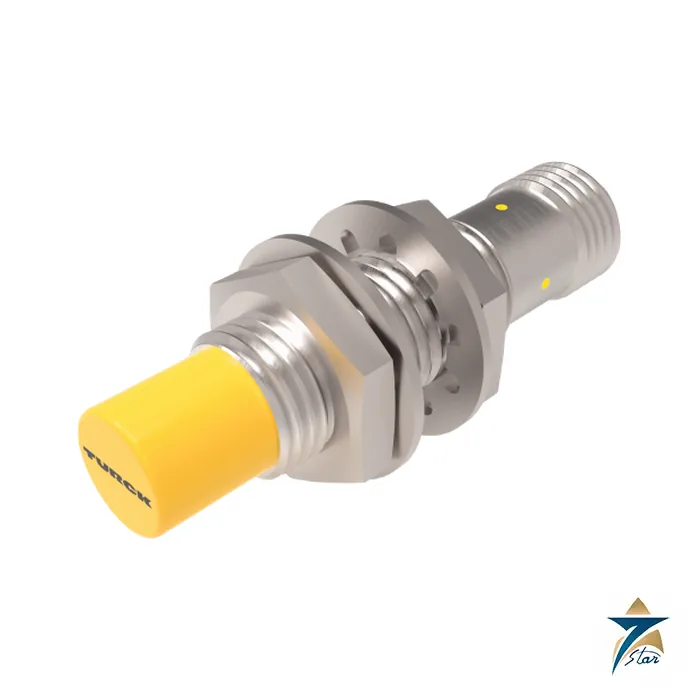
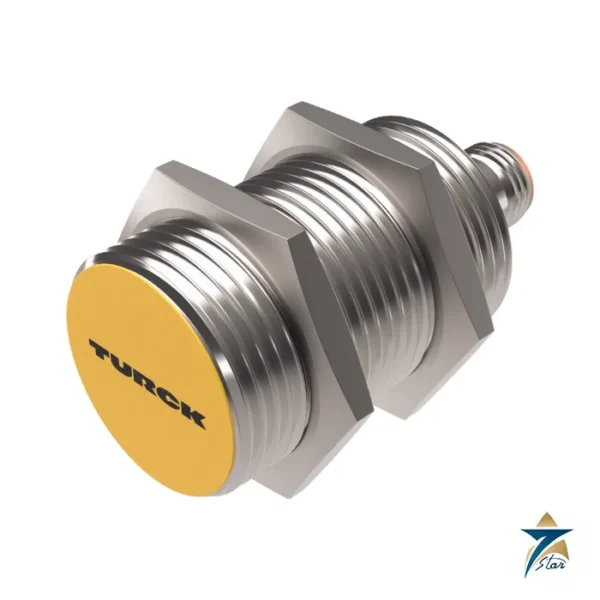
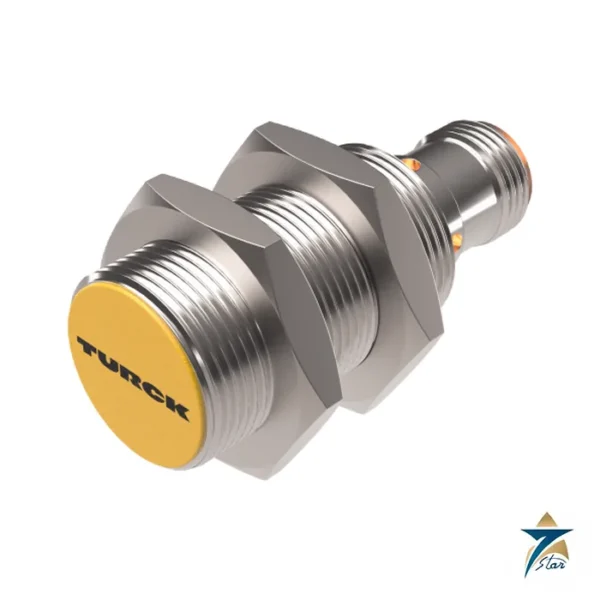
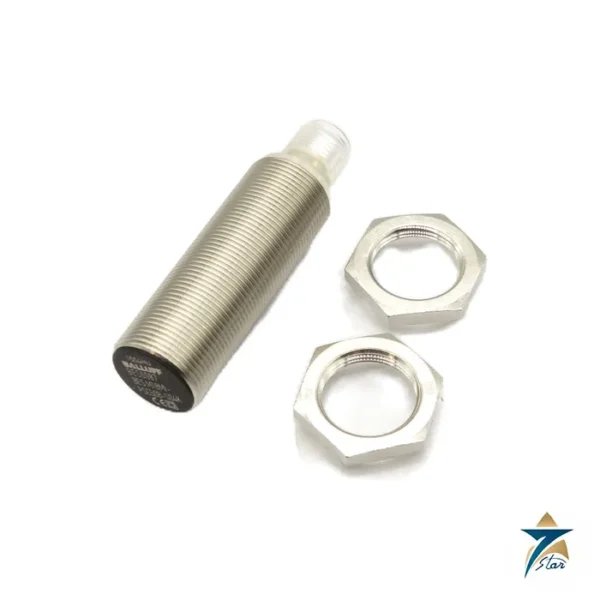
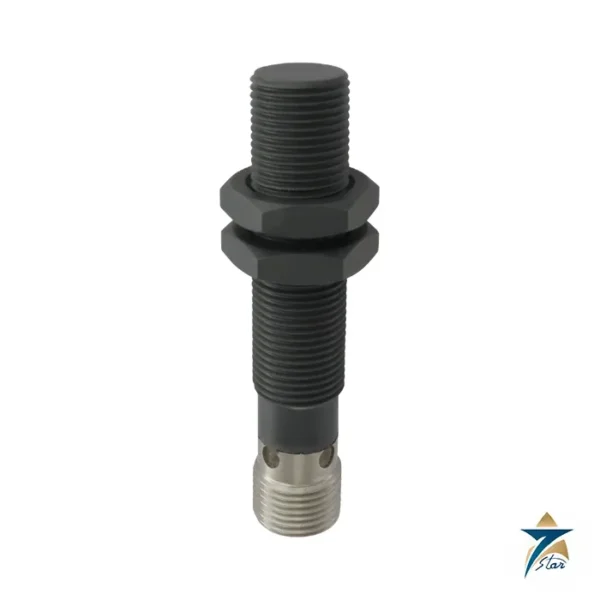
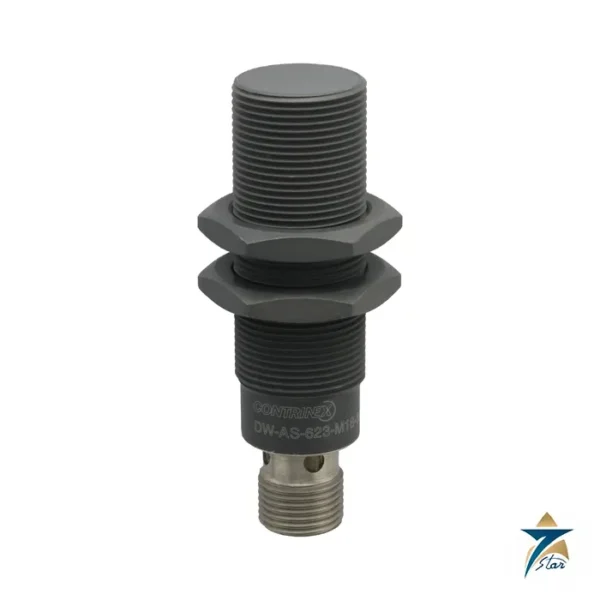
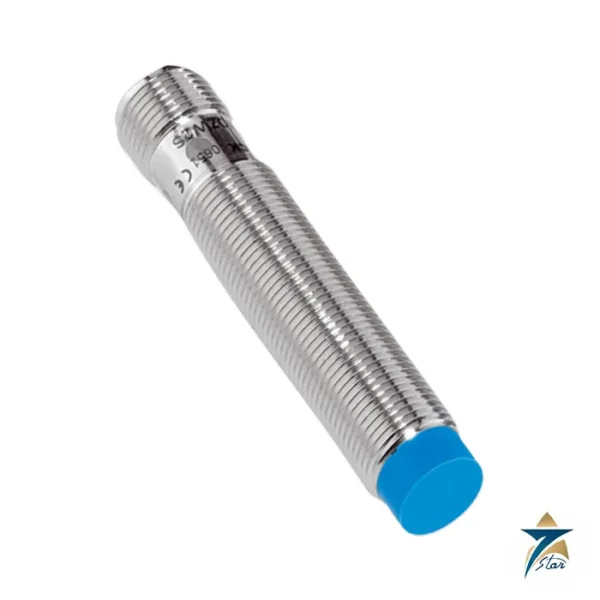
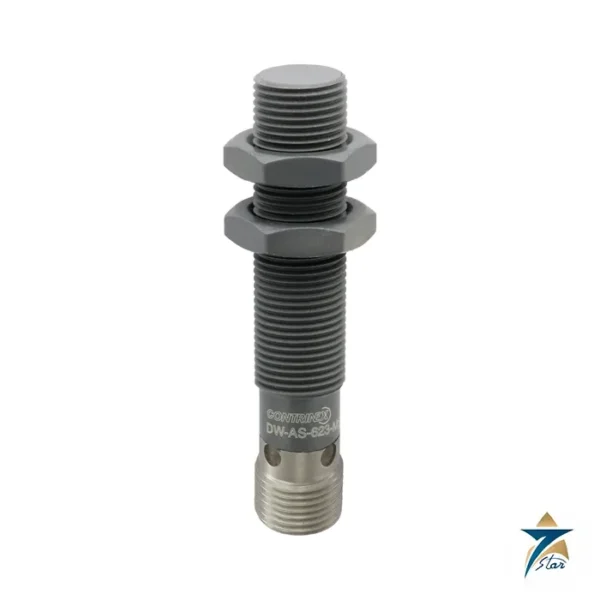
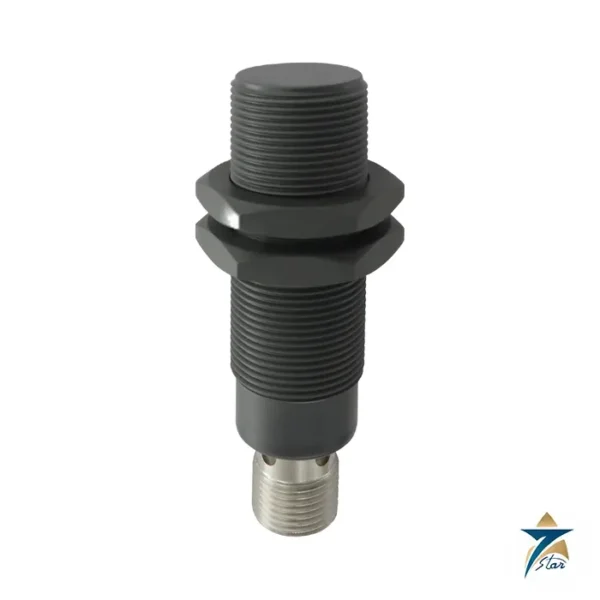
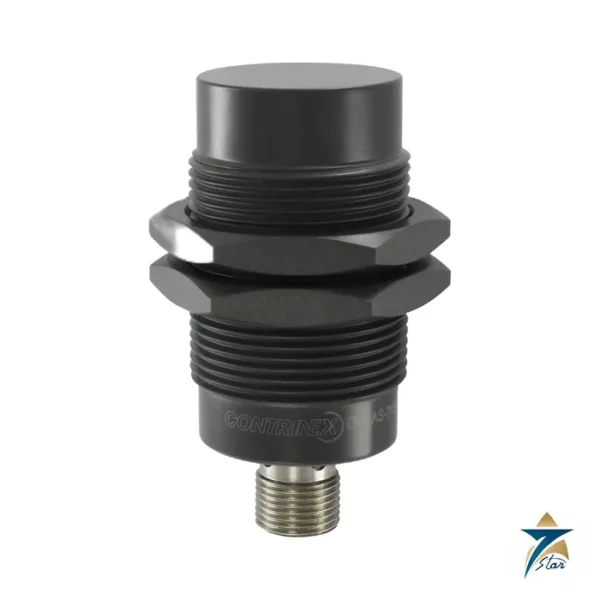
NI4-M12E-VP6X-H1141 is a long-version M12 x 1 non-flush inductive sensor with a 4 mm rated switching distance, a PNP complementary output on 4 wires and an M12 x 1 male connector, in a chrome-plated brass barrel 62 mm long.
Feature list printed by the manufacturer: M12 × 1 threaded barrel; Chrome-plated brass; M12 x 1 male connector; Changeover contact, PNP output; Long version; DC 4-wire, 10…30 VDC.
Technical specifications
| Parameter |
Specification |
| Type |
NI4-M12E-VP6X-H1141 |
| Ident number |
1633104 |
| Rated switching distance |
4 mm |
| Mounting conditions |
Non-flush |
| Secured operating distance |
≤ (0.81 × Sn) mm |
| Repeat accuracy |
≤ 2 % of full scale |
| Temperature drift |
≤ ±10 % |
| Hysteresis |
3…15 % |
| Operating voltage UB |
10…30 VDC |
| Ripple Uss |
≤ 10 % UBmax |
| DC rated operating current Ie |
≤ 200 mA |
| No-load current |
≤ 15 mA |
| Residual current |
≤ 0.1 mA |
| Isolation test voltage |
0.5 kV |
| Short-circuit protection |
yes/Cyclic |
| Voltage drop at Ie |
≤ 1.8 V |
| Wire break/reverse polarity protection |
yes/Complete |
| Output function |
4-wire, Complementary contact, PNP |
| Switching frequency |
2 kHz |
| Design |
Threaded barrel, M12 x 1 |
| Housing material |
Metal, CuZn, Chrome-plated |
| Active area material |
Plastic, PA12-GF30 |
| Max. tightening torque of housing nut |
10 Nm |
| Electrical connection |
Connector, M12 × 1 |
| Ambient temperature |
-25…+70 °C |
| Vibration resistance |
55 Hz (1 mm) |
| Shock resistance |
30 g (11 ms) |
| Protection class |
IP67 |
| MTTF |
2283 years acc. to SN 29500 (Ed. 99) 40 |
| Switching state |
LED, Yellow |
| Mounting distance D |
3 x B |
| Mounting distance W |
3 x Sn |
| Mounting distance T |
3 x B |
| Mounting distance S |
1.5 x B |
| Mounting distance G |
6 x Sn |
| Mounting distance N |
2 x Sn |
Using it in the field
Small-diameter sensors like this are used where space is tight: compact actuators, valve positioner brackets, small gearboxes and instrumentation panels. The 2 kHz switching frequency is the highest of the barrel sensors here, which suits rotating-target speed pickups, while the changeover output allows either NO or NC logic from the same part. Its reach is modest, so allow for the free zone around the non-flush face.
On site, check the free zone around the sensing face, use the correct tightening torque for the housing, and verify the output with the target at its real approach speed. Cable or connector damage and loose nuts are the usual causes of intermittent switching, so inspect them first during fault finding.
Selection check before ordering
Reading the code against the datasheet rows (a derived summary, not Turck’s own key): the leading NI corresponds to the mounting condition shown as Non-flush, the digits to the rated switching distance of 4 mm, the housing token to the design Threaded barrel, M12 x 1, the output suffix to 4-wire, Complementary contact, PNP, and the last element to the connection Connector, M12 × 1. Ident number 1633104 identifies this exact variant in the Turck catalogue.
Please check the mounting condition (flush or non-flush) against the free zone around the sensor, NO or changeover) of your PLC input, the target material and gap, the supply voltage and output type (PNP or NPN, and the connector type and cable length before you place an order. The figures above follow the manufacturer datasheet, and any later datasheet revision from the maker takes precedence.
Sizing the target and the gap
The 4 mm figure on this sensor is a rated value measured against a standard target, so the distance you can rely on in practice is the secured operating distance of up to 0.81 times that figure. When you lay out a bracket, set the gap so the target passes comfortably inside that secured zone rather than near the edge of it. Remember also that temperature drift of up to plus or minus 10 % and a hysteresis band of 3 to 15 % both act on where the output changes state, so a gap chosen with margin will switch consistently through the day.
Target material matters. Mild steel targets give the full rated distance, while non-ferrous metals such as aluminium, brass or stainless steel reduce it; if your target is not mild steel, ask Turck for the correction factor that applies to this ident number before fixing the gap. A target that is narrower than the sensing face will also shorten the effective distance.
Using the changeover output
Because the output is a 4-wire complementary PNP contact, one sensor gives you both a normally open and a normally closed signal. A common use is to wire both into the PLC and treat the state where both or neither are high as a fault, which picks up a broken wire or failed sensor without adding a second device. If your input card only needs one signal, the unused output can simply be left unconnected.
Installation and commissioning
- Respect the mounting distances from the table: neighbouring sensors, metal surroundings and the opposite face all need the clearances listed in multiples of the barrel size B and switching distance Sn.
- Do not exceed the 10 Nm maximum on the housing nuts; over-tightening a brass barrel can distort the thread or crack the active face.
- Use a mating M12 cordset with four conductors so both outputs are available, and route it away from motor power cables.
- Power the circuit from a supply within 10 to 30 VDC with ripple held to the 10 % limit, and check the yellow LED changes state as the target passes.
- Run the machine at its real speed and confirm the PLC registers every pulse; the 2 kHz switching frequency sets the upper limit.
Maintenance and troubleshooting
If the sensor switches erratically, first measure the actual gap, because loose brackets and worn shafts often let the target drift out of the secured zone. Next look for metal chips or swarf sitting on the PA12-GF30 face, which can hold the output on. If the LED never lights, measure the supply at the connector; the reverse polarity and short-circuit protection mean a wiring error usually leaves the sensor unharmed, so correct the wiring and test again before replacing the part.
Notes for Oman and Gulf sites
The -25 to +70 °C ambient range suits machine interiors and outdoor enclosures in the region, but a sensor bolted to a sun-heated steel frame can run hotter than the surrounding air, so check the temperature at the barrel in summer. The IP67 rating protects against dust and temporary immersion, yet the connector is still the weak point: tighten the cordset coupling fully and, at coastal plants where salt mist is present, inspect the chrome plating and the connector threads during routine maintenance for signs of corrosion.
Documents and quotation
Download the Turck datasheet for NI4-M12E-VP6X-H1141 and compare it with your drawing or loop data. Pricing and lead time are not shown on the page; Seven Star LLC, an independent supplier based in Muscat, quotes them on request. Quote the full type code NI4-M12E-VP6X-H1141 so the correct variant is offered. More related items are listed under Inductive Proximity Sensors.










Reviews
There are no reviews yet.