- AC Drives
- Industrial Communications
- PLC & I/O Cards
- Vibration Monitoring
- Automation Accessories
- Controllers & Data Acquisition
- CCTV & Security
- Safety Switches & Guard Locking
- Encoders
- Industrial Computers
- Servo Drives
- Motor Soft Starters
- HMI Displays
- Pneumatic Cylinders
- Isolator & Barrier
- Automation Software
- Machine Vision
- Robotics
Fittings & Valves
Steam Traps & Steam Specialties
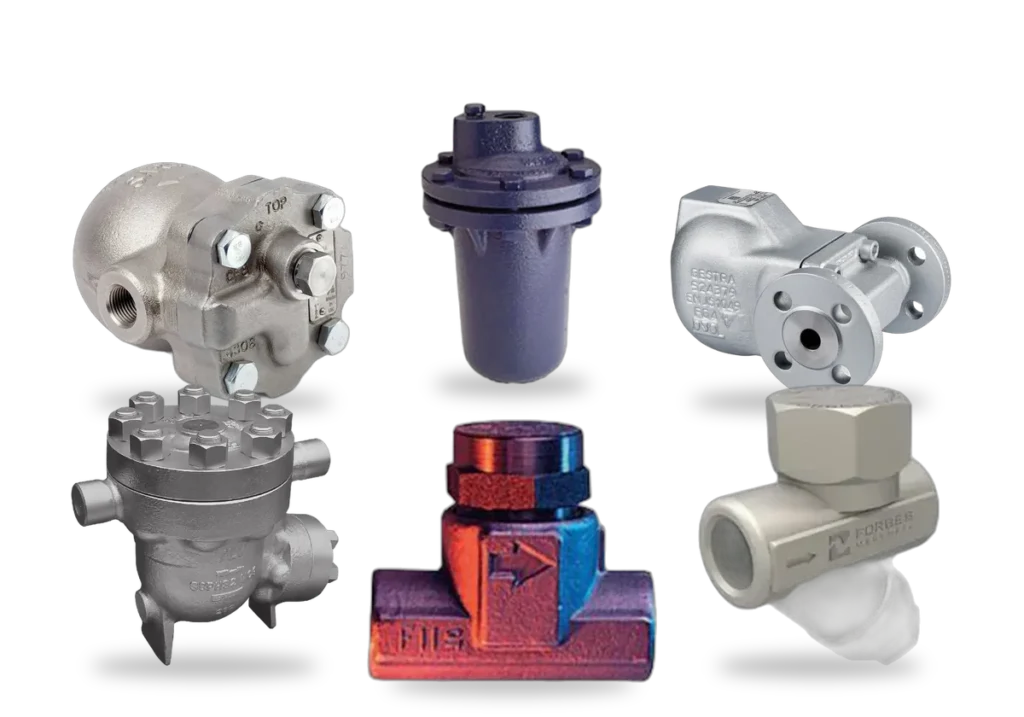
Steam traps discharge condensate and air from steam lines and equipment while holding back live steam, which protects heat transfer and prevents water hammer. Seven Star LLC, an independent supplier in Muscat, supplies steam traps, trap stations, air vents and boiler blowdown valves from Spirax Sarco, Armstrong International, GESTRA, TLV, Yarway and Forbes Marshall to plants in Oman and the GCC.
Read the full category guide- 32 products
- 6 brands
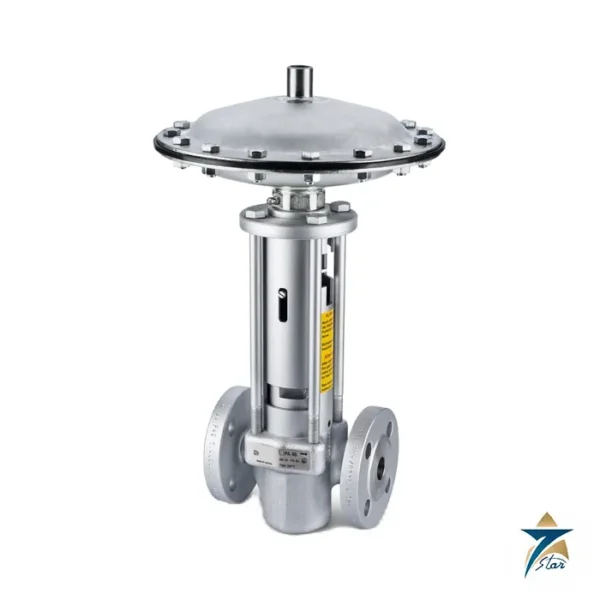
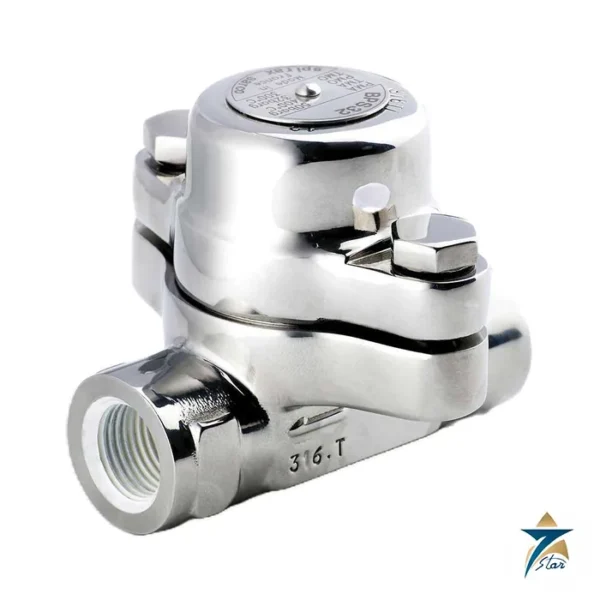
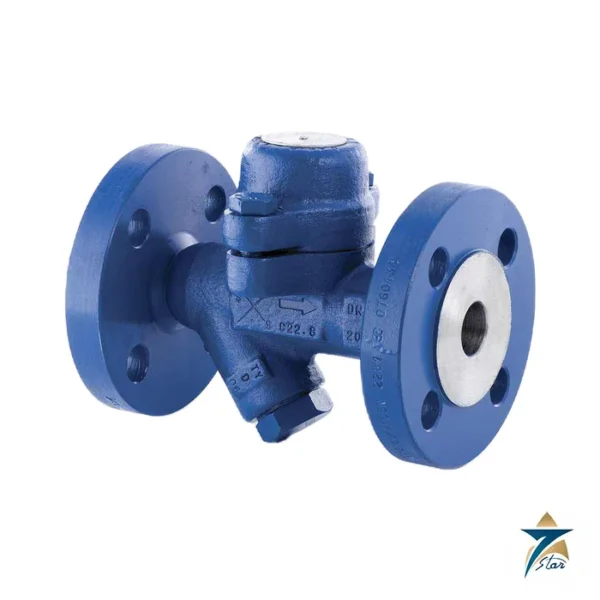
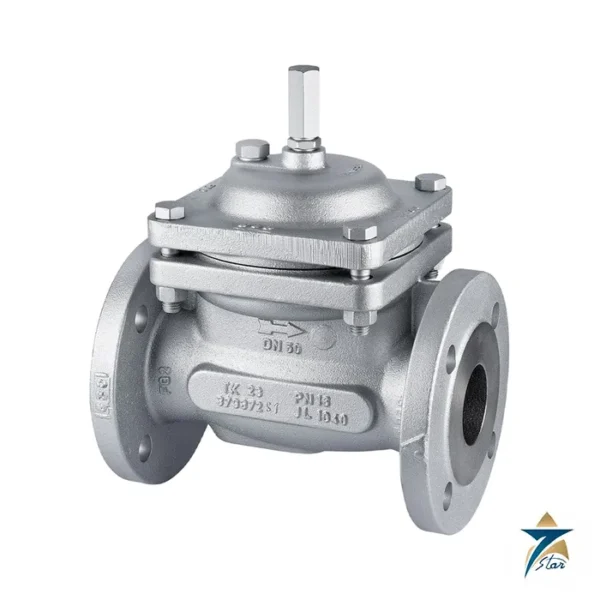


Category guide
About Steam Traps & Steam Specialties
Steam traps discharge condensate and air from steam lines and equipment while holding back live steam, which protects heat transfer and prevents water hammer. Seven Star LLC, an independent supplier in Muscat, supplies steam traps, trap stations, air vents and boiler blowdown valves from Spirax Sarco, Armstrong International, GESTRA, TLV, Yarway and Forbes Marshall to plants in Oman and the GCC.
Types of steam trap in this category
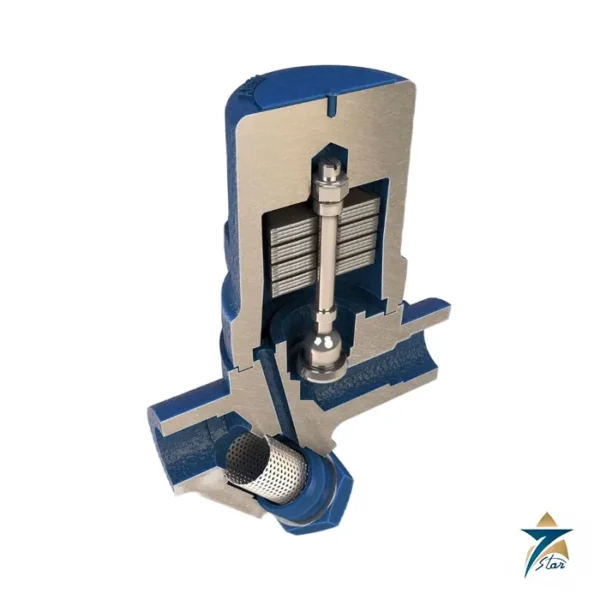
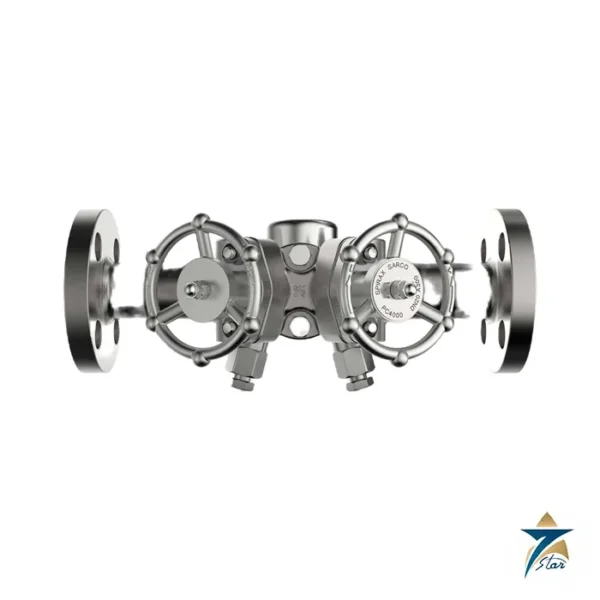
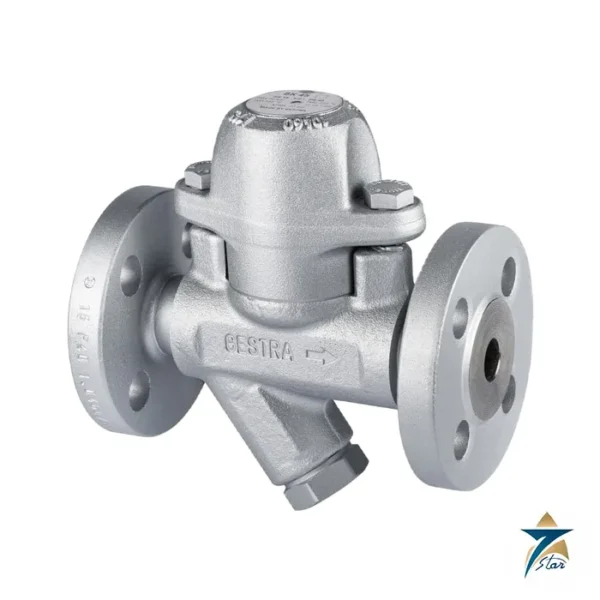
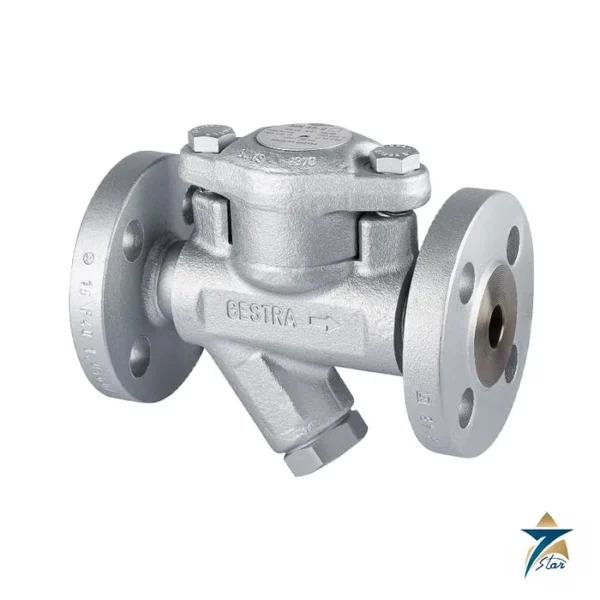
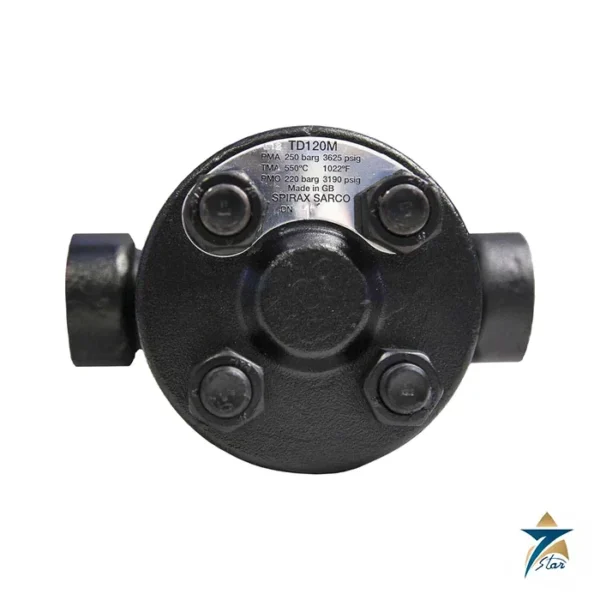
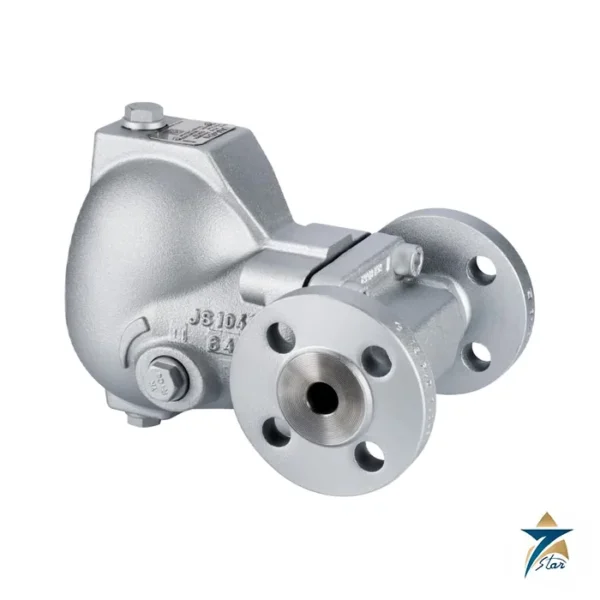
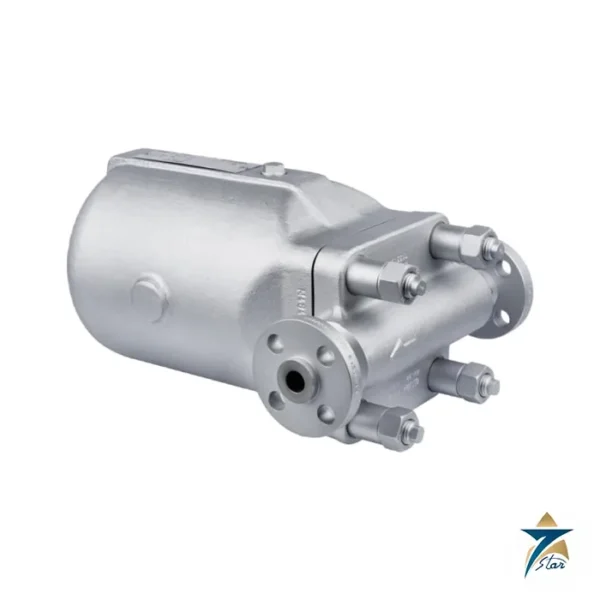
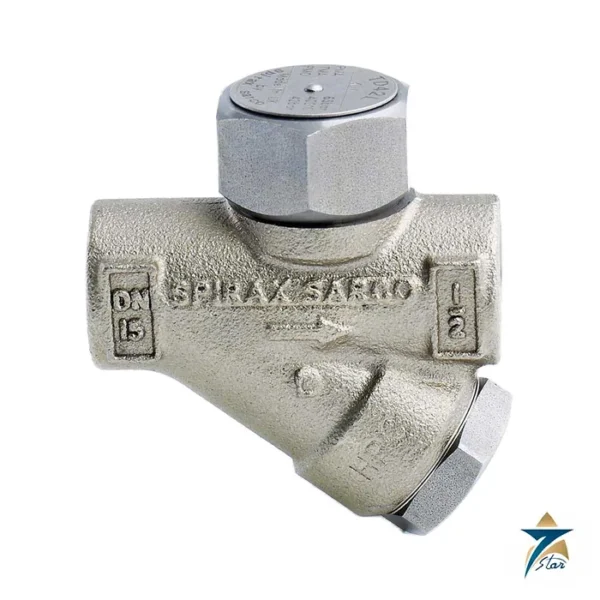
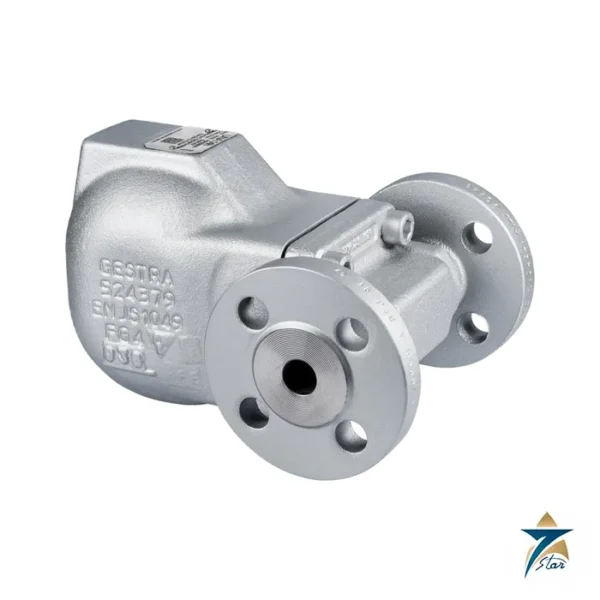
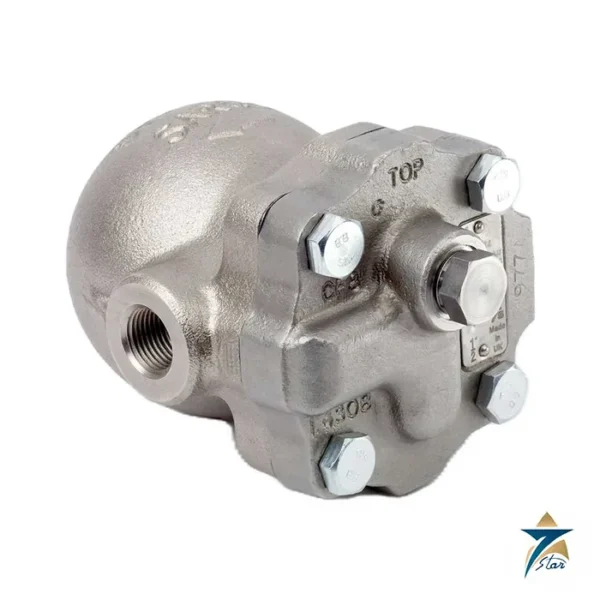
Ball float and float-and-thermostatic traps such as the Spirax Sarco FTS14 and FTGS14, GESTRA UNA 16, UNA 38 and UNA 45, TLV J and JL series and Armstrong FT-4000 handle process equipment with variable loads. Thermodynamic disc traps like the Spirax Sarco TD42 and TD120M, TLV FP46UN, Armstrong CD-33 and Forbes Marshall FMTD64 suit mains drainage and tracing. Balanced pressure and bimetallic traps (Spirax Sarco BPC32, BPS32 and SMC32Y, GESTRA MK 45 and BK 45, Armstrong AB-3000 and TC-300) serve tracer lines, and Armstrong inverted bucket traps handle dirty or high-pressure steam. The range also includes trapping stations, swivel connectors, thermostatic air vents and boiler blowdown valves.
How to select a steam trap
Match the trap type to the application: float traps for heat exchangers and process equipment, thermodynamic traps for mains drip points, thermostatic or bimetallic traps for tracers. Size the trap on the condensate load in kg/h at the actual differential pressure, then check the maximum operating pressure and temperature, body material and connection. Consider a built-in strainer, test valve or trap station to make maintenance easier.
Data needed for a quotation
Send the trap model or code, or the steam pressure, condensate load, application, size, connection and quantity.
What to include in your inquiry
These details let us quote the right item the first time.
- Valve type and size (DN / NPS)
- Pressure class and end connection
- Body and trim material
- Fluid, flow rate, inlet and outlet pressure, temperature
- Actuator type and fail position
- Accessories: positioner, limit switches, solenoid
Missing some of them? Send what you have. A nameplate photo or an old part number is enough to start.
Brands in Steam Traps & Steam Specialties
All brands →





Related categories
- Valve Actuators236
- Control Valves128
- Solenoid Valves64
- Regulators61
- Valve Positioners50
- Safety Relief Valves48
- Instrument Valves & Fittings46
- Hydraulic Valves & Components35
- Ball Valves29
- Refrigeration Valves27
- Butterfly Valves25
- Pipes & Fittings23
- Gaskets & Gasket Sheets18
- Check Valves17
- Globe Valves11
- Knife Gate & Slurry Valves10