- Automation & ControlView all 3,155 products
- Automation Accessories
- AC Drives
- PLC & I/O Cards
- Industrial Communications
- Vibration Monitoring
- Controllers & Data Acquisition
- Isolator & Barrier
- Safety Switches & Guard Locking
- Encoders
- Motor Soft Starters
- CCTV & Security
- Pneumatic Cylinders
- HMI Displays
- Servo Drives
- Industrial Computers
- Machine Vision
- Automation Software
- Robotics
Brand: Magnetrol
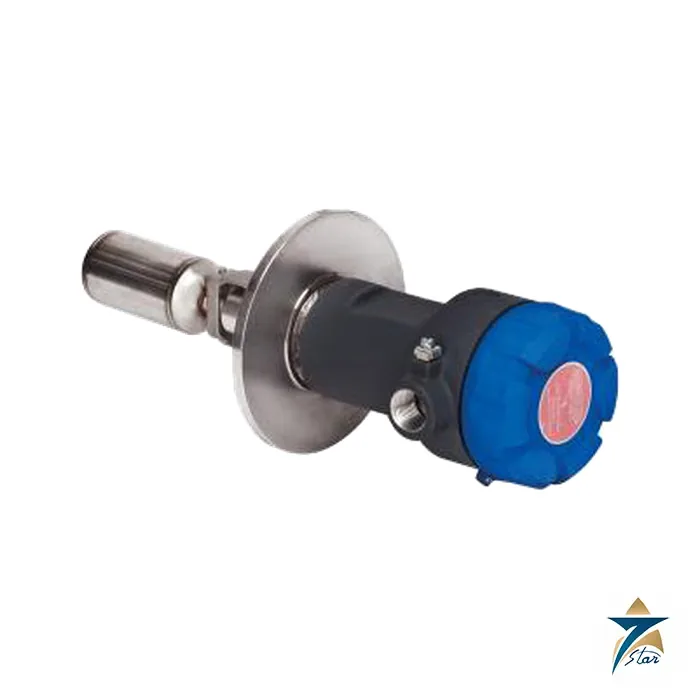
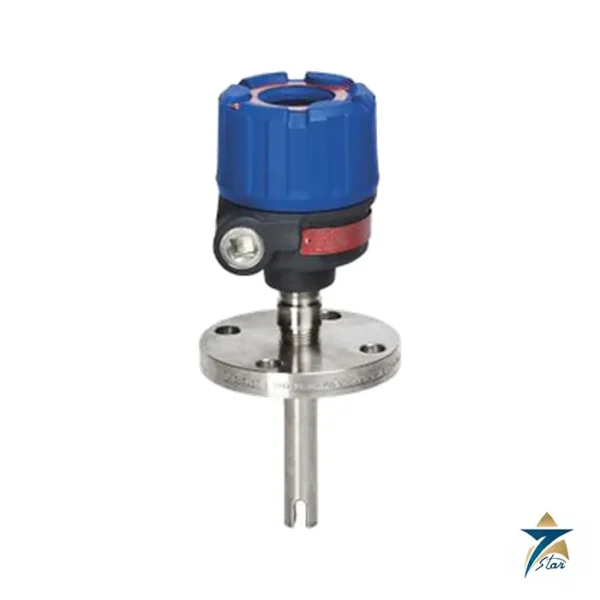
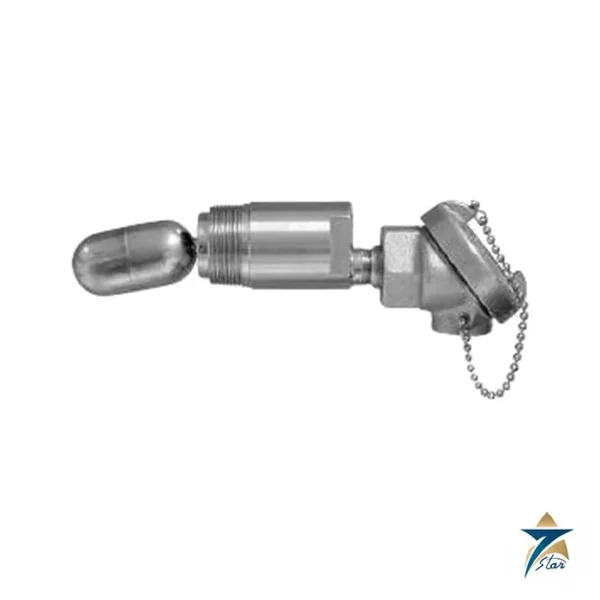
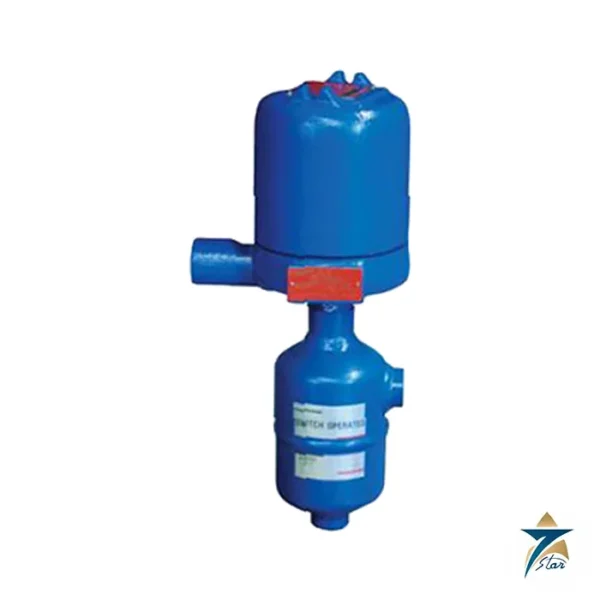
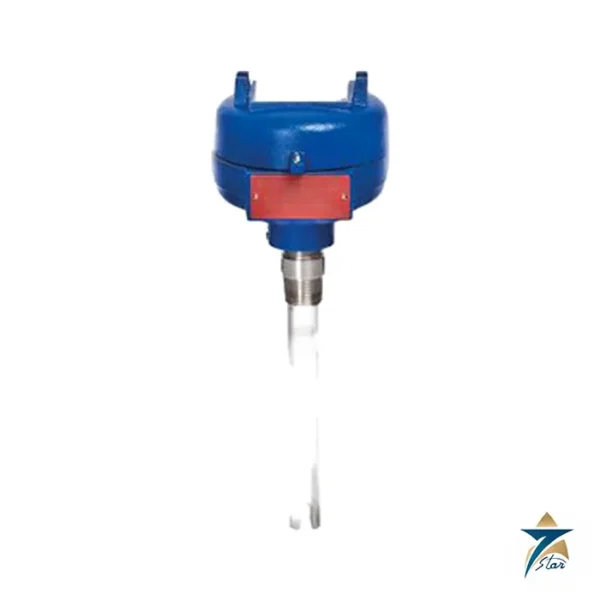
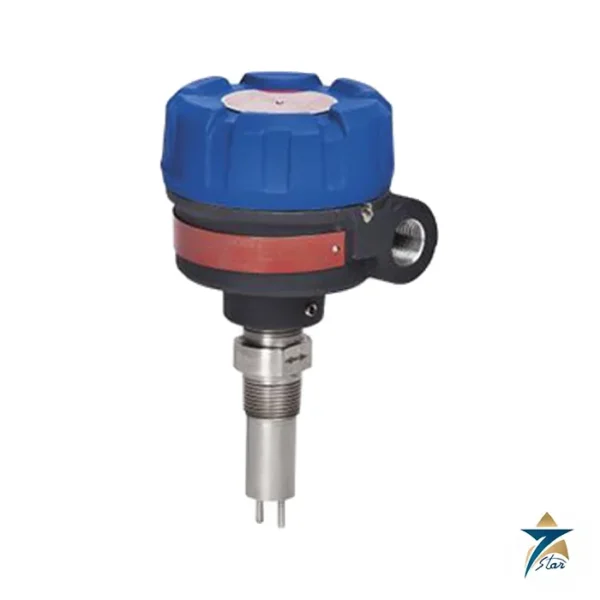
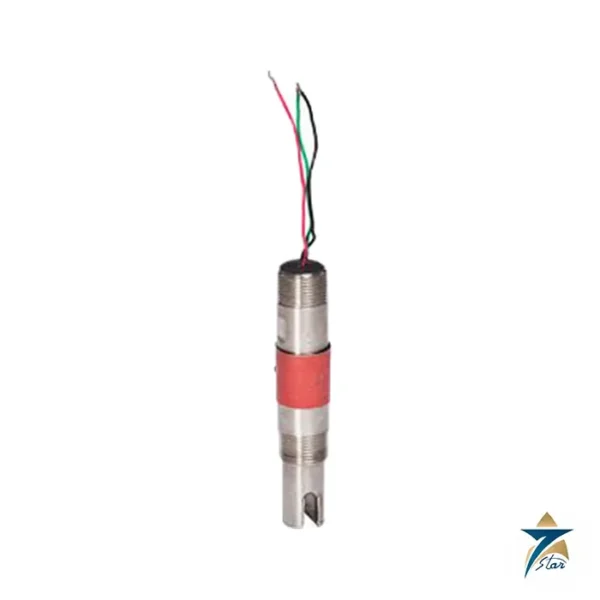
Magnetrol Tuffy II Side-Mounted Float Level Switch
Description
Overview
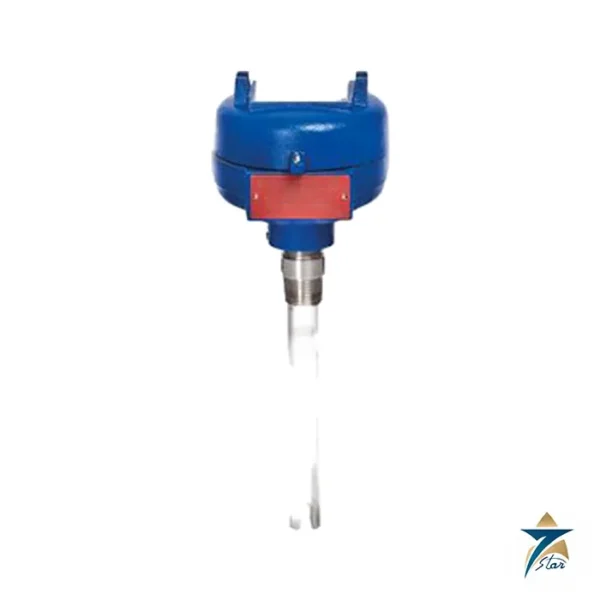
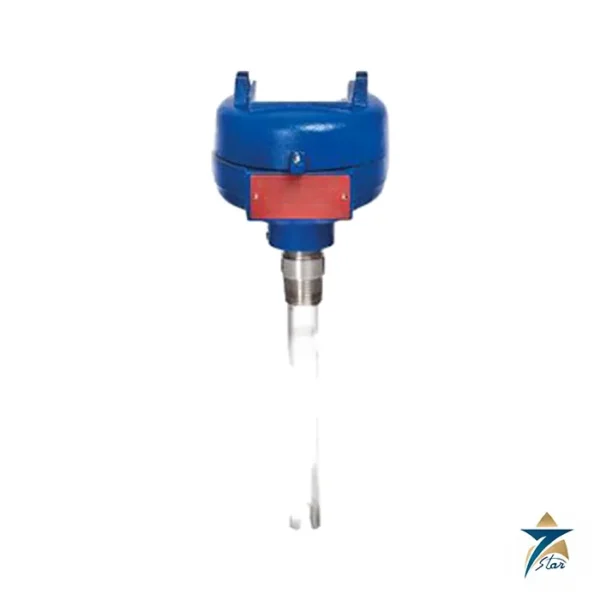
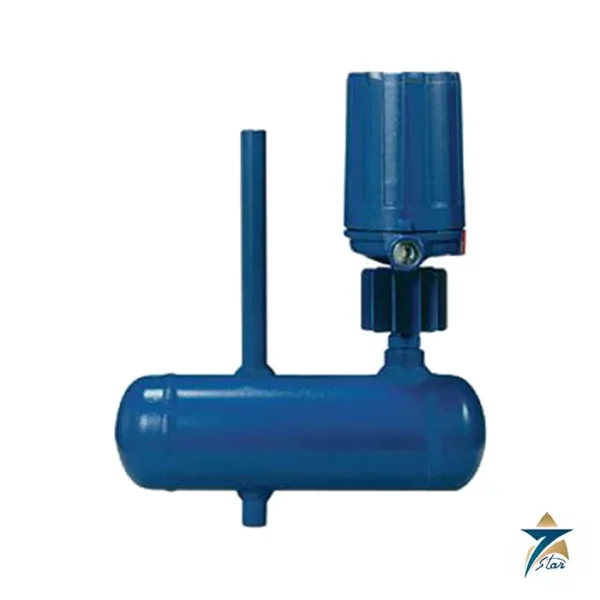
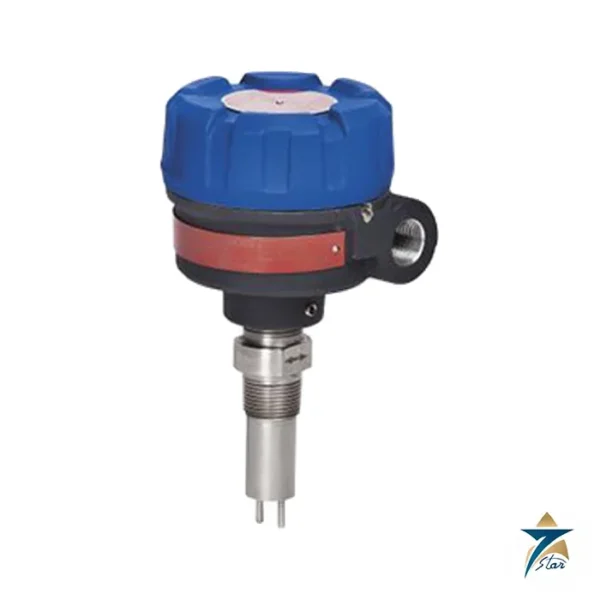
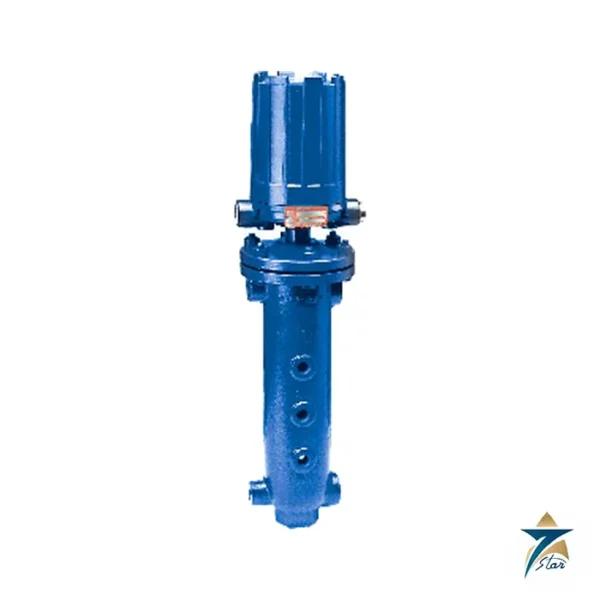
Where a vessel is small, hot and under pressure, a side mounted float switch has to be compact and strong at the same time. The Magnetrol Tuffy II liquid level control with electric switches meets both needs. It is a float-actuated device installed horizontally through a threaded or flanged connection, rated up to 2630 psig and process temperatures up to 750 degrees Fahrenheit in the electric switch version. The single switch mechanism is offered in SPDT or DPDT form, for fixed or adjustable, narrow or wide differential and interface service. Seven Star LLC is an independent supplier serving Oman and the GCC.
Principle of the Magnetrol Tuffy II
Inside the vessel a float carries a magnet. Outside the pressure barrier a second, switch magnet sits in a non-magnetic housing. The two magnets repel each other, so any movement of the float shifts the switch magnet assembly and trips a snap or hermetically sealed switch. Nothing penetrates the pressure boundary, so there are no stuffing boxes or seals to leak. The design allows specific gravity as low as 0.40 and, with the interface version, a minimum difference of 0.10 between two liquids.
Specification table for Magnetrol Tuffy II
| Characteristic | Catalog value |
|---|---|
| Measured variable | Liquid level, including interface |
| Deadband | Narrow 0.50 inch; wide up to 18.26 inches; interface 1.72 inches |
| Float material | 316 stainless steel or Hastelloy C |
| Flange material | Carbon steel, 316 stainless steel, clad carbon steel, Hastelloy C |
| Process connections | 2 inch NPT; 3 to 6 inch ANSI flanges, 150 to 900 pound classes |
| Maximum process pressure | 2630 psig (181 bar) |
| Process temperature, cast iron housing | Minus 65 to plus 750 degrees F with HS switch; minus 40 to plus 750 with snap switch and silver contacts |
| Process temperature, aluminum housing | Minus 65 to plus 650 degrees F with HS switch |
| Ambient temperature | 0 to plus 100 degrees F (minus 18 to plus 38 degrees C) |
| Contacts | SPDT or DPDT, silver or gold, dry contact or hermetically sealed |
| Switch ratings | Up to 10 A at 120 or 240 V AC; up to 6 A at 24 V DC |
| Enclosure | NEMA 4X/7/9, Class I Div. 1 Groups B, C and D, IP66; cast aluminum or cast iron |
| Cable entry | 3/4 inch NPT |
| Safety rating | SIL 2 suitable; FMEDA report on request |
How Magnetrol Tuffy II differs from other Magnetrol float switches
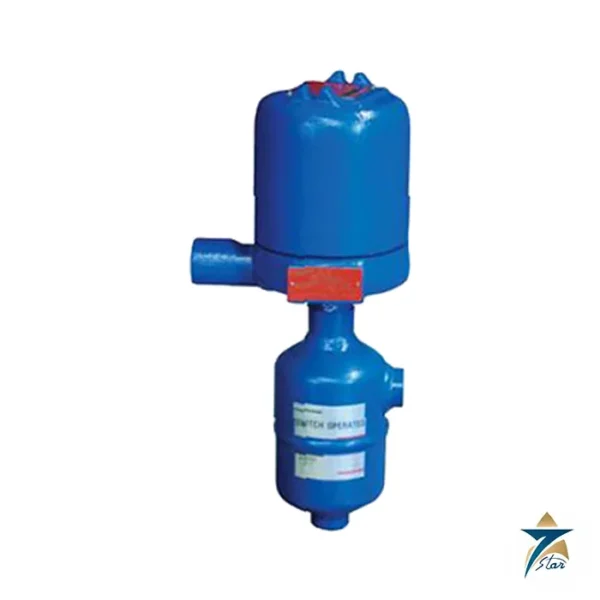
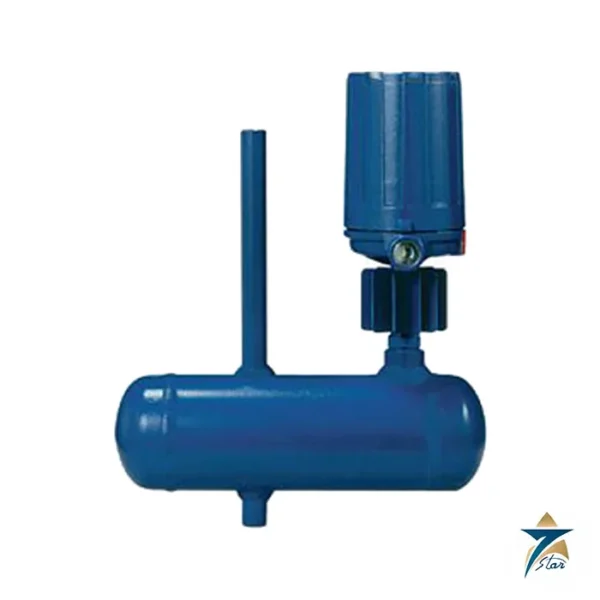
The Tuffy II is a horizontal, side mounting unit with a 2 inch connection and a compact float holder, unlike the B40 and C24 external cage switches which stand beside the vessel in a cage. The T20 and T21 are top mounting float switches, and the T10 is hung by a cable. The Tuffy II is selected when the vessel is small or when the mounting nozzle is at the side, and it covers a pressure rating of up to 2630 psig. Different catalog codes such as T31 to T35 and T3B describe fixed narrow, adjustable wide and interface versions.
Differential and what it means for control
Deadband is the change in level between the switch actuating and resetting. A narrow differential of half an inch suits alarms, where the signal should appear as soon as the level crosses the set point. A wide differential, adjustable up to more than 18 inches, suits pump control, where the pump should run for a useful period before it stops, instead of chattering on and off as the surface moves. Interface units operate with a differential of 1.72 inches and detect the boundary between two liquids of different density, such as water below oil in a separator boot. Matching the differential to the duty is one of the main steps in selecting the correct catalog code.
Material and temperature considerations
The process temperature limit depends on the housing and the switch. The cast iron housing with a hermetically sealed or snap switch with silver contacts allows operation up to 750 degrees Fahrenheit, and the cast aluminum housing is limited to 650 degrees Fahrenheit. Gold contacts with a snap switch reduce the limit to 375 degrees Fahrenheit for cast iron and 325 for aluminum, because gold is chosen for low-current loads where contact reliability matters more than temperature. The bulletin also refers to a separate document for the maximum allowable process temperature when the ambient temperature is outside the listed range, so check this before ordering for outdoor service in a hot climate.
Where the Magnetrol Tuffy II is used
The catalog lists sour service to NACE, high and low alarm, single pump control, day storage tanks, corrosive processes with Hastelloy C wetted parts, process vessels, boiler low water cut-off, interface level and explosion proof installations. In Oman, refinery and gas plant knock-out drums, condensate pots, lube oil and seal oil reservoirs, boiler drums and chemical storage vessels are common targets.
Choosing the construction
Start with the process: carbon steel with 316 stainless steel internals is the basic choice, all 316 stainless suits corrosive duties, and Hastelloy C wetted parts address the harshest chemicals. The flange option may be solid or a cost-effective clad design. NACE, ASME B31.1 and ASME B31.3 constructions are available. Decide whether you need a narrow fixed differential of 0.5 inches, an adjustable wide differential or interface service, and choose silver or gold contacts and SPDT or DPDT to match the load.
Installation and set-up
Mount the unit horizontally through the 2 inch NPT or flange connection, with the float free to travel and clear of agitator paths and inlet streams. Connect 3/4 inch NPT conduit with approved seals, wire the switch contacts to the control circuit, and verify the trip points with the vessel level. Keep the ambient temperature between 0 and plus 100 degrees Fahrenheit and check the maximum process temperature in the bulletin for your housing and switch type.
Maintenance
Float switches are simple, but sludge or scale on the float can slow their response. Inspect the float at shutdowns and test the alarm chain regularly. SIL 2 users should follow the proof test intervals in the FMEDA report.
Ordering notes for Magnetrol Tuffy II
Provide the vessel design pressure and temperature, the specific gravity of the liquid, the differential required, the connection size and class, switch type and approval, plus the construction material.
Related items you may also need: Magnetrol 089-7905-001 TG1 DIN Rail Housing and Electronics | Magnetrol Z31-2865-002 Wiring Board for Pulsar R80, Explosion-Proof | Magnetrol Echotel 961/962 Ultrasonic Level Switch | All Magnetrol products.
Documents and quotation
The bulletin covering the Magnetrol Tuffy II is attached to this page. Please send your RFQ with Magnetrol Tuffy II, the model code, the quantity and your delivery location in Oman or the GCC.
Datasheets & Documents
- Datasheet Magnetrol Tuffy II Side-Mounted Float Level Switch Datasheet Download
Reviews (0)
How would you rate this product? Cancel reply
About brand
Magnetrol is the American level and flow measurement specialist known for the Eclipse guided wave radar, Pulsar radar transmitters and the float and displacer switches that guard boilers and vessels. It was founded in 1932, is based in Aurora, Illinois, and has been part of AMETEK since 2021.
Seven Star LLC is an independent supplier in Muscat. We list Magnetrol level transmitters and level and flow switches, and supply them to refineries, gas plants and utilities in Oman and the GCC by complete model number.
Magnetrol company profile
| Established | 1932, USA; headquarters in Aurora, Illinois |
|---|---|
| Ownership | Acquired by AMETEK in March 2021 and now part of its Electronic Instruments Group |
| Product families | Guided wave radar, non-contact radar, displacer and buoyancy transmitters, ultrasonic and thermal dispersion switches, float switches and magnetic level indicators (through its Orion Instruments brand) |
| Applications | Separators, storage tanks, boilers and feedwater heaters, interface measurement, pump protection and flow detection |
Milestones
- 1932: The first mechanical buoyancy level switch; the company grows into Magnetrol, based in Aurora, Illinois.
- 1998: Eclipse Model 705, a loop-powered guided wave radar transmitter for industrial liquid level, according to Magnetrol.
- 2021: AMETEK acquires Magnetrol on 29 March.
Magnetrol products we list
| Model | Principle | Typical use |
|---|---|---|
| Eclipse 706 | Guided wave radar | Level and interface in separators, chambers and boiler drums, unaffected by changing density |
| Pulsar R80 | 80 GHz FMCW radar | Narrow-beam non-contact level in tanks with internals and in solids |
| Pulsar R86 | 26 GHz radar | Non-contact level in process and storage vessels |
| Pulsar R96 | 6 GHz radar | Non-contact level where vapour, foam or condensation are present |
| E4 Modulevel | Displacer | Level and interface in high-pressure, high-temperature vessels, often replacing older torque tube units |
| Echotel 961/962 | Ultrasonic gap switch | High and low level alarms and pump protection |
| Thermatel TD1/TD2 | Thermal dispersion switch | Flow and no-flow detection and level switching for liquids and gases |
Guided wave radar sends pulses down a probe and times the reflection from the surface, so dust, vapour and changes in density don't affect the reading. That is why it often replaces displacers on separators and chambers. Non-contact radar suits tanks where nothing should touch the product, and a higher frequency gives a narrower beam that avoids tank internals.
Where Magnetrol instruments are used
In Oman and the GCC, Magnetrol transmitters and switches measure level in production separators, slug catchers, storage tanks, boiler drums and feedwater heaters, and protect pumps in oil and gas, refining, petrochemical, power and water plants.
Ordering Magnetrol instruments: what we need
Send the complete model number from the nameplate. On Magnetrol instruments every digit sets the electronics, the probe or antenna, the process connection and the approvals. For a new application, send the medium, the dielectric constant if known, the measuring range, the pressure and temperature, the process connection and the hazardous area classification.
Facts checked against Magnetrol and AMETEK company information, October 2026.
Browse Magnetrol products by category: Level Transmitter.
FAQ
Questions about the Magnetrol Tuffy II Side-Mounted Float Level Switch
Answers from our engineering team on installation, compatibility and integration.
01What pressure does the Magnetrol Tuffy II handle?
The Tuffy II electric switch version is rated to 2630 psig (181 bar) with process temperatures to plus 750 degrees F depending on housing and switch type.
02How does the Magnetrol Tuffy II switch?
A float magnet and a switch magnet repel each other across a non-magnetic pressure barrier, which moves the switch magnet assembly and trips the switch.
03What switch options does the Tuffy II offer?
SPDT or DPDT, silver or gold contacts, dry contact or hermetically sealed, rated up to 10 A at 120 or 240 V AC and 6 A at 24 V DC.
04Is the Magnetrol Tuffy II suitable for interface level?
Yes, interface versions work with a minimum specific gravity difference of 0.10 and an interface differential of 1.72 inches.
05What process connections does the Tuffy II have?
A 2 inch NPT connection or 3 to 6 inch ANSI flanges in pressure classes from 150 to 900 pounds, in carbon steel, 316 stainless or Hastelloy C.


Reviews
There are no reviews yet.