Rotork RCE-SR spring-return electro-hydraulic actuators, RCE230 to RCE280
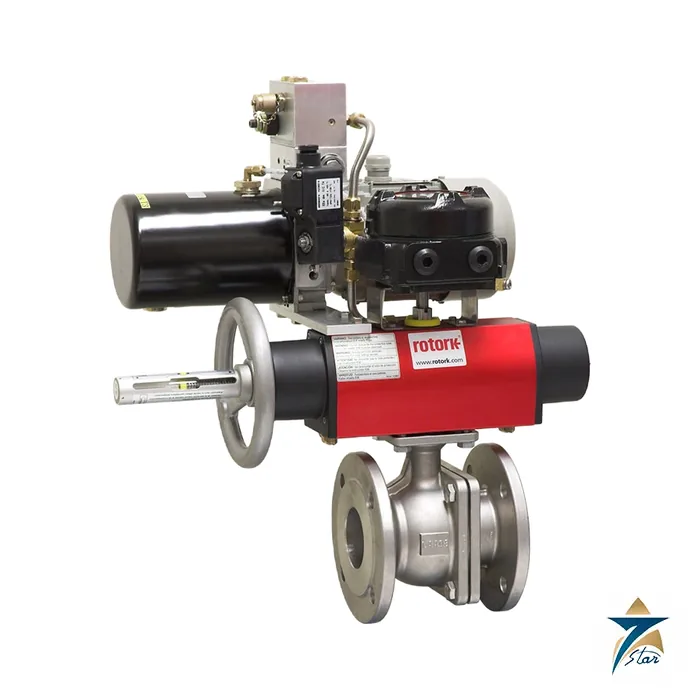
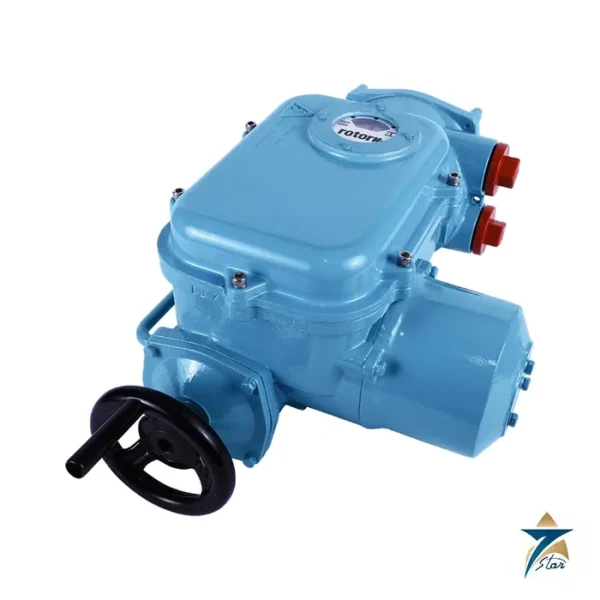
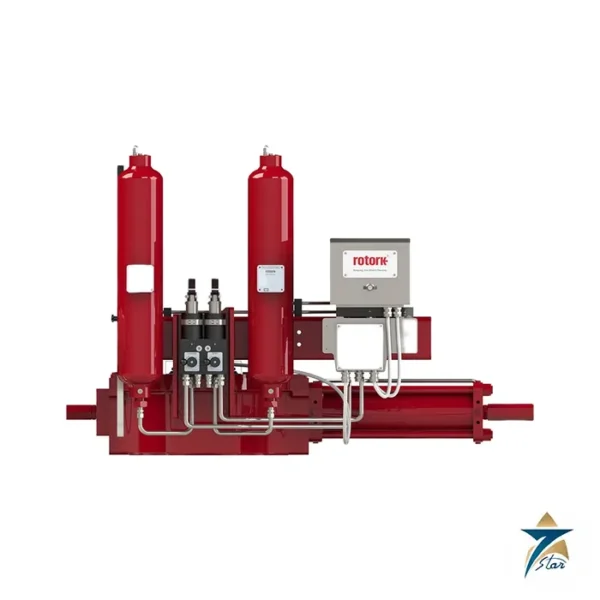
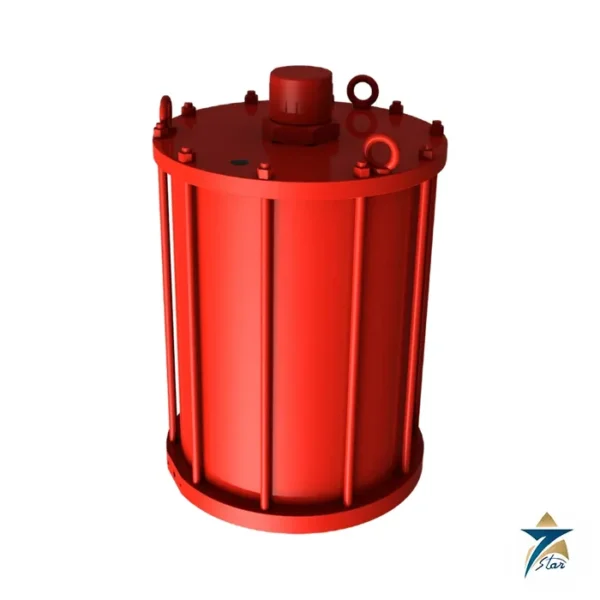
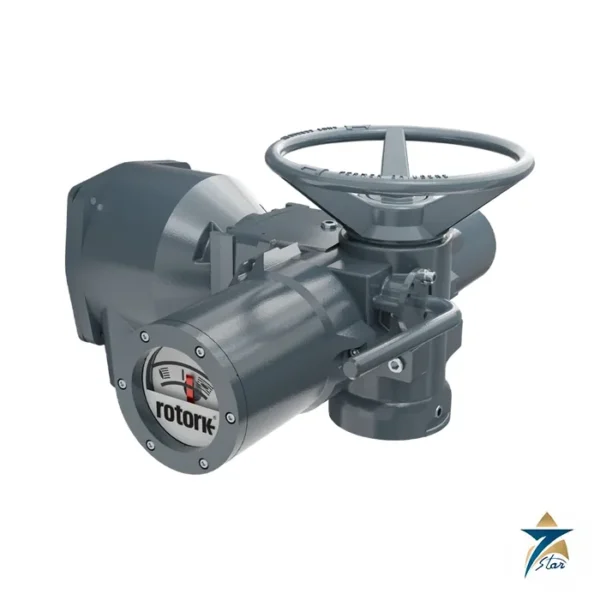
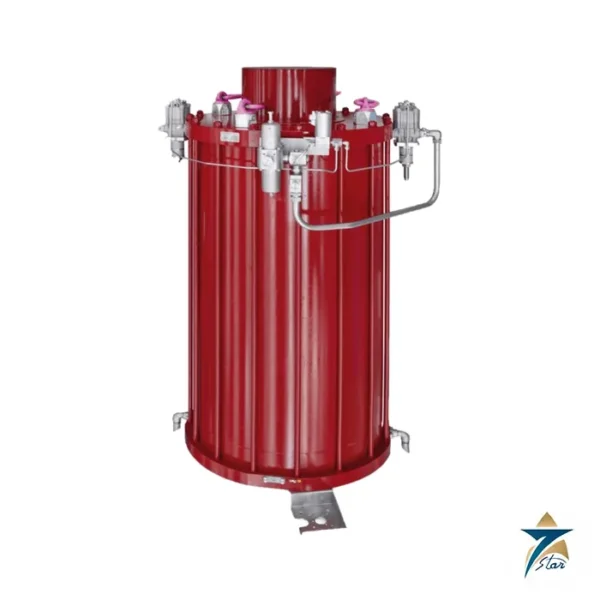
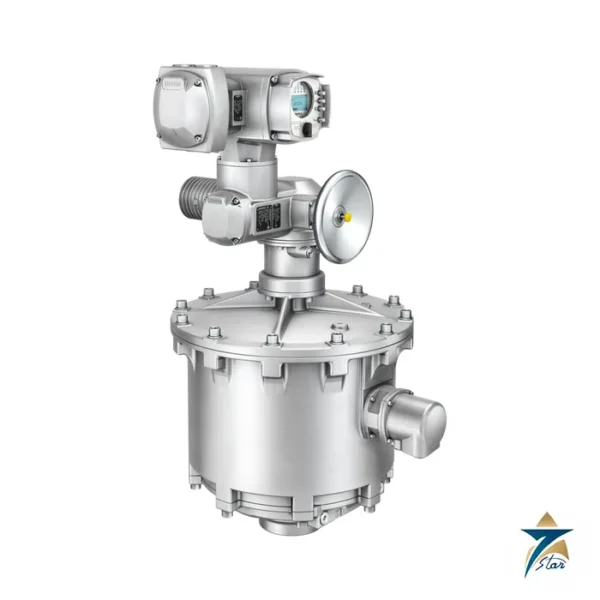
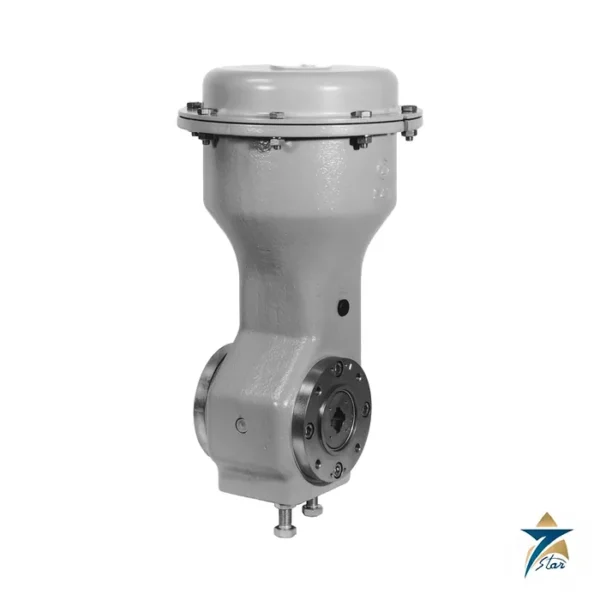
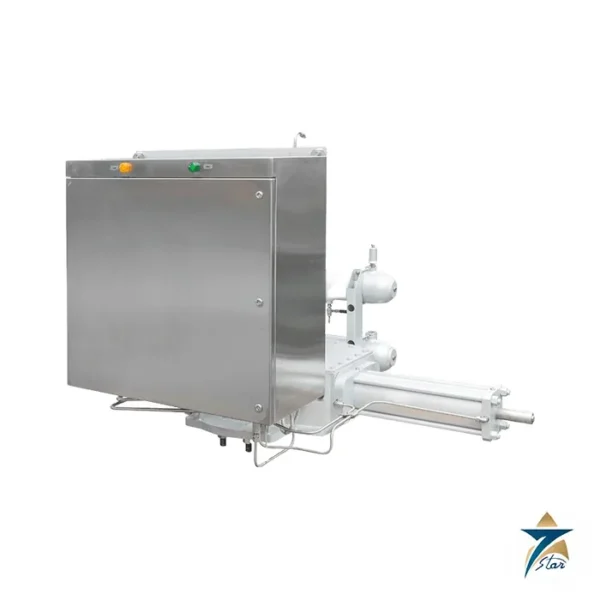
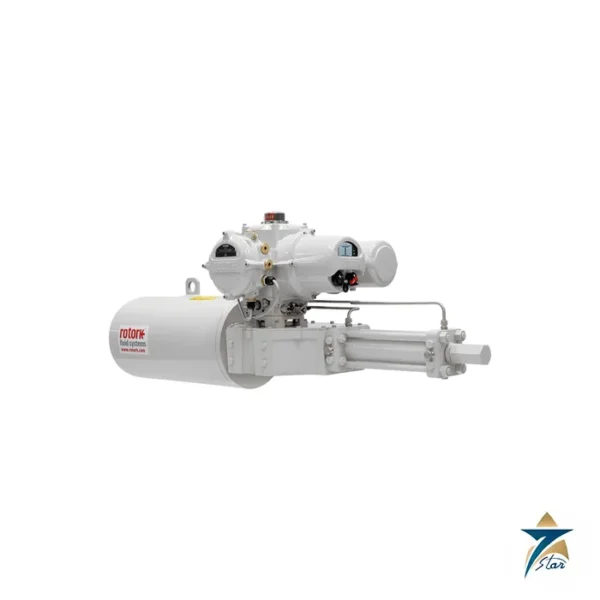
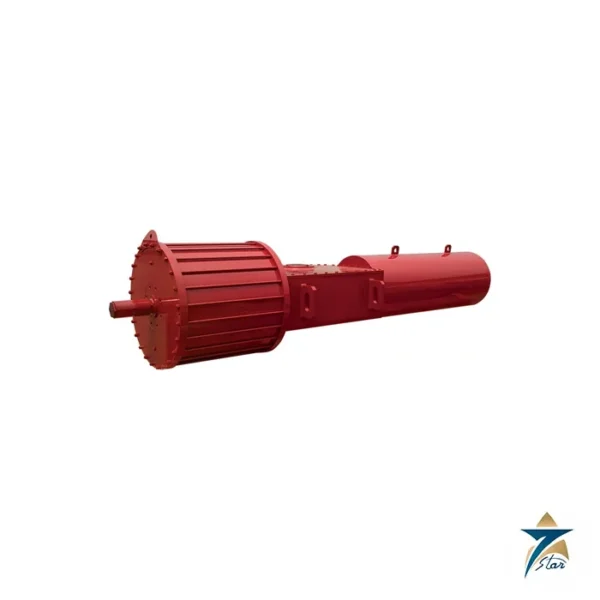
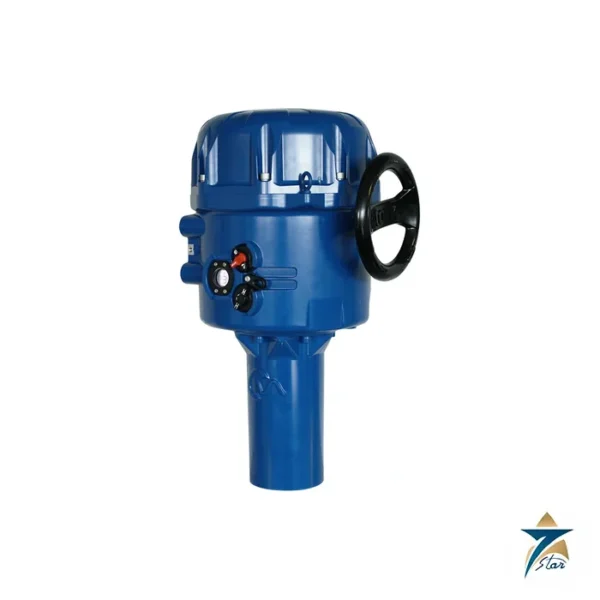
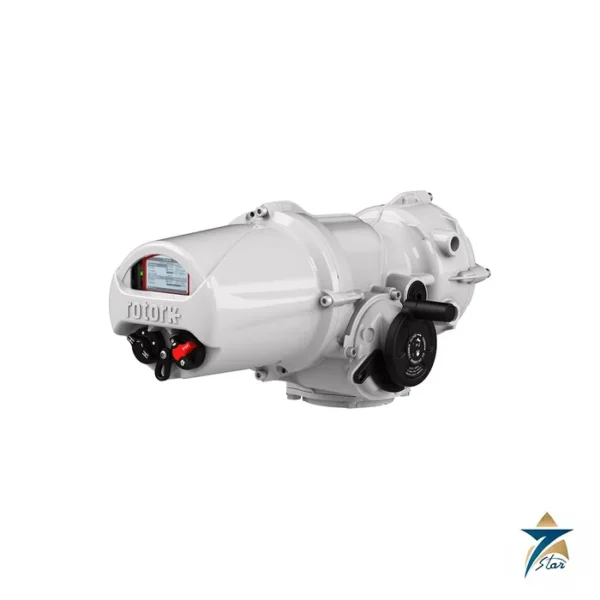
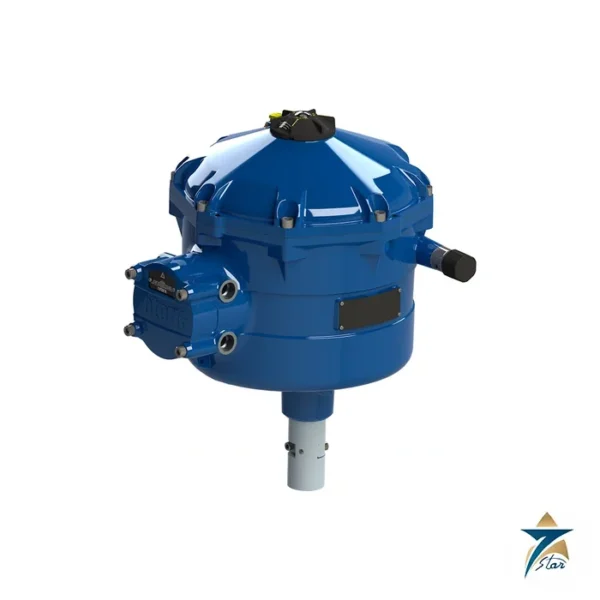
The Rotork RCE-SR is a self-contained electro-hydraulic quarter-turn actuator with a built-in spring cartridge. An electric motor drives a small hydraulic pump that pushes oil to one side of a piston; when the motor stops or power is cut, the pre-tensioned springs return the valve to its fail position. Because no compressed air is needed, it is useful at sites such as oil and gas depots, tunnels and district-heating plants where instrument air is unavailable or unsuitable and where explosion-proof equipment is required. Seven Star LLC quotes RCE-SR actuators in Oman and the GCC as an independent supplier in Muscat.
RCE-SR specifications and sizes
| Parameter |
Specification |
| Manufacturer / part number |
Rotork / RCE-SR (RCE230-SRM, RCE240-SRM, RCE250-SRM, RCE260-SRM, RCE265-SRM, RCE270-SRM, RCE280-SRM) |
| Torque range for the RCE family |
50 to 5,000 Nm (442 to 44,248 lbf.in) |
| Control |
On-off and positioning through impulse control from an external system |
| Maximum hydraulic pressure |
10 bar (145 psi); RCE265 is 8 bar (115 psi) |
| Temperature |
-20 to +40 °C |
| Mounting standards |
ISO 5211, DIN 3337, DIN 79, NAMUR, VDI/VDE 3845 |
| Mechanism |
Scotch yoke, blow-out-proof drive shaft, spring cartridge with pre-tensioned springs |
| Housing |
Extruded anodised aluminium cylinder; stainless pipes; RCE210-260 options have drive shafts and stainless steel screws |
| Approvals and quality |
ISO 9001 and 14001; PED and ATEX regulations |
| Weight, on-off, standard motor and RCE4L switch box |
RCE230 22 kg; RCE240 25 kg; RCE250 34 kg; RCE260 41 kg; RCE265 51 kg; RCE270 78 kg; RCE280 102 kg |
| Hole pattern and shaft |
RCE230 F07/F10, 17 mm; RCE240 F10/F07, 22; RCE250 F10/F12, 22; RCE260 F12/F10, 27; RCE265 F12/F10, 27; RCE270 F14, 36; RCE280 F16, 46 |
RCE-SR torque by model
The brochure torque table assumes springs adapted for 7 bar and a hydraulic pressure of 8 bar, and lists torque at 0, 60 and 90 degrees of rotation for hydraulic opening and spring closing. The highest hydraulic-opening figures are shown below; the full curve should be checked in the brochure when a valve has a pronounced torque peak at one end of travel.
| Model |
Peak hydraulic-open torque, Nm |
| RCE230-SRM |
113 |
| RCE240-SRM |
226 |
| RCE250-SRM |
355 |
| RCE260-SRM |
710 |
| RCE265-SRM |
1,145 |
| RCE270-SRM |
1,480 |
| RCE280-SRM |
2,970 |
How the RCE-SR operates
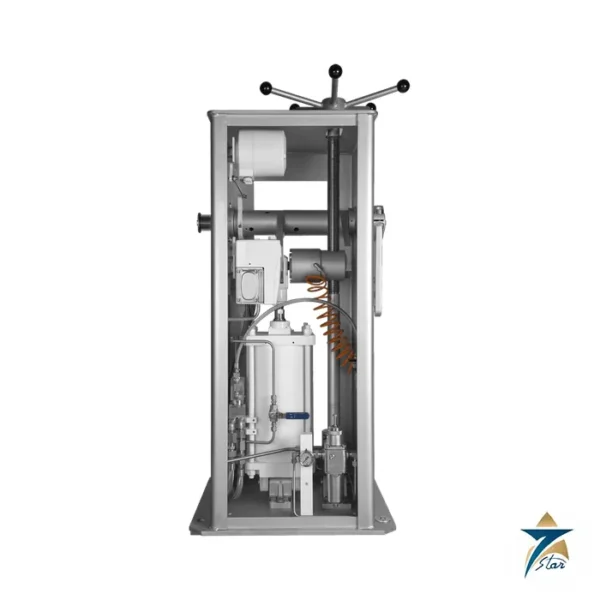
The unit combines a motor, pump, oil tank, valve block, cylinder and spring cartridge in one compact assembly. When the motor runs, oil is pumped into the cylinder and the piston moves the scotch-yoke, which compresses the springs while it turns the valve. A blocking valve holds the position when the motor stops in an on-off application. If power is lost or the safety function is initiated, a solenoid-controlled safety circuit with a pressure relief valve and flow restrictor releases the oil and the springs drive the actuator back at a controlled speed. The scotch-yoke layout gives higher torque at the end positions, which matches the break-out demand of ball and butterfly valves. A handwheel provides emergency manual operation, and the polished cylinder bore minimises friction.
RCE-SR design features that matter in service
- Spring cartridge is easy to service and ships pre-tensioned for safety.
- Extruded anodised aluminium cylinder needs no internal maintenance and resists corrosion.
- Stainless pipework and valve blocks that include a pressure relief valve, flow restrictor for the safety function, and a closed-loop environment-safe arrangement with an indicator tube.
- Electric end-position switch box for on-off indication; the RCE4L box is referenced for standard weights and a 1990 box for explosion-proof versions.
- Explosion-proof variants use Ex e or Ex d motors and a 1990 switch box, adding approximately 5.5 to 20.5 kg depending on motor type and phase count.
Selecting an RCE-SR model: ordering checklist
Determine the valve torque at seat, mid-stroke and unseat in both directions, including the effect of the spring-return direction. Select the spring-open or spring-close action, motor phase (1-phase or 3-phase), motor protection (standard, Ex e or Ex d), voltage, and the switch box. For positioning duty, specify the control signal. Check the flange pattern and shaft on the valve, and verify that the maximum site ambient is inside the -20 to +40 °C range quoted for the unit, since that limit is lower than many Gulf summer outdoor conditions; shading or a protected installation may be needed, and unusual temperatures should be raised with the manufacturer.
Installation, commissioning and maintenance
Mount the actuator directly on the valve with the appropriate bracket, fill and bleed the oil circuit as instructed in the manual, and test open, close and spring-return cycles. Verify the stroke time against the safety requirement, and adjust the restrictor if necessary. Periodically check the oil level in the tank, hose and pipe joints, spring return action and switch-box wiring. Explosion-proof versions must keep certified flameproof joints undamaged. Keep spare seals, solenoid coils and the switch box on hand for critical applications.
RCE-SR applications in Oman and the GCC
RCE-SR suits fuel depots, loading terminals, tunnels and plant areas without instrument air, as well as district-heating style plants named in the brochure. Typical valves are ball, butterfly and plug valves on fuel, water and utility lines that must go to a safe position on loss of power. In hot dusty conditions pay attention to the temperature limit, enclosure sealing and finish, and for hazardous-area depots request the Ex motor and Ex switch box combination with the correct zone and gas group stated.
Information to send with an RCE-SR RFQ
- Valve type, size and torque data in both directions.
- Spring action required: fail close or fail open.
- On-off or positioning duty and control signal.
- Supply voltage, phase and hazardous-area classification.
- Ambient temperature range, mounting flange and shaft size, quantity.
Documents and quotation
The Rotork RCE-SR product information sheet is attached on this page with dimensions, torque and electrical data.
Send the valve data and power supply details and we will confirm the RCE-SR size and quote delivery to Oman and the GCC.



















Reviews
There are no reviews yet.