Overview
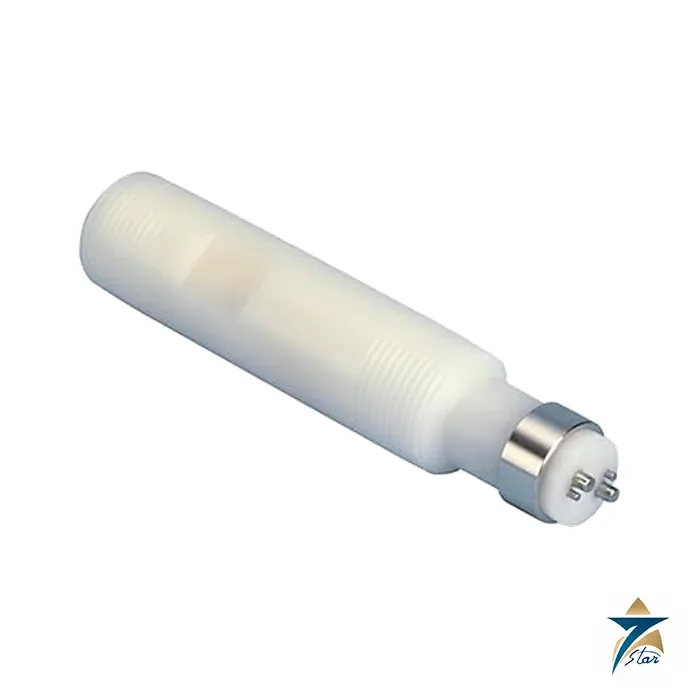
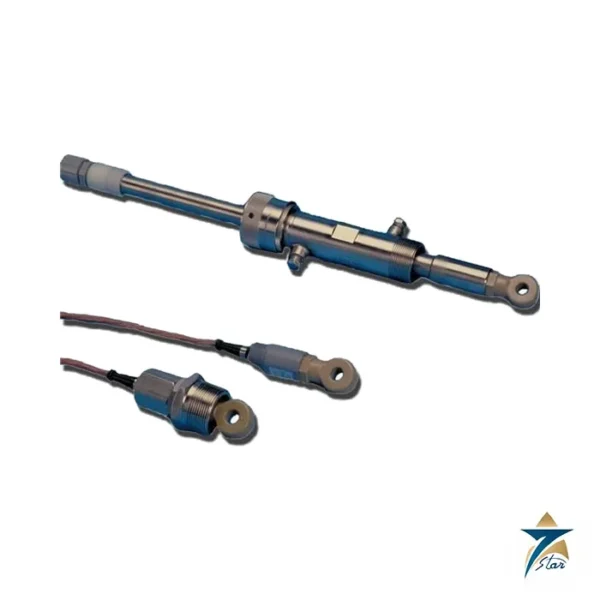
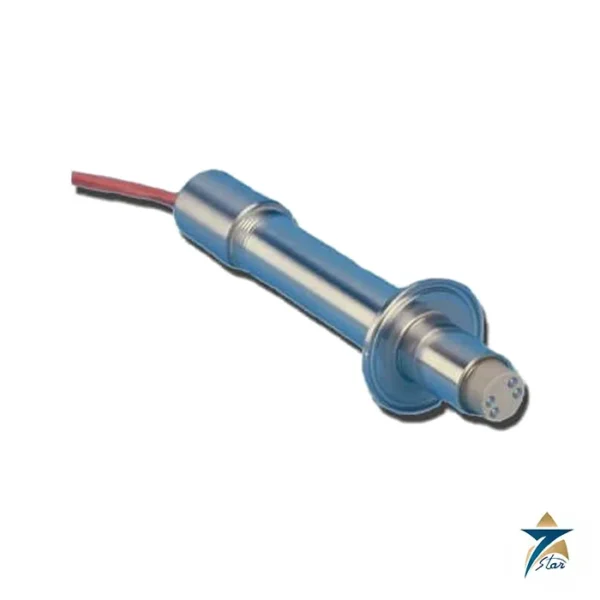
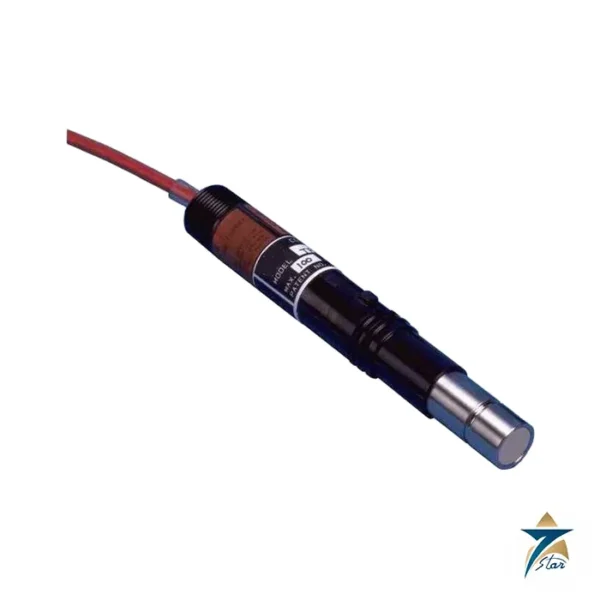
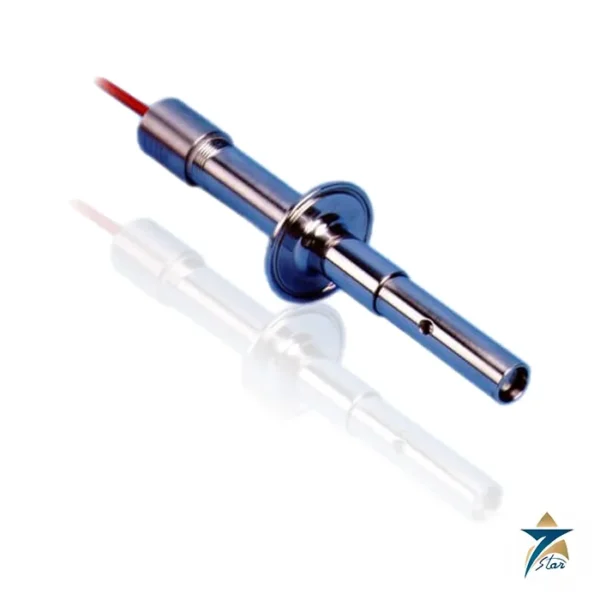
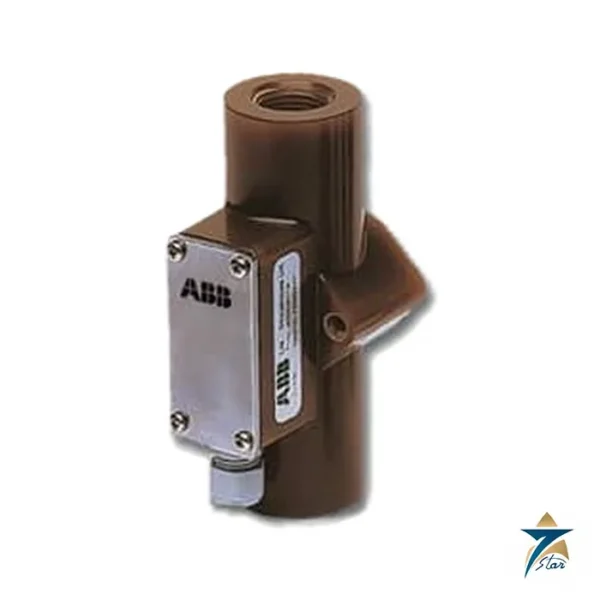
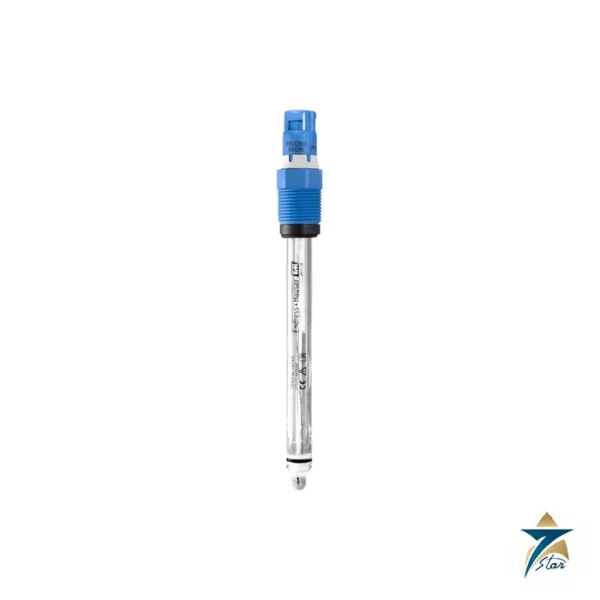
The ABB TB468 electrode is a four-electrode contacting conductivity sensor built with Hastelloy C electrodes, engineered for process streams too aggressive for standard stainless steel electrodes to survive long-term. Available in both insertion and hot-tap configurations, the TB468 gives engineers flexibility to match the installation method to the pipeline conditions while retaining the same corrosion-resistant electrode material.
As part of ABB’s TB4 four-electrode conductivity family, the TB468’s Kynar body and Hastelloy C electrodes make it a specialist choice for highly corrosive chemical streams. Seven Star LLC supplies the TB468 to chemical processing and specialty industrial facilities across Oman and the GCC.
Operating Principle
The TB468 drives an AC current through an outer pair of Hastelloy C electrodes and measures the resulting voltage drop across an inner pair, a four-electrode arrangement that largely cancels out electrode polarization and fouling errors compared with a simpler two-electrode design. An integral 3 kΩ temperature element provides automatic temperature compensation across the sensor’s operating range.
Engineering Design of the ABB TB468
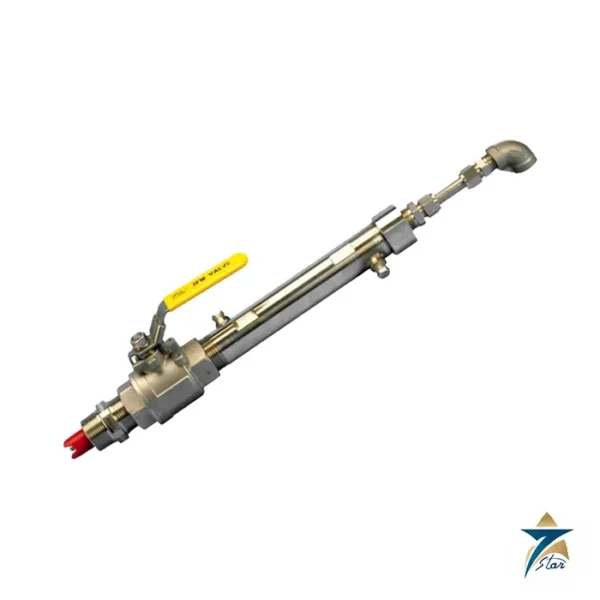
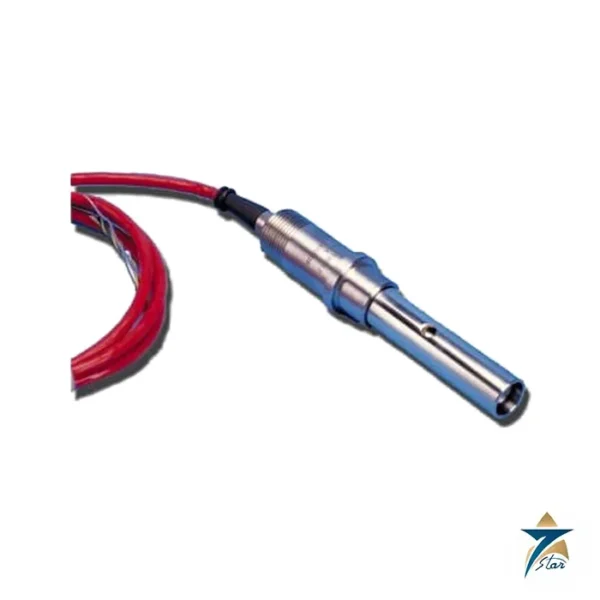
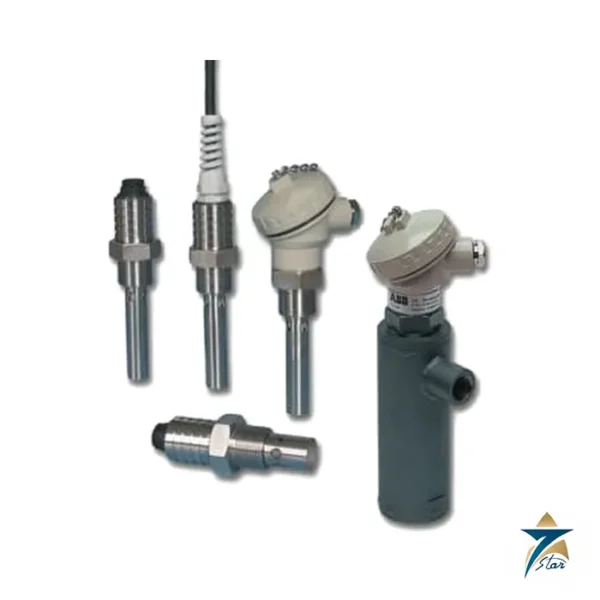
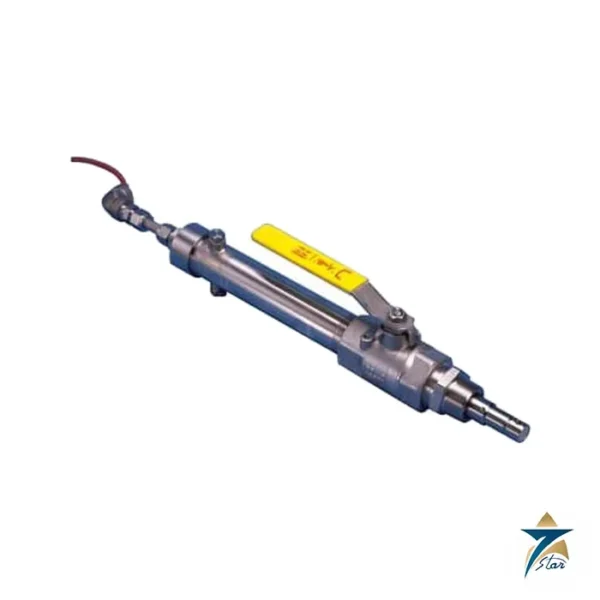
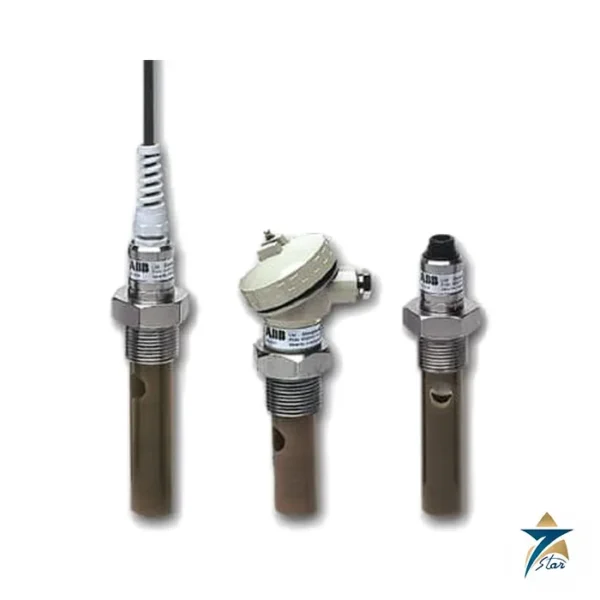
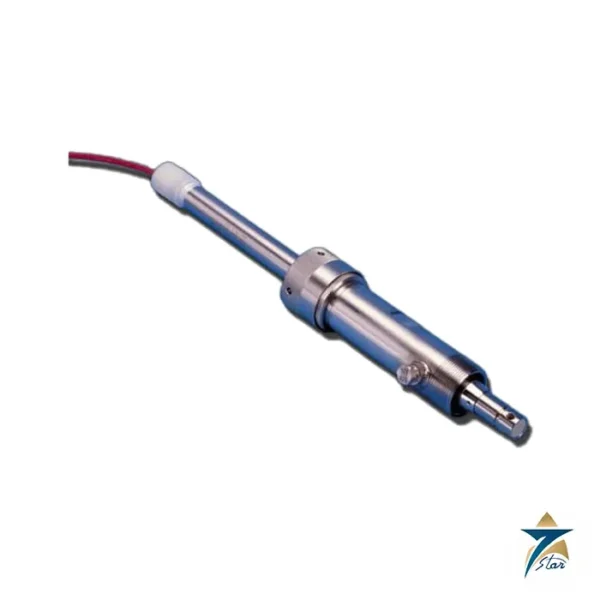
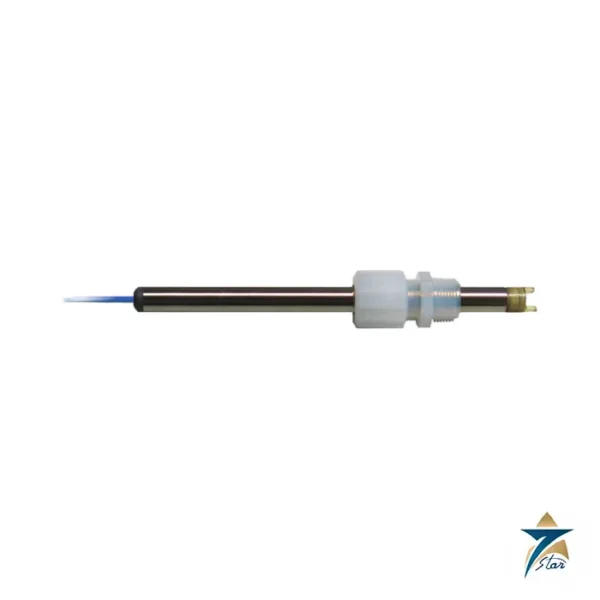
The TB468 is offered in two configurations from a common Kynar body: the TB4680 insertion style, connecting via ¾-inch NPT and rated to 689 kPa at 50°C or 354 kPa at 100°C, and the TB4683 hot-tap style, connecting through a 1-inch Kynar ball valve with reducing bushing and rated to 275 kPa at 90°C or 138 kPa at 140°C. Both variants use Hastelloy C wetted electrodes for resistance to aggressive chemical process streams that would corrode standard 316 stainless steel electrodes, and cover a measurement range up to 0–2,000,000 µS/cm.
Key Features
- Four-electrode contacting conductivity measurement technology
- Hastelloy C electrodes for aggressive chemical resistance
- Available as insertion (TB4680) or hot-tap (TB4683) configuration
- Kynar body for additional chemical compatibility
- Insertion rating: 689 kPa at 50°C or 354 kPa at 100°C
- Hot-tap rating: 275 kPa at 90°C or 138 kPa at 140°C
- Measurement range up to 0–2,000,000 µS/cm
- Integral 3 kΩ temperature compensation element
- Compatible with ABB AquaMaster/AX400-series conductivity transmitters
Industrial Applications
The TB468 is specified for highly corrosive chemical process streams in chemical processing and specialty manufacturing facilities across Muscat, Sohar, and Salalah, where standard 316 stainless steel electrodes would suffer accelerated corrosion. Its Hastelloy C electrodes extend reliable conductivity monitoring to chloride-rich, acidic, or otherwise chemically aggressive fluids.
Across the GCC’s chemical and petrochemical sectors, the TB468 is commonly selected for effluent and waste-stream monitoring, concentrated acid or halide-containing process lines, and other duty where electrode corrosion has historically driven frequent sensor replacement with less resistant materials.
Technical Specifications
| Parameter |
Specification |
| Measurement Technology |
Four-electrode contacting conductivity |
| Electrode Material |
Hastelloy C |
| Body Material |
Kynar |
| Configuration Options |
Insertion (TB4680) or hot-tap (TB4683) |
| Insertion Process Connection |
¾-inch NPT |
| Insertion Rating |
689 kPa @ 50°C / 354 kPa @ 100°C |
| Hot-Tap Process Connection |
1-inch Kynar ball valve with reducing bushing |
| Hot-Tap Rating |
275 kPa @ 90°C / 138 kPa @ 140°C |
| Measurement Range |
Up to 0–2,000,000 µS/cm |
Insertion or Hot-Tap: Selecting the Right TB468
The TB468 is specified where the process is too corrosive for stainless steel electrodes. The first decision is the installation style. An insertion version is used when the line can be isolated and drained for sensor removal; a hot-tap version allows the sensor to be withdrawn through an isolation valve while the line stays in service, which is valuable on continuous chemical processes where shutdowns are rare. Confirm the process connection, pipe size, process pressure and temperature, and the chemical composition of the stream before ordering.
Why Four Electrodes
The four-electrode measurement separates the current-carrying and voltage-sensing electrodes, which makes the reading less sensitive to electrode fouling and polarisation at high conductivity. This is why the ABB TB468 electrode is suited to concentrated acids, alkalis and brine streams where two-electrode sensors struggle.
Installation and Commissioning
- Install where the sensing area is fully immersed and flow is representative of the process.
- For hot-tap versions, follow site procedures for live-line work and check the valve and retraction assembly before insertion.
- Confirm that body and seal materials are compatible with the process chemistry at operating temperature.
- Set the transmitter for a four-electrode sensor, then verify the reading against a laboratory sample.
Maintenance and Troubleshooting
Hastelloy C electrodes resist chemical attack, but crystallising or precipitating streams can still leave deposits. Compare online readings with laboratory results at regular intervals and clean the sensor when a steady offset appears. Inspect seals whenever the sensor is withdrawn and replace them if they show swelling or cracking. For hot-tap assemblies, keep the retraction mechanism clean so the sensor can be removed safely when needed.
Applications in Oman and the GCC
In Oman and the GCC the TB468 is relevant to chlor-alkali and chemical plants, fertilizer and petrochemical units, acid dosing and neutralisation systems, and brine handling in desalination facilities, where corrosive streams and continuous operation go together.
Material Compatibility Check
Hastelloy C performs well in many aggressive chemicals, but no alloy suits every stream. Share the full process composition, including trace chlorides, oxidisers or solids, and the maximum temperature with our team so the body, seal and electrode materials can be reviewed before an order is placed.
Sourcing from Seven Star LLC
Seven Star LLC supplies the TB468 in insertion and hot-tap versions and helps engineers review process data so the configuration matches the actual service conditions.
Request a Quote for ABB Insertion or hot-tap type, Hastelloy C electrodes TB468
Contact Seven Star LLC to request a quotation for the ABB TB468 Hastelloy C conductivity sensor and to select the insertion or hot-tap configuration for your process. Our engineering team, serving Oman and the GCC, can help confirm chemical compatibility and pressure/temperature rating for your specific application.
Browse the full ABB range or see more Liquid Analysis Sensors products supplied by Seven Star LLC in Oman and the GCC.










Reviews
There are no reviews yet.