IMI STI TP pneumatic pressure switch for lock-up safety
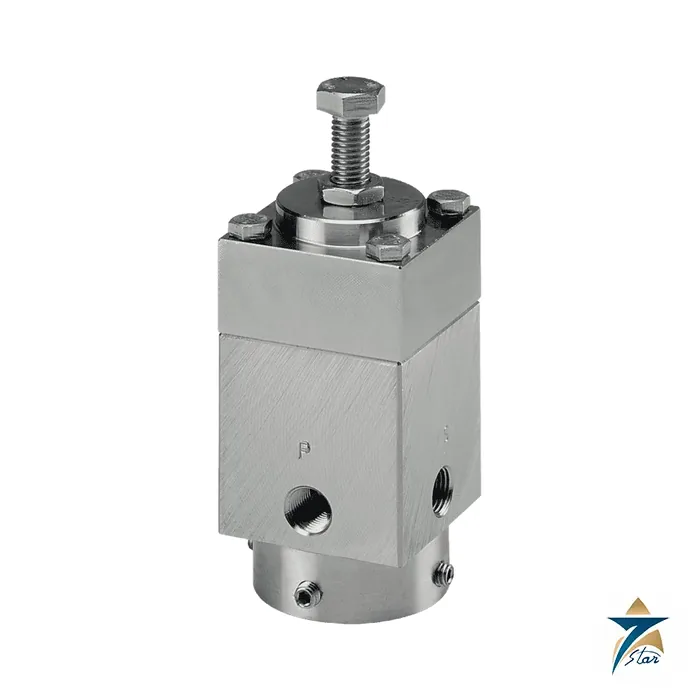
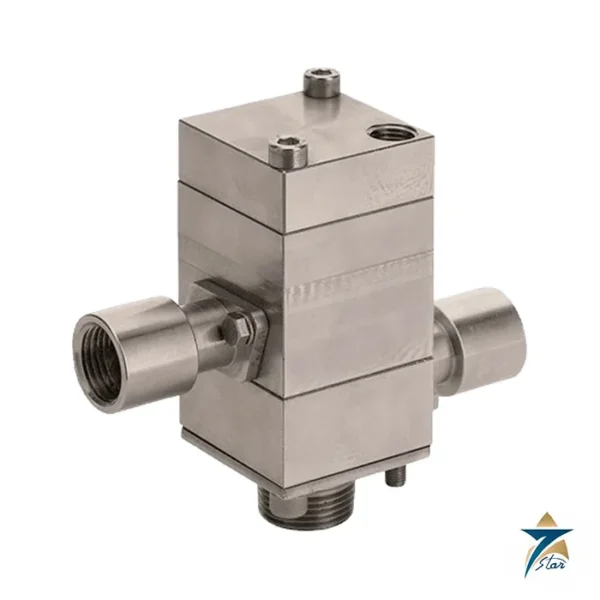
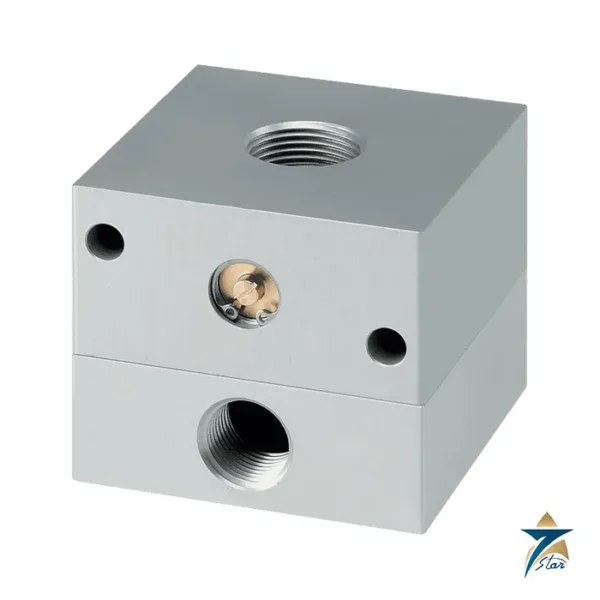
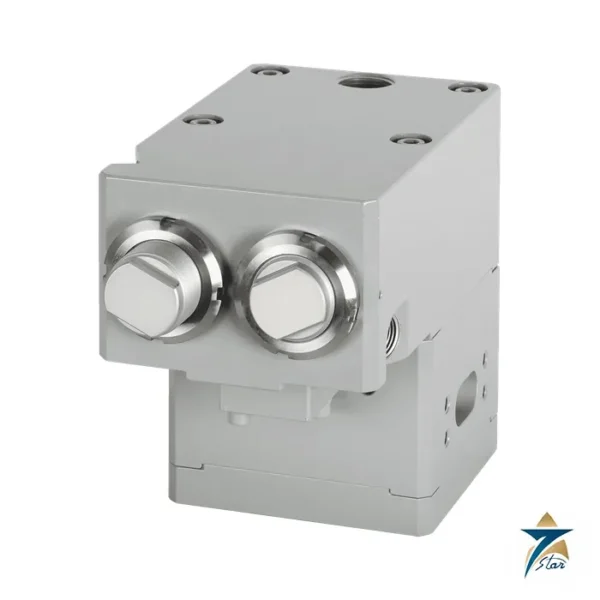
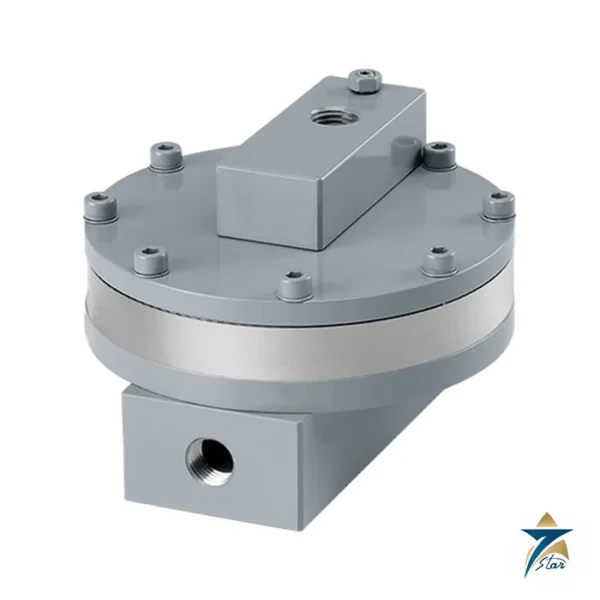
The IMI STI TP is a pneumatic pressure switch built for one narrow but important job: when the instrument air feeding an actuator drops below a safe value, it drives the lock-up devices on that actuator to their safety or shut-down position. Seven Star LLC supplies the IMI STI TP in Oman and the GCC as an independent supplier in Muscat, for plants that rely on pneumatically operated control valves and need a dependable response to supply-air loss.
“TP” is the manufacturer’s model code for the Pneumatic Pressure Switch. The brochure does not define a long coded ordering string for the TP. Instead, the variants are described by a few clear choices: housing material (anodized aluminum or stainless steel 316), operating temperature range, and the output connection arrangement. Those are the points to confirm when you request a quotation for the TP.
The set pressure is adjustable by the maintainer, so one TP design can cover different plant safety values inside its 2 to 7 bar operating window. The switching action is immediate even when pressure falls slowly toward the set value, which matters because air-header failures are often gradual rather than sudden.
IMI STI TP technical specifications
| Parameter |
Specification |
| Manufacturer / part number |
IMI STI / TP (Pneumatic Pressure Switch) |
| Housing materials |
Anodized aluminum; stainless steel 316 |
| Pilot signal connection |
1/8″ NPT |
| Output connections |
Figure 1: 1/8″ NPT. Figure 2: 1/8″ NPT and 1/4″ NPT |
| Minimum operating pressure |
2 bar |
| Maximum operating pressure |
7 bar |
| Design pressure |
10 bar |
| Operating temperature |
-20°C to +70°C; -40°C to +70°C and -20°C to +85°C available on request; other limits on request |
| Weight |
Aluminum 0.4 kg; stainless steel 316 0.8 kg |
| Reset behaviour |
Automatic reset when line pressure is 1 bar above the set pressure |
| Set point adjustment |
Adjustable; set screw lockable with a nut |
| Ambient conditions |
Standard, offshore, sandstorm and copper-free versions mentioned in the brochure |
| Actuator types |
Single and double acting |
How the TP switches and resets
The TP senses the pneumatic pressure on its pilot port and compares it with a spring-loaded set point that the maintainer adjusts. While the pressure stays above the set value, the switch holds the lock-up arrangement in its normal state and the control loop works as designed. When the pressure falls to the set value, the TP changes state and the connected lock-up device moves the actuator to the safety position that your design defines.
After a trip, the TP does not flip back the instant pressure touches the set point again. It resets automatically only when the line pressure is 1 bar higher than the set value. This reset hysteresis keeps the device from chattering around the set point, which would otherwise make a valve hunt between locked and free states while the header is recovering. As a practical illustration, a TP set to trip at 4 bar will not return to normal until the line reaches about 5 bar.
The brochure also notes that the device is insensitive to vibration and that the set screw can be locked with a nut. Both points are useful on skids and packages where pipe vibration could otherwise walk an unlocked adjuster away from its setting.
Where the TP fits in a control valve package
The TP is intended to sit on a lock-up three-way valve, and its small size and low weight allow direct mounting there. In that arrangement the TP is the sensing element and the three-way valve is the actuating element that traps air in the actuator or vents it, depending on the failure mode you specify.
IMI STI offers related accessories in the same instrumentation range. The AL air-lock device combines a TP-type pressure switch with two three-way valves in a single body, which removes the need to assemble and pipe separate parts. The BD derivative booster and the CSQ integral quick exhaust valve address stroking speed rather than supply-failure protection. The GR manual override gives an operator a way to move the actuator when air is not available. If your tender specifies a TP alone, a TP with a separate lock-up valve, or an integrated air-lock, say so clearly, because the correct part number differs.
Selecting the right TP
- Housing: anodized aluminum for general service, stainless steel 316 for coastal, offshore or chemically aggressive atmospheres.
- Temperature: confirm the real minimum and maximum ambient at the installation point, including sun exposure on outdoor piping in Oman, and ask for the extended range if you are near the limits.
- Set pressure: define the lowest air pressure at which the valve must still be able to move to its safe position, then place the trip point above that value and below the normal header pressure. The usable window is 2 to 7 bar.
- Output connection: choose between the Figure 1 and Figure 2 arrangements and confirm the 1/8″ NPT or 1/4″ NPT thread that your lock-up valve needs.
- Actuator type: the TP is described for single and double acting actuators, but the safe position for each depends on your lock-up scheme.
- Environment: state whether the equipment is standard, offshore, sandstorm or copper-free, since the brochure lists these as supported ambient conditions.
Installation, commissioning and maintenance of the TP
Mount the TP so that the pilot port sees the same air supply that feeds the actuator circuit, and keep the tubing short and free of sags where moisture can collect. Use clean, dry instrument air. As with any NPT connection, apply a non-hardening thread sealant to male threads only and avoid over-tightening aluminum housings.
During commissioning, bring the header up to normal pressure, set the adjuster to the required trip value, and then lock the set screw with its nut. Test the function by slowly reducing supply pressure and recording the value at which the actuator goes to its safe position, then raise the pressure again and note the reset value. The reset should appear about 1 bar above the trip value. Record both numbers in the loop file so that later checks have a reference.
Include the TP in the periodic proof-test routine for the valve package. A safety function that is never exercised may hide a blocked port or a drifted setting. Keep a spare unit for critical lines so a failed switch can be swapped quickly, and confirm the set point on the replacement before putting the valve back in service.
Typical applications in Oman and the GCC
Pneumatic control valves are common across oil and gas gathering and processing, power generation, seawater desalination and petrochemical plants. In each of these, loss of instrument air must leave critical valves in a predictable state, either locked in place or driven to a safe position. The TP is a compact way to implement that response at the individual valve. Coastal plants on the Omani and Gulf shorelines benefit from the stainless steel 316 option, and sites exposed to blowing dust can use the sandstorm version mentioned in the brochure. High summer ambient temperatures make it worth checking the upper temperature limit, because enclosed junction areas and sun-heated piping can run well above air temperature.
TP housing and temperature options at a glance
| Option |
Value |
Typical fit |
| Anodized aluminum |
0.4 kg |
General industrial service, lowest weight |
| Stainless steel 316 |
0.8 kg |
Offshore, coastal and corrosive atmospheres |
| -20°C to +70°C |
Standard range per brochure |
Typical temperate and hot-climate use |
| -40°C to +70°C |
On request |
Very low minimum ambient |
| -20°C to +85°C |
On request |
High maximum ambient or hot enclosures |
Information to send with a TP request for quotation
- Part number: TP, and the housing material required (aluminum or stainless steel 316).
- Required set pressure and the normal header pressure.
- Ambient temperature range at the installation point.
- Output connection figure and thread size.
- Actuator type, lock-up valve model and the intended safe position.
- Environment details such as offshore, sandstorm or copper-free service.
- Quantity, delivery location in Oman or the GCC, and any inspection documents you need.
Documents and quotation
The manufacturer brochure for the IMI STI TP is attached on this page as a PDF, so your engineers can compare it with the data above before ordering. Seven Star LLC is an independent supplier in Muscat and does not act on behalf of the brand, and we do not publish prices online.
To receive a quotation for the IMI STI TP, send the details listed in the previous section by email or through the RFQ form. We reply with availability, lead time and commercial terms for delivery in Oman and across the GCC.




















Reviews
There are no reviews yet.