V180 lightweight M18 reflex sensor with 0.5 ms response
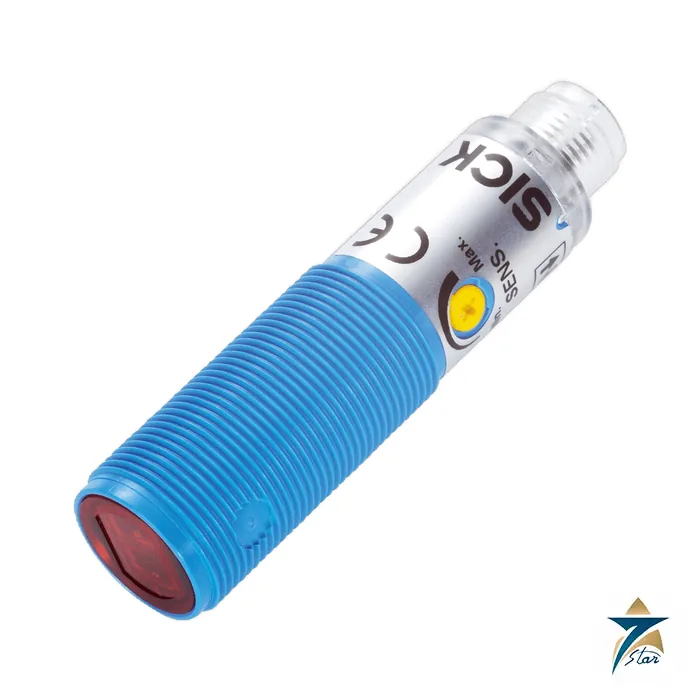
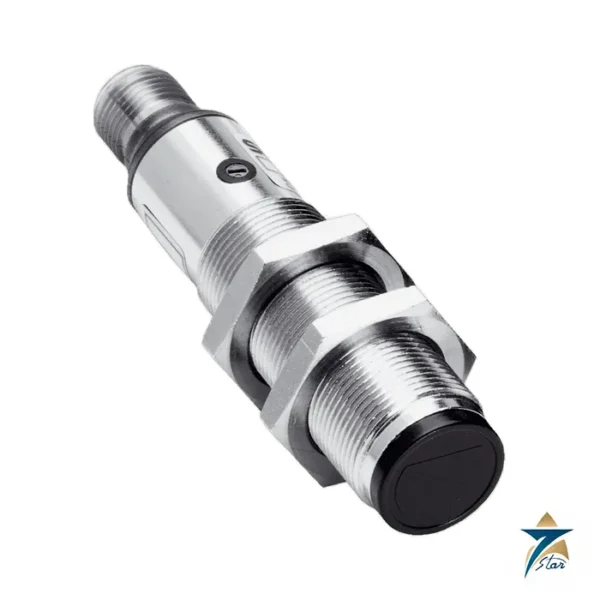
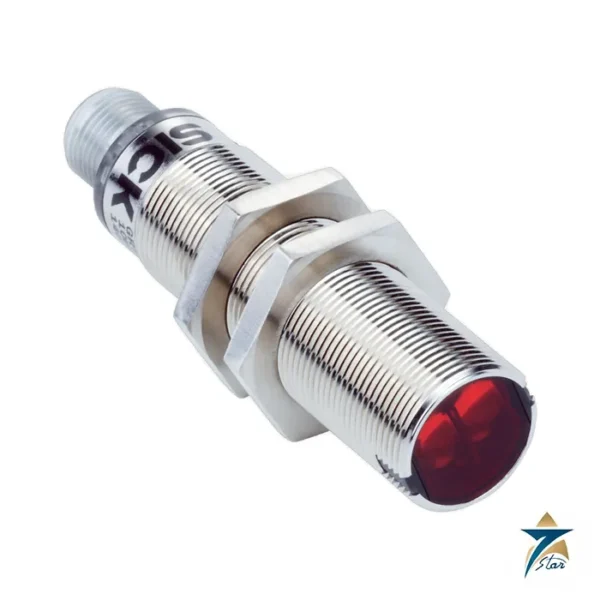
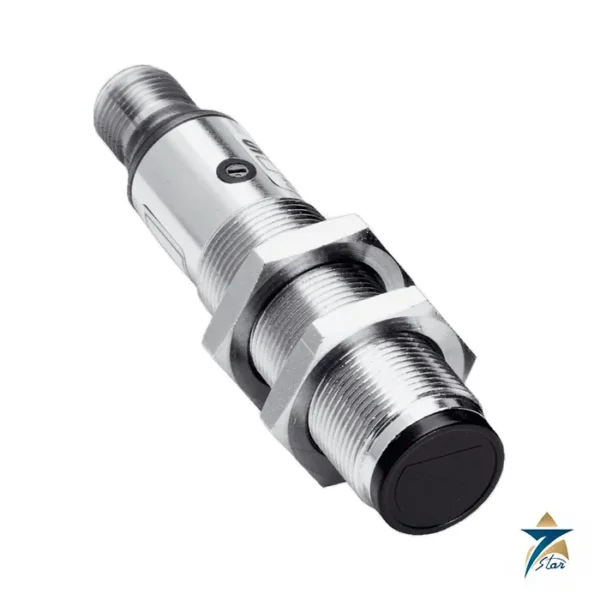
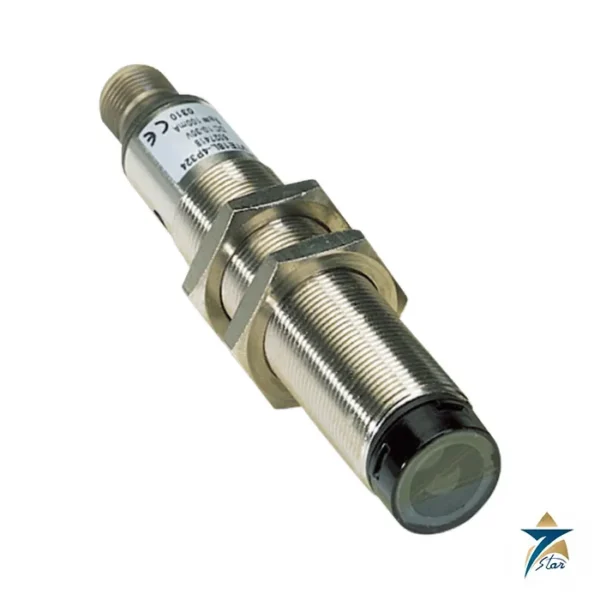
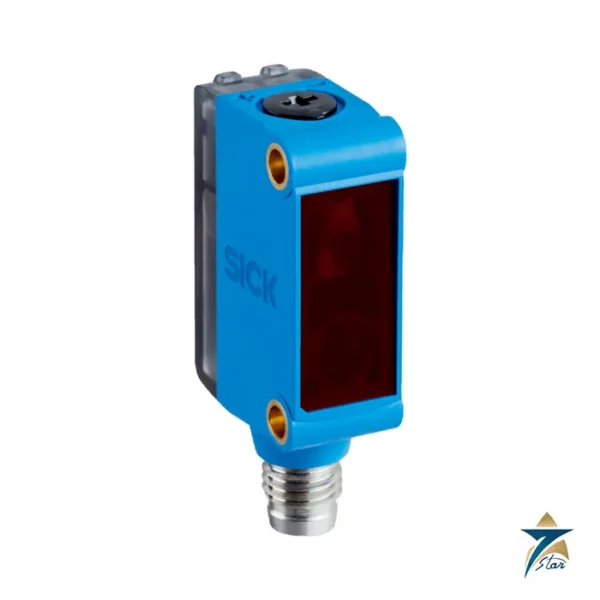
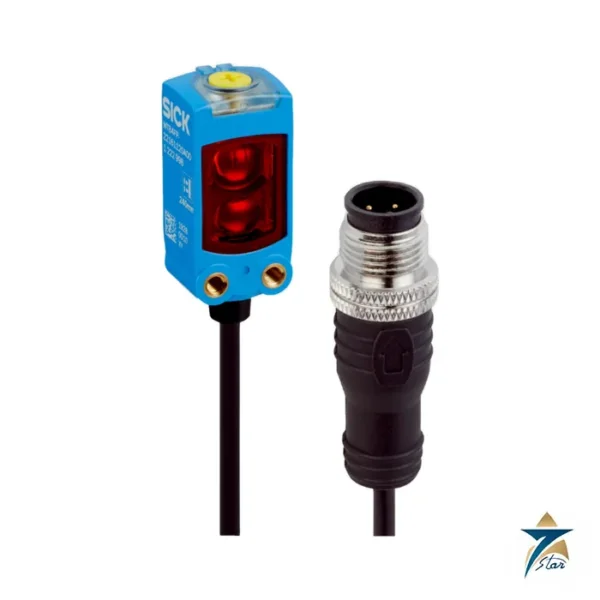
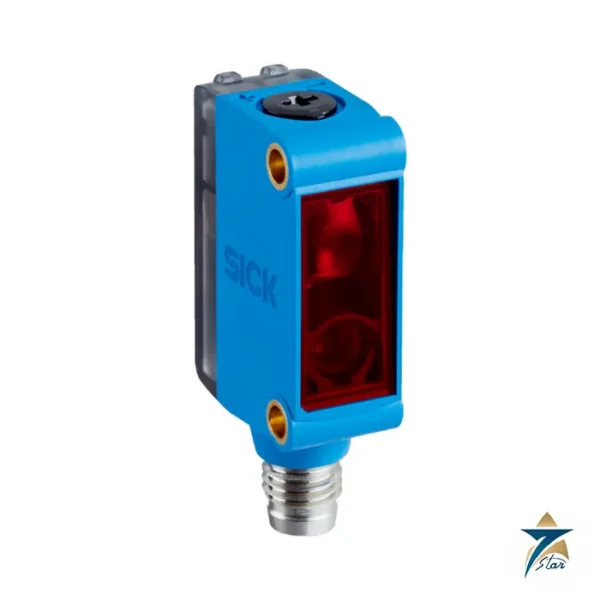
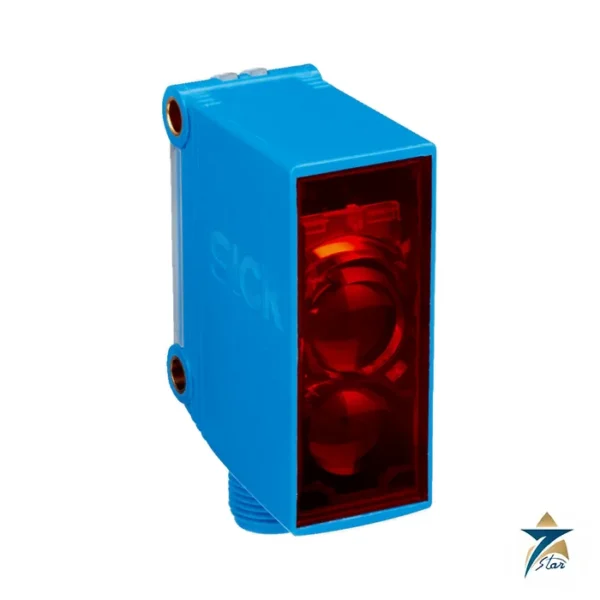
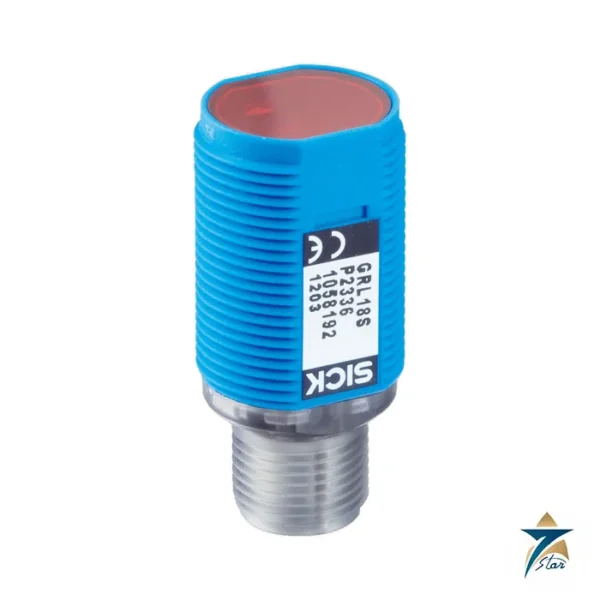
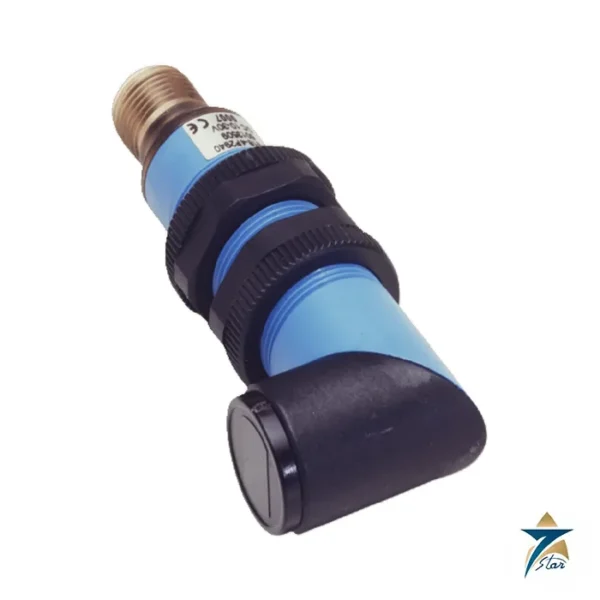
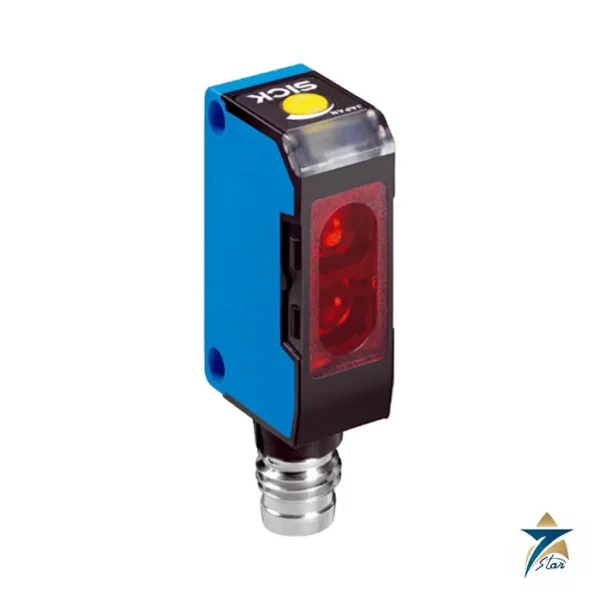
The SICK VL180-2P42436 (part no. 6037496) is a V180 cylindrical retro-reflective sensor with an M18 x 1 plastic housing, 70.2 mm long, weighing only 18 g. With the PL80A reference reflector it covers 0.05 m to 6 m (maximum 7 m) using visible red LED light at 645 nm and a polarisation filter. The delivery includes a P250 reflector and two fastening nuts.
The output is PNP with light/dark switching via control cable, the response time is 0.5 ms and the switching frequency 1,000 Hz, so it is a faster sensor than the 2 ms V18 types.
Technical specifications
| Parameter |
Specification |
| Manufacturer |
SICK |
| Type / family |
VL180-2P42436 / V180 |
| Part no. |
6037496 |
| Functional principle |
Photoelectric retro-reflective sensor, dual-lens system |
| Sensing range max. / typical |
0.05 m … 7 m / 0.05 m … 6 m (reflector PL80A) |
| Polarising filter |
Yes |
| Light source / type |
LED, visible red light, 645 nm; focus approx. 4.5 degrees |
| Light spot size |
400 mm diameter at 6 m |
| Adjustment |
Potentiometer, 270 degrees (sensitivity) |
| Items supplied |
Reflector P250; 2 x fastening nuts |
| Supply voltage UB |
10 V DC … 30 V DC |
| Ripple |
10 % |
| Current consumption |
30 mA |
| Output |
PNP, light/dark switching via L/D control cable |
| Signal voltage PNP HIGH/LOW |
approx. VS – 1.8 V / 0 V |
| Output current Imax. |
100 mA |
| Response time / switching frequency |
0.5 ms max. / 1,000 Hz |
| Protection class |
III |
| Dimensions |
M18 x 1 thread; 18 mm x 18 mm x 70.2 mm |
| Optical axis |
Axial |
| Housing / optics |
Plastic PBT/PC / plastic PMMA |
| Connection |
Male connector M12, 4-pin |
| Weight |
18 g |
| Enclosure rating |
IP67 |
| Ambient temperature |
-25 °C … +55 °C operation; -40 °C … +70 °C storage |
| MTTFD |
2,006 years (DCavg 0 %) |
| UL file no. |
NRKH2.E300503 and NRKH8.E300503 |
Faster and lighter than the V18 types
In the V180 housing the electronics respond in 0.5 ms and operate up to 1,000 Hz, against 2 ms and 250 Hz on the V18 devices in this order list. The wide 400 mm spot at 6 m is forgiving of misalignment, and the 18 g mass suits moving mounts. Use it for fast conveyors, sorters and indexers that need an M18 round format.
The sensor ships with the P250 reflector; the data sheet states the range for the larger PL80A. Expect a slightly shorter working distance with the P250. As with all polarised reflex sensors, a corner-cube reflector is required, and ordinary mirrors will not work.
Ordering information
Order VL180-2P42436 with part no. 6037496. Do not mix it up with the V18 types (VL18-4P…) that carry the C110A reference reflector; the V180 data sheet names the PL80A and the P250. A different range or connector requires a different part number from SICK.
Mounting and aligning the sensor
The M18 threaded barrel is fixed with the two fastening nuts supplied, either through a hole in a plate or in a standard M18 bracket. Tighten the nuts by hand plus a modest turn with a spanner; the plastic housing does not tolerate the force that might be used on a metal barrel. Mount the reflector on a rigid surface square to the beam, and make sure neither part can be knocked out of line by passing products, cleaning or maintenance staff.
Alignment is easiest with the visible red light: aim the beam at the centre of the reflector, then move the sensor slowly in both directions until the output changes, and set it midway between the two edges. After alignment, use the sensitivity potentiometer to adjust the switching threshold if the objects to be detected are transparent or partly reflective, and test with real products rather than a test card.
Wiring and commissioning checks
Connect the sensor with a 4-pin M12 cable, following the pin assignment in the SICK data sheet, and confirm whether the light/dark control conductor must be tied high or low to get the switching behaviour your PLC logic expects. Check the supply voltage at the connector and the load current on the output against the values in the table. With the conveyor running at full speed, confirm that every product is detected and that gaps between products are seen reliably; the fast response time is only useful if the input card and the program scan can keep up.
Selection points for reflex applications
- Measure the real distance between sensor and reflector and allow a margin below the stated range, especially with the supplied P250.
- For shiny or wrapped products, the polarisation filter helps, but test the exact packaging during commissioning.
- Confirm that the IP67 rating and plastic housing suit the washdown and cleaning agents on the line.
- Check that the ambient temperature at the mounting point stays within the operating range in the table.
Dust, glare and heat in GCC plants
In Oman and the rest of the Gulf, airborne dust is the most common reason for a reflex light barrier to become unreliable. A dust layer on the front lens or on the reflector reduces the returned light until the sensor no longer switches cleanly. Include both surfaces in a regular cleaning round, using a soft cloth and a cleaner compatible with PMMA optics. Strong sunlight entering through loading bay doors can also interfere with optical sensors, so aim the beam away from openings or shade the reflector where possible.
The upper operating limit of +55 °C can be reached in unconditioned warehouses, near ovens or on outdoor conveyors in summer. If the mounting point is close to that limit, move the sensor to a cooler position or provide shielding from direct heat, and verify operation during the hottest part of the day.
Documents and quotation
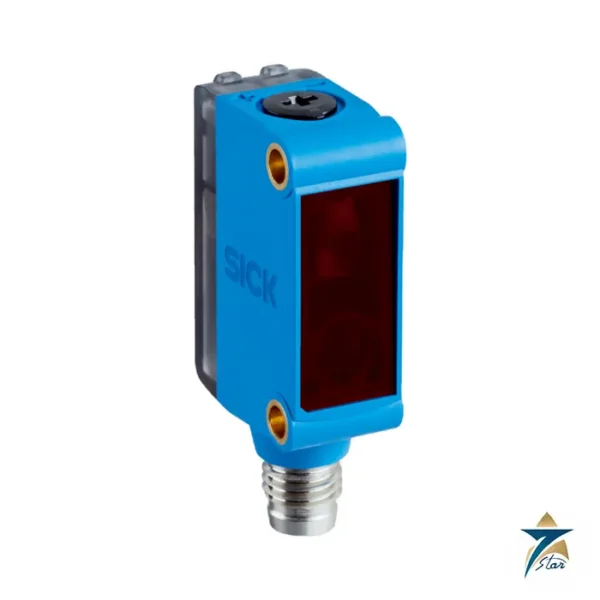
The official SICK data sheet for VL180-2P42436 (part no. 6037496) is attached to this page, and the figures in the table above are taken from it. Seven Star LLC is an independent supplier in Muscat and quotes SICK items against a written request. In your enquiry, give the exact type code, part number, quantity and delivery location, and say whether you need accessories such as a mounting bracket or matching M12 cordset. Data sheets carry a note that content is subject to change without notice, so confirm current details before ordering. More items are listed under sensors and transmitters, and you may also look at the SICK WTB4-3 miniature photoelectric sensor.




Reviews
There are no reviews yet.