Extech DV690 non-contact high-voltage detector up to 69 kV
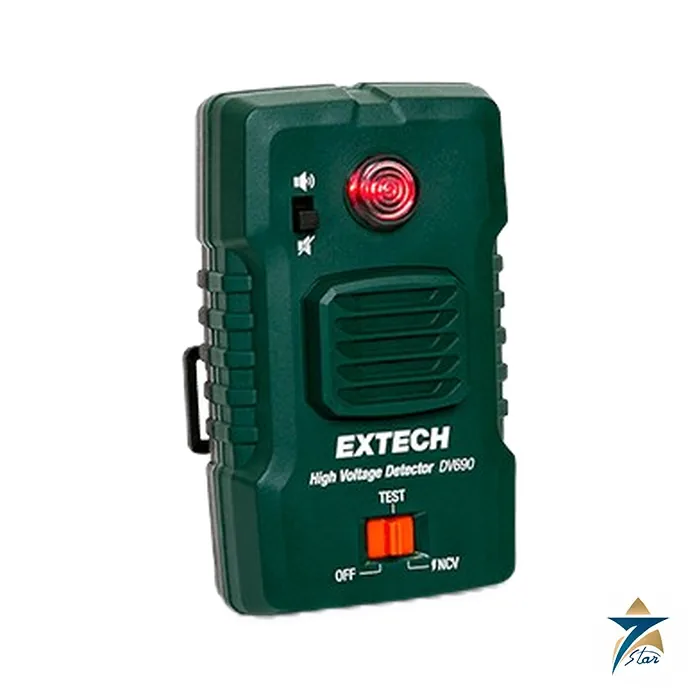
The Extech DV690 is a non-contact voltage detector for high-voltage systems that detects AC electric fields from 100 V AC up to 69 kV AC at 50/60 Hz. It gives a 106 dB audible alarm and a bright red LED, so workers on utility lines, substations and storm-restoration sites receive a clear warning before they come too close to an energized conductor.
The DV690 can be hand-held, clipped, hung on a lanyard, strapped to the arm or fitted to a hot stick using the universal adapter, and it is supplied with a hard case, a break-away lanyard, arm strap, soft pouch, hot stick adapter and three AA batteries. A self-test function lets the user confirm it works before each use.
Technical specifications of the DV690
| Parameter |
Specification |
| Manufacturer / part number |
Extech / DV690 |
| AC voltage range |
100 V AC to 69 kV AC |
| AC frequency range |
50/60 Hz |
| Audible indication |
Above 106 dB at 0 cm; mute switch fitted |
| Visual indication |
Red LED, 507 lux |
| Self-test |
Built-in self-test function |
| Power |
3 x 1.5 V AA, typically about 120 hours of continuous use |
| EMC |
EN 61326-1 |
| Ingress protection |
IP54 |
| Drop test |
1.2 m (4 ft) |
| Mounting |
Lanyard, clip, handheld, arm strap or hot stick adapter (hot stick not included) |
| Dimensions / weight |
133 x 77 x 52 mm (5.24 x 3.03 x 2.05 in) / approx. 220 g |
The figures above are from the DV690 datasheet.
How a non-contact detector like the DV690 works and what it does not do
A conductor energized at high voltage is surrounded by an electric field. The DV690 senses the strength of this field and alarms when it exceeds the threshold, which means the user receives a warning without touching the conductor. The datasheet includes a distance-to-voltage reference guide, because the distance at which the alarm triggers depends on the line voltage; a higher voltage alarms at a longer distance.
It is essential to understand that a detector gives a warning and does not prove that equipment is dead. The field can be shielded or weakened by the geometry of the line, by a grounded screen, or by the position of the detector. Absence of an alarm must not be treated as proof that a conductor is safe; the correct procedure for isolation, testing and earthing must still be followed.
Mounting and use of the DV690
- Hot stick: fit the universal adapter to a hot stick (not included) to extend reach while staying at distance.
- Lanyard or arm strap: hands-free monitoring while working near energized equipment.
- Clip and handheld: quick spot checks around transformers and switchgear.
- Mute switch: silence the 106 dB buzzer when noise is a problem, while the LED stays active.
For LV and MV panel work, a contact tester such as the Extech VT30 and a verified isolation process is used; the DV690 is for high-voltage awareness.
Selection checklist for the DV690
- Confirm that the voltage range you work near is between 100 V and 69 kV AC at 50/60 Hz.
- Decide whether a hot stick adapter and arm strap are needed; both are supplied.
- Check ingress protection (IP54) and drop rating (1.2 m) against site use.
- Confirm that your safety procedures allow a non-contact detector for awareness and approach checks.
- Plan self-test before every shift and spare AA batteries.
Care and maintenance of the DV690
Run the self-test before each use, check the batteries, and keep the sensor area clean and dry. Wear the personal protective equipment required by your procedures and use insulated tools when working near energized conductors. After use, wipe the case with a damp cloth and store the DV690 in its hard case. Replace batteries with the correct type and do not mix old and new cells.
Applications of the DV690 in Oman and the GCC
Overhead lines and outdoor substations in Oman and the GCC operate at 11, 33, 132 and higher kV, and crews working near them, including contractors, tree-trimming teams and telecom crews, benefit from an audible and visual warning at a safe distance. Hot and dusty field conditions are served by the IP54 housing, while the loud buzzer and bright LED are helpful in bright sunlight and wind noise.
Approach distance and field checks with the DV690
The distance at which the alarm sounds depends on the voltage of the line, the geometry of the conductors and the way the detector is held, so the reference guide in the datasheet is an indication, not a safe-distance table. Always keep the minimum approach distances defined by your utility or site safety rules, regardless of what the detector shows. Test the detector near a known energized source at the start of the shift using the self-test and, where permitted, a known live line, and re-check after any drop or impact. Keep the sensor end clean, because moisture and dirt on the housing can alter its sensitivity.
Information to send with an RFQ for the DV690
- Part number DV690 and the required quantity
- System voltage level and where the detector will be used
- Quantity and spare battery needs
- Delivery location in Oman or the GCC and the required lead time
- Whether calibration documentation or a traceable calibration certificate is required
Documents and quotation
A datasheet for the Extech DV690 is attached on this page. It lists the voltage range, alarm levels and mounting options.
Send us the part number DV690, the quantity and the delivery location in Oman or the GCC, and we will reply with availability and a quotation. Seven Star LLC is an independent supplier in Muscat and is not affiliated with the manufacturer.
Other Models in the Extech Voltage Testers Range
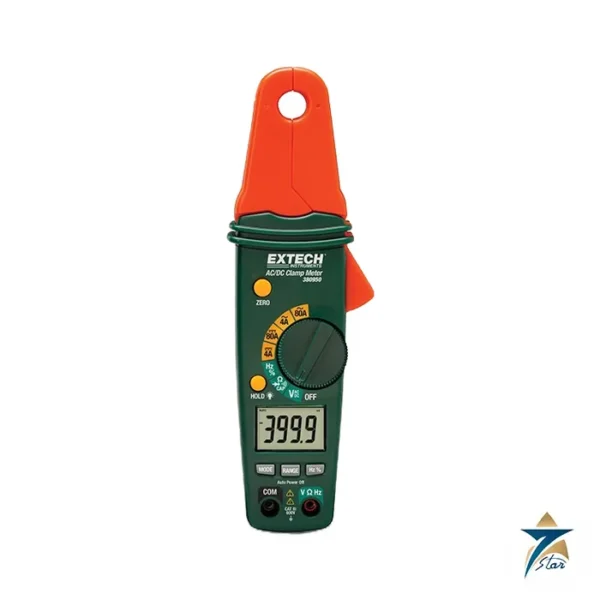
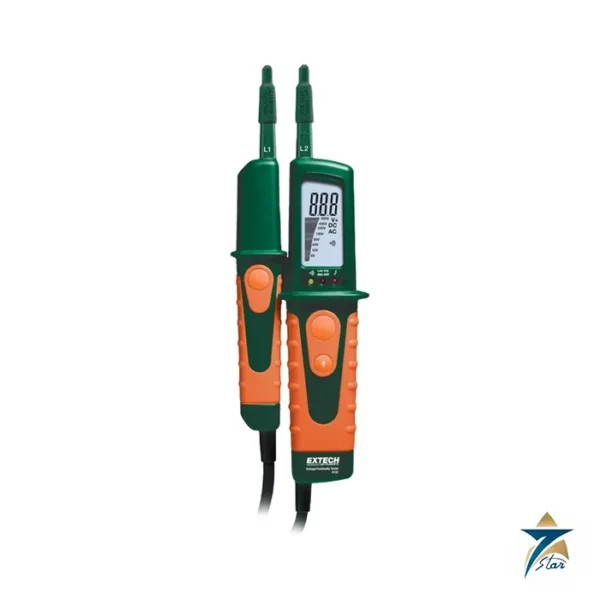
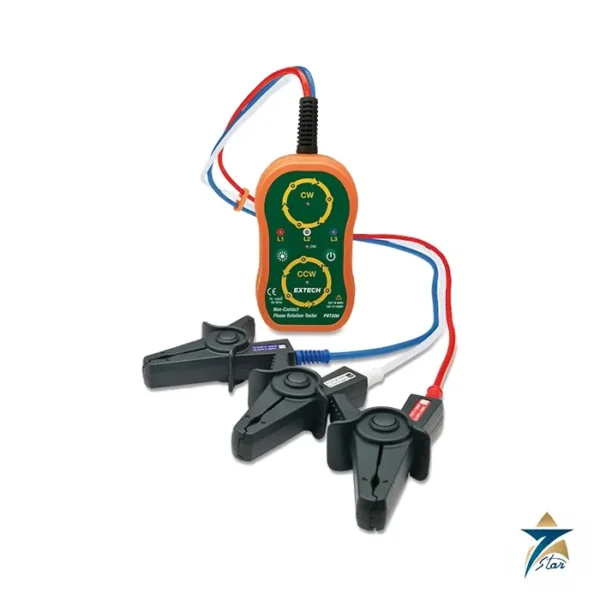
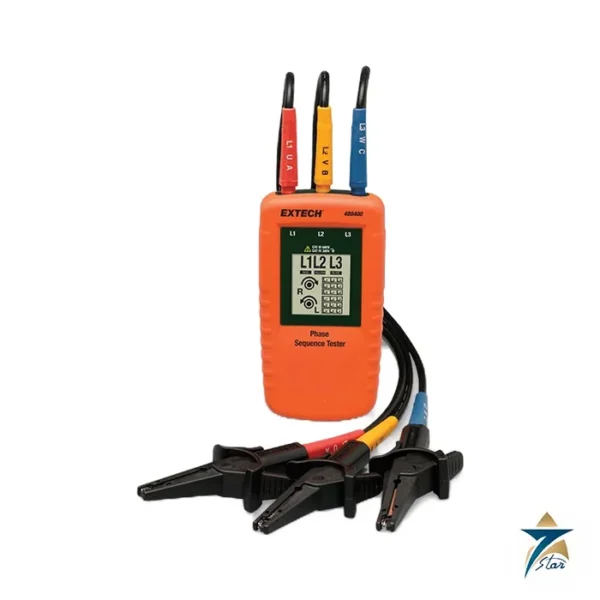
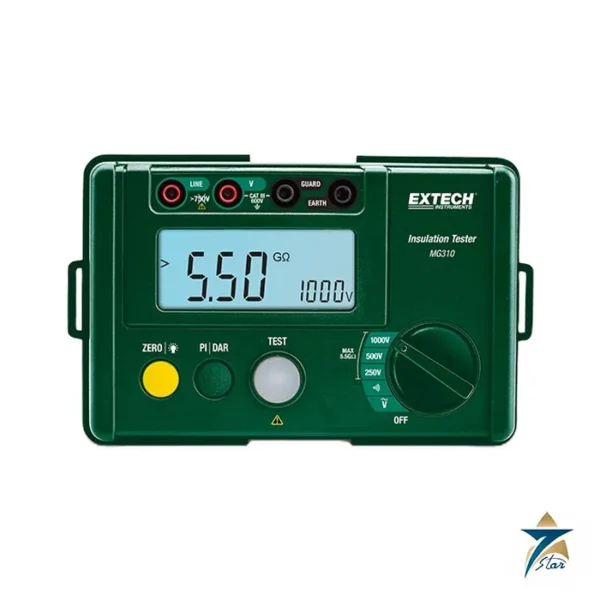
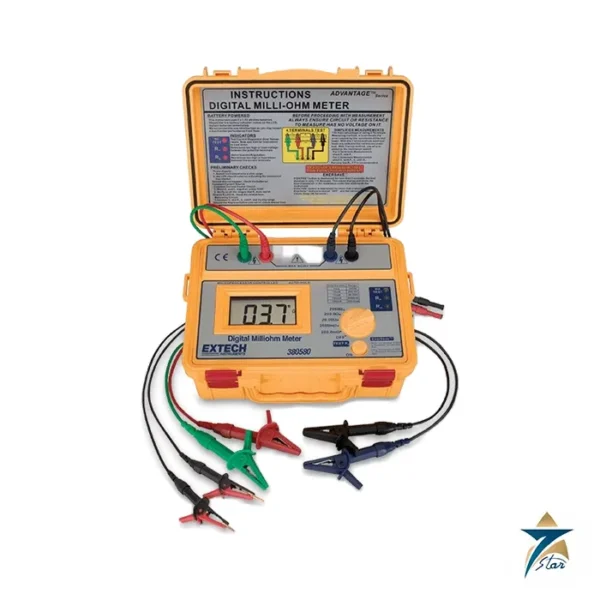
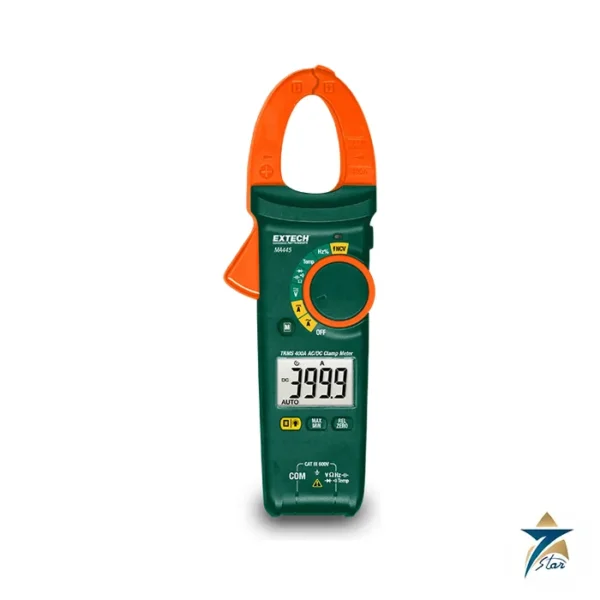
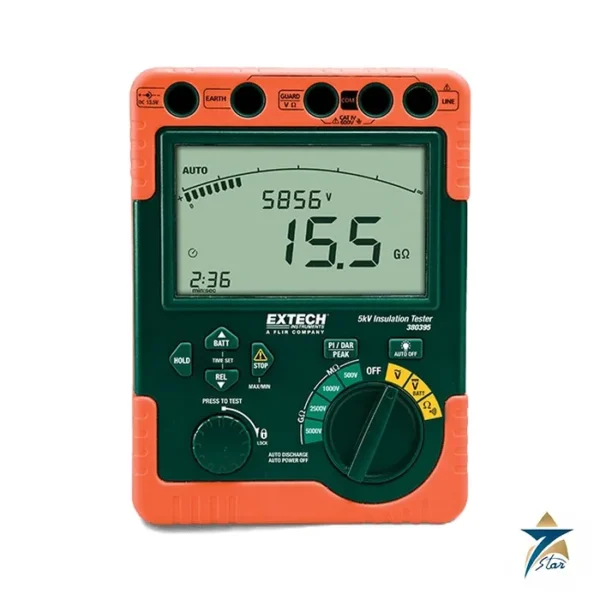
Seven Star LLC supplies models from the Extech Voltage Testers range in Oman and the GCC. Compare the related models below and request a quote for the one that matches your application.




















Reviews
There are no reviews yet.