NI12U-S18-VP6X-H1141 in brief
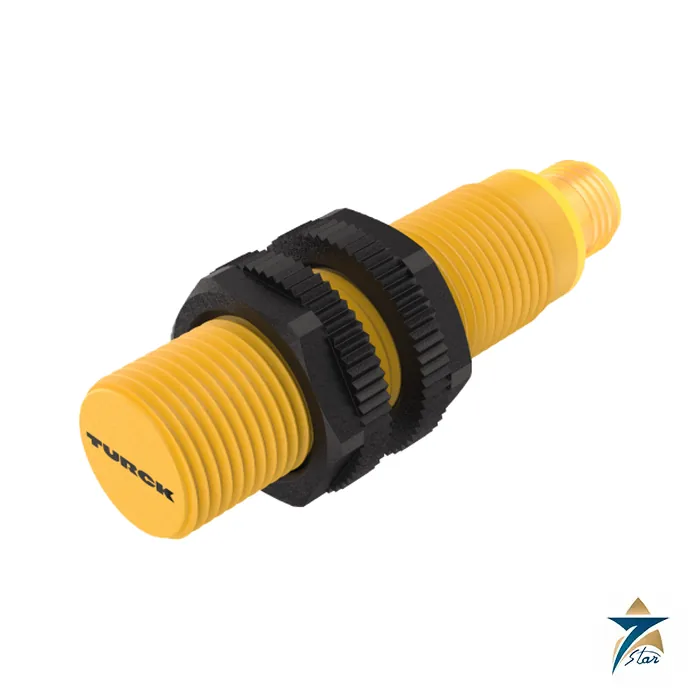
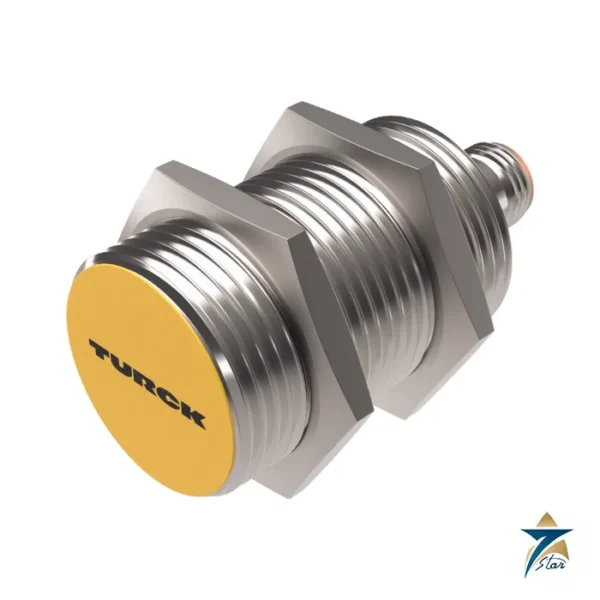
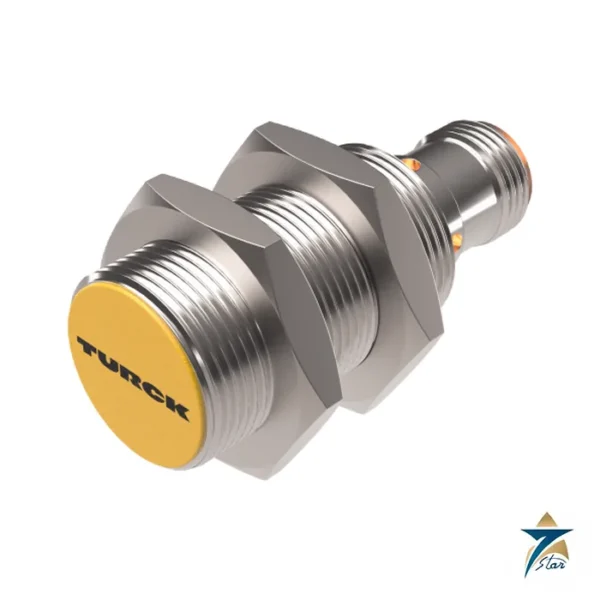
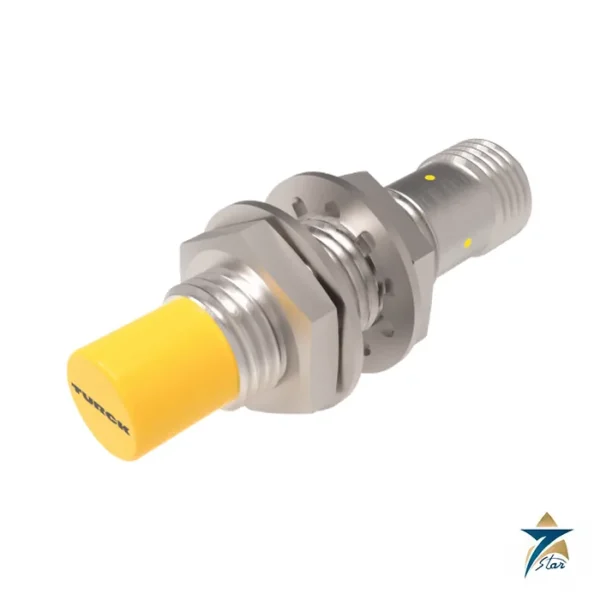
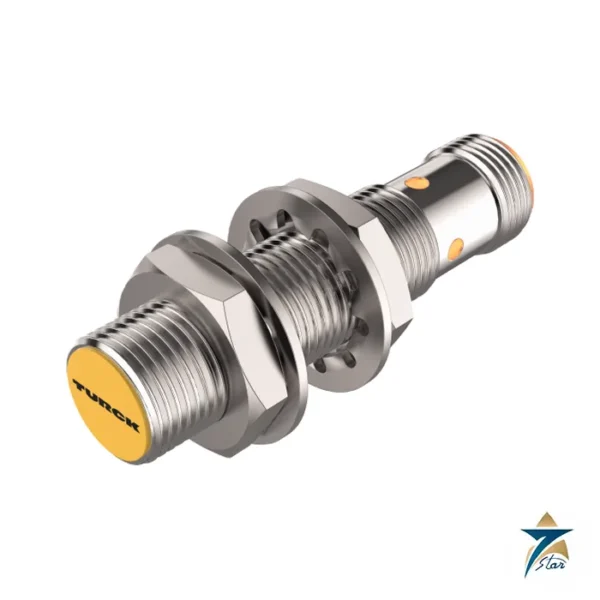
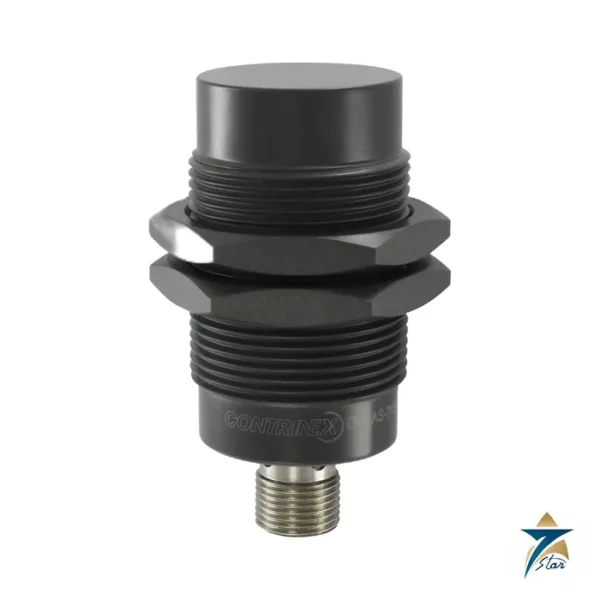
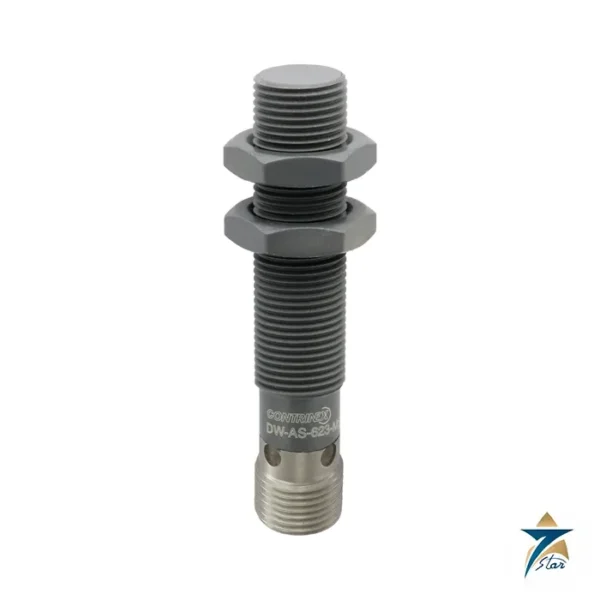
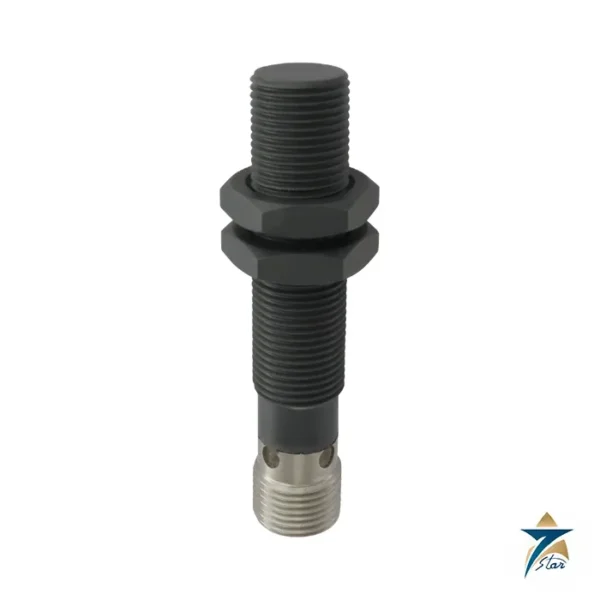
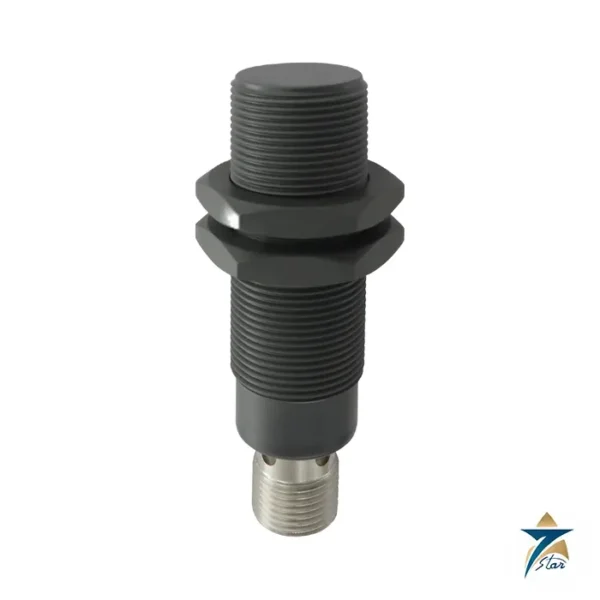
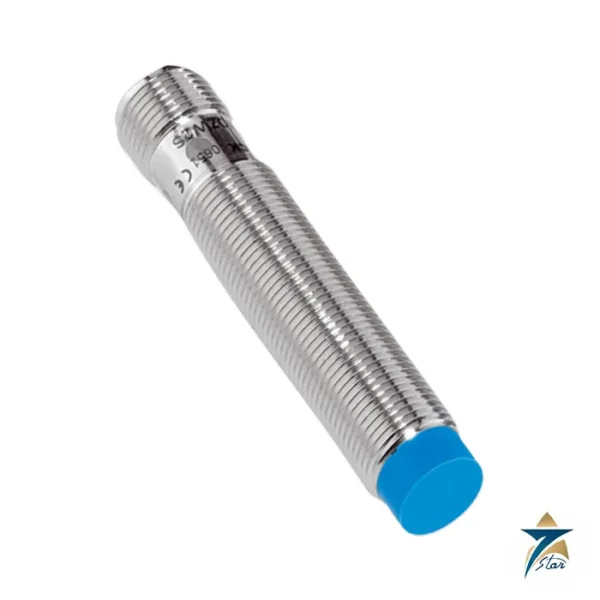
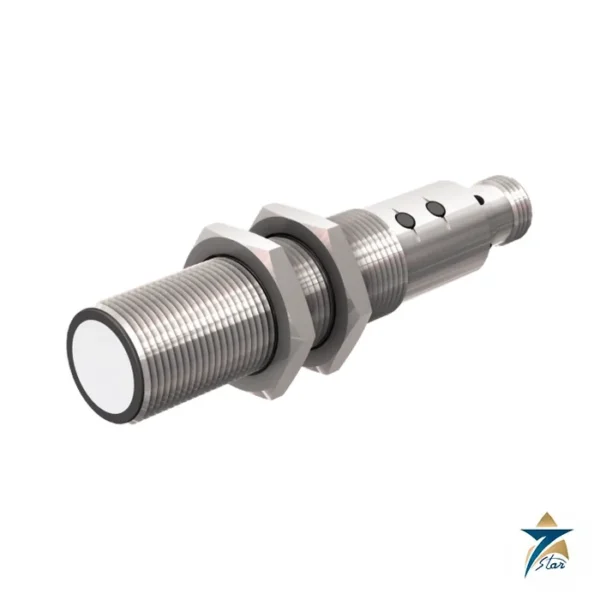
NI12U-S18-VP6X-H1141 is a plastic-housed M18 x 1 inductive sensor with a 12 mm non-flush rated switching distance, an LCP housing and active face, a PNP complementary output on 4 wires and an M12 x 1 male connector.
The datasheet summarises the design with these points: High switching frequency; Factor 1 for all metals; M12 x 1 male connector; DC 4-wire, 10…30 VDC; Protection class IP68; Plastic, LCP; Resistant to magnetic fields; Changeover contact, PNP output; Threaded barrel, M18 x 1.
Technical specifications
| Parameter |
Specification |
| Type |
NI12U-S18-VP6X-H1141 |
| Ident number |
100000773 |
| Rated switching distance |
12 mm |
| Mounting conditions |
Non-flush |
| Secured operating distance |
≤ (0.81 × Sn) mm |
| Repeat accuracy |
≤ 2 % of full scale |
| Temperature drift |
≤ ± 10 % |
| Hysteresis |
3…15 % |
| Ambient temperature |
-30…+85 °C |
| Operating voltage |
10…30 VDC |
| Residual ripple |
≤ 10 % Uss |
| DC rated operational current |
≤ 200 mA |
| No-load current |
≤ 20 mA |
| Residual current |
≤ 0.1 mA |
| Isolation test voltage |
≤ 0.5 kV |
| Short-circuit protection |
yes / Cyclic |
| Voltage drop at Ie |
≤ 1.8 V |
| Wire breakage/Reverse polarity protection |
yes / Complete |
| Output function |
4-wire, Complementary contact, PNP |
| Switching frequency |
1.5 kHz |
| Design |
Threaded barrel, M18 × 1 |
| Housing material |
Plastic, LCP |
| Active area material |
Plastic, LCP |
| Max. tightening torque housing nut |
2 Nm |
| Electrical connection |
Connector, M12 × 1 |
| Vibration resistance |
55 Hz (1 mm) |
| Shock resistance |
30 g (11 ms) |
| Protection class |
IP68 |
| MTTF |
874 years acc. to SN 29500 (Ed. 99) 40 |
| Switching state |
LED, Yellow |
| Mounting distance D |
3 x B |
| Mounting distance W |
3 x Sn |
| Mounting distance T |
3 x B |
| Mounting distance S |
1.5 x B |
| Mounting distance G |
6 x Sn |
| Mounting distance N |
2 x Sn |
Application notes
The all-plastic LCP body distinguishes this from the brass barrel sensors: it avoids metal-to-metal corrosion in damp or washdown locations and keeps a longer 12 mm reach while holding IP68. The datasheet lists factor 1 for all metals, resistance to magnetic fields and an ambient range of -30 to +85 C. Note the low 2 Nm tightening torque for the housing nut, which is a plastic thread limit that installers should respect.
On site, check the free zone around the sensing face, use the correct tightening torque for the housing, and verify the output with the target at its real approach speed. Cable or connector damage and loose nuts are the usual causes of intermittent switching, so inspect them first during fault finding.
Reading the type code before you order
Reading the code against the datasheet rows (a derived summary, not Turck’s own key): the leading NI corresponds to the mounting condition shown as Non-flush, the digits to the rated switching distance of 12 mm, the housing token to the design Threaded barrel, M18 × 1, the output suffix to 4-wire, Complementary contact, PNP, and the last element to the connection Connector, M12 × 1. Ident number 100000773 identifies this exact variant in the Turck catalogue.
Before ordering, confirm NO or changeover) of your PLC input, the supply voltage and output type (PNP or NPN, the connector type and cable length, the mounting condition (flush or non-flush) against the free zone around the sensor, and the target material and gap. Values on this page are copied or summarised from the manufacturer datasheet; where the datasheet and a later revision differ, the manufacturer document governs.
Mounting the plastic M18 barrel correctly
Because the NI12U-S18-VP6X-H1141 is a non-flush sensor, the sensing face must project from the mounting bracket so that no surrounding metal sits inside its free zone. Use the mounting distances in the specification table as the minimum spacing to neighbouring metal and to other sensors facing the same direction, otherwise the sensor can switch on the bracket itself or interfere with an adjacent unit. Tighten the plastic housing nuts by hand with a torque tool set to the datasheet limit rather than with a spanner by feel, since an over-tightened LCP thread can be damaged. A bracket that allows the barrel position to be adjusted along the thread makes it easier to set the gap to the target during commissioning.
Wiring and commissioning the complementary PNP output
The four-wire design gives two switching outputs that act in opposite states, so one can be wired as normally open and the other as normally closed, or both can be used to let the control system detect a mismatch. Check the pin assignment on the datasheet against the M12 cable or connector used on site before applying power, and confirm that the PLC input card expects a PNP (sourcing) signal. During commissioning, move the real target past the sensor at working speed and watch the yellow LED and the PLC input together; the switching point should be repeatable and well inside the rated distance, not at its edge. Record the final gap so a replacement sensor can be set to the same position.
Points to check during routine maintenance
- Metal chips, scale or magnetic swarf collecting on the sensing face, which can cause false switching.
- Mechanical damage to the plastic barrel from impacts by parts or tooling.
- Connector sealing and cable strain relief at the M12 joint.
- Changes in the target position caused by wear in the machine, which slowly increase the switching gap.
Use in hot, dusty and humid plants in Oman
The LCP housing and IP68 rating make this sensor a reasonable candidate for damp areas, wash-down zones and coastal plants where brass barrels can suffer from corrosion. In outdoor installations across Oman and the GCC, direct sunlight can push the surface temperature of equipment well above the air temperature, so check that the sensor and its cable stay inside the listed ambient range, and shade them where needed. Fine dust does not affect inductive sensing in the same way it affects optical sensors, but heavy build-up of conductive debris can, so include the sensing face in cleaning rounds. Choose a cable jacket suited to the oils, cleaning agents and UV exposure at the installation point, and route it so that it is not trapped or crushed by moving parts.
Documents and quotation
The official Turck datasheet for NI12U-S18-VP6X-H1141 is hosted here as a PDF so you can check every value before you send an RFQ. Seven Star LLC is an independent supplier in Muscat; we do not set the manufacturer’s specifications, and this page restates what the datasheet prints. For availability and a quotation, send the exact code NI12U-S18-VP6X-H1141 and your quantity through the Inductive Proximity Sensors category or the RFQ form.






Reviews
There are no reviews yet.