W150 reflex sensor tuned for clear bottles, films and panes
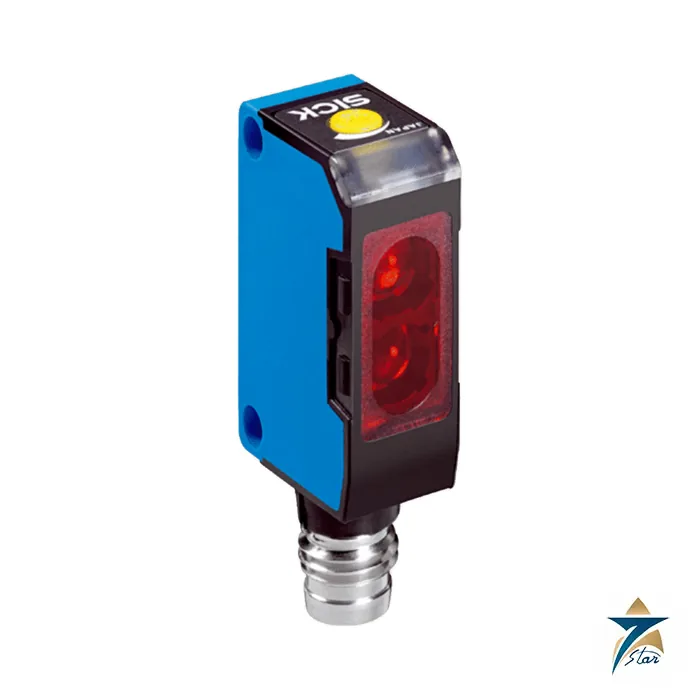
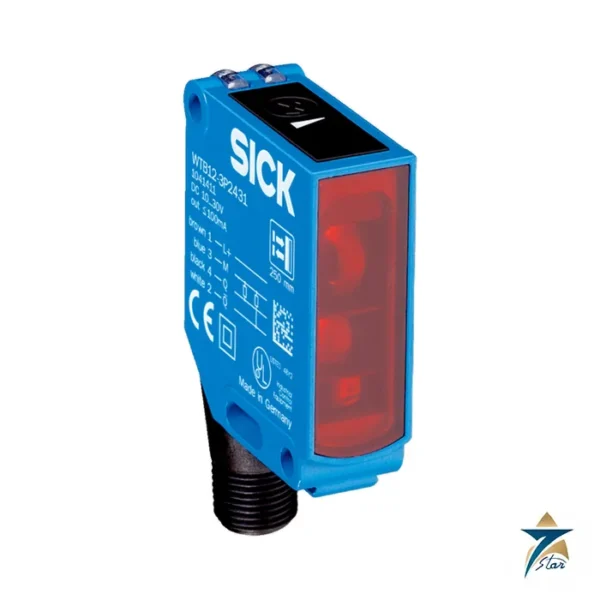
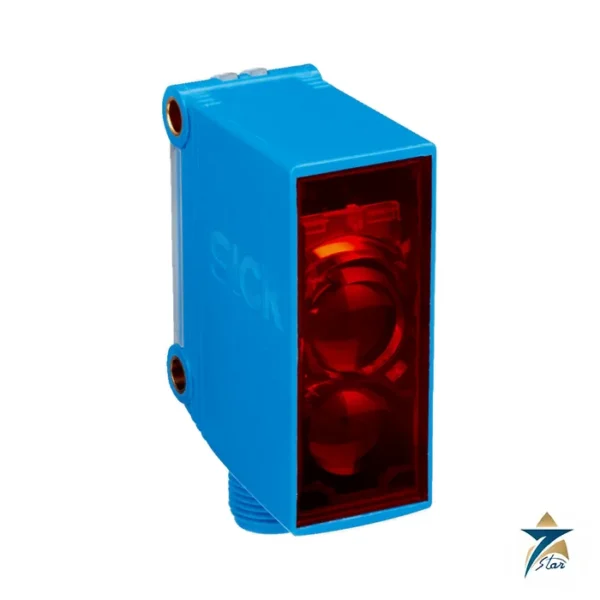
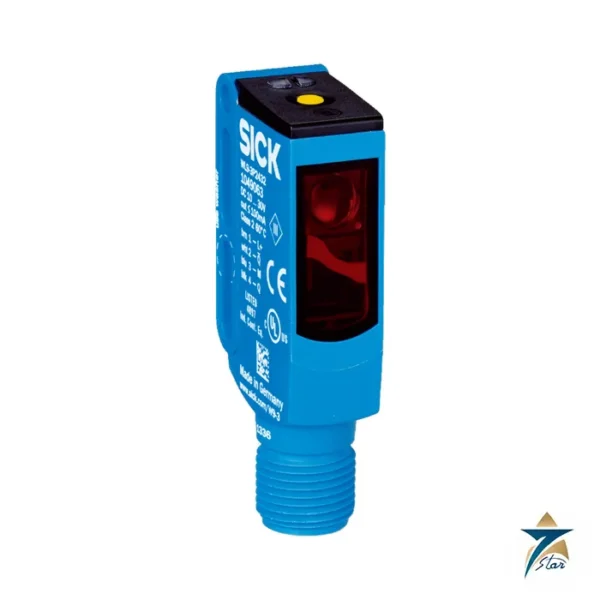
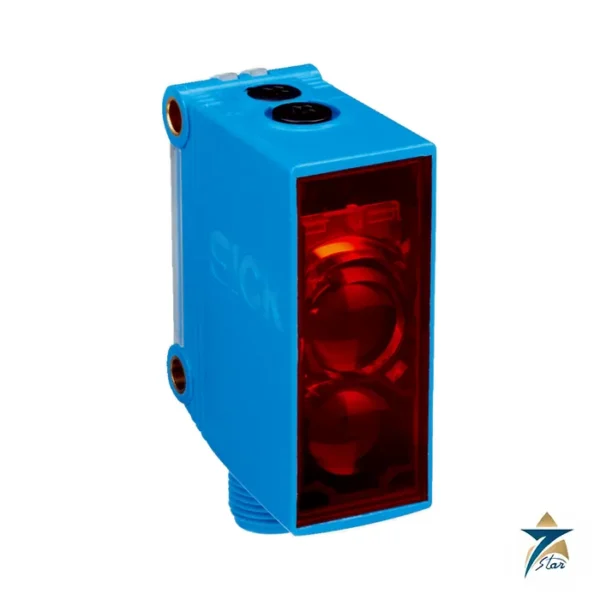
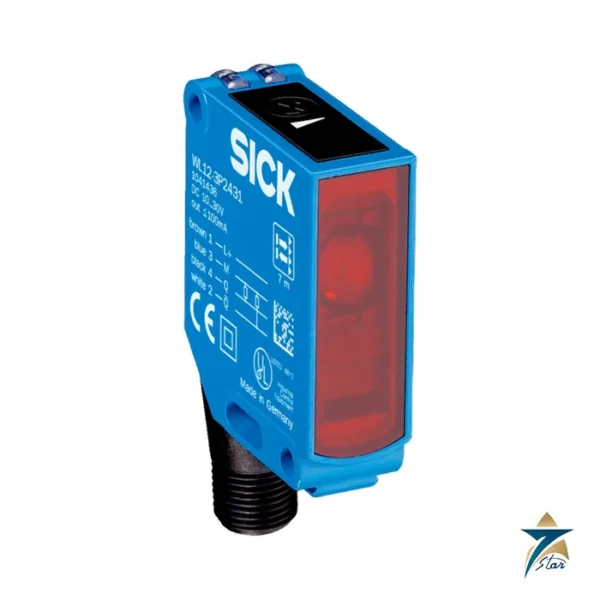
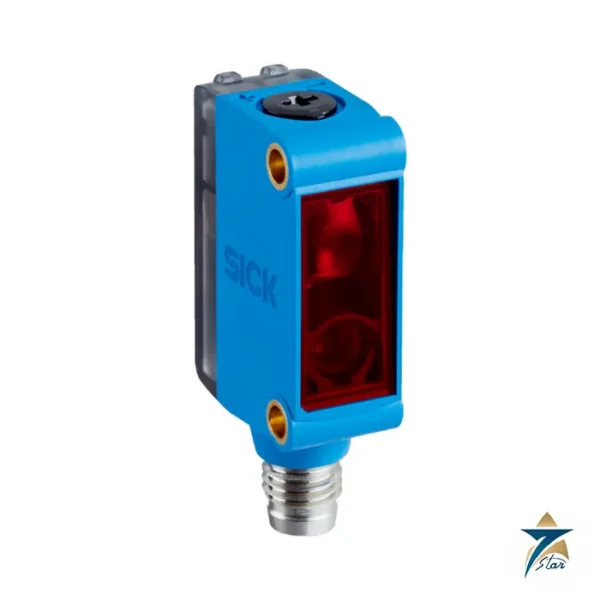
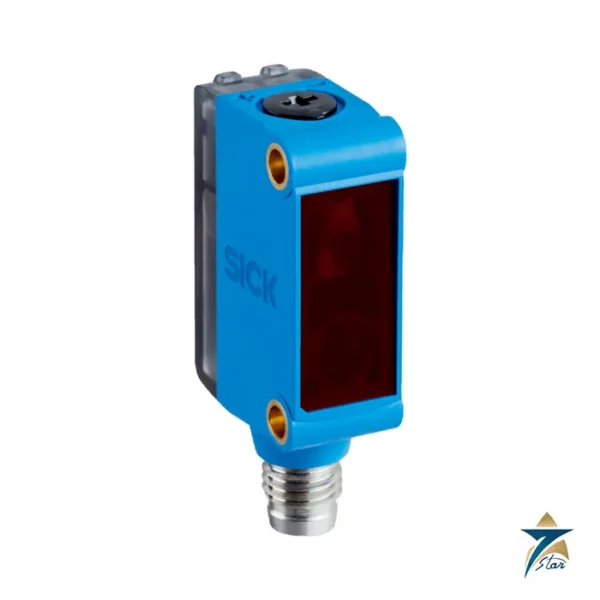
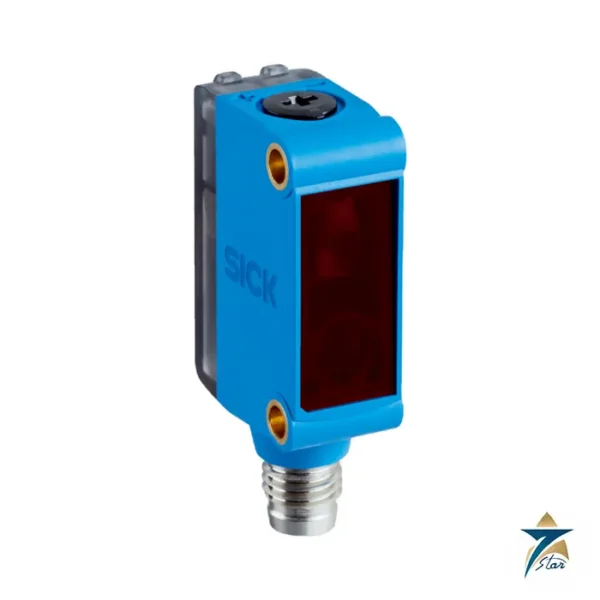
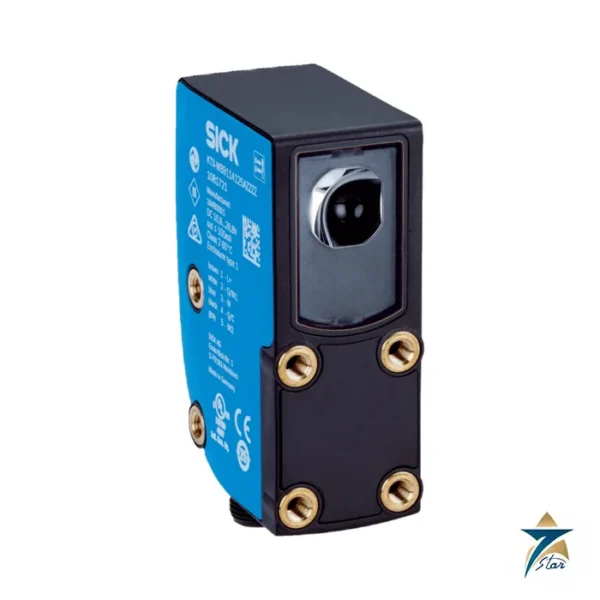
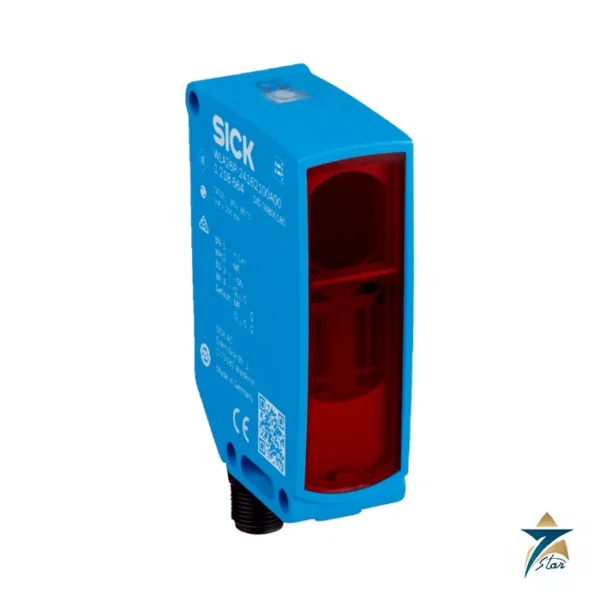
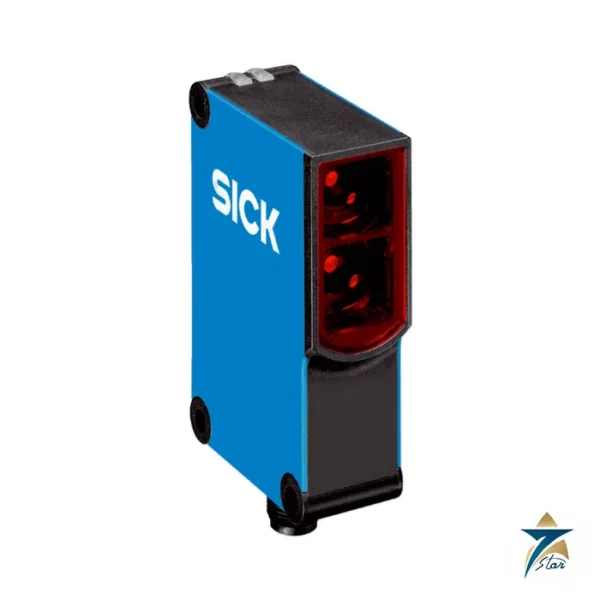
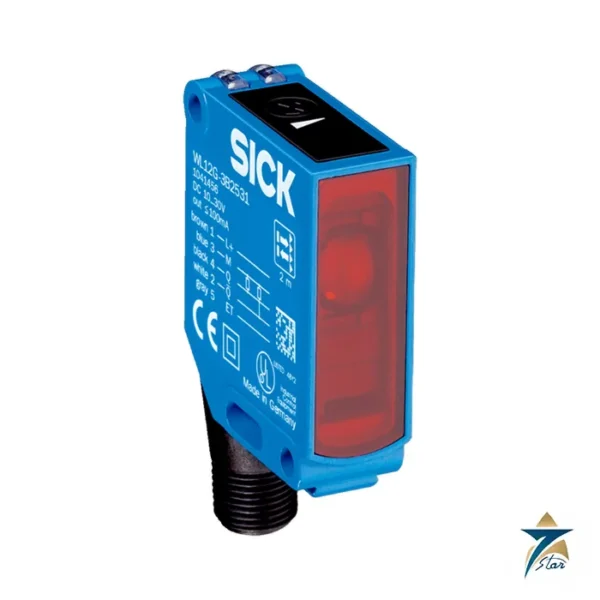
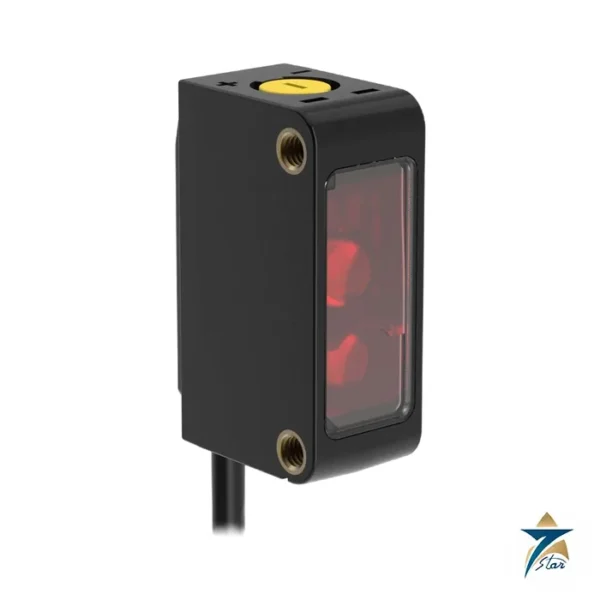
The SICK WL150-P420 (part no. 6020688) is the transparent-object version of the W150 miniature reflex sensor. SICK lists detecting transparent objects as its special application, with a typical range of 0.01 m to 0.6 m (maximum 0.7 m) and a dispersion of about 7.5 degrees. The housing is 10 mm by 28 mm by 17.5 mm, weighs 7 g and has PC optics.
The attenuation along the light beam that the sensor responds to is stated as more than 20 percent, which is the figure that determines whether a bottle, film or pane is recognised.
Technical specifications
| Parameter |
Specification |
| Manufacturer |
SICK |
| Type / family |
WL150-P420 / W150 |
| Part no. |
6020688 |
| Functional principle |
Photoelectric retro-reflective sensor, dual-lens system |
| Special application |
Detecting transparent objects |
| Sensing range max. / typical |
0.01 m … 0.7 m / 0.01 m … 0.6 m |
| Attenuation along light beam |
over 20 % |
| Light source / type |
LED, visible red light; focus and dispersion approx. 7.5 degrees |
| Polarising filter |
Yes |
| Adjustment |
Potentiometer, 270 degrees |
| Items supplied |
Bracket BEF-W150-A; reflector PL20A |
| Supply voltage UB |
10 V DC … 30 V DC |
| Ripple |
10 % |
| Current consumption |
30 mA |
| Output |
PNP, light/dark switching via L/D control cable |
| Output current Imax. |
100 mA |
| Response time / switching frequency |
0.5 ms max. / 1,000 Hz |
| Protection class |
II |
| Dimensions (W x H x D) |
10 mm x 28 mm x 17.5 mm |
| Housing / optics |
Plastic ABS / plastic PC |
| Connection |
Male connector M8, 4-pin |
| Weight |
7 g |
| Enclosure rating |
IP67 |
| Ambient temperature |
-25 °C … +55 °C operation; -40 °C … +75 °C storage |
| UL file no. |
NRNT2.E128350 and NRNT8.E128350 |
Detecting clear containers reliably
Glass bottles, PET containers and clear film absorb only a small part of the beam, so a standard reflex sensor may see through them. This version is tuned to react to an attenuation of more than 20 percent along the beam, which is typical for clear packaging. The range is correspondingly short (0.6 m typical), so mount the reflector close and keep it clean.
Test with the real product: wall thickness, surface and label placement change attenuation. Set the potentiometer, run several samples through the beam and confirm stable switching. The sensor ships with a PL20A reflector, and a PL80A is the larger reference reflector named in the data sheet.
Ordering information
Order as WL150-P420 with part no. 6020688. Do not confuse it with WL150-P430 (6011038), which is the standard reflex type with a 2 m range, or with the WT150-P460 proximity type. Ask SICK or your application engineer to validate the transparent object you need to detect.
Mounting the WL150-P420 and its reflector
Fix the sensor with the supplied BEF-W150-A bracket to a part of the conveyor frame that does not vibrate or flex as products pass. Place the PL20A reflector opposite the sensor, square to the beam, and on a rigid support so that it cannot be knocked out of line by packaging, guides or cleaning crews. Since this is a short-range, high-sensitivity sensor, the distance between sensor and reflector should be kept well inside the typical range rather than at the maximum. Where possible, aim the beam so that it crosses each bottle or pack at the same height every time, avoiding the neck, shoulder or label edge where the attenuation can change from one product to the next. Route the M8 cordset along the frame with a strain relief so that conveyor movement does not pull on the connector.
Teaching the sensor on a production line
Commissioning is done with the 270-degree potentiometer and the real product. A practical approach is to align the beam on the reflector first, then pass empty and filled containers, thin and thick sections and labelled and unlabelled areas through the beam while watching the output indicator and the PLC input. Set the sensitivity so that every sample switches clearly while the free beam stays stable. Decide at the same time whether the line logic needs light or dark switching and wire the L/D control cable to suit. Check the response at the real line speed, because a gap between closely spaced containers must also be seen as a gap. Record the potentiometer position and the sensor-to-reflector distance in the machine documentation.
Before choosing this sensor
- Material, wall thickness and colour of the transparent product, tested if possible with real samples.
- Distance available across the conveyor for the sensor and reflector.
- PLC input type and the wish for light or dark switching.
- Space for the miniature housing and the M8 cable exit on the machine.
Keeping detection stable in Oman and GCC conditions
A sensor that responds to small changes in light level is sensitive to anything that also reduces the beam. In Omani bottling, dairy and packaging plants, airborne dust, sugar or product mist and condensation on chilled containers can coat the sensor optics and the reflector over a shift, so wipe both lenses with a clean, soft cloth on a fixed schedule and check that cleaning agents are compatible with the PC optics and ABS housing. Condensation forms readily when cold-filled bottles meet humid coastal air, and droplets on the reflector can trigger the output; positioning the reflector away from drips and spray helps. Ambient heat near shrink tunnels or in non-air-conditioned halls during the summer should stay inside the listed operating range. Recheck the switching margin after maintenance or a product changeover.
Documents and quotation
Download the manufacturer data sheet for WL150-P420 (part no. 6020688) from this page; it is the source of every specification listed here. To request a price, send the type code and part number to Seven Star LLC, an independent supplier based in Muscat, together with the quantity and the site where the goods are needed. Please confirm before ordering that the version, connector and accessories (a reflector, cordset or protective hood) match your drawings, because published data may change without notice. Related items can be found in sensors and transmitters and in the SICK WTB4-3 miniature photoelectric sensor.




Reviews
There are no reviews yet.