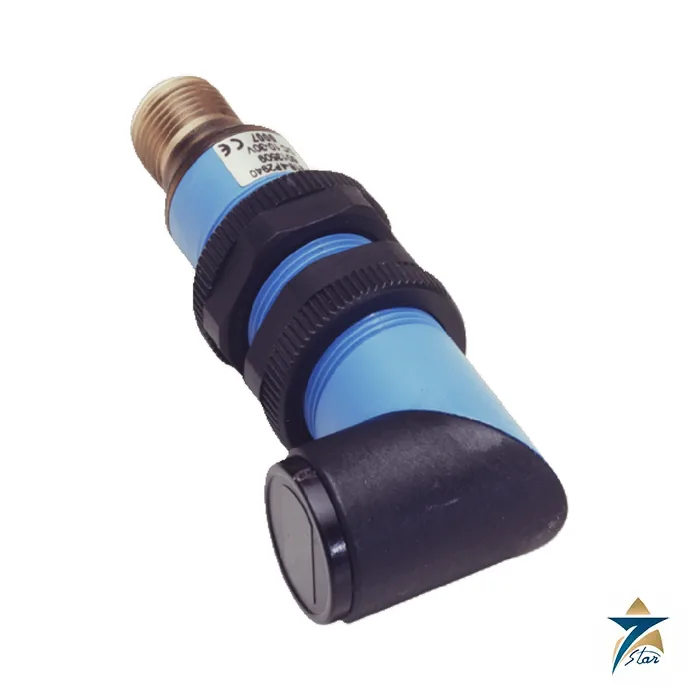
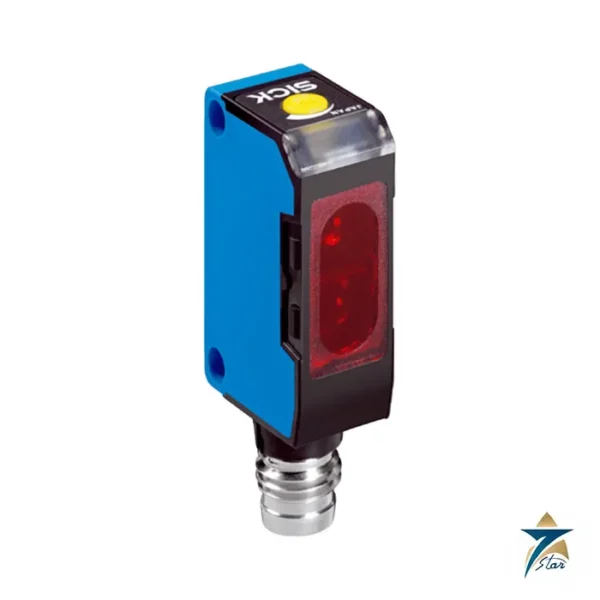
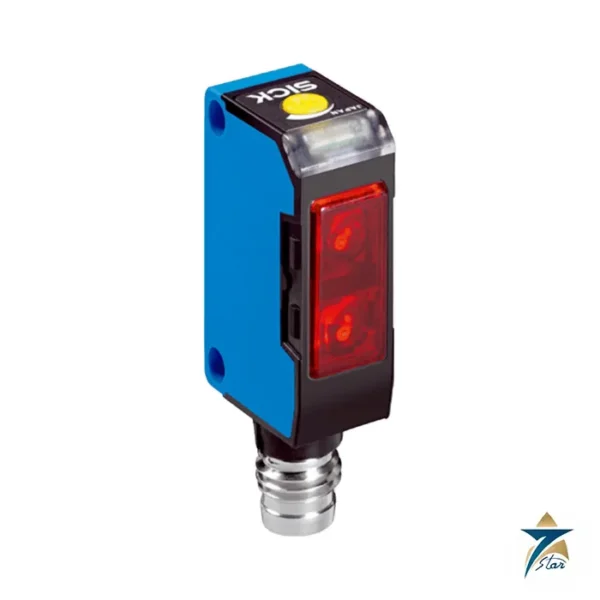
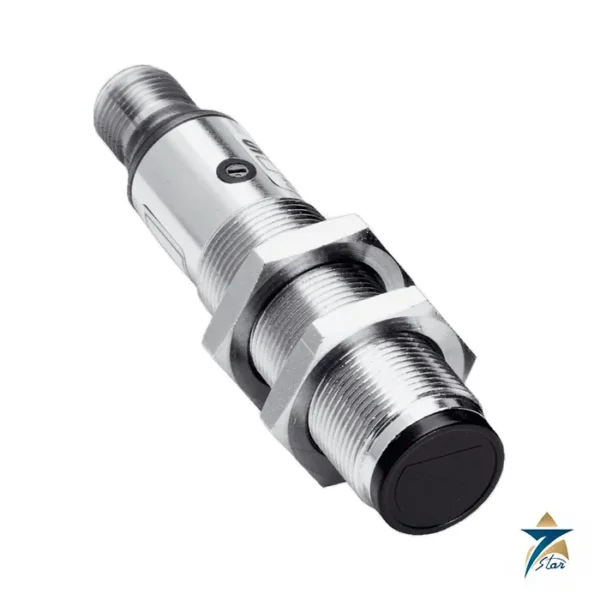
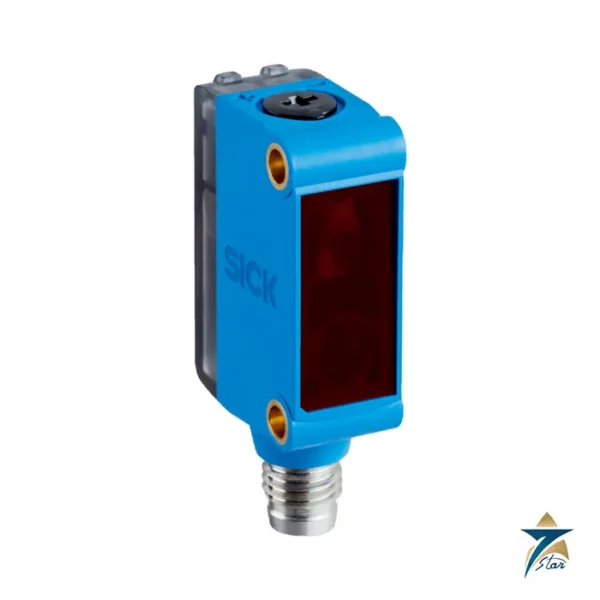
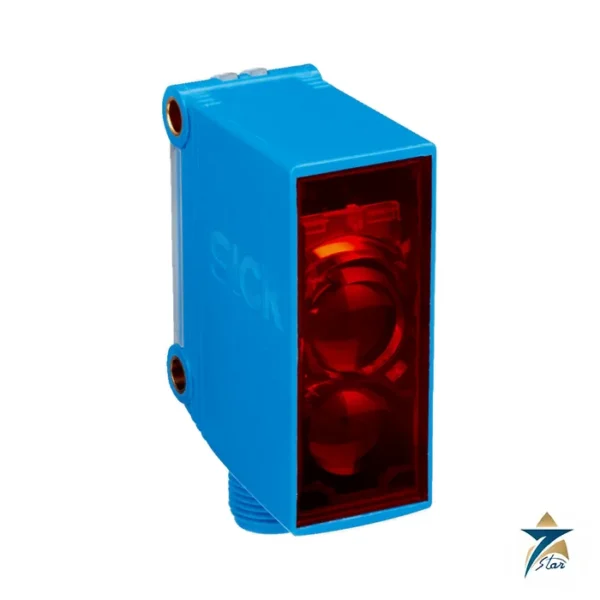
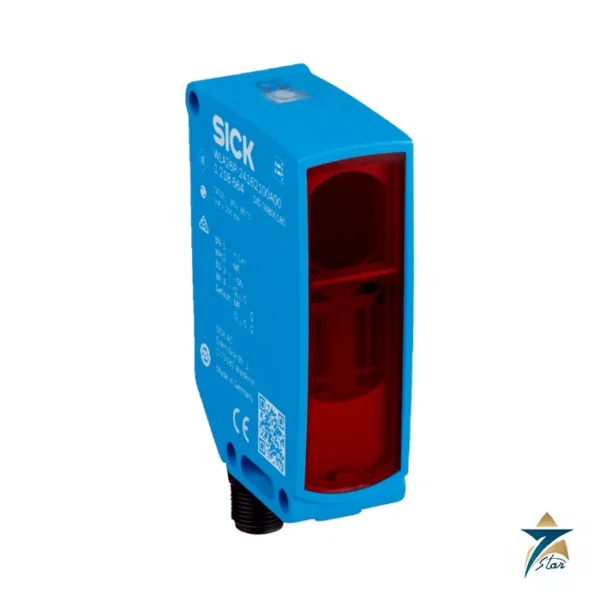
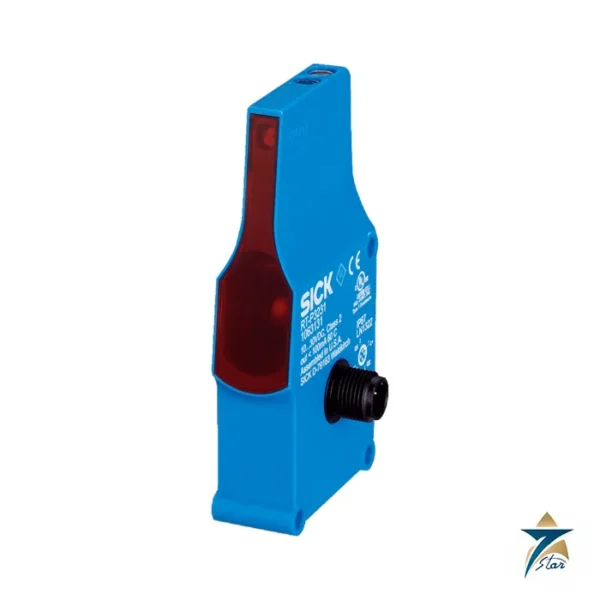
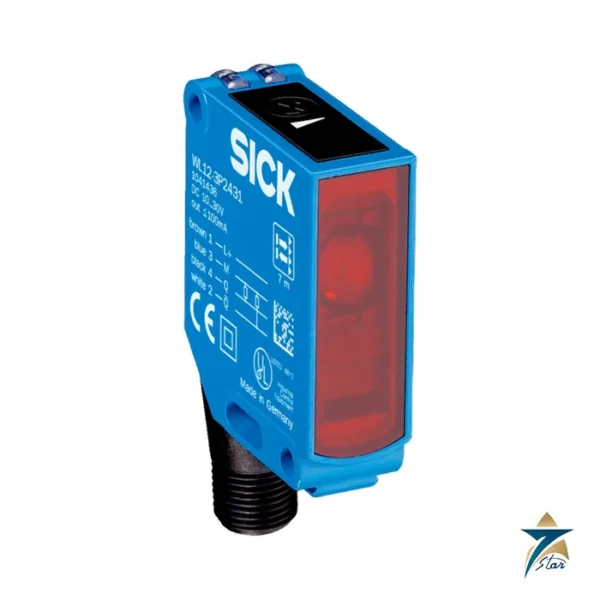
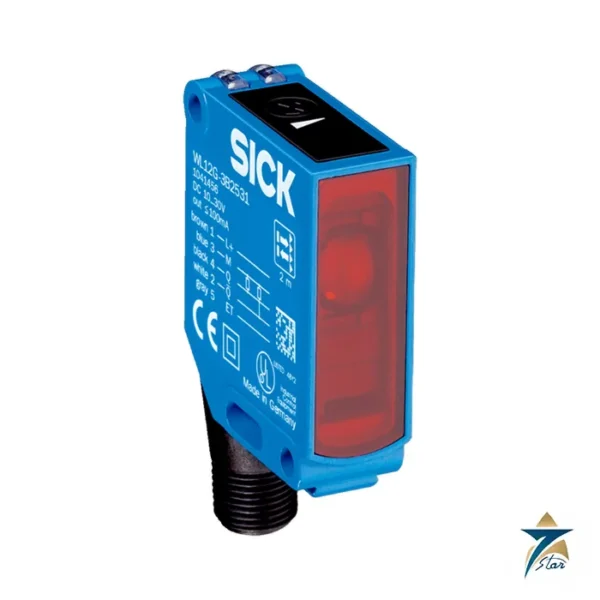
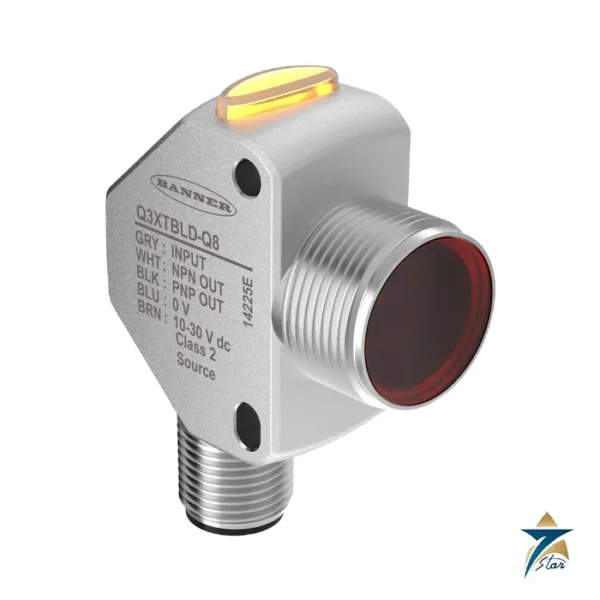
V18 reflex sensor with side-emitting optics
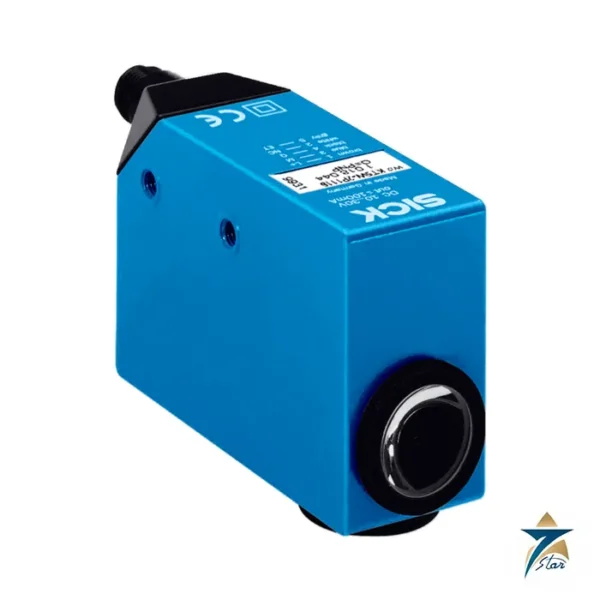
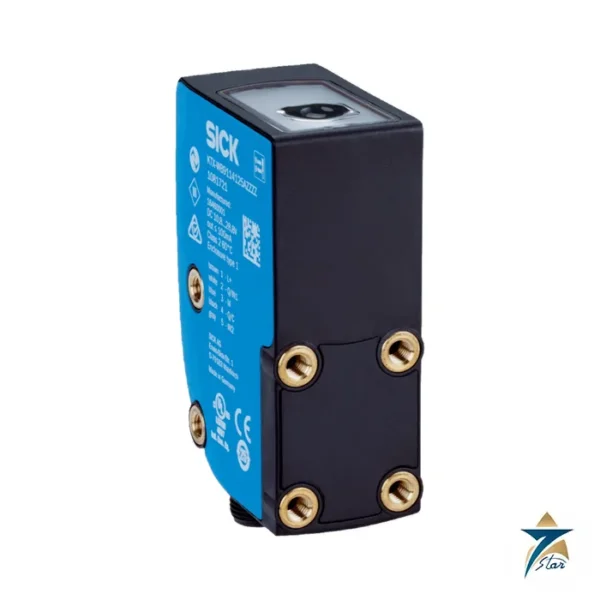
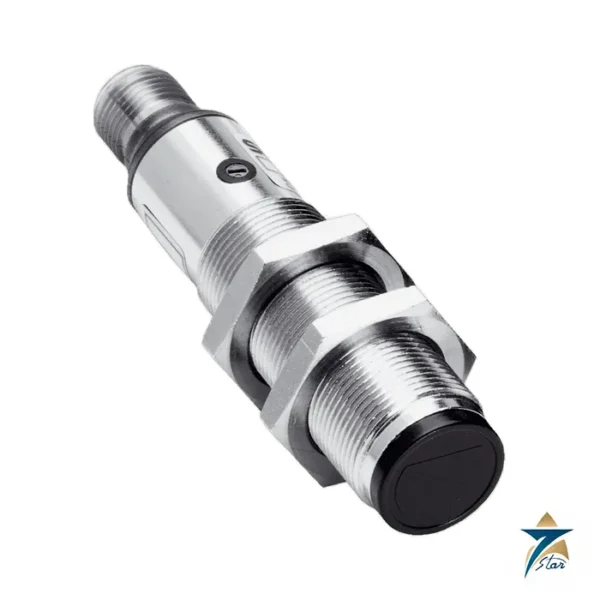
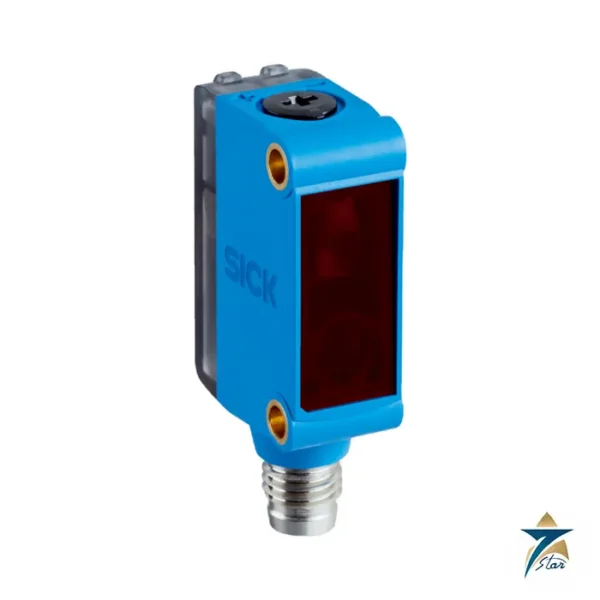
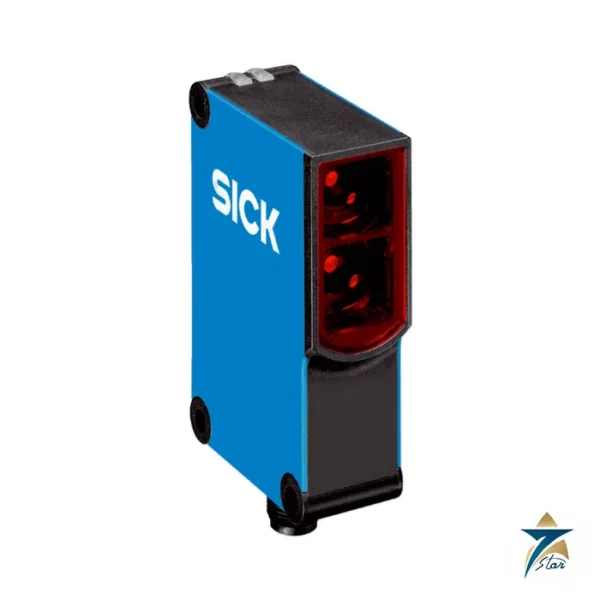
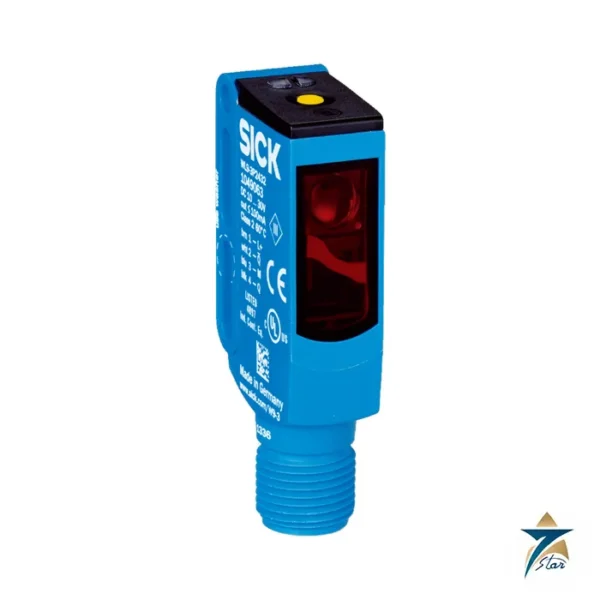
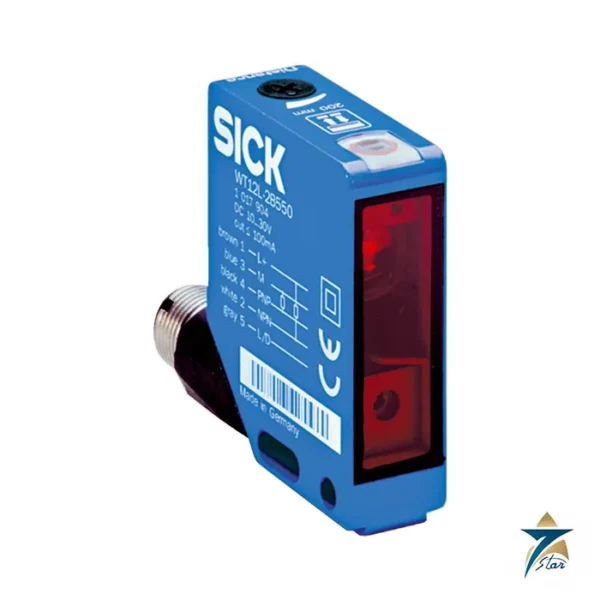
The SICK VL18-4P3940 (part no. 6013659) is a V18 retro-reflective sensor with a radial optical axis. The beam leaves through the side of the 75 mm long M18 x 1 plastic housing, which suits installations where a straight barrel would collide with a wall or conveyor frame. The range with a C110A reflector is 0.05 m to 3 m (maximum 3.7 m), and a 270-degree potentiometer adjusts sensitivity.
Output is PNP with light/dark switching via an L/D control cable, and the connection is a male M12 4-pin plug.
Technical specifications
| Parameter |
Specification |
| Manufacturer |
SICK |
| Type / family |
VL18-4P3940 / V18 |
| Part no. |
6013659 |
| Functional principle |
Photoelectric retro-reflective sensor |
| Sensing range max. / typical |
0.05 m … 3.7 m / 0.05 m … 3 m (reflector C110A) |
| Polarising filter |
Yes |
| Light source / type |
LED, visible red light; focus approx. 2.8 degrees |
| Light spot size |
150 mm diameter at 3 m |
| Adjustment |
Potentiometer, 270 degrees (sensitivity) |
| Supply voltage UB |
10 V DC … 30 V DC |
| Ripple |
10 % |
| Current consumption |
30 mA |
| Output |
PNP, light/dark switching via L/D control cable |
| Output current Imax. |
100 mA |
| Response time / switching frequency |
2 ms max. / 250 Hz |
| Protection class |
III |
| Dimensions |
M18 x 1 thread; 18 mm x 18 mm x 75 mm |
| Optical axis |
Radial |
| Housing / optics |
Plastic PBT/PC / plastic PMMA |
| Connection |
Male connector M12, 4-pin |
| Weight |
100 g |
| Enclosure rating |
IP67 |
| Ambient temperature |
-25 °C … +70 °C operation |
| UL file no. |
NMFT2.E175606 |
When a radial beam is useful
Radial optics turn the beam through 90 degrees. This helps in tight machine spaces, along conveyor side guards and in drawers or guides where there is no room for the sensor length behind the beam. The same M18 thread supports through-hole mounting and the potentiometer gives site-adjustable sensitivity.
Set the potentiometer with the reflector in place until the output switches reliably, then block the beam with the target and verify. As with the axial sibling VL18-4P3640 (6013605), the data sheet lists a C110A reflector as reference, which is a different reference part from the PL80A used by several other SICK sensors in this range.
Ordering note
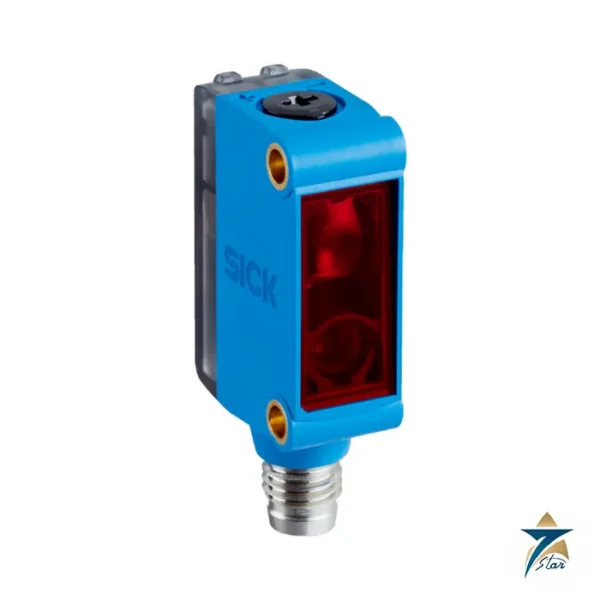
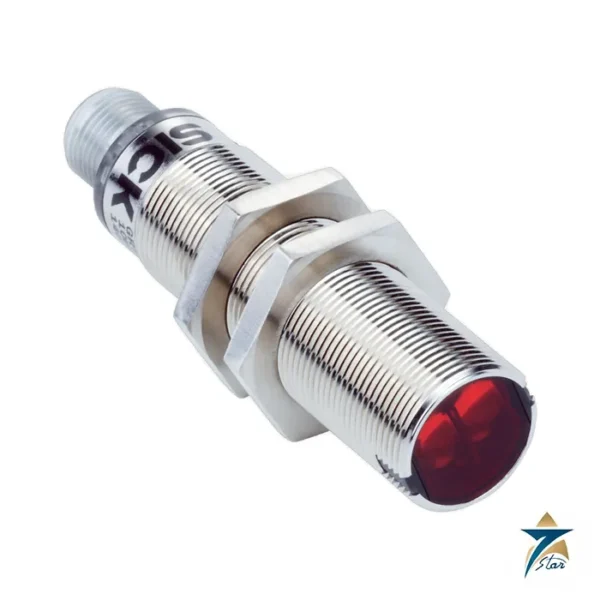
Order VL18-4P3940 with part no. 6013659. The axial plastic version is VL18-4P3640 and the metal axial version is VL18-4P3240; the data sheet distinguishes them by the optical axis, housing material and adjustment. Always confirm the reflector choice.
Selection checks for a retro-reflective application
A retro-reflective sensor sees an object because the object interrupts the beam between the sensor and the reflector. Before choosing the VL18-4P3940, confirm that the reflector can be mounted rigidly opposite the sensor within the typical range, and that every object passing through the beam blocks it clearly. Very small parts, objects with gaps, or items that pass close to the reflector need a careful look at the light spot size given in the table. The polarising filter helps the sensor ignore many shiny surfaces, but wrapped or glossy products should still be tested on the real line, because some films can return light in a way that confuses a reflex sensor.
On the electrical side, check that the controller input accepts a PNP signal, that the load stays within the stated output current, and that the supply sits inside the 10 to 30 V DC window including ripple. Decide whether the output should be light switching or dark switching and plan the L/D wire connection accordingly.
Mounting the radial sensor
Fix the M18 body with its nuts through a rigid bracket or plate, turn the housing so the side-facing window points at the reflector, and then tighten without over-stressing the plastic thread. Align the beam roughly by eye using the visible red light spot, fix the reflector square to the beam, and route the M12 cable with a drip loop and strain relief so that machine movement does not pull on the connector.
Commissioning on the line
With the reflector in place, adjust the potentiometer as described above, then run real products through the beam at normal line speed and watch the output indicator and the controller input together. Check that the switching frequency and response time suit the gap between products. Try the worst cases: the smallest item, the most reflective item and the item running closest to the reflector. Mark the final potentiometer position so that it can be restored after cleaning or replacement.
Dust, heat and humidity at Omani plants
Packing lines, cement works and warehouses in the region often carry airborne dust that settles on the optical window and the reflector, gradually weakening the returned signal. Choose a mounting position that keeps the optics out of direct dust fall where possible, and include both surfaces in routine cleaning with a soft, clean cloth. The IP67 housing and the stated ambient temperature range cover many indoor and sheltered outdoor positions, but direct summer sun on a plastic housing and reflector should be avoided. In humid coastal areas, condensation on the reflector can cause unstable switching early in the morning, so check performance at the start of a shift.
Maintenance routine
Include the sensor in planned inspections: clean the optics and reflector, confirm the mounting has not shifted after vibration or impact, check the cable and connector for damage, and verify switching with a test object.
Documents and quotation
The official SICK data sheet for VL18-4P3940 (part no. 6013659) is attached to this page, and the figures in the table above are taken from it. Seven Star LLC is an independent supplier in Muscat and quotes SICK items against a written request. In your enquiry, give the exact type code, part number, quantity and delivery location, and say whether you need accessories such as clamps, reflector or a cable with connector. Data sheets carry a note that content is subject to change without notice, so confirm current details before ordering. More items are listed under sensors and transmitters, and you may also look at the SICK WTB4-3 miniature photoelectric sensor.





Reviews
There are no reviews yet.