Brand:

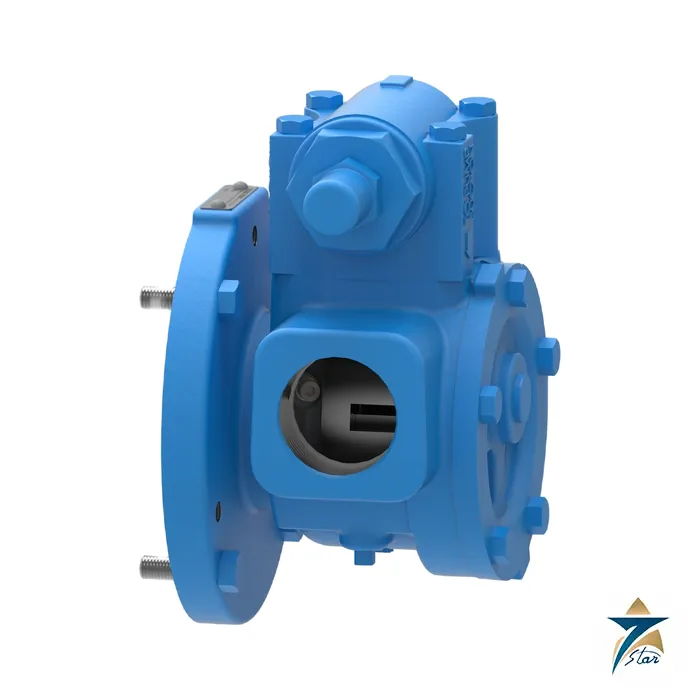
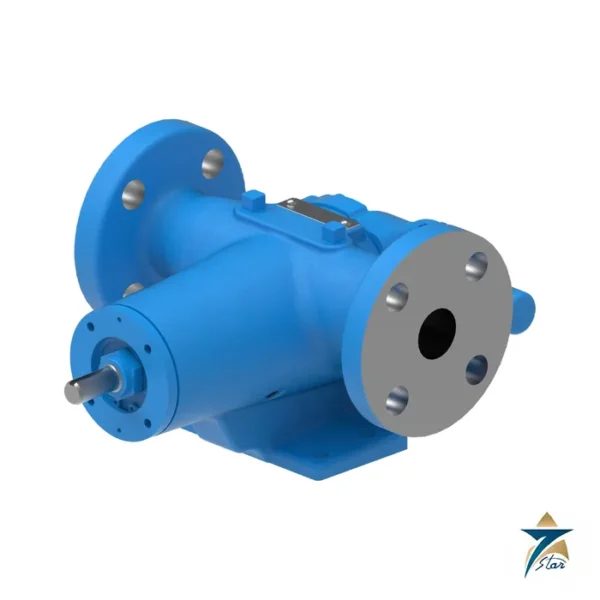
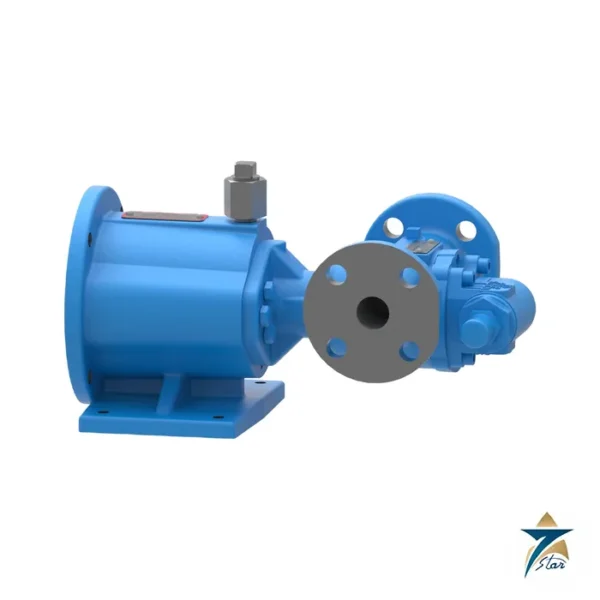
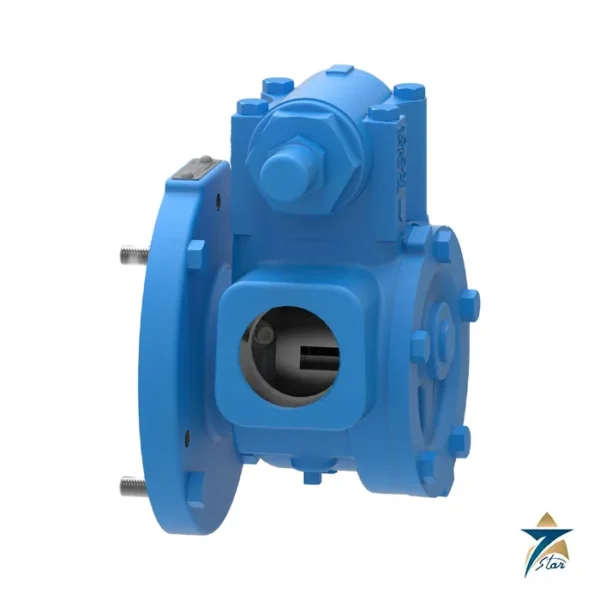
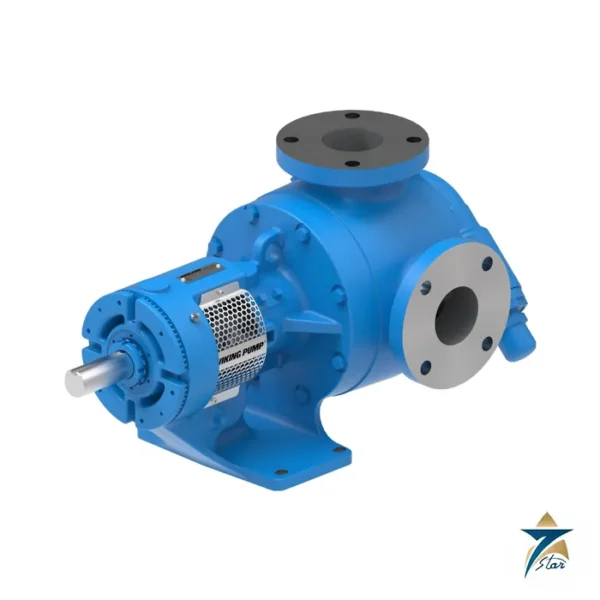
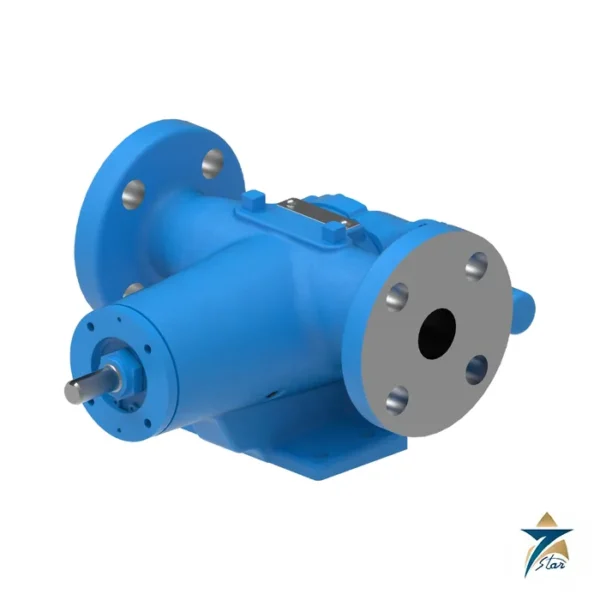
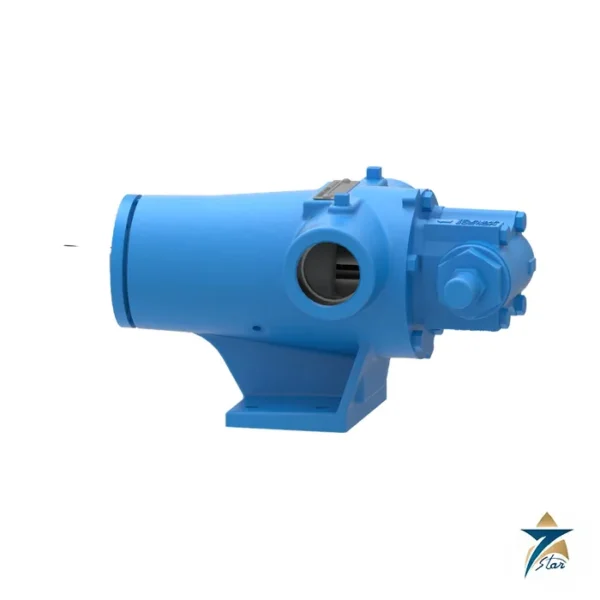
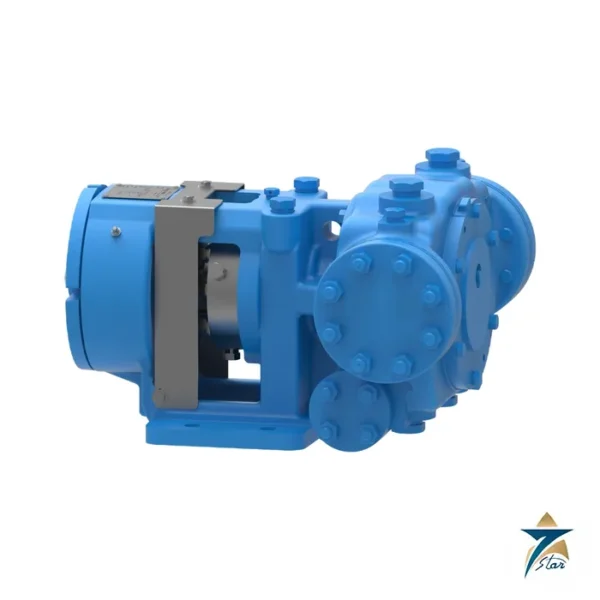
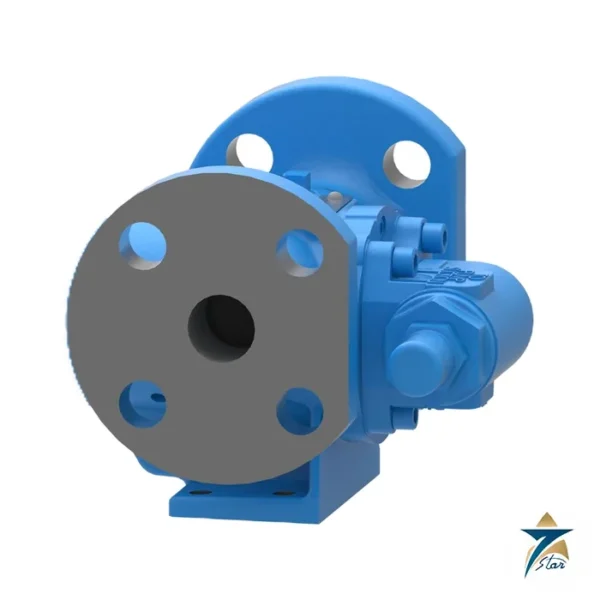
Viking Pump H475 Close-Coupled Cast Iron Gear Pump

Description

Overview

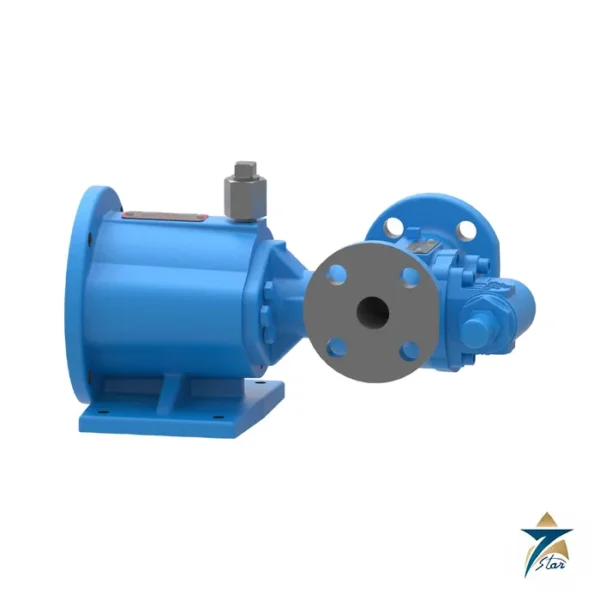
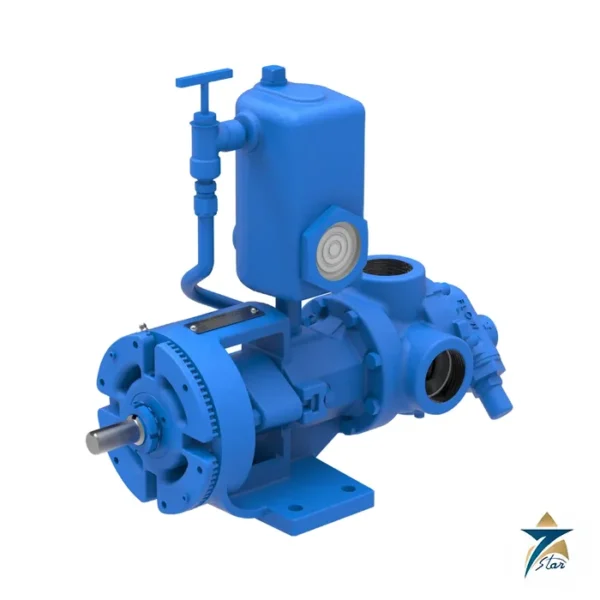
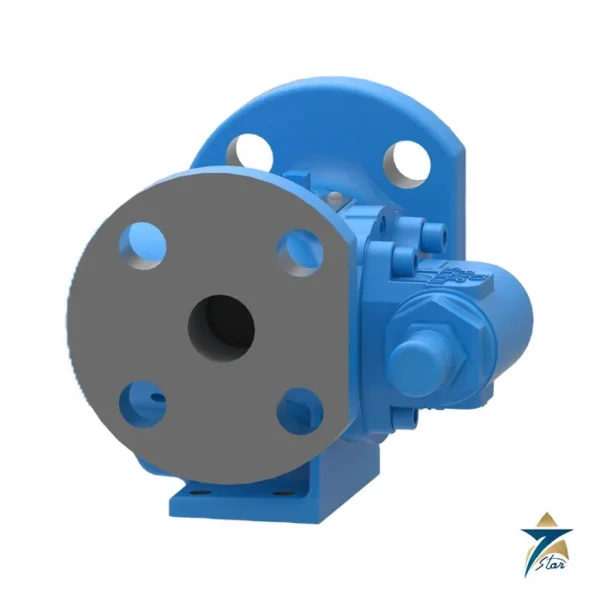
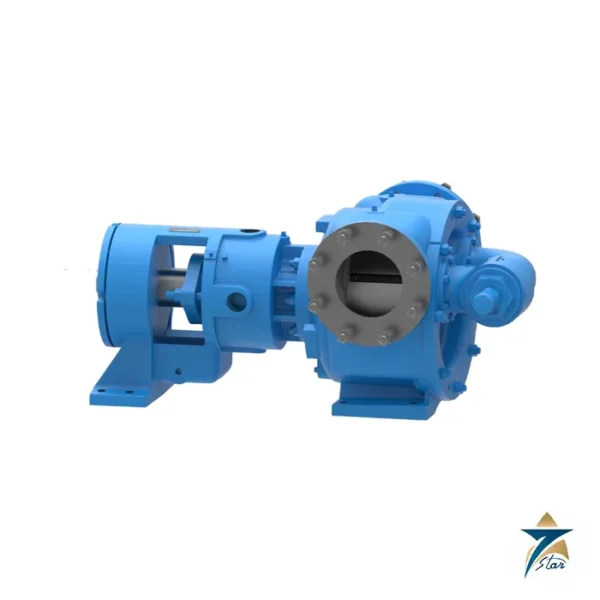
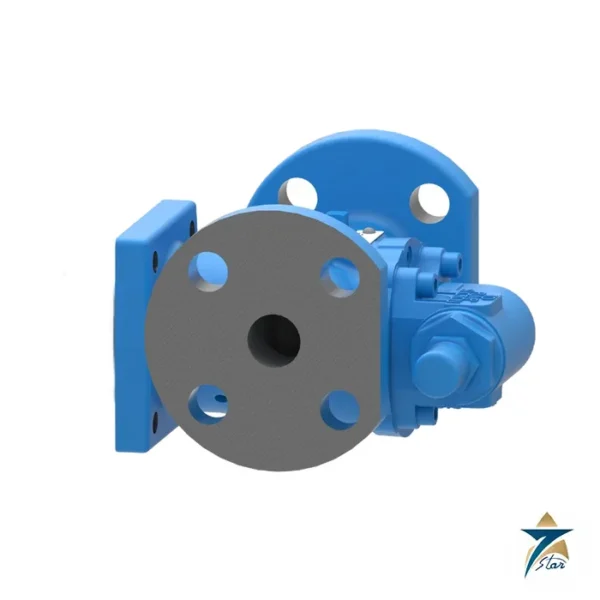
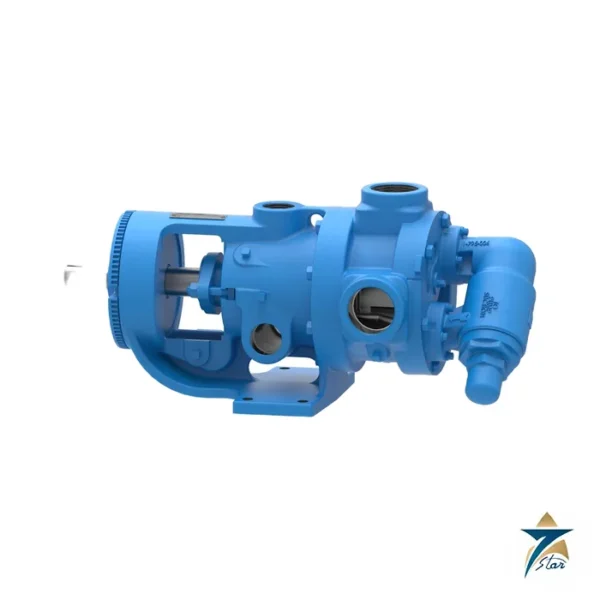
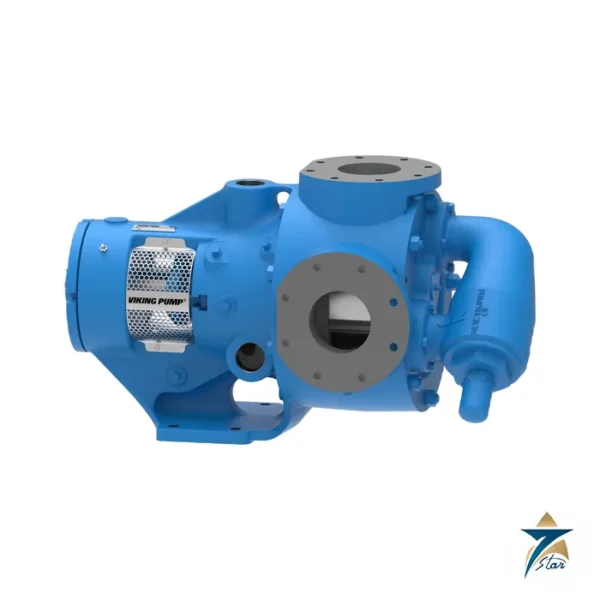
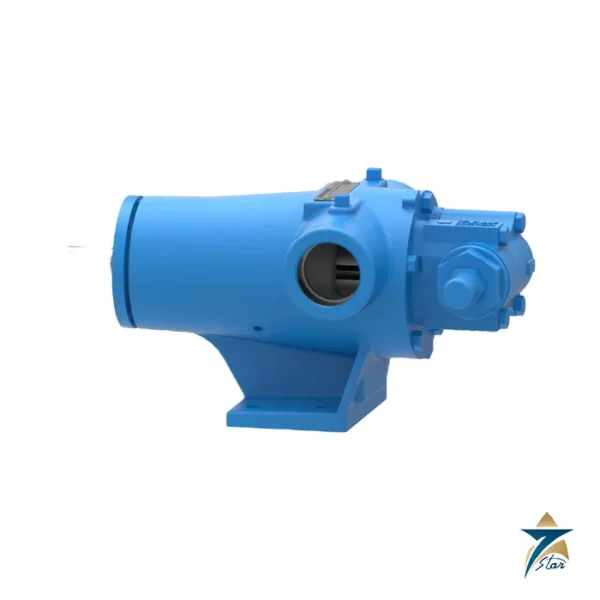
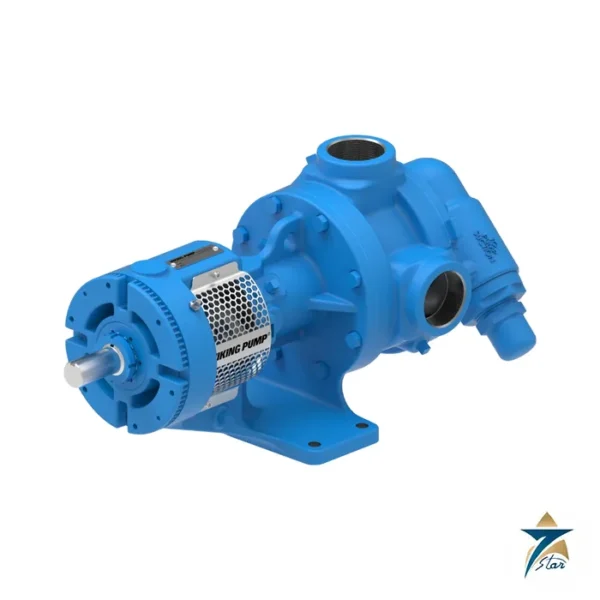
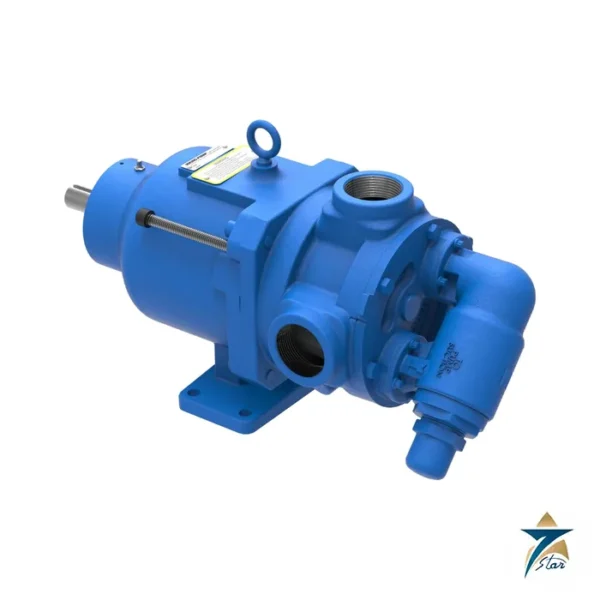
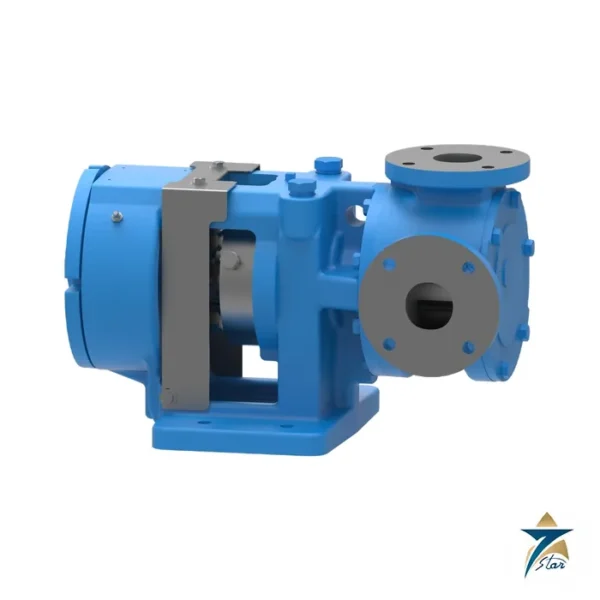
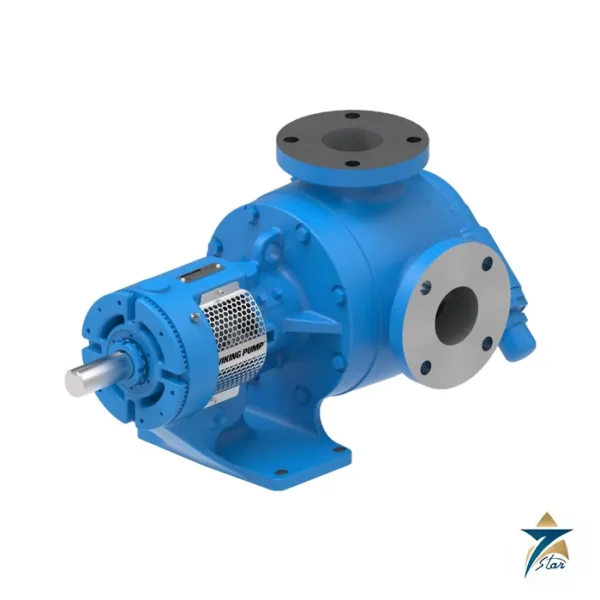
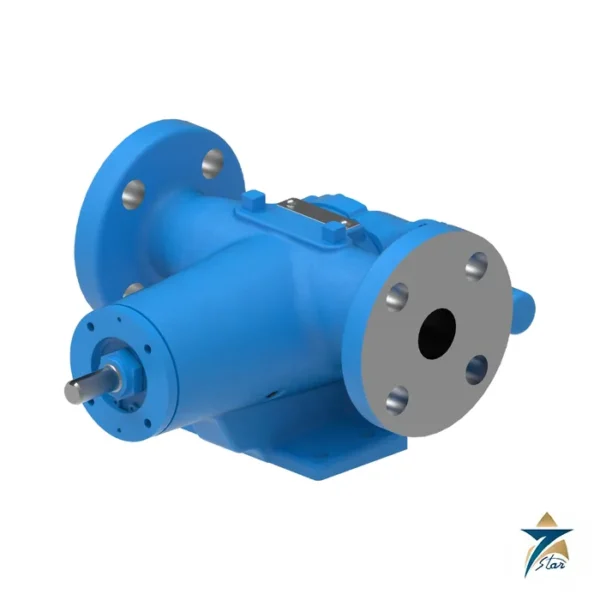
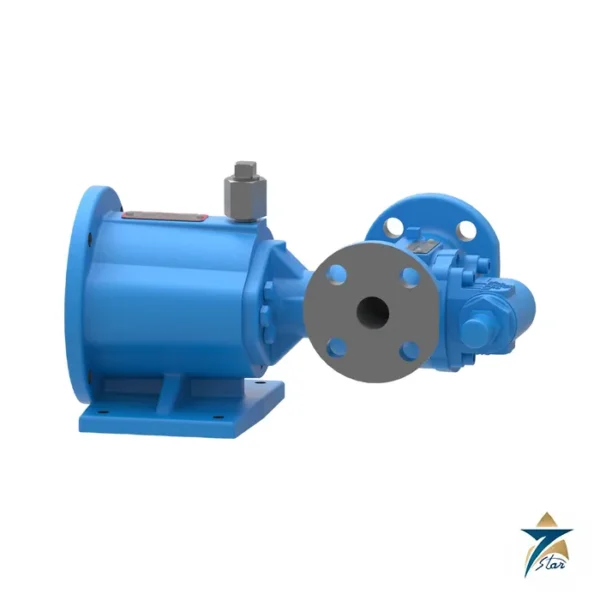
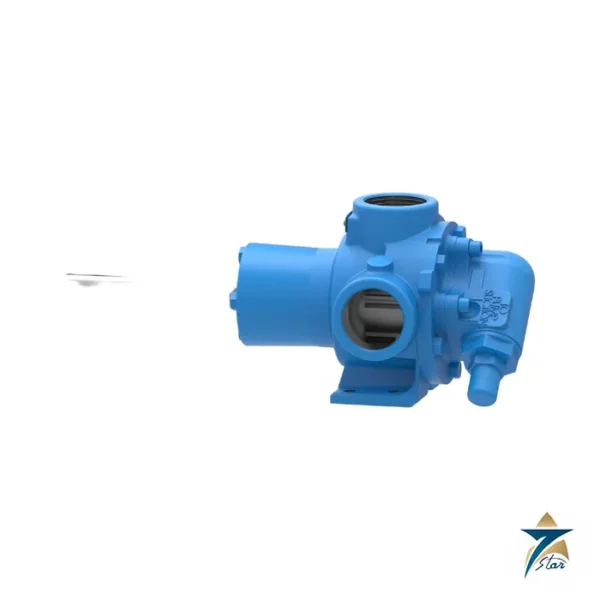
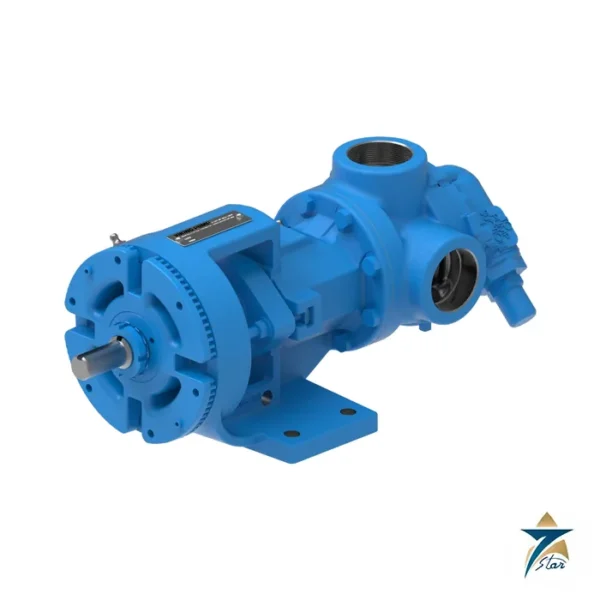
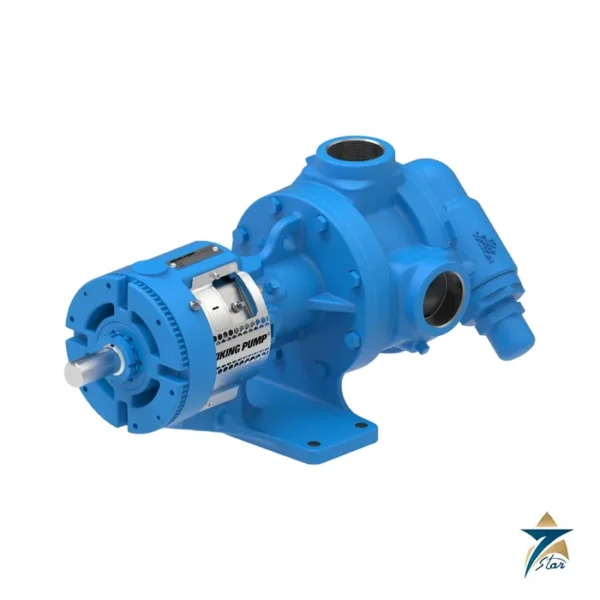
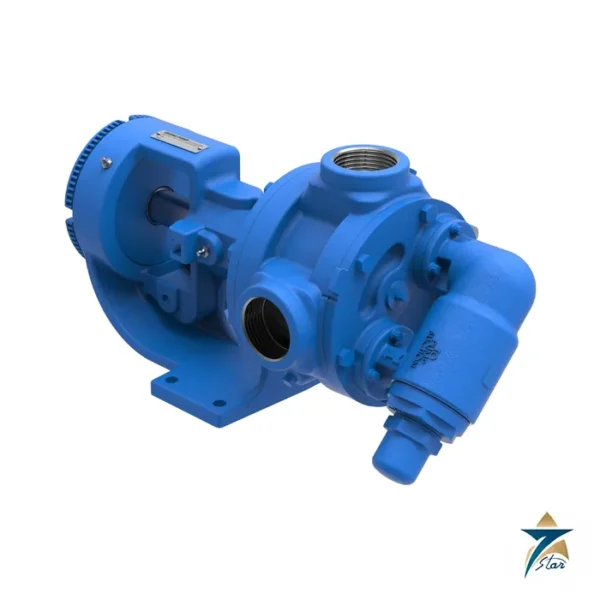
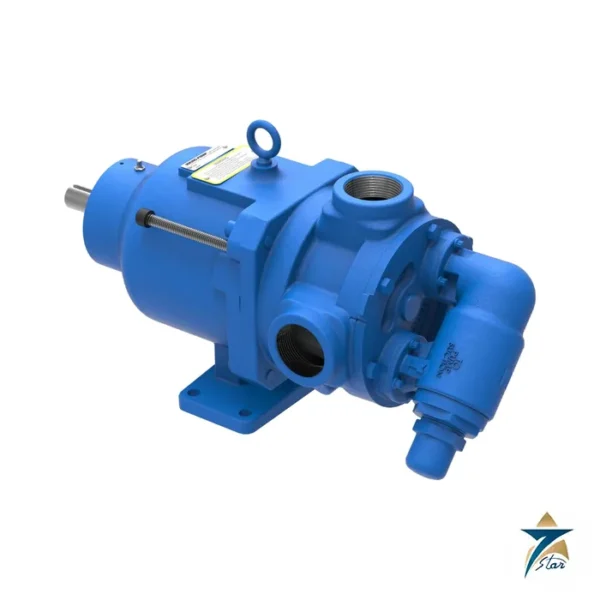
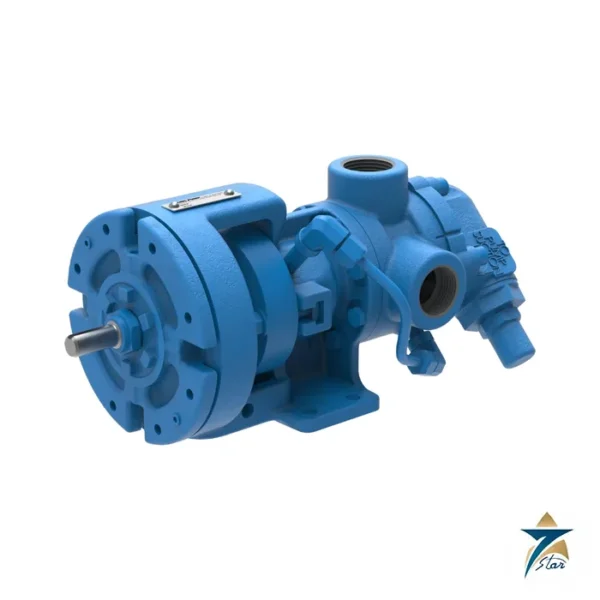
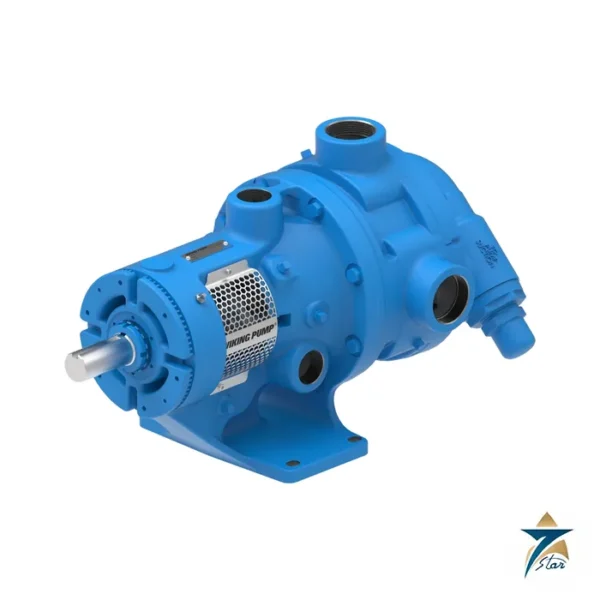
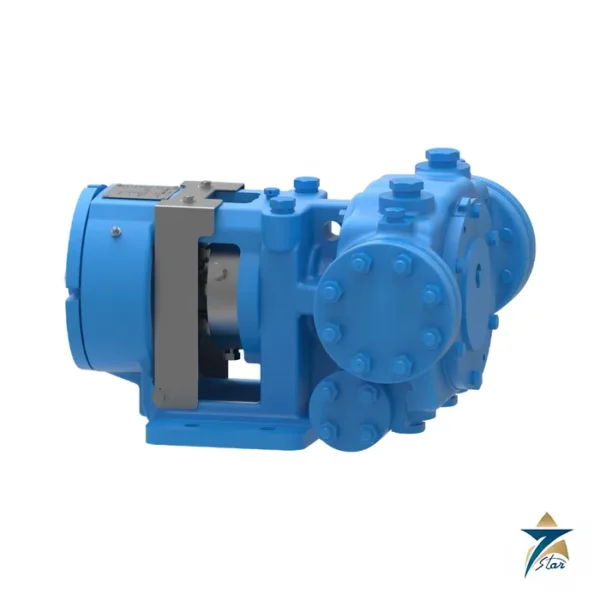
The Viking Pump H475 is where the close-coupled Viking pump line moves to 1 1/2 inch ports. Viking Pump H475 delivers 10 GPM (2 m3/h) at 1200 rpm and 15 GPM (3.5 m3/h) at 1800 rpm, weighs about 24 lb (11 kg) as a bare pump and bolts straight onto a NEMA C flange motor, with the motor shaft keyed into the rotor. Its cast iron body, mechanical seal and compact relief valve make it a neat answer for filtering, circulating, lubricating and booster duties on oils and similar liquids. Seven Star LLC is an independent supplier serving Oman and the GCC.

What the 4 in 475 tells you

In this family the digits give the seal: series 75 has a lip seal, series 475 has a mechanical seal. The mechanical seal version is suitable for 100 PSI (7 bar), double the 50 PSI (3 bar) of the lip seal, and it can be built with FKM parts to reach 350 F (180 C). Because the rest of the pump is identical, a user can convert between the two without changing the casing, head or rotor. The Viking Pump H475 is therefore the mechanical seal pump for the 10 to 15 GPM class.

Viking Pump H475 specification table

Parameter Value
Model Viking Pump H475, series 475 (mechanical seal), close coupled, catalog section 1445
Port size 1 1/2 inch, opposite ports
Nominal rating at 1200 rpm 10 GPM (2 m3/h)
Nominal rating at 1800 rpm 15 GPM (3.5 m3/h)
Casing, head and rotor Iron
Idler Powdered metal
Idler bushing Bronze
Mechanical seal Buna-N and FKM; FKM construction handles up to 350 F (180 C)
Relief valve Iron, mounted on top of the casing
Series pressure rating, mechanical seal 100 PSI (7 bar); hydrostatic test 400 PSIG (28 bar)
Series temperature range minus 20 to 350 F (minus 25 to 175 C)
Series viscosity range 28 to 2,500 SSU (0.1 to 550 cSt)
Maximum suction pressure 15 PSI (1 bar)
Motor mounting NEMA C flange; 143TC frame for the Viking Pump H475
Rotor bores 5/8 inch and 7/8 inch
Unmounted pump weight about 24 lb (11 kg)
Weight of unit with motor about 80 lb (36 kg) with a 143TC frame motor

Viking Pump H475 compared with HJ475 and HL475

The three pumps share a casing and port size. What differs is displacement: H gives 10 GPM at 1200 rpm, HJ gives 13 GPM (3 m3/h) and HL gives 20 GPM (4.5 m3/h). The weight is 24 lb for the H and HJ and 26 lb for the HL. At 1800 rpm the figures become 15, 20 and 30 GPM. The Viking Pump H475 is the right choice when the 1 1/2 inch port is required but the flow is modest, since the lower displacement needs less motor power and lowers the NPSH requirement.

Applications

  • Oil circulation and filtering on machine tools and compressors.
  • Coolant and glycol transfer in small plants.
  • Fuel and light oil transfer from drums.
  • Booster duty ahead of burners or heat exchangers.

Opposite ports and compact valve

All five sizes of this family are supplied with opposite ports, meaning suction and discharge are in line on either side of the casing. A compact integral relief valve sits on top of the casing so that the pump keeps its short length. The valve protects the pump from over-pressure by bypassing liquid from discharge to suction, but it is not designed to act as a flow control. For a system with a closed-line risk, add a separate relief valve in the line.

Operating limits

The viscosity range is 28 to 2,500 SSU (0.1 to 550 cSt). Temperature runs from minus 20 to 350 F (minus 25 to 175 C), with 225 F recommended for the cataloged pump and FKM construction needed above it. The maximum suction pressure is 15 PSI (1 bar). A mechanical seal pump is tested hydrostatically to 400 PSIG (28 bar); a lip seal pump must not be tested this way.

Mounting

The 143TC frame motor is listed for the H size, and larger frames such as the 182C are also shown in the dimension tables. Check the shaft diameter against the 5/8 or 7/8 inch rotor bore, and use a full-length key. After the pump is on the shaft, bolt the flange evenly and fit the pipes without strain. Use a strainer and prime before starting.

Service

The seal, the bronze bushing and the idler are the wear parts. Replace the seal when leakage appears and check the bushing for play. Since the motor carries the pump loads, check the motor bearings during routine maintenance.

Selecting the correct pump from the family

If you are replacing an existing close-coupled pump, check the nameplate for the size, the 4 in the series and the motor frame. Quote the full designation in your enquiry, and tell us the liquid and temperature.

Thin liquids and lubricity

Gear pumps like some lubricity. Light oils, glycols and many hydraulic fluids are ideal. Very thin, dry liquids such as solvents can wear the bronze bushing and the idler faster, and the catalog viscosity range starts at 28 SSU. If the liquid is thinner than this, or if it is water-like, think about a stainless or composite version from the Viking range rather than this cast iron pump. When the liquid is hot, the viscosity falls and the slip inside the pump rises, so the delivered flow falls. Use the performance curves for the actual temperature.

Replacement and interchange

Because the 75 and 475 pumps share the casing, a lip seal pump can be upgraded to the mechanical seal version by replacing the seal parts, and the catalog says no modification of the other parts is needed. When swapping a worn pump, compare the rotor bore, the flange frame and the port orientation. Opposite ports mean the pipe runs straight through, so a pump with right-angle ports will not fit the same layout.

Acceptance checks on delivery

When the pump arrives, compare the nameplate with the order, look for transit damage on the ports and the valve, and turn the rotor by hand through the bore to confirm free movement. Keep the plugs in until the pipework is ready, and note the serial number in the maintenance file for later spare part enquiries.

Related items you may also need: NETZSCH NEMO BY NM038BY Progressive Cavity Pump | VERDERAIR PURE VA-P40 Chemical Diaphragm Pump | KRACHT KF T15/T25 Gear Pump with T-Valve and Tank Port | All Viking Pump products.

Points to confirm for the Viking Pump H475

  • If the Viking Pump H475 is a like-for-like replacement, read the full code from the installed nameplate and compare it with this page.
  • For each Viking Pump H475 request we confirm the exact code and lead time in writing.

Documents and quotation

The Viking catalog section for the 75 and 475 series is attached. To obtain a quotation on Viking Pump H475, please send quantity, liquid, temperature, pressure, motor frame and delivery location in Oman or the GCC.

Other Models in the Viking 475 Range

Seven Star LLC supplies models from the Viking 475 range in Oman and the GCC. Compare the related models below and request a quote for the one that matches your application.

ModelCategory
Viking Pump HJ475 Close-Coupled Gear Pump 20 GPMPositive Displacement PumpsView details
Viking Pump G475 Close-Coupled Cast Iron Gear PumpPositive Displacement PumpsView details
Viking Pump H475 Close-Coupled Cast Iron Gear PumpPositive Displacement PumpsYou are viewing this model
Datasheets & Documents
  • PDF Datasheet Viking Pump H475 Close-Coupled Cast Iron Gear Pump Datasheet Download
Reviews (0)

Reviews

There are no reviews yet.

How would you rate this product?

It takes about 10 seconds — just tap a star. Your email is never published.

About brand

Viking Pump is the American maker of positive displacement pumps best known for the internal gear pump, often described as the "gear-within-a-gear" design. The principle goes back to Jens Nielsen, a Danish-born quarry owner in Cedar Falls, Iowa, who needed a better way to drain water from his quarry and patented his internal gear pump in 1904. In 1911 Nielsen and three local partners formed the Viking Pump Company in Cedar Falls, which is still the company's home. Viking has been part of IDEX Corporation since 1989.

Viking Pump company profile

Founded 1911, Cedar Falls, Iowa, USA, by Jens Nielsen with P.C. Petersen, W.L. Hearst and George Wyth
Headquarters Cedar Falls, Iowa, USA
Ownership A unit of IDEX Corporation since 1989
Core technology Internal gear pumps (rotor, idler gear and crescent), plus external gear, vane, lobe and circumferential piston pumps
Typical liquids Viscous and difficult liquids: fuel and lube oils, asphalt and bitumen, resins, polymers, chemicals, ammonia, molasses, inks and adhesives
Standards API 676 versions for refinery and petrochemical service; jacketed and heated versions for liquids that must be kept hot

Milestones

  • 1904: Jens Nielsen patents his internal gear pump design.
  • 1911: Viking Pump Company is founded in Cedar Falls, Iowa.
  • 1989: Viking becomes part of IDEX Corporation.
  • 2011: Viking marks 100 years in Cedar Falls.
  • Today: Internal and external gear pumps, mag drive pumps and API 676 pumps sold through distributors worldwide.

How a Viking internal gear pump works

An internal gear pump has two moving parts: an outer rotor gear and a smaller idler gear that turns inside it, offset on a pin. A crescent-shaped partition on the head fills the space between them. As the gears come out of mesh on the suction side, liquid fills the opening tooth spaces, is carried around both sides of the crescent and is pushed out as the teeth mesh again on the discharge side. Flow is smooth and almost proportional to speed, so the same pump can handle thin solvents or very thick liquids. The pump is reversible, and an internal relief valve is often fitted to protect it if the discharge is blocked. For thick liquids, choose a larger pump at a lower speed; for hot products such as asphalt, choose a jacketed or heated version.

Where Viking pumps are used in Oman and the GCC

In the region, Viking pumps move fuel oil, lube oil and base oils in refineries and terminals, bitumen and asphalt in road-building and storage plants, resins and chemicals in petrochemical plants, and ammonia in refrigeration systems. External gear pumps such as the GB series are used for chemical injection into pipelines, and mag drive pumps are chosen where a seal leak is not acceptable.

Viking Pump models we list

Family Examples
General-purpose internal gear pumps KK124C, H1124C O-Pro, QS124C, M124A, N324A, RS4324A
Jacketed and heated pumps KK224C, Q224C, M224A, KK124E asphalt
Steel and stainless steel pumps L123C, QS4123C, RS4323A, KK127C, Q4127C
API 676 pumps LS4223AX, Q4223AX, N4323AX, R4323AX, KK4223AA
Motor speed, external gear and mag drive pumps HL495, AK4195, GB-41013, GB-41430, SG-0741, AK893 mag drive
Special-duty pumps KK4924A ammonia, KK4624C abrasive, LVP41027 vane

Ordering Viking pumps: what we need

Send the full model number and serial number from the nameplate. The letters at the start of the model (for example G, H, KK, LS, Q or RS) give the pump size, and the digits give the construction, seal and material. For a new pump, tell us the liquid, its viscosity and temperature, the flow rate, the discharge pressure, the port size and whether you need a jacket, a relief valve, a motor and baseplate, or API 676 construction. For spares, send the model and serial number and say whether you need the rotor, idler, idler pin, bushing or seal kit.

Facts checked against Viking Pump and IDEX company history and published Viking product catalogues, November 2026.

FAQ

Questions about the Viking Pump H475 Close-Coupled Cast Iron Gear Pump

Answers from our engineering team on installation, compatibility and integration.

01What flow does the Viking Pump H475 deliver?
The catalog lists 10 GPM (2 m3/h) at 1200 rpm and 15 GPM (3.5 m3/h) at 1800 rpm through 1 1/2 inch opposite ports.
02How does the H475 differ from the HJ475 and HL475?
They share the casing and 1 1/2 inch ports, but the H delivers 10 GPM against 13 for the HJ and 20 for the HL at 1200 rpm.
03What is the H475 seal pressure rating?
The mechanical seal version is suitable for 100 PSI (7 bar), while the lip seal H75 is suitable for 50 PSI (3 bar).
04What motor frame is listed for the H475?
The catalog lists the 143TC frame motor for the H size, with a unit weight of about 80 lb (36 kg).
05What is the maximum suction pressure of the H475?
Neither the lip seal nor the mechanical seal version should be used where suction pressure exceeds 15 PSI (1 bar).