Brand:

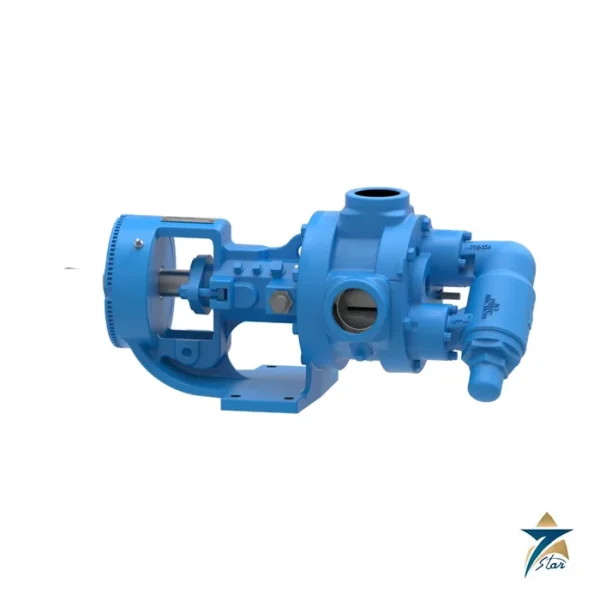
Viking Pump GG4193 Steel Externals Internal Gear Pump

Description

Overview

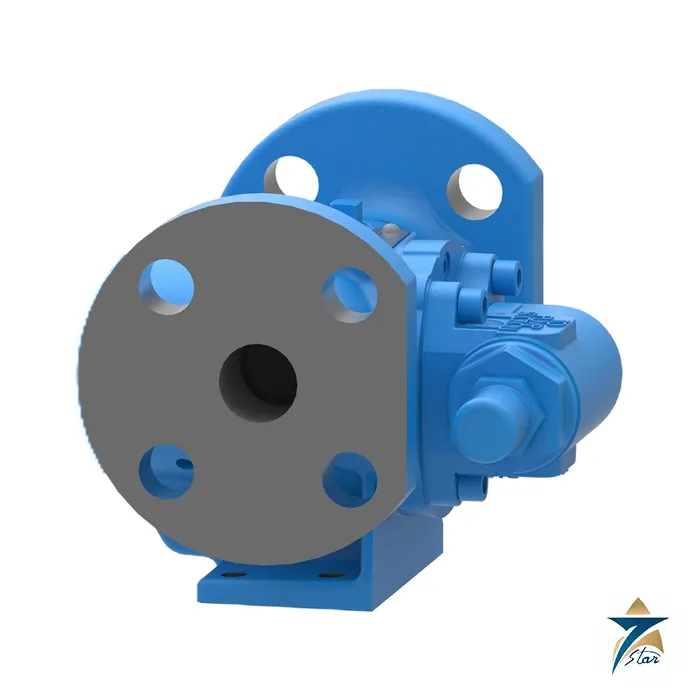
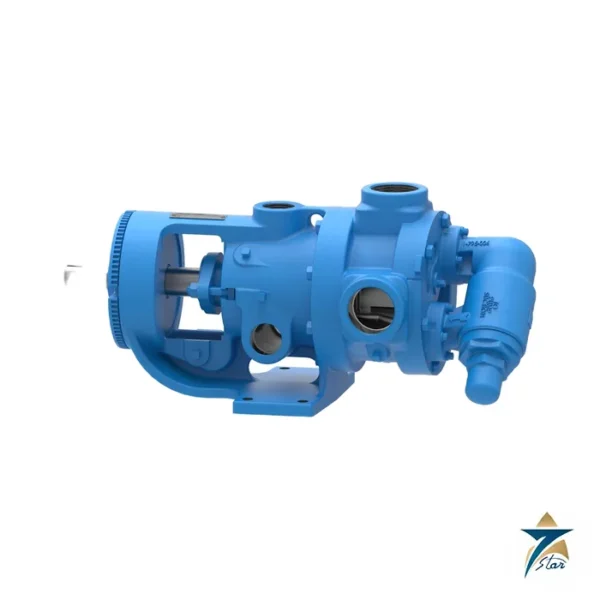
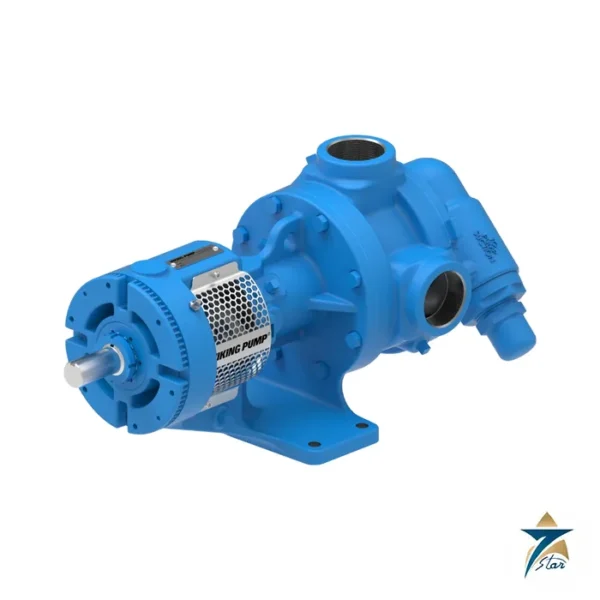
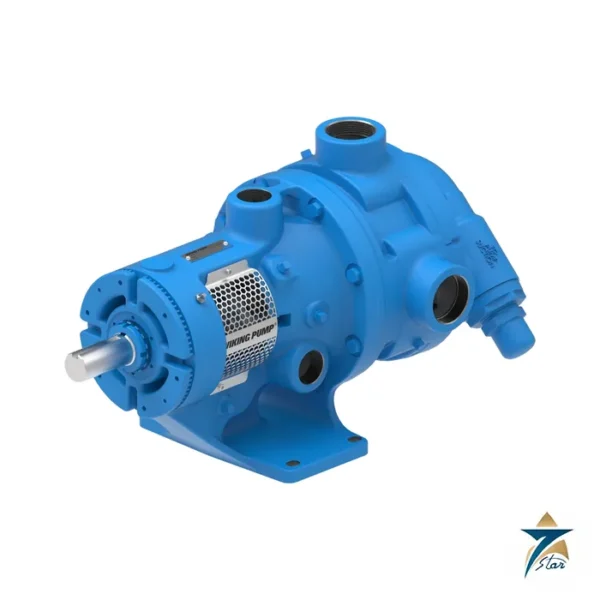
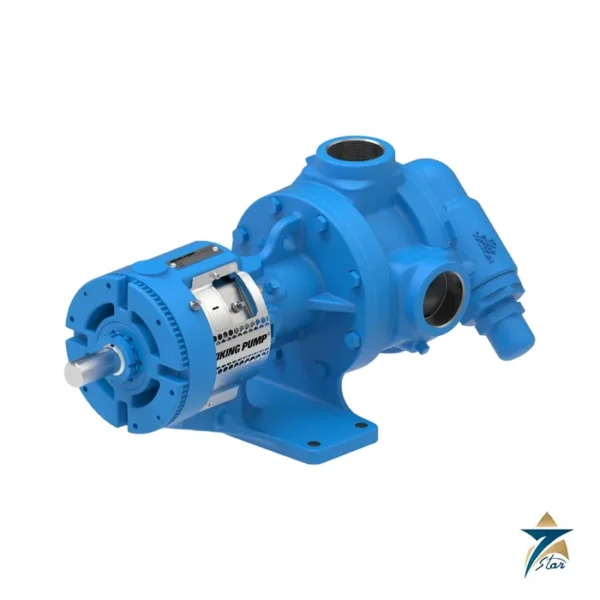
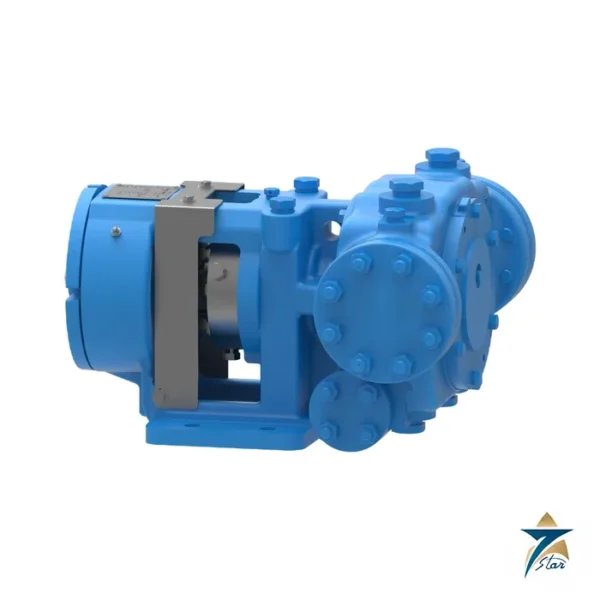
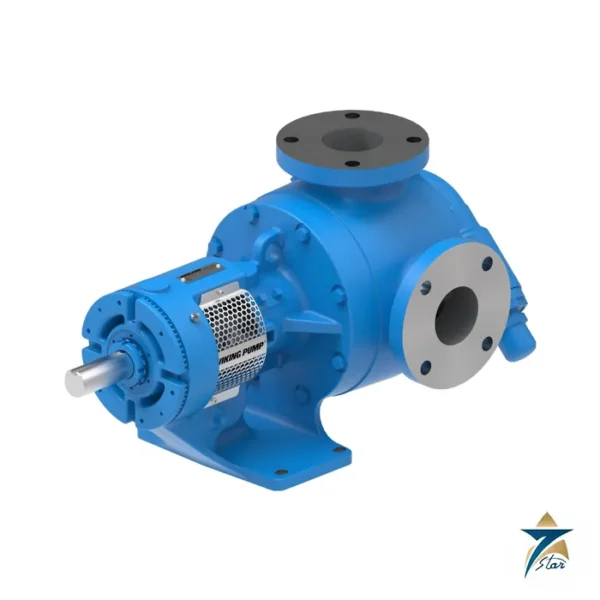
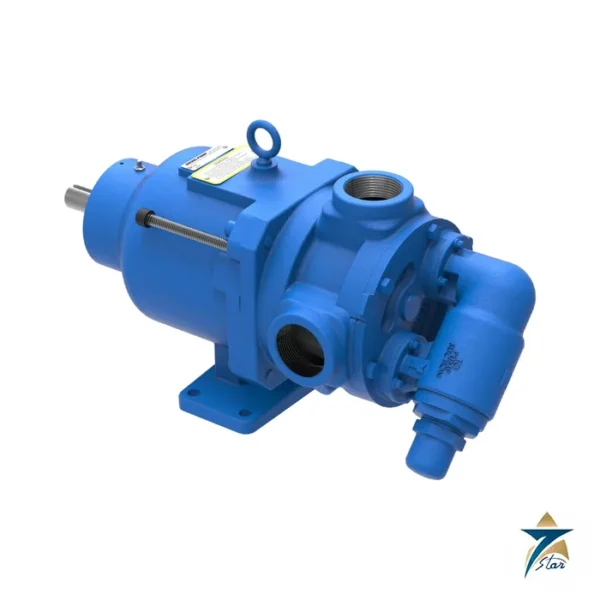
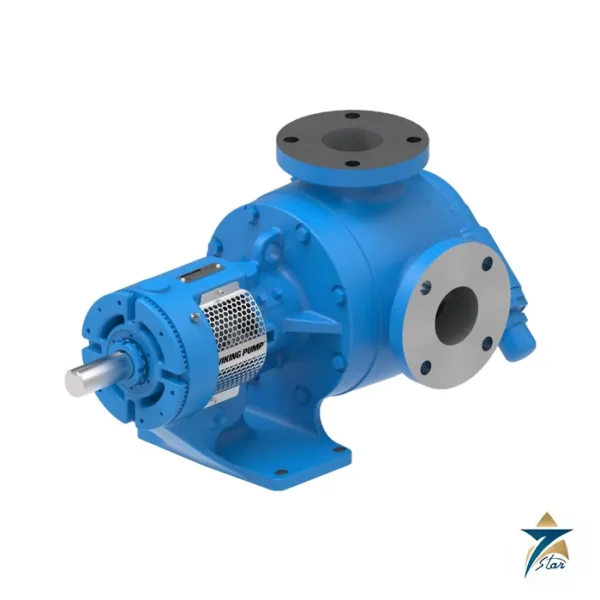
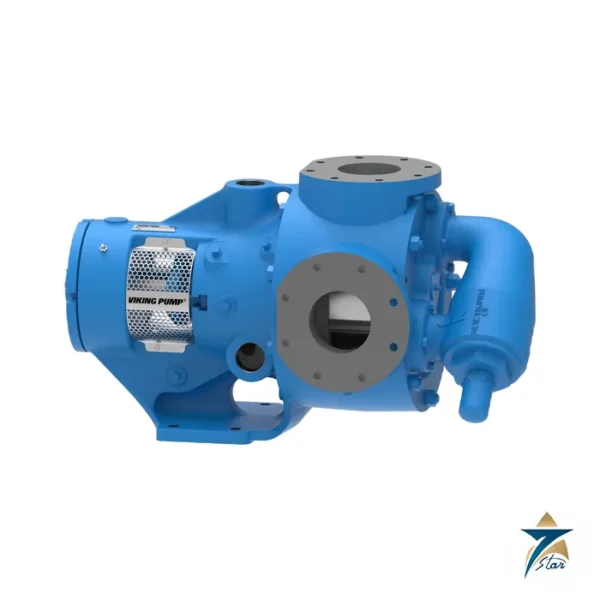
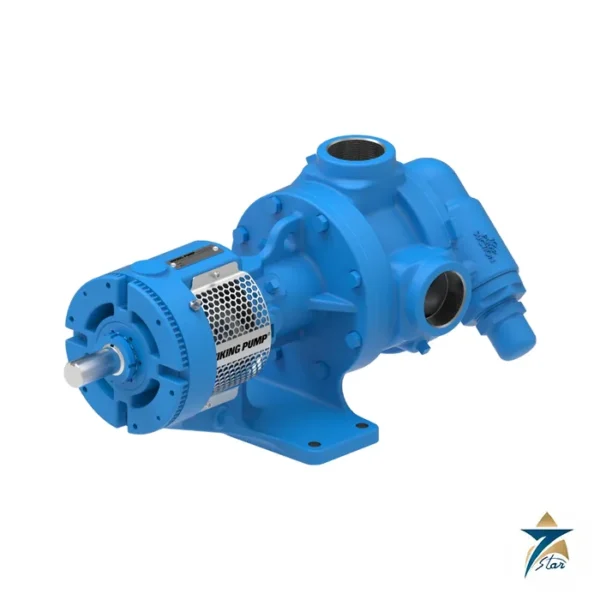
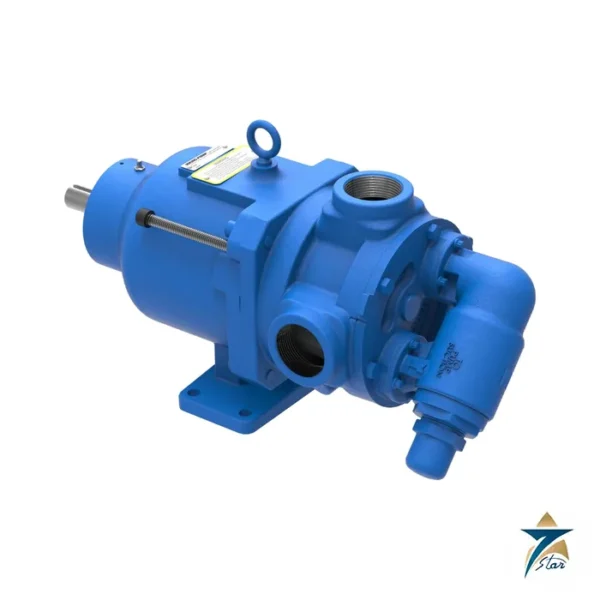
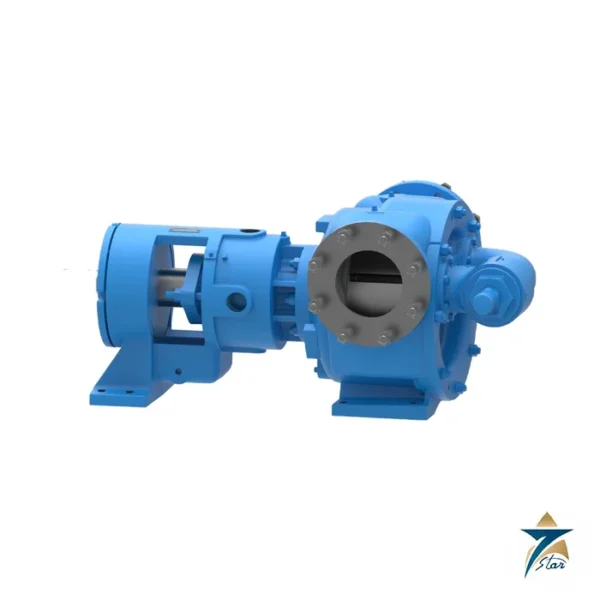
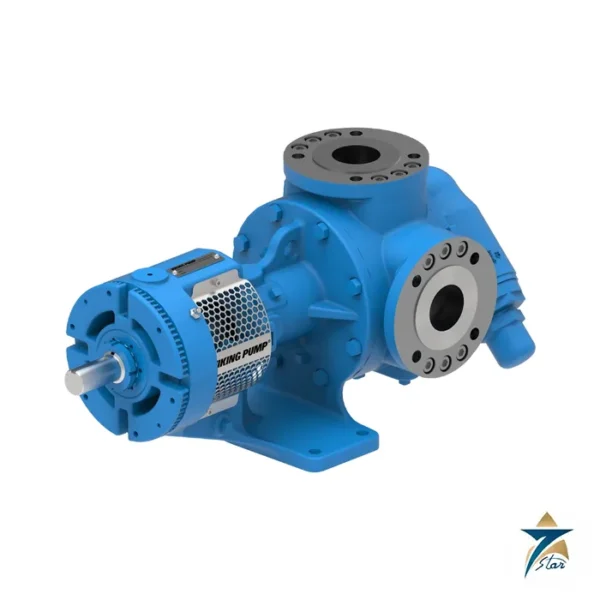
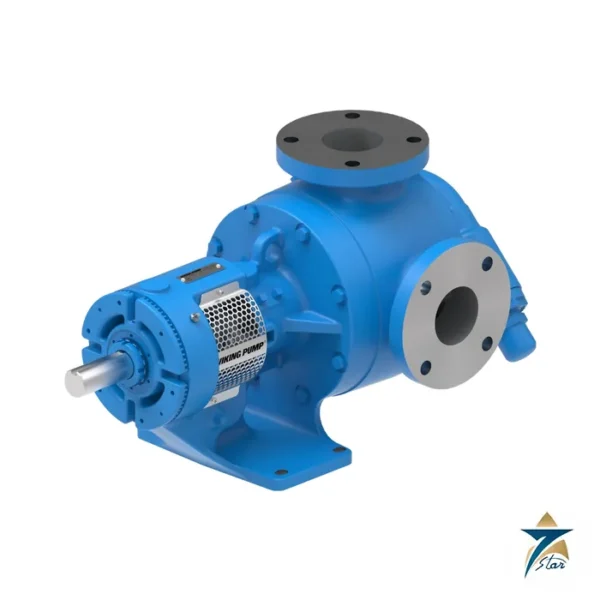
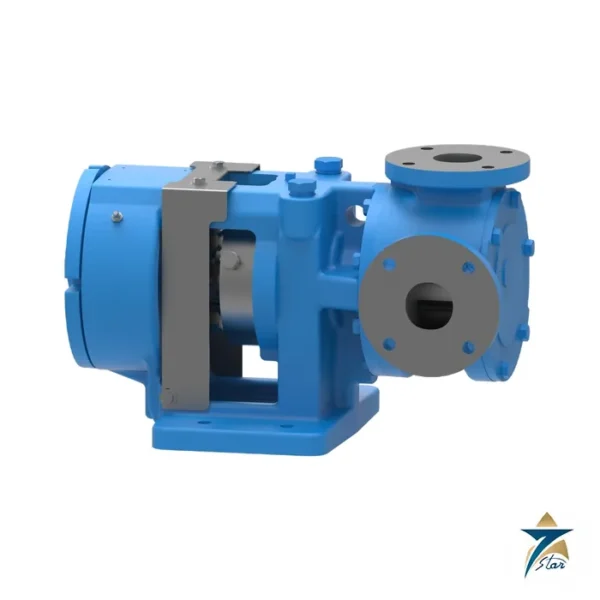
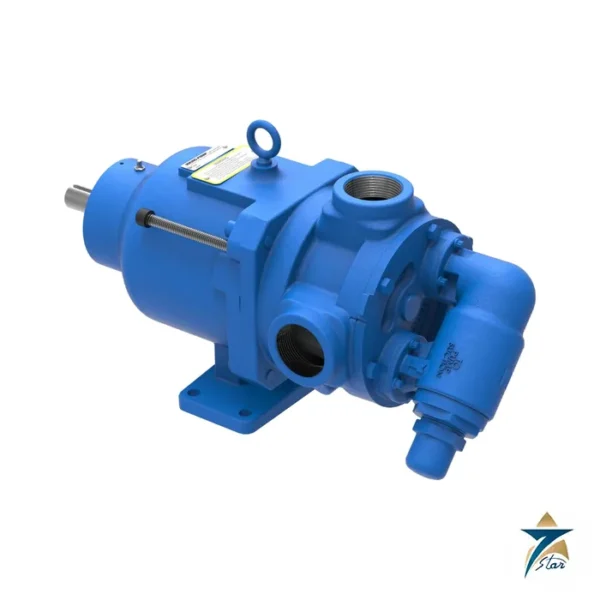
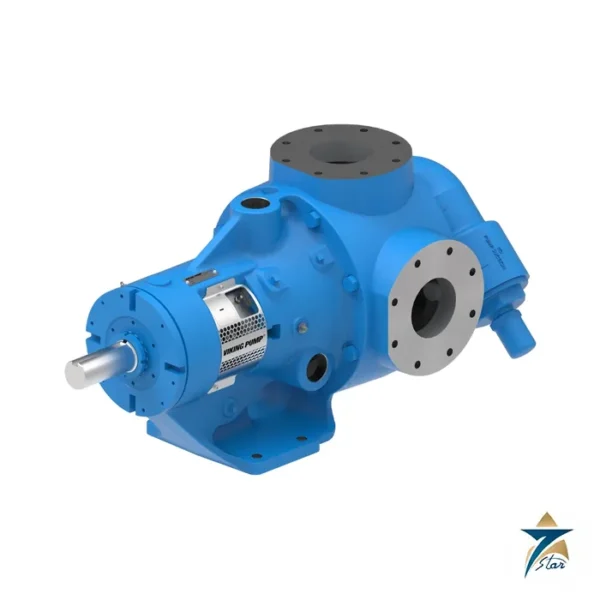
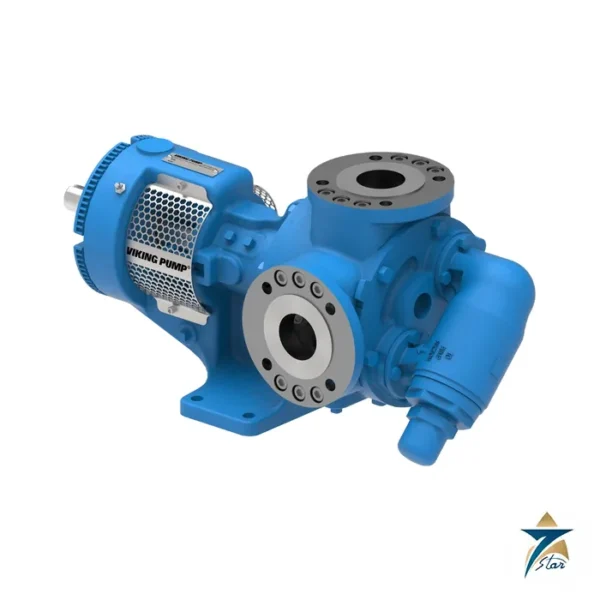
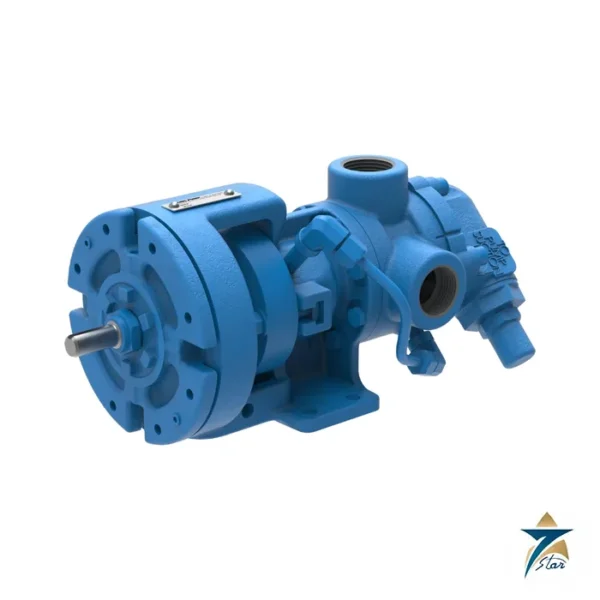
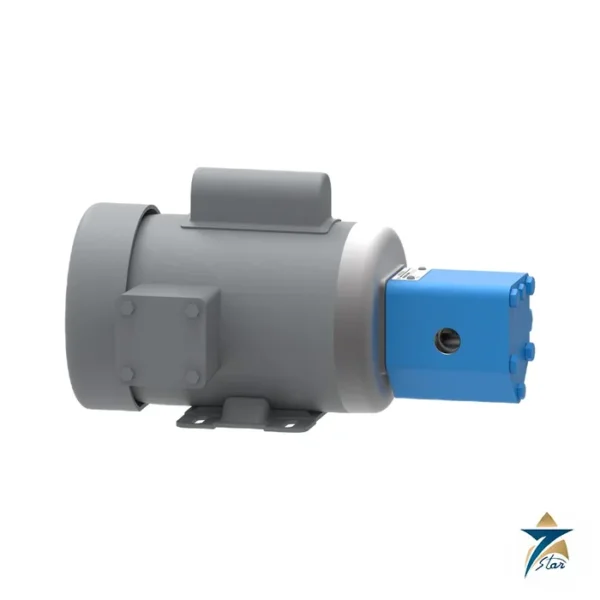
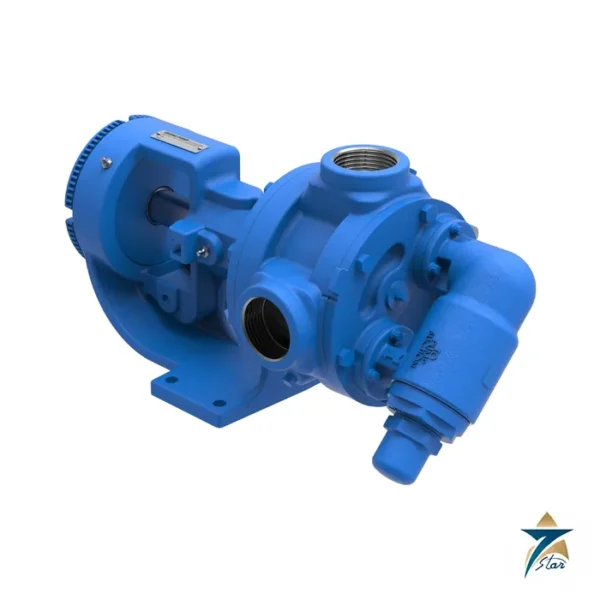
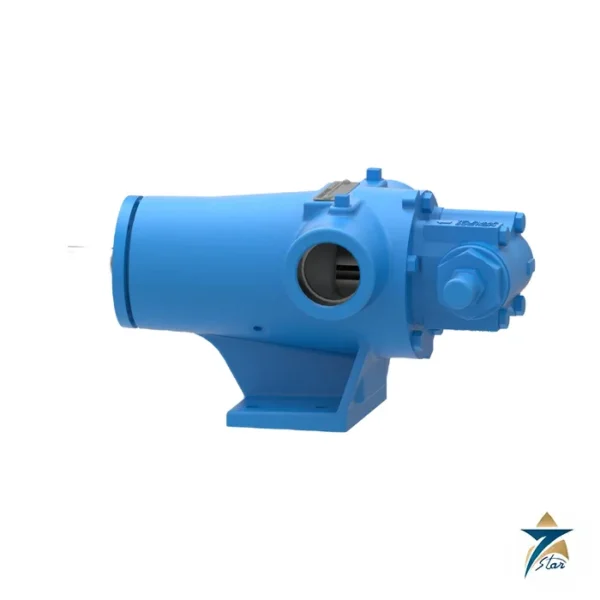
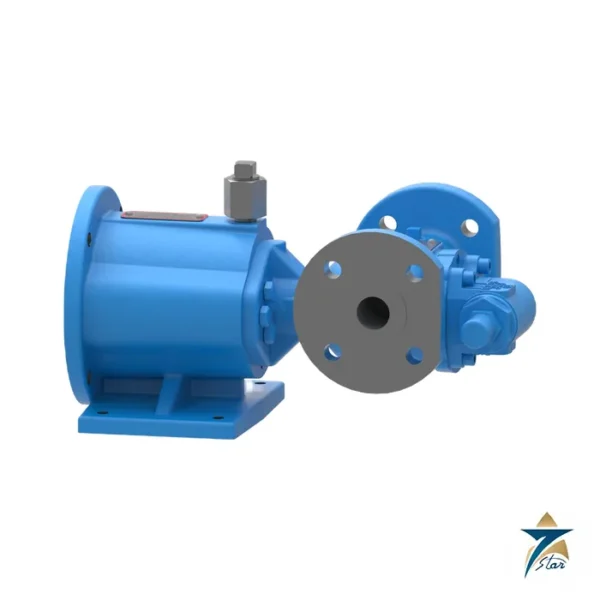
Viking Pump GG4193 is the smallest foot-mounted pump in the Viking 4193 series, a steel externals internal gear pump with 1 inch Class 300 ports that delivers 10 GPM (2.3 m3/h) at 1750 rpm on a 60 Hz supply and 8 GPM (1.9 m3/h) at 1450 rpm on 50 Hz. It weighs only about 25 lb (11 kg) and is designed for continuous or intermittent duty in filtering, circulating, transferring and booster services where a high pressure rating matters more than a high flow. Seven Star LLC is an independent supplier serving Oman and the GCC.

The notes below follow the catalog section that covers the 493 and 4193 pumps together, and they are written for a buyer who must confirm that the GG size is the one needed.

Steel body, small footprint

Most small gear pumps are cast iron. The Viking Pump GG4193 instead has a casing and head in cast steel to ASTM A216 Grade WCB, which is why it can be rated to a maximum differential pressure of 250 PSI (17 bar) on liquids above 100 SSU and carries a hydrostatic limit of 400 PSIG (27 bar). The rotor is cast iron to ASTM A48 Class 35B, and the idler is a powdered metal part to MPIF 35 FN-0208-45 running on a carbon graphite bushing. Shafts and pins are hardened steel. The result is a compact machine with the strength to run on compressor lubrication, fuel and lube oil systems, where pressure is the main concern.

Viking Pump GG4193 catalog data

Parameter Value
Model Viking Pump GG4193, series 4193, steel externals, foot mounted, catalog section 1341
Port size and type 1 inch, Class 300
Nominal rating, 60 Hz 10 GPM (2.3 m3/h) at 1750 rpm
Nominal rating, 50 Hz 8 GPM (1.9 m3/h) at 1450 rpm
Casing and head Steel, ASTM A216 Grade WCB
Rotor Cast iron, ASTM A48 Class 35B
Idler Powdered metal, MPIF 35 FN-0208-45
Rotor shaft Steel, ASTM A108 Grade 1045
Idler pin Hardened steel, ASTM A108 Grade 1045
Idler bushing Carbon graphite
Pressure relief valve Steel externals, ASTM A216 Grade WCB; valve mounts on the pump head
Shaft seal Mechanical seal, FKM, standard
Maximum differential pressure 250 PSI (17 bar) above 100 SSU; 150 PSI (10 bar) for 38 to 100 SSU; 100 PSI (7 bar) below 38 SSU
Maximum hydrostatic pressure 400 PSIG (27 bar)
Temperature range 0 to 350 F (minus 20 to 175 C); extra clearances above 225 F
Viscosity range, series 28 to 15,000 SSU (1 to 3,300 cSt)
Shipping weight with valve 25 lb (11 kg)

GG4193 versus the 493 and the larger sizes

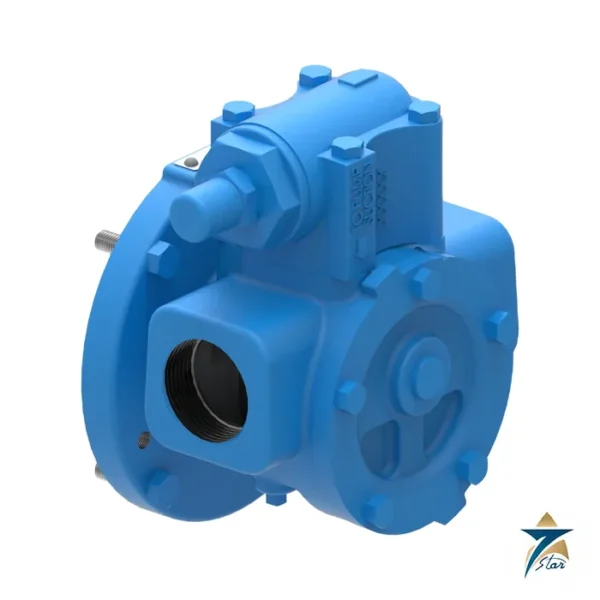
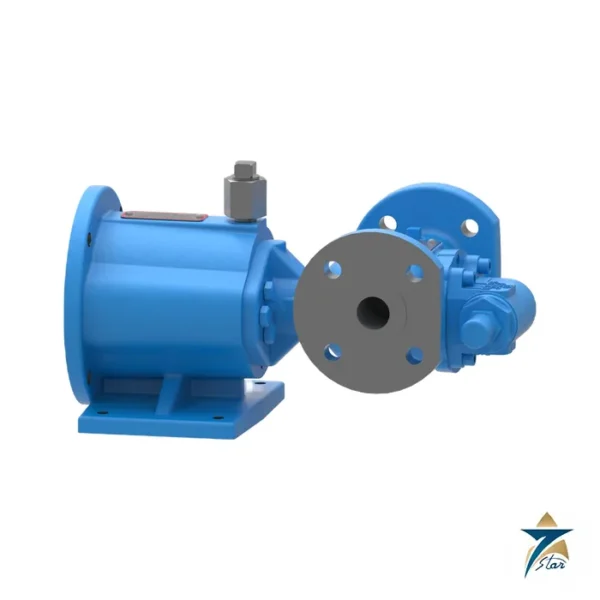
The series is offered in two mounting styles. The 4193 has a foot bracket for horizontal mounting, and the 493 is arranged for vertical or horizontal flange mounting where space is at a premium. The Viking Pump GG4193 should be chosen when a base-mounted pump is wanted. Among the foot-mounted sizes it is the smallest; the HJ4193 and HL4193 both use 1 1/2 inch ports and weigh 50 lb, while the AS, AK and AL sizes step to 3 inch ports and about 100 lb. The GG size is also the only one in the group with a cast iron idler replaced by powdered metal FN-0208-45 rather than the FC-0208-50 used in HJ and HL.

Where Viking Pump GG4193 is used

  • Lubricating oil circulation for compressors and turbines.
  • Fuel and light oil transfer on skids and day tanks.
  • Booster service ahead of larger pumps or burners.
  • Filtering loops where a stable low flow at higher pressure is needed.

What the catalog says about construction

A pair of ball bearings sealed for life is built in: one is installed outside the mechanical seal and a radial thrust ball bearing handles the axial load, which allows heavy duty service up to the rated pressure. A mechanical seal with FKM elastomers is standard to cut liquid loss and protect the shaft. Thrust control gives micrometer adjustment of rotor and shaft position, so end clearance can be reset as parts wear. O-ring gaskets are used between casing and head and at the valve plate, with flat valve gaskets on the GG, HJ and HL sizes.

Installation guidance

Bolt the foot to a flat, rigid base and connect the drive through a flexible coupling or a close-coupled arrangement. Because the ports are Class 300, use companion flanges of the same rating. Rotate the pump by hand before the first start to confirm free movement, and check that the integral relief valve is set above the system working pressure but below the casing limit. The relief valve is meant to protect against over-pressure, not to act as a flow control.

Position the pump close to the supply tank, keep the suction line short and as large as the port, and fit a strainer of suitable mesh. Observe the 100 PSI suction limit mentioned in the catalog notes; above that, ask the manufacturer.

Care and spares

Service intervals depend on the cleanliness of the liquid. The bearings are sealed, so servicing focuses on the mechanical seal, the idler bushing and the O-rings. Record the discharge pressure and motor current after commissioning. A fall in pressure with unchanged speed points to wear in the clearance, which can be corrected with the thrust adjustment before the parts are replaced. Keep a seal kit and a bushing on hand for critical service.

Power, speed and viscosity

The ratings quoted by Viking are for liquids of 100 SSU and below, which is roughly the viscosity of a light lube oil. Thicker liquids reduce slip inside the gears and raise the flow delivered at a given speed, but they also raise the power needed and the suction losses. The series viscosity range is 28 to 15,000 SSU (1 to 3,300 cSt). At the top of that range the pump must turn slowly, so a gear reducer or a lower speed motor is the usual answer. A small pump like the GG will draw very little power on thin liquids, yet the motor should still be selected for the highest pressure and lowest temperature it is expected to see.

For a 50 Hz network such as Oman’s, the catalog gives the 1450 rpm column, and the flow is correspondingly lower at 8 GPM. If the process needs a full 10 GPM on a 50 Hz motor, consider the next size up or a speed increasing drive, after checking NPSH and seal limits.

Drive arrangements and mounting options

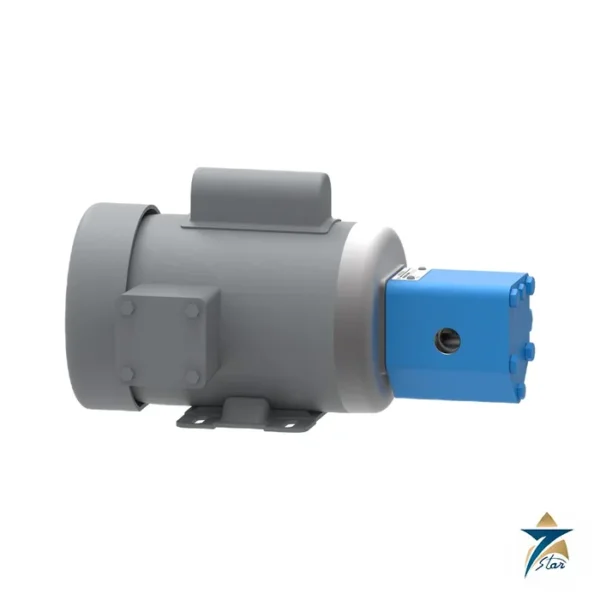
The catalog dimensions for this pump cover a D drive, meaning a direct connected unit on a common base with a flexible coupling. Other arrangements such as reducer or belt are possible by the user. Whatever the choice, the driver shaft and pump shaft must be aligned within the coupling manufacturer’s limits, and the pump should be fixed on a base that does not flex. A good practice is to mark the rotation direction on the casing and to confirm it before connecting the coupling.

Related items you may also need: NETZSCH NEMO Multiphase Progressing Cavity Pump | KRACHT KP 1/4 A10A X0A 4NL1 High-Pressure Gear Pump | KRACHT KP 1/4 Q10A K0A 4NL1 High-Pressure Gear Pump | All Viking Pump products.

Checklist before ordering the Viking Pump GG4193

  • Before ordering the Viking Pump GG4193, compare the nameplate of the unit being replaced with the code shown on this page, character by character.
  • Our team confirms the Viking Pump GG4193 code and lead time in writing before any order is placed.
  • The datasheet attached to this page is the reference for the Viking Pump GG4193 dimensions, ratings and connections.
  • The Viking Pump GG4193 is listed in our positive displacement pumps range and ships to sites across Oman and the GCC.
  • Spare quantities of the Viking Pump GG4193 are worth planning for critical duty so that a failure does not stop production.

Documents and quotation

The Viking catalog section for the 493 and 4193 series is attached, with the model key, specifications, dimensions and NPSH data. For a quotation on Viking Pump GG4193, send the quantity, the liquid, operating temperature, pressure and delivery location in Oman or the GCC.

Datasheets & Documents
  • PDF Datasheet Viking Pump GG4193 Steel Externals Internal Gear Pump Datasheet Download
Reviews (0)

Reviews

There are no reviews yet.

How would you rate this product?

It takes about 10 seconds — just tap a star. Your email is never published.

About brand

Viking Pump is the American maker of positive displacement pumps best known for the internal gear pump, often described as the "gear-within-a-gear" design. The principle goes back to Jens Nielsen, a Danish-born quarry owner in Cedar Falls, Iowa, who needed a better way to drain water from his quarry and patented his internal gear pump in 1904. In 1911 Nielsen and three local partners formed the Viking Pump Company in Cedar Falls, which is still the company's home. Viking has been part of IDEX Corporation since 1989.

Viking Pump company profile

Founded 1911, Cedar Falls, Iowa, USA, by Jens Nielsen with P.C. Petersen, W.L. Hearst and George Wyth
Headquarters Cedar Falls, Iowa, USA
Ownership A unit of IDEX Corporation since 1989
Core technology Internal gear pumps (rotor, idler gear and crescent), plus external gear, vane, lobe and circumferential piston pumps
Typical liquids Viscous and difficult liquids: fuel and lube oils, asphalt and bitumen, resins, polymers, chemicals, ammonia, molasses, inks and adhesives
Standards API 676 versions for refinery and petrochemical service; jacketed and heated versions for liquids that must be kept hot

Milestones

  • 1904: Jens Nielsen patents his internal gear pump design.
  • 1911: Viking Pump Company is founded in Cedar Falls, Iowa.
  • 1989: Viking becomes part of IDEX Corporation.
  • 2011: Viking marks 100 years in Cedar Falls.
  • Today: Internal and external gear pumps, mag drive pumps and API 676 pumps sold through distributors worldwide.

How a Viking internal gear pump works

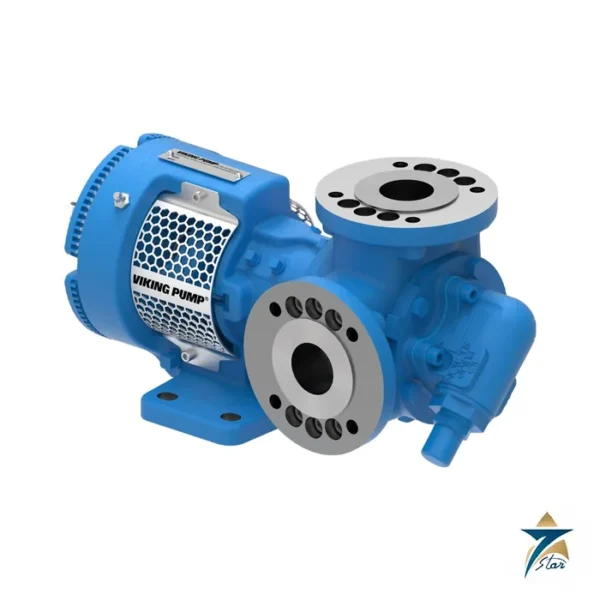
An internal gear pump has two moving parts: an outer rotor gear and a smaller idler gear that turns inside it, offset on a pin. A crescent-shaped partition on the head fills the space between them. As the gears come out of mesh on the suction side, liquid fills the opening tooth spaces, is carried around both sides of the crescent and is pushed out as the teeth mesh again on the discharge side. Flow is smooth and almost proportional to speed, so the same pump can handle thin solvents or very thick liquids. The pump is reversible, and an internal relief valve is often fitted to protect it if the discharge is blocked. For thick liquids, choose a larger pump at a lower speed; for hot products such as asphalt, choose a jacketed or heated version.

Where Viking pumps are used in Oman and the GCC

In the region, Viking pumps move fuel oil, lube oil and base oils in refineries and terminals, bitumen and asphalt in road-building and storage plants, resins and chemicals in petrochemical plants, and ammonia in refrigeration systems. External gear pumps such as the GB series are used for chemical injection into pipelines, and mag drive pumps are chosen where a seal leak is not acceptable.

Viking Pump models we list

Family Examples
General-purpose internal gear pumps KK124C, H1124C O-Pro, QS124C, M124A, N324A, RS4324A
Jacketed and heated pumps KK224C, Q224C, M224A, KK124E asphalt
Steel and stainless steel pumps L123C, QS4123C, RS4323A, KK127C, Q4127C
API 676 pumps LS4223AX, Q4223AX, N4323AX, R4323AX, KK4223AA
Motor speed, external gear and mag drive pumps HL495, AK4195, GB-41013, GB-41430, SG-0741, AK893 mag drive
Special-duty pumps KK4924A ammonia, KK4624C abrasive, LVP41027 vane

Ordering Viking pumps: what we need

Send the full model number and serial number from the nameplate. The letters at the start of the model (for example G, H, KK, LS, Q or RS) give the pump size, and the digits give the construction, seal and material. For a new pump, tell us the liquid, its viscosity and temperature, the flow rate, the discharge pressure, the port size and whether you need a jacket, a relief valve, a motor and baseplate, or API 676 construction. For spares, send the model and serial number and say whether you need the rotor, idler, idler pin, bushing or seal kit.

Facts checked against Viking Pump and IDEX company history and published Viking product catalogues, November 2026.

FAQ

Questions about the Viking Pump GG4193 Steel Externals Internal Gear

Answers from our engineering team on installation, compatibility and integration.

01What capacity does the Viking Pump GG4193 have?
The catalog rates the GG4193 at 10 GPM (2.3 m3/h) at 1750 rpm on 60 Hz and 8 GPM (1.9 m3/h) at 1450 rpm on 50 Hz.
02What port size and rating does the GG4193 use?
It has 1 inch ports of Class 300 rating, which is standard on all models in the 4193 and 493 series.
03What is the difference between the GG4193 and the GG493?
The 4193 is foot mounted for horizontal installation and weighs about 25 lb, while the 493 is flange mounted and weighs about 18 lb.
04What temperature can the GG4193 handle?
The standard FKM seal construction covers 0 to 350 F (minus 20 to 175 C), with extra clearances required above 225 F.
05What pressure can the GG4193 work against?
The maximum differential is 250 PSI (17 bar) for liquids above 100 SSU, reduced for thinner liquids, with a hydrostatic limit of 400 PSIG (27 bar).