Brand:

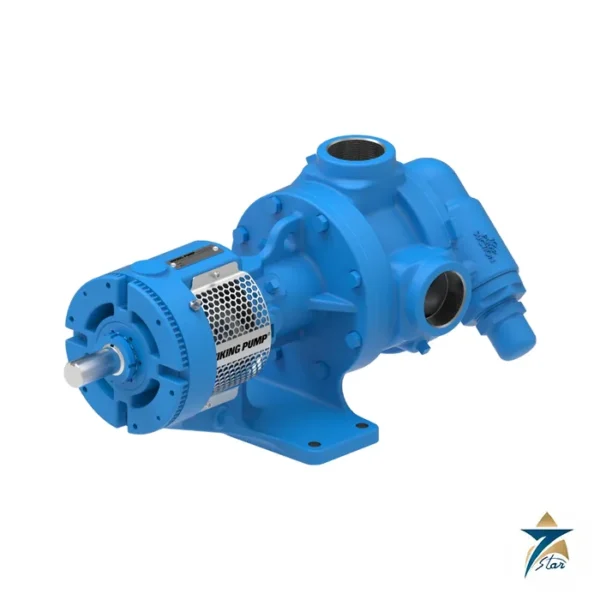
Viking Pump HJ4193 Steel Externals Internal Gear Pump

Description

Overview

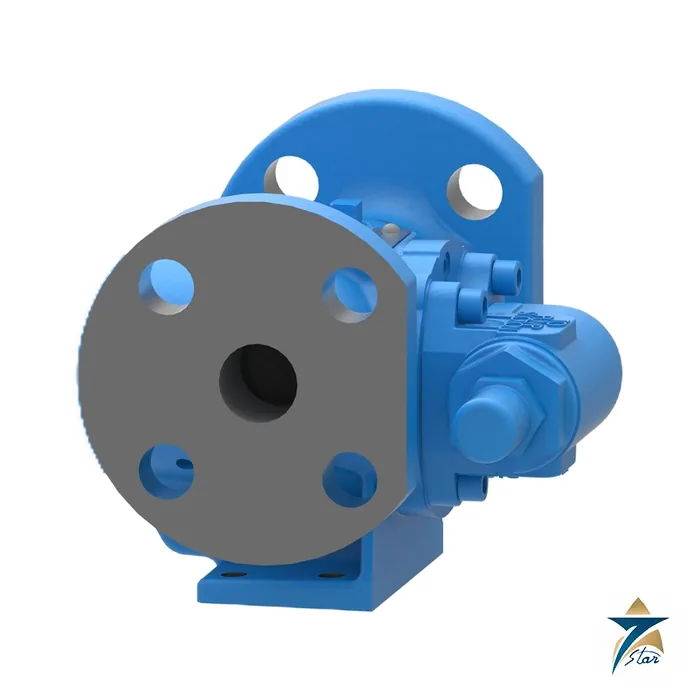
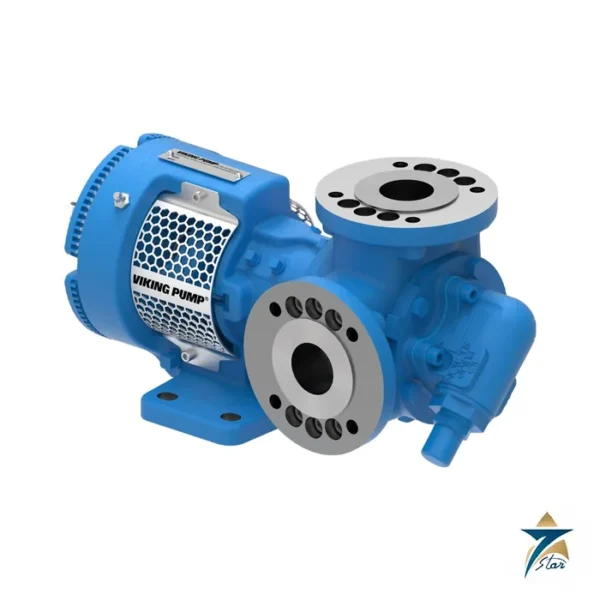
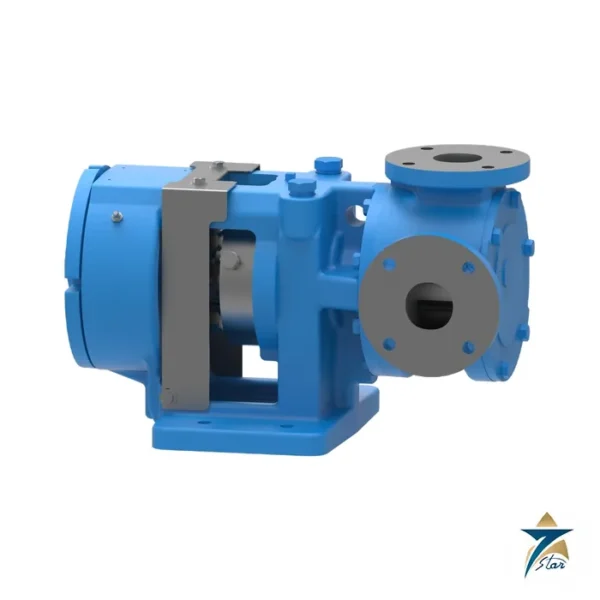
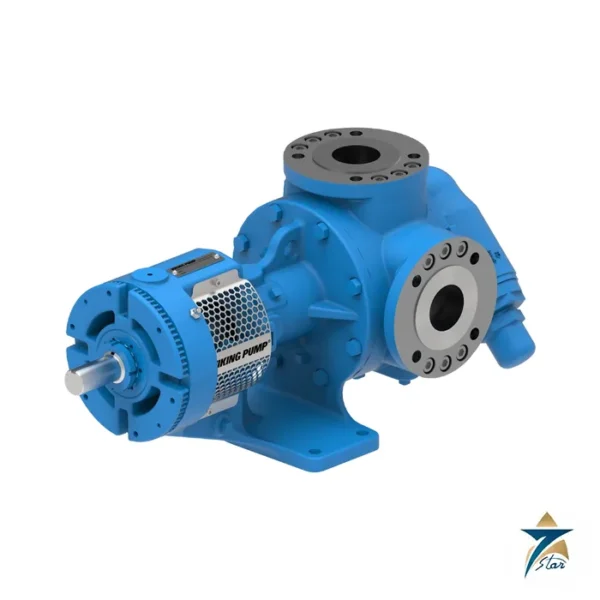
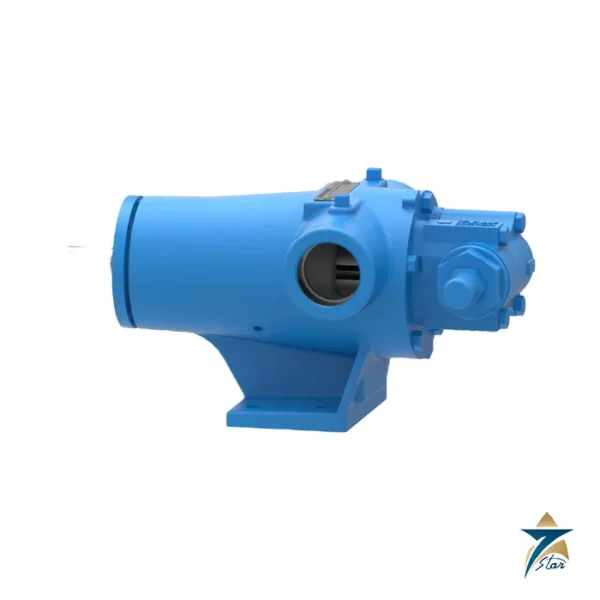
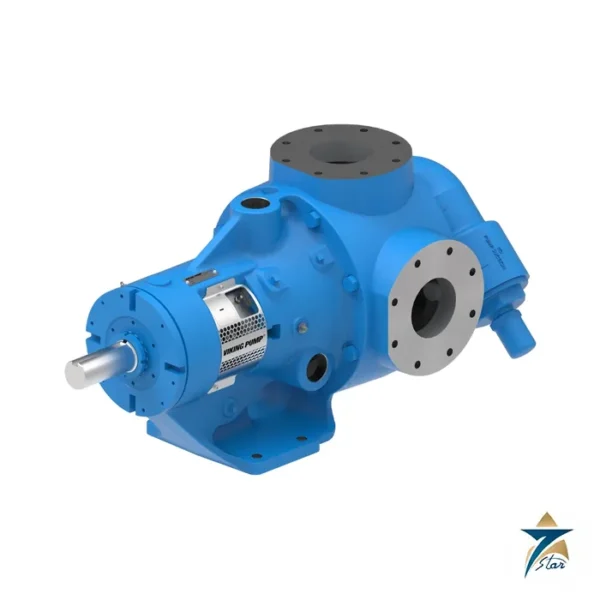
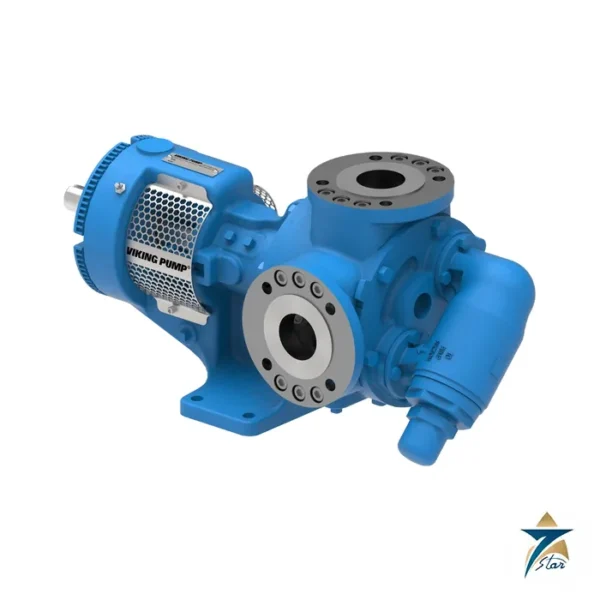
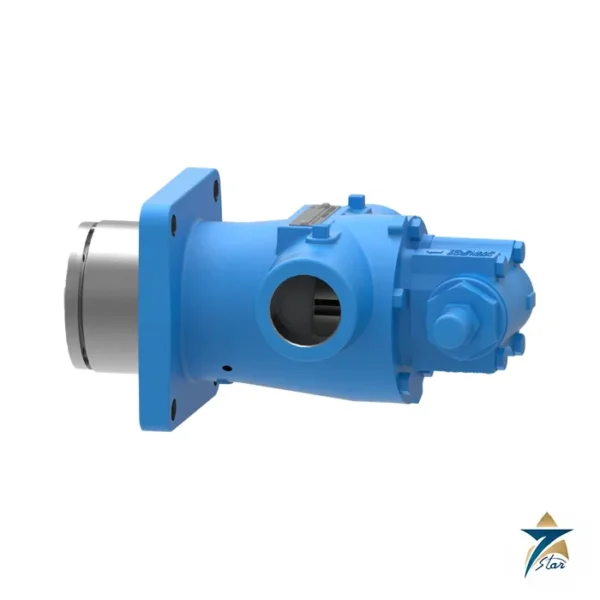
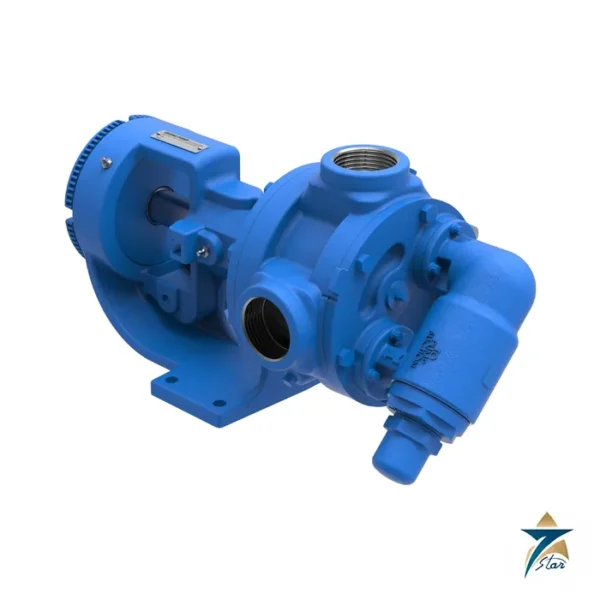
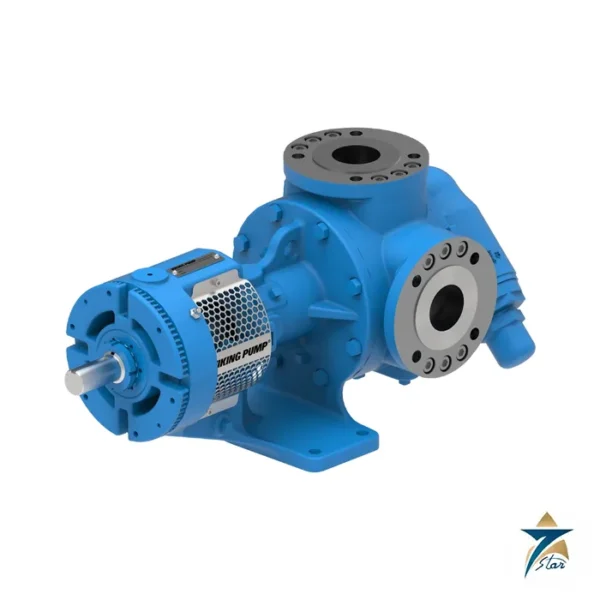
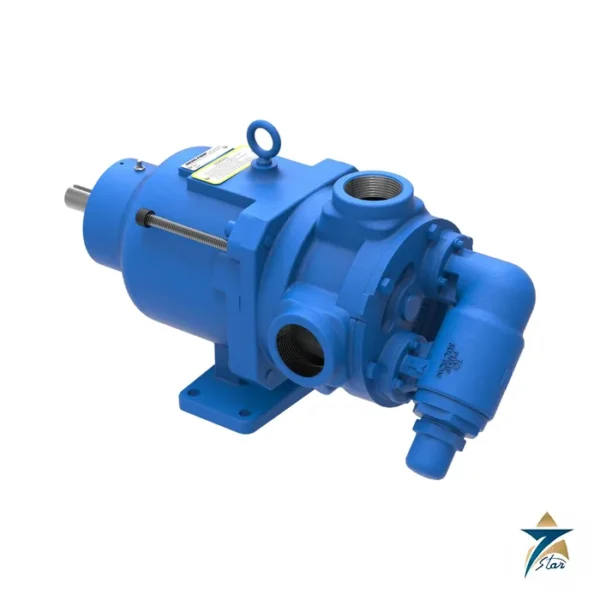
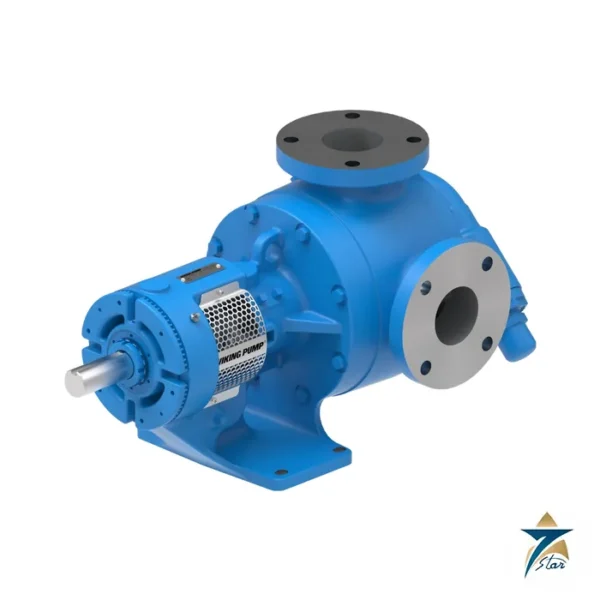
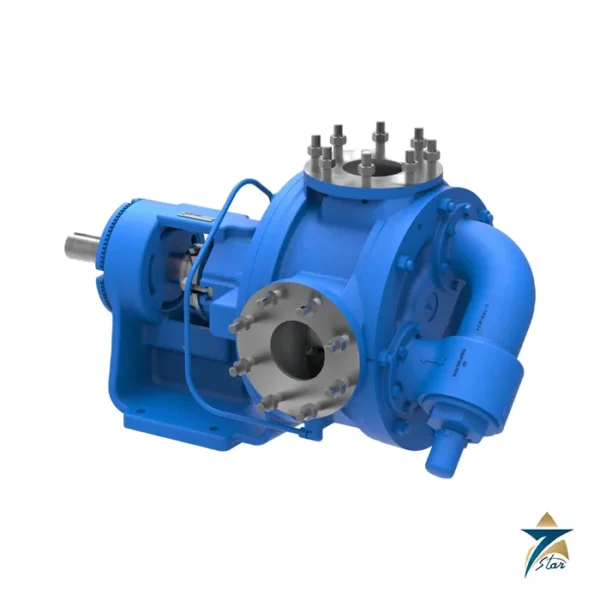
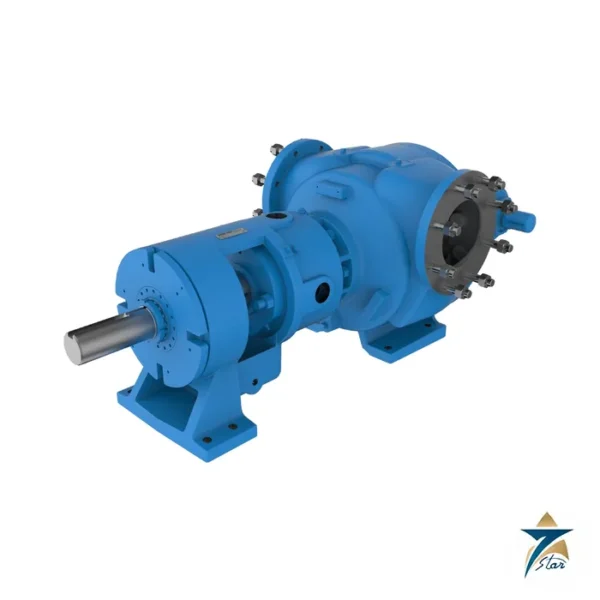
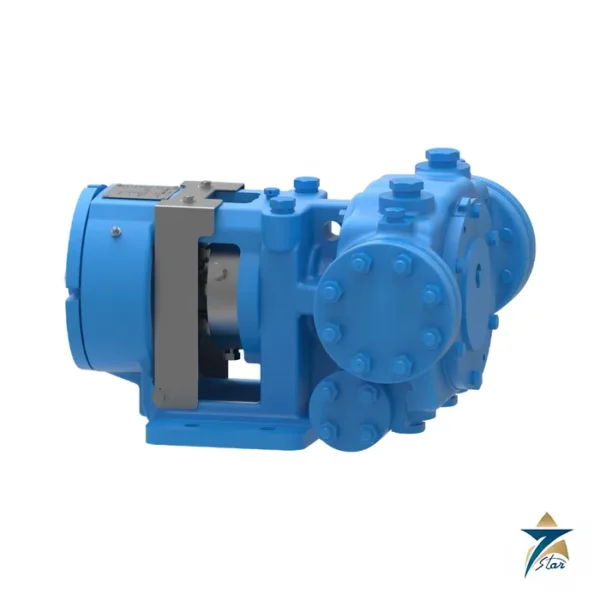
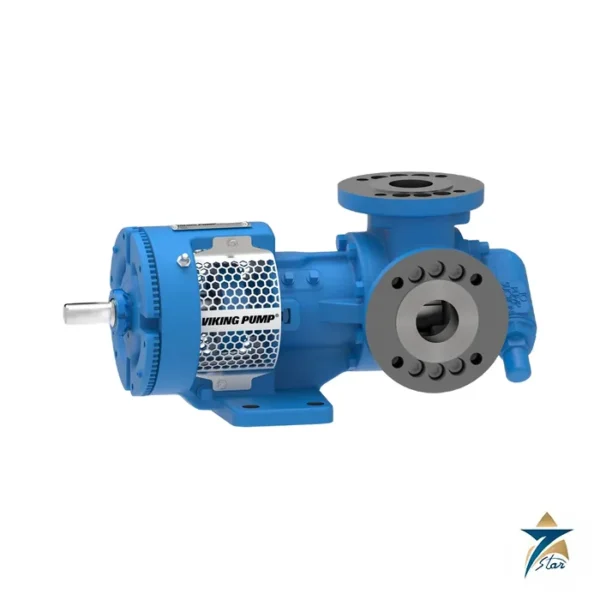
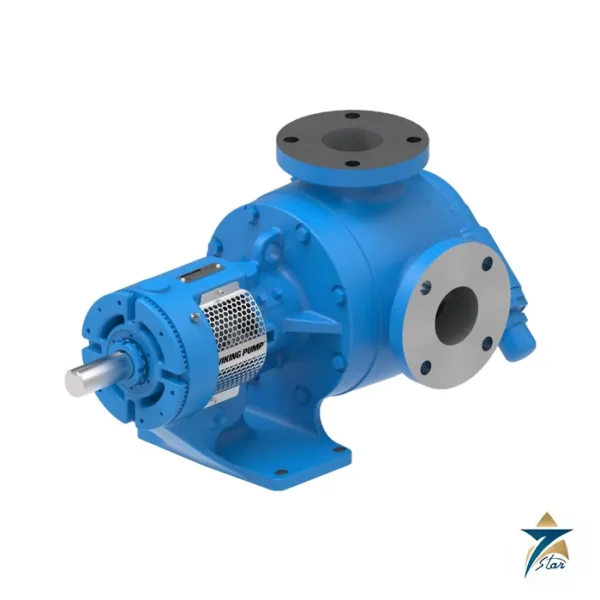
A pump that must hold pressure on thin fuels and lube oils without leaking is the job Viking Pump HJ4193 was designed for. It is a foot-mounted internal gear pump with steel casing and head, 1 1/2 inch Class 300 ports and a nominal rating of 20 GPM (4.5 m3/h) at 1750 rpm, or 17 GPM (3.8 m3/h) at 1450 rpm. With a shipping weight of about 50 lb (23 kg), it is the mid-size model in the lower trio of the 4193 family. Seven Star LLC is an independent supplier serving Oman and the GCC.

The following sections explain the data given in the catalog and place the HJ size relative to the other models in the group.

Reading the model number

The letters HJ name the displacement size. The 4 means a mechanical seal, the next three digits, 193, identify the basic series configuration, and the final 3 stands for steel externals. The flange-mounted sister model is HJ493, which has the same displacement but a different mounting arrangement and a lower weight. Quote the number exactly as it appears on the nameplate to avoid confusion between the two mounting styles.

Viking Pump HJ4193 specification

Parameter Value
Model Viking Pump HJ4193, series 4193, steel externals, foot mounted, catalog section 1341
Port size and type 1 1/2 inch, Class 300
Nominal rating, 60 Hz 20 GPM (4.5 m3/h) at 1750 rpm
Nominal rating, 50 Hz 17 GPM (3.8 m3/h) at 1450 rpm
Casing and head Steel, ASTM A216 Grade WCB
Rotor Cast iron, ASTM A48 Class 35B
Idler Powdered metal, MPIF 35 FC-0208-50
Rotor shaft Steel, ASTM A108 Grade 1045
Idler pin Hardened steel, ASTM A108 Grade 1045
Idler bushing Carbon graphite
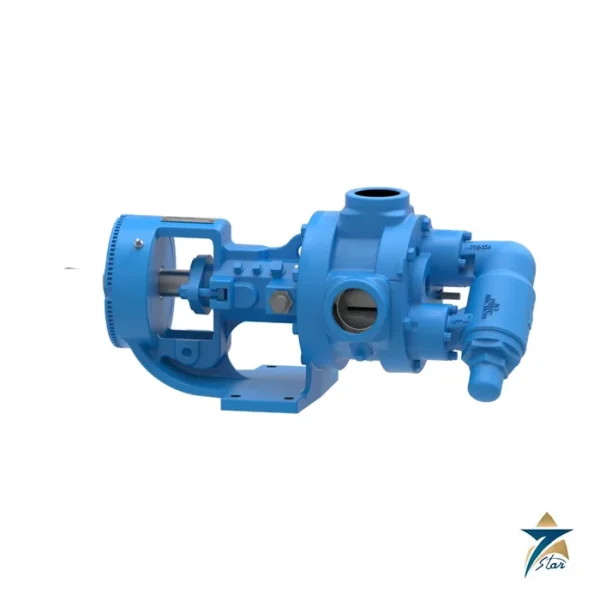
Pressure relief valve Steel externals, ASTM A216 Grade WCB; valve mounts on the pump head
Shaft seal Mechanical seal, FKM, standard
Maximum differential pressure 250 PSI (17 bar) above 100 SSU; 150 PSI (10 bar) for 38 to 100 SSU; 100 PSI (7 bar) below 38 SSU
Maximum hydrostatic pressure 400 PSIG (27 bar)
Temperature range 0 to 350 F (minus 20 to 175 C); extra clearances above 225 F
Viscosity range, series 28 to 15,000 SSU (1 to 3,300 cSt)
Shipping weight with valve 50 lb (23 kg)

Where Viking Pump HJ4193 sits among the 4193 sizes

The GG4193 below it has 1 inch ports and 10 GPM. The HL4193, with the same 1 1/2 inch ports and the same 50 lb weight, delivers 30 GPM at 1750 rpm, because its rotor is longer and made of ductile iron. The Viking Pump HJ4193 shares the cast iron rotor with the GG, which suits services up to the catalog limits. Above the three small sizes, the AS, AK and AL pumps use 3 inch ports, ductile iron gears and a casing-mounted relief valve, delivering from 35 to 75 GPM at 1150 rpm. For flows around 20 GPM at line size 1 1/2 inch, the HJ is therefore the natural fit.

Typical duties

  • Fuel oil transfer to burners and day tanks.
  • Lubricating oil booster service for compressors and rotating equipment.
  • Circulation of petrochemical process liquids at moderate flow.
  • Filter loops on hydraulic and lube systems.

Design points taken from the catalog

Ball bearings sealed for life support the rotor shaft, with one located outside the mechanical seal and one handling radial thrust. The relief valve is integral and, on the HJ, mounts on the head. Shaft sealing is by a mechanical seal with FKM elastomers. Thrust control offers micrometer adjustment of rotor position, which keeps the pump efficient as the parts wear. Gaskets are O-rings between casing and head, with a flat gasket under the valve. The idler runs on a carbon graphite bushing over a hardened steel pin.

Operating limits

Limits are set by the liquid. For viscosities above 100 SSU, the differential pressure may reach 250 PSI (17 bar); between 38 and 100 SSU it falls to 150 PSI (10 bar); and below 38 SSU it is 100 PSI (7 bar). The hydrostatic limit is 400 PSIG (27 bar). Temperatures run from 0 to 350 F (minus 20 to 175 C) with the standard FKM seal, and extra clearances are required above 225 F. If suction pressure exceeds 100 PSI, the catalog advises consulting the factory.

Fitting and starting

Use Class 300 companion flanges, support the pipework so no load is carried by the pump and fit a strainer in the suction line. Confirm the direction of rotation, since the relief valve must point to the suction side. Fill the pump with liquid before starting; the mechanical seal faces need lubrication from the first turn. Run the pump against an open discharge for the first minutes and watch the pressure and the temperature of the bearing area.

Do not use the integral relief valve as a throttling device. If the system needs flow control, fit a separate bypass with a return to the tank.

Upkeep

With sealed bearings, the working parts to monitor are the seal, the idler bushing and the thrust setting. Replace the seal when you see a consistent leak, and reset the end clearance if capacity falls without a change in speed or viscosity. Keep the replacement O-rings and seal on hand if the pump supports a critical process, and record each service in the plant register.

Suction side and NPSH

Gear pumps are self-priming, but they still need adequate net positive suction head to avoid cavitation, which shows up as noise, vibration and falling flow. The catalog gives NPSH required curves for each size, and these should be compared with the available head at your tank. At 1750 rpm the HJ asks for more suction head than at 1150 rpm, so a slower drive is an easy way to gain margin on a marginal installation. Fit the shortest possible suction line, avoid elbows close to the port and keep the liquid level above the pump centreline where you can.

If the liquid is viscous and cold, suction losses rise steeply. A line heated by tracing or a larger diameter will often solve the problem more cheaply than changing the pump.

Relief valve setting and system protection

The integral valve on the head limits the pressure by bypassing liquid from discharge to suction when the set pressure is reached. Set it a little above the working pressure and always below the casing limit. Because the valve discharges back into the pump suction, running against a closed line for long will heat the liquid, so a system relief valve or a pressure switch tripping the motor remains good practice.

Related items you may also need: NETZSCH NEMO BY NM038BY Progressive Cavity Pump | Danfoss 180B0036 PAH 25 High-Pressure Water Pump | KRACHT KF 4/150 G10B N00 7DP1 Transfer Gear Pump | All Viking Pump products.

Before you order the Viking Pump HJ4193

  • To avoid a wrong delivery, compare the code on the nameplate of the installed unit with the Viking Pump HJ4193 code on this page.
  • The quotation for the Viking Pump HJ4193 states the confirmed code and the lead time to site.
  • The attached manufacturer datasheet covers the Viking Pump HJ4193 ratings, dimensions and installation details.
  • Delivery of the Viking Pump HJ4193 is arranged to project sites in Oman and across the GCC, alongside the rest of our positive displacement pumps range.
  • A spare Viking Pump HJ4193 on the shelf is a simple way to protect critical service from long lead times.

Documents and quotation

The catalog section for the 493 and 4193 pumps, with dimensions, materials and NPSH curves, is attached. To obtain a quotation for Viking Pump HJ4193, send us the quantity, the liquid and temperature, the system pressure and the delivery point in Oman or the GCC.

Other Models in the Viking 4193 Range

Seven Star LLC supplies models from the Viking 4193 range in Oman and the GCC. Compare the related models below and request a quote for the one that matches your application.

ModelCategory
Viking Pump GG4193 Steel Externals Internal Gear PumpPositive Displacement PumpsView details
Viking Pump HJ4193 Steel Externals Internal Gear PumpPositive Displacement PumpsYou are viewing this model
Datasheets & Documents
  • PDF Datasheet Viking Pump HJ4193 Steel Externals Internal Gear Pump Datasheet Download
Reviews (0)

Reviews

There are no reviews yet.

How would you rate this product?

It takes about 10 seconds — just tap a star. Your email is never published.

About brand

Viking Pump is the American maker of positive displacement pumps best known for the internal gear pump, often described as the "gear-within-a-gear" design. The principle goes back to Jens Nielsen, a Danish-born quarry owner in Cedar Falls, Iowa, who needed a better way to drain water from his quarry and patented his internal gear pump in 1904. In 1911 Nielsen and three local partners formed the Viking Pump Company in Cedar Falls, which is still the company's home. Viking has been part of IDEX Corporation since 1989.

Viking Pump company profile

Founded 1911, Cedar Falls, Iowa, USA, by Jens Nielsen with P.C. Petersen, W.L. Hearst and George Wyth
Headquarters Cedar Falls, Iowa, USA
Ownership A unit of IDEX Corporation since 1989
Core technology Internal gear pumps (rotor, idler gear and crescent), plus external gear, vane, lobe and circumferential piston pumps
Typical liquids Viscous and difficult liquids: fuel and lube oils, asphalt and bitumen, resins, polymers, chemicals, ammonia, molasses, inks and adhesives
Standards API 676 versions for refinery and petrochemical service; jacketed and heated versions for liquids that must be kept hot

Milestones

  • 1904: Jens Nielsen patents his internal gear pump design.
  • 1911: Viking Pump Company is founded in Cedar Falls, Iowa.
  • 1989: Viking becomes part of IDEX Corporation.
  • 2011: Viking marks 100 years in Cedar Falls.
  • Today: Internal and external gear pumps, mag drive pumps and API 676 pumps sold through distributors worldwide.

How a Viking internal gear pump works

An internal gear pump has two moving parts: an outer rotor gear and a smaller idler gear that turns inside it, offset on a pin. A crescent-shaped partition on the head fills the space between them. As the gears come out of mesh on the suction side, liquid fills the opening tooth spaces, is carried around both sides of the crescent and is pushed out as the teeth mesh again on the discharge side. Flow is smooth and almost proportional to speed, so the same pump can handle thin solvents or very thick liquids. The pump is reversible, and an internal relief valve is often fitted to protect it if the discharge is blocked. For thick liquids, choose a larger pump at a lower speed; for hot products such as asphalt, choose a jacketed or heated version.

Where Viking pumps are used in Oman and the GCC

In the region, Viking pumps move fuel oil, lube oil and base oils in refineries and terminals, bitumen and asphalt in road-building and storage plants, resins and chemicals in petrochemical plants, and ammonia in refrigeration systems. External gear pumps such as the GB series are used for chemical injection into pipelines, and mag drive pumps are chosen where a seal leak is not acceptable.

Viking Pump models we list

Family Examples
General-purpose internal gear pumps KK124C, H1124C O-Pro, QS124C, M124A, N324A, RS4324A
Jacketed and heated pumps KK224C, Q224C, M224A, KK124E asphalt
Steel and stainless steel pumps L123C, QS4123C, RS4323A, KK127C, Q4127C
API 676 pumps LS4223AX, Q4223AX, N4323AX, R4323AX, KK4223AA
Motor speed, external gear and mag drive pumps HL495, AK4195, GB-41013, GB-41430, SG-0741, AK893 mag drive
Special-duty pumps KK4924A ammonia, KK4624C abrasive, LVP41027 vane

Ordering Viking pumps: what we need

Send the full model number and serial number from the nameplate. The letters at the start of the model (for example G, H, KK, LS, Q or RS) give the pump size, and the digits give the construction, seal and material. For a new pump, tell us the liquid, its viscosity and temperature, the flow rate, the discharge pressure, the port size and whether you need a jacket, a relief valve, a motor and baseplate, or API 676 construction. For spares, send the model and serial number and say whether you need the rotor, idler, idler pin, bushing or seal kit.

Facts checked against Viking Pump and IDEX company history and published Viking product catalogues, November 2026.

FAQ

Questions about the Viking Pump HJ4193 Steel Externals Internal Gear

Answers from our engineering team on installation, compatibility and integration.

01What flow does the Viking Pump HJ4193 deliver?
The catalog rates it at 20 GPM (4.5 m3/h) at 1750 rpm on 60 Hz and 17 GPM (3.8 m3/h) at 1450 rpm on 50 Hz.
02Which ports does the HJ4193 have?
It has 1 1/2 inch Class 300 ports, the same size as the HL4193 but a smaller displacement.
03How does the HJ4193 differ from the HL4193?
Both weigh about 50 lb with 1 1/2 inch ports, but the HL delivers 30 GPM and uses a ductile iron rotor, while the HJ delivers 20 GPM with a cast iron rotor.
04Where does the relief valve mount on the HJ4193?
On the HJ, GG and HL sizes the integral relief valve mounts on the pump head; on AS, AK and AL it mounts on the casing.
05What is the HJ4193 shipping weight?
The catalog gives about 50 lb (23 kg) with valve, while the flange-mounted HJ493 weighs 40 lb (18 kg).