Overview
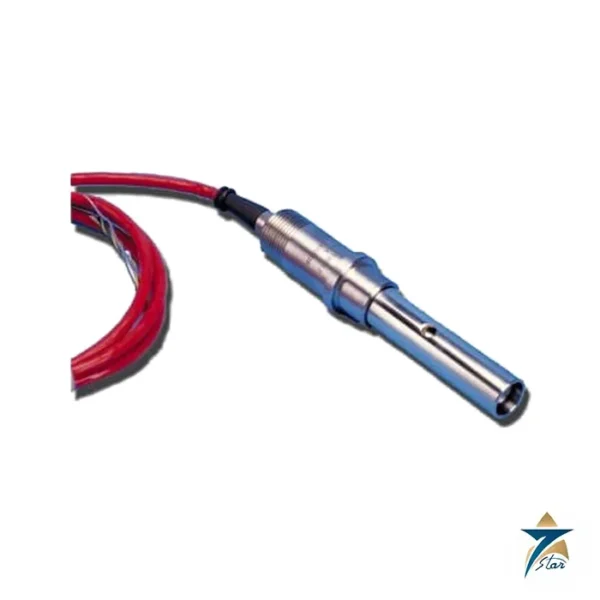
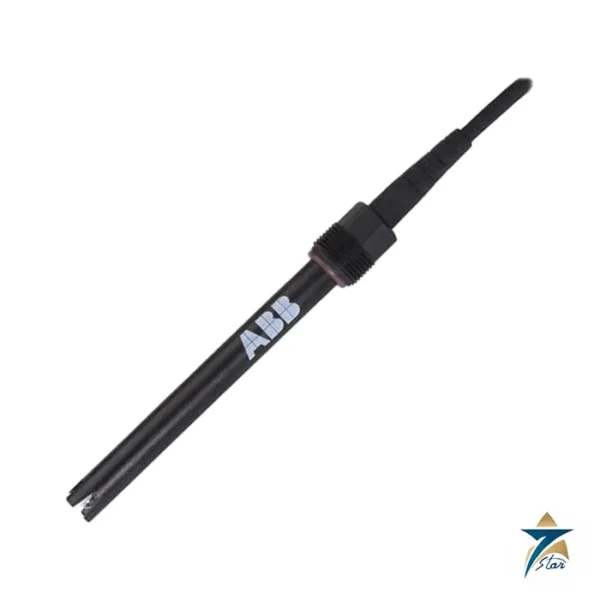
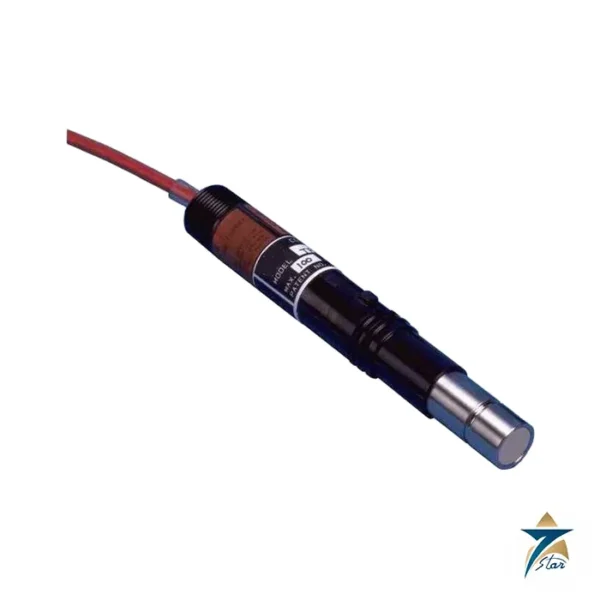
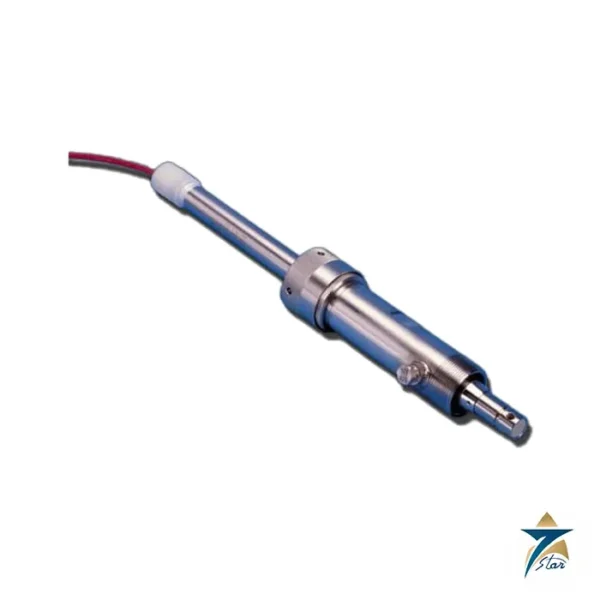
The ABB TB404 is a toroidal (electrodeless) conductivity sensor that measures conductivity through electromagnetic induction rather than direct electrode contact with the process fluid. This fundamentally different measurement principle makes the TB404 far more resistant to fouling, scaling, and coating than a contacting-electrode sensor, and immune to the electrode polarization errors that occur at high conductivity levels.
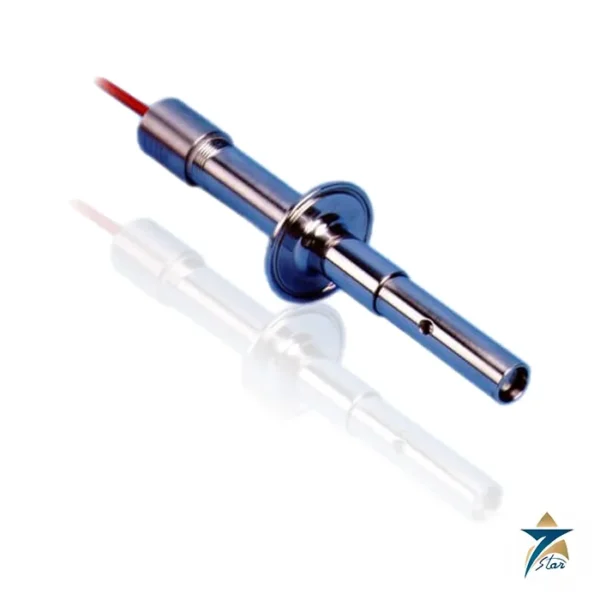
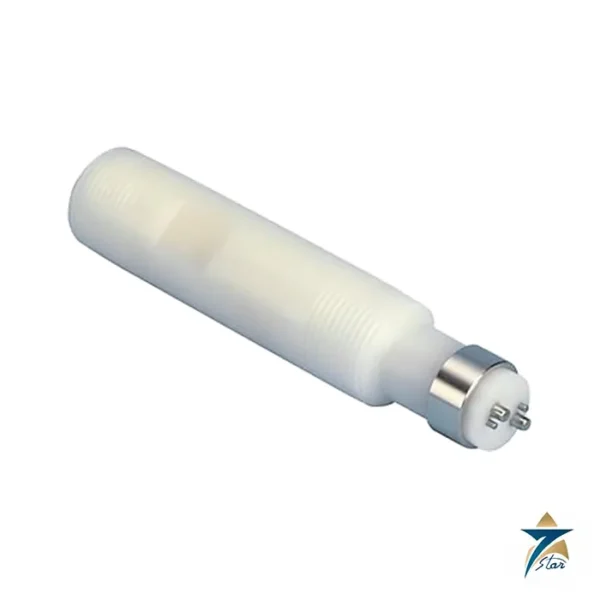
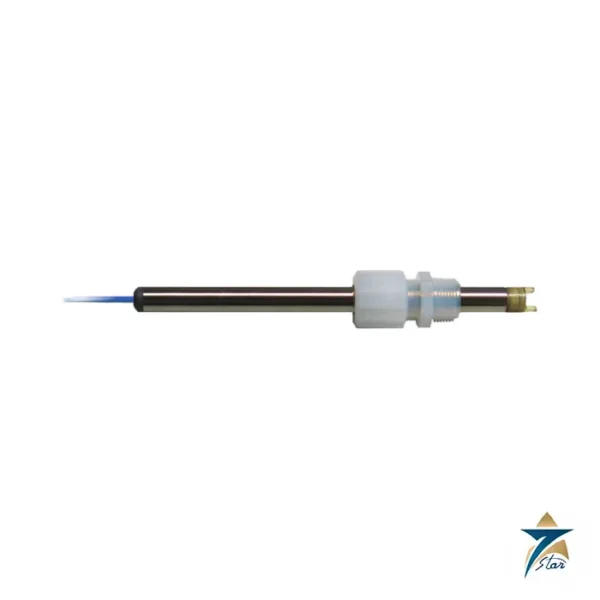
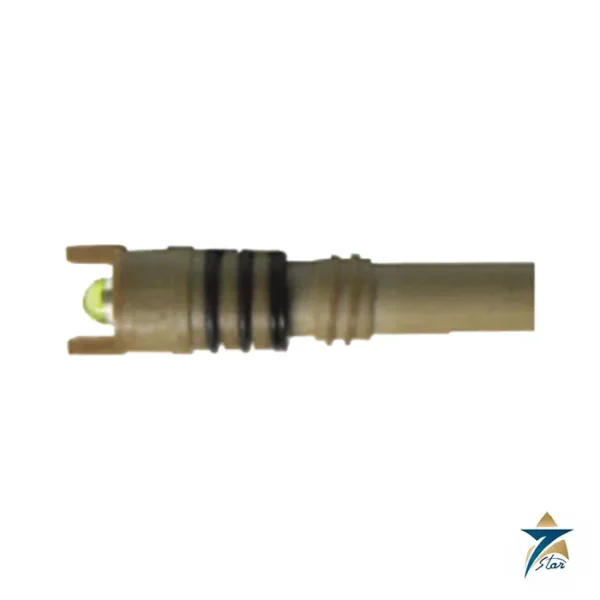
The TB404’s fully PEEK-encapsulated wetted area contains no exposed metal in the process path, giving it exceptional chemical resistance across strong acids, caustics, and corrosive process streams. Seven Star LLC supplies the TB404 to chemical processing, mining, and heavy industrial facilities across Oman and the GCC.
Operating Principle
The TB404 uses two toroidal coils sealed inside a PEEK-encapsulated probe body. A drive coil induces an AC current loop in the surrounding process fluid, and a second, receive coil measures the strength of that induced current, which is proportional to the fluid’s conductivity. Because no metal electrode ever contacts the process fluid, the TB404 avoids the fouling, coating, and polarization effects that degrade contacting-electrode sensors in dirty, high-conductivity, or chemically aggressive streams.
Engineering Design of the ABB TB404
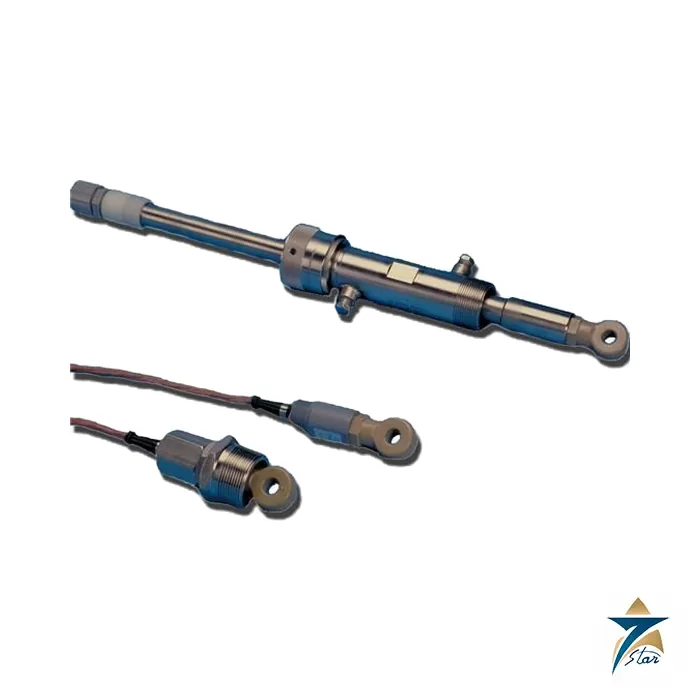
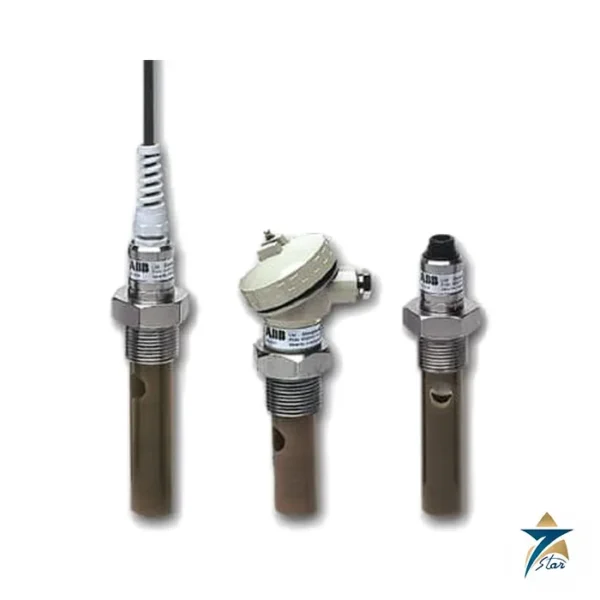
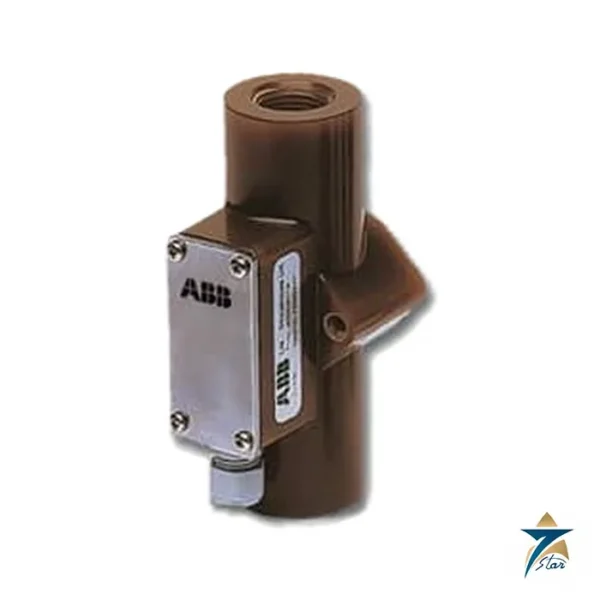
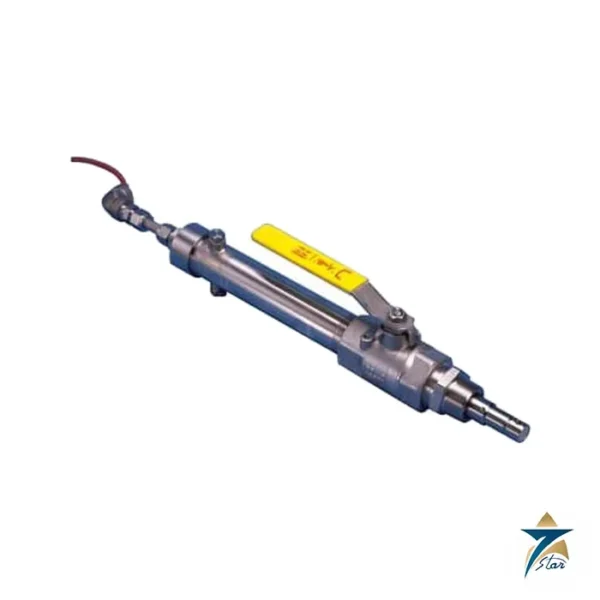
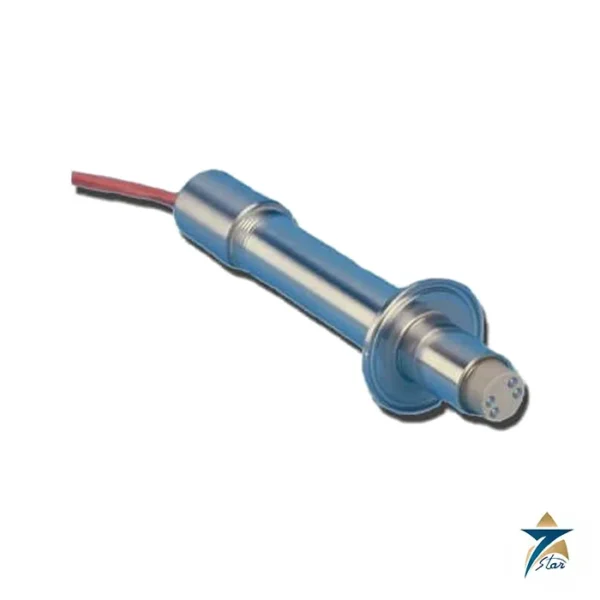
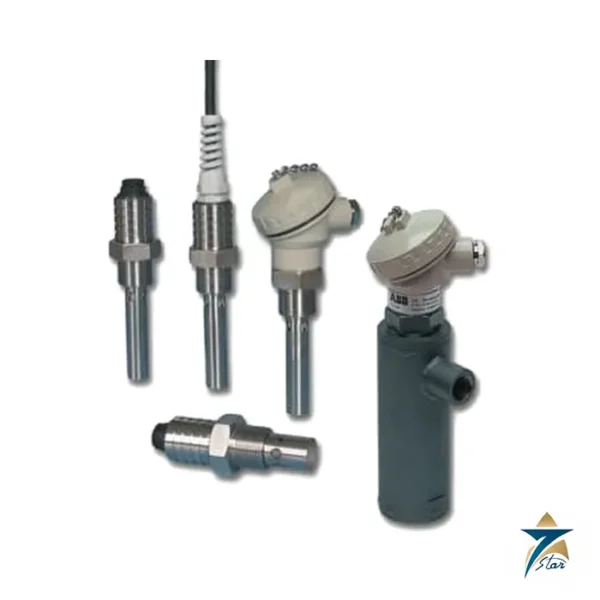
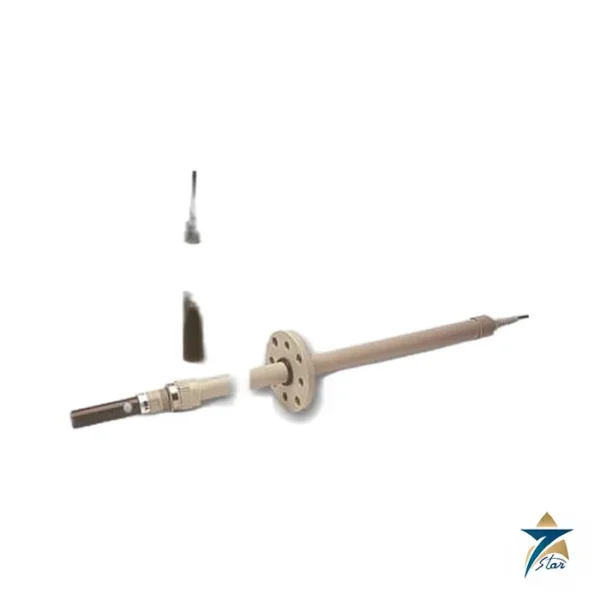
The TB404’s wetted area is fully encapsulated in PEEK, a high-performance thermoplastic with excellent chemical and thermal resistance, eliminating any exposed metal in the process path. The sensor covers a measurement range from 0–400 µS/cm up to 0–2000 mS/cm depending on the paired instrument, spanning from low-conductivity rinse water to concentrated caustic or acid solutions. It is offered with multiple process-adapter options — 316 stainless steel, Kynar, titanium, and CPVC — each carrying its own temperature and pressure rating, from a 65°C/689 kPa CPVC in-line adapter up to a 200°C/2070 kPa 316 stainless steel or titanium in-line adapter, with a ¾-inch NPT submersion-rod option also available.
Key Features
- Toroidal (electrodeless) conductivity measurement technology
- Fully PEEK-encapsulated wetted area, no exposed metal in the process path
- Immune to fouling, scaling, coating, and electrode polarization
- Measurement range 0–400 µS/cm to 0–2000 mS/cm depending on instrument
- Adapter options: 316 stainless steel, Kynar, titanium, CPVC
- Up to 200°C / 2070 kPa rating with stainless steel or titanium adapter
- 1½-inch NPT in-line/ball-valve mounting or ¾-inch NPT submersion rod
- Compatible with ABB AquaMaster/AX400-series conductivity transmitters
- Suited to dirty, high-conductivity, or chemically aggressive process streams
Industrial Applications
The TB404 is specified for chemical processing and heavy industrial plants across Muscat, Sohar, and Salalah, where process streams are too dirty, viscous, or chemically aggressive for a contacting-electrode sensor to remain accurate between cleanings. Its fouling resistance makes it well suited to concentrated acid or caustic monitoring, pulp and paper liquors, and mining slurry streams.
Across the GCC’s petrochemical and industrial water treatment sectors, the TB404 is also used for high-conductivity brine and reverse-osmosis reject monitoring, where contacting-electrode sensors suffer from polarization error, and for general process streams where minimizing maintenance downtime from electrode fouling is a priority.
Technical Specifications
| Parameter |
Specification |
| Measurement Technology |
Toroidal (electrodeless) conductivity |
| Wetted Material |
Fully PEEK-encapsulated |
| Measurement Range |
0–400 µS/cm to 0–2000 mS/cm (instrument-dependent) |
| Adapter Options |
316 stainless steel, Kynar, titanium, CPVC |
| Maximum Rating (SS/Titanium in-line) |
200°C / 2070 kPa |
| Maximum Rating (CPVC in-line) |
65°C / 689 kPa |
| Process Connection |
1½-inch NPT in-line/ball-valve or ¾-inch NPT submersion rod |
| Output |
Compatible with ABB AquaMaster/AX400-series transmitters |
Selecting the Right TB404 Configuration
Selection starts with the process conditions. The adapter material must suit both the chemistry and the maximum temperature and pressure of the line, so compare the ratings of the stainless steel, titanium, Kynar and CPVC options against your worst-case conditions rather than normal operation. Also decide whether the sensor will be mounted in-line, through a ball valve for removal under process conditions, or on a submersion rod in an open tank. Finally, confirm the transmitter it will be connected to, as the measuring range depends on the paired instrument.
Installation Guidelines
A toroidal sensor measures the fluid volume around and through its bore, so installation affects the reading. Keep the sensor fully immersed and leave enough clearance from pipe walls, or apply the installation factor recommended by ABB when clearance is limited. Mount it so that air bubbles and solids do not collect in the bore, typically in a side position on a horizontal line or in a vertical line with upward flow. Keep the sensor cable separate from power cables.
Commissioning and Calibration
After installation, enter the cell constant and temperature compensation settings in the transmitter, then verify the reading against a calibrated reference or a known solution. For concentration measurement, the temperature compensation must match the chemical being measured, as acids and caustics behave very differently from natural water.
Maintenance
Although the ABB TB404 sensor is much more resistant to fouling than electrode types, heavy deposits in the bore still change the reading over time. Inspect and clean the sensor at planned intervals, check the cable and connector for damage, and repeat the verification after cleaning.
Applications in Oman and the GCC
Typical regional uses include desalination brine and reject streams, chemical dosing, caustic and acid concentration in industrial plants, and cooling water blowdown control.
Sourcing from Seven Star LLC
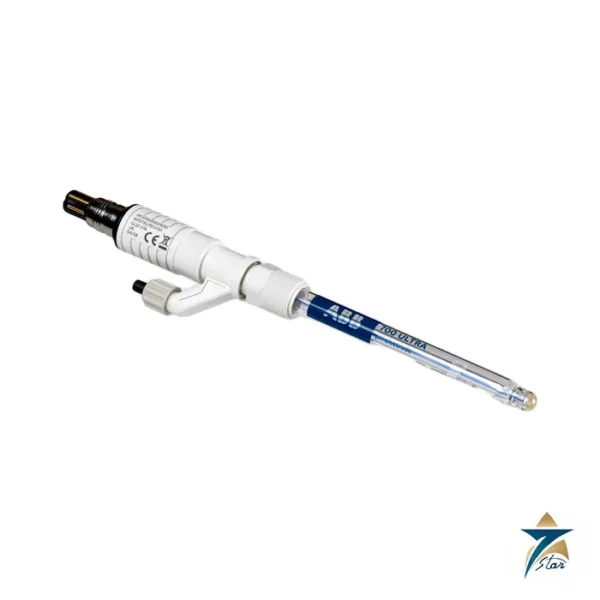
Seven Star LLC supplies ABB analytical sensors and can help match the adapter, cable length and transmitter to your process.
Request a Quote for ABB Toroidal, electrodeless sensor TB404
Contact Seven Star LLC to request a quotation for the ABB TB404 toroidal conductivity sensor and to select the correct adapter material and connection for your process. Our engineering team, serving Oman and the GCC, can advise on the right adapter and range configuration for dirty, high-conductivity, or chemically aggressive applications.
Browse the full ABB range or see more Liquid Analysis Sensors products supplied by Seven Star LLC in Oman and the GCC.










Reviews
There are no reviews yet.