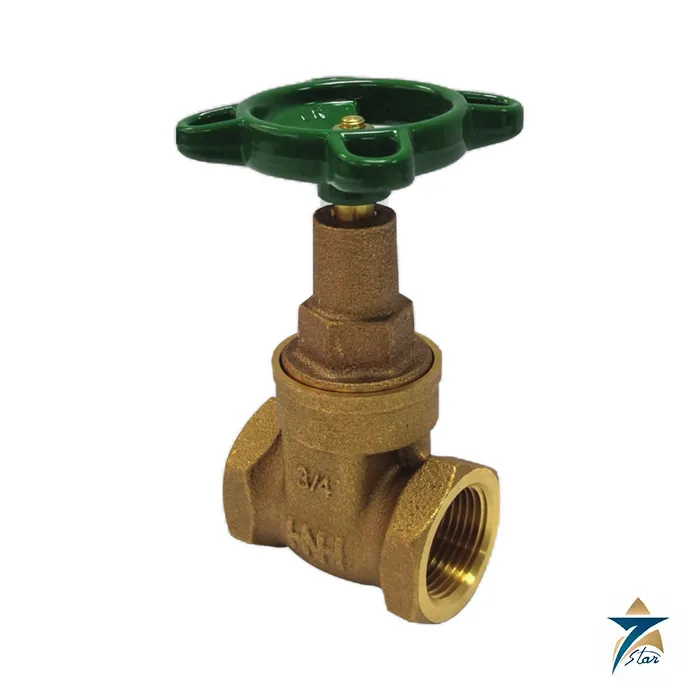
Bronze gate valve with a non-rising stem and double O-ring sealing
The Hattersley Fig. C31 is a PN16 Series B bronze gate valve of the inside screw, non-rising stem pattern. The data sheet lists a robust bronze body with integral seating surfaces, a one-piece wedge, a threaded bonnet and a double O-ring seal described as guaranteeing zero leakage. Each valve is individually hydrostatically or air tested to BS EN 12266 at the test pressures printed on the sheet.
Because the stem does not rise, the C31 suits places with limited headroom and positions where a rising stem would be struck. It is offered in six sizes from 1/2 to 2 inch.
Features from the data sheet
- Robust bronze body with integral seating surfaces
- Inside screw pattern, non-rising stem
- Double O-ring sealing (EPDM)
- DZR brass stem and retaining screw (BS EN 12164 CW602N)
- Threaded bonnet and one-piece wedge
- Individually tested to BS EN 12266
Technical specification
| Parameter |
Specification |
| Valve type |
Gate valve, inside screw, non-rising stem |
| Pressure class |
PN16 Series B |
| Pressure / temperature |
16 bar from -10 to 100 C; 13.5 bar at 120 C |
| Test pressure, shell (hydraulic) |
20 bar |
| Test pressure, seat |
6 bar |
| Test standard |
BS EN 12266 |
| Body, bonnet, wedge |
Bronze, BS EN 1982 CC491K |
| Stem and retaining screw |
DZR brass, BS EN 12164 CW602N |
| O-ring |
EPDM |
| Handwheel |
Aluminium alloy |
Dimensions and weights
| Size (in) |
1/2 |
3/4 |
1 |
1 1/4 |
1 1/2 |
2 |
| A mm |
49.5 |
53.5 |
61.7 |
64.1 |
70.4 |
75.2 |
| B mm |
79.3 |
90.7 |
108.9 |
116.2 |
130.7 |
149.8 |
| C mm |
56.8 |
69.2 |
75.5 |
81.3 |
93.9 |
100.3 |
| Weight kg |
0.29 |
0.42 |
0.60 |
0.82 |
1.08 |
1.53 |
Derived value: the 2 inch valve weighs about 5.3 times the 1/2 inch valve (1.53 kg versus 0.29 kg), which is relevant when selecting hangers for long runs of bronze valves.
Selection and ordering guide
Choose the C31 where a screwed bronze isolating valve is needed in domestic hot and cold water, heating and chilled water circuits up to 16 bar. For 32 bar duty, use a PN32 range figure such as Fig. 33 or 609 listed in the Hattersley gate valve range; for flanged cast iron use Fig. M511 (PN10). The sheet does not print an end-connection standard in text, so confirm the thread form for the intended pipework when ordering.
Operation and installation
A gate valve is meant to be fully open or fully closed and should not be used for throttling, which is general practice and not a statement from the sheet. The non-rising stem means the handwheel stays at a constant height, so there is no visual position indication; count turns during commissioning. The sheet shows temperature derating from 16 bar at 100 C to 13.5 bar at 120 C.
Applications
Gate valves of this kind isolate branches, equipment and risers in building services. In Gulf projects, bronze gate valves are common on fan-coil and AHU connections and on small plant isolations, where zero-leakage O-ring sealing helps keep cooling water systems tight over years of service.
Gate, globe or ball: choosing between Hattersley bronze valve types
Hattersley prints three typical small-bore bronze isolation and control options. The comparison below uses their data sheets and our own reading of them.
| Figure |
Type |
Rating printed |
Stem / operation |
| C31 |
Gate, inside screw |
16 bar to 100 C |
Non-rising stem, handwheel |
| 13 |
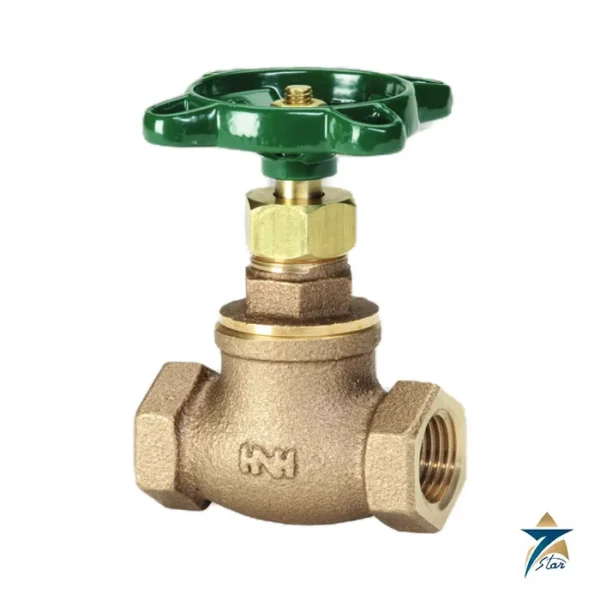
Globe |
32 bar to 100 C |
Rising stem, handwheel |
| 116 |
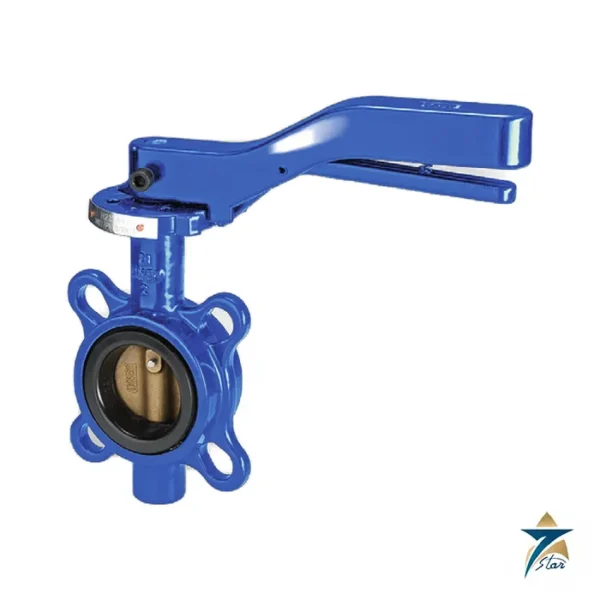
Ball, full bore |
25 bar to 100 C |
Quarter-turn lever |
The C31 is the lowest-pressure of the three but offers a compact non-rising stem and double O-ring sealing. If your duty exceeds 16 bar, or the valve is to be operated frequently, the ball valve is the better fit; if throttling is needed, use the globe.
A note on materials: the sheet specifies DZR brass for the stem and retaining screw. DZR stands for dezincification resistant, a general term for brass compositions designed to resist selective corrosion in aggressive water; the data sheet itself prints only the grade BS EN 12164 CW602N, so confirm suitability against your own water analysis. The wedge and body are bronze to BS EN 1982 CC491K, and the sealing elements are EPDM, which sets a practical limit on oils and solvents in the line.
Specification checklist before ordering
Confirm the size from 1/2 to 2 inch, the pressure class PN16 Series B, the working pressure of 16 bar at -10 to 100 C and 13.5 bar at 120 C, and the medium. A gate valve is intended to be fully open or fully closed, so it is not the right choice where throttling is wanted; a globe valve such as the Fig. 13 is the usual alternative. The sheet states each valve is tested to BS EN 12266 with a 20 bar hydraulic shell test.
Handling and storage
Store the valves closed or slightly open, dry and with threads protected. Because the stem does not rise, the handwheel position gives no visual indication of the valve position, so mark open and closed on site instructions where needed.
Information needed for a quotation
Send the figure number, size, quantity, delivery location in Oman or the GCC and the working pressure, temperature and medium.
Documents and supply information
The manufacturer data sheet is attached to this page and should be read together with any project specification before a purchase is confirmed. Material grades, test pressures and dimensions are quoted exactly as printed on that sheet. Lead time, stock position and certificates available with the shipment are confirmed in the quotation, and we supply to Oman and the wider GCC region for industrial, utility and building services projects.
Related products
See Fig. M511 flanged cast iron gate valve, Fig. 116 ball valve, Fig. 13 globe valve and the Globe Valves category.
Frequently asked questions
What is the pressure and temperature rating?
16 bar from -10 to 100 C and 13.5 bar at 120 C.
Does the stem rise?
No. It is an inside screw, non-rising stem pattern.
How is it sealed?
With a double O-ring seal, EPDM.
What are the shell and seat test pressures?
Shell 20 bar and seat 6 bar, tested to BS EN 12266.
What sizes are listed?
1/2, 3/4, 1, 1 1/4, 1 1/2 and 2 inch.
Documents and quotation
The official data sheet is hosted here and is the source for all figures. Seven Star LLC is an independent supplier in Muscat; ask for a quotation with the size you need.

















Reviews
There are no reviews yet.