RU100U-M18MS-UP8X2-H1151 at a glance
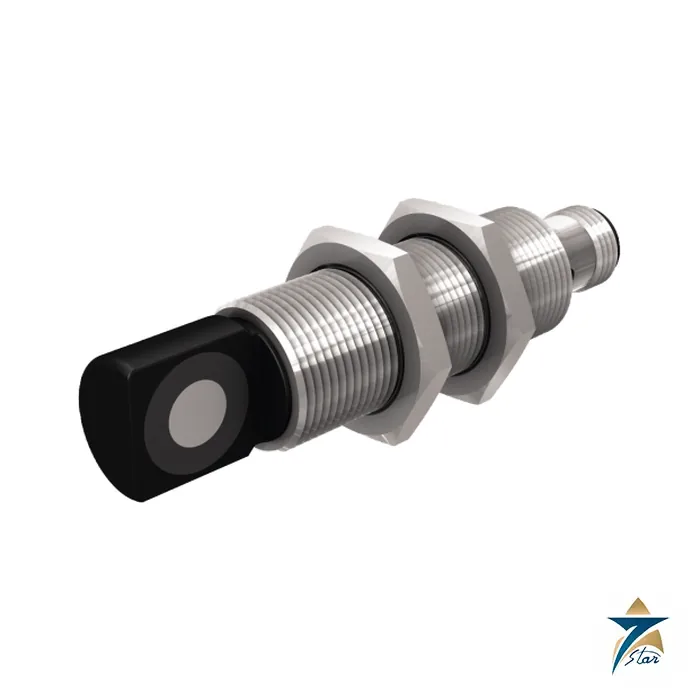
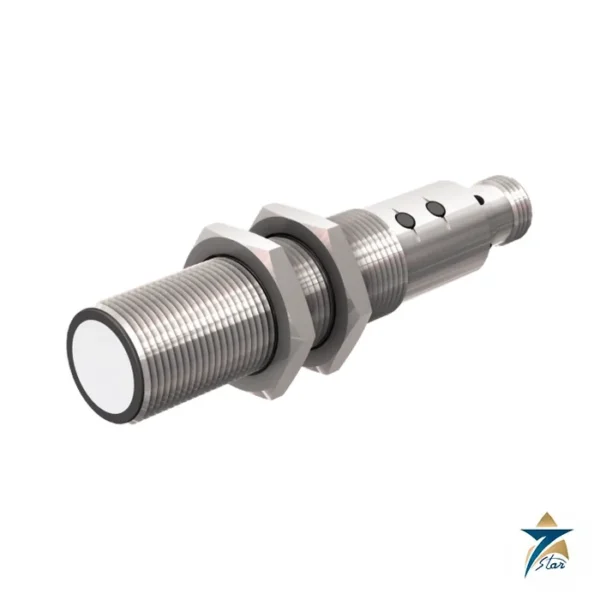
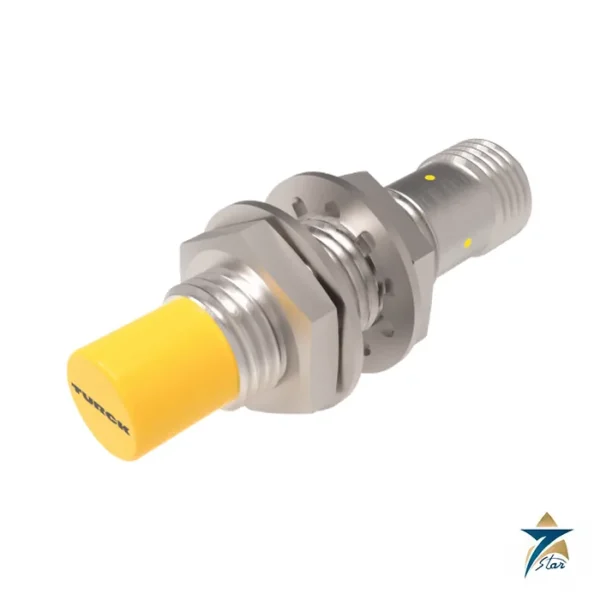
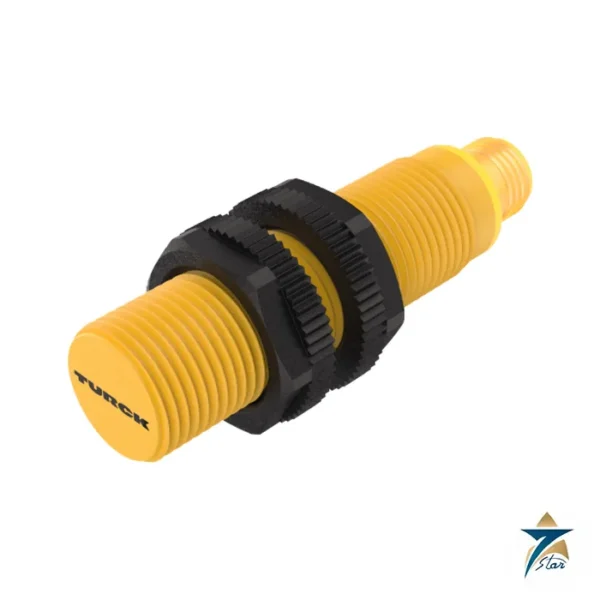
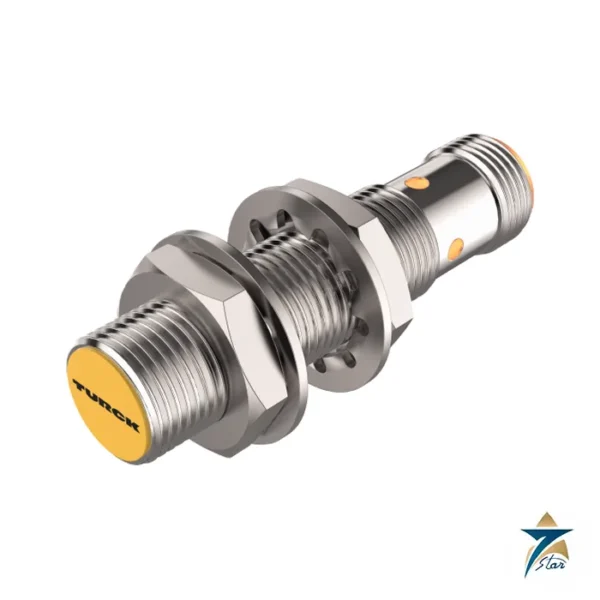
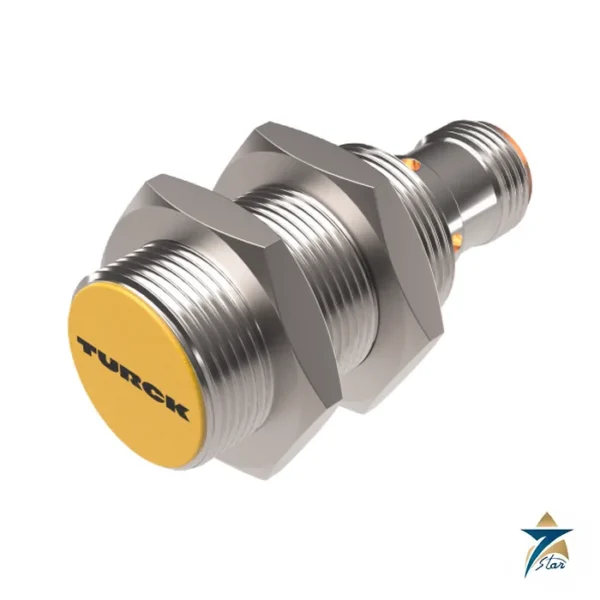
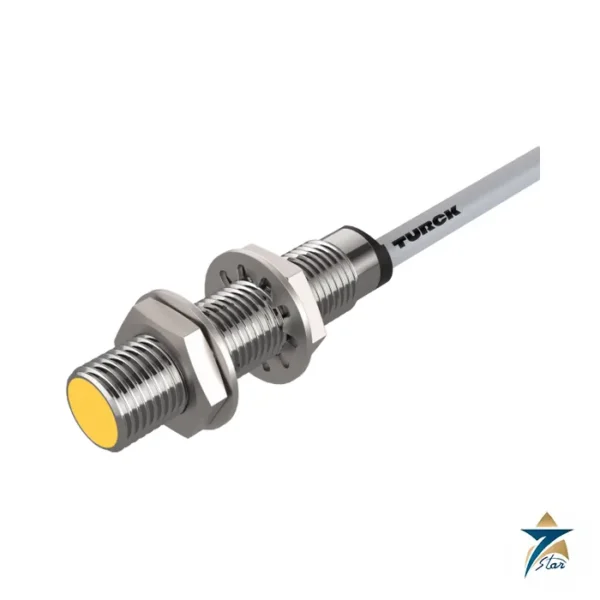
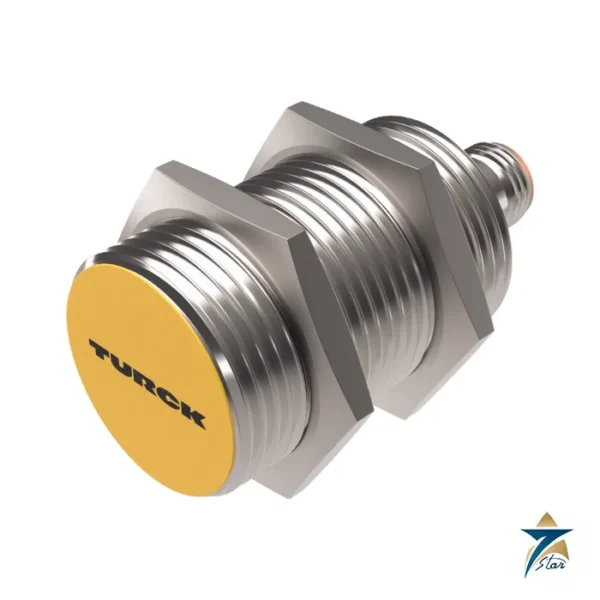
RU100U-M18MS-UP8X2-H1151 is an M18 ultrasonic diffuse-mode sensor with a rectangular, side-radiating transducer front, a 150 to 1000 mm range and one PNP switching output.
The datasheet summarises the design with these points: Blind zone: 15 cm; Range: 100 cm; Resolution: 1 mm; Connection via M12 x 1 male; Cylindrical housing M18, potted; Temperature compensation; Aperture angle of sonic cone: ±16 °; Rectangular transducer front; Teachable settings.
Technical specifications
| Parameter |
Specification |
| Type |
RU100U-M18MS-UP8X2-H1151 |
| Ident number |
1610011 |
| Function |
Proximity |
| Range |
150…1000 mm |
| Resolution |
1 mm |
| Minimum switching range |
10 mm |
| Ultrasound frequency |
200 kHz |
| Repeat accuracy |
≤ 0.15 % of full scale |
| Temperature drift |
± 1.5 % of full scale |
| Linearity error |
≤ ± 0.5 % |
| Edge lengths of the nominal actuator |
100 mm |
| Approach speed |
≤ 8 m/s |
| Pass speed |
≤ 2 m/s |
| Operating voltage UB |
15…30 VDC |
| Residual ripple |
10 % Uss |
| DC rated operating current Ie |
≤ 150 mA |
| No-load current |
≤ 50 mA |
| Load resistance |
≤ 1000 Ω |
| Residual current |
≤ 0.1 mA |
| Response time typical |
< 90 ms |
| Readiness delay |
≤ 300 ms |
| Output function |
NO/NC, PNP |
| Output 1 |
Switching output |
| Switching frequency |
≤ 6.9 Hz |
| Hysteresis |
≤ 10 mm |
| Voltage drop at Ie |
≤ 2.5 V |
| Short-circuit protection |
yes/Cyclic |
| Reverse polarity protection |
yes |
| Wire breakage protection |
yes |
| Setting option |
Remote Teach |
| Design |
Threaded barrel, M18 |
| Radiation direction |
side |
| Housing material |
Metal, CuZn, Nickel Plated |
| Max. tightening torque of housing nut |
20 Nm |
| Transducer material |
Plastic, Epoxyd resin and PU foam |
| Electrical connection |
Connector, M12 × 1, 5-wire |
Applications and selection notes
The sound leaves from the side of the housing, which is the key difference from the straight-radiating M18 types. It lets you mount the sensor along a wall, frame or guard rail and look sideways across the process, saving the space that an axial sensor needs behind it. Use it for detecting material height or presence on narrow conveyors and in confined machine bays. Settings follow the Turck remote-teach method, and the output is NO/NC programmable.
Installation hint: aim the sensing face squarely at the target, keep the blind zone clear of obstructions, and avoid mounting next to strong air currents, steam or dust clouds that attenuate sound. Soft or sloping surfaces reflect less energy, so test with the actual material before finalising the position.
Ordering code and what to confirm
The type code starts with RU and the nominal range figure used in the datasheet features, followed by the housing size and the output elements; the letter that follows the range differs between proximity, retroreflective and diffuse variants of the same family, so always order by the full code. Ident number 1610011 identifies this exact version, which the datasheet lists with function Proximity and output NO/NC, PNP.
A short checklist before you order: the required sensing range and blind zone against your target and tank geometry, switching or IO-Link), the output type (analog, the process or ambient temperature, the supply voltage, and the connector and cable. Specifications here are restated from the official datasheet and should be matched against the current maker revision.
Why a side-radiating ultrasonic sensor
Ultrasonic sensors detect targets by sound rather than light, so the colour, transparency and surface finish of the object have little influence on detection. That makes the RU100U-M18MS-UP8X2-H1151 a good candidate for transparent bottles and film, dark or glossy parts, and liquids or bulk material where optical sensors struggle. The side-radiating design adds a mechanical advantage: the sensor body can run parallel to the machine frame, which helps in narrow installations where an axial sensor would protrude into a walkway or collide with moving parts.
Setting the switching point with remote teach
This version is configured through the Turck remote-teach method rather than by an adjustment on the housing. In practice the switching point is taught with the real target in position, so the result reflects the actual mounting and object. Plan how the teach input will be accessed during commissioning, document the taught switching point and the selected NO or NC function, and repeat the procedure after any change in mounting position or target. Keep in mind that the switching frequency of an ultrasonic sensor is low compared with optical sensors, so it suits level and presence tasks better than counting fast-moving parts.
Mounting and environmental considerations
Respect the housing nut tightening torque given in the table, as overtightening can damage the threaded barrel. Where several ultrasonic sensors operate close to each other, arrange them so that their sonic cones do not overlap, otherwise one sensor may receive the echo of another. Consider the effect of temperature on the speed of sound; the built-in temperature compensation reduces this influence, but strong temperature gradients between sensor and target can still affect readings. Keep the transducer face clean and avoid covering it with paint or coatings.
Typical applications on machines and conveyors
Common tasks for this sensor include checking the presence of products on a narrow conveyor, monitoring the height of material in small hoppers or bins, detecting loops in web material, and confirming that a part is in position before a machine cycle starts. In each case the target should present a surface that reflects the sound back toward the sensor. Sloping, very soft or fibrous surfaces return less energy, so trials with the actual material are recommended. Note that this version provides a switching output, so it answers yes-or-no questions such as present or absent, full or not full; where the control system needs a continuous distance value, discuss the requirement with us before ordering.
How to specify this sensor in an RFQ
Send the full type code RU100U-M18MS-UP8X2-H1151 and ident number 1610011, with the quantity. When replacing an installed sensor, include a nameplate photo and a short description of the target and mounting so the side-radiating version and PNP output can be confirmed for your application.
Documents and quotation
Download the Turck datasheet for RU100U-M18MS-UP8X2-H1151 and compare it with your drawing or loop data. Pricing and lead time are not shown on the page; Seven Star LLC, an independent supplier based in Muscat, quotes them on request. Quote the full type code RU100U-M18MS-UP8X2-H1151 so the correct variant is offered. More related items are listed under Sensors & Transmitters.






Reviews
There are no reviews yet.