W250-2 long-range reflex sensor, up to 13 m
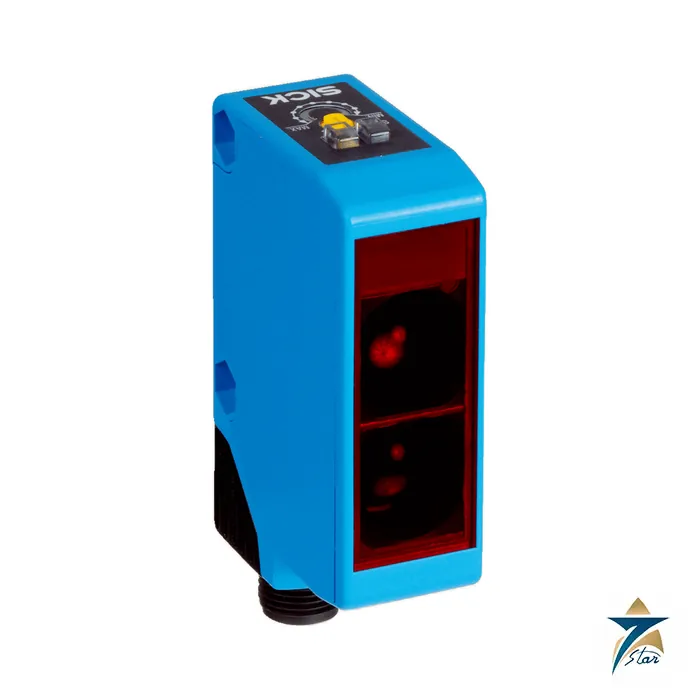
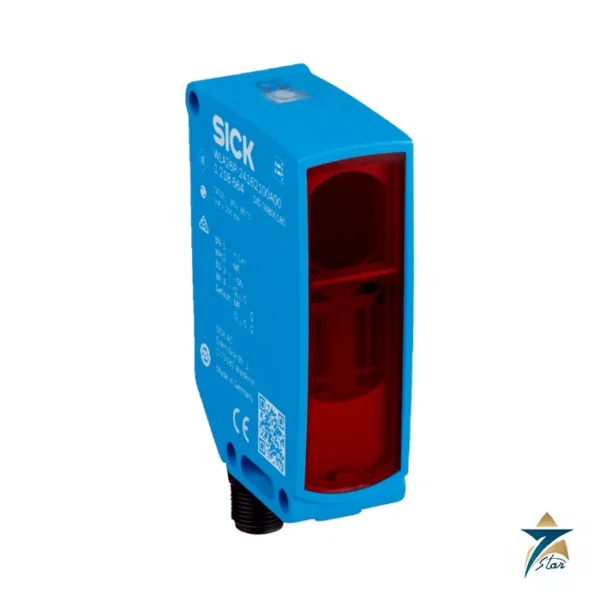
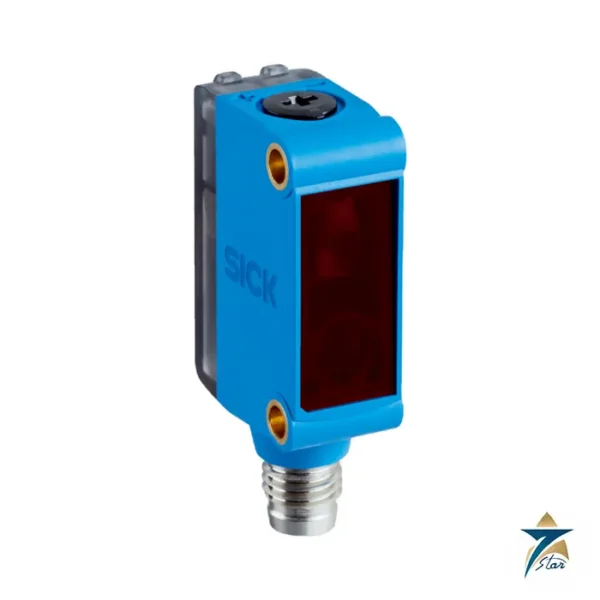
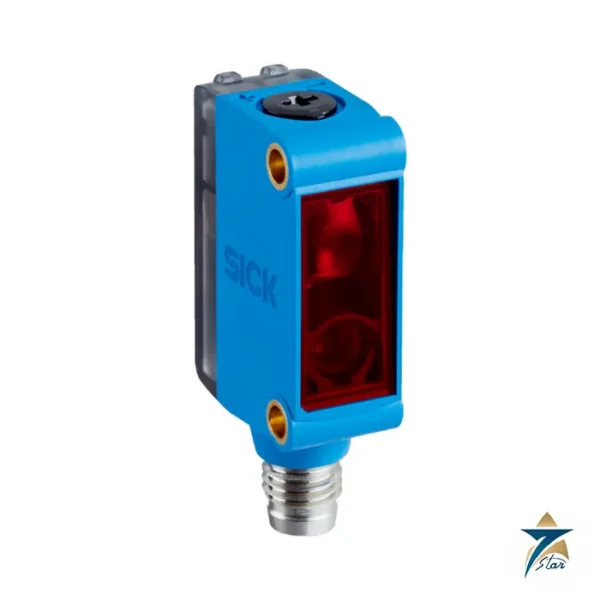
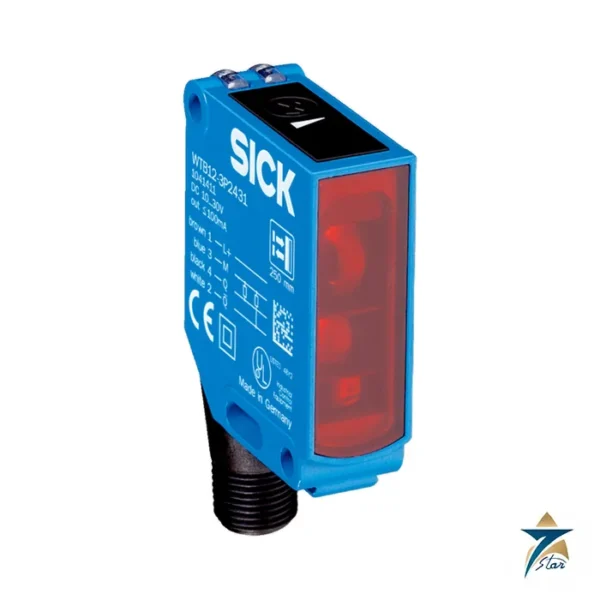
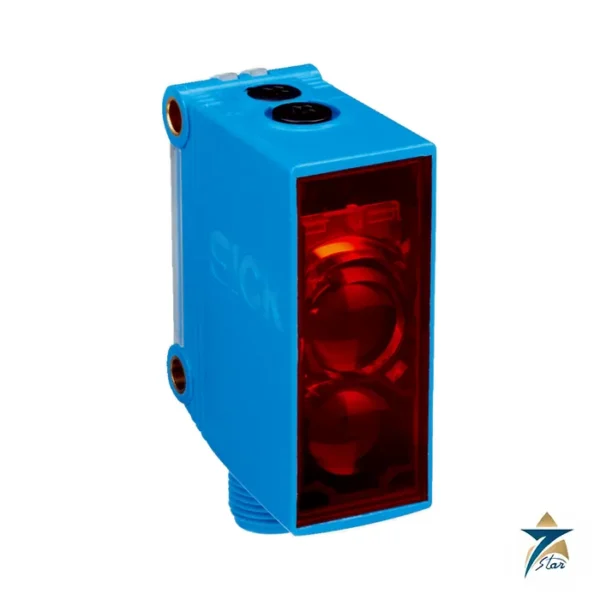
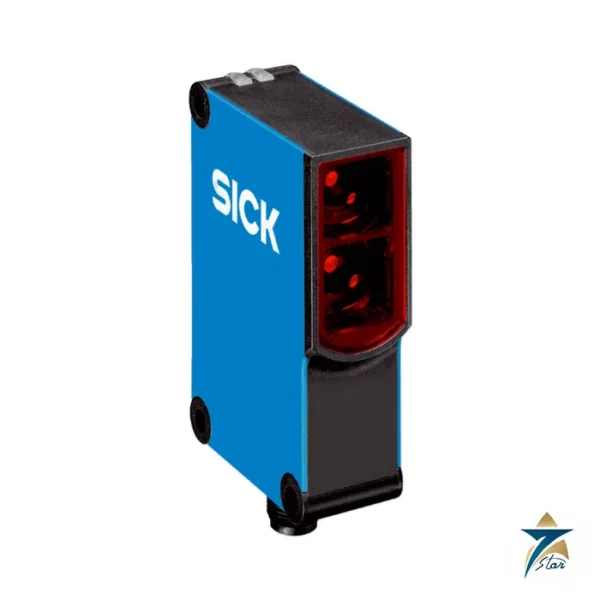
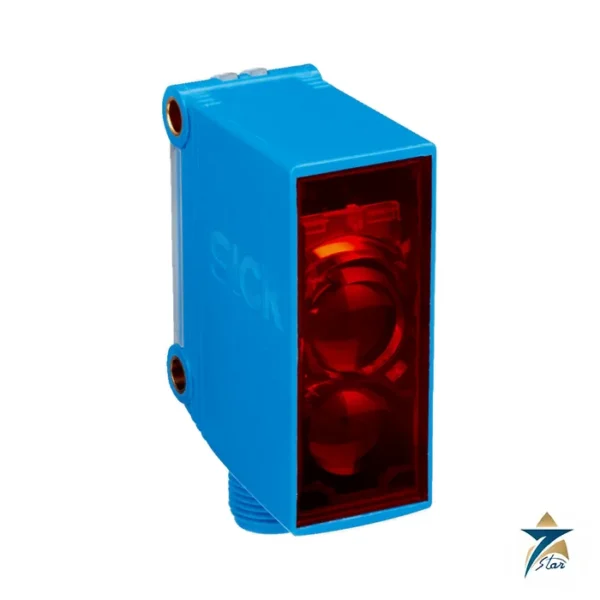
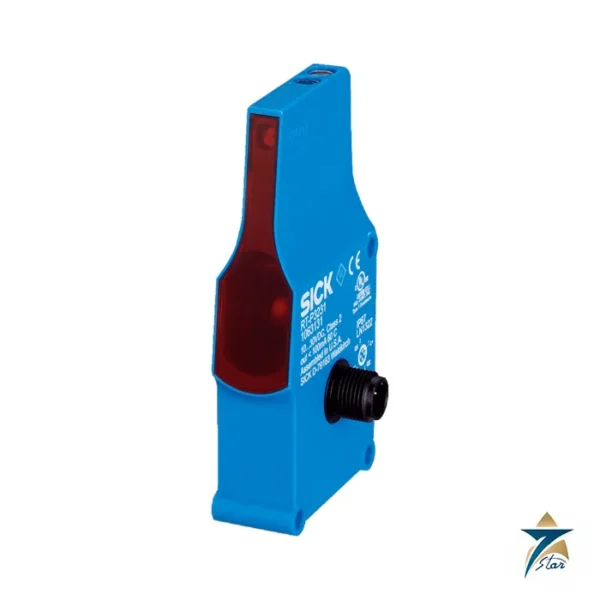
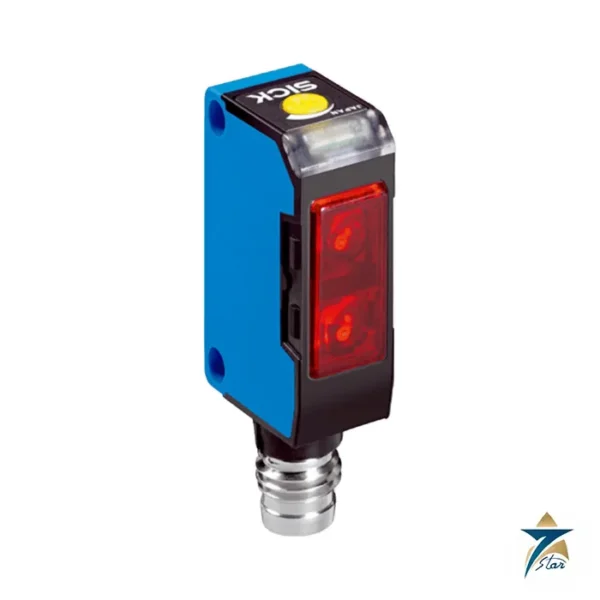
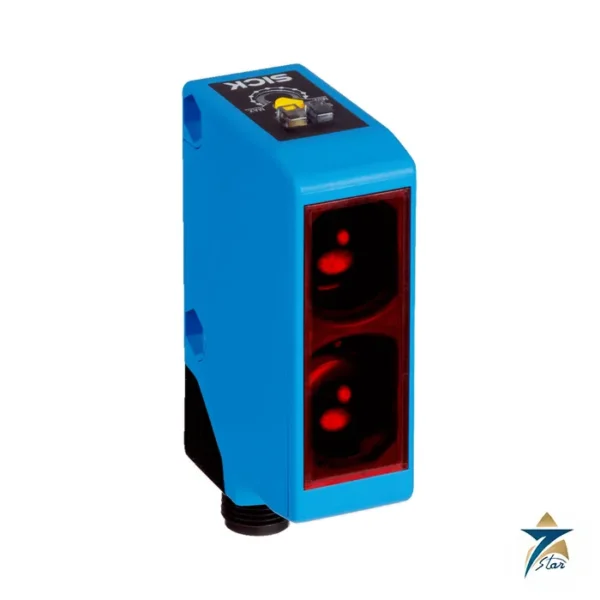
The SICK WL250-2P2431 (part no. 6044699) is a W250-2 retro-reflective sensor with dual-lens optics and a polarising filter, built for long beams. With the PL80A reference reflector it reads 0.01 m to 13 m (maximum 15 m); with the supplied P250 reflector the figures are 0.01 m to 11 m (maximum 12 m). The 20 mm by 65 mm by 43.9 mm plastic housing has an M12 4-pin connector and a two-turn potentiometer with position indicator.
Delivery includes a P250 reflector and the BEF-W250 bracket.
Technical specifications
| Parameter |
Specification |
| Manufacturer |
SICK |
| Type / family |
WL250-2P2431 / W250-2 |
| Part no. |
6044699 |
| Functional principle |
Photoelectric retro-reflective sensor, dual-lens system |
| Sensing range with PL80A |
0.01 m … 13 m typical; max. 0.01 m … 15 m |
| Sensing range with P250 |
0.01 m … 11 m typical; max. 0.01 m … 12 m |
| Polarising filter |
Yes |
| Light source / type |
LED, visible red light; focus approx. 2 degrees |
| Light spot size |
260 mm diameter at 8 m |
| Adjustment |
Potentiometer, 2 turns, with position indicator |
| Items supplied |
Reflector P250; bracket BEF-W250 |
| Supply voltage UB |
10 V DC … 30 V DC |
| Ripple |
below 5 Vpp |
| Current consumption |
20 mA |
| Output |
PNP, light/dark switching via L/D control cable |
| Output current Imax. |
100 mA |
| Response time / switching frequency |
0.5 ms max. / 1,000 Hz |
| Protection class |
III |
| Dimensions (W x H x D) |
20 mm x 65 mm x 43.9 mm |
| Housing / optics |
Plastic ABS / plastic PMMA |
| Connection |
Male connector M12, 4-pin |
| Weight |
40 g |
| Enclosure rating |
IP67 |
| EMC |
EN 60947-5-2 |
| Ambient temperature |
-25 °C … +55 °C operation; -40 °C … +70 °C storage |
| MTTFD |
1,832 years (DCavg 0 %) |
| UL file no. |
NRKH2.E300503 and NRKH8.E300503 |
Range with each reflector
The data sheet gives two sets of ranges. Fit the large PL80A and the beam works to 13 m in normal conditions; use the P250 delivered in the box and the range is 11 m. In dusty or humid locations plan for the shorter figure and keep the reflector clean to preserve the function reserve.
The 0.5 ms response and 1,000 Hz switching frequency suit conveyors, gates and stacker zones. The position indicator on the potentiometer shows sensitivity without a screwdriver view. For other W250-2 versions, see the family page on sick.com.
Ordering reference
Quote WL250-2P2431 and part no. 6044699. The proximity sibling WTB250-2P2441 (6044682) is a separate article with background suppression, no reflector and a shorter 500 mm range.
Selection checks for a 13 m reflex beam
A retro-reflective sensor detects an object when it interrupts the beam between the sensor and the reflector, so first confirm that every object to be detected is large enough to block the beam spot at the distance where it passes. Small or narrow parts close to the reflector may not interrupt enough light. The polarising filter helps the WL250-2P2431 ignore many shiny surfaces, but highly reflective objects wrapped in stretch film or with mirror-like faces should still be tested on site before the design is fixed. Check that the PNP output suits the PLC input type, that the supply sits inside the voltage range listed, and that the load connected to the output stays within the stated output current. Decide in advance whether the PLC logic expects light switching or dark switching, so the L/D wiring is planned correctly.
Mounting and alignment
Mount the sensor on the supplied BEF-W250 bracket on a rigid structure, because vibration from conveyors or doors can move a long-range beam off the reflector. Fix the reflector square to the beam and at the same height, then switch on and align the sensor until the output is stable, adjusting slowly in both horizontal and vertical directions. Use the potentiometer to set the sensitivity once alignment is complete, and note its position using the indicator so it can be restored after cleaning or replacement. Test detection with real products moving at normal speed, including the smallest and the most reflective items on the line.
Routine maintenance
Most problems with reflex sensors come from dirt, misalignment or a damaged reflector rather than electronic faults. Include the sensor front and the reflector in routine cleaning, using a soft cloth and mild cleaner suitable for plastic optics rather than solvents or abrasive pads. Check that the M12 cordset is screwed fully home and that cables are secured so they cannot be pulled by moving equipment. After any collision or bracket work, recheck alignment and the switching behaviour before handing the machine back to production.
Dust, heat and humidity in Oman
Logistics hubs, cement plants and outdoor gates in Oman expose optical sensors to fine dust, strong sunlight and high summer temperatures. Dust on the reflector or front optics reduces the function reserve, which is why planning around the shorter 11 m figure with the supplied P250 reflector is sensible for dusty sites. Avoid aiming the sensor toward direct sunlight or strong reflections from metal cladding, and shade the unit where possible so the housing stays within the operating temperature range. In humid coastal facilities, condensation can form on optics when cool air-conditioned areas open to the outside; allow for that in the cleaning plan and keep the connector sealed to maintain the IP67 rating.
Documents and quotation
The official SICK data sheet for WL250-2P2431 (part no. 6044699) is attached to this page, and the figures in the table above are taken from it. Seven Star LLC is an independent supplier in Muscat and quotes SICK items against a written request. In your enquiry, give the exact type code, part number, quantity and delivery location, and say whether you need accessories such as a reflector, bracket or mating cordset. Data sheets carry a note that content is subject to change without notice, so confirm current details before ordering. More items are listed under sensors and transmitters, and you may also look at the SICK WTB4-3 miniature photoelectric sensor.
Before ordering, compare the type code and part number on your existing unit or drawing with the details on this page, and confirm supply voltage, output type, connector and mounting against the data sheet. Send the nameplate details with your enquiry and we will check them against the manufacturer data before quoting.



Reviews
There are no reviews yet.