Back pull-out chemical pump to ISO 2858 and ISO 5199
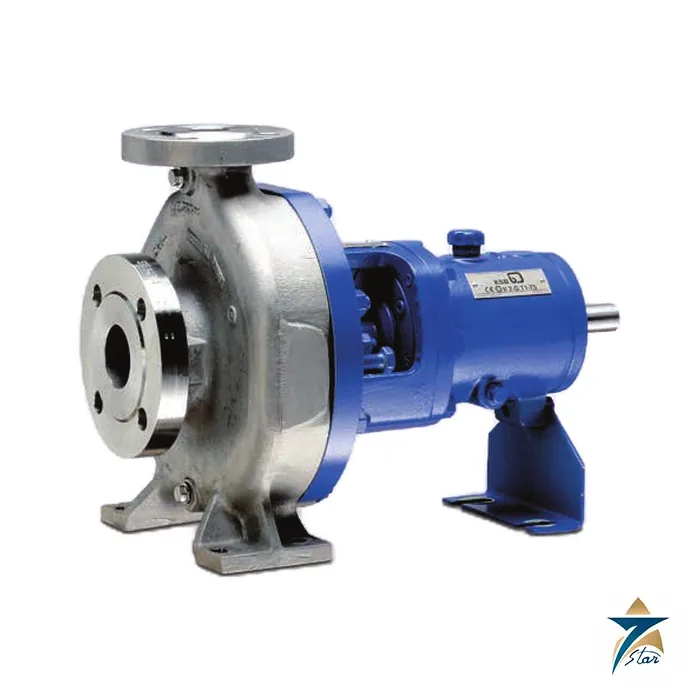
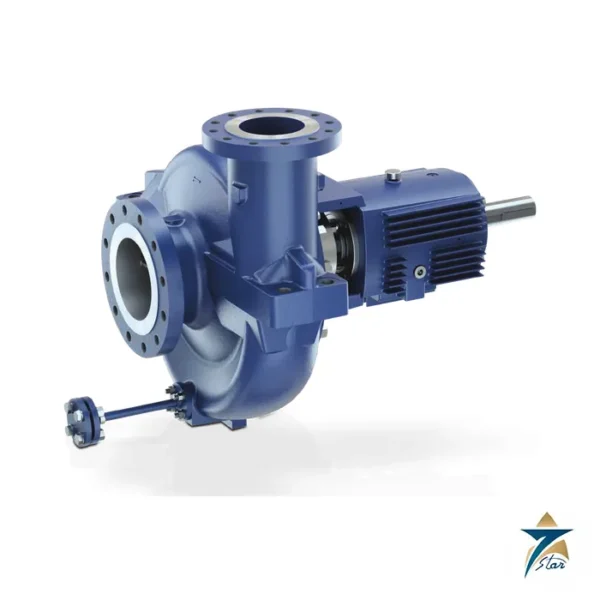
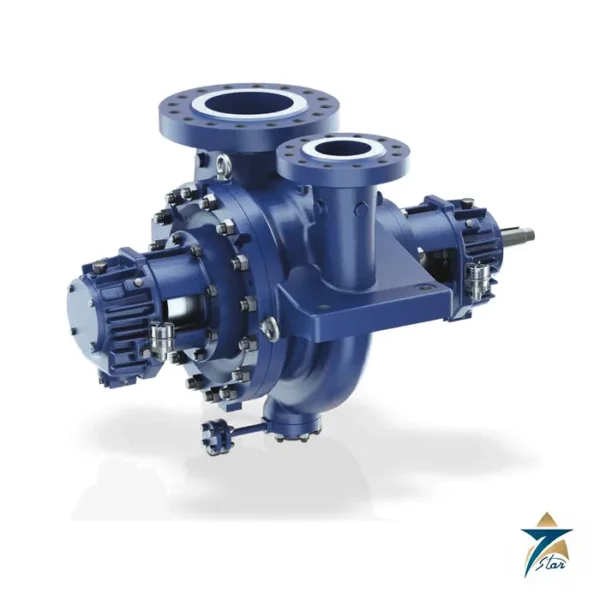
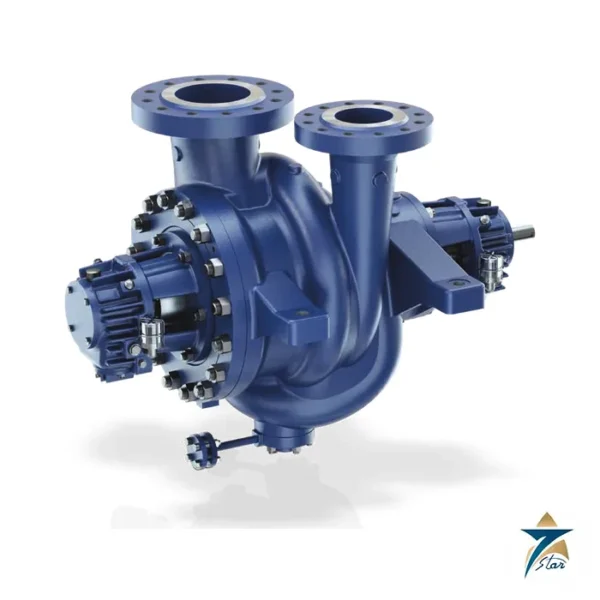
The KSB CPKN is a standardised chemical pump to EN 22858 / ISO 2858 / ISO 5199 for handling aggressive organic and inorganic fluids. A back pull-out design allows the rotor to be removed without disturbing the pipework, which is why this type is common in process plants. Dimensions and ratings follow ISO 2858 and ISO 5199, and complementary sizes extend to a nominal discharge nozzle diameter of DN 400.
Technical specifications
| Parameter |
Specification |
| Manufacturer |
KSB SE and Co. KGaA, Frankenthal, Germany |
| Type |
CPKN, standardised chemical process pump, back pull-out |
| Standards |
EN 22858 / ISO 2858 / ISO 5199 |
| Flow rate |
Up to 21130 gpm |
| Head |
Up to 902 ft |
| Operating pressure |
Up to 362 psi |
| Operating temperature |
-40 to 752 F |
| Speed |
60 Hz |
| Sizes |
10 to 16 in and 16 to 28 in (as printed in the leaflet) |
| Material variants |
Nodular cast iron JS1025, stainless steel 1.4408, duplex 1.4593, cast steel GP240GN+H |
| Special materials |
Large range on request, for example super duplex and titanium |
| Shaft seal |
Cartridge, gland packing or basic seals; single or double; with or without quench |
| Bearing sealing |
Lip seal, optionally labyrinth or deflectors |
Design and service features
A rigid shaft with low deflection extends the life of the mechanical seal, and robust bearings and shaft support reliable operation. The impeller is fastened with metal-to-metal contact for straightforward installation. Maintenance is easy because of the back pull-out design and small spare parts stocks. KSB lists applications that include the chemical and petrochemical industries, process engineering, sugar, biodiesel and bioethanol, seawater desalination, reverse osmosis, fire-fighting water, condensate, hot water, brine, oils, cleaning agents, the steel industry and heat transfer fluids.
Selecting a CPKN pump
Selection starts with the fluid: composition, concentration, temperature, solids content and vapour pressure decide the material variant and the seal arrangement. Then give flow, head, suction conditions and the driver. If hazardous fluids are pumped, state the seal plan and any emission requirement.
The back pull-out construction lets the complete rotor unit be exchanged during maintenance while the casing stays in the pipeline, which shortens downtime on process lines. Fluids that carry solids, crystallise or sit close to their vapour pressure need extra attention to the seal flush plan; the leaflet lists single and double seals with or without quench for that reason. Material variants run from nodular cast iron to duplex and cast steel, with super duplex and titanium on request.
How the KSB CPKN chemical pump works
A centrifugal pump uses a spinning impeller to give energy to the liquid, which leaves the impeller at higher speed and is slowed down in the casing to create pressure. The CPKN is a back pull-out design to ISO 2858 and ISO 5199. The casing and the suction and discharge pipes stay in place, and the bearing bracket with the impeller and shaft can be removed from the back. Maintenance on the seal or the bearings is therefore possible without breaking the pipework. The standard dimensions mean that pumps of the same size from different makers can fit the same baseplate.
Where the CPKN is used
- Chemical and petrochemical plants.
- Process engineering and heat transfer circuits.
- Seawater desalination and reverse osmosis.
- Fire-fighting water, condensate, hot water and brine.
- Sugar, biodiesel and bioethanol production.
- The steel industry and cleaning agent circuits.
Selection checklist for the CPKN
- The fluid, its concentration, temperature, solids and vapour pressure.
- Flow rate and head at the duty point.
- Material: nodular cast iron, stainless steel, duplex or cast steel, or special alloys on request.
- Shaft seal: cartridge, gland packing or basic seal, single or double, with or without quench.
- Bearing sealing: lip seal, labyrinth or deflector.
- Suction conditions and the NPSH available.
- Driver power and speed.
- Operating pressure and temperature limits.
- Hazardous area requirements and emission limits for the seal.
Installation, commissioning and maintenance notes
Fix the pump on a rigid baseplate and align the coupling carefully, because poor alignment shortens the life of the seal and bearings. Connect the pipework without strain on the pump nozzles, and fill the pump and the suction line before starting. Check the direction of rotation, and prime the seal system as the seal plan requires. In service, watch for vibration, noise and seal leakage, and keep the spare parts for the seal and bearings available.
Requesting a quotation for the KSB CPKN
Send the fluid data, the flow, the head and the material you prefer. Seven Star LLC serves industrial customers in Oman and the GCC and replies with a quotation based on the information provided.
Why the shaft stiffness matters
A rigid shaft with low deflection keeps the seal faces in better contact, so the seal lasts longer. This is why the maker stresses the shaft design for chemical duties.
Choosing the seal arrangement
A single seal suits many fluids. For toxic or dangerous liquids, a double seal with a barrier fluid is often used, and the choice follows the plant safety rules.
Records and spare parts
Keep the pump data sheet, the material certificates and the spare parts list with the plant records.
Planning a CPKN pump order with the right information
A useful enquiry lists the fluid and its concentration, the temperature range, the flow, the head and the suction pressure. It also states whether solids are present, which seal plan the plant uses, and whether hazardous area rules apply. With these details the supplier can propose the size, the material and the seal arrangement that suit the duty.
Interchangeability of standard pumps
Dimensions to ISO 2858 mean the nozzle sizes and the mounting are standard, which helps when a plant wants to replace a pump of another make on an existing baseplate.
Documents and quotation
The leaflet carries US units and a 60 Hz speed; size ranges are printed as shown. Confirm the data against current documentation for your duty.
The attached KSB leaflet is the manufacturer document for the CPKN and lists the technical data used above. Seven Star LLC, an independent supplier in Muscat, quotes KSB pumps against your duty data. Browse Pumps for related equipment, or compare with the KSB Etanorm single-stage volute casing pump.








Reviews
There are no reviews yet.