Overview
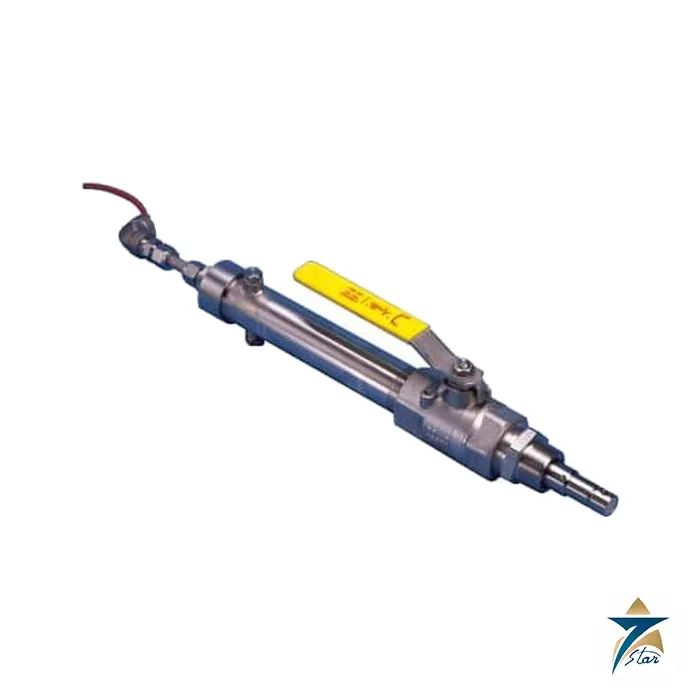
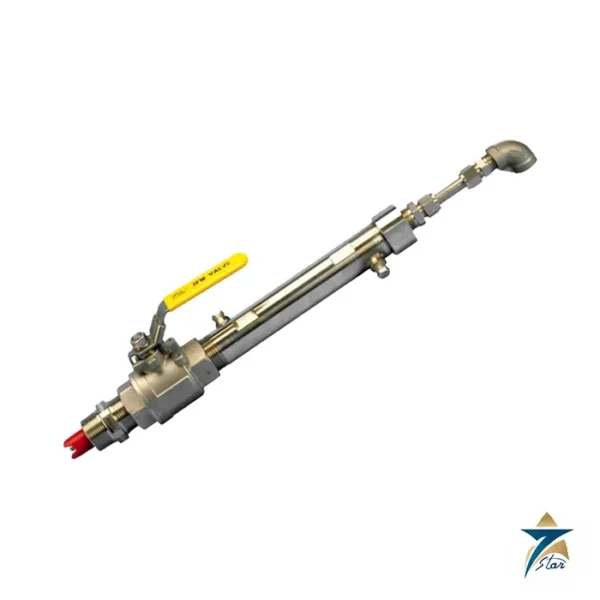
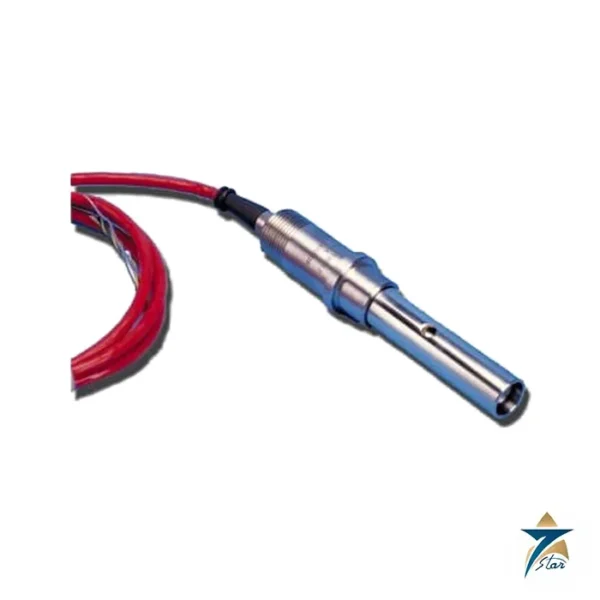
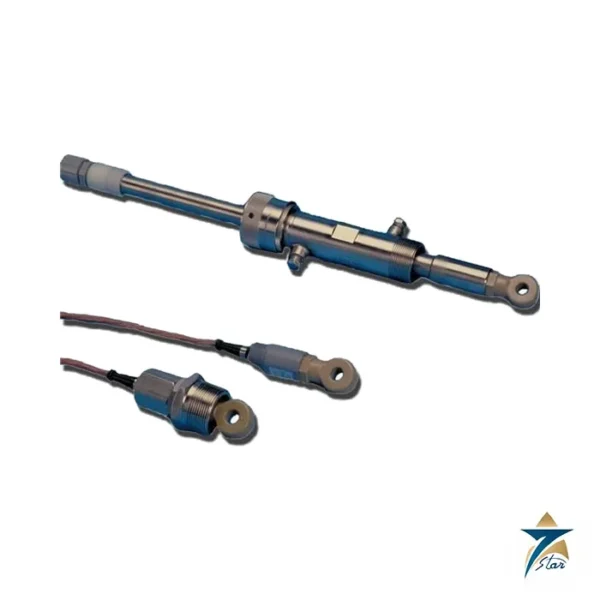
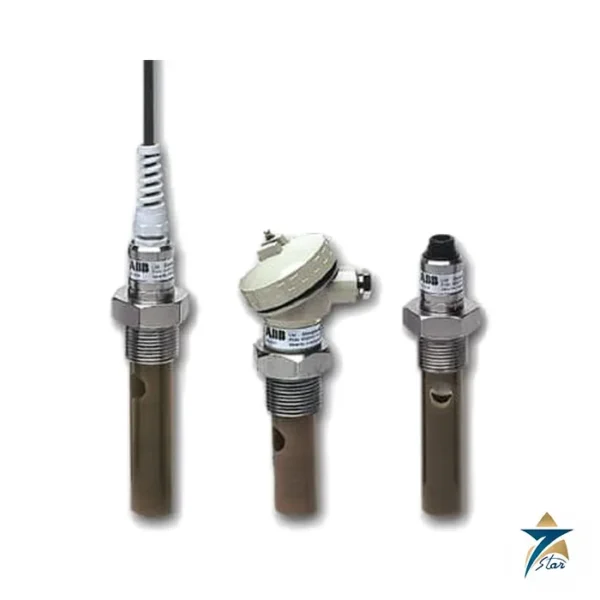
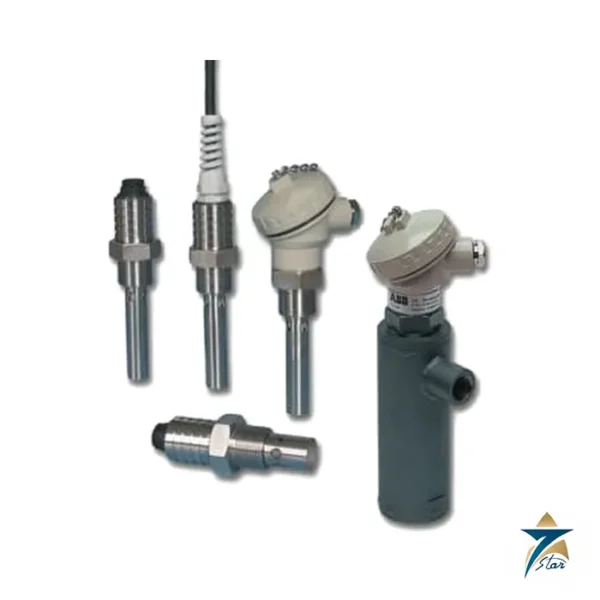
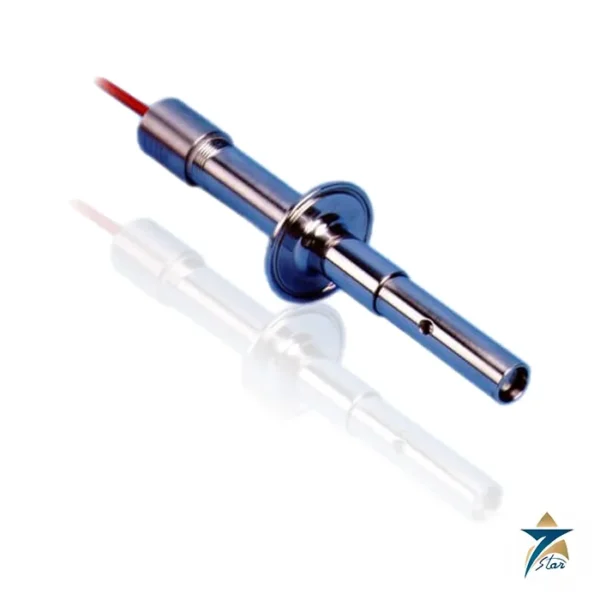
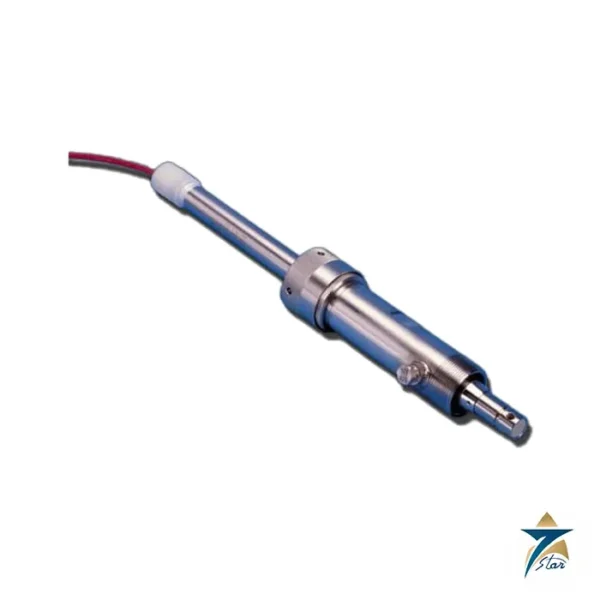
The ABB TB27 electrode is a high-pressure, hot-tap two-electrode contacting conductivity sensor built for installation into pressurized process lines without shutting down the process. Its 1¼-inch NPT hot-tap connection works with a compatible isolation/insertion valve assembly, letting technicians insert or withdraw the electrode under full line pressure for maintenance or calibration.
As part of ABB’s TB2 two-electrode contacting family, the TB27 is engineered for demanding industrial duty where downtime for sensor service is costly or operationally difficult to schedule. Seven Star LLC supplies the TB27 to refineries, chemical plants, and utilities across Oman and the GCC.
Operating Principle
The TB27 applies an AC voltage across its two stainless steel electrodes and measures the resulting current through the process fluid, which is directly proportional to the fluid’s conductivity. The sensor’s factory-calibrated cell constant allows a paired transmitter to convert this signal into accurate conductivity or concentration readings, while its hot-tap body permits safe insertion and withdrawal through a ball-valve assembly without depressurizing the line.
Engineering Design of the ABB TB27
The TB27’s defining feature is its high-pressure hot-tap capability: a 1¼-inch NPT process connection paired with an isolation valve lets the electrode assembly be retracted for inspection, cleaning, or replacement while the process line remains fully pressurized and in service. The sensor is rated for process temperatures up to 200°C and pressures up to 2068 kPa (300 psi) at that temperature — the highest pressure rating in the TB2 hot-tap lineup — with stainless steel wetted electrodes for broad chemical compatibility.
Key Features
- Two-electrode contacting conductivity measurement technology
- High-pressure hot-tap installation via 1¼-inch NPT connection
- Insertable/retractable under full line pressure with a compatible isolation valve
- Maximum process temperature rating of 200°C
- Maximum pressure rating of 2068 kPa (300 psi) at 200°C
- Stainless steel electrodes for corrosion resistance
- Compatible with ABB AquaMaster/AX400-series conductivity transmitters
- Eliminates process shutdown for sensor maintenance or calibration
- Factory-calibrated cell constant for accurate readings
Industrial Applications
The TB27 is specified for high-pressure process lines in refineries and petrochemical plants across Muscat, Sohar, and Salalah, where conductivity monitoring points on pressurized water, steam condensate, or chemical injection lines must remain serviceable without a full process shutdown. Its hot-tap design significantly reduces the maintenance burden on critical, continuously operating systems.
Across the GCC’s oil, gas, and power sectors, the TB27 is commonly specified for boiler feedwater treatment, cooling water systems, and desalination pretreatment lines where high operating pressure rules out a standard in-line or submersion sensor, and where scheduled downtime for sensor service is difficult to arrange.
Technical Specifications
| Parameter |
Specification |
| Measurement Technology |
Two-electrode contacting conductivity |
| Installation Type |
High-pressure hot-tap |
| Process Connection |
1¼-inch NPT hot-tap |
| Electrode Material |
Stainless steel |
| Maximum Temperature |
200°C |
| Maximum Pressure |
2068 kPa (300 psi) at 200°C |
| Output |
Compatible with ABB AquaMaster/AX400-series transmitters |
| Series |
ABB TB2 two-electrode contacting family |
Hot-Tap Assembly Selection
A hot-tap conductivity point is a pressure-containing assembly, so the sensor, isolation valve and fittings must be selected as a set. Confirm the design pressure and temperature of the line, the size and rating of the isolation valve, the material compatibility of every wetted part, and the insertion length needed to place the electrodes in the flowing stream. When replacing an existing TB27, read the model code from the sensor label and compare the cell constant, insertion length and cable arrangement with the installed unit. The transmitter configuration should also be checked so that it matches the new cell.
Safe Insertion and Withdrawal
Work on a live hot-tap point must follow the site permit system and the manufacturer procedure. Before withdrawal, confirm the line pressure and temperature are within the limits for the assembly, check that the retaining mechanism is secure, and make sure the operator stands clear of the sensor axis. Withdraw the sensor fully past the valve before closing the valve, then vent the space between the valve and the sensor before removing it. Reverse the steps for insertion and check for leaks at operating pressure before leaving the point.
Maintenance and Troubleshooting
- Low or drifting reading: clean deposits from the electrodes and check the cell constant setting.
- Leakage at the packing gland: stop, isolate if possible, and service the seals before further use.
- Noisy signal: check cable screening, earthing and connector condition.
- Reading changes with temperature: check the temperature compensation settings in the transmitter.
Keep a written record of each insertion and withdrawal, including the date, line pressure, the condition of the electrodes and any seal work done. Over time this log shows how quickly fouling develops at each point, so that cleaning intervals can be set on real data rather than guesswork. It also helps the reliability team spot seal wear early. Having a spare sensor with the same cell constant, already checked against a conductivity standard, means that the exchange can be done in one short visit while the removed sensor is cleaned in the workshop.
Applications in Oman and the GCC
The ABB TB27 electrode suits boiler feedwater and condensate lines in power and desalination plants, and pressurised process water lines in refineries and gas plants across Oman and the Gulf, where shutting down a line for sensor cleaning is not practical. Seven Star LLC supplies ABB conductivity sensors, valve assemblies and transmitters to these users and helps confirm the complete hot-tap arrangement before quotation.
Request a Quote for ABB High pressure, hot-tap, stainless steel electrodes TB27
Contact Seven Star LLC to request a quotation for the ABB TB27 high-pressure hot-tap conductivity sensor, including the matching isolation valve assembly for live insertion. Our engineering team, serving Oman and the GCC, can help confirm the correct valve and fitting configuration for your process conditions.
Browse the full ABB range or see more Liquid Analysis Sensors products supplied by Seven Star LLC in Oman and the GCC.









Reviews
There are no reviews yet.