Brand:

KROHNE OPTIWAVE 6400 24 GHz Radar Level Transmitter for Solids

Description

Two-wire 24 GHz radar for bulk solids and rocks

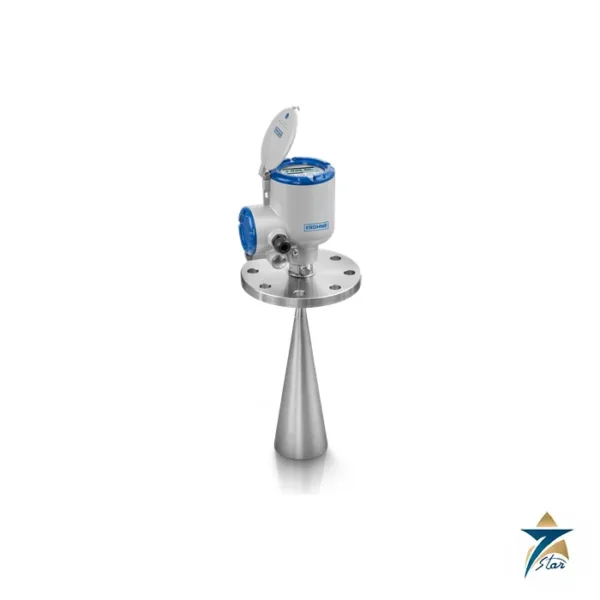
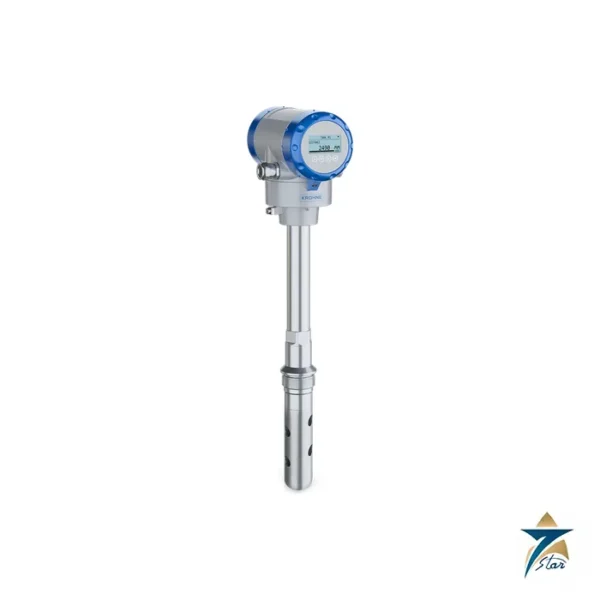
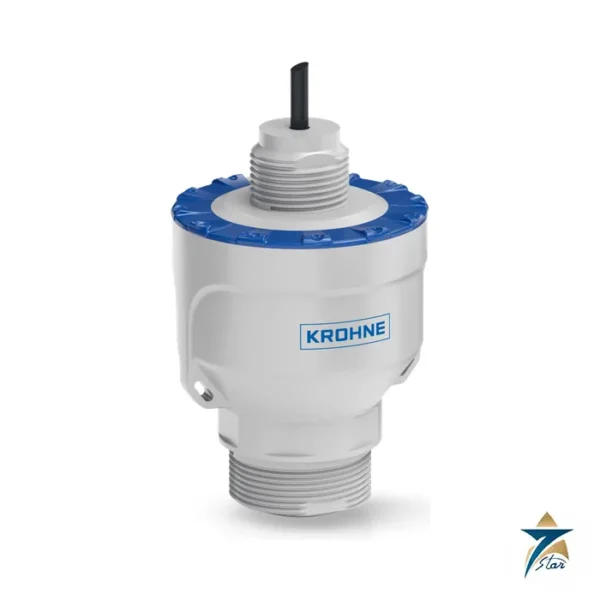
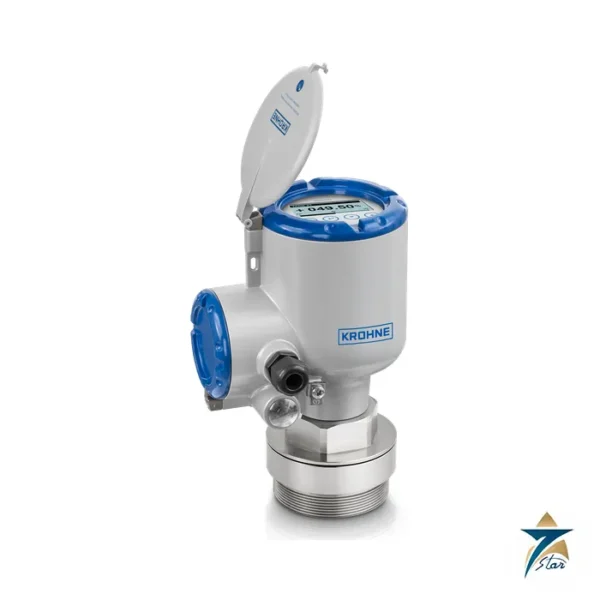
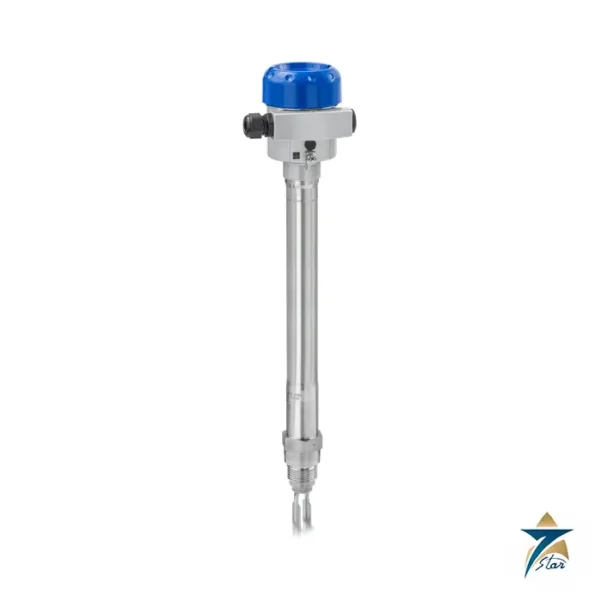
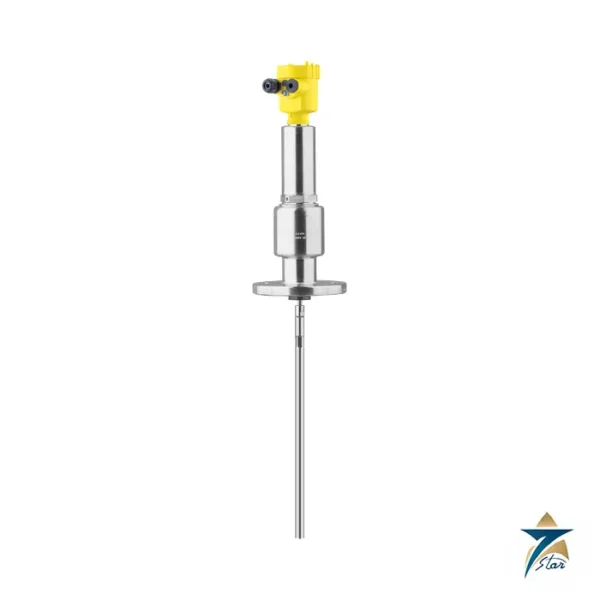
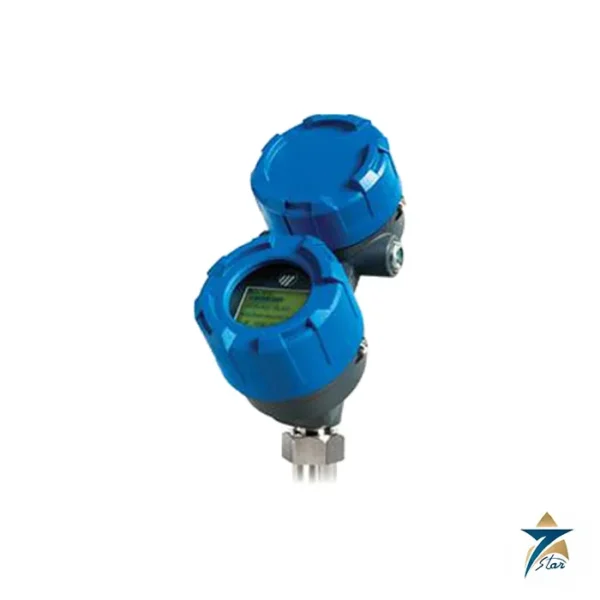
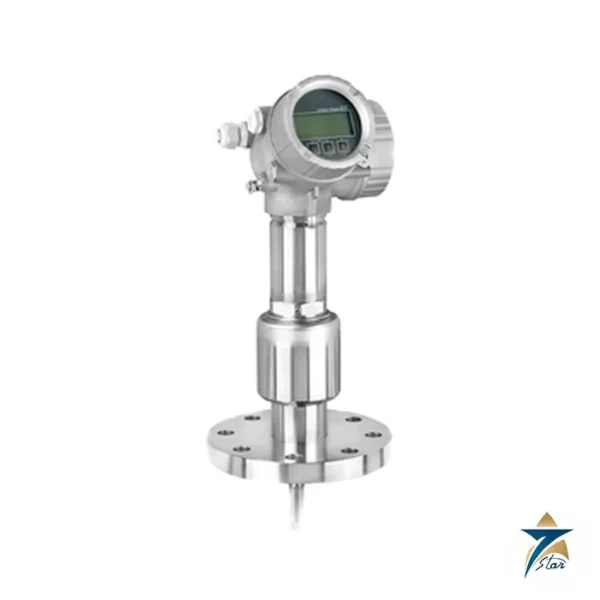
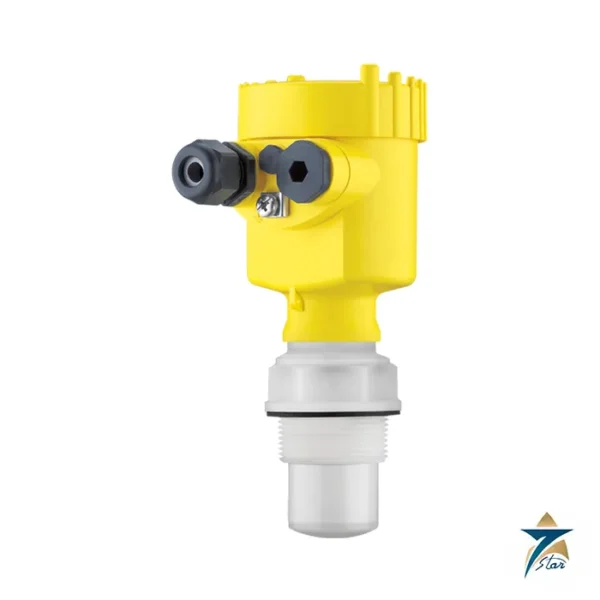
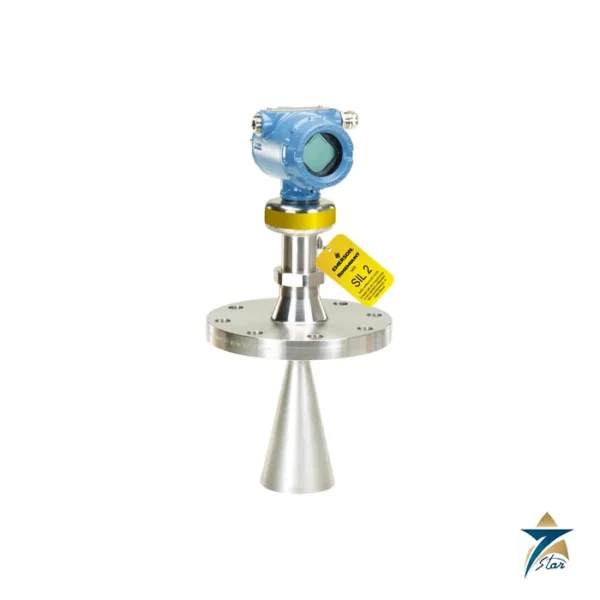
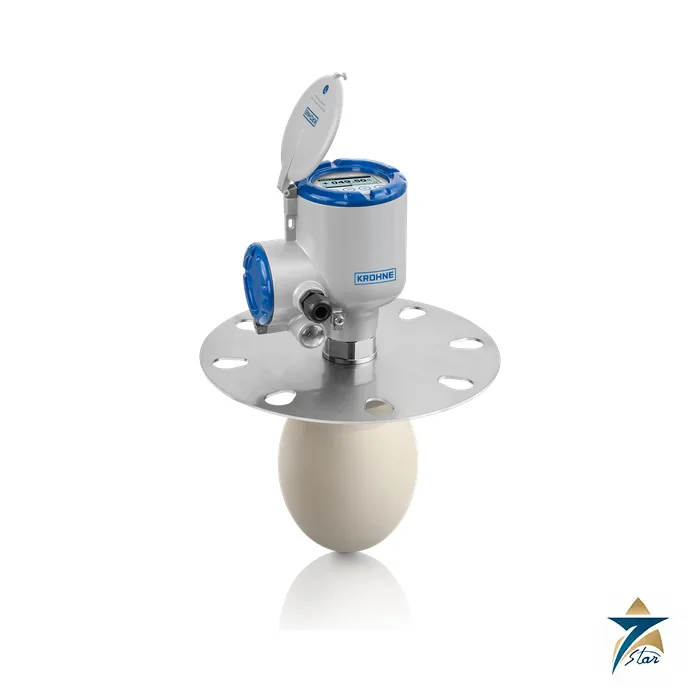
The KROHNE OPTIWAVE 6400 is a two-wire 24 GHz FMCW radar level transmitter for basic applications with solids, from granulates to stones. KROHNE describes it for continuous, non-contact level measurement of plastic granulates, coffee beans, rock and similar products, with a range of 0 to 100 m (0 to 328 ft) and best accuracy of +/-2 mm (+/-0.08 in).

The antenna choices are a 316L metallic horn with optional purging, and polypropylene or PTFE drop antennas whose smooth ellipsoidal shape limits scaling and is not affected by the angle of repose. That removes the need for aiming kits in many silos. The PTFE DN150 drop antenna gives a 4 degree beam angle, and a newer DN100 version covers distances up to 40 m.

Technical specifications

Parameter Specification
Model OPTIWAVE 6400 (C compact; F remote variants)
Principle Radar (FMCW), 24 GHz, two-wire loop-powered
Measured media Solids: granulates, bulk solids, stones and rocks
Measuring range 0 to 100 m / 0 to 328 ft
Accuracy (best) +/-2 mm / +/-0.08 in
Process temperature -50 to +130 C / -58 to +266 F
Process pressure -1 to 16 barg / -14.5 to 232 psig
Flanges EN 1092-1 DN80 to DN200 PN40; ASME 3 to 8 in Cl 300; JIS 80 to 200A 10k
Threads G1, G1.5, 1 NPT, 1.5 NPT (male)
Antennas PP or PTFE drop antennas; 316L metallic horn
Outputs 4 to 20 mA HART 7, FOUNDATION Fieldbus, PROFIBUS PA
Protection IP66/68, NEMA 4X/6P; ambient -40 to +80 C
Approvals as printed ATEX, cQPSus, IECEx, NEPSI, EAC Ex; WHG; SIL 2/3; CRN / ASME B31.3

Choosing between 6400 and 6500

Both share the same range and accuracy figures on the manufacturer page, but the 6400 uses 24 GHz and is positioned for coarse solids such as rock, gravel, coal and plastic granules, while the 6500 uses 80 GHz for fine, dusty powders. Pick the 6400 for crushers, ore passes and conveyor transfer points.

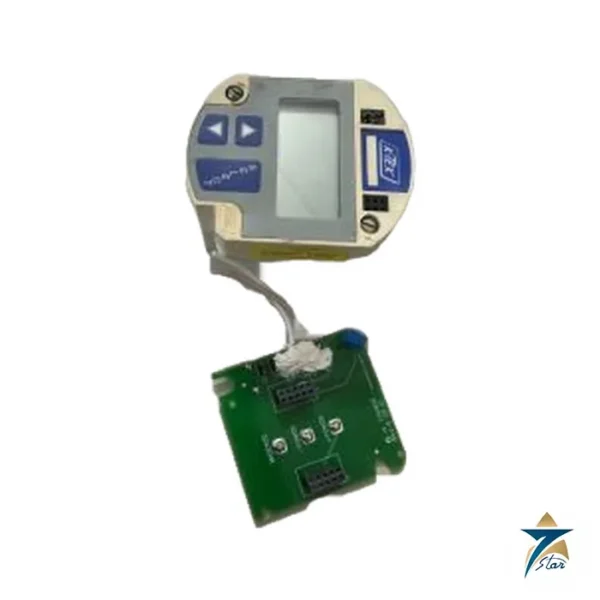
The page lists built-in configurations for different surface profiles, Tank Bottom Management, and a spare converter compatible with the OPTIWAVE 6300 C process connections.

Ordering notes

The document hosted here is the OPTIWAVE 6400 handbook, a long manual of 180 pages, so use the table of contents to find antenna dimensions, wiring and the order code. Antenna, seal (EPDM, FKM or Kalrez 6375), housing and approval must all be stated on the request.

For explosive dust areas check the marking of the exact certificate. A derived rule is to keep the nozzle height below the antenna extension limit given in the manual.

For commissioning, record the empty-silo spectrum and choose the surface profile that fits the product, for example cone for stones or flat for fine granulate. The converter can be exchanged without removing the antenna, and the manual describes the process connection torque, the HART menu and the diagnostics that help service teams in remote mines.

Documents and quotation

Quote requests are handled from this page: attach your tag list or the full code, and note the antenna type, seals and approval. The attached PDF (KROHNE OPTIWAVE 6400 handbook (EN)) is the reference for every value above, and it should be checked again for the final configuration. See also Level Instrumentation.

Datasheets & Documents
  • PDF Manual KROHNE OPTIWAVE 6400 handbook (EN) Download
Reviews (0)

Reviews

There are no reviews yet.

How would you rate this product?

It takes about 10 seconds — just tap a star. Your email is never published.

About brand

KROHNE is the German flow and level measurement company founded in Duisburg in 1921 as Ludwig Krohne & Sohn. Its first customers were Ruhr steel producers, for whom it built variable area flowmeters. KROHNE dates the first electromagnetic flowmeter for industrial process measurement to 1952. It is still family-owned and headquartered in Duisburg.

Seven Star LLC is an independent supplier in Muscat. We list KROHNE electromagnetic, Coriolis, ultrasonic and variable area flowmeters, radar level transmitters and flow computers, and supply them to water utilities, oil and gas and process plants in Oman and the GCC by order code.

KROHNE company profile

Established 1921, Duisburg, Germany, as Ludwig Krohne & Sohn
Early products Variable area flowmeters for hardening furnaces in the Ruhr steel industry
Milestone 1952: first electromagnetic flowmeter for industrial process measurement, according to KROHNE
Product families Electromagnetic, Coriolis, ultrasonic, vortex and variable area flowmeters, radar and guided radar level, flow computers and metering systems, analysers

Milestones

  • 1921: Ludwig Krohne starts making variable area flowmeters in Duisburg for hardening furnaces in the Ruhr steel industry.
  • 1952: First electromagnetic flowmeter for industrial process measurement, according to KROHNE.
  • 1980: First ultrasonic flowmeter delivered to Shell for crude oil measurement.
  • 1985: Development and production of Coriolis mass flowmeters begins.
  • 1994: First Coriolis mass flowmeter with a single straight measuring tube.
  • 1996: ALTOSONIC V, the first ultrasonic meter for custody transfer of liquids.

KROHNE products we list

Family Models Typical use
Electromagnetic flowmeters OPTIFLUX 2000, 2100, 2300, 4100, 4300, WATERFLUX 3070, 3100, 3300 Water networks, wastewater, seawater intake and conductive process liquids
Coriolis mass flowmeters OPTIMASS 1400, 6400 Direct mass flow and density of hydrocarbons, chemicals and LPG
Ultrasonic flowmeters ALTOSONIC V12, OPTISONIC 3400, 6300 clamp-on, 7300 gas Gas custody transfer, liquid process flow and non-intrusive clamp-on checks
Variable area flowmeters H250 M40, DK800/R Simple, power-free flow indication for purge, sample and utility lines
Level OPTIFLEX 7200 guided radar, OPTIWAVE 5400, 7500, 1540, OPTISWITCH 5300 Level in tanks, separators and chemical storage, and point level switching
Flow computer SUMMIT 8800 Fiscal and custody transfer calculations for gas and liquid metering

The flowmeter principle follows the medium. Electromagnetic meters need a conductive liquid, have no moving parts and no pressure loss, and suit water and slurries. Coriolis meters measure mass flow and density directly, so they work for hydrocarbons and non-conductive liquids. Ultrasonic meters handle gas and large pipes, and multi-path designs such as the ALTOSONIC V12 are used for custody transfer. Variable area meters need no power at all and give a simple local reading.

Where KROHNE instruments are used

In Oman and the GCC, KROHNE flowmeters and level transmitters are used in water transmission and distribution, desalination, wastewater, oil and gas production and fiscal metering, refineries, petrochemical and chemical plants, and power stations.

Ordering KROHNE instruments: what we need

Send the complete KROHNE order code or the nameplate data. For a new meter, send the medium, the flow range, pressure and temperature, the pipe size and flange rating, the liner and electrode materials (for electromagnetic meters), the output and communication, and the hazardous area classification.
Facts checked against KROHNE company history (100th anniversary), October 2026.

Frequently Asked Questions

What does it measure?
Level of bulk solids, granulates and rocks in silos, bunkers and crushers.
Which antennas are offered?
PP and PTFE drop antennas and a 316L metallic horn.
What is its accuracy?
The manufacturer page gives +/-2 mm (+/-0.08 in) at best.
How is it powered?
It is a two-wire loop-powered device with 4 to 20 mA and HART 7.
Does it have approvals?
The page lists ATEX, IECEx, cQPSus, NEPSI, EAC Ex, WHG and SIL 2/3.