Electromagnetic flowmeter for abrasive and aggressive liquids to 180 C
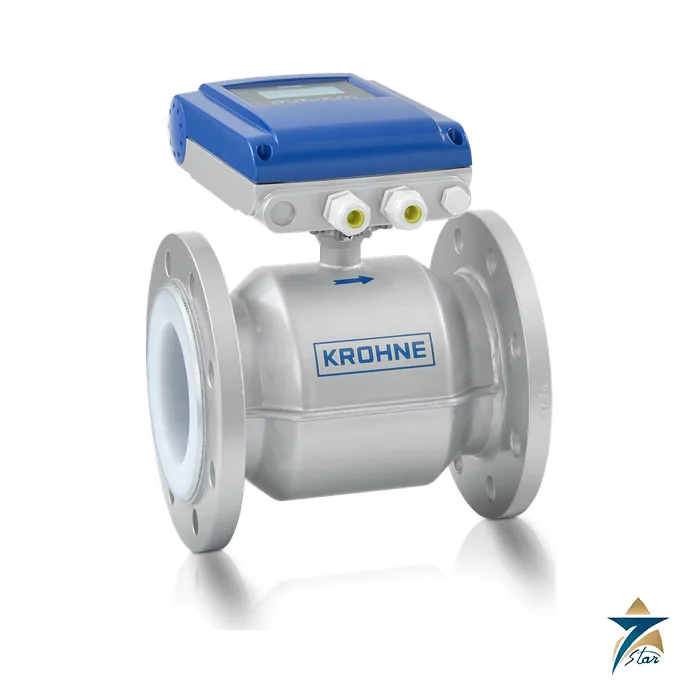
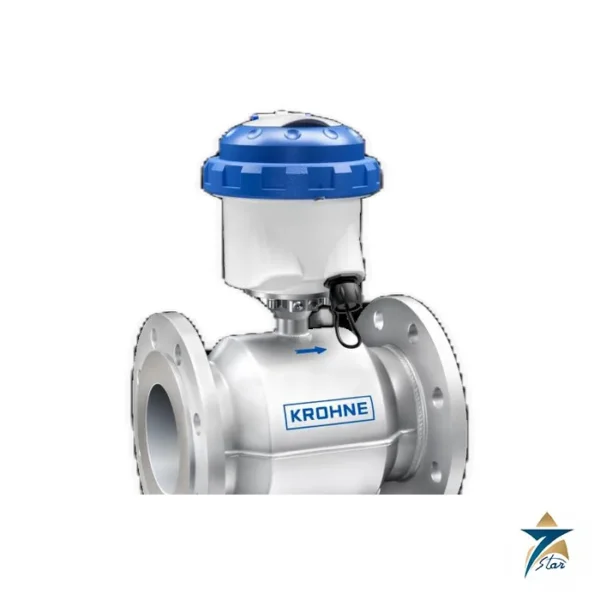
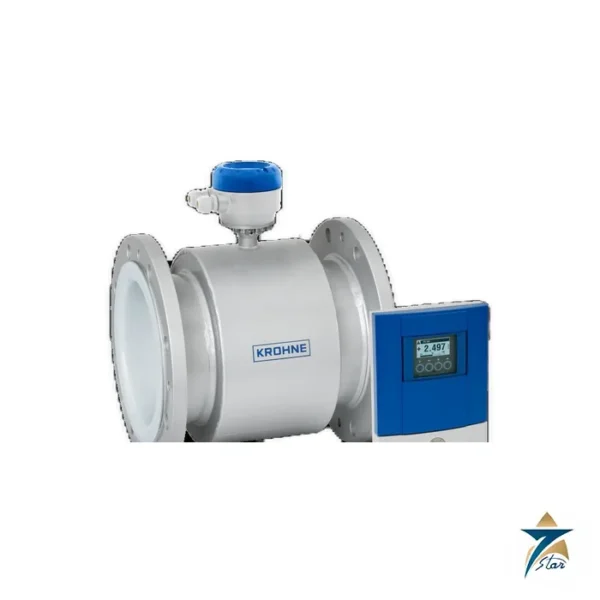
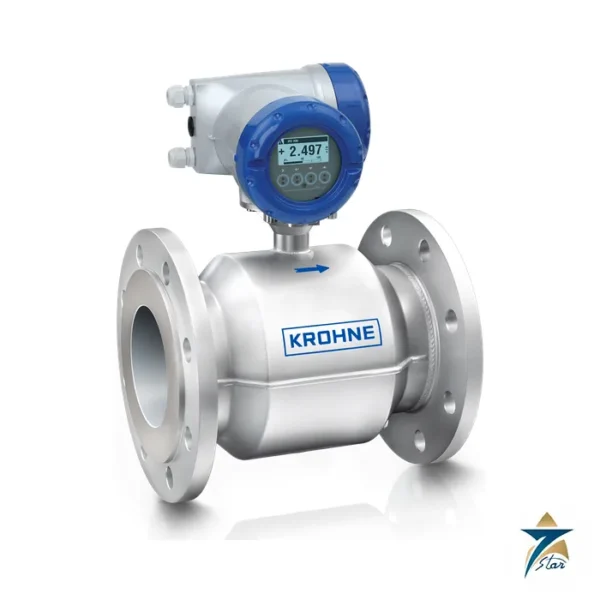
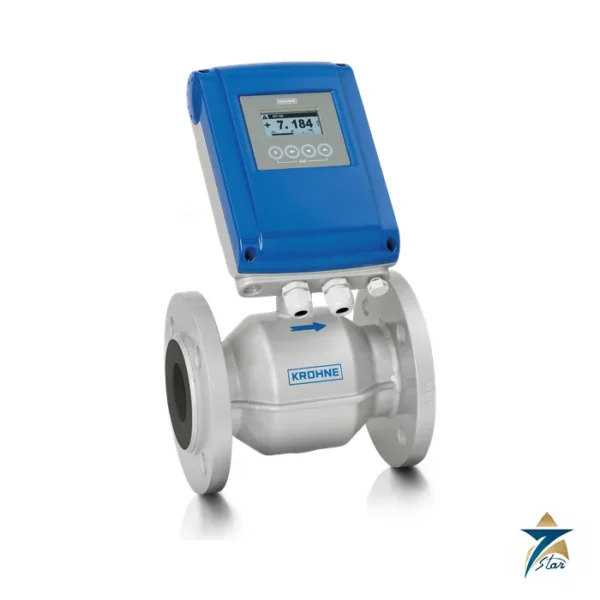
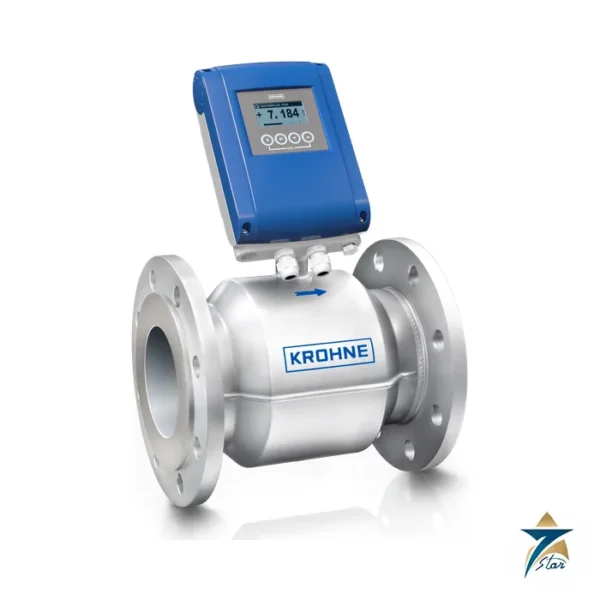
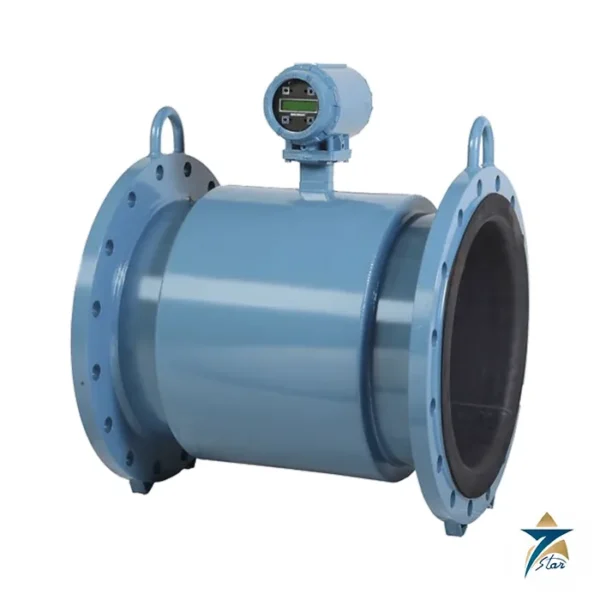
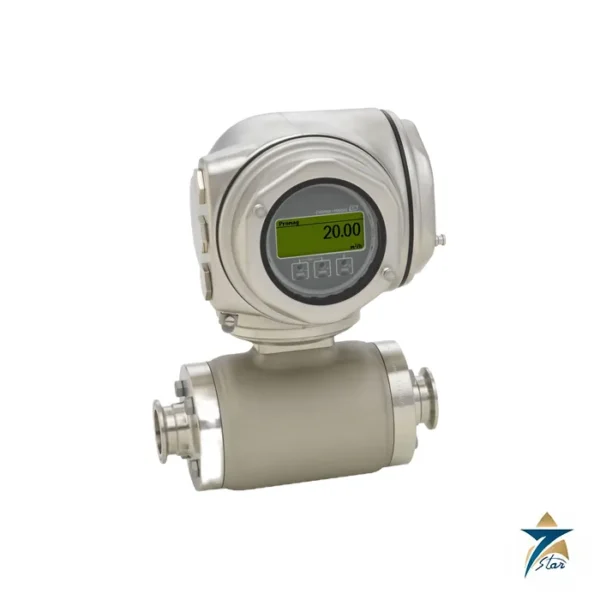
The KROHNE OPTIFLUX 4100 is an electromagnetic flowmeter for standard process applications with aggressive or abrasive liquids. It is built on the OPTIFLUX 4000 sensor with the IFC 100 converter, in compact (C) or remote (W) form, and measures up to +180 C (+356 F), low conductivity from 5 uS/cm and solids content up to 10 percent according to the manufacturer.
The choice of liner is the main selection step: PTFE, PFA, ETFE, PUR, hard rubber and soft rubber are listed, with a range of electrode materials, and special inner diameters and liner thicknesses are available on request. Turndown is 1000:1 and standard accuracy is +/-0.3 percent of measured value or +/-1 mm/s.
Technical specifications
| Parameter |
Specification |
| Model |
OPTIFLUX 4100 C / W; sensor OPTIFLUX 4000 with IFC 100 |
| Principle |
Electromagnetic |
| Accuracy (standard) |
+/-0.3 % of measured value or +/-1 mm/s |
| Turndown |
1000:1 |
| Liner options |
PTFE, PFA, ETFE, PUR, hard rubber, soft rubber |
| Flange sizes |
EN 1092-1 DN2.5 to DN1200; ASME 1/10 to 48 in; JIS 2.5 to 1000A |
| Pressure |
Max. 40 barg / 580 psig |
| Process temperature |
-40 to +180 C / -40 to +356 F |
| Outputs |
4 to 20 mA, pulse, frequency, status; HART |
| Approvals as printed |
ATEX, IECEx, NEPSI, FM, CSA; FDA (hygienic); marine approvals |
Duty examples
Named uses include conductive chemicals, process and cooling water, oil and gas water injection, drilling mud and produced water, hydrocyclone feed lines in mining, black liquor and bleach in pulp and paper, and wastewater.
The remote version separates the converter from the sensor for hot or vibrating installations. An optional external coating protects against corrosive atmospheres.
Service life is driven by the liner and electrodes rather than by moving parts, because the meter has none. Typical maintenance is a periodic zero check, an inspection of the liner at shutdowns, and an on-site verification of the meter with the OPTICHECK tool, which avoids removal from the pipeline in many cases.
Selecting liner and electrodes
Abrasive slurries favour hard or soft rubber or PUR, hot aggressive chemicals favour PTFE or PFA, and ETFE suits several general chemicals. Match the electrode to the liquid, and give conductivity and solids content on the request.
The attached file is the OPTIFLUX 4000 quick start; ask for the technical datasheet if you need full tolerances. Confirm the line size, pressure class and approvals against the project specification before ordering.
In abrasive duty, flow velocity should be chosen within the range recommended by the manufacturer, because liner wear grows quickly at high velocity with hard particles. Keep the meter full, avoid installation at the highest point of the line, and consider extra grounding when the pipe is lined or plastic. The IFC 100 converter provides standard outputs for DCS integration.
Installation of the OPTIFLUX 4100 sensor
An electromagnetic flowmeter only measures well when the pipe section around it is designed with the meter in mind. Choose a location where the OPTIFLUX 4100 sensor stays completely filled with liquid in every operating condition, including start-up and low-flow periods. A rising vertical section or a low point in a horizontal run is generally preferred over a high point, where air or gas can collect across the electrodes. Straight inlet and outlet runs, as given in the KROHNE installation documents, reduce the influence of bends, valves and pumps on the flow profile.
Flange alignment deserves care, especially with PTFE or PFA liners, where uneven tightening can damage the liner face. Follow the bolt tightening sequence and torque guidance from the manufacturer, and do not use the meter body to pull misaligned pipework into place. In slurry and mining lines, plan for supports on both sides of the meter so that the sensor does not carry pipe loads.
Grounding and cabling
Correct grounding is essential for a stable signal. Follow the KROHNE grounding instructions for the pipe material and lining involved, and keep signal and output cabling separate from motor and variable-speed drive cables. For the remote W version, the cable between sensor and converter should be routed and fixed as the manual describes to avoid noise pick-up.
Commissioning the IFC 100 converter
At commissioning, enter or verify the line size, calibration data, flow direction, measuring range and output scaling in the IFC 100 converter, and compare the configuration with the loop drawings for the 4 to 20 mA, pulse or status outputs being used. With the line full and the flow stopped, a zero check confirms that the installation is electrically sound. If HART is used, confirm communication from the control system or a handheld before the loop is handed over.
Comparing the first readings with process expectations, such as pump curves, tank level changes or a reference meter, gives early warning of installation problems such as partial filling or poor grounding.
Service in Oman and GCC plants
Oil and gas water injection, produced water and municipal water and wastewater are common uses for this type of meter in Oman. Sensors installed outdoors may see strong solar heating and fine sand, and coastal sites add salt-laden humidity. Where a compact converter is mounted on a pipe in direct sun, shading the electronics or choosing the remote version, so that the converter can be placed in a more protected location, are both worth discussing at the design stage. The optional external coating mentioned above is relevant where the atmosphere is corrosive.
Keep the converter housing and cable entries properly closed after any work, as dust and moisture entering the converter housing are a frequent cause of field problems in desert and coastal environments.
Ongoing checks
Alongside the periodic zero check and liner inspection already described, review the converter diagnostics during routine rounds, watch for gradual changes in reading that might point to electrode coating or liner wear, and schedule OPTICHECK verification at an interval that suits the importance of the measurement.
Documents and quotation
Use the request form to ask for this model with your exact code. The attached KROHNE OPTIFLUX 4000 quick start (EN) lists all variants and options, and the liner, electrodes, line size and approvals should be confirmed before the order is released. Other products of this kind can be found in Flowmeters.











Reviews
There are no reviews yet.