Microsphere-filled PTFE that seals at low surface load
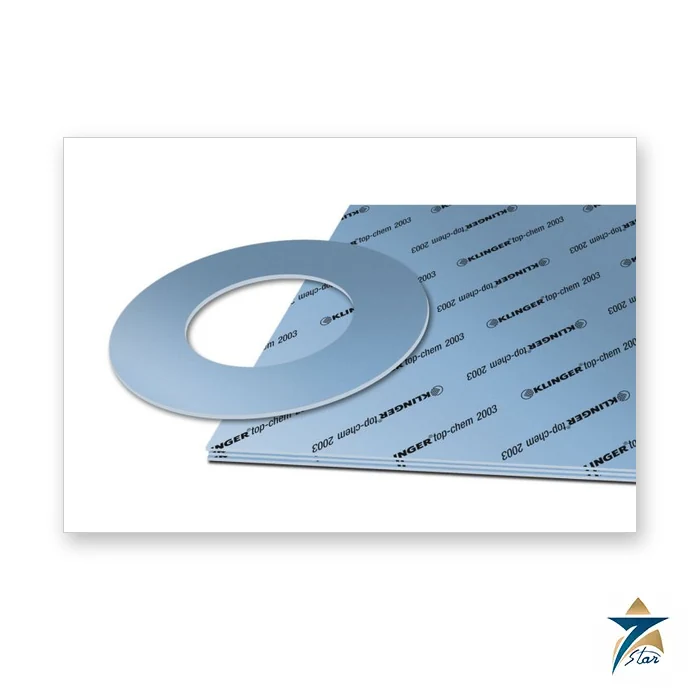
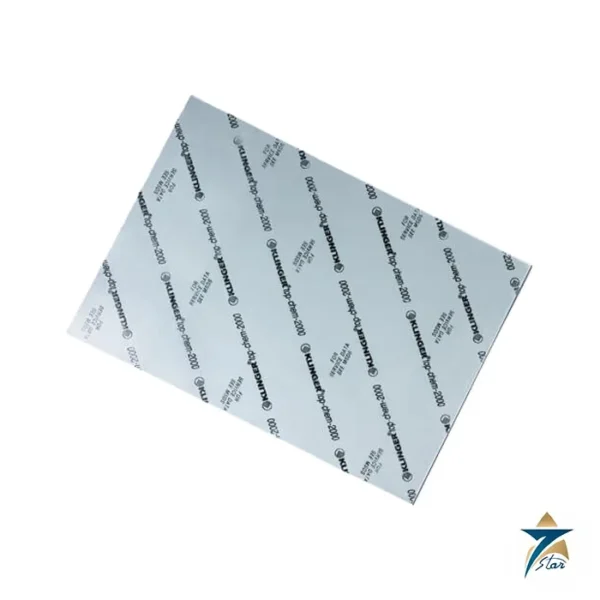
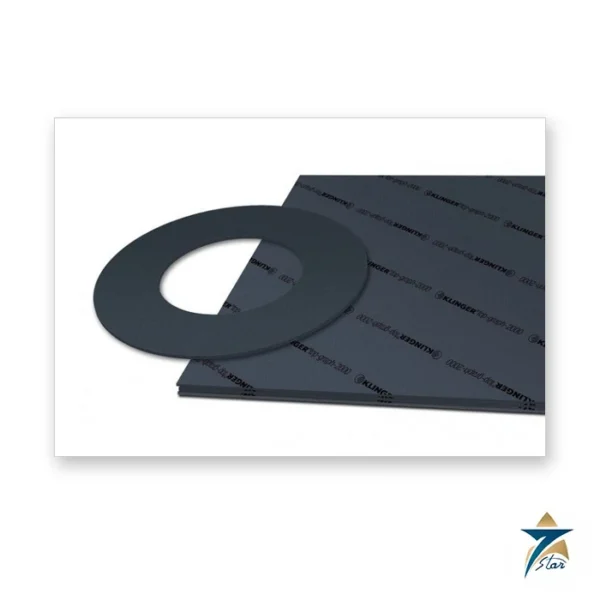
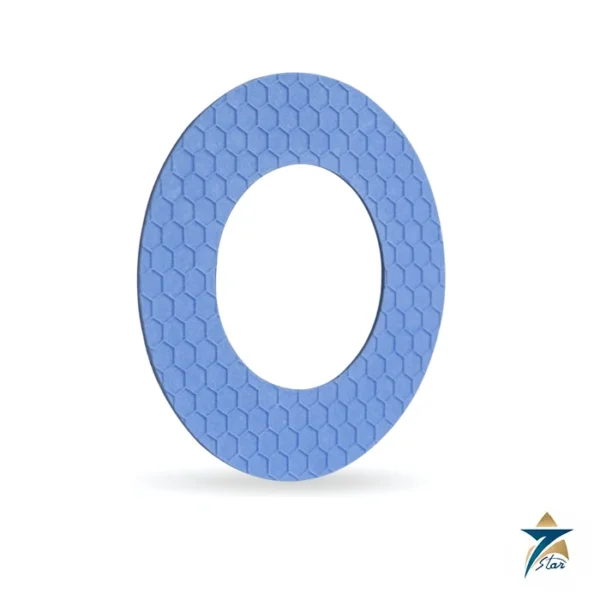
KLINGER top-chem 2003 is a blue PTFE sheet filled with hollow glass microspheres. Klinger positions it for high adaptability and tightness even at low surface loads, with excellent chemical resistance in strongly acidic and alkaline applications and good behaviour at medium temperatures and loads.
The listed features are high compressibility, consistent material composition and resistance to cold flow. The benefits stated are excellent sealing at low stress, superior chemical resistance, easy conformity to the flange and no ageing of the material. It is supplied in 1500 x 1500 mm sheets, 1.0 to 3.0 mm thick.
Technical specifications
| Parameter |
Specification |
| Manufacturer / model |
Klinger (Rich. Klinger Dichtungstechnik), KLINGER top-chem 2003 |
| Basis composition |
PTFE filled with hollow glass microspheres |
| Colour |
Blue |
| Sheet size |
1500 x 1500 mm |
| Thickness |
1.0, 1.5, 2.0, 3.0 mm |
| Tolerances |
Thickness per DIN 28091-1; length and width plus or minus 50 mm |
| Certificates and approvals as printed |
Oxygen-tested, DIN-DVGW, DVGW H2-ready (ZP 5123), DIN 16421 (W 270), KTW-BWGL, DNV approval, TA-Luft (Clean air), FDA conformity (components comply with FDA requirements), Regulation (EU) No. 1935/2004 (incl. 10/2011), VDI 2200 blowout |
| Industries listed |
General industry, chemical, oil and gas, energy, infrastructure, pulp and paper, marine, automotive, food and beverage, pharma |
| Compressibility, ASTM F 36 M (2.0 mm) |
18 % |
| Recovery, ASTM F 36 M |
35 % |
| Stress relaxation, DIN 52913, 30 MPa, 16 h |
13 MPa at 150 °C (30 MPa) |
| Klinger cold/hot compression, 50 MPa, thickness decrease |
10 % at 23 °C; 39 % at 260 °C |
| Tightness, DIN 28090-2 |
0.01 mg/(s x m) |
| Specific leak rate, VDI 2440 |
3.29E-06 mbar x l/(s x m) |
| Thickness / weight increase after immersion (percent): 100 % H2SO4 18 h at 23 °C; 100 % HNO3 18 h at 23 °C; 33 % NaOH 72 h at 110 °C |
1 / 1 (H2SO4); 0 / 5 (HNO3); 1 / 5 (NaOH) |
| Density |
1.7 g/cm3 |
| Thermal conductivity |
0.18 W/mK |
| ASME code sealing factors, 2.0 mm, tightness class 0.1 mg/(s x m) |
y 8 MPa, m 2.7 |
| Chemical resistance chart in datasheet |
A (small or no attack) in all twelve media groups printed on the chart |
All values are typical values for a 2.0 mm sheet as printed in the Klinger datasheet; other thicknesses can differ.
Using top-chem 2003 on weak flanges and low bolt loads
The microspheres make this the softest sheet in the top-chem line: compressibility is 18 % against 4 % for the other three top-chem grades, and its y factor is only 8 MPa, with m 2.7. That suits glass-lined, plastic or lightly bolted flanges that cannot take high seating stress.
The trade-off is shown in the same table. Hot compression is measured at 25 MPa, not 50 MPa, and the thickness decrease at 260 °C is 39 %, stress relaxation at 150 °C is 13 MPa and the maximum duty is medium temperature and load. For a hot, highly loaded joint look at top-chem 2000 instead. Immersion in 100 % nitric acid gave 0 % thickness and 5 % weight increase.
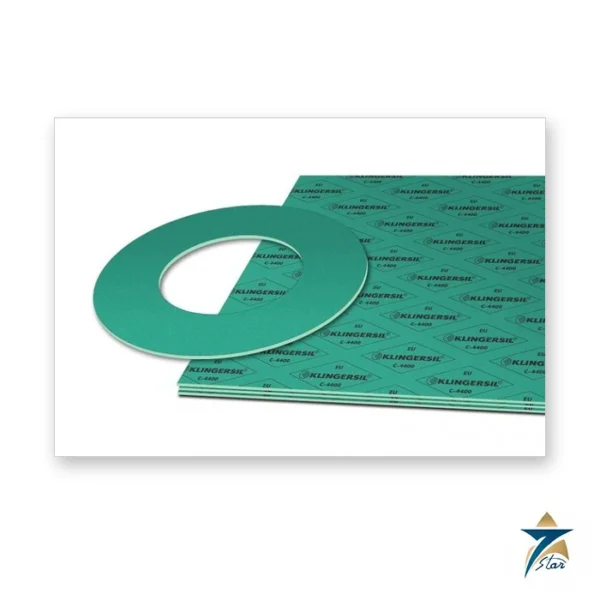
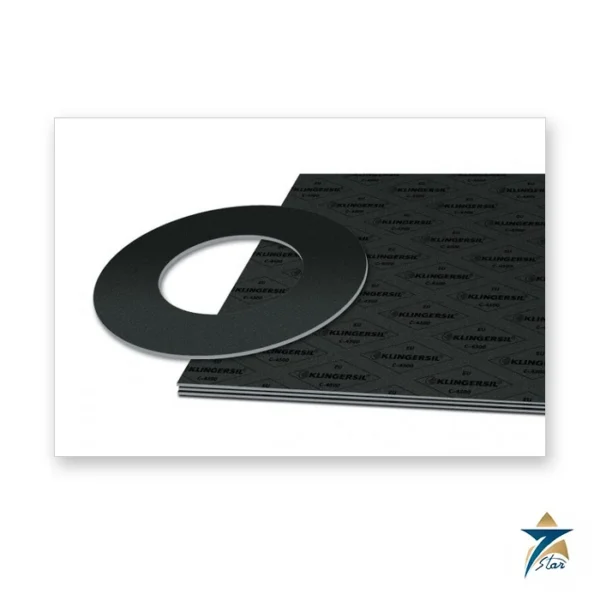
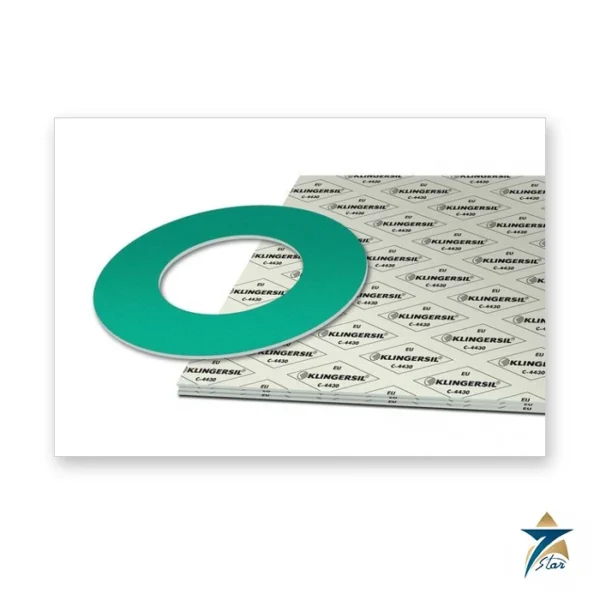
Related KLINGER gasket sheets
The top-chem grades are compared below by filler and intended duty.
| Model |
Basis |
Colour |
Positioning printed by Klinger |
| KLINGER top-chem 2000 |
PTFE filled with silicon carbide |
Grey |
Heavy-duty, high mechanical load at high temperature |
| KLINGER top-chem 2005 |
PTFE filled with inorganic fillers |
Red |
Strongly acidic media |
| KLINGER top-chem 2006 |
PTFE filled with barium sulfate |
White |
Strongly alkaline media; pigment-free |
| KLINGER top-graph 2000 |
Graphite and synthetic fibres, NBR |
Black |
Graphite filler, high load-bearing capacity, steam |
Typical services for a soft filled PTFE sheet
A microsphere-filled PTFE sheet is most often chosen where chemical attack and limited flange strength appear together. Chemical plants handling strong acids and alkalis, water and wastewater treatment dosing lines, pulp and paper bleaching circuits and pharmaceutical or food and beverage process lines frequently use glass-lined, plastic-lined or non-metallic flanges that would crack or distort under the bolt loads needed to seat a harder sheet. In these joints KLINGER top-chem 2003 uses its high compressibility to fill flange surface irregularities at modest stress, while the PTFE basis provides the broad chemical resistance shown in the datasheet chart. The listed approvals, including FDA conformity and the drinking water and gas related certificates, are relevant where the joint is in contact with products or utilities that carry their own regulatory requirements, and users should check that the approval matching their service is the one printed for this grade.
Selecting between the top-chem grades
Choosing a grade starts with the joint rather than the fluid. If the flanges are strong steel and bolt load is plentiful, a denser grade such as top-chem 2000 gives better resistance to creep at temperature. If the medium is specifically strongly acidic or strongly alkaline, top-chem 2005 and top-chem 2006 are positioned for those duties. KLINGER top-chem 2003 is the grade to consider when the deciding factor is the low seating stress available, and when temperature and load stay in the medium range Klinger states. Comparing the sealing factors and compression values for the candidate grades against a flange calculation is the most reliable way to confirm the choice.
Cutting, fitting and bolting practice
Gaskets cut from sheet should have clean, smooth edges and an inside diameter that does not protrude into the bore, where it could be eroded by flow or reduce the passage. The sheet should be stored flat, clean and away from direct sunlight and heat until it is cut. During installation, flange faces should be clean and undamaged, the gasket centred, and bolts tightened in a cross pattern in several passes to bring the joint up evenly. Because PTFE-based sheets can relax after first tightening, following the bolting procedure set by the plant or the flange designer and checking the joint after it first reaches operating conditions is common practice.
Site conditions in Oman and the GCC
Process plants in Oman and across the GCC combine high ambient temperatures with coastal humidity and, at many sites, aggressive chemical service in desalination, water treatment and oil and gas chemical injection systems. A joint that sits in direct sun can run warmer than the process alone would suggest, so the actual flange temperature should be considered when checking the grade against medium temperature duty. Keeping uncut sheets indoors in a controlled store before cutting helps it arrive at the joint in the condition described by the datasheet.
Documents, ordering details and quotation
Give the flange material and bolt load available, as top-chem 2003 is chosen for joints with limited seating stress. Send the fluid, its concentration, the design and hydrotest pressures, the temperature range, the flange class and face finish and the bolt material, together with the thickness and format (sheet or cut ring) you need. The datasheet values are typical figures from Klinger, not guarantees for a particular joint, so check the grade against the real service before it is specified. Related items are listed under gaskets, seals and pipe fittings.





Reviews
There are no reviews yet.